


11754 Results
Form:
textual records
textual records
Title:
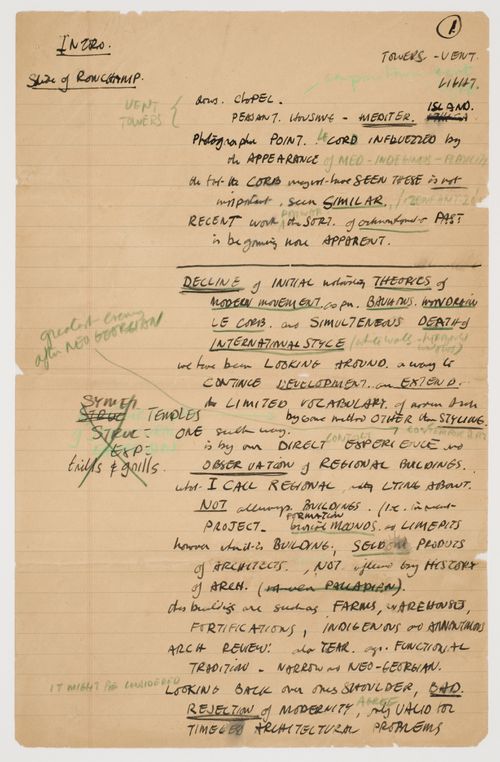
Lecture notes
Lecture notes
Actions:
Reference number:
AP140.S2.SS4.D7.P5.2
Description:
These notes are for first of two talks, probably given at Yale in 1959. This talk was used to prepare the article "The Functional Tradition and Expression" publised in Perspecta 6 in 1960.
AP140.S2.SS4.D7.P5.2
Description:
These notes are for first of two talks, probably given at Yale in 1959. This talk was used to prepare the article "The Functional Tradition and Expression" publised in Perspecta 6 in 1960.
People:
Date:
probably 1959
probably 1959
Title:
Lecture notes
Actions:
AP140.S2.SS4.D7.P5.2
Description:
These notes are for first of two talks, probably given at Yale in 1959. This talk was used to prepare the article "The Functional Tradition and Expression" publised in Perspecta 6 in 1960.
Lecture notes
Actions:
AP140.S2.SS4.D7.P5.2
Description:
These notes are for first of two talks, probably given at Yale in 1959. This talk was used to prepare the article "The Functional Tradition and Expression" publised in Perspecta 6 in 1960.
Form:
textual records
textual records
Date:
probably 1959
probably 1959
People:
Form:
exhibitions
exhibitions
Description:
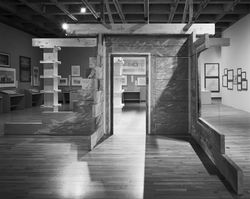
The exhibition presents three aspects of the villas described by the Roman writer, Pliny the Younger, in the first century AD: their direct historical influence on architecture, the indirect influence they have exerted on architects as a model for study, and their impact on the classical tradition in the city of Montreal. The Villas of Pliny and Classical Architecture(...)
The exhibition presents three aspects of the villas described by the Roman writer, Pliny the Younger, in the first century AD: their direct historical influence on architecture, the indirect influence they have exerted on architects as a model for study, and their impact on the classical tradition in the city of Montreal. The Villas of Pliny and Classical Architecture(...)
Location:
Musée des beaux-arts de Montréal
Musée des beaux-arts de Montréal
Date:
14 October 1983 to 11 December 1983
14 October 1983 to 11 December 1983
Title:
The Villas of Pliny and Classical Architecture in Montréal
Actions:
Description:
The exhibition presents three aspects of the villas described by the Roman writer, Pliny the Younger, in the first century AD: their direct historical influence on architecture, the indirect influence they have exerted on architects as a model for study, and their impact on the classical tradition in the city of Montreal. The Villas of Pliny and Classical Architecture(...)
The Villas of Pliny and Classical Architecture in Montréal
Actions:
Description:
The exhibition presents three aspects of the villas described by the Roman writer, Pliny the Younger, in the first century AD: their direct historical influence on architecture, the indirect influence they have exerted on architects as a model for study, and their impact on the classical tradition in the city of Montreal. The Villas of Pliny and Classical Architecture(...)
Form:
exhibitions
exhibitions
Date:
14 October 1983 to
11 December 1983
14 October 1983 to
11 December 1983
Location:
Musée des beaux-arts de Montréal
Musée des beaux-arts de Montréal
Form:
photographs
photographs
Actions:
Reference number:
ARCH256151
Description:
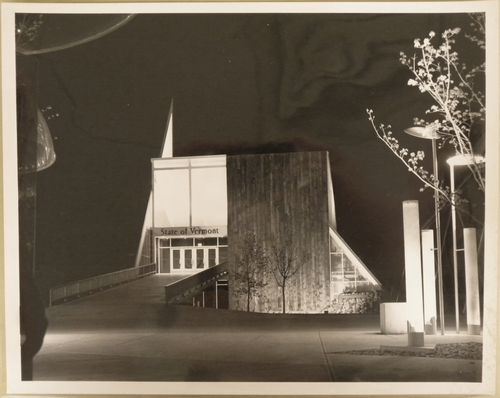
"Le pavillon de l'Etat du Vermont à l'Expo 67, symbolise le caractère de cet Etat des Montagnes Vertes. Les éléments d'exposition expriment la tradition d'intégrité et d'indépendance de l'Etat. On y voit également une statue de Samuel de Champlain, haute de 12 pieds, (environ 3.5m) commémorant le quatrième centenaire de la naissance de l'explorateur. / The pavilion of the State of Vermont at Expo 67, has exhibits that deal with the history, tradition and attractions of Vermont. The pavilion features a 12-foot statue of the explorer, Samuel de Champlain."--Description.
ARCH256151
Description:
"Le pavillon de l'Etat du Vermont à l'Expo 67, symbolise le caractère de cet Etat des Montagnes Vertes. Les éléments d'exposition expriment la tradition d'intégrité et d'indépendance de l'Etat. On y voit également une statue de Samuel de Champlain, haute de 12 pieds, (environ 3.5m) commémorant le quatrième centenaire de la naissance de l'explorateur. / The pavilion of the State of Vermont at Expo 67, has exhibits that deal with the history, tradition and attractions of Vermont. The pavilion features a 12-foot statue of the explorer, Samuel de Champlain."--Description.
People:
Date:
1967
1967
Title:
Night view of the Vermont's Pavilion, Expo 67, Montréal, Québec
Actions:
ARCH256151
Description:
"Le pavillon de l'Etat du Vermont à l'Expo 67, symbolise le caractère de cet Etat des Montagnes Vertes. Les éléments d'exposition expriment la tradition d'intégrité et d'indépendance de l'Etat. On y voit également une statue de Samuel de Champlain, haute de 12 pieds, (environ 3.5m) commémorant le quatrième centenaire de la naissance de l'explorateur. / The pavilion of the State of Vermont at Expo 67, has exhibits that deal with the history, tradition and attractions of Vermont. The pavilion features a 12-foot statue of the explorer, Samuel de Champlain."--Description.
Night view of the Vermont's Pavilion, Expo 67, Montréal, Québec
Actions:
ARCH256151
Description:
"Le pavillon de l'Etat du Vermont à l'Expo 67, symbolise le caractère de cet Etat des Montagnes Vertes. Les éléments d'exposition expriment la tradition d'intégrité et d'indépendance de l'Etat. On y voit également une statue de Samuel de Champlain, haute de 12 pieds, (environ 3.5m) commémorant le quatrième centenaire de la naissance de l'explorateur. / The pavilion of the State of Vermont at Expo 67, has exhibits that deal with the history, tradition and attractions of Vermont. The pavilion features a 12-foot statue of the explorer, Samuel de Champlain."--Description.
Form:
photographs
photographs
Date:
1967
1967
People:
Form:
exhibitions
exhibitions
Title:
Starting from... People
Starting from... People
Actions:
Description:
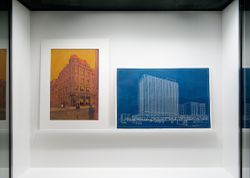
One of the markers of modernity from the eighteenth century onwards is the emergence of “the people” as a respected political entity. In response, architects have advocated for the transformation of cities, explored new technologies, pioneered design discourses, and engaged in heated cultural conflicts—all in the name of the people. During this time, fictional, abstracted(...)
One of the markers of modernity from the eighteenth century onwards is the emergence of “the people” as a respected political entity. In response, architects have advocated for the transformation of cities, explored new technologies, pioneered design discourses, and engaged in heated cultural conflicts—all in the name of the people. During this time, fictional, abstracted(...)
Location:
Hall cases
Hall cases
Date:
5 October 2011 to 22 January 2012
5 October 2011 to 22 January 2012
Title:
Starting from... People
Actions:
Description:
One of the markers of modernity from the eighteenth century onwards is the emergence of “the people” as a respected political entity. In response, architects have advocated for the transformation of cities, explored new technologies, pioneered design discourses, and engaged in heated cultural conflicts—all in the name of the people. During this time, fictional, abstracted(...)
Starting from... People
Actions:
Description:
One of the markers of modernity from the eighteenth century onwards is the emergence of “the people” as a respected political entity. In response, architects have advocated for the transformation of cities, explored new technologies, pioneered design discourses, and engaged in heated cultural conflicts—all in the name of the people. During this time, fictional, abstracted(...)
Form:
exhibitions
exhibitions
Date:
5 October 2011 to
22 January 2012
5 October 2011 to
22 January 2012
Location:
Hall cases
Hall cases
Form:
archives
Level of archival description:
Fonds
archives
Level of archival description:
Fonds
Title:
Günter Günschel fonds
Günter Günschel fonds
Reference number:
AP187
Synopsis:
The Günter Günschel fonds documents the architectural work of Günter Günschel. The fonds spans the years 1943 to 2006 and consists of drawings, photographic materials, and textual documentation related to over 50 projects, such as Kristallwucherungen (1953-1988), Geodätische Hallen (1955-1978), Wohnheim in Raumzellenbauweise für das Studentenwerk Göttingen (1969), Stadtquartiere (1977-1988), Emtwurf zur Bebauung der Weserinsel Teerhof in Bremen (1977-1978), and Stühle, Computergrafiken (1998).
AP187
Synopsis:
The Günter Günschel fonds documents the architectural work of Günter Günschel. The fonds spans the years 1943 to 2006 and consists of drawings, photographic materials, and textual documentation related to over 50 projects, such as Kristallwucherungen (1953-1988), Geodätische Hallen (1955-1978), Wohnheim in Raumzellenbauweise für das Studentenwerk Göttingen (1969), Stadtquartiere (1977-1988), Emtwurf zur Bebauung der Weserinsel Teerhof in Bremen (1977-1978), and Stühle, Computergrafiken (1998).
People:
Date:
1943-2006
1943-2006
Title:
Günter Günschel fonds
Actions:
AP187
Synopsis:
The Günter Günschel fonds documents the architectural work of Günter Günschel. The fonds spans the years 1943 to 2006 and consists of drawings, photographic materials, and textual documentation related to over 50 projects, such as Kristallwucherungen (1953-1988), Geodätische Hallen (1955-1978), Wohnheim in Raumzellenbauweise für das Studentenwerk Göttingen (1969), Stadtquartiere (1977-1988), Emtwurf zur Bebauung der Weserinsel Teerhof in Bremen (1977-1978), and Stühle, Computergrafiken (1998).
Günter Günschel fonds
Actions:
AP187
Synopsis:
The Günter Günschel fonds documents the architectural work of Günter Günschel. The fonds spans the years 1943 to 2006 and consists of drawings, photographic materials, and textual documentation related to over 50 projects, such as Kristallwucherungen (1953-1988), Geodätische Hallen (1955-1978), Wohnheim in Raumzellenbauweise für das Studentenwerk Göttingen (1969), Stadtquartiere (1977-1988), Emtwurf zur Bebauung der Weserinsel Teerhof in Bremen (1977-1978), and Stühle, Computergrafiken (1998).
Form:
archives
Level of archival description:
Fonds
archives
Level of archival description:
Fonds
Date:
1943-2006
1943-2006
People:
Form:
events
events
Title:
Learning from... Shanghai
Learning from... Shanghai
Actions:
Description:
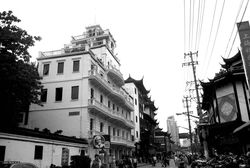
In 2001, Shanghai announced the development plan of “One City Nine Towns,” a series of towns each built around a theme inspired by a different Western tradition. Chinese urban theorist Xiangning Li examines the themed spaces in the city’s post-colonial context, relating them to Shanghai’s contemporary urban culture and situating them within the changing dynamics between(...)
In 2001, Shanghai announced the development plan of “One City Nine Towns,” a series of towns each built around a theme inspired by a different Western tradition. Chinese urban theorist Xiangning Li examines the themed spaces in the city’s post-colonial context, relating them to Shanghai’s contemporary urban culture and situating them within the changing dynamics between(...)
Location:
Paul Desmarais Theatre
Paul Desmarais Theatre
Date:
7 May 2009
7 May 2009
Title:
Learning from... Shanghai
Actions:
Description:
In 2001, Shanghai announced the development plan of “One City Nine Towns,” a series of towns each built around a theme inspired by a different Western tradition. Chinese urban theorist Xiangning Li examines the themed spaces in the city’s post-colonial context, relating them to Shanghai’s contemporary urban culture and situating them within the changing dynamics between(...)
Learning from... Shanghai
Actions:
Description:
In 2001, Shanghai announced the development plan of “One City Nine Towns,” a series of towns each built around a theme inspired by a different Western tradition. Chinese urban theorist Xiangning Li examines the themed spaces in the city’s post-colonial context, relating them to Shanghai’s contemporary urban culture and situating them within the changing dynamics between(...)
Form:
events
events
Date:
7 May 2009
7 May 2009
Location:
Paul Desmarais Theatre
Paul Desmarais Theatre
Form:
exhibitions
exhibitions
Description:
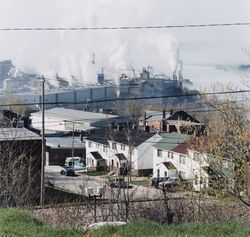
New towns created by private enterprise in the early years of the twentieth century bear witness to the confluence of economic, social, and political forces at work in shaping urban forms. Built quickly and expensively, these towns thoroughly planned to sustain industrial profits, relying on social control to ensure the hegemony of the ruling class. This exhibition traces(...)
New towns created by private enterprise in the early years of the twentieth century bear witness to the confluence of economic, social, and political forces at work in shaping urban forms. Built quickly and expensively, these towns thoroughly planned to sustain industrial profits, relying on social control to ensure the hegemony of the ruling class. This exhibition traces(...)
Location:
Main galleries
Main galleries
Date:
6 March 1996 to 26 May 1996
6 March 1996 to 26 May 1996
Title:
Power and Planning: Industrial Towns in Québec, 1890-1950
Actions:
Description:
New towns created by private enterprise in the early years of the twentieth century bear witness to the confluence of economic, social, and political forces at work in shaping urban forms. Built quickly and expensively, these towns thoroughly planned to sustain industrial profits, relying on social control to ensure the hegemony of the ruling class. This exhibition traces(...)
Power and Planning: Industrial Towns in Québec, 1890-1950
Actions:
Description:
New towns created by private enterprise in the early years of the twentieth century bear witness to the confluence of economic, social, and political forces at work in shaping urban forms. Built quickly and expensively, these towns thoroughly planned to sustain industrial profits, relying on social control to ensure the hegemony of the ruling class. This exhibition traces(...)
Form:
exhibitions
exhibitions
Date:
6 March 1996 to
26 May 1996
6 March 1996 to
26 May 1996
Location:
Main galleries
Main galleries
Form:
exhibitions
exhibitions
Actions:
Description:
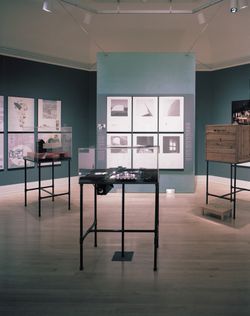
The exhibition presents the work of a generation of Japanese architects that reached architectural maturity at a time of unprecedented wealth in Japan. The six young architects included—Kiyoshi Sey Takeyama/AMORPHE; Norihiko Dan; Hiroyuki Wakabayashi; WORKSHOP; Hisashi Hara; and Atsushi Kitagawara—freely incorporate Western and Japanese architectural traditions. For this(...)
The exhibition presents the work of a generation of Japanese architects that reached architectural maturity at a time of unprecedented wealth in Japan. The six young architects included—Kiyoshi Sey Takeyama/AMORPHE; Norihiko Dan; Hiroyuki Wakabayashi; WORKSHOP; Hisashi Hara; and Atsushi Kitagawara—freely incorporate Western and Japanese architectural traditions. For this(...)
Location:
Octagonal gallery
Octagonal gallery
Date:
17 April 1991 to 30 June 1991
17 April 1991 to 30 June 1991
Title:
Emerging Japanese Architects of the 1990s
Actions:
Description:
The exhibition presents the work of a generation of Japanese architects that reached architectural maturity at a time of unprecedented wealth in Japan. The six young architects included—Kiyoshi Sey Takeyama/AMORPHE; Norihiko Dan; Hiroyuki Wakabayashi; WORKSHOP; Hisashi Hara; and Atsushi Kitagawara—freely incorporate Western and Japanese architectural traditions. For this(...)
Emerging Japanese Architects of the 1990s
Actions:
Description:
The exhibition presents the work of a generation of Japanese architects that reached architectural maturity at a time of unprecedented wealth in Japan. The six young architects included—Kiyoshi Sey Takeyama/AMORPHE; Norihiko Dan; Hiroyuki Wakabayashi; WORKSHOP; Hisashi Hara; and Atsushi Kitagawara—freely incorporate Western and Japanese architectural traditions. For this(...)
Form:
exhibitions
exhibitions
Date:
17 April 1991 to
30 June 1991
17 April 1991 to
30 June 1991
Location:
Octagonal gallery
Octagonal gallery
Form:
articles
articles
Title:
Pictorial Storytelling
Pictorial Storytelling
Actions:
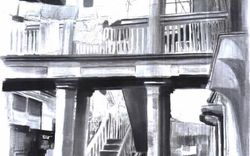
Warebi Gabriel Brisibe and Ramota Obagah-Stephen propose “other” research methods on colonial housing
Title:
Pictorial Storytelling
Warebi Gabriel Brisibe and Ramota Obagah-Stephen propose “other” research methods on colonial housing
Actions:
Pictorial Storytelling
Warebi Gabriel Brisibe and Ramota Obagah-Stephen propose “other” research methods on colonial housing
Actions:
Form:
archives
Level of archival description:
Fonds
archives
Level of archival description:
Fonds
Actions:
Reference number:
AP218
Synopsis:
The Gillian Hopwood and John Godwin fonds documents Hopwood and Godwin’s architectural projects from the early 1950s to the late 1980s, as well as their training to become architects, the administration of their architecture practice, and their career as architectural consultants, and their writing from the 1940s to 2023. The fonds mostly contains material related to their architectural projects, over 450 of them, mostly in Nigeria and some from their practice in the United Kingdom.
AP218
Synopsis:
The Gillian Hopwood and John Godwin fonds documents Hopwood and Godwin’s architectural projects from the early 1950s to the late 1980s, as well as their training to become architects, the administration of their architecture practice, and their career as architectural consultants, and their writing from the 1940s to 2023. The fonds mostly contains material related to their architectural projects, over 450 of them, mostly in Nigeria and some from their practice in the United Kingdom.
People:
Date:
1940-2025
1940-2025
Title:
Gillian Hopwood and John Godwin fonds
Actions:
AP218
Synopsis:
The Gillian Hopwood and John Godwin fonds documents Hopwood and Godwin’s architectural projects from the early 1950s to the late 1980s, as well as their training to become architects, the administration of their architecture practice, and their career as architectural consultants, and their writing from the 1940s to 2023. The fonds mostly contains material related to their architectural projects, over 450 of them, mostly in Nigeria and some from their practice in the United Kingdom.
Gillian Hopwood and John Godwin fonds
Actions:
AP218
Synopsis:
The Gillian Hopwood and John Godwin fonds documents Hopwood and Godwin’s architectural projects from the early 1950s to the late 1980s, as well as their training to become architects, the administration of their architecture practice, and their career as architectural consultants, and their writing from the 1940s to 2023. The fonds mostly contains material related to their architectural projects, over 450 of them, mostly in Nigeria and some from their practice in the United Kingdom.
Form:
archives
Level of archival description:
Fonds
archives
Level of archival description:
Fonds
Date:
1940-2025
1940-2025
People:


