


5458 Results
Form:
archives
Level of archival description:
Collection
archives
Level of archival description:
Collection
Title:
Rohault de Fleury collection
Rohault de Fleury collection
Reference number:
CI001
Synopsis:
The Rohault de Fleury collection documents the work of three generations of French architects, Hubert, his son Charles, and his grandson Georges, spanning from the early 18th to late 19th century. The collection is extremely varied encompassing both private and government commissions and including domestic work, institutional buildings, commercial buildings, urban planning, and student work from both the École des beaux-arts and the École polytechnique, and archaeological studies. Stylistically, the projects incorporate the two dominant contemporary directions in French architecture - functionalism as advocated by Jean-Nicolas-Louis Durand and the classicism of the École des beaux-arts.
CI001
Synopsis:
The Rohault de Fleury collection documents the work of three generations of French architects, Hubert, his son Charles, and his grandson Georges, spanning from the early 18th to late 19th century. The collection is extremely varied encompassing both private and government commissions and including domestic work, institutional buildings, commercial buildings, urban planning, and student work from both the École des beaux-arts and the École polytechnique, and archaeological studies. Stylistically, the projects incorporate the two dominant contemporary directions in French architecture - functionalism as advocated by Jean-Nicolas-Louis Durand and the classicism of the École des beaux-arts.
People:
Date:
1717-[1884]
1717-[1884]
Title:
Rohault de Fleury collection
CI001
Synopsis:
The Rohault de Fleury collection documents the work of three generations of French architects, Hubert, his son Charles, and his grandson Georges, spanning from the early 18th to late 19th century. The collection is extremely varied encompassing both private and government commissions and including domestic work, institutional buildings, commercial buildings, urban planning, and student work from both the École des beaux-arts and the École polytechnique, and archaeological studies. Stylistically, the projects incorporate the two dominant contemporary directions in French architecture - functionalism as advocated by Jean-Nicolas-Louis Durand and the classicism of the École des beaux-arts.
Rohault de Fleury collection
CI001
Synopsis:
The Rohault de Fleury collection documents the work of three generations of French architects, Hubert, his son Charles, and his grandson Georges, spanning from the early 18th to late 19th century. The collection is extremely varied encompassing both private and government commissions and including domestic work, institutional buildings, commercial buildings, urban planning, and student work from both the École des beaux-arts and the École polytechnique, and archaeological studies. Stylistically, the projects incorporate the two dominant contemporary directions in French architecture - functionalism as advocated by Jean-Nicolas-Louis Durand and the classicism of the École des beaux-arts.
Form:
archives
Level of archival description:
Collection 1
archives
Level of archival description:
Collection 1
Date:
1717-[1884]
1717-[1884]
People:
Form:
exhibitions
exhibitions
Actions:
Description:
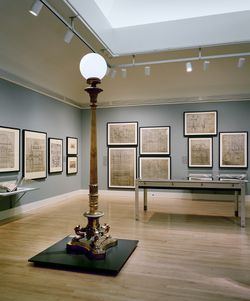
This exhibition looks at the transformation of Montréal from a nineteenth century merchant city to the metropolis of Canada. It examines the elements that made Montréal a political, social, and economic centre and explores the unique character of its architecture. The exhibition brings together some 350 objects, including drawings from the CCA collection by Montréal(...)
This exhibition looks at the transformation of Montréal from a nineteenth century merchant city to the metropolis of Canada. It examines the elements that made Montréal a political, social, and economic centre and explores the unique character of its architecture. The exhibition brings together some 350 objects, including drawings from the CCA collection by Montréal(...)
Location:
Main galleries
Main galleries
Date:
18 March 1998 to 24 May 1998
18 March 1998 to 24 May 1998
Title:
Montréal Métropole, 1880–1930
Actions:
Description:
This exhibition looks at the transformation of Montréal from a nineteenth century merchant city to the metropolis of Canada. It examines the elements that made Montréal a political, social, and economic centre and explores the unique character of its architecture. The exhibition brings together some 350 objects, including drawings from the CCA collection by Montréal(...)
Montréal Métropole, 1880–1930
Actions:
Description:
This exhibition looks at the transformation of Montréal from a nineteenth century merchant city to the metropolis of Canada. It examines the elements that made Montréal a political, social, and economic centre and explores the unique character of its architecture. The exhibition brings together some 350 objects, including drawings from the CCA collection by Montréal(...)
Form:
exhibitions
exhibitions
Date:
18 March 1998 to
24 May 1998
18 March 1998 to
24 May 1998
Location:
Main galleries
Main galleries
Form:
events
events
Actions:
Description:
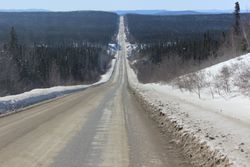
The North Shore and the adjacent area of the Labrador Trough were chosen to test research tools and the agency of architecture in a research studio for graduate students in the School of Architecture at the University of Montreal. Led by Alessandra Ponte and titled Testing Ground: The Labrador Trough, the studio focused on a geological formation – a large iron ore belt –(...)
The North Shore and the adjacent area of the Labrador Trough were chosen to test research tools and the agency of architecture in a research studio for graduate students in the School of Architecture at the University of Montreal. Led by Alessandra Ponte and titled Testing Ground: The Labrador Trough, the studio focused on a geological formation – a large iron ore belt –(...)
Date:
2 October 2014
2 October 2014
Title:
Learning from… Labrador Trough
Actions:
Description:
The North Shore and the adjacent area of the Labrador Trough were chosen to test research tools and the agency of architecture in a research studio for graduate students in the School of Architecture at the University of Montreal. Led by Alessandra Ponte and titled Testing Ground: The Labrador Trough, the studio focused on a geological formation – a large iron ore belt –(...)
Learning from… Labrador Trough
Actions:
Description:
The North Shore and the adjacent area of the Labrador Trough were chosen to test research tools and the agency of architecture in a research studio for graduate students in the School of Architecture at the University of Montreal. Led by Alessandra Ponte and titled Testing Ground: The Labrador Trough, the studio focused on a geological formation – a large iron ore belt –(...)
Form:
events
events
Date:
2 October 2014
2 October 2014
Form:
events
events
Title:
Building Knowledge
Building Knowledge
Actions:
Description:
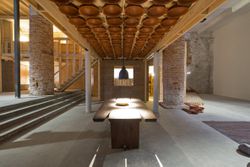
This lecture discusses a range of projects from Anupama Kundoo’s practice, research, and teaching. In these distinct but complementary areas of her work, she attempts to build collective knowledge in collaboration with engineers, masons, craftsmen, infrastructure providers, residents, material suppliers, and all other stakeholders involved in constructing and occupying(...)
This lecture discusses a range of projects from Anupama Kundoo’s practice, research, and teaching. In these distinct but complementary areas of her work, she attempts to build collective knowledge in collaboration with engineers, masons, craftsmen, infrastructure providers, residents, material suppliers, and all other stakeholders involved in constructing and occupying(...)
Location:
Paul-Desmarais Theatre
Paul-Desmarais Theatre
Date:
16 April 2015 , 6pm
16 April 2015 , 6pm
Title:
Building Knowledge
Actions:
Description:
This lecture discusses a range of projects from Anupama Kundoo’s practice, research, and teaching. In these distinct but complementary areas of her work, she attempts to build collective knowledge in collaboration with engineers, masons, craftsmen, infrastructure providers, residents, material suppliers, and all other stakeholders involved in constructing and occupying(...)
Building Knowledge
Actions:
Description:
This lecture discusses a range of projects from Anupama Kundoo’s practice, research, and teaching. In these distinct but complementary areas of her work, she attempts to build collective knowledge in collaboration with engineers, masons, craftsmen, infrastructure providers, residents, material suppliers, and all other stakeholders involved in constructing and occupying(...)
Form:
events
events
Date:
16 April 2015
6pm
16 April 2015
6pm
Location:
Paul-Desmarais Theatre
Paul-Desmarais Theatre
Form:
archives
Level of archival description:
Fonds
archives
Level of archival description:
Fonds
Title:
Amancio Williams fonds
Amancio Williams fonds
Reference number:
AP205
Synopsis:
The Amancio Williams fonds documents Williams' career as an architect and designer from the 1940s to the late 1980s. The fonds documents his work for over 80 architectural, urban planning and furniture design projects, as well as the administration of his architecture practice, and his professional activities through correspondence, photographic material, and promotional materials.
AP205
Synopsis:
The Amancio Williams fonds documents Williams' career as an architect and designer from the 1940s to the late 1980s. The fonds documents his work for over 80 architectural, urban planning and furniture design projects, as well as the administration of his architecture practice, and his professional activities through correspondence, photographic material, and promotional materials.
People:
Date:
1848-2010s
1848-2010s
Title:
Amancio Williams fonds
Actions:
AP205
Synopsis:
The Amancio Williams fonds documents Williams' career as an architect and designer from the 1940s to the late 1980s. The fonds documents his work for over 80 architectural, urban planning and furniture design projects, as well as the administration of his architecture practice, and his professional activities through correspondence, photographic material, and promotional materials.
Amancio Williams fonds
Actions:
AP205
Synopsis:
The Amancio Williams fonds documents Williams' career as an architect and designer from the 1940s to the late 1980s. The fonds documents his work for over 80 architectural, urban planning and furniture design projects, as well as the administration of his architecture practice, and his professional activities through correspondence, photographic material, and promotional materials.
Form:
archives
Level of archival description:
Fonds
archives
Level of archival description:
Fonds
Date:
1848-2010s
1848-2010s
People:
Form:
drawings
drawings
Reference number:
DR2006:0003
Description:
Le collage intitulé " Galerie de la grande architecture canadienne " a été produit dans le contexte de l'exposition " Canada-Trajectoires 1973 " présentée au Musée national d'art moderne de la ville de Paris au cours de l'été 1973. Le collage, appliqué sur papier cartonné, représente une sélection de textes et d'images d'œuvres exposées par Melvin Charney lors de cette exposition. L'objectif de l'exposition "Canada-Trajectoires 1973 " était de réunir des artistes ou des regroupements d'artistes engagés dans des discours critiques et de présenter leur travail non pas tant comme des oeuvres d'art mais plutôt " comme symptômes d'un certain climat ." (1) Selon le catalogue de l'exposition, et les divers comptes rendus qui en ont été fait dans la presse spécialisée, celle-ci était divisée en cinq sections. Quatre de ces sections étaient consacrées à des médiums spécifiques : art céramique, vidéo, peinture et sculpture, cinéma. Une cinquième section présentait des œuvres produites par des collectif d'artistes quelques soit le médium employé: galerie coopérative, coop d'artistes, workshop, banques d'images. C'est dans cette dernière section que Melvin Charney présenta trois projets créé avec l'assistance d'un groupe d'"action photographique", soit un "pavillon d'exposition" réalisé en 1969, une "monument à l'aviation" (1969) et "une galerie de la grande architecture" (1973). Dans un texte de Melvin Charney publié dans le catalogue de l'exposition, ces trois projets furent présentés sous l'intitulé "Quelques monuments nationaux". Le collage incorpore en une première strate collée obliquement par rapport au sens du carton d'œuvre, une image (en partie rognée), un texte manifeste (en partie coupée) et un intitulé. Ces trois éléments de toutes évidences se rapportent à L'ensemble des trois projets présenté par Charney. Sur une seconde strate, collée dans le sens du carton d'œuvres, Charney a collé des textes et des images se rapportant à deux des projets soit "une galerie de la grande architecture" (image et texte 25, 26 31 et 34, et monument à l'aviation, image et texte 50. Le collage est signé et daté en bas à droite. Des indications d'intercalation d'illustration au crayon graphite, - avec la mention "cut line" - détermine à même le carton d'œuvre, une zone regroupant l'ensemble des textes et des images collés. Au dos du collage figure à nouveau la signature de Charney et une numéro d'inventaire renvoyant possiblement à un catalogue constitué par Charney de son œuvre : "MC 1973 ? 02". Ce collage a servi de maquette pour la production d'une affiche publicisant l'exposition, ce qui explique la présence d'indications d'intercalation d'illustrations - une donnée signalant en règle générale que l'œuvre a été produite pour être publiée. (2) Ceci dit on ne sait pas si celle-ci fut effectivement tirée (nous n'en connaissons aucun exemplaire) avant, pendant ou après l'exposition. Cet aspect de l'historique de cette œuvre reste encore au moment où nous écrivons, à éclaircir. On peut établir toutefois avec certitude que cette œuvre, ou l'affiche qui en fut éventuellement tirée, a servi à produire la mise en page d'un article de Melvin Charney publié en avril 1974 dans la revue britannique Architectural Design. Un transparent a sans doute été pris du collage puis envoyé avec l'article de Charney à l'éditeur. Ce dernier a, à son tour, cadré l'image en fonction des indications d'intercalation d'illustrations latérales et supérieure,- on observe que le 3 de 1973 est bel et bien coupé - puis a éliminé les trois quart inférieur pour y placer le texte de l'article. La présence dans l'article publié du nom du musée d'art moderne de la ville de Paris - section arc, et son absence dans le collage est du à une perte. Un examen attentif révèle des marques sans doute de colle pour la bandelette de papier. Dans cet article publié en anglais Charney. 1- Suzanne Page, Canada trajectoires 73 : Musée d'art moderne de la ville de Paris, [Montréal?] : Publié par les Éditions Médiart pour le compte du Conseil des arts du Canada, [1973], [introduction] 2- Information fournie par l,artiste; voir aussi la légende de l'œuvre lors de sa reproduction dans un catalogue en 2000 où elle est décrite comme étant une maquette pour une affiche en offset sur papier.
DR2006:0003
Description:
Le collage intitulé " Galerie de la grande architecture canadienne " a été produit dans le contexte de l'exposition " Canada-Trajectoires 1973 " présentée au Musée national d'art moderne de la ville de Paris au cours de l'été 1973. Le collage, appliqué sur papier cartonné, représente une sélection de textes et d'images d'œuvres exposées par Melvin Charney lors de cette exposition. L'objectif de l'exposition "Canada-Trajectoires 1973 " était de réunir des artistes ou des regroupements d'artistes engagés dans des discours critiques et de présenter leur travail non pas tant comme des oeuvres d'art mais plutôt " comme symptômes d'un certain climat ." (1) Selon le catalogue de l'exposition, et les divers comptes rendus qui en ont été fait dans la presse spécialisée, celle-ci était divisée en cinq sections. Quatre de ces sections étaient consacrées à des médiums spécifiques : art céramique, vidéo, peinture et sculpture, cinéma. Une cinquième section présentait des œuvres produites par des collectif d'artistes quelques soit le médium employé: galerie coopérative, coop d'artistes, workshop, banques d'images. C'est dans cette dernière section que Melvin Charney présenta trois projets créé avec l'assistance d'un groupe d'"action photographique", soit un "pavillon d'exposition" réalisé en 1969, une "monument à l'aviation" (1969) et "une galerie de la grande architecture" (1973). Dans un texte de Melvin Charney publié dans le catalogue de l'exposition, ces trois projets furent présentés sous l'intitulé "Quelques monuments nationaux". Le collage incorpore en une première strate collée obliquement par rapport au sens du carton d'œuvre, une image (en partie rognée), un texte manifeste (en partie coupée) et un intitulé. Ces trois éléments de toutes évidences se rapportent à L'ensemble des trois projets présenté par Charney. Sur une seconde strate, collée dans le sens du carton d'œuvres, Charney a collé des textes et des images se rapportant à deux des projets soit "une galerie de la grande architecture" (image et texte 25, 26 31 et 34, et monument à l'aviation, image et texte 50. Le collage est signé et daté en bas à droite. Des indications d'intercalation d'illustration au crayon graphite, - avec la mention "cut line" - détermine à même le carton d'œuvre, une zone regroupant l'ensemble des textes et des images collés. Au dos du collage figure à nouveau la signature de Charney et une numéro d'inventaire renvoyant possiblement à un catalogue constitué par Charney de son œuvre : "MC 1973 ? 02". Ce collage a servi de maquette pour la production d'une affiche publicisant l'exposition, ce qui explique la présence d'indications d'intercalation d'illustrations - une donnée signalant en règle générale que l'œuvre a été produite pour être publiée. (2) Ceci dit on ne sait pas si celle-ci fut effectivement tirée (nous n'en connaissons aucun exemplaire) avant, pendant ou après l'exposition. Cet aspect de l'historique de cette œuvre reste encore au moment où nous écrivons, à éclaircir. On peut établir toutefois avec certitude que cette œuvre, ou l'affiche qui en fut éventuellement tirée, a servi à produire la mise en page d'un article de Melvin Charney publié en avril 1974 dans la revue britannique Architectural Design. Un transparent a sans doute été pris du collage puis envoyé avec l'article de Charney à l'éditeur. Ce dernier a, à son tour, cadré l'image en fonction des indications d'intercalation d'illustrations latérales et supérieure,- on observe que le 3 de 1973 est bel et bien coupé - puis a éliminé les trois quart inférieur pour y placer le texte de l'article. La présence dans l'article publié du nom du musée d'art moderne de la ville de Paris - section arc, et son absence dans le collage est du à une perte. Un examen attentif révèle des marques sans doute de colle pour la bandelette de papier. Dans cet article publié en anglais Charney. 1- Suzanne Page, Canada trajectoires 73 : Musée d'art moderne de la ville de Paris, [Montréal?] : Publié par les Éditions Médiart pour le compte du Conseil des arts du Canada, [1973], [introduction] 2- Information fournie par l,artiste; voir aussi la légende de l'œuvre lors de sa reproduction dans un catalogue en 2000 où elle est décrite comme étant une maquette pour une affiche en offset sur papier.
People:
Date:
1973
1973
Title:
Some national monuments, Canada trajectories
Actions:
DR2006:0003
Description:
Le collage intitulé " Galerie de la grande architecture canadienne " a été produit dans le contexte de l'exposition " Canada-Trajectoires 1973 " présentée au Musée national d'art moderne de la ville de Paris au cours de l'été 1973. Le collage, appliqué sur papier cartonné, représente une sélection de textes et d'images d'œuvres exposées par Melvin Charney lors de cette exposition. L'objectif de l'exposition "Canada-Trajectoires 1973 " était de réunir des artistes ou des regroupements d'artistes engagés dans des discours critiques et de présenter leur travail non pas tant comme des oeuvres d'art mais plutôt " comme symptômes d'un certain climat ." (1) Selon le catalogue de l'exposition, et les divers comptes rendus qui en ont été fait dans la presse spécialisée, celle-ci était divisée en cinq sections. Quatre de ces sections étaient consacrées à des médiums spécifiques : art céramique, vidéo, peinture et sculpture, cinéma. Une cinquième section présentait des œuvres produites par des collectif d'artistes quelques soit le médium employé: galerie coopérative, coop d'artistes, workshop, banques d'images. C'est dans cette dernière section que Melvin Charney présenta trois projets créé avec l'assistance d'un groupe d'"action photographique", soit un "pavillon d'exposition" réalisé en 1969, une "monument à l'aviation" (1969) et "une galerie de la grande architecture" (1973). Dans un texte de Melvin Charney publié dans le catalogue de l'exposition, ces trois projets furent présentés sous l'intitulé "Quelques monuments nationaux". Le collage incorpore en une première strate collée obliquement par rapport au sens du carton d'œuvre, une image (en partie rognée), un texte manifeste (en partie coupée) et un intitulé. Ces trois éléments de toutes évidences se rapportent à L'ensemble des trois projets présenté par Charney. Sur une seconde strate, collée dans le sens du carton d'œuvres, Charney a collé des textes et des images se rapportant à deux des projets soit "une galerie de la grande architecture" (image et texte 25, 26 31 et 34, et monument à l'aviation, image et texte 50. Le collage est signé et daté en bas à droite. Des indications d'intercalation d'illustration au crayon graphite, - avec la mention "cut line" - détermine à même le carton d'œuvre, une zone regroupant l'ensemble des textes et des images collés. Au dos du collage figure à nouveau la signature de Charney et une numéro d'inventaire renvoyant possiblement à un catalogue constitué par Charney de son œuvre : "MC 1973 ? 02". Ce collage a servi de maquette pour la production d'une affiche publicisant l'exposition, ce qui explique la présence d'indications d'intercalation d'illustrations - une donnée signalant en règle générale que l'œuvre a été produite pour être publiée. (2) Ceci dit on ne sait pas si celle-ci fut effectivement tirée (nous n'en connaissons aucun exemplaire) avant, pendant ou après l'exposition. Cet aspect de l'historique de cette œuvre reste encore au moment où nous écrivons, à éclaircir. On peut établir toutefois avec certitude que cette œuvre, ou l'affiche qui en fut éventuellement tirée, a servi à produire la mise en page d'un article de Melvin Charney publié en avril 1974 dans la revue britannique Architectural Design. Un transparent a sans doute été pris du collage puis envoyé avec l'article de Charney à l'éditeur. Ce dernier a, à son tour, cadré l'image en fonction des indications d'intercalation d'illustrations latérales et supérieure,- on observe que le 3 de 1973 est bel et bien coupé - puis a éliminé les trois quart inférieur pour y placer le texte de l'article. La présence dans l'article publié du nom du musée d'art moderne de la ville de Paris - section arc, et son absence dans le collage est du à une perte. Un examen attentif révèle des marques sans doute de colle pour la bandelette de papier. Dans cet article publié en anglais Charney. 1- Suzanne Page, Canada trajectoires 73 : Musée d'art moderne de la ville de Paris, [Montréal?] : Publié par les Éditions Médiart pour le compte du Conseil des arts du Canada, [1973], [introduction] 2- Information fournie par l,artiste; voir aussi la légende de l'œuvre lors de sa reproduction dans un catalogue en 2000 où elle est décrite comme étant une maquette pour une affiche en offset sur papier.
Some national monuments, Canada trajectories
Actions:
DR2006:0003
Description:
Le collage intitulé " Galerie de la grande architecture canadienne " a été produit dans le contexte de l'exposition " Canada-Trajectoires 1973 " présentée au Musée national d'art moderne de la ville de Paris au cours de l'été 1973. Le collage, appliqué sur papier cartonné, représente une sélection de textes et d'images d'œuvres exposées par Melvin Charney lors de cette exposition. L'objectif de l'exposition "Canada-Trajectoires 1973 " était de réunir des artistes ou des regroupements d'artistes engagés dans des discours critiques et de présenter leur travail non pas tant comme des oeuvres d'art mais plutôt " comme symptômes d'un certain climat ." (1) Selon le catalogue de l'exposition, et les divers comptes rendus qui en ont été fait dans la presse spécialisée, celle-ci était divisée en cinq sections. Quatre de ces sections étaient consacrées à des médiums spécifiques : art céramique, vidéo, peinture et sculpture, cinéma. Une cinquième section présentait des œuvres produites par des collectif d'artistes quelques soit le médium employé: galerie coopérative, coop d'artistes, workshop, banques d'images. C'est dans cette dernière section que Melvin Charney présenta trois projets créé avec l'assistance d'un groupe d'"action photographique", soit un "pavillon d'exposition" réalisé en 1969, une "monument à l'aviation" (1969) et "une galerie de la grande architecture" (1973). Dans un texte de Melvin Charney publié dans le catalogue de l'exposition, ces trois projets furent présentés sous l'intitulé "Quelques monuments nationaux". Le collage incorpore en une première strate collée obliquement par rapport au sens du carton d'œuvre, une image (en partie rognée), un texte manifeste (en partie coupée) et un intitulé. Ces trois éléments de toutes évidences se rapportent à L'ensemble des trois projets présenté par Charney. Sur une seconde strate, collée dans le sens du carton d'œuvres, Charney a collé des textes et des images se rapportant à deux des projets soit "une galerie de la grande architecture" (image et texte 25, 26 31 et 34, et monument à l'aviation, image et texte 50. Le collage est signé et daté en bas à droite. Des indications d'intercalation d'illustration au crayon graphite, - avec la mention "cut line" - détermine à même le carton d'œuvre, une zone regroupant l'ensemble des textes et des images collés. Au dos du collage figure à nouveau la signature de Charney et une numéro d'inventaire renvoyant possiblement à un catalogue constitué par Charney de son œuvre : "MC 1973 ? 02". Ce collage a servi de maquette pour la production d'une affiche publicisant l'exposition, ce qui explique la présence d'indications d'intercalation d'illustrations - une donnée signalant en règle générale que l'œuvre a été produite pour être publiée. (2) Ceci dit on ne sait pas si celle-ci fut effectivement tirée (nous n'en connaissons aucun exemplaire) avant, pendant ou après l'exposition. Cet aspect de l'historique de cette œuvre reste encore au moment où nous écrivons, à éclaircir. On peut établir toutefois avec certitude que cette œuvre, ou l'affiche qui en fut éventuellement tirée, a servi à produire la mise en page d'un article de Melvin Charney publié en avril 1974 dans la revue britannique Architectural Design. Un transparent a sans doute été pris du collage puis envoyé avec l'article de Charney à l'éditeur. Ce dernier a, à son tour, cadré l'image en fonction des indications d'intercalation d'illustrations latérales et supérieure,- on observe que le 3 de 1973 est bel et bien coupé - puis a éliminé les trois quart inférieur pour y placer le texte de l'article. La présence dans l'article publié du nom du musée d'art moderne de la ville de Paris - section arc, et son absence dans le collage est du à une perte. Un examen attentif révèle des marques sans doute de colle pour la bandelette de papier. Dans cet article publié en anglais Charney. 1- Suzanne Page, Canada trajectoires 73 : Musée d'art moderne de la ville de Paris, [Montréal?] : Publié par les Éditions Médiart pour le compte du Conseil des arts du Canada, [1973], [introduction] 2- Information fournie par l,artiste; voir aussi la légende de l'œuvre lors de sa reproduction dans un catalogue en 2000 où elle est décrite comme étant une maquette pour une affiche en offset sur papier.
Form:
drawings
drawings
Date:
1973
1973
People:
Form:
events
events
Actions:
Description:
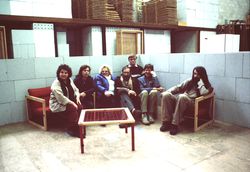
Following an intense period of work in the mid-1970s with Portugal’s post-revolutionary housing initiatives, in the early 1980s Álvaro Siza contributed projects to two of the most important urban renewal programs in Europe: Berlin’s IBA and The Hague’s Stadsvernieuwing als Kulturel Aktiviteit (Urban Renewal as a Cultural Activity). This lecture will examine the(...)
Following an intense period of work in the mid-1970s with Portugal’s post-revolutionary housing initiatives, in the early 1980s Álvaro Siza contributed projects to two of the most important urban renewal programs in Europe: Berlin’s IBA and The Hague’s Stadsvernieuwing als Kulturel Aktiviteit (Urban Renewal as a Cultural Activity). This lecture will examine the(...)
Date:
26 November 2015
26 November 2015
Title:
Álvaro Siza’s Archaeology of the Ordinary
Actions:
Description:
Following an intense period of work in the mid-1970s with Portugal’s post-revolutionary housing initiatives, in the early 1980s Álvaro Siza contributed projects to two of the most important urban renewal programs in Europe: Berlin’s IBA and The Hague’s Stadsvernieuwing als Kulturel Aktiviteit (Urban Renewal as a Cultural Activity). This lecture will examine the(...)
Álvaro Siza’s Archaeology of the Ordinary
Actions:
Description:
Following an intense period of work in the mid-1970s with Portugal’s post-revolutionary housing initiatives, in the early 1980s Álvaro Siza contributed projects to two of the most important urban renewal programs in Europe: Berlin’s IBA and The Hague’s Stadsvernieuwing als Kulturel Aktiviteit (Urban Renewal as a Cultural Activity). This lecture will examine the(...)
Form:
events
events
Date:
26 November 2015
26 November 2015
Form:
exhibitions
exhibitions
Actions:
Description:
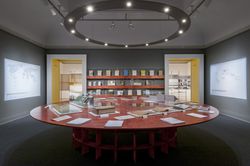
The beginning of the 1950s was a moment of global upheaval. From India to Morocco, from Guatemala to Indochina, the process of decolonization gained momentum and the Cold War began. Architects working or acting as experts in the non-Western areas of the globe could no longer plan as if sites were terrains vague and people were mute subjects. The end of colonial(...)
The beginning of the 1950s was a moment of global upheaval. From India to Morocco, from Guatemala to Indochina, the process of decolonization gained momentum and the Cold War began. Architects working or acting as experts in the non-Western areas of the globe could no longer plan as if sites were terrains vague and people were mute subjects. The end of colonial(...)
Location:
Main galleries Keyword(s):
Casablanca, Chandigarh, Le Corbusier, Jeanneret, Morocco, Punjab, India, Morocco, modernism, Africa, Takashi Homma, Yto Barrada
Main galleries Keyword(s):
Casablanca, Chandigarh, Le Corbusier, Jeanneret, Morocco, Punjab, India, Morocco, modernism, Africa, Takashi Homma, Yto Barrada
Date:
26 November 2013 to 20 April 2014
26 November 2013 to 20 April 2014
Title:
How architects, experts, politicians, international agencies and citizens negotiate modern planning: Casablanca Chandigarh
Actions:
Description:
The beginning of the 1950s was a moment of global upheaval. From India to Morocco, from Guatemala to Indochina, the process of decolonization gained momentum and the Cold War began. Architects working or acting as experts in the non-Western areas of the globe could no longer plan as if sites were terrains vague and people were mute subjects. The end of colonial(...)
How architects, experts, politicians, international agencies and citizens negotiate modern planning: Casablanca Chandigarh
Actions:
Description:
The beginning of the 1950s was a moment of global upheaval. From India to Morocco, from Guatemala to Indochina, the process of decolonization gained momentum and the Cold War began. Architects working or acting as experts in the non-Western areas of the globe could no longer plan as if sites were terrains vague and people were mute subjects. The end of colonial(...)
Form:
exhibitions
exhibitions
Date:
26 November 2013 to
20 April 2014
26 November 2013 to
20 April 2014
Location:
Main galleries Keyword(s):
Casablanca, Chandigarh, Le Corbusier, Jeanneret, Morocco, Punjab, India, Morocco, modernism, Africa, Takashi Homma, Yto Barrada
Main galleries Keyword(s):
Casablanca, Chandigarh, Le Corbusier, Jeanneret, Morocco, Punjab, India, Morocco, modernism, Africa, Takashi Homma, Yto Barrada
Form:
events
events
Actions:
Description:
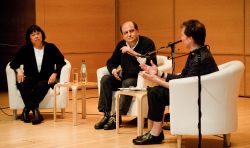
Adam Caruso of Caruso St John and Brigitte Shim of Shim-Sutcliffe Architects address topics they consider to be of vital importance and urgency in contemporary architectural practice. Their individual presentations are followed by a conversation moderated by CCA Director Mirko Zardini. The Urgency series reflects the CCA’s ongoing exploration of critical issues facing(...)
Adam Caruso of Caruso St John and Brigitte Shim of Shim-Sutcliffe Architects address topics they consider to be of vital importance and urgency in contemporary architectural practice. Their individual presentations are followed by a conversation moderated by CCA Director Mirko Zardini. The Urgency series reflects the CCA’s ongoing exploration of critical issues facing(...)
Date:
12 June 2009
12 June 2009
Title:
Urgency 2009: Adam Caruso and Brigitte Shim
Actions:
Description:
Adam Caruso of Caruso St John and Brigitte Shim of Shim-Sutcliffe Architects address topics they consider to be of vital importance and urgency in contemporary architectural practice. Their individual presentations are followed by a conversation moderated by CCA Director Mirko Zardini. The Urgency series reflects the CCA’s ongoing exploration of critical issues facing(...)
Urgency 2009: Adam Caruso and Brigitte Shim
Actions:
Description:
Adam Caruso of Caruso St John and Brigitte Shim of Shim-Sutcliffe Architects address topics they consider to be of vital importance and urgency in contemporary architectural practice. Their individual presentations are followed by a conversation moderated by CCA Director Mirko Zardini. The Urgency series reflects the CCA’s ongoing exploration of critical issues facing(...)
Form:
events
events
Date:
12 June 2009
12 June 2009
Form:
archives
Level of archival description:
Fonds
archives
Level of archival description:
Fonds
Title:
John C. Parkin fonds
John C. Parkin fonds
Reference number:
AP018
Synopsis:
The John C. Parkin fonds documents the professional career of Toronto-based architect John C. Parkin (1922-1988) at his firms John B. Parkin Associates and Parkin Architects Planners. Most materials in this fonds record 347 architectural projects covering the years 1947-1987. John C. Parkin’s professional involvement in the arts and architecture, his firms’ activities, and his professional achievements are also recorded.
AP018
Synopsis:
The John C. Parkin fonds documents the professional career of Toronto-based architect John C. Parkin (1922-1988) at his firms John B. Parkin Associates and Parkin Architects Planners. Most materials in this fonds record 347 architectural projects covering the years 1947-1987. John C. Parkin’s professional involvement in the arts and architecture, his firms’ activities, and his professional achievements are also recorded.
People:
Date:
1929-1987
1929-1987
Title:
John C. Parkin fonds
Actions:
AP018
Synopsis:
The John C. Parkin fonds documents the professional career of Toronto-based architect John C. Parkin (1922-1988) at his firms John B. Parkin Associates and Parkin Architects Planners. Most materials in this fonds record 347 architectural projects covering the years 1947-1987. John C. Parkin’s professional involvement in the arts and architecture, his firms’ activities, and his professional achievements are also recorded.
John C. Parkin fonds
Actions:
AP018
Synopsis:
The John C. Parkin fonds documents the professional career of Toronto-based architect John C. Parkin (1922-1988) at his firms John B. Parkin Associates and Parkin Architects Planners. Most materials in this fonds record 347 architectural projects covering the years 1947-1987. John C. Parkin’s professional involvement in the arts and architecture, his firms’ activities, and his professional achievements are also recorded.
Form:
archives
Level of archival description:
Fonds
archives
Level of archival description:
Fonds
Date:
1929-1987
1929-1987
People:


