


119212 Results
Form:
photographs
photographs
Title:
Architectural slides
Architectural slides
Actions:
Reference number:
AP206.S3.003
Description:
This file includes slides of landscapes, cityscapes, people, buildings and unidentified architectural projects.
AP206.S3.003
Description:
This file includes slides of landscapes, cityscapes, people, buildings and unidentified architectural projects.
People:
Date:
circa 1950s-1990s
circa 1950s-1990s
Title:
Architectural slides
Actions:
AP206.S3.003
Description:
This file includes slides of landscapes, cityscapes, people, buildings and unidentified architectural projects.
Architectural slides
Actions:
AP206.S3.003
Description:
This file includes slides of landscapes, cityscapes, people, buildings and unidentified architectural projects.
Form:
photographs
photographs
Date:
circa 1950s-1990s
circa 1950s-1990s
People:
Form:
photographs
photographs
Title:
Architectural slides
Architectural slides
Actions:
Reference number:
AP206.S3.004
Description:
This file includes slides of landscapes, cityscapes, people, buildings and unidentified architectural projects.
AP206.S3.004
Description:
This file includes slides of landscapes, cityscapes, people, buildings and unidentified architectural projects.
People:
Date:
circa 1950s-1990s
circa 1950s-1990s
Title:
Architectural slides
Actions:
AP206.S3.004
Description:
This file includes slides of landscapes, cityscapes, people, buildings and unidentified architectural projects.
Architectural slides
Actions:
AP206.S3.004
Description:
This file includes slides of landscapes, cityscapes, people, buildings and unidentified architectural projects.
Form:
photographs
photographs
Date:
circa 1950s-1990s
circa 1950s-1990s
People:
Form:
journals and magazines
journals and magazines
Title:
Architectural design
Architectural design
Reference number:
ARCH285233
Description:
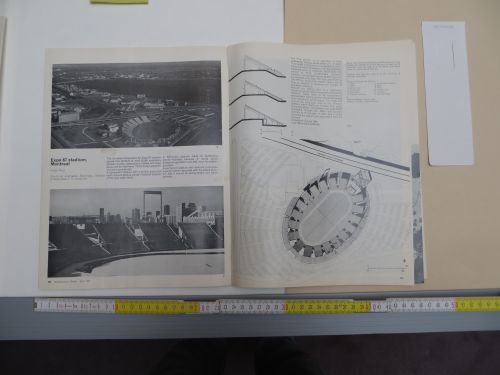
Architectural Design, vol. 37, no. 4, April 1967 issue with an article about the Expo 67 Stadium in Montréal, Québec.
ARCH285233
Description:
Architectural Design, vol. 37, no. 4, April 1967 issue with an article about the Expo 67 Stadium in Montréal, Québec.
People:
Title:
Architectural design
Actions:
ARCH285233
Description:
Architectural Design, vol. 37, no. 4, April 1967 issue with an article about the Expo 67 Stadium in Montréal, Québec.
Architectural design
Actions:
ARCH285233
Description:
Architectural Design, vol. 37, no. 4, April 1967 issue with an article about the Expo 67 Stadium in Montréal, Québec.
Form:
journals and magazines
journals and magazines
People:
Form:
journals and magazines
journals and magazines
Title:
Architectural design
Architectural design
Actions:
Reference number:
ARCH268122
Description:
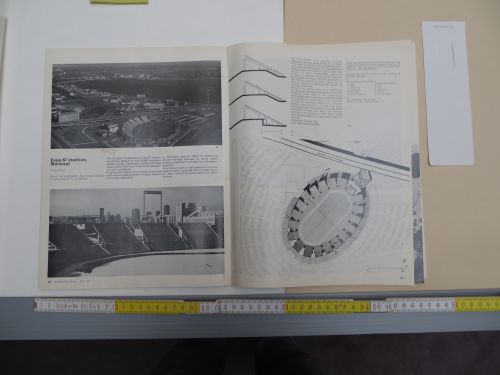
Architectural Design, vol. 37, no. 4, April 1967 issue with an article about the Expo 67 Stadium in Montréal, Québec.
ARCH268122
Description:
Architectural Design, vol. 37, no. 4, April 1967 issue with an article about the Expo 67 Stadium in Montréal, Québec.
People:
Title:
Architectural design
Actions:
ARCH268122
Description:
Architectural Design, vol. 37, no. 4, April 1967 issue with an article about the Expo 67 Stadium in Montréal, Québec.
Architectural design
Actions:
ARCH268122
Description:
Architectural Design, vol. 37, no. 4, April 1967 issue with an article about the Expo 67 Stadium in Montréal, Québec.
Form:
journals and magazines
journals and magazines
People:
Form:
photographs
photographs
Actions:
Reference number:
PH1980:0048.01:001-049
Description:
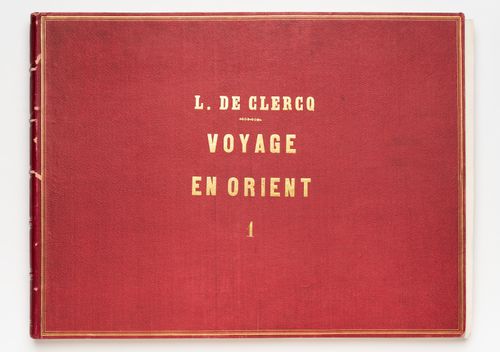
Album PH1980:0048.01:001-0049 comprises 49 views of the Ottoman Empire, including views of subjects which are now located in Lebanon, Syria, Turkey, and Israel. The 24 views of Lebanon include ten views of Tripoli, eight of Baalbek, four of Beirut and two of Jubayl. The photographs show: eight cityscapes; seven views of temples; three views of mosques; 2 views of towers; and one view each of a convent, the ruins of a castle, the foundations of a Phoenician building, and the Consulate General of France in Beirut. The 12 views of Syria include seven views of Damascus, two of Jebel ed Druz, two of Tartus and one view of Latakia. The photographs show: three views of Jewish houses; two views of the ruins of a Roman amphitheater; two views of the French Consulate in Damascus; and one view each of a Christian house, the ruins of a castle, a church, a cityscape and a city gate. The seven views of Turkey include six views of Antioch and one view of Seleucia Pieria (both now Antakya). The photographs show: three views of fortifications; and one view each of a city gate, a statue, a cityscape and the entry to the Iron Canyon. The six views of Israel include two views of Acre, two of Mount Carmel and one view each of Haifa and Nazareth. The photographs show three cityscapes, and one view each of batteries, a convent and a palace.
PH1980:0048.01:001-049
Description:
Album PH1980:0048.01:001-0049 comprises 49 views of the Ottoman Empire, including views of subjects which are now located in Lebanon, Syria, Turkey, and Israel. The 24 views of Lebanon include ten views of Tripoli, eight of Baalbek, four of Beirut and two of Jubayl. The photographs show: eight cityscapes; seven views of temples; three views of mosques; 2 views of towers; and one view each of a convent, the ruins of a castle, the foundations of a Phoenician building, and the Consulate General of France in Beirut. The 12 views of Syria include seven views of Damascus, two of Jebel ed Druz, two of Tartus and one view of Latakia. The photographs show: three views of Jewish houses; two views of the ruins of a Roman amphitheater; two views of the French Consulate in Damascus; and one view each of a Christian house, the ruins of a castle, a church, a cityscape and a city gate. The seven views of Turkey include six views of Antioch and one view of Seleucia Pieria (both now Antakya). The photographs show: three views of fortifications; and one view each of a city gate, a statue, a cityscape and the entry to the Iron Canyon. The six views of Israel include two views of Acre, two of Mount Carmel and one view each of Haifa and Nazareth. The photographs show three cityscapes, and one view each of batteries, a convent and a palace.
People:
Subject:
architecture, engineering, military, sculpture
architecture, engineering, military, sculpture
Date:
published 1859-1860
published 1859-1860
Title:
Album of views of cities and towns showing public, religious and domestic architecture, Ottoman Empire (now in Lebanon, Syria, Turkey and Israel)
Actions:
PH1980:0048.01:001-049
Description:
Album PH1980:0048.01:001-0049 comprises 49 views of the Ottoman Empire, including views of subjects which are now located in Lebanon, Syria, Turkey, and Israel. The 24 views of Lebanon include ten views of Tripoli, eight of Baalbek, four of Beirut and two of Jubayl. The photographs show: eight cityscapes; seven views of temples; three views of mosques; 2 views of towers; and one view each of a convent, the ruins of a castle, the foundations of a Phoenician building, and the Consulate General of France in Beirut. The 12 views of Syria include seven views of Damascus, two of Jebel ed Druz, two of Tartus and one view of Latakia. The photographs show: three views of Jewish houses; two views of the ruins of a Roman amphitheater; two views of the French Consulate in Damascus; and one view each of a Christian house, the ruins of a castle, a church, a cityscape and a city gate. The seven views of Turkey include six views of Antioch and one view of Seleucia Pieria (both now Antakya). The photographs show: three views of fortifications; and one view each of a city gate, a statue, a cityscape and the entry to the Iron Canyon. The six views of Israel include two views of Acre, two of Mount Carmel and one view each of Haifa and Nazareth. The photographs show three cityscapes, and one view each of batteries, a convent and a palace.
Album of views of cities and towns showing public, religious and domestic architecture, Ottoman Empire (now in Lebanon, Syria, Turkey and Israel)
Actions:
PH1980:0048.01:001-049
Description:
Album PH1980:0048.01:001-0049 comprises 49 views of the Ottoman Empire, including views of subjects which are now located in Lebanon, Syria, Turkey, and Israel. The 24 views of Lebanon include ten views of Tripoli, eight of Baalbek, four of Beirut and two of Jubayl. The photographs show: eight cityscapes; seven views of temples; three views of mosques; 2 views of towers; and one view each of a convent, the ruins of a castle, the foundations of a Phoenician building, and the Consulate General of France in Beirut. The 12 views of Syria include seven views of Damascus, two of Jebel ed Druz, two of Tartus and one view of Latakia. The photographs show: three views of Jewish houses; two views of the ruins of a Roman amphitheater; two views of the French Consulate in Damascus; and one view each of a Christian house, the ruins of a castle, a church, a cityscape and a city gate. The seven views of Turkey include six views of Antioch and one view of Seleucia Pieria (both now Antakya). The photographs show: three views of fortifications; and one view each of a city gate, a statue, a cityscape and the entry to the Iron Canyon. The six views of Israel include two views of Acre, two of Mount Carmel and one view each of Haifa and Nazareth. The photographs show three cityscapes, and one view each of batteries, a convent and a palace.
Form:
photographs
photographs
Date:
published 1859-1860
published 1859-1860
People:
Subject:
architecture, engineering, military, sculpture
architecture, engineering, military, sculpture
Level of archival description:
Series
Series
Title:
Architectural projects
Architectural projects
Reference number:
AP178.S1
Description:
Series AP178.S1 is the largest series of the Álvaro Siza fonds and documents over 200 of Siza’s built and unbuilt architectural projects. The series is divided into project series which are arranged chronologically by project year. Presently, materials in this series range from 1958-2012. The CCA will also receive materials documenting Siza’s more recent work in future additions. Documenting the projects are conceptual, design, presentation, and working drawings, as well as photographic materials, textual documentation, and models. Although the drawings for each project have been identified, Siza often sketches or doodles on textual documentation, such as minutes of meetings or notes. When possible, folders that include textual documents with sketches or doodles have been identified. Amounts and types of materials vary from project to project. Project documentation is usually in Portuguese, with some exceptions including French, English, German, and Dutch. Most project series include sketches, studies, and working drawings. Other drawings included are site plans, floor plans, topographic surveys, elevations, sections, as well as technical and mechanical details. Also documenting the projects are photographic materials and textual documentation, such as correspondence, building programs, contracts, notes, and other working details. Photographic materials found within this archive are slides, negatives, photomontages and photographs of project sites and models.The photomontages were often used to study the function of the project site. To fully understand Siza’s methodology, sketchbooks (Series AP178.S2) should be viewed alongside the project drawings, when possible. Each project series description highlights sketchbooks in series AP178.S2 which contain related sketches. It is important to note that not all projects are represented in the sketchbooks in Series AP178.S2. Moreover, project series descriptions only list related sketchbooks when sketches have been positively identified as related to the corresponding project. The Siza fonds will be processed in four phases. The materials processed in the first, second, and third phases are architectural projects from the 1950’s, 1960’s, and 1970’s; urban planning projects; Reconstrução do Chiado; Berlin projects submitted to the IBA competition; cultural institutions; individual houses; and the Plano de urbanização Deelgebied 5 Schilderswijk-West in The Hague. Among The Hague and the Berlin projects are the Punt en Komma social housing, Bonjour Tristesse, and the Residential settlement in Schilderswijk. This series is better understood in the context of how the records for architectural projects were arranged by Siza’s office. Earlier projects were initially numbered by Siza’s office and then received new project numbers by the office archivist, who joined the office in the 1990s. Project files have been kept in the order in which they were received by the CCA, which is how they were arranged by the office archivist. The project numbers and dates assigned by Siza’s office archivist are included in the descriptions for each project and form the basis for the arrangement of this series. The office archivist numbered projects consecutively by decade, for instance, 58/80 was the 58th project during the 1980s. Numbers which were included in square brackets, ex. [14]/75, show that the project was not a ‘full’ project and contains a small amount of documentation. When projects are followed by a letter (A, B, C) this signifies a project is connected to the first. When the project number is followed by a number (1, 2, 3) this signifies a separate building within a larger project. For the purposes of arrangement, project numbers that were assigned a letter or number are arranged as sub-series of the related project series. Exceptions to this numbering convention are projects 23/60, 25/60, 28/60, 33/60, 34/60 and 35/60. These projects were not in the office’s original project list and were not officially considered projects. The office archivist assembled documentation related to these projects and assigned them numbers. In the early 2000s a large number of photographic materials were gathered together by the office archivist from various correspondence files for a digitization project initiated by the office. These materials remained housed together as a photograph collection in the office. Not all of these materials were digitized by the office. Those that were digitized were assigned numbers which have been identified in the file descriptions. It is important to note that several photographic materials were left with the textual documentation or drawings. When this is the case they are identified in the file description. There are also several panoramic photomontages which were created by either gluing or taping several photographs together to make panoramas of project sites.
AP178.S1
Description:
Series AP178.S1 is the largest series of the Álvaro Siza fonds and documents over 200 of Siza’s built and unbuilt architectural projects. The series is divided into project series which are arranged chronologically by project year. Presently, materials in this series range from 1958-2012. The CCA will also receive materials documenting Siza’s more recent work in future additions. Documenting the projects are conceptual, design, presentation, and working drawings, as well as photographic materials, textual documentation, and models. Although the drawings for each project have been identified, Siza often sketches or doodles on textual documentation, such as minutes of meetings or notes. When possible, folders that include textual documents with sketches or doodles have been identified. Amounts and types of materials vary from project to project. Project documentation is usually in Portuguese, with some exceptions including French, English, German, and Dutch. Most project series include sketches, studies, and working drawings. Other drawings included are site plans, floor plans, topographic surveys, elevations, sections, as well as technical and mechanical details. Also documenting the projects are photographic materials and textual documentation, such as correspondence, building programs, contracts, notes, and other working details. Photographic materials found within this archive are slides, negatives, photomontages and photographs of project sites and models.The photomontages were often used to study the function of the project site. To fully understand Siza’s methodology, sketchbooks (Series AP178.S2) should be viewed alongside the project drawings, when possible. Each project series description highlights sketchbooks in series AP178.S2 which contain related sketches. It is important to note that not all projects are represented in the sketchbooks in Series AP178.S2. Moreover, project series descriptions only list related sketchbooks when sketches have been positively identified as related to the corresponding project. The Siza fonds will be processed in four phases. The materials processed in the first, second, and third phases are architectural projects from the 1950’s, 1960’s, and 1970’s; urban planning projects; Reconstrução do Chiado; Berlin projects submitted to the IBA competition; cultural institutions; individual houses; and the Plano de urbanização Deelgebied 5 Schilderswijk-West in The Hague. Among The Hague and the Berlin projects are the Punt en Komma social housing, Bonjour Tristesse, and the Residential settlement in Schilderswijk. This series is better understood in the context of how the records for architectural projects were arranged by Siza’s office. Earlier projects were initially numbered by Siza’s office and then received new project numbers by the office archivist, who joined the office in the 1990s. Project files have been kept in the order in which they were received by the CCA, which is how they were arranged by the office archivist. The project numbers and dates assigned by Siza’s office archivist are included in the descriptions for each project and form the basis for the arrangement of this series. The office archivist numbered projects consecutively by decade, for instance, 58/80 was the 58th project during the 1980s. Numbers which were included in square brackets, ex. [14]/75, show that the project was not a ‘full’ project and contains a small amount of documentation. When projects are followed by a letter (A, B, C) this signifies a project is connected to the first. When the project number is followed by a number (1, 2, 3) this signifies a separate building within a larger project. For the purposes of arrangement, project numbers that were assigned a letter or number are arranged as sub-series of the related project series. Exceptions to this numbering convention are projects 23/60, 25/60, 28/60, 33/60, 34/60 and 35/60. These projects were not in the office’s original project list and were not officially considered projects. The office archivist assembled documentation related to these projects and assigned them numbers. In the early 2000s a large number of photographic materials were gathered together by the office archivist from various correspondence files for a digitization project initiated by the office. These materials remained housed together as a photograph collection in the office. Not all of these materials were digitized by the office. Those that were digitized were assigned numbers which have been identified in the file descriptions. It is important to note that several photographic materials were left with the textual documentation or drawings. When this is the case they are identified in the file description. There are also several panoramic photomontages which were created by either gluing or taping several photographs together to make panoramas of project sites.
People:
Date:
1948-2012
1948-2012
Title:
Architectural projects
Actions:
AP178.S1
Description:
Series AP178.S1 is the largest series of the Álvaro Siza fonds and documents over 200 of Siza’s built and unbuilt architectural projects. The series is divided into project series which are arranged chronologically by project year. Presently, materials in this series range from 1958-2012. The CCA will also receive materials documenting Siza’s more recent work in future additions. Documenting the projects are conceptual, design, presentation, and working drawings, as well as photographic materials, textual documentation, and models. Although the drawings for each project have been identified, Siza often sketches or doodles on textual documentation, such as minutes of meetings or notes. When possible, folders that include textual documents with sketches or doodles have been identified. Amounts and types of materials vary from project to project. Project documentation is usually in Portuguese, with some exceptions including French, English, German, and Dutch. Most project series include sketches, studies, and working drawings. Other drawings included are site plans, floor plans, topographic surveys, elevations, sections, as well as technical and mechanical details. Also documenting the projects are photographic materials and textual documentation, such as correspondence, building programs, contracts, notes, and other working details. Photographic materials found within this archive are slides, negatives, photomontages and photographs of project sites and models.The photomontages were often used to study the function of the project site. To fully understand Siza’s methodology, sketchbooks (Series AP178.S2) should be viewed alongside the project drawings, when possible. Each project series description highlights sketchbooks in series AP178.S2 which contain related sketches. It is important to note that not all projects are represented in the sketchbooks in Series AP178.S2. Moreover, project series descriptions only list related sketchbooks when sketches have been positively identified as related to the corresponding project. The Siza fonds will be processed in four phases. The materials processed in the first, second, and third phases are architectural projects from the 1950’s, 1960’s, and 1970’s; urban planning projects; Reconstrução do Chiado; Berlin projects submitted to the IBA competition; cultural institutions; individual houses; and the Plano de urbanização Deelgebied 5 Schilderswijk-West in The Hague. Among The Hague and the Berlin projects are the Punt en Komma social housing, Bonjour Tristesse, and the Residential settlement in Schilderswijk. This series is better understood in the context of how the records for architectural projects were arranged by Siza’s office. Earlier projects were initially numbered by Siza’s office and then received new project numbers by the office archivist, who joined the office in the 1990s. Project files have been kept in the order in which they were received by the CCA, which is how they were arranged by the office archivist. The project numbers and dates assigned by Siza’s office archivist are included in the descriptions for each project and form the basis for the arrangement of this series. The office archivist numbered projects consecutively by decade, for instance, 58/80 was the 58th project during the 1980s. Numbers which were included in square brackets, ex. [14]/75, show that the project was not a ‘full’ project and contains a small amount of documentation. When projects are followed by a letter (A, B, C) this signifies a project is connected to the first. When the project number is followed by a number (1, 2, 3) this signifies a separate building within a larger project. For the purposes of arrangement, project numbers that were assigned a letter or number are arranged as sub-series of the related project series. Exceptions to this numbering convention are projects 23/60, 25/60, 28/60, 33/60, 34/60 and 35/60. These projects were not in the office’s original project list and were not officially considered projects. The office archivist assembled documentation related to these projects and assigned them numbers. In the early 2000s a large number of photographic materials were gathered together by the office archivist from various correspondence files for a digitization project initiated by the office. These materials remained housed together as a photograph collection in the office. Not all of these materials were digitized by the office. Those that were digitized were assigned numbers which have been identified in the file descriptions. It is important to note that several photographic materials were left with the textual documentation or drawings. When this is the case they are identified in the file description. There are also several panoramic photomontages which were created by either gluing or taping several photographs together to make panoramas of project sites.
Architectural projects
Actions:
AP178.S1
Description:
Series AP178.S1 is the largest series of the Álvaro Siza fonds and documents over 200 of Siza’s built and unbuilt architectural projects. The series is divided into project series which are arranged chronologically by project year. Presently, materials in this series range from 1958-2012. The CCA will also receive materials documenting Siza’s more recent work in future additions. Documenting the projects are conceptual, design, presentation, and working drawings, as well as photographic materials, textual documentation, and models. Although the drawings for each project have been identified, Siza often sketches or doodles on textual documentation, such as minutes of meetings or notes. When possible, folders that include textual documents with sketches or doodles have been identified. Amounts and types of materials vary from project to project. Project documentation is usually in Portuguese, with some exceptions including French, English, German, and Dutch. Most project series include sketches, studies, and working drawings. Other drawings included are site plans, floor plans, topographic surveys, elevations, sections, as well as technical and mechanical details. Also documenting the projects are photographic materials and textual documentation, such as correspondence, building programs, contracts, notes, and other working details. Photographic materials found within this archive are slides, negatives, photomontages and photographs of project sites and models.The photomontages were often used to study the function of the project site. To fully understand Siza’s methodology, sketchbooks (Series AP178.S2) should be viewed alongside the project drawings, when possible. Each project series description highlights sketchbooks in series AP178.S2 which contain related sketches. It is important to note that not all projects are represented in the sketchbooks in Series AP178.S2. Moreover, project series descriptions only list related sketchbooks when sketches have been positively identified as related to the corresponding project. The Siza fonds will be processed in four phases. The materials processed in the first, second, and third phases are architectural projects from the 1950’s, 1960’s, and 1970’s; urban planning projects; Reconstrução do Chiado; Berlin projects submitted to the IBA competition; cultural institutions; individual houses; and the Plano de urbanização Deelgebied 5 Schilderswijk-West in The Hague. Among The Hague and the Berlin projects are the Punt en Komma social housing, Bonjour Tristesse, and the Residential settlement in Schilderswijk. This series is better understood in the context of how the records for architectural projects were arranged by Siza’s office. Earlier projects were initially numbered by Siza’s office and then received new project numbers by the office archivist, who joined the office in the 1990s. Project files have been kept in the order in which they were received by the CCA, which is how they were arranged by the office archivist. The project numbers and dates assigned by Siza’s office archivist are included in the descriptions for each project and form the basis for the arrangement of this series. The office archivist numbered projects consecutively by decade, for instance, 58/80 was the 58th project during the 1980s. Numbers which were included in square brackets, ex. [14]/75, show that the project was not a ‘full’ project and contains a small amount of documentation. When projects are followed by a letter (A, B, C) this signifies a project is connected to the first. When the project number is followed by a number (1, 2, 3) this signifies a separate building within a larger project. For the purposes of arrangement, project numbers that were assigned a letter or number are arranged as sub-series of the related project series. Exceptions to this numbering convention are projects 23/60, 25/60, 28/60, 33/60, 34/60 and 35/60. These projects were not in the office’s original project list and were not officially considered projects. The office archivist assembled documentation related to these projects and assigned them numbers. In the early 2000s a large number of photographic materials were gathered together by the office archivist from various correspondence files for a digitization project initiated by the office. These materials remained housed together as a photograph collection in the office. Not all of these materials were digitized by the office. Those that were digitized were assigned numbers which have been identified in the file descriptions. It is important to note that several photographic materials were left with the textual documentation or drawings. When this is the case they are identified in the file description. There are also several panoramic photomontages which were created by either gluing or taping several photographs together to make panoramas of project sites.
Level of archival description:
Series
Series
Date:
1948-2012
1948-2012
People:
Form:
journals and magazines
journals and magazines
Title:
Architectural design
Architectural design
Actions:
Reference number:
ARCH268140
Description:
Architectural design, vol. 35, no. 7 (July 1967) issue with an article about the Mont-Royal and the Bonaventure Metro Stations in Montréal, Québec.
ARCH268140
Description:
Architectural design, vol. 35, no. 7 (July 1967) issue with an article about the Mont-Royal and the Bonaventure Metro Stations in Montréal, Québec.
People:
Title:
Architectural design
Actions:
ARCH268140
Description:
Architectural design, vol. 35, no. 7 (July 1967) issue with an article about the Mont-Royal and the Bonaventure Metro Stations in Montréal, Québec.
Architectural design
Actions:
ARCH268140
Description:
Architectural design, vol. 35, no. 7 (July 1967) issue with an article about the Mont-Royal and the Bonaventure Metro Stations in Montréal, Québec.
Form:
journals and magazines
journals and magazines
People:
Form:
textual records
textual records
Actions:
Reference number:
AP197.S1.SS2.145
AP197.S1.SS2.145
People:
Date:
2010
2010
Form:
textual records
textual records
Date:
2010
2010
People:
Form:
textual records
textual records
Actions:
Reference number:
AP197.S1.SS6.050
AP197.S1.SS6.050
People:
Date:
2012-2014
2012-2014
Form:
textual records
textual records
Date:
2012-2014
2012-2014
People:
Form:
textual records
textual records
Actions:
Reference number:
AP197.S1.SS6.051
AP197.S1.SS6.051
People:
Date:
2014
2014
Form:
textual records
textual records
Date:
2014
2014
People:


