


16899 Results
Level of archival description:
Project
Project
Actions:
Reference number:
AP018.S1.1976.PR23
Description:
This project series documents the design of the new National Gallery of Canada for a limited architectural competition in Ottawa, Ontario in 1976. The office identified the project number as 7630. This project consisted of designing a new gallery to house Canada's most prized artworks and artefacts in a competition run by Public Works Canada on behalf of National Museums of Canada. The building site was down the street from Canada's parliament buildings, with views of the Ottawa River and across to Quebec. The design submitted by Parkin Architects Planners was highly modular, with cubes turned on an angle making up the majority of the building. The six-storey building design had three floors of galleries, while other levels were to be used for staff, services, and storage. A panel of international architects and representatives anonymously chose Parkin's design as the winner of the competition in early 1977. However, after cited lack of funds, and controversies over the chosen site and the way in which the competition was run, the newly formed Canada Museums Construction Company sought another design and architect for the new National Gallery. The dispute over this decision is recorded in materials from this project series and related project series. Eventually, Parkin did participate in the construction of the National Gallery's final design, but as the minor partner in a joint venture with Moshe Safdie (see materials in project series AP018.S1.1983.PR02 in this fonds for more information). The project is recorded through drawings, including presentation boards, photographs, and textual records dating from 1974-1985. The drawings are a mix of original design drawings and site drawings. The site drawings were prepared for the competitors by Public Works Canada and the National Capital Commission. The drawings prepared by these government agencies are bilingual. The textual records primarily consist of guidelines, specifications, and other information from Public Works Canada to the competitors. The textual documentation also includes financial records and correspondence on the controversy surrounding the competition.
AP018.S1.1976.PR23
Description:
This project series documents the design of the new National Gallery of Canada for a limited architectural competition in Ottawa, Ontario in 1976. The office identified the project number as 7630. This project consisted of designing a new gallery to house Canada's most prized artworks and artefacts in a competition run by Public Works Canada on behalf of National Museums of Canada. The building site was down the street from Canada's parliament buildings, with views of the Ottawa River and across to Quebec. The design submitted by Parkin Architects Planners was highly modular, with cubes turned on an angle making up the majority of the building. The six-storey building design had three floors of galleries, while other levels were to be used for staff, services, and storage. A panel of international architects and representatives anonymously chose Parkin's design as the winner of the competition in early 1977. However, after cited lack of funds, and controversies over the chosen site and the way in which the competition was run, the newly formed Canada Museums Construction Company sought another design and architect for the new National Gallery. The dispute over this decision is recorded in materials from this project series and related project series. Eventually, Parkin did participate in the construction of the National Gallery's final design, but as the minor partner in a joint venture with Moshe Safdie (see materials in project series AP018.S1.1983.PR02 in this fonds for more information). The project is recorded through drawings, including presentation boards, photographs, and textual records dating from 1974-1985. The drawings are a mix of original design drawings and site drawings. The site drawings were prepared for the competitors by Public Works Canada and the National Capital Commission. The drawings prepared by these government agencies are bilingual. The textual records primarily consist of guidelines, specifications, and other information from Public Works Canada to the competitors. The textual documentation also includes financial records and correspondence on the controversy surrounding the competition.
People:
Date:
1974-1985
1974-1985
Title:
National Gallery of Canada, Limited Architectural Competition, Ottawa, Ontario (1976)
Actions:
AP018.S1.1976.PR23
Description:
This project series documents the design of the new National Gallery of Canada for a limited architectural competition in Ottawa, Ontario in 1976. The office identified the project number as 7630. This project consisted of designing a new gallery to house Canada's most prized artworks and artefacts in a competition run by Public Works Canada on behalf of National Museums of Canada. The building site was down the street from Canada's parliament buildings, with views of the Ottawa River and across to Quebec. The design submitted by Parkin Architects Planners was highly modular, with cubes turned on an angle making up the majority of the building. The six-storey building design had three floors of galleries, while other levels were to be used for staff, services, and storage. A panel of international architects and representatives anonymously chose Parkin's design as the winner of the competition in early 1977. However, after cited lack of funds, and controversies over the chosen site and the way in which the competition was run, the newly formed Canada Museums Construction Company sought another design and architect for the new National Gallery. The dispute over this decision is recorded in materials from this project series and related project series. Eventually, Parkin did participate in the construction of the National Gallery's final design, but as the minor partner in a joint venture with Moshe Safdie (see materials in project series AP018.S1.1983.PR02 in this fonds for more information). The project is recorded through drawings, including presentation boards, photographs, and textual records dating from 1974-1985. The drawings are a mix of original design drawings and site drawings. The site drawings were prepared for the competitors by Public Works Canada and the National Capital Commission. The drawings prepared by these government agencies are bilingual. The textual records primarily consist of guidelines, specifications, and other information from Public Works Canada to the competitors. The textual documentation also includes financial records and correspondence on the controversy surrounding the competition.
National Gallery of Canada, Limited Architectural Competition, Ottawa, Ontario (1976)
Actions:
AP018.S1.1976.PR23
Description:
This project series documents the design of the new National Gallery of Canada for a limited architectural competition in Ottawa, Ontario in 1976. The office identified the project number as 7630. This project consisted of designing a new gallery to house Canada's most prized artworks and artefacts in a competition run by Public Works Canada on behalf of National Museums of Canada. The building site was down the street from Canada's parliament buildings, with views of the Ottawa River and across to Quebec. The design submitted by Parkin Architects Planners was highly modular, with cubes turned on an angle making up the majority of the building. The six-storey building design had three floors of galleries, while other levels were to be used for staff, services, and storage. A panel of international architects and representatives anonymously chose Parkin's design as the winner of the competition in early 1977. However, after cited lack of funds, and controversies over the chosen site and the way in which the competition was run, the newly formed Canada Museums Construction Company sought another design and architect for the new National Gallery. The dispute over this decision is recorded in materials from this project series and related project series. Eventually, Parkin did participate in the construction of the National Gallery's final design, but as the minor partner in a joint venture with Moshe Safdie (see materials in project series AP018.S1.1983.PR02 in this fonds for more information). The project is recorded through drawings, including presentation boards, photographs, and textual records dating from 1974-1985. The drawings are a mix of original design drawings and site drawings. The site drawings were prepared for the competitors by Public Works Canada and the National Capital Commission. The drawings prepared by these government agencies are bilingual. The textual records primarily consist of guidelines, specifications, and other information from Public Works Canada to the competitors. The textual documentation also includes financial records and correspondence on the controversy surrounding the competition.
Level of archival description:
Project
Project
Date:
1974-1985
1974-1985
People:
Form:
photographs
photographs
Reference number:
ARCH257145
Description:
promotional material (printed on paper) of models, drawings, and existing buildings - Village Lake Louise, West End Scheme (Vancouver), West Seattle Freeway, Yorkdale Subway Station, Museum of Anthroplogy, Macmillan-Bloedel building, M-3 Cite des terrasses, Oppenheimer Lodge, Sawber Housing, Toronto Midtown Terrace, Victoria Inner Harbour Study, Toronto Transit Study, Vancouver Study, Smith House 2, Roy Thomson Hall and Downtown West, Sikh Temple, Shannon Mews
ARCH257145
Description:
promotional material (printed on paper) of models, drawings, and existing buildings - Village Lake Louise, West End Scheme (Vancouver), West Seattle Freeway, Yorkdale Subway Station, Museum of Anthroplogy, Macmillan-Bloedel building, M-3 Cite des terrasses, Oppenheimer Lodge, Sawber Housing, Toronto Midtown Terrace, Victoria Inner Harbour Study, Toronto Transit Study, Vancouver Study, Smith House 2, Roy Thomson Hall and Downtown West, Sikh Temple, Shannon Mews
People:
Title:
Promotional material for various projects
Actions:
ARCH257145
Description:
promotional material (printed on paper) of models, drawings, and existing buildings - Village Lake Louise, West End Scheme (Vancouver), West Seattle Freeway, Yorkdale Subway Station, Museum of Anthroplogy, Macmillan-Bloedel building, M-3 Cite des terrasses, Oppenheimer Lodge, Sawber Housing, Toronto Midtown Terrace, Victoria Inner Harbour Study, Toronto Transit Study, Vancouver Study, Smith House 2, Roy Thomson Hall and Downtown West, Sikh Temple, Shannon Mews
Promotional material for various projects
Actions:
ARCH257145
Description:
promotional material (printed on paper) of models, drawings, and existing buildings - Village Lake Louise, West End Scheme (Vancouver), West Seattle Freeway, Yorkdale Subway Station, Museum of Anthroplogy, Macmillan-Bloedel building, M-3 Cite des terrasses, Oppenheimer Lodge, Sawber Housing, Toronto Midtown Terrace, Victoria Inner Harbour Study, Toronto Transit Study, Vancouver Study, Smith House 2, Roy Thomson Hall and Downtown West, Sikh Temple, Shannon Mews
Form:
photographs
photographs
People:
Form:
archives
Level of archival description:
Fonds
archives
Level of archival description:
Fonds
Title:
Robert Duchesnay fonds
Robert Duchesnay fonds
Actions:
Reference number:
AP115
Synopsis:
Le Fonds Robert Duchesnay consiste en une série de photographies montrant les divers structure (principalement des dômes géodésiques) conçus ou influencée par R. Buckminster Fuller. Les photographies, prises par l'artiste et photographe montréalais Robert Duchesnay, ont été créées entre 1985 et 1992.
AP115
Synopsis:
Le Fonds Robert Duchesnay consiste en une série de photographies montrant les divers structure (principalement des dômes géodésiques) conçus ou influencée par R. Buckminster Fuller. Les photographies, prises par l'artiste et photographe montréalais Robert Duchesnay, ont été créées entre 1985 et 1992.
People:
Date:
1985-1992
1985-1992
Title:
Robert Duchesnay fonds
Actions:
AP115
Synopsis:
Le Fonds Robert Duchesnay consiste en une série de photographies montrant les divers structure (principalement des dômes géodésiques) conçus ou influencée par R. Buckminster Fuller. Les photographies, prises par l'artiste et photographe montréalais Robert Duchesnay, ont été créées entre 1985 et 1992.
Robert Duchesnay fonds
Actions:
AP115
Synopsis:
Le Fonds Robert Duchesnay consiste en une série de photographies montrant les divers structure (principalement des dômes géodésiques) conçus ou influencée par R. Buckminster Fuller. Les photographies, prises par l'artiste et photographe montréalais Robert Duchesnay, ont été créées entre 1985 et 1992.
Form:
archives
Level of archival description:
Fonds
archives
Level of archival description:
Fonds
Date:
1985-1992
1985-1992
People:
Form:
textual records
textual records
Actions:
Reference number:
ARCH255452
Description:
Files of publicity photographs - Roy Thompson Hall, Sikh Temple, Museum of Anthropology, Dalhouse Law Library, Harold Washington Library Centre model, National Gallery of Canada model, MacMillan Bloedel Building, Yorkdale Subway Station, Filberg House, Bank of Canada, Canadian Pavilion (Osaka), Simon Fraser University, Whistler condominiums (interior), University of Lethbridge, Eppich House, unidentified residental high-rise (perspective drawing dated 1980), file of photoprints of various projects
ARCH255452
Description:
Files of publicity photographs - Roy Thompson Hall, Sikh Temple, Museum of Anthropology, Dalhouse Law Library, Harold Washington Library Centre model, National Gallery of Canada model, MacMillan Bloedel Building, Yorkdale Subway Station, Filberg House, Bank of Canada, Canadian Pavilion (Osaka), Simon Fraser University, Whistler condominiums (interior), University of Lethbridge, Eppich House, unidentified residental high-rise (perspective drawing dated 1980), file of photoprints of various projects
People:
Title:
Projects photographs for promotion
Actions:
ARCH255452
Description:
Files of publicity photographs - Roy Thompson Hall, Sikh Temple, Museum of Anthropology, Dalhouse Law Library, Harold Washington Library Centre model, National Gallery of Canada model, MacMillan Bloedel Building, Yorkdale Subway Station, Filberg House, Bank of Canada, Canadian Pavilion (Osaka), Simon Fraser University, Whistler condominiums (interior), University of Lethbridge, Eppich House, unidentified residental high-rise (perspective drawing dated 1980), file of photoprints of various projects
Projects photographs for promotion
Actions:
ARCH255452
Description:
Files of publicity photographs - Roy Thompson Hall, Sikh Temple, Museum of Anthropology, Dalhouse Law Library, Harold Washington Library Centre model, National Gallery of Canada model, MacMillan Bloedel Building, Yorkdale Subway Station, Filberg House, Bank of Canada, Canadian Pavilion (Osaka), Simon Fraser University, Whistler condominiums (interior), University of Lethbridge, Eppich House, unidentified residental high-rise (perspective drawing dated 1980), file of photoprints of various projects
Form:
textual records
textual records
People:
Level of archival description:
Project
Project
Actions:
Reference number:
AP164.S1.1997.D12
Description:
The subseries documents the show-event base “Fabricaciones / Fabrications,” held at the Museu d'Art Contemporani de Barcelona (MACBA) (February 10th to April 20th, 1998). The firm identified this project as number 110. “Fabrications was an innovative exhibition on architecture conceived and produced jointly by MACBA, MoMA, the Wexner Center for the Arts and the San Francisco Museum of Modern Art. The exhibition presented sixteen life-size architectural interventions, four at each participating center, each produced by a team of architects who explored tectonic issues in a broad sense. The four installations presented at Plaça dels Àngels – the square in front of the MACBA building – explored and modified the surfaces that defined this public space. Vicente Gualla (Barcelona) created an intervention on the façade opposite the Museum, which drew attention to the occupation and the population density that was absent from the buildings in the square. Abalos & Herreros (Madrid) acted upon the façade of the MACBA building itself, cladding and decorating its most monumental elements: the tower and the balcony. Riegler Riewe (Graz) worked with the whole of the square, inscribing a broken horizontal line along the perimeter of the public space. Finally, MVRDV (Rotterdam) acted upon the paving through an evocation of a series of different kinds of sports grounds.” (MACBA website) Documenting the exhibition are design development drawings, correspondence, project descriptions, budgets, notes, and reference, graphic and photographic materials.
AP164.S1.1997.D12
Description:
The subseries documents the show-event base “Fabricaciones / Fabrications,” held at the Museu d'Art Contemporani de Barcelona (MACBA) (February 10th to April 20th, 1998). The firm identified this project as number 110. “Fabrications was an innovative exhibition on architecture conceived and produced jointly by MACBA, MoMA, the Wexner Center for the Arts and the San Francisco Museum of Modern Art. The exhibition presented sixteen life-size architectural interventions, four at each participating center, each produced by a team of architects who explored tectonic issues in a broad sense. The four installations presented at Plaça dels Àngels – the square in front of the MACBA building – explored and modified the surfaces that defined this public space. Vicente Gualla (Barcelona) created an intervention on the façade opposite the Museum, which drew attention to the occupation and the population density that was absent from the buildings in the square. Abalos & Herreros (Madrid) acted upon the façade of the MACBA building itself, cladding and decorating its most monumental elements: the tower and the balcony. Riegler Riewe (Graz) worked with the whole of the square, inscribing a broken horizontal line along the perimeter of the public space. Finally, MVRDV (Rotterdam) acted upon the paving through an evocation of a series of different kinds of sports grounds.” (MACBA website) Documenting the exhibition are design development drawings, correspondence, project descriptions, budgets, notes, and reference, graphic and photographic materials.
People:
Date:
1996-2002
1996-2002
Title:
MACBA [Museu d'Art Contemporani de Barcelona] (1997)
Actions:
AP164.S1.1997.D12
Description:
The subseries documents the show-event base “Fabricaciones / Fabrications,” held at the Museu d'Art Contemporani de Barcelona (MACBA) (February 10th to April 20th, 1998). The firm identified this project as number 110. “Fabrications was an innovative exhibition on architecture conceived and produced jointly by MACBA, MoMA, the Wexner Center for the Arts and the San Francisco Museum of Modern Art. The exhibition presented sixteen life-size architectural interventions, four at each participating center, each produced by a team of architects who explored tectonic issues in a broad sense. The four installations presented at Plaça dels Àngels – the square in front of the MACBA building – explored and modified the surfaces that defined this public space. Vicente Gualla (Barcelona) created an intervention on the façade opposite the Museum, which drew attention to the occupation and the population density that was absent from the buildings in the square. Abalos & Herreros (Madrid) acted upon the façade of the MACBA building itself, cladding and decorating its most monumental elements: the tower and the balcony. Riegler Riewe (Graz) worked with the whole of the square, inscribing a broken horizontal line along the perimeter of the public space. Finally, MVRDV (Rotterdam) acted upon the paving through an evocation of a series of different kinds of sports grounds.” (MACBA website) Documenting the exhibition are design development drawings, correspondence, project descriptions, budgets, notes, and reference, graphic and photographic materials.
MACBA [Museu d'Art Contemporani de Barcelona] (1997)
Actions:
AP164.S1.1997.D12
Description:
The subseries documents the show-event base “Fabricaciones / Fabrications,” held at the Museu d'Art Contemporani de Barcelona (MACBA) (February 10th to April 20th, 1998). The firm identified this project as number 110. “Fabrications was an innovative exhibition on architecture conceived and produced jointly by MACBA, MoMA, the Wexner Center for the Arts and the San Francisco Museum of Modern Art. The exhibition presented sixteen life-size architectural interventions, four at each participating center, each produced by a team of architects who explored tectonic issues in a broad sense. The four installations presented at Plaça dels Àngels – the square in front of the MACBA building – explored and modified the surfaces that defined this public space. Vicente Gualla (Barcelona) created an intervention on the façade opposite the Museum, which drew attention to the occupation and the population density that was absent from the buildings in the square. Abalos & Herreros (Madrid) acted upon the façade of the MACBA building itself, cladding and decorating its most monumental elements: the tower and the balcony. Riegler Riewe (Graz) worked with the whole of the square, inscribing a broken horizontal line along the perimeter of the public space. Finally, MVRDV (Rotterdam) acted upon the paving through an evocation of a series of different kinds of sports grounds.” (MACBA website) Documenting the exhibition are design development drawings, correspondence, project descriptions, budgets, notes, and reference, graphic and photographic materials.
Level of archival description:
Project
Project
Date:
1996-2002
1996-2002
People:
Form:
archives
Level of archival description:
Fonds
archives
Level of archival description:
Fonds
Title:
Lars Spuybroek fonds
Lars Spuybroek fonds
Reference number:
AP173
Synopsis:
The Lars Spuybroek fonds documents the professional practice of architect Lars Spuybroek from his early projects in the 1990s to projects undertaken with his firm NOX from 1995 to 2010. The majority of the documents in the fonds consist of photographic materials, drawings and textual records relating to over 70 projects, such as the H2Oexpo in Neeltje Jans Island, Netherlands (1997), the Maison Folie in Nantes, France (2001) and the D-Tower in Doetinchem, Netherlands (2004).
AP173
Synopsis:
The Lars Spuybroek fonds documents the professional practice of architect Lars Spuybroek from his early projects in the 1990s to projects undertaken with his firm NOX from 1995 to 2010. The majority of the documents in the fonds consist of photographic materials, drawings and textual records relating to over 70 projects, such as the H2Oexpo in Neeltje Jans Island, Netherlands (1997), the Maison Folie in Nantes, France (2001) and the D-Tower in Doetinchem, Netherlands (2004).
People:
Date:
1980s-2010
1980s-2010
Title:
Lars Spuybroek fonds
Actions:
AP173
Synopsis:
The Lars Spuybroek fonds documents the professional practice of architect Lars Spuybroek from his early projects in the 1990s to projects undertaken with his firm NOX from 1995 to 2010. The majority of the documents in the fonds consist of photographic materials, drawings and textual records relating to over 70 projects, such as the H2Oexpo in Neeltje Jans Island, Netherlands (1997), the Maison Folie in Nantes, France (2001) and the D-Tower in Doetinchem, Netherlands (2004).
Lars Spuybroek fonds
Actions:
AP173
Synopsis:
The Lars Spuybroek fonds documents the professional practice of architect Lars Spuybroek from his early projects in the 1990s to projects undertaken with his firm NOX from 1995 to 2010. The majority of the documents in the fonds consist of photographic materials, drawings and textual records relating to over 70 projects, such as the H2Oexpo in Neeltje Jans Island, Netherlands (1997), the Maison Folie in Nantes, France (2001) and the D-Tower in Doetinchem, Netherlands (2004).
Form:
archives
Level of archival description:
Fonds
archives
Level of archival description:
Fonds
Date:
1980s-2010
1980s-2010
People:
Form:
archives
Level of archival description:
Fonds
archives
Level of archival description:
Fonds
Title:
Chuck Hoberman fonds
Chuck Hoberman fonds
Reference number:
AP165
Synopsis:
The Chuck Hoberman fonds documents Hoberman’s work in transformable design throughout the first part of his career, from 1980 to 2006, as well as the operations of his company Hoberman Associates Inc. Materials relate to the research and development of design concepts, the patenting of inventions, detailed drawings for certain unfolding structures, the workings and movements of mechanisms, public presentations at fairs and exhibitions, and media coverage.
AP165
Synopsis:
The Chuck Hoberman fonds documents Hoberman’s work in transformable design throughout the first part of his career, from 1980 to 2006, as well as the operations of his company Hoberman Associates Inc. Materials relate to the research and development of design concepts, the patenting of inventions, detailed drawings for certain unfolding structures, the workings and movements of mechanisms, public presentations at fairs and exhibitions, and media coverage.
People:
Date:
circa 1980-2006
circa 1980-2006
Title:
Chuck Hoberman fonds
Actions:
AP165
Synopsis:
The Chuck Hoberman fonds documents Hoberman’s work in transformable design throughout the first part of his career, from 1980 to 2006, as well as the operations of his company Hoberman Associates Inc. Materials relate to the research and development of design concepts, the patenting of inventions, detailed drawings for certain unfolding structures, the workings and movements of mechanisms, public presentations at fairs and exhibitions, and media coverage.
Chuck Hoberman fonds
Actions:
AP165
Synopsis:
The Chuck Hoberman fonds documents Hoberman’s work in transformable design throughout the first part of his career, from 1980 to 2006, as well as the operations of his company Hoberman Associates Inc. Materials relate to the research and development of design concepts, the patenting of inventions, detailed drawings for certain unfolding structures, the workings and movements of mechanisms, public presentations at fairs and exhibitions, and media coverage.
Form:
archives
Level of archival description:
Fonds
archives
Level of archival description:
Fonds
Date:
circa 1980-2006
circa 1980-2006
People:
Form:
photographs
photographs
Actions:
Reference number:
ARCH280841
Description:
Group consists of various buildings, installations and sculptures in Chandigarh, India. There are photographs of the Museum and Art Gallery (including interior views) in sector 10, the Architects Office in sector 19, the Post Graduate Institute for Medical Research (Hospital P.G.I.) in sector 12, the Cinema in sector 22 and sculpture and memorial including the Tower of Shadows in sector 1. The group also includes photographs of buildings details and buildings in constructions.
ARCH280841
Description:
Group consists of various buildings, installations and sculptures in Chandigarh, India. There are photographs of the Museum and Art Gallery (including interior views) in sector 10, the Architects Office in sector 19, the Post Graduate Institute for Medical Research (Hospital P.G.I.) in sector 12, the Cinema in sector 22 and sculpture and memorial including the Tower of Shadows in sector 1. The group also includes photographs of buildings details and buildings in constructions.
People:
Date:
s.d.
s.d.
Title:
Photographs of various buildings and installations in Chandigarh, India
Actions:
ARCH280841
Description:
Group consists of various buildings, installations and sculptures in Chandigarh, India. There are photographs of the Museum and Art Gallery (including interior views) in sector 10, the Architects Office in sector 19, the Post Graduate Institute for Medical Research (Hospital P.G.I.) in sector 12, the Cinema in sector 22 and sculpture and memorial including the Tower of Shadows in sector 1. The group also includes photographs of buildings details and buildings in constructions.
Photographs of various buildings and installations in Chandigarh, India
Actions:
ARCH280841
Description:
Group consists of various buildings, installations and sculptures in Chandigarh, India. There are photographs of the Museum and Art Gallery (including interior views) in sector 10, the Architects Office in sector 19, the Post Graduate Institute for Medical Research (Hospital P.G.I.) in sector 12, the Cinema in sector 22 and sculpture and memorial including the Tower of Shadows in sector 1. The group also includes photographs of buildings details and buildings in constructions.
Form:
photographs
photographs
Date:
s.d.
s.d.
People:
Form:
articles
articles
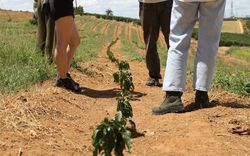
Title:
Dimensions of an Idea
Dimensions of an Idea
Actions:
Carla Juaçaba and Marina Oba in conversation
Issue:
Forces of Friction
Forces of Friction
Published:
16 June 2025
16 June 2025
Issue:
Forces of Friction
Forces of Friction
Form:
books
books
Actions:
Reference number:
DR1994:0144:259
Description:
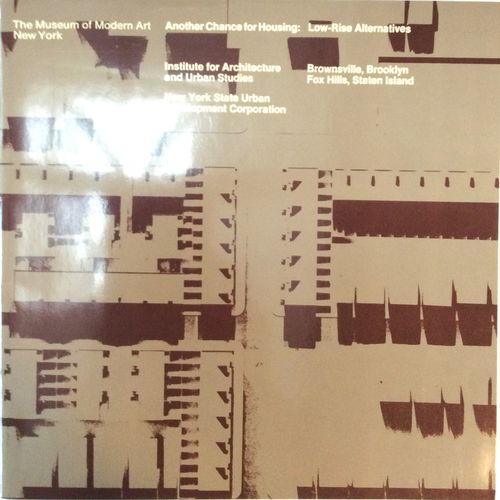
catalogue of the exhibition 'Another Chance for Housing: Low-Rise Alternatives' held at the Museum of Modern Art, New York, N.Y., June 12-August 19, 1973
DR1994:0144:259
Description:
catalogue of the exhibition 'Another Chance for Housing: Low-Rise Alternatives' held at the Museum of Modern Art, New York, N.Y., June 12-August 19, 1973
People:
Date:
1973
1973
Title:
Another Chance for Housing: Low-Rise Alternatives
Actions:
DR1994:0144:259
Description:
catalogue of the exhibition 'Another Chance for Housing: Low-Rise Alternatives' held at the Museum of Modern Art, New York, N.Y., June 12-August 19, 1973
Another Chance for Housing: Low-Rise Alternatives
Actions:
DR1994:0144:259
Description:
catalogue of the exhibition 'Another Chance for Housing: Low-Rise Alternatives' held at the Museum of Modern Art, New York, N.Y., June 12-August 19, 1973
Form:
books
books
Date:
1973
1973
People:


