


5582 Results
Form:
photographs
photographs
Actions:
Reference number:
PH1986:1396
Description:
Commissioned by the Canadian Centre for Architecture, Montréal, for "Lachine Canal," 1985-1986.
PH1986:1396
Description:
Commissioned by the Canadian Centre for Architecture, Montréal, for "Lachine Canal," 1985-1986.
People:
Subject:
architecture
architecture
Date:
May 1985
May 1985
Title:
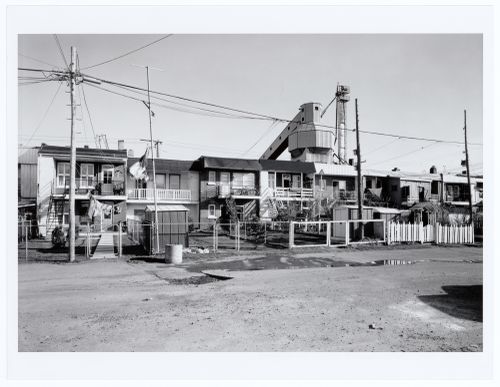
View of the lane behind St. Ambroise Street with the Francon Company Building in the background, Montréal, Québec
Actions:
PH1986:1396
Description:
Commissioned by the Canadian Centre for Architecture, Montréal, for "Lachine Canal," 1985-1986.
View of the lane behind St. Ambroise Street with the Francon Company Building in the background, Montréal, Québec
Actions:
PH1986:1396
Description:
Commissioned by the Canadian Centre for Architecture, Montréal, for "Lachine Canal," 1985-1986.
Form:
photographs
photographs
Date:
May 1985
May 1985
People:
Subject:
architecture
architecture
Form:
photographs
photographs
Actions:
Reference number:
PH1986:1397
Description:
Commissioned by the Canadian Centre for Architecture, Montréal, for "Lachine Canal," 1985-1986.
PH1986:1397
Description:
Commissioned by the Canadian Centre for Architecture, Montréal, for "Lachine Canal," 1985-1986.
People:
Subject:
architecture
architecture
Date:
May 1985
May 1985
Title:
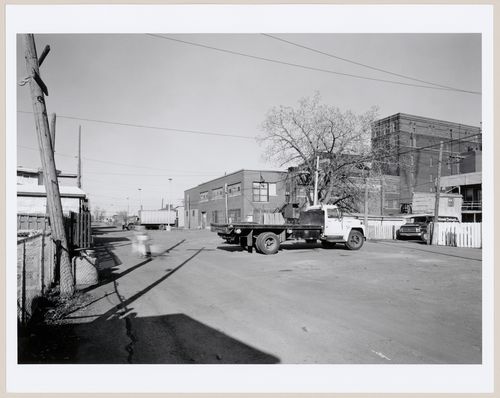
View of the lane behind St. Ambroise Street with the Standard Chemical Company Building in the background, Montréal, Québec
Actions:
PH1986:1397
Description:
Commissioned by the Canadian Centre for Architecture, Montréal, for "Lachine Canal," 1985-1986.
View of the lane behind St. Ambroise Street with the Standard Chemical Company Building in the background, Montréal, Québec
Actions:
PH1986:1397
Description:
Commissioned by the Canadian Centre for Architecture, Montréal, for "Lachine Canal," 1985-1986.
Form:
photographs
photographs
Date:
May 1985
May 1985
People:
Subject:
architecture
architecture
Form:
photographs
photographs
Actions:
Reference number:
PH1986:1398
Description:
Commissioned by the Canadian Centre for Architecture, Montréal, for "Lachine Canal," 1985-1986.
PH1986:1398
Description:
Commissioned by the Canadian Centre for Architecture, Montréal, for "Lachine Canal," 1985-1986.
People:
Subject:
architecture
architecture
Date:
May 1985
May 1985
Title:
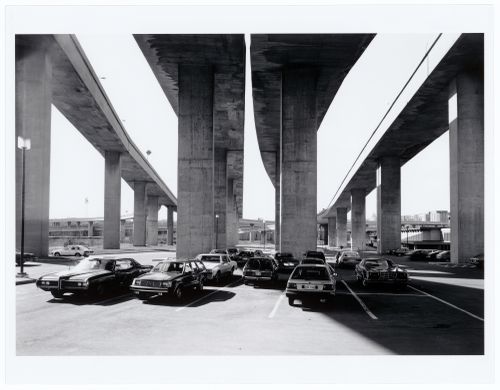
View of the Centre Gadbois parking lot underneath the Turcot Interchange of Highways 15 and 20, côte St. Paul, Montréal, Québec
Actions:
PH1986:1398
Description:
Commissioned by the Canadian Centre for Architecture, Montréal, for "Lachine Canal," 1985-1986.
View of the Centre Gadbois parking lot underneath the Turcot Interchange of Highways 15 and 20, côte St. Paul, Montréal, Québec
Actions:
PH1986:1398
Description:
Commissioned by the Canadian Centre for Architecture, Montréal, for "Lachine Canal," 1985-1986.
Form:
photographs
photographs
Date:
May 1985
May 1985
People:
Subject:
architecture
architecture
Form:
photographs
photographs
Actions:
Reference number:
PH1986:1399
Description:
Commissioned by the Canadian Centre for Architecture, Montréal, for "Lachine Canal," 1985-1986.
PH1986:1399
Description:
Commissioned by the Canadian Centre for Architecture, Montréal, for "Lachine Canal," 1985-1986.
People:
Subject:
architecture
architecture
Date:
May 1985
May 1985
Title:
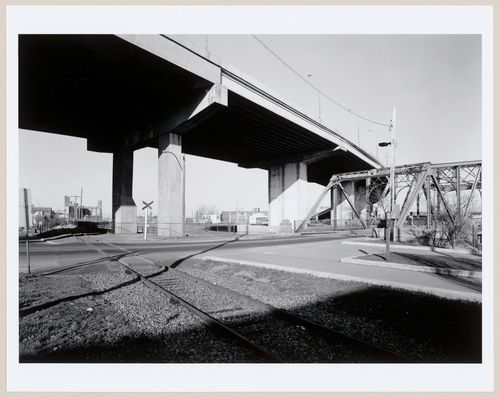
View of the côte St. Paul bridge over Lachine Canal and the Highway 20 overpass looking east from the intersection of côte St. Paul and de l'Église Avenue, Montréal, Québec
Actions:
PH1986:1399
Description:
Commissioned by the Canadian Centre for Architecture, Montréal, for "Lachine Canal," 1985-1986.
View of the côte St. Paul bridge over Lachine Canal and the Highway 20 overpass looking east from the intersection of côte St. Paul and de l'Église Avenue, Montréal, Québec
Actions:
PH1986:1399
Description:
Commissioned by the Canadian Centre for Architecture, Montréal, for "Lachine Canal," 1985-1986.
Form:
photographs
photographs
Date:
May 1985
May 1985
People:
Subject:
architecture
architecture
Form:
photographs
photographs
Actions:
Reference number:
PH1986:1400
Description:
Commissioned by the Canadian Centre for Architecture, Montréal, for "Lachine Canal," 1985-1986.
PH1986:1400
Description:
Commissioned by the Canadian Centre for Architecture, Montréal, for "Lachine Canal," 1985-1986.
People:
Subject:
architecture
architecture
Date:
May 1985
May 1985
Title:
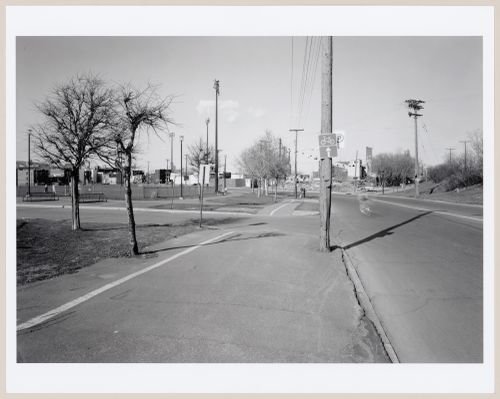
View of the bicycle path looking east along côte St. Paul with Centre Gadbois Park and the entry to Lock no. 4 in the background, Montréal, Québec
Actions:
PH1986:1400
Description:
Commissioned by the Canadian Centre for Architecture, Montréal, for "Lachine Canal," 1985-1986.
View of the bicycle path looking east along côte St. Paul with Centre Gadbois Park and the entry to Lock no. 4 in the background, Montréal, Québec
Actions:
PH1986:1400
Description:
Commissioned by the Canadian Centre for Architecture, Montréal, for "Lachine Canal," 1985-1986.
Form:
photographs
photographs
Date:
May 1985
May 1985
People:
Subject:
architecture
architecture
Form:
photographs
photographs
Actions:
Reference number:
PH1986:1401
Description:
Commissioned by the Canadian Centre for Architecture, Montréal, for "Lachine Canal," 1985-1986.
PH1986:1401
Description:
Commissioned by the Canadian Centre for Architecture, Montréal, for "Lachine Canal," 1985-1986.
People:
Subject:
architecture, engineering
architecture, engineering
Date:
April 1985
April 1985
Title:
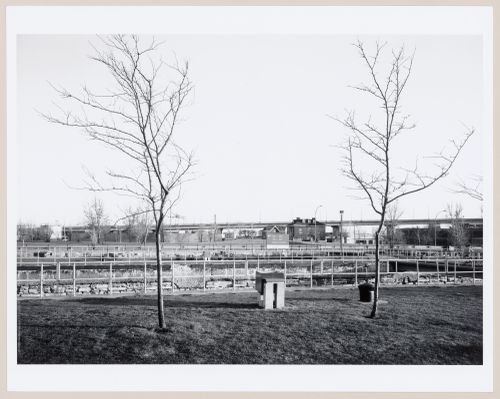
View of Lock no. 4 at côte St. Paul looking south across Lachine Canal, Montréal, Québec
Actions:
PH1986:1401
Description:
Commissioned by the Canadian Centre for Architecture, Montréal, for "Lachine Canal," 1985-1986.
View of Lock no. 4 at côte St. Paul looking south across Lachine Canal, Montréal, Québec
Actions:
PH1986:1401
Description:
Commissioned by the Canadian Centre for Architecture, Montréal, for "Lachine Canal," 1985-1986.
Form:
photographs
photographs
Date:
April 1985
April 1985
People:
Subject:
architecture, engineering
architecture, engineering
Form:
photographs
photographs
Reference number:
PH1986:1407
Description:
Commissioned by the Canadian Centre for Architecture, Montréal, for "Lachine Canal," 1985-1986.
PH1986:1407
Description:
Commissioned by the Canadian Centre for Architecture, Montréal, for "Lachine Canal," 1985-1986.
People:
Subject:
architecture
architecture
Date:
October 1985
October 1985
Title:
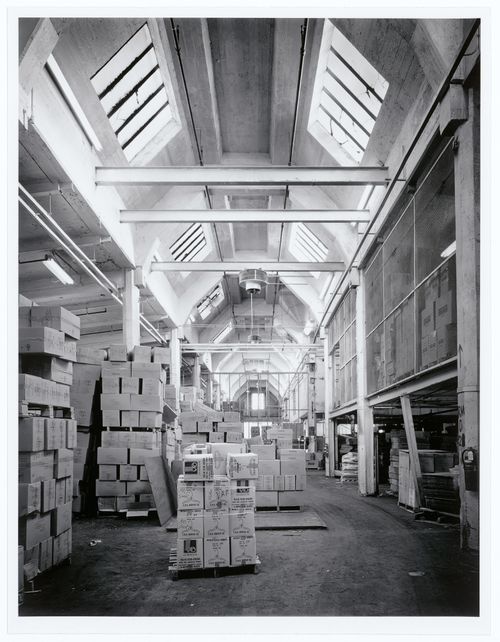
Interior view of the main hall of the Crane Foundry, Montréal, Québec
Actions:
PH1986:1407
Description:
Commissioned by the Canadian Centre for Architecture, Montréal, for "Lachine Canal," 1985-1986.
Interior view of the main hall of the Crane Foundry, Montréal, Québec
Actions:
PH1986:1407
Description:
Commissioned by the Canadian Centre for Architecture, Montréal, for "Lachine Canal," 1985-1986.
Form:
photographs
photographs
Date:
October 1985
October 1985
People:
Subject:
architecture
architecture
Form:
photographs
photographs
Reference number:
PH1986:1408
Description:
Commissioned by the Canadian Centre for Architecture, Montréal, for "Lachine Canal," 1985-1986.
PH1986:1408
Description:
Commissioned by the Canadian Centre for Architecture, Montréal, for "Lachine Canal," 1985-1986.
People:
Subject:
architecture
architecture
Date:
October 1985
October 1985
Title:
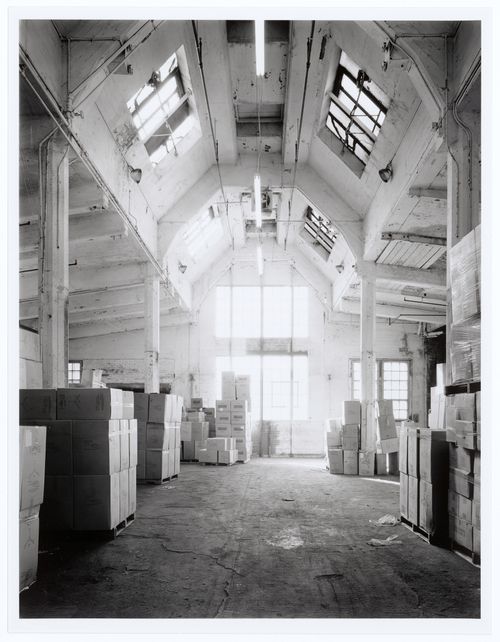
Interior view of the west room of the Crane Foundry, Montréal, Québec
Actions:
PH1986:1408
Description:
Commissioned by the Canadian Centre for Architecture, Montréal, for "Lachine Canal," 1985-1986.
Interior view of the west room of the Crane Foundry, Montréal, Québec
Actions:
PH1986:1408
Description:
Commissioned by the Canadian Centre for Architecture, Montréal, for "Lachine Canal," 1985-1986.
Form:
photographs
photographs
Date:
October 1985
October 1985
People:
Subject:
architecture
architecture
Form:
photographs
photographs
Reference number:
PH1986:1409
Description:
Commissioned by the Canadian Centre for Architecture, Montréal, for "Lachine Canal," 1985-1986.
PH1986:1409
Description:
Commissioned by the Canadian Centre for Architecture, Montréal, for "Lachine Canal," 1985-1986.
People:
Subject:
architecture
architecture
Date:
October 1985
October 1985
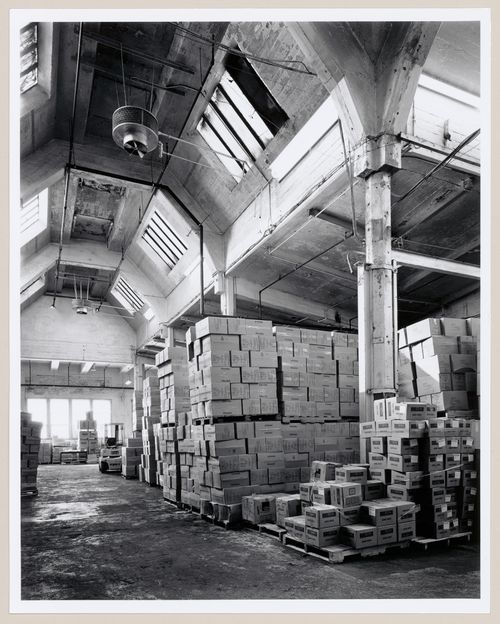
Title:
Interior view of the west room of the Crane Foundry, Montréal, Québec
Actions:
PH1986:1409
Description:
Commissioned by the Canadian Centre for Architecture, Montréal, for "Lachine Canal," 1985-1986.
Interior view of the west room of the Crane Foundry, Montréal, Québec
Actions:
PH1986:1409
Description:
Commissioned by the Canadian Centre for Architecture, Montréal, for "Lachine Canal," 1985-1986.
Form:
photographs
photographs
Date:
October 1985
October 1985
People:
Subject:
architecture
architecture
Form:
photographs
photographs
Actions:
Reference number:
PH1986:1410
Description:
Commissioned by the Canadian Centre for Architecture, Montréal, for "Lachine Canal," 1985-1986.
PH1986:1410
Description:
Commissioned by the Canadian Centre for Architecture, Montréal, for "Lachine Canal," 1985-1986.
People:
Subject:
architecture
architecture
Date:
October 1985
October 1985
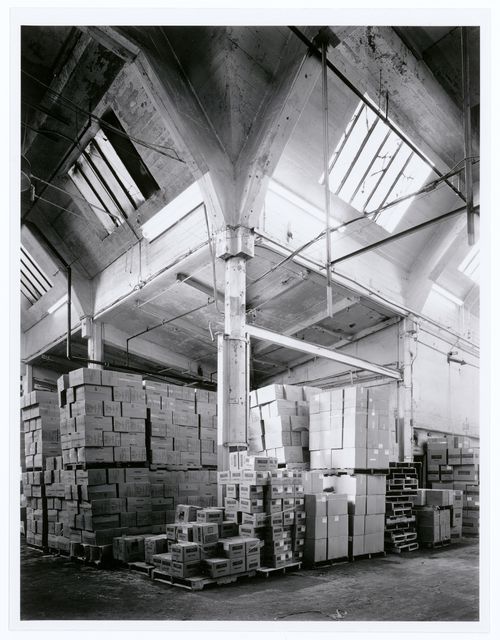
Title:
Interior view of the west room of the Crane Foundry showing a column and a double vault, Montréal, Québec
Actions:
PH1986:1410
Description:
Commissioned by the Canadian Centre for Architecture, Montréal, for "Lachine Canal," 1985-1986.
Interior view of the west room of the Crane Foundry showing a column and a double vault, Montréal, Québec
Actions:
PH1986:1410
Description:
Commissioned by the Canadian Centre for Architecture, Montréal, for "Lachine Canal," 1985-1986.
Form:
photographs
photographs
Date:
October 1985
October 1985
People:
Subject:
architecture
architecture


