


3927 Results
Form:
drawings
drawings
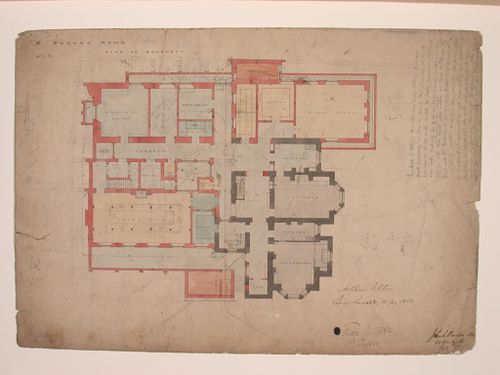
Reference number:
DR1989:0015:007
Description:
- This drawing is part of an incomplete set of numbered contract drawings for St. Peter's Kilburn: DR1989:0015:001 - DR1989:0015:009. All nine drawings are done to the scale of 1¼" = 10', which figures on the ground plan, DR1989:0015:002, along with the section lines corresponding to the sections, DR1989:0015:005, DR1989:0015:007 - DR1989:0015:009. - This drawing is part of a group of drawings for St. Peter's Home, Kilburn, from the office of John Loughborough Pearson, composed of nine orthographic contract drawings dated 1867-1868 (DR1989:0015:001 - DR1989:0015:009) and one elevation for an addition in 1878 (DR1989:0015:010). These drawings were sold at auction by St. Peter's Convent, Woking, along with drawings for that institution (DR1989:0015:011 - DR1989:0015:089 R/V). Both institutions were commissioned from John Loughborough Pearson by Benjamin Lancaster. The alterations to the Home at Kilburn were commissioned on behalf of Lancaster's wife, who founded the home and the lay nursing order which ran it. Woking was founded by Lancaster as a home for incurables in 1882, and dedicated to the memory of his deceased wife (Quiney 67-68, 254-255, and 284). It was probably first known as St. Peter's Home, Woking, not becoming a convent until ca. 1934.
DR1989:0015:007
Description:
- This drawing is part of an incomplete set of numbered contract drawings for St. Peter's Kilburn: DR1989:0015:001 - DR1989:0015:009. All nine drawings are done to the scale of 1¼" = 10', which figures on the ground plan, DR1989:0015:002, along with the section lines corresponding to the sections, DR1989:0015:005, DR1989:0015:007 - DR1989:0015:009. - This drawing is part of a group of drawings for St. Peter's Home, Kilburn, from the office of John Loughborough Pearson, composed of nine orthographic contract drawings dated 1867-1868 (DR1989:0015:001 - DR1989:0015:009) and one elevation for an addition in 1878 (DR1989:0015:010). These drawings were sold at auction by St. Peter's Convent, Woking, along with drawings for that institution (DR1989:0015:011 - DR1989:0015:089 R/V). Both institutions were commissioned from John Loughborough Pearson by Benjamin Lancaster. The alterations to the Home at Kilburn were commissioned on behalf of Lancaster's wife, who founded the home and the lay nursing order which ran it. Woking was founded by Lancaster as a home for incurables in 1882, and dedicated to the memory of his deceased wife (Quiney 67-68, 254-255, and 284). It was probably first known as St. Peter's Home, Woking, not becoming a convent until ca. 1934.
People:
Subject:
architecture
architecture
Date:
1867-1868
1867-1868
Title:
St. Peter's Home, Kilburn: Longitudinal section and detail sections
Actions:
DR1989:0015:007
Description:
- This drawing is part of an incomplete set of numbered contract drawings for St. Peter's Kilburn: DR1989:0015:001 - DR1989:0015:009. All nine drawings are done to the scale of 1¼" = 10', which figures on the ground plan, DR1989:0015:002, along with the section lines corresponding to the sections, DR1989:0015:005, DR1989:0015:007 - DR1989:0015:009. - This drawing is part of a group of drawings for St. Peter's Home, Kilburn, from the office of John Loughborough Pearson, composed of nine orthographic contract drawings dated 1867-1868 (DR1989:0015:001 - DR1989:0015:009) and one elevation for an addition in 1878 (DR1989:0015:010). These drawings were sold at auction by St. Peter's Convent, Woking, along with drawings for that institution (DR1989:0015:011 - DR1989:0015:089 R/V). Both institutions were commissioned from John Loughborough Pearson by Benjamin Lancaster. The alterations to the Home at Kilburn were commissioned on behalf of Lancaster's wife, who founded the home and the lay nursing order which ran it. Woking was founded by Lancaster as a home for incurables in 1882, and dedicated to the memory of his deceased wife (Quiney 67-68, 254-255, and 284). It was probably first known as St. Peter's Home, Woking, not becoming a convent until ca. 1934.
St. Peter's Home, Kilburn: Longitudinal section and detail sections
Actions:
DR1989:0015:007
Description:
- This drawing is part of an incomplete set of numbered contract drawings for St. Peter's Kilburn: DR1989:0015:001 - DR1989:0015:009. All nine drawings are done to the scale of 1¼" = 10', which figures on the ground plan, DR1989:0015:002, along with the section lines corresponding to the sections, DR1989:0015:005, DR1989:0015:007 - DR1989:0015:009. - This drawing is part of a group of drawings for St. Peter's Home, Kilburn, from the office of John Loughborough Pearson, composed of nine orthographic contract drawings dated 1867-1868 (DR1989:0015:001 - DR1989:0015:009) and one elevation for an addition in 1878 (DR1989:0015:010). These drawings were sold at auction by St. Peter's Convent, Woking, along with drawings for that institution (DR1989:0015:011 - DR1989:0015:089 R/V). Both institutions were commissioned from John Loughborough Pearson by Benjamin Lancaster. The alterations to the Home at Kilburn were commissioned on behalf of Lancaster's wife, who founded the home and the lay nursing order which ran it. Woking was founded by Lancaster as a home for incurables in 1882, and dedicated to the memory of his deceased wife (Quiney 67-68, 254-255, and 284). It was probably first known as St. Peter's Home, Woking, not becoming a convent until ca. 1934.
Form:
drawings
drawings
Date:
1867-1868
1867-1868
People:
Subject:
architecture
architecture
Form:
drawings
drawings
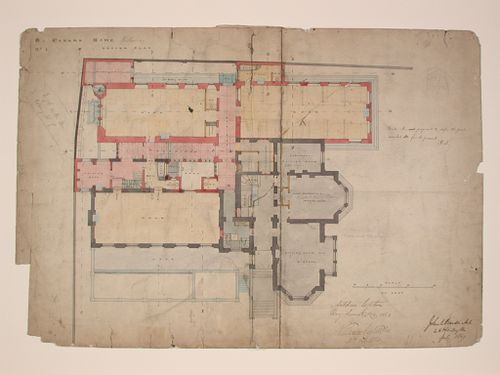
Reference number:
DR1989:0015:008
Description:
- This drawing is part of an incomplete set of numbered contract drawings for St. Peter's Kilburn: DR1989:0015:001 - DR1989:0015:009. All nine drawings are done to the scale of 1¼" = 10, which figures on the ground plan, DR1989:0015:002, along with the section lines corresponding to the sections, DR1989:0015:005, DR1989:0015:007 - DR1989:0015:009. - This drawing is part of a group of drawings for St. Peter's Home, Kilburn, from the office of John Loughborough Pearson, composed of nine orthographic contract drawings dated 1867-1868 (DR1989:0015:001 - DR1989:0015:009) and one elevation for an addition in 1878 (DR1989:0015:010). These drawings were sold at auction by St. Peter's Convent, Woking, along with drawings for that institution (DR1989:0015:011 - DR1989:0015:089 R/V). Both institutions were commissioned from John Loughborough Pearson by Benjamin Lancaster. The alterations to the Home at Kilburn were commissioned on behalf of Lancaster's wife, who founded the home and the lay nursing order which ran it. Woking was founded by Lancaster as a home for incurables in 1882, and dedicated to the memory of his deceased wife (Quiney 67-68, 254-255, and 284). It was probably first known as St. Peter's Home, Woking, not becoming a convent until ca. 1934.
DR1989:0015:008
Description:
- This drawing is part of an incomplete set of numbered contract drawings for St. Peter's Kilburn: DR1989:0015:001 - DR1989:0015:009. All nine drawings are done to the scale of 1¼" = 10, which figures on the ground plan, DR1989:0015:002, along with the section lines corresponding to the sections, DR1989:0015:005, DR1989:0015:007 - DR1989:0015:009. - This drawing is part of a group of drawings for St. Peter's Home, Kilburn, from the office of John Loughborough Pearson, composed of nine orthographic contract drawings dated 1867-1868 (DR1989:0015:001 - DR1989:0015:009) and one elevation for an addition in 1878 (DR1989:0015:010). These drawings were sold at auction by St. Peter's Convent, Woking, along with drawings for that institution (DR1989:0015:011 - DR1989:0015:089 R/V). Both institutions were commissioned from John Loughborough Pearson by Benjamin Lancaster. The alterations to the Home at Kilburn were commissioned on behalf of Lancaster's wife, who founded the home and the lay nursing order which ran it. Woking was founded by Lancaster as a home for incurables in 1882, and dedicated to the memory of his deceased wife (Quiney 67-68, 254-255, and 284). It was probably first known as St. Peter's Home, Woking, not becoming a convent until ca. 1934.
People:
Subject:
architecture
architecture
Date:
1867-1868
1867-1868
Title:
St. Peter's Home Kilburn: Cross-section and longitudinal section
Actions:
DR1989:0015:008
Description:
- This drawing is part of an incomplete set of numbered contract drawings for St. Peter's Kilburn: DR1989:0015:001 - DR1989:0015:009. All nine drawings are done to the scale of 1¼" = 10, which figures on the ground plan, DR1989:0015:002, along with the section lines corresponding to the sections, DR1989:0015:005, DR1989:0015:007 - DR1989:0015:009. - This drawing is part of a group of drawings for St. Peter's Home, Kilburn, from the office of John Loughborough Pearson, composed of nine orthographic contract drawings dated 1867-1868 (DR1989:0015:001 - DR1989:0015:009) and one elevation for an addition in 1878 (DR1989:0015:010). These drawings were sold at auction by St. Peter's Convent, Woking, along with drawings for that institution (DR1989:0015:011 - DR1989:0015:089 R/V). Both institutions were commissioned from John Loughborough Pearson by Benjamin Lancaster. The alterations to the Home at Kilburn were commissioned on behalf of Lancaster's wife, who founded the home and the lay nursing order which ran it. Woking was founded by Lancaster as a home for incurables in 1882, and dedicated to the memory of his deceased wife (Quiney 67-68, 254-255, and 284). It was probably first known as St. Peter's Home, Woking, not becoming a convent until ca. 1934.
St. Peter's Home Kilburn: Cross-section and longitudinal section
Actions:
DR1989:0015:008
Description:
- This drawing is part of an incomplete set of numbered contract drawings for St. Peter's Kilburn: DR1989:0015:001 - DR1989:0015:009. All nine drawings are done to the scale of 1¼" = 10, which figures on the ground plan, DR1989:0015:002, along with the section lines corresponding to the sections, DR1989:0015:005, DR1989:0015:007 - DR1989:0015:009. - This drawing is part of a group of drawings for St. Peter's Home, Kilburn, from the office of John Loughborough Pearson, composed of nine orthographic contract drawings dated 1867-1868 (DR1989:0015:001 - DR1989:0015:009) and one elevation for an addition in 1878 (DR1989:0015:010). These drawings were sold at auction by St. Peter's Convent, Woking, along with drawings for that institution (DR1989:0015:011 - DR1989:0015:089 R/V). Both institutions were commissioned from John Loughborough Pearson by Benjamin Lancaster. The alterations to the Home at Kilburn were commissioned on behalf of Lancaster's wife, who founded the home and the lay nursing order which ran it. Woking was founded by Lancaster as a home for incurables in 1882, and dedicated to the memory of his deceased wife (Quiney 67-68, 254-255, and 284). It was probably first known as St. Peter's Home, Woking, not becoming a convent until ca. 1934.
Form:
drawings
drawings
Date:
1867-1868
1867-1868
People:
Subject:
architecture
architecture
Form:
drawings
drawings
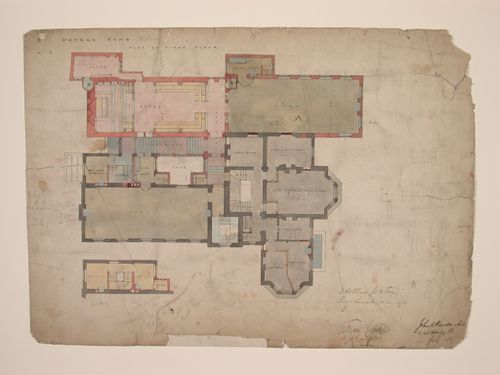
Reference number:
DR1989:0015:009
Description:
- This drawing is part of an incomplete set of numbered contract drawings for St. Peter's Kilburn: DR1989:0015:001 - DR1989:0015:009. All nine drawings are done to the scale of 1¼" = 10', which figures on the ground plan, DR1989:0015:002, along with the section lines corresponding to the sections DR1989:0015:005, DR1989:0015:007 - DR1989:0015:009. - This drawing is part of a group of drawings for St. Peter's Home, Kilburn, from the office of John Loughborough Pearson, composed of nine orthographic contract drawings dated 1867-1868 (DR1989:0015:001 - DR1989:0015:009) and one elevation for an addition in 1878 (DR1989:0015:010). These drawings were sold at auction by St. Peter's Convent, Woking, along with drawings for that institution (DR1989:0015:011 - DR1989:0015:089 R/V). Both institutions were commissioned from John Loughborough Pearson by Benjamin Lancaster. The alterations to the Home at Kilburn were commissioned on behalf of Lancaster's wife, who founded the home and the lay nursing order which ran it. Woking was founded by Lancaster as a home for incurables in 1882, and dedicated to the memory of his deceased wife (Quiney 67-68, 254-255, and 284). It was probably first known as St. Peter's Home, Woking, not becoming a convent until ca. 1934.
DR1989:0015:009
Description:
- This drawing is part of an incomplete set of numbered contract drawings for St. Peter's Kilburn: DR1989:0015:001 - DR1989:0015:009. All nine drawings are done to the scale of 1¼" = 10', which figures on the ground plan, DR1989:0015:002, along with the section lines corresponding to the sections DR1989:0015:005, DR1989:0015:007 - DR1989:0015:009. - This drawing is part of a group of drawings for St. Peter's Home, Kilburn, from the office of John Loughborough Pearson, composed of nine orthographic contract drawings dated 1867-1868 (DR1989:0015:001 - DR1989:0015:009) and one elevation for an addition in 1878 (DR1989:0015:010). These drawings were sold at auction by St. Peter's Convent, Woking, along with drawings for that institution (DR1989:0015:011 - DR1989:0015:089 R/V). Both institutions were commissioned from John Loughborough Pearson by Benjamin Lancaster. The alterations to the Home at Kilburn were commissioned on behalf of Lancaster's wife, who founded the home and the lay nursing order which ran it. Woking was founded by Lancaster as a home for incurables in 1882, and dedicated to the memory of his deceased wife (Quiney 67-68, 254-255, and 284). It was probably first known as St. Peter's Home, Woking, not becoming a convent until ca. 1934.
People:
Subject:
architecture
architecture
Date:
1867-1868
1867-1868
Title:
St. Peter's Home, Kilburn: Longitudinal section and details
Actions:
DR1989:0015:009
Description:
- This drawing is part of an incomplete set of numbered contract drawings for St. Peter's Kilburn: DR1989:0015:001 - DR1989:0015:009. All nine drawings are done to the scale of 1¼" = 10', which figures on the ground plan, DR1989:0015:002, along with the section lines corresponding to the sections DR1989:0015:005, DR1989:0015:007 - DR1989:0015:009. - This drawing is part of a group of drawings for St. Peter's Home, Kilburn, from the office of John Loughborough Pearson, composed of nine orthographic contract drawings dated 1867-1868 (DR1989:0015:001 - DR1989:0015:009) and one elevation for an addition in 1878 (DR1989:0015:010). These drawings were sold at auction by St. Peter's Convent, Woking, along with drawings for that institution (DR1989:0015:011 - DR1989:0015:089 R/V). Both institutions were commissioned from John Loughborough Pearson by Benjamin Lancaster. The alterations to the Home at Kilburn were commissioned on behalf of Lancaster's wife, who founded the home and the lay nursing order which ran it. Woking was founded by Lancaster as a home for incurables in 1882, and dedicated to the memory of his deceased wife (Quiney 67-68, 254-255, and 284). It was probably first known as St. Peter's Home, Woking, not becoming a convent until ca. 1934.
St. Peter's Home, Kilburn: Longitudinal section and details
Actions:
DR1989:0015:009
Description:
- This drawing is part of an incomplete set of numbered contract drawings for St. Peter's Kilburn: DR1989:0015:001 - DR1989:0015:009. All nine drawings are done to the scale of 1¼" = 10', which figures on the ground plan, DR1989:0015:002, along with the section lines corresponding to the sections DR1989:0015:005, DR1989:0015:007 - DR1989:0015:009. - This drawing is part of a group of drawings for St. Peter's Home, Kilburn, from the office of John Loughborough Pearson, composed of nine orthographic contract drawings dated 1867-1868 (DR1989:0015:001 - DR1989:0015:009) and one elevation for an addition in 1878 (DR1989:0015:010). These drawings were sold at auction by St. Peter's Convent, Woking, along with drawings for that institution (DR1989:0015:011 - DR1989:0015:089 R/V). Both institutions were commissioned from John Loughborough Pearson by Benjamin Lancaster. The alterations to the Home at Kilburn were commissioned on behalf of Lancaster's wife, who founded the home and the lay nursing order which ran it. Woking was founded by Lancaster as a home for incurables in 1882, and dedicated to the memory of his deceased wife (Quiney 67-68, 254-255, and 284). It was probably first known as St. Peter's Home, Woking, not becoming a convent until ca. 1934.
Form:
drawings
drawings
Date:
1867-1868
1867-1868
People:
Subject:
architecture
architecture
Level of archival description:
Project
Project
Title:
Royal Ottawa Regional Rehabilitation Centre, Ottawa Health Sciences Centre, Ottawa, Ontario (1974)
Royal Ottawa Regional Rehabilitation Centre, Ottawa Health Sciences Centre, Ottawa, Ontario (1974)
Actions:
Reference number:
AP018.S1.1974.PR25
Description:
This project series documents the design and construction of the Royal Ottawa Regional Rehabilitation Centre in Ottawa, Ontario from 1974-1981. The office identified the project number as 7432. The Ottawa Heath Sciences Complex, a vast hospital network encompassing institutions across the city, hired Parkin Architects Planners in 1971 to design and construct University of Ottawa buildings within the network. These campus buildings were located in the Alta Vista neighbourhood and referred to as the Health Sciences Centre. This project consists of one building in that complex, the Royal Ottawa Regional Rehabilitation Centre. The distinction between these names should be noted when viewing the materials. The two-storey rehabilitation centre was constructed directly beside the Ottawa Health Sciences Building, another hospital in the network built by Parkin (see project series AP018.S1.1974.PR01 in this fonds). The proposal conceived a 145,000 square foot hospital with 77 in-patient beds. The design included space for patient accommodation, teaching, research, administrative activities, patient care and treatment, and a concession area. Patients at the hospital would range from those with severe brain injuries, to amputees, to those with rheumatic diseases. The building was carefully designed to accommodate the specialized needs of the patients. The hospital design also included a swimming pool, sports areas, and spaces for other leisure activities thought to aid in the rehabilitation process. The project is recorded through construction photographs, drawings, and textual materials dating from 1971-1983. The textual records include correspondence, specifications, schedules, contract data, conference reports and minutes, inspection reports, predesign notes, consultancy records, financial documents, change orders, supplementary instructions, research, and deficiency lists. The majority of these textual records deal with the hospital's construction, rather than design. Most drawings are reprographic copies of detail drawings and can be found within the textual records. Box AP018.S1.1974.PR25.002 contains an index to the textual records, which was created by the office.
AP018.S1.1974.PR25
Description:
This project series documents the design and construction of the Royal Ottawa Regional Rehabilitation Centre in Ottawa, Ontario from 1974-1981. The office identified the project number as 7432. The Ottawa Heath Sciences Complex, a vast hospital network encompassing institutions across the city, hired Parkin Architects Planners in 1971 to design and construct University of Ottawa buildings within the network. These campus buildings were located in the Alta Vista neighbourhood and referred to as the Health Sciences Centre. This project consists of one building in that complex, the Royal Ottawa Regional Rehabilitation Centre. The distinction between these names should be noted when viewing the materials. The two-storey rehabilitation centre was constructed directly beside the Ottawa Health Sciences Building, another hospital in the network built by Parkin (see project series AP018.S1.1974.PR01 in this fonds). The proposal conceived a 145,000 square foot hospital with 77 in-patient beds. The design included space for patient accommodation, teaching, research, administrative activities, patient care and treatment, and a concession area. Patients at the hospital would range from those with severe brain injuries, to amputees, to those with rheumatic diseases. The building was carefully designed to accommodate the specialized needs of the patients. The hospital design also included a swimming pool, sports areas, and spaces for other leisure activities thought to aid in the rehabilitation process. The project is recorded through construction photographs, drawings, and textual materials dating from 1971-1983. The textual records include correspondence, specifications, schedules, contract data, conference reports and minutes, inspection reports, predesign notes, consultancy records, financial documents, change orders, supplementary instructions, research, and deficiency lists. The majority of these textual records deal with the hospital's construction, rather than design. Most drawings are reprographic copies of detail drawings and can be found within the textual records. Box AP018.S1.1974.PR25.002 contains an index to the textual records, which was created by the office.
People:
Date:
1971-1983
1971-1983
Title:
Royal Ottawa Regional Rehabilitation Centre, Ottawa Health Sciences Centre, Ottawa, Ontario (1974)
Actions:
AP018.S1.1974.PR25
Description:
This project series documents the design and construction of the Royal Ottawa Regional Rehabilitation Centre in Ottawa, Ontario from 1974-1981. The office identified the project number as 7432. The Ottawa Heath Sciences Complex, a vast hospital network encompassing institutions across the city, hired Parkin Architects Planners in 1971 to design and construct University of Ottawa buildings within the network. These campus buildings were located in the Alta Vista neighbourhood and referred to as the Health Sciences Centre. This project consists of one building in that complex, the Royal Ottawa Regional Rehabilitation Centre. The distinction between these names should be noted when viewing the materials. The two-storey rehabilitation centre was constructed directly beside the Ottawa Health Sciences Building, another hospital in the network built by Parkin (see project series AP018.S1.1974.PR01 in this fonds). The proposal conceived a 145,000 square foot hospital with 77 in-patient beds. The design included space for patient accommodation, teaching, research, administrative activities, patient care and treatment, and a concession area. Patients at the hospital would range from those with severe brain injuries, to amputees, to those with rheumatic diseases. The building was carefully designed to accommodate the specialized needs of the patients. The hospital design also included a swimming pool, sports areas, and spaces for other leisure activities thought to aid in the rehabilitation process. The project is recorded through construction photographs, drawings, and textual materials dating from 1971-1983. The textual records include correspondence, specifications, schedules, contract data, conference reports and minutes, inspection reports, predesign notes, consultancy records, financial documents, change orders, supplementary instructions, research, and deficiency lists. The majority of these textual records deal with the hospital's construction, rather than design. Most drawings are reprographic copies of detail drawings and can be found within the textual records. Box AP018.S1.1974.PR25.002 contains an index to the textual records, which was created by the office.
Royal Ottawa Regional Rehabilitation Centre, Ottawa Health Sciences Centre, Ottawa, Ontario (1974)
Actions:
AP018.S1.1974.PR25
Description:
This project series documents the design and construction of the Royal Ottawa Regional Rehabilitation Centre in Ottawa, Ontario from 1974-1981. The office identified the project number as 7432. The Ottawa Heath Sciences Complex, a vast hospital network encompassing institutions across the city, hired Parkin Architects Planners in 1971 to design and construct University of Ottawa buildings within the network. These campus buildings were located in the Alta Vista neighbourhood and referred to as the Health Sciences Centre. This project consists of one building in that complex, the Royal Ottawa Regional Rehabilitation Centre. The distinction between these names should be noted when viewing the materials. The two-storey rehabilitation centre was constructed directly beside the Ottawa Health Sciences Building, another hospital in the network built by Parkin (see project series AP018.S1.1974.PR01 in this fonds). The proposal conceived a 145,000 square foot hospital with 77 in-patient beds. The design included space for patient accommodation, teaching, research, administrative activities, patient care and treatment, and a concession area. Patients at the hospital would range from those with severe brain injuries, to amputees, to those with rheumatic diseases. The building was carefully designed to accommodate the specialized needs of the patients. The hospital design also included a swimming pool, sports areas, and spaces for other leisure activities thought to aid in the rehabilitation process. The project is recorded through construction photographs, drawings, and textual materials dating from 1971-1983. The textual records include correspondence, specifications, schedules, contract data, conference reports and minutes, inspection reports, predesign notes, consultancy records, financial documents, change orders, supplementary instructions, research, and deficiency lists. The majority of these textual records deal with the hospital's construction, rather than design. Most drawings are reprographic copies of detail drawings and can be found within the textual records. Box AP018.S1.1974.PR25.002 contains an index to the textual records, which was created by the office.
Level of archival description:
Project
Project
Date:
1971-1983
1971-1983
People:
Level of archival description:
Series
Series
Title:
Projets et réalisations
Projets et réalisations
Reference number:
AP066.S2
Description:
Issue de la pratique professionnelle de Jacques Rousseau, cette série regroupe les documents illustrant quatre-vingt-trois projets et réalisations conçus, soit de façon autonome ou en collaboration, entre 1973 et 1997. Ces projets se distinguent autant par leur degré d'achèvement (de l'esquisse préliminaire au dessin de construction), par leur échelle (du mobilier au projet urbain), que par leur programme (commercial, domestique, social). Dans l'ensemble, tous les thèmes qui sont explorés, tels l'architecture du bar, le décor de la boutique, l'habitation individuelle et collective, le lieu de travail, et l'image publique des institutions, s'ancrent dans une pensée spéculative sur la ville comme processus de reconstruction et de refondation. Parmi les quatre-vingt-trois projets, vingt datent d'avant 1980, date à laquelle Jacques Rousseau est devenu membre de l'Ordre des architectes du Québec. Ces projets ont donc été réalisés soit pour le compte d'agences pour lesquelles Jacques Rousseau travaillait ou effectuait son stage professionnel, soit à titre officieux en offrant vraisemblablement ses services à ses connaissances. Dans ce dernier cas, il s'agit alors de projets de plus petite envergure pour des rénovations ou agrandissements de résidences. Par ailleurs, un certain nombre de nouveaux projets n'ont pas abouti et sont constitués seulement de dossiers préliminaires qui nous renseignent toutefois sur les démarches entreprises par l'architecte, parfois de sa propre initiative, pour amorcer des projets. La variété de ces derniers montre les multiples intérêts de Jacques Rousseau. Toutefois, trois d'entre eux émergent de sa pratique : l'architecture de bar et de restaurant, le logement collectif coopératif et la morphologie urbaine pour lesquels il consacre de nombreux projets et études. On trouvera aussi d'ailleurs dans la série 9 - Enseignement des documents relatifs à ses travaux sur la morphologie urbaine.
AP066.S2
Description:
Issue de la pratique professionnelle de Jacques Rousseau, cette série regroupe les documents illustrant quatre-vingt-trois projets et réalisations conçus, soit de façon autonome ou en collaboration, entre 1973 et 1997. Ces projets se distinguent autant par leur degré d'achèvement (de l'esquisse préliminaire au dessin de construction), par leur échelle (du mobilier au projet urbain), que par leur programme (commercial, domestique, social). Dans l'ensemble, tous les thèmes qui sont explorés, tels l'architecture du bar, le décor de la boutique, l'habitation individuelle et collective, le lieu de travail, et l'image publique des institutions, s'ancrent dans une pensée spéculative sur la ville comme processus de reconstruction et de refondation. Parmi les quatre-vingt-trois projets, vingt datent d'avant 1980, date à laquelle Jacques Rousseau est devenu membre de l'Ordre des architectes du Québec. Ces projets ont donc été réalisés soit pour le compte d'agences pour lesquelles Jacques Rousseau travaillait ou effectuait son stage professionnel, soit à titre officieux en offrant vraisemblablement ses services à ses connaissances. Dans ce dernier cas, il s'agit alors de projets de plus petite envergure pour des rénovations ou agrandissements de résidences. Par ailleurs, un certain nombre de nouveaux projets n'ont pas abouti et sont constitués seulement de dossiers préliminaires qui nous renseignent toutefois sur les démarches entreprises par l'architecte, parfois de sa propre initiative, pour amorcer des projets. La variété de ces derniers montre les multiples intérêts de Jacques Rousseau. Toutefois, trois d'entre eux émergent de sa pratique : l'architecture de bar et de restaurant, le logement collectif coopératif et la morphologie urbaine pour lesquels il consacre de nombreux projets et études. On trouvera aussi d'ailleurs dans la série 9 - Enseignement des documents relatifs à ses travaux sur la morphologie urbaine.
People:
Date:
1973-1997
1973-1997
Title:
Projets et réalisations
Actions:
AP066.S2
Description:
Issue de la pratique professionnelle de Jacques Rousseau, cette série regroupe les documents illustrant quatre-vingt-trois projets et réalisations conçus, soit de façon autonome ou en collaboration, entre 1973 et 1997. Ces projets se distinguent autant par leur degré d'achèvement (de l'esquisse préliminaire au dessin de construction), par leur échelle (du mobilier au projet urbain), que par leur programme (commercial, domestique, social). Dans l'ensemble, tous les thèmes qui sont explorés, tels l'architecture du bar, le décor de la boutique, l'habitation individuelle et collective, le lieu de travail, et l'image publique des institutions, s'ancrent dans une pensée spéculative sur la ville comme processus de reconstruction et de refondation. Parmi les quatre-vingt-trois projets, vingt datent d'avant 1980, date à laquelle Jacques Rousseau est devenu membre de l'Ordre des architectes du Québec. Ces projets ont donc été réalisés soit pour le compte d'agences pour lesquelles Jacques Rousseau travaillait ou effectuait son stage professionnel, soit à titre officieux en offrant vraisemblablement ses services à ses connaissances. Dans ce dernier cas, il s'agit alors de projets de plus petite envergure pour des rénovations ou agrandissements de résidences. Par ailleurs, un certain nombre de nouveaux projets n'ont pas abouti et sont constitués seulement de dossiers préliminaires qui nous renseignent toutefois sur les démarches entreprises par l'architecte, parfois de sa propre initiative, pour amorcer des projets. La variété de ces derniers montre les multiples intérêts de Jacques Rousseau. Toutefois, trois d'entre eux émergent de sa pratique : l'architecture de bar et de restaurant, le logement collectif coopératif et la morphologie urbaine pour lesquels il consacre de nombreux projets et études. On trouvera aussi d'ailleurs dans la série 9 - Enseignement des documents relatifs à ses travaux sur la morphologie urbaine.
Projets et réalisations
Actions:
AP066.S2
Description:
Issue de la pratique professionnelle de Jacques Rousseau, cette série regroupe les documents illustrant quatre-vingt-trois projets et réalisations conçus, soit de façon autonome ou en collaboration, entre 1973 et 1997. Ces projets se distinguent autant par leur degré d'achèvement (de l'esquisse préliminaire au dessin de construction), par leur échelle (du mobilier au projet urbain), que par leur programme (commercial, domestique, social). Dans l'ensemble, tous les thèmes qui sont explorés, tels l'architecture du bar, le décor de la boutique, l'habitation individuelle et collective, le lieu de travail, et l'image publique des institutions, s'ancrent dans une pensée spéculative sur la ville comme processus de reconstruction et de refondation. Parmi les quatre-vingt-trois projets, vingt datent d'avant 1980, date à laquelle Jacques Rousseau est devenu membre de l'Ordre des architectes du Québec. Ces projets ont donc été réalisés soit pour le compte d'agences pour lesquelles Jacques Rousseau travaillait ou effectuait son stage professionnel, soit à titre officieux en offrant vraisemblablement ses services à ses connaissances. Dans ce dernier cas, il s'agit alors de projets de plus petite envergure pour des rénovations ou agrandissements de résidences. Par ailleurs, un certain nombre de nouveaux projets n'ont pas abouti et sont constitués seulement de dossiers préliminaires qui nous renseignent toutefois sur les démarches entreprises par l'architecte, parfois de sa propre initiative, pour amorcer des projets. La variété de ces derniers montre les multiples intérêts de Jacques Rousseau. Toutefois, trois d'entre eux émergent de sa pratique : l'architecture de bar et de restaurant, le logement collectif coopératif et la morphologie urbaine pour lesquels il consacre de nombreux projets et études. On trouvera aussi d'ailleurs dans la série 9 - Enseignement des documents relatifs à ses travaux sur la morphologie urbaine.
Level of archival description:
Series
Series
Date:
1973-1997
1973-1997
People:
Form:
archives
Level of archival description:
Fonds
archives
Level of archival description:
Fonds
Title:
Victor Depocas fonds
Victor Depocas fonds
Actions:
Reference number:
AP028
Synopsis:
Victor Depocas fonds is composed of documents and graphic materials produced between 1921 and 1986, predominantly between 1956 and 1984. It records Depocas activities as a member of the Province of Québec Association of Architects (A.A.P.Q.), the Ordre d’Architects du Québec (O.A.P.), and the Commission des monuments historiques du Québec; his activities as a Professor of architectural composition at l’École de Beaux-arts de Montréal (1953-1957); and his work as a professional architect along with general office files of the short-life firms David & Depocas and Deshaies & Depocas (1946-1950). The fonds documents mainly the architectural projects from the Commission that include restorations, renovations and modifications of residential, educational, ecclesiastical, and commercial buildings across Québec. Represented in drawings, textual records and photographs.
AP028
Synopsis:
Victor Depocas fonds is composed of documents and graphic materials produced between 1921 and 1986, predominantly between 1956 and 1984. It records Depocas activities as a member of the Province of Québec Association of Architects (A.A.P.Q.), the Ordre d’Architects du Québec (O.A.P.), and the Commission des monuments historiques du Québec; his activities as a Professor of architectural composition at l’École de Beaux-arts de Montréal (1953-1957); and his work as a professional architect along with general office files of the short-life firms David & Depocas and Deshaies & Depocas (1946-1950). The fonds documents mainly the architectural projects from the Commission that include restorations, renovations and modifications of residential, educational, ecclesiastical, and commercial buildings across Québec. Represented in drawings, textual records and photographs.
People:
Date:
1921-1986
1921-1986
Title:
Victor Depocas fonds
Actions:
AP028
Synopsis:
Victor Depocas fonds is composed of documents and graphic materials produced between 1921 and 1986, predominantly between 1956 and 1984. It records Depocas activities as a member of the Province of Québec Association of Architects (A.A.P.Q.), the Ordre d’Architects du Québec (O.A.P.), and the Commission des monuments historiques du Québec; his activities as a Professor of architectural composition at l’École de Beaux-arts de Montréal (1953-1957); and his work as a professional architect along with general office files of the short-life firms David & Depocas and Deshaies & Depocas (1946-1950). The fonds documents mainly the architectural projects from the Commission that include restorations, renovations and modifications of residential, educational, ecclesiastical, and commercial buildings across Québec. Represented in drawings, textual records and photographs.
Victor Depocas fonds
Actions:
AP028
Synopsis:
Victor Depocas fonds is composed of documents and graphic materials produced between 1921 and 1986, predominantly between 1956 and 1984. It records Depocas activities as a member of the Province of Québec Association of Architects (A.A.P.Q.), the Ordre d’Architects du Québec (O.A.P.), and the Commission des monuments historiques du Québec; his activities as a Professor of architectural composition at l’École de Beaux-arts de Montréal (1953-1957); and his work as a professional architect along with general office files of the short-life firms David & Depocas and Deshaies & Depocas (1946-1950). The fonds documents mainly the architectural projects from the Commission that include restorations, renovations and modifications of residential, educational, ecclesiastical, and commercial buildings across Québec. Represented in drawings, textual records and photographs.
Form:
archives
Level of archival description:
Fonds
archives
Level of archival description:
Fonds
Date:
1921-1986
1921-1986
People:
Form:
archives
Level of archival description:
Fonds
archives
Level of archival description:
Fonds
Title:
Roland Dumais fonds
Roland Dumais fonds
Actions:
Reference number:
AP005
Synopsis:
The Roland Dumais fonds, 1930-1975, documents architect Roland Dumais’s design and construction of over 500 built projects in Québec. In addition to documenting Dumais’s professional career (1935-1971), the fonds includes materials relating to the everyday administration of Dumais’s architectural firm (1941-1977) as well as materials pertaining to his personal life (1932-1982). Materials in this fonds consist of approximately 12 400 drawings (including reprographic copies), 126 photographic materials, 10.33 l.m. of textual records, 5 models, and 3 reels of 16 mm film.
AP005
Synopsis:
The Roland Dumais fonds, 1930-1975, documents architect Roland Dumais’s design and construction of over 500 built projects in Québec. In addition to documenting Dumais’s professional career (1935-1971), the fonds includes materials relating to the everyday administration of Dumais’s architectural firm (1941-1977) as well as materials pertaining to his personal life (1932-1982). Materials in this fonds consist of approximately 12 400 drawings (including reprographic copies), 126 photographic materials, 10.33 l.m. of textual records, 5 models, and 3 reels of 16 mm film.
People:
Date:
1930-1975
1930-1975
Title:
Roland Dumais fonds
Actions:
AP005
Synopsis:
The Roland Dumais fonds, 1930-1975, documents architect Roland Dumais’s design and construction of over 500 built projects in Québec. In addition to documenting Dumais’s professional career (1935-1971), the fonds includes materials relating to the everyday administration of Dumais’s architectural firm (1941-1977) as well as materials pertaining to his personal life (1932-1982). Materials in this fonds consist of approximately 12 400 drawings (including reprographic copies), 126 photographic materials, 10.33 l.m. of textual records, 5 models, and 3 reels of 16 mm film.
Roland Dumais fonds
Actions:
AP005
Synopsis:
The Roland Dumais fonds, 1930-1975, documents architect Roland Dumais’s design and construction of over 500 built projects in Québec. In addition to documenting Dumais’s professional career (1935-1971), the fonds includes materials relating to the everyday administration of Dumais’s architectural firm (1941-1977) as well as materials pertaining to his personal life (1932-1982). Materials in this fonds consist of approximately 12 400 drawings (including reprographic copies), 126 photographic materials, 10.33 l.m. of textual records, 5 models, and 3 reels of 16 mm film.
Form:
archives
Level of archival description:
Fonds
archives
Level of archival description:
Fonds
Date:
1930-1975
1930-1975
People:
Form:
textual records
textual records
Title:
IAUS 1973-1974
IAUS 1973-1974
Reference number:
ARCH153470
Description:
Memo concerning the Library from Suzanne (Frank?) Financial documents : salaries & consultant fees (1971, 1972); balance sheet (1976); budget predictions (1973-1976) Minutes of Executive Committee meeting, 6 June 1972 Minutes of Fellows Meeting, 25 April 1975 Correspondence : letters from funding institutions, AIA medal 1976, etc. Prospectus, 1976
ARCH153470
Description:
Memo concerning the Library from Suzanne (Frank?) Financial documents : salaries & consultant fees (1971, 1972); balance sheet (1976); budget predictions (1973-1976) Minutes of Executive Committee meeting, 6 June 1972 Minutes of Fellows Meeting, 25 April 1975 Correspondence : letters from funding institutions, AIA medal 1976, etc. Prospectus, 1976
People:
Date:
1971-1976
1971-1976
Title:
IAUS 1973-1974
Actions:
ARCH153470
Description:
Memo concerning the Library from Suzanne (Frank?) Financial documents : salaries & consultant fees (1971, 1972); balance sheet (1976); budget predictions (1973-1976) Minutes of Executive Committee meeting, 6 June 1972 Minutes of Fellows Meeting, 25 April 1975 Correspondence : letters from funding institutions, AIA medal 1976, etc. Prospectus, 1976
IAUS 1973-1974
Actions:
ARCH153470
Description:
Memo concerning the Library from Suzanne (Frank?) Financial documents : salaries & consultant fees (1971, 1972); balance sheet (1976); budget predictions (1973-1976) Minutes of Executive Committee meeting, 6 June 1972 Minutes of Fellows Meeting, 25 April 1975 Correspondence : letters from funding institutions, AIA medal 1976, etc. Prospectus, 1976
Form:
textual records
textual records
Date:
1971-1976
1971-1976
People:
Form:
exhibitions
exhibitions
Actions:
Description:
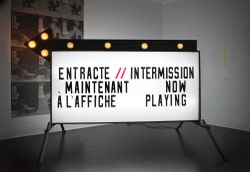
The CCA galleries are transformed into cinematic screening rooms to present a range of artistic, scientific, and experimental films on speed and space. Selected by curators from the archives of NASA, the Smithsonian National Air and Space Museum (NASM), the National Film Board of Canada (NFB), and UbuWeb, the films explore the impact of velocity and technology on our(...)
The CCA galleries are transformed into cinematic screening rooms to present a range of artistic, scientific, and experimental films on speed and space. Selected by curators from the archives of NASA, the Smithsonian National Air and Space Museum (NASM), the National Film Board of Canada (NFB), and UbuWeb, the films explore the impact of velocity and technology on our(...)
Location:
Main galleries
Main galleries
Date:
25 November 2009 to 28 February 2010
25 November 2009 to 28 February 2010
Title:
Intermission: Films From a Heroic Future
Actions:
Description:
The CCA galleries are transformed into cinematic screening rooms to present a range of artistic, scientific, and experimental films on speed and space. Selected by curators from the archives of NASA, the Smithsonian National Air and Space Museum (NASM), the National Film Board of Canada (NFB), and UbuWeb, the films explore the impact of velocity and technology on our(...)
Intermission: Films From a Heroic Future
Actions:
Description:
The CCA galleries are transformed into cinematic screening rooms to present a range of artistic, scientific, and experimental films on speed and space. Selected by curators from the archives of NASA, the Smithsonian National Air and Space Museum (NASM), the National Film Board of Canada (NFB), and UbuWeb, the films explore the impact of velocity and technology on our(...)
Form:
exhibitions
exhibitions
Date:
25 November 2009 to
28 February 2010
25 November 2009 to
28 February 2010
Location:
Main galleries
Main galleries
Form:
archives
Level of archival description:
Fonds
archives
Level of archival description:
Fonds
Title:
Aditya Prakash fonds
Aditya Prakash fonds
Reference number:
AP206
Synopsis:
The Aditya Prakash fonds documents the professional practice of modernist Indian architect Aditya Prakash from his studies in London in 1947 to his death in 2008. His seminal work as a junior architect on the Chandigarh Capitol Project in the 1950s is recorded along with documentation from his solo career after 1960, including approximately 82 architectural projects. His professional work as an artist, photographer, writer, academic and theatre enthusiast are also well documented through drawings, photographic materials and textual records.
AP206
Synopsis:
The Aditya Prakash fonds documents the professional practice of modernist Indian architect Aditya Prakash from his studies in London in 1947 to his death in 2008. His seminal work as a junior architect on the Chandigarh Capitol Project in the 1950s is recorded along with documentation from his solo career after 1960, including approximately 82 architectural projects. His professional work as an artist, photographer, writer, academic and theatre enthusiast are also well documented through drawings, photographic materials and textual records.
People:
Date:
1947-2008
1947-2008
Title:
Aditya Prakash fonds
Actions:
AP206
Synopsis:
The Aditya Prakash fonds documents the professional practice of modernist Indian architect Aditya Prakash from his studies in London in 1947 to his death in 2008. His seminal work as a junior architect on the Chandigarh Capitol Project in the 1950s is recorded along with documentation from his solo career after 1960, including approximately 82 architectural projects. His professional work as an artist, photographer, writer, academic and theatre enthusiast are also well documented through drawings, photographic materials and textual records.
Aditya Prakash fonds
Actions:
AP206
Synopsis:
The Aditya Prakash fonds documents the professional practice of modernist Indian architect Aditya Prakash from his studies in London in 1947 to his death in 2008. His seminal work as a junior architect on the Chandigarh Capitol Project in the 1950s is recorded along with documentation from his solo career after 1960, including approximately 82 architectural projects. His professional work as an artist, photographer, writer, academic and theatre enthusiast are also well documented through drawings, photographic materials and textual records.
Form:
archives
Level of archival description:
Fonds
archives
Level of archival description:
Fonds
Date:
1947-2008
1947-2008
People:


