


57161 Results
Level of archival description:
Project
Project
Actions:
Reference number:
AP198.S1.1997.PR02
Description:
Project records document the design process for OCEAN North’s competition entry for the Jyväskylä Music and Arts Centre in 1997. The project was titled Terra Cultura by OCEAN North. The international competition called to create a multi-usage space that would include a venue for the symphonic orchestra, a music school, exhibition spaces, and the possibility to host a variety of small cultural events in the Finnish city of Jyväskylä. The proposed site is in the center of the town, across the street from the Jyväskylä city church and its park, and nearby buildings designed by Alvar Aalto. OCEAN North’s concept presents a topological surface as an extension of the surrounding urban scape with two masses that would host the formal functions of the building (concert hall, music school, exhibition halls). The two volumes, or raised blocks, are divided along a diagonal elevated space, which is the extension of the ground’s topological surface filled and dubbed “Liquid Flow Space” by the design team. In their interview with Greg Lynn, Johan Bettum and Kivi Sotamaa mentioned that the idea for Jyväskylä was that it was a cloud. Digital files, in particular, show the process to achieve the projected design. Drawings provide views of streamed particles and of resulting peels. They also include plans, elevations and axonometric views of the structure. Most files are raster or vector images, likely saved from CAD software. A few files are in CAD formats such as Microstation, 3D Studio and form*Z. Digital files also present sine wave analysis and resulting charts for each component of the program. The analysis and charts present the relationships between various components of the building’s program such as the Art Museum, the Concert Halls, the technical space, and the Common facilities. These files are raster images and spreadsheets. Photographs of the site in Jyväskylä and of models built by OCEAN North were digitized and are included with the digital working files. Physical drawings are chiefly floor plans for the building, but also include sections and sketches. Finally, project files include photographic prints of two built models. One of these models, a small model of the conceptual masses of the building structure, is itself in the archive. Photographs show the model in the context of a city scape model. The second model, not part of the archive at CCA, was built at a bigger scale and was an intricate cardboard and wooden stick structure. Sources: Softspace: from a representation of form to a simulation of space, Edited by Sean Lally and Jessica Young. London, New York: Routledge, 2007. Greg Lynn, ed. Archaeology of the Digital 17: OCEAN North, Jyväskylä Music and Arts Centre, Montréal: Canadian Centre for Architecture, 2017. ePub.
AP198.S1.1997.PR02
Description:
Project records document the design process for OCEAN North’s competition entry for the Jyväskylä Music and Arts Centre in 1997. The project was titled Terra Cultura by OCEAN North. The international competition called to create a multi-usage space that would include a venue for the symphonic orchestra, a music school, exhibition spaces, and the possibility to host a variety of small cultural events in the Finnish city of Jyväskylä. The proposed site is in the center of the town, across the street from the Jyväskylä city church and its park, and nearby buildings designed by Alvar Aalto. OCEAN North’s concept presents a topological surface as an extension of the surrounding urban scape with two masses that would host the formal functions of the building (concert hall, music school, exhibition halls). The two volumes, or raised blocks, are divided along a diagonal elevated space, which is the extension of the ground’s topological surface filled and dubbed “Liquid Flow Space” by the design team. In their interview with Greg Lynn, Johan Bettum and Kivi Sotamaa mentioned that the idea for Jyväskylä was that it was a cloud. Digital files, in particular, show the process to achieve the projected design. Drawings provide views of streamed particles and of resulting peels. They also include plans, elevations and axonometric views of the structure. Most files are raster or vector images, likely saved from CAD software. A few files are in CAD formats such as Microstation, 3D Studio and form*Z. Digital files also present sine wave analysis and resulting charts for each component of the program. The analysis and charts present the relationships between various components of the building’s program such as the Art Museum, the Concert Halls, the technical space, and the Common facilities. These files are raster images and spreadsheets. Photographs of the site in Jyväskylä and of models built by OCEAN North were digitized and are included with the digital working files. Physical drawings are chiefly floor plans for the building, but also include sections and sketches. Finally, project files include photographic prints of two built models. One of these models, a small model of the conceptual masses of the building structure, is itself in the archive. Photographs show the model in the context of a city scape model. The second model, not part of the archive at CCA, was built at a bigger scale and was an intricate cardboard and wooden stick structure. Sources: Softspace: from a representation of form to a simulation of space, Edited by Sean Lally and Jessica Young. London, New York: Routledge, 2007. Greg Lynn, ed. Archaeology of the Digital 17: OCEAN North, Jyväskylä Music and Arts Centre, Montréal: Canadian Centre for Architecture, 2017. ePub.
People:
Date:
1997
1997
Title:
Terra Cultura – Jyväskylä Music and Arts Centre, international competition entry
Actions:
AP198.S1.1997.PR02
Description:
Project records document the design process for OCEAN North’s competition entry for the Jyväskylä Music and Arts Centre in 1997. The project was titled Terra Cultura by OCEAN North. The international competition called to create a multi-usage space that would include a venue for the symphonic orchestra, a music school, exhibition spaces, and the possibility to host a variety of small cultural events in the Finnish city of Jyväskylä. The proposed site is in the center of the town, across the street from the Jyväskylä city church and its park, and nearby buildings designed by Alvar Aalto. OCEAN North’s concept presents a topological surface as an extension of the surrounding urban scape with two masses that would host the formal functions of the building (concert hall, music school, exhibition halls). The two volumes, or raised blocks, are divided along a diagonal elevated space, which is the extension of the ground’s topological surface filled and dubbed “Liquid Flow Space” by the design team. In their interview with Greg Lynn, Johan Bettum and Kivi Sotamaa mentioned that the idea for Jyväskylä was that it was a cloud. Digital files, in particular, show the process to achieve the projected design. Drawings provide views of streamed particles and of resulting peels. They also include plans, elevations and axonometric views of the structure. Most files are raster or vector images, likely saved from CAD software. A few files are in CAD formats such as Microstation, 3D Studio and form*Z. Digital files also present sine wave analysis and resulting charts for each component of the program. The analysis and charts present the relationships between various components of the building’s program such as the Art Museum, the Concert Halls, the technical space, and the Common facilities. These files are raster images and spreadsheets. Photographs of the site in Jyväskylä and of models built by OCEAN North were digitized and are included with the digital working files. Physical drawings are chiefly floor plans for the building, but also include sections and sketches. Finally, project files include photographic prints of two built models. One of these models, a small model of the conceptual masses of the building structure, is itself in the archive. Photographs show the model in the context of a city scape model. The second model, not part of the archive at CCA, was built at a bigger scale and was an intricate cardboard and wooden stick structure. Sources: Softspace: from a representation of form to a simulation of space, Edited by Sean Lally and Jessica Young. London, New York: Routledge, 2007. Greg Lynn, ed. Archaeology of the Digital 17: OCEAN North, Jyväskylä Music and Arts Centre, Montréal: Canadian Centre for Architecture, 2017. ePub.
Terra Cultura – Jyväskylä Music and Arts Centre, international competition entry
Actions:
AP198.S1.1997.PR02
Description:
Project records document the design process for OCEAN North’s competition entry for the Jyväskylä Music and Arts Centre in 1997. The project was titled Terra Cultura by OCEAN North. The international competition called to create a multi-usage space that would include a venue for the symphonic orchestra, a music school, exhibition spaces, and the possibility to host a variety of small cultural events in the Finnish city of Jyväskylä. The proposed site is in the center of the town, across the street from the Jyväskylä city church and its park, and nearby buildings designed by Alvar Aalto. OCEAN North’s concept presents a topological surface as an extension of the surrounding urban scape with two masses that would host the formal functions of the building (concert hall, music school, exhibition halls). The two volumes, or raised blocks, are divided along a diagonal elevated space, which is the extension of the ground’s topological surface filled and dubbed “Liquid Flow Space” by the design team. In their interview with Greg Lynn, Johan Bettum and Kivi Sotamaa mentioned that the idea for Jyväskylä was that it was a cloud. Digital files, in particular, show the process to achieve the projected design. Drawings provide views of streamed particles and of resulting peels. They also include plans, elevations and axonometric views of the structure. Most files are raster or vector images, likely saved from CAD software. A few files are in CAD formats such as Microstation, 3D Studio and form*Z. Digital files also present sine wave analysis and resulting charts for each component of the program. The analysis and charts present the relationships between various components of the building’s program such as the Art Museum, the Concert Halls, the technical space, and the Common facilities. These files are raster images and spreadsheets. Photographs of the site in Jyväskylä and of models built by OCEAN North were digitized and are included with the digital working files. Physical drawings are chiefly floor plans for the building, but also include sections and sketches. Finally, project files include photographic prints of two built models. One of these models, a small model of the conceptual masses of the building structure, is itself in the archive. Photographs show the model in the context of a city scape model. The second model, not part of the archive at CCA, was built at a bigger scale and was an intricate cardboard and wooden stick structure. Sources: Softspace: from a representation of form to a simulation of space, Edited by Sean Lally and Jessica Young. London, New York: Routledge, 2007. Greg Lynn, ed. Archaeology of the Digital 17: OCEAN North, Jyväskylä Music and Arts Centre, Montréal: Canadian Centre for Architecture, 2017. ePub.
Level of archival description:
Project
Project
Date:
1997
1997
People:
Form:
textual records
textual records
Actions:
Reference number:
PHCON2002:0016:093:016.1
Description:
Ticket is for the event "A Valentine for Marcel Duchamp: Evening event for students", held Friday, 1 February, 1974 at the Museum of Modern Art. This ticket was used as a bookmark in book PHCON2002:0016:093:016 "Programming and Metaprogramming in the Human Biocomputer".
PHCON2002:0016:093:016.1
Description:
Ticket is for the event "A Valentine for Marcel Duchamp: Evening event for students", held Friday, 1 February, 1974 at the Museum of Modern Art. This ticket was used as a bookmark in book PHCON2002:0016:093:016 "Programming and Metaprogramming in the Human Biocomputer".
People:
Date:
1974
1974
Title:
Ticket for "A Valentine for Marcel Duchamp: Evening event for students
Actions:
PHCON2002:0016:093:016.1
Description:
Ticket is for the event "A Valentine for Marcel Duchamp: Evening event for students", held Friday, 1 February, 1974 at the Museum of Modern Art. This ticket was used as a bookmark in book PHCON2002:0016:093:016 "Programming and Metaprogramming in the Human Biocomputer".
Ticket for "A Valentine for Marcel Duchamp: Evening event for students
Actions:
PHCON2002:0016:093:016.1
Description:
Ticket is for the event "A Valentine for Marcel Duchamp: Evening event for students", held Friday, 1 February, 1974 at the Museum of Modern Art. This ticket was used as a bookmark in book PHCON2002:0016:093:016 "Programming and Metaprogramming in the Human Biocomputer".
Form:
textual records
textual records
Date:
1974
1974
People:
Form:
archives
Level of archival description:
Fonds
archives
Level of archival description:
Fonds
Title:
Álvaro Siza fonds
Álvaro Siza fonds
Reference number:
AP178
Description:
The Álvaro Siza fonds documents the architectural work of Portuguese architect Álvaro Siza. Records in this fonds document Siza’s projects from 1958-2012, including built and unbuilt designs. A collaborative project was established between the Canadian Centre for Architecture (CCA), Fundação de Serralves, and Fundação Calouste Gulbenkian to allow for international research and access to the archive. The archive is shared by the three institutions with each institution holding different projects while collaborating on the descriptive work and increasing the visibility of the archive. The holdings at both the Fundação de Serralves and Fundação Calouste Gulbenkian focus on Siza’s Portuguese projects, while the portion of the archive held by the CCA mainly includes Siza’s projects abroad. All three institutions are committed to describing the archive and making it accessible for scholarly research. The processing of the Siza archive held by the CCA has been divided into four phases to allow for access to parts of the archive while still in process. For the first, second, and third phases, the processing archivist has described the projects from the fifties, sixties, and seventies, as well as projects for the IBA competition in Berlin, urban renewal projects in The Hague from the eighties, urban plans, museums, and individual houses between 1980 and 2000. The processing archivist has also described approximately 203 sketchbooks. Many of these sketchbooks include sketches related to architectural projects which were processed. The complete list of projects processed by the CCA to date can be found in series AP178.S1. The bulk of the Álvaro Siza fonds is arranged in Series AP178.S1, which contains documentation for over 200 of Siza’s architectural projects. Records in this archive are predominantly from 1970 to 2000. Series AP178.S1 mainly contains conceptual, design development, presentation, and working drawings. Also included are photographic materials, models, born digital records, and textual documentation, which include correspondence, project proposals, and notes. The architect’s creative process is captured in 282 sketchbooks arranged in Series AP178.S2. In all there are approximately 60 000 drawings, 3000 folders of textual documentation, 9.46 linear meters of photographs and negatives, 6,545 slides, 250 CD-ROMS, 101 floppy disks, and 371 models that document the architectural activities of Siza and his office. Among the drawings are sketches by Siza on various items, such as napkins, receipts, envelopes, or on the back of working drawings. The fonds contains several types of architectural projects including residential buildings, museums, universities, urban plans, offices, and city restorations. Of particular significance are the sketchbooks, comprised of sketches for architectural projects, Siza’s travels, people, and animals as well as notes and draft letters. The sketchbooks are organized in chronological order, starting in the late 1970’s to the beginning of the 2000’s. Locations, notes, and dates have also been identified on the front of each sketchbook along with the sketchbook number. The sketchbooks provide a unique perspective of Siza’s use of drawing as part of his work process.
AP178
Description:
The Álvaro Siza fonds documents the architectural work of Portuguese architect Álvaro Siza. Records in this fonds document Siza’s projects from 1958-2012, including built and unbuilt designs. A collaborative project was established between the Canadian Centre for Architecture (CCA), Fundação de Serralves, and Fundação Calouste Gulbenkian to allow for international research and access to the archive. The archive is shared by the three institutions with each institution holding different projects while collaborating on the descriptive work and increasing the visibility of the archive. The holdings at both the Fundação de Serralves and Fundação Calouste Gulbenkian focus on Siza’s Portuguese projects, while the portion of the archive held by the CCA mainly includes Siza’s projects abroad. All three institutions are committed to describing the archive and making it accessible for scholarly research. The processing of the Siza archive held by the CCA has been divided into four phases to allow for access to parts of the archive while still in process. For the first, second, and third phases, the processing archivist has described the projects from the fifties, sixties, and seventies, as well as projects for the IBA competition in Berlin, urban renewal projects in The Hague from the eighties, urban plans, museums, and individual houses between 1980 and 2000. The processing archivist has also described approximately 203 sketchbooks. Many of these sketchbooks include sketches related to architectural projects which were processed. The complete list of projects processed by the CCA to date can be found in series AP178.S1. The bulk of the Álvaro Siza fonds is arranged in Series AP178.S1, which contains documentation for over 200 of Siza’s architectural projects. Records in this archive are predominantly from 1970 to 2000. Series AP178.S1 mainly contains conceptual, design development, presentation, and working drawings. Also included are photographic materials, models, born digital records, and textual documentation, which include correspondence, project proposals, and notes. The architect’s creative process is captured in 282 sketchbooks arranged in Series AP178.S2. In all there are approximately 60 000 drawings, 3000 folders of textual documentation, 9.46 linear meters of photographs and negatives, 6,545 slides, 250 CD-ROMS, 101 floppy disks, and 371 models that document the architectural activities of Siza and his office. Among the drawings are sketches by Siza on various items, such as napkins, receipts, envelopes, or on the back of working drawings. The fonds contains several types of architectural projects including residential buildings, museums, universities, urban plans, offices, and city restorations. Of particular significance are the sketchbooks, comprised of sketches for architectural projects, Siza’s travels, people, and animals as well as notes and draft letters. The sketchbooks are organized in chronological order, starting in the late 1970’s to the beginning of the 2000’s. Locations, notes, and dates have also been identified on the front of each sketchbook along with the sketchbook number. The sketchbooks provide a unique perspective of Siza’s use of drawing as part of his work process.
People:
Date:
1958-2002
1958-2002
Title:
Álvaro Siza fonds
Actions:
AP178
Description:
The Álvaro Siza fonds documents the architectural work of Portuguese architect Álvaro Siza. Records in this fonds document Siza’s projects from 1958-2012, including built and unbuilt designs. A collaborative project was established between the Canadian Centre for Architecture (CCA), Fundação de Serralves, and Fundação Calouste Gulbenkian to allow for international research and access to the archive. The archive is shared by the three institutions with each institution holding different projects while collaborating on the descriptive work and increasing the visibility of the archive. The holdings at both the Fundação de Serralves and Fundação Calouste Gulbenkian focus on Siza’s Portuguese projects, while the portion of the archive held by the CCA mainly includes Siza’s projects abroad. All three institutions are committed to describing the archive and making it accessible for scholarly research. The processing of the Siza archive held by the CCA has been divided into four phases to allow for access to parts of the archive while still in process. For the first, second, and third phases, the processing archivist has described the projects from the fifties, sixties, and seventies, as well as projects for the IBA competition in Berlin, urban renewal projects in The Hague from the eighties, urban plans, museums, and individual houses between 1980 and 2000. The processing archivist has also described approximately 203 sketchbooks. Many of these sketchbooks include sketches related to architectural projects which were processed. The complete list of projects processed by the CCA to date can be found in series AP178.S1. The bulk of the Álvaro Siza fonds is arranged in Series AP178.S1, which contains documentation for over 200 of Siza’s architectural projects. Records in this archive are predominantly from 1970 to 2000. Series AP178.S1 mainly contains conceptual, design development, presentation, and working drawings. Also included are photographic materials, models, born digital records, and textual documentation, which include correspondence, project proposals, and notes. The architect’s creative process is captured in 282 sketchbooks arranged in Series AP178.S2. In all there are approximately 60 000 drawings, 3000 folders of textual documentation, 9.46 linear meters of photographs and negatives, 6,545 slides, 250 CD-ROMS, 101 floppy disks, and 371 models that document the architectural activities of Siza and his office. Among the drawings are sketches by Siza on various items, such as napkins, receipts, envelopes, or on the back of working drawings. The fonds contains several types of architectural projects including residential buildings, museums, universities, urban plans, offices, and city restorations. Of particular significance are the sketchbooks, comprised of sketches for architectural projects, Siza’s travels, people, and animals as well as notes and draft letters. The sketchbooks are organized in chronological order, starting in the late 1970’s to the beginning of the 2000’s. Locations, notes, and dates have also been identified on the front of each sketchbook along with the sketchbook number. The sketchbooks provide a unique perspective of Siza’s use of drawing as part of his work process.
Álvaro Siza fonds
Actions:
AP178
Description:
The Álvaro Siza fonds documents the architectural work of Portuguese architect Álvaro Siza. Records in this fonds document Siza’s projects from 1958-2012, including built and unbuilt designs. A collaborative project was established between the Canadian Centre for Architecture (CCA), Fundação de Serralves, and Fundação Calouste Gulbenkian to allow for international research and access to the archive. The archive is shared by the three institutions with each institution holding different projects while collaborating on the descriptive work and increasing the visibility of the archive. The holdings at both the Fundação de Serralves and Fundação Calouste Gulbenkian focus on Siza’s Portuguese projects, while the portion of the archive held by the CCA mainly includes Siza’s projects abroad. All three institutions are committed to describing the archive and making it accessible for scholarly research. The processing of the Siza archive held by the CCA has been divided into four phases to allow for access to parts of the archive while still in process. For the first, second, and third phases, the processing archivist has described the projects from the fifties, sixties, and seventies, as well as projects for the IBA competition in Berlin, urban renewal projects in The Hague from the eighties, urban plans, museums, and individual houses between 1980 and 2000. The processing archivist has also described approximately 203 sketchbooks. Many of these sketchbooks include sketches related to architectural projects which were processed. The complete list of projects processed by the CCA to date can be found in series AP178.S1. The bulk of the Álvaro Siza fonds is arranged in Series AP178.S1, which contains documentation for over 200 of Siza’s architectural projects. Records in this archive are predominantly from 1970 to 2000. Series AP178.S1 mainly contains conceptual, design development, presentation, and working drawings. Also included are photographic materials, models, born digital records, and textual documentation, which include correspondence, project proposals, and notes. The architect’s creative process is captured in 282 sketchbooks arranged in Series AP178.S2. In all there are approximately 60 000 drawings, 3000 folders of textual documentation, 9.46 linear meters of photographs and negatives, 6,545 slides, 250 CD-ROMS, 101 floppy disks, and 371 models that document the architectural activities of Siza and his office. Among the drawings are sketches by Siza on various items, such as napkins, receipts, envelopes, or on the back of working drawings. The fonds contains several types of architectural projects including residential buildings, museums, universities, urban plans, offices, and city restorations. Of particular significance are the sketchbooks, comprised of sketches for architectural projects, Siza’s travels, people, and animals as well as notes and draft letters. The sketchbooks are organized in chronological order, starting in the late 1970’s to the beginning of the 2000’s. Locations, notes, and dates have also been identified on the front of each sketchbook along with the sketchbook number. The sketchbooks provide a unique perspective of Siza’s use of drawing as part of his work process.
Form:
archives
Level of archival description:
Fonds
archives
Level of archival description:
Fonds
Date:
1958-2002
1958-2002
People:
Form:
events
events
Actions:
Description:
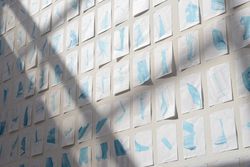
When Gordon Matta-Clark assembled the titles to and documentation of a dozen-odd small, vacant parcels of New York property between 1974 and 1977 (later assembled and exhibited as Reality Properties: Fake Estates in 1992), it was with no well-formed agenda—other than his view that the availability of vacant and underutilized parcels [was] a direct reminder of the fallacy(...)
When Gordon Matta-Clark assembled the titles to and documentation of a dozen-odd small, vacant parcels of New York property between 1974 and 1977 (later assembled and exhibited as Reality Properties: Fake Estates in 1992), it was with no well-formed agenda—other than his view that the availability of vacant and underutilized parcels [was] a direct reminder of the fallacy(...)
Location:
Paul Desmarais Theatre
Paul Desmarais Theatre
Date:
22 September 2016, 6pm
22 September 2016, 6pm
Title:
Nicholas de Monchaux: Local Code
Actions:
Description:
When Gordon Matta-Clark assembled the titles to and documentation of a dozen-odd small, vacant parcels of New York property between 1974 and 1977 (later assembled and exhibited as Reality Properties: Fake Estates in 1992), it was with no well-formed agenda—other than his view that the availability of vacant and underutilized parcels [was] a direct reminder of the fallacy(...)
Nicholas de Monchaux: Local Code
Actions:
Description:
When Gordon Matta-Clark assembled the titles to and documentation of a dozen-odd small, vacant parcels of New York property between 1974 and 1977 (later assembled and exhibited as Reality Properties: Fake Estates in 1992), it was with no well-formed agenda—other than his view that the availability of vacant and underutilized parcels [was] a direct reminder of the fallacy(...)
Form:
events
events
Date:
22 September 2016
6pm
22 September 2016
6pm
Location:
Paul Desmarais Theatre
Paul Desmarais Theatre
Form:
events
events
Actions:
Description:
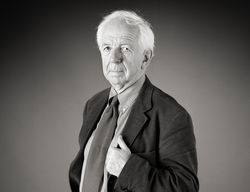
Hubert Damisch, 2003-2004 CCA Mellon Senior Fellow, examines Blur – the cloud building created by New York architects Diller + Scofidio on lake Neuchâtel in Switzerland, which is the most recent and radical expression of the desire for fluidity and evanescence in architecture – and the consequences that it might have on the future of structural thought. Damisch examines(...)
Hubert Damisch, 2003-2004 CCA Mellon Senior Fellow, examines Blur – the cloud building created by New York architects Diller + Scofidio on lake Neuchâtel in Switzerland, which is the most recent and radical expression of the desire for fluidity and evanescence in architecture – and the consequences that it might have on the future of structural thought. Damisch examines(...)
Location:
Paul Desmarais Theatre
Paul Desmarais Theatre
Date:
8 May 2003
8 May 2003
Title:
Hubert Damisch: “Effacer l’architecture?”
Actions:
Description:
Hubert Damisch, 2003-2004 CCA Mellon Senior Fellow, examines Blur – the cloud building created by New York architects Diller + Scofidio on lake Neuchâtel in Switzerland, which is the most recent and radical expression of the desire for fluidity and evanescence in architecture – and the consequences that it might have on the future of structural thought. Damisch examines(...)
Hubert Damisch: “Effacer l’architecture?”
Actions:
Description:
Hubert Damisch, 2003-2004 CCA Mellon Senior Fellow, examines Blur – the cloud building created by New York architects Diller + Scofidio on lake Neuchâtel in Switzerland, which is the most recent and radical expression of the desire for fluidity and evanescence in architecture – and the consequences that it might have on the future of structural thought. Damisch examines(...)
Form:
events
events
Date:
8 May 2003
8 May 2003
Location:
Paul Desmarais Theatre
Paul Desmarais Theatre
Form:
archives
Level of archival description:
Fonds
archives
Level of archival description:
Fonds
Title:
Kenneth Frampton fonds
Kenneth Frampton fonds
Reference number:
AP197
Synopsis:
The Kenneth Frampton fonds, 1958-2016, documents the professional career of Kenneth Frampton – British architect, historian, theorist, and Ware professor of Architecture at the Graduate School of Architecture, Planning and Preservation (GSAPP) at Columbia University. Materials in the fonds consist of approximately 28.37 l.m. of textual records, 3966 photographs and prints, 3168 postcards, 2733 slides, 824 drawings (including reprographic copies), 470 negatives, 151 35 mm negatives, 105 posters, 30 objects, 23 audio cassettes, 18 VHS tapes, 15 transparencies, 3 tape reels, 2 microfilms, and 2 vinyl records.
AP197
Synopsis:
The Kenneth Frampton fonds, 1958-2016, documents the professional career of Kenneth Frampton – British architect, historian, theorist, and Ware professor of Architecture at the Graduate School of Architecture, Planning and Preservation (GSAPP) at Columbia University. Materials in the fonds consist of approximately 28.37 l.m. of textual records, 3966 photographs and prints, 3168 postcards, 2733 slides, 824 drawings (including reprographic copies), 470 negatives, 151 35 mm negatives, 105 posters, 30 objects, 23 audio cassettes, 18 VHS tapes, 15 transparencies, 3 tape reels, 2 microfilms, and 2 vinyl records.
People:
Date:
1958-2016
1958-2016
Title:
Kenneth Frampton fonds
Actions:
AP197
Synopsis:
The Kenneth Frampton fonds, 1958-2016, documents the professional career of Kenneth Frampton – British architect, historian, theorist, and Ware professor of Architecture at the Graduate School of Architecture, Planning and Preservation (GSAPP) at Columbia University. Materials in the fonds consist of approximately 28.37 l.m. of textual records, 3966 photographs and prints, 3168 postcards, 2733 slides, 824 drawings (including reprographic copies), 470 negatives, 151 35 mm negatives, 105 posters, 30 objects, 23 audio cassettes, 18 VHS tapes, 15 transparencies, 3 tape reels, 2 microfilms, and 2 vinyl records.
Kenneth Frampton fonds
Actions:
AP197
Synopsis:
The Kenneth Frampton fonds, 1958-2016, documents the professional career of Kenneth Frampton – British architect, historian, theorist, and Ware professor of Architecture at the Graduate School of Architecture, Planning and Preservation (GSAPP) at Columbia University. Materials in the fonds consist of approximately 28.37 l.m. of textual records, 3966 photographs and prints, 3168 postcards, 2733 slides, 824 drawings (including reprographic copies), 470 negatives, 151 35 mm negatives, 105 posters, 30 objects, 23 audio cassettes, 18 VHS tapes, 15 transparencies, 3 tape reels, 2 microfilms, and 2 vinyl records.
Form:
archives
Level of archival description:
Fonds
archives
Level of archival description:
Fonds
Date:
1958-2016
1958-2016
People:
Form:
textual records
textual records
Actions:
Reference number:
ARCH276176
Description:
43 files - Group contains subject working files, project files, press materials, professional organizations and honours and files related to book and film projects. Files are generally organized alphabetically, A-P, and include: Association of International Architects; Arthur Erickson Commercial Buildings (large scale developments); AIA Gold Medal Certificate, Honours, Awards and C.V.; Avon; Architect License - Washington; AIBC Learning Units and Correspondence; AIBC Notice of Inquiry; Book - "Works in Concrete"; Canada Council - Architecture Office; Changsha/Weihai 2004; China Trip 2003; Concord Pacific; Contacts; Edmonton Art Gallery; Evelyn Drive; Evergreen/Coal Harbour; Gastown Canopy; Governor General - Correspondence; International Academy of Architecture; Kunming Trip June 2003; Life & Times Doc.; Lethbridge - Larry Paterson; Museum of Anthropology Expansion files; Oberlander, Cornelia; Onley, Yukiko - book; Order of British Columbia; "Passions"- Documentary.
ARCH276176
Description:
43 files - Group contains subject working files, project files, press materials, professional organizations and honours and files related to book and film projects. Files are generally organized alphabetically, A-P, and include: Association of International Architects; Arthur Erickson Commercial Buildings (large scale developments); AIA Gold Medal Certificate, Honours, Awards and C.V.; Avon; Architect License - Washington; AIBC Learning Units and Correspondence; AIBC Notice of Inquiry; Book - "Works in Concrete"; Canada Council - Architecture Office; Changsha/Weihai 2004; China Trip 2003; Concord Pacific; Contacts; Edmonton Art Gallery; Evelyn Drive; Evergreen/Coal Harbour; Gastown Canopy; Governor General - Correspondence; International Academy of Architecture; Kunming Trip June 2003; Life & Times Doc.; Lethbridge - Larry Paterson; Museum of Anthropology Expansion files; Oberlander, Cornelia; Onley, Yukiko - book; Order of British Columbia; "Passions"- Documentary.
People:
Date:
ca. 2000-2005
ca. 2000-2005
Title:
Project files, press materials, and various office files
Actions:
ARCH276176
Description:
43 files - Group contains subject working files, project files, press materials, professional organizations and honours and files related to book and film projects. Files are generally organized alphabetically, A-P, and include: Association of International Architects; Arthur Erickson Commercial Buildings (large scale developments); AIA Gold Medal Certificate, Honours, Awards and C.V.; Avon; Architect License - Washington; AIBC Learning Units and Correspondence; AIBC Notice of Inquiry; Book - "Works in Concrete"; Canada Council - Architecture Office; Changsha/Weihai 2004; China Trip 2003; Concord Pacific; Contacts; Edmonton Art Gallery; Evelyn Drive; Evergreen/Coal Harbour; Gastown Canopy; Governor General - Correspondence; International Academy of Architecture; Kunming Trip June 2003; Life & Times Doc.; Lethbridge - Larry Paterson; Museum of Anthropology Expansion files; Oberlander, Cornelia; Onley, Yukiko - book; Order of British Columbia; "Passions"- Documentary.
Project files, press materials, and various office files
Actions:
ARCH276176
Description:
43 files - Group contains subject working files, project files, press materials, professional organizations and honours and files related to book and film projects. Files are generally organized alphabetically, A-P, and include: Association of International Architects; Arthur Erickson Commercial Buildings (large scale developments); AIA Gold Medal Certificate, Honours, Awards and C.V.; Avon; Architect License - Washington; AIBC Learning Units and Correspondence; AIBC Notice of Inquiry; Book - "Works in Concrete"; Canada Council - Architecture Office; Changsha/Weihai 2004; China Trip 2003; Concord Pacific; Contacts; Edmonton Art Gallery; Evelyn Drive; Evergreen/Coal Harbour; Gastown Canopy; Governor General - Correspondence; International Academy of Architecture; Kunming Trip June 2003; Life & Times Doc.; Lethbridge - Larry Paterson; Museum of Anthropology Expansion files; Oberlander, Cornelia; Onley, Yukiko - book; Order of British Columbia; "Passions"- Documentary.
Form:
textual records
textual records
Date:
ca. 2000-2005
ca. 2000-2005
People:
Form:
archives
Level of archival description:
Fonds
archives
Level of archival description:
Fonds
Title:
Pierre Dionne fonds
Pierre Dionne fonds
Actions:
Reference number:
AP006
Synopsis:
The Pierre Dionne fonds, 1948-1976, documents the professional career of architect Pierre Dionne. The fonds documents 467of Dionne’s architectural works: 11 student projects (ca. 1948-1952), 437 professional projects (1951-1976) and 19 miscellaneous projects (various dates). Materials in this fonds consist of 6244 drawings (including reprographic copies), 857 photographic materials, 165 slides, 5 l.m. of textual records and 6 models.
AP006
Synopsis:
The Pierre Dionne fonds, 1948-1976, documents the professional career of architect Pierre Dionne. The fonds documents 467of Dionne’s architectural works: 11 student projects (ca. 1948-1952), 437 professional projects (1951-1976) and 19 miscellaneous projects (various dates). Materials in this fonds consist of 6244 drawings (including reprographic copies), 857 photographic materials, 165 slides, 5 l.m. of textual records and 6 models.
People:
Date:
1948-1976
1948-1976
Title:
Pierre Dionne fonds
Actions:
AP006
Synopsis:
The Pierre Dionne fonds, 1948-1976, documents the professional career of architect Pierre Dionne. The fonds documents 467of Dionne’s architectural works: 11 student projects (ca. 1948-1952), 437 professional projects (1951-1976) and 19 miscellaneous projects (various dates). Materials in this fonds consist of 6244 drawings (including reprographic copies), 857 photographic materials, 165 slides, 5 l.m. of textual records and 6 models.
Pierre Dionne fonds
Actions:
AP006
Synopsis:
The Pierre Dionne fonds, 1948-1976, documents the professional career of architect Pierre Dionne. The fonds documents 467of Dionne’s architectural works: 11 student projects (ca. 1948-1952), 437 professional projects (1951-1976) and 19 miscellaneous projects (various dates). Materials in this fonds consist of 6244 drawings (including reprographic copies), 857 photographic materials, 165 slides, 5 l.m. of textual records and 6 models.
Form:
archives
Level of archival description:
Fonds
archives
Level of archival description:
Fonds
Date:
1948-1976
1948-1976
People:
Form:
archives
Level of archival description:
Fonds
archives
Level of archival description:
Fonds
Title:
Alessandro Poli fonds
Alessandro Poli fonds
Reference number:
AP148
Synopsis:
The Alessandro Poli fonds documents the work of Italian architect, designer and artist Alessandro Poli. Born in Fiesole in 1941, Poli studied architecture at the University of Florence, and was a member of Superstudio from 1970 to 1972. Poli’s involvement with Superstudio and engaged research on material culture constitute two strong components of his archive.
AP148
Synopsis:
The Alessandro Poli fonds documents the work of Italian architect, designer and artist Alessandro Poli. Born in Fiesole in 1941, Poli studied architecture at the University of Florence, and was a member of Superstudio from 1970 to 1972. Poli’s involvement with Superstudio and engaged research on material culture constitute two strong components of his archive.
People:
Date:
1963-1996
1963-1996
Title:
Alessandro Poli fonds
Actions:
AP148
Synopsis:
The Alessandro Poli fonds documents the work of Italian architect, designer and artist Alessandro Poli. Born in Fiesole in 1941, Poli studied architecture at the University of Florence, and was a member of Superstudio from 1970 to 1972. Poli’s involvement with Superstudio and engaged research on material culture constitute two strong components of his archive.
Alessandro Poli fonds
Actions:
AP148
Synopsis:
The Alessandro Poli fonds documents the work of Italian architect, designer and artist Alessandro Poli. Born in Fiesole in 1941, Poli studied architecture at the University of Florence, and was a member of Superstudio from 1970 to 1972. Poli’s involvement with Superstudio and engaged research on material culture constitute two strong components of his archive.
Form:
archives
Level of archival description:
Fonds
archives
Level of archival description:
Fonds
Date:
1963-1996
1963-1996
People:
Level of archival description:
Project
Project
Reference number:
AP206.S1.1975.PR01
Description:
This project series documents Aditya Prakash's proposal for an alternative plan for Chandigarh, India, which came to be known as the Linear City. Prakash began developing and advocating for this idea around the early 1970s. The Linear City had two fundamental ideas at its core. The first was to raise the roadways in Chandigarh (or any future city) 10-12 feet from ground level. This, he proposed, would separate vehicular traffic from pedestrians, eliminating all the hazardous impacts of traffic on daily life. The large part of the drawings for this project show sector plans and city blocks with evenly dispersed roundabout roadways as major transit hubs, wrapping around but high above centres of pedestrian activity that included shops, markets and green spaces. The sale of the land below the roadways would pay for the upheaval. He also recommended building this city only a few sectors deep, but endlessly expanding it length-wise, with a raised canal along one side to provide an additional transportation network and irrigation. The second fundamental idea of this city was the creation of self-sustaining sectors in the city plan, advocating that each neighbourhood should have the infrastructure to provide food and recycling for its residents. He fervently argued for the reimagination of modernist Chandigarh by incorporating sustainable, local traditions - the rural should exist in harmony with the urban. In opposition to Le Corbusier and Pierre Jeanneret, he believed areas for recycling, animal husbandry, and growing food should be incorporated into the fabric of the city.[1] This project is recorded largely through original drawings of city plans, perspectives and axonometric views detailing Prakash's new vision for the city. It seems that many of the perspectives were drawn by family friend Sandeep Virmani, after listening to Prakash's ideas.[2] The project is also recorded through photographs, negatives and slides showing plans and the project model. A small amount of notes and an article on the project are also included. [1]Vikramaditya Prakash, One Continuous Line: Art, Architecture and Urbanism of Aditya Prakash (Ahmedabad, India: Mapin Publishing Pvt. Ltd., 2019), 164-181. [2]Prakash, One Continuous Line, 169.
AP206.S1.1975.PR01
Description:
This project series documents Aditya Prakash's proposal for an alternative plan for Chandigarh, India, which came to be known as the Linear City. Prakash began developing and advocating for this idea around the early 1970s. The Linear City had two fundamental ideas at its core. The first was to raise the roadways in Chandigarh (or any future city) 10-12 feet from ground level. This, he proposed, would separate vehicular traffic from pedestrians, eliminating all the hazardous impacts of traffic on daily life. The large part of the drawings for this project show sector plans and city blocks with evenly dispersed roundabout roadways as major transit hubs, wrapping around but high above centres of pedestrian activity that included shops, markets and green spaces. The sale of the land below the roadways would pay for the upheaval. He also recommended building this city only a few sectors deep, but endlessly expanding it length-wise, with a raised canal along one side to provide an additional transportation network and irrigation. The second fundamental idea of this city was the creation of self-sustaining sectors in the city plan, advocating that each neighbourhood should have the infrastructure to provide food and recycling for its residents. He fervently argued for the reimagination of modernist Chandigarh by incorporating sustainable, local traditions - the rural should exist in harmony with the urban. In opposition to Le Corbusier and Pierre Jeanneret, he believed areas for recycling, animal husbandry, and growing food should be incorporated into the fabric of the city.[1] This project is recorded largely through original drawings of city plans, perspectives and axonometric views detailing Prakash's new vision for the city. It seems that many of the perspectives were drawn by family friend Sandeep Virmani, after listening to Prakash's ideas.[2] The project is also recorded through photographs, negatives and slides showing plans and the project model. A small amount of notes and an article on the project are also included. [1]Vikramaditya Prakash, One Continuous Line: Art, Architecture and Urbanism of Aditya Prakash (Ahmedabad, India: Mapin Publishing Pvt. Ltd., 2019), 164-181. [2]Prakash, One Continuous Line, 169.
People:
Date:
circa 1975-2003
circa 1975-2003
Title:
Linear city, Chandigarh, India (circa 1975-1987)
Actions:
AP206.S1.1975.PR01
Description:
This project series documents Aditya Prakash's proposal for an alternative plan for Chandigarh, India, which came to be known as the Linear City. Prakash began developing and advocating for this idea around the early 1970s. The Linear City had two fundamental ideas at its core. The first was to raise the roadways in Chandigarh (or any future city) 10-12 feet from ground level. This, he proposed, would separate vehicular traffic from pedestrians, eliminating all the hazardous impacts of traffic on daily life. The large part of the drawings for this project show sector plans and city blocks with evenly dispersed roundabout roadways as major transit hubs, wrapping around but high above centres of pedestrian activity that included shops, markets and green spaces. The sale of the land below the roadways would pay for the upheaval. He also recommended building this city only a few sectors deep, but endlessly expanding it length-wise, with a raised canal along one side to provide an additional transportation network and irrigation. The second fundamental idea of this city was the creation of self-sustaining sectors in the city plan, advocating that each neighbourhood should have the infrastructure to provide food and recycling for its residents. He fervently argued for the reimagination of modernist Chandigarh by incorporating sustainable, local traditions - the rural should exist in harmony with the urban. In opposition to Le Corbusier and Pierre Jeanneret, he believed areas for recycling, animal husbandry, and growing food should be incorporated into the fabric of the city.[1] This project is recorded largely through original drawings of city plans, perspectives and axonometric views detailing Prakash's new vision for the city. It seems that many of the perspectives were drawn by family friend Sandeep Virmani, after listening to Prakash's ideas.[2] The project is also recorded through photographs, negatives and slides showing plans and the project model. A small amount of notes and an article on the project are also included. [1]Vikramaditya Prakash, One Continuous Line: Art, Architecture and Urbanism of Aditya Prakash (Ahmedabad, India: Mapin Publishing Pvt. Ltd., 2019), 164-181. [2]Prakash, One Continuous Line, 169.
Linear city, Chandigarh, India (circa 1975-1987)
Actions:
AP206.S1.1975.PR01
Description:
This project series documents Aditya Prakash's proposal for an alternative plan for Chandigarh, India, which came to be known as the Linear City. Prakash began developing and advocating for this idea around the early 1970s. The Linear City had two fundamental ideas at its core. The first was to raise the roadways in Chandigarh (or any future city) 10-12 feet from ground level. This, he proposed, would separate vehicular traffic from pedestrians, eliminating all the hazardous impacts of traffic on daily life. The large part of the drawings for this project show sector plans and city blocks with evenly dispersed roundabout roadways as major transit hubs, wrapping around but high above centres of pedestrian activity that included shops, markets and green spaces. The sale of the land below the roadways would pay for the upheaval. He also recommended building this city only a few sectors deep, but endlessly expanding it length-wise, with a raised canal along one side to provide an additional transportation network and irrigation. The second fundamental idea of this city was the creation of self-sustaining sectors in the city plan, advocating that each neighbourhood should have the infrastructure to provide food and recycling for its residents. He fervently argued for the reimagination of modernist Chandigarh by incorporating sustainable, local traditions - the rural should exist in harmony with the urban. In opposition to Le Corbusier and Pierre Jeanneret, he believed areas for recycling, animal husbandry, and growing food should be incorporated into the fabric of the city.[1] This project is recorded largely through original drawings of city plans, perspectives and axonometric views detailing Prakash's new vision for the city. It seems that many of the perspectives were drawn by family friend Sandeep Virmani, after listening to Prakash's ideas.[2] The project is also recorded through photographs, negatives and slides showing plans and the project model. A small amount of notes and an article on the project are also included. [1]Vikramaditya Prakash, One Continuous Line: Art, Architecture and Urbanism of Aditya Prakash (Ahmedabad, India: Mapin Publishing Pvt. Ltd., 2019), 164-181. [2]Prakash, One Continuous Line, 169.
Level of archival description:
Project
Project
Date:
circa 1975-2003
circa 1975-2003
People:


