


6146 Results
Level of archival description:
Project
Project
Title:
Castelli House
Castelli House
Reference number:
AP143.S4.D26
Description:
This project series documents an unexecuted project for Castelli House, also known as House El Even Odd, designed for the exhibition "Houses for Sale" displayed at the Leo Castelli Gallery in New York, and later at the James Corcoran Gallery in Los Angeles, United States. Material in this file was produced in 1980. There are few drawings by Eisenman for this house; he is most concerned with publication layouts in twelve of the drawings (DR1994:0140:001-012). An original transformation diagram documents the triple axonometric transformation of the "el" (DR1994:0140:051, published in Archer, 24-25). Two texts by Eisenman concerning House El Even Odd explain his intentions (published in Archer, 18-19). These texts, currently grouped with the material for Fin d'Ou T Hou S (DR1994:0141:250-252), are positive prints of the KC5 negative DR1994:0140:079. Fragments of models for House El Even Odd are also included in this project series; finished versions of the models are part of the CCA can be found in file DR1987:0857 and DR1987:0858. Note that model DR1994:0140:080 is in pieces and could not be measured. File contains conceptual drawings, design development drawings, presentation drawings, models, photographic material, and textual records. Conceptual drawings include plans and axonometrics - many graphite or black felt-tip pen on wove paper and some coloured felt-tip pen on tracing paper; and reprographic copies - one photocopy one wove paper. Design development drawings include plans, sections, and elevations - some graphite and/or black felt-tip pen on yellow trace. Presentation drawings include plans, sections, elevations, perspectives, and axonometrics - many pen and black ink and translucent adhesive coloured film on mylar and some pen and black ink on tracing vellum; reprographic copies - mostly blueline prints on wove paper; and one photomechanical print - on wove paper. Notes include notes and an invoice - one pen and black ink on wove paper and one graphite on ruled paper.
AP143.S4.D26
Description:
This project series documents an unexecuted project for Castelli House, also known as House El Even Odd, designed for the exhibition "Houses for Sale" displayed at the Leo Castelli Gallery in New York, and later at the James Corcoran Gallery in Los Angeles, United States. Material in this file was produced in 1980. There are few drawings by Eisenman for this house; he is most concerned with publication layouts in twelve of the drawings (DR1994:0140:001-012). An original transformation diagram documents the triple axonometric transformation of the "el" (DR1994:0140:051, published in Archer, 24-25). Two texts by Eisenman concerning House El Even Odd explain his intentions (published in Archer, 18-19). These texts, currently grouped with the material for Fin d'Ou T Hou S (DR1994:0141:250-252), are positive prints of the KC5 negative DR1994:0140:079. Fragments of models for House El Even Odd are also included in this project series; finished versions of the models are part of the CCA can be found in file DR1987:0857 and DR1987:0858. Note that model DR1994:0140:080 is in pieces and could not be measured. File contains conceptual drawings, design development drawings, presentation drawings, models, photographic material, and textual records. Conceptual drawings include plans and axonometrics - many graphite or black felt-tip pen on wove paper and some coloured felt-tip pen on tracing paper; and reprographic copies - one photocopy one wove paper. Design development drawings include plans, sections, and elevations - some graphite and/or black felt-tip pen on yellow trace. Presentation drawings include plans, sections, elevations, perspectives, and axonometrics - many pen and black ink and translucent adhesive coloured film on mylar and some pen and black ink on tracing vellum; reprographic copies - mostly blueline prints on wove paper; and one photomechanical print - on wove paper. Notes include notes and an invoice - one pen and black ink on wove paper and one graphite on ruled paper.
People:
Date:
1980
1980
Title:
Castelli House
Actions:
AP143.S4.D26
Description:
This project series documents an unexecuted project for Castelli House, also known as House El Even Odd, designed for the exhibition "Houses for Sale" displayed at the Leo Castelli Gallery in New York, and later at the James Corcoran Gallery in Los Angeles, United States. Material in this file was produced in 1980. There are few drawings by Eisenman for this house; he is most concerned with publication layouts in twelve of the drawings (DR1994:0140:001-012). An original transformation diagram documents the triple axonometric transformation of the "el" (DR1994:0140:051, published in Archer, 24-25). Two texts by Eisenman concerning House El Even Odd explain his intentions (published in Archer, 18-19). These texts, currently grouped with the material for Fin d'Ou T Hou S (DR1994:0141:250-252), are positive prints of the KC5 negative DR1994:0140:079. Fragments of models for House El Even Odd are also included in this project series; finished versions of the models are part of the CCA can be found in file DR1987:0857 and DR1987:0858. Note that model DR1994:0140:080 is in pieces and could not be measured. File contains conceptual drawings, design development drawings, presentation drawings, models, photographic material, and textual records. Conceptual drawings include plans and axonometrics - many graphite or black felt-tip pen on wove paper and some coloured felt-tip pen on tracing paper; and reprographic copies - one photocopy one wove paper. Design development drawings include plans, sections, and elevations - some graphite and/or black felt-tip pen on yellow trace. Presentation drawings include plans, sections, elevations, perspectives, and axonometrics - many pen and black ink and translucent adhesive coloured film on mylar and some pen and black ink on tracing vellum; reprographic copies - mostly blueline prints on wove paper; and one photomechanical print - on wove paper. Notes include notes and an invoice - one pen and black ink on wove paper and one graphite on ruled paper.
Castelli House
Actions:
AP143.S4.D26
Description:
This project series documents an unexecuted project for Castelli House, also known as House El Even Odd, designed for the exhibition "Houses for Sale" displayed at the Leo Castelli Gallery in New York, and later at the James Corcoran Gallery in Los Angeles, United States. Material in this file was produced in 1980. There are few drawings by Eisenman for this house; he is most concerned with publication layouts in twelve of the drawings (DR1994:0140:001-012). An original transformation diagram documents the triple axonometric transformation of the "el" (DR1994:0140:051, published in Archer, 24-25). Two texts by Eisenman concerning House El Even Odd explain his intentions (published in Archer, 18-19). These texts, currently grouped with the material for Fin d'Ou T Hou S (DR1994:0141:250-252), are positive prints of the KC5 negative DR1994:0140:079. Fragments of models for House El Even Odd are also included in this project series; finished versions of the models are part of the CCA can be found in file DR1987:0857 and DR1987:0858. Note that model DR1994:0140:080 is in pieces and could not be measured. File contains conceptual drawings, design development drawings, presentation drawings, models, photographic material, and textual records. Conceptual drawings include plans and axonometrics - many graphite or black felt-tip pen on wove paper and some coloured felt-tip pen on tracing paper; and reprographic copies - one photocopy one wove paper. Design development drawings include plans, sections, and elevations - some graphite and/or black felt-tip pen on yellow trace. Presentation drawings include plans, sections, elevations, perspectives, and axonometrics - many pen and black ink and translucent adhesive coloured film on mylar and some pen and black ink on tracing vellum; reprographic copies - mostly blueline prints on wove paper; and one photomechanical print - on wove paper. Notes include notes and an invoice - one pen and black ink on wove paper and one graphite on ruled paper.
Level of archival description:
File 26
File 26
Date:
1980
1980
People:
Level of archival description:
Series
Series
Reference number:
AP181.S1
Description:
Series 1, BMW Welt development and construction records, 1994-2015, documents the design development and construction phases of COOP HIMMELB(L)AU BMW Welt building, located nearby the BMW headquarters in Munich. This series also contains some materials from the competition phase, corresponding to less than 2000 digital files, and models from the third phase of the competition. More than half of the records were created from 2003 to 2006. Records show how COOP HIMMELB(L)AU, and the numerous consultants on the project, materialized the original concept, from Wolf Prix sketch, of this cloud-like roof emerging from a double cone suggesting an hurricane eye. To achieve this, extensive digital structural testing was done with engineers Bollinger + Grohmann. Consultants list also include: - Hans Lechner ZT GmbH for in-house project management; - Schmitt, Stumpf, Frühauf + Partner for construction documents of concrete works, interior fittings, tender and construction administration; - Emmer Pfenninger + Partner AG for the facade; - Transsolar, Klima Engineering for the photovoltaic plant on the roof; - PRO, Elektroplan for electrical systems and lifts; - AG-Licht for lighting; - Büro Dr. Pfeiler for structural physics or building physics; - Theater Projekte Daberto+Kollegen for the stage and auditorium; - PBB Planungsbüro Balke for kitchen technology - realgruen Landschaftsarchitekten for lansdcape design; - Kersken & Kirchner for fire protection; - TAW Weisse for height accessibility planning, in consideration for maintenance access; - Lang & Brukhardt for traffic engineering; - Ingenieurbüro Schoenenberg for civil engineering and road construction; - Büro für Gestaltung / Wangler & Abele for signage; - And Zilch, Müller, Henneke as inspection engineers. The approximately 52,400 digital files include raster images, CAD drawings and 3D digital models, plotter files, standard office documents, databases, and scripts. Design files are predominantly in AutoCAD, but the archive also includes over 1,100 Rhinoceros files (primarily in Rhino version 2, with some files in versions 3 and 4) and a smaller number of files in Maya, 3D Studio, Microstation, form*Z, and Revit formats. Because the firm’s computing environment included Macs, the archive also includes a few AppleDouble resource forks. Often, CAD drawings were also saved as PDF files. Photographs and screen captures were most times saved as JPEG files. Finally, design files also include wireframes and renderings. Most often, design files are plans of a designated area, a complete level of the building for example, but they also often show very specific and technical details, such as a few millimetres to be corrected on a panel or a structural element. These types of corrections are frequently shown in PDF files where annotations were either made digitally, or they were handwritten on a printed version which would then be digitized. Design files document all parts of the building including the facade, the roof, the double cone (Doppelkegel), the restaurants, the shops, the exhibition areas, the auditorium, etc. Accompanying textual records are at times quite technical in their content, such as lists of construction elements required in a given room, or analysis reports from consulting engineers. They also take into account the organization and planning of the work, for example including documentation’s exchange or meeting agendas. Finally, they show the design development through presentations, either PDF or Powerpoint files, and through a portfolio of the project and the preparation of the book Dynamic Forces. The archive’s physical component includes 52 physical study models, which were used in combination with digital modeling tools to iteratively refine the building’s design. These are a selection made by the firm of study models from the later stages of the competition and the early stages of the design development. Source: Feireiss, Kristin, editor. “Dynamic Forces, BMW WELT Munich”. Munich: Prestel Verlag, 2007.
AP181.S1
Description:
Series 1, BMW Welt development and construction records, 1994-2015, documents the design development and construction phases of COOP HIMMELB(L)AU BMW Welt building, located nearby the BMW headquarters in Munich. This series also contains some materials from the competition phase, corresponding to less than 2000 digital files, and models from the third phase of the competition. More than half of the records were created from 2003 to 2006. Records show how COOP HIMMELB(L)AU, and the numerous consultants on the project, materialized the original concept, from Wolf Prix sketch, of this cloud-like roof emerging from a double cone suggesting an hurricane eye. To achieve this, extensive digital structural testing was done with engineers Bollinger + Grohmann. Consultants list also include: - Hans Lechner ZT GmbH for in-house project management; - Schmitt, Stumpf, Frühauf + Partner for construction documents of concrete works, interior fittings, tender and construction administration; - Emmer Pfenninger + Partner AG for the facade; - Transsolar, Klima Engineering for the photovoltaic plant on the roof; - PRO, Elektroplan for electrical systems and lifts; - AG-Licht for lighting; - Büro Dr. Pfeiler for structural physics or building physics; - Theater Projekte Daberto+Kollegen for the stage and auditorium; - PBB Planungsbüro Balke for kitchen technology - realgruen Landschaftsarchitekten for lansdcape design; - Kersken & Kirchner for fire protection; - TAW Weisse for height accessibility planning, in consideration for maintenance access; - Lang & Brukhardt for traffic engineering; - Ingenieurbüro Schoenenberg for civil engineering and road construction; - Büro für Gestaltung / Wangler & Abele for signage; - And Zilch, Müller, Henneke as inspection engineers. The approximately 52,400 digital files include raster images, CAD drawings and 3D digital models, plotter files, standard office documents, databases, and scripts. Design files are predominantly in AutoCAD, but the archive also includes over 1,100 Rhinoceros files (primarily in Rhino version 2, with some files in versions 3 and 4) and a smaller number of files in Maya, 3D Studio, Microstation, form*Z, and Revit formats. Because the firm’s computing environment included Macs, the archive also includes a few AppleDouble resource forks. Often, CAD drawings were also saved as PDF files. Photographs and screen captures were most times saved as JPEG files. Finally, design files also include wireframes and renderings. Most often, design files are plans of a designated area, a complete level of the building for example, but they also often show very specific and technical details, such as a few millimetres to be corrected on a panel or a structural element. These types of corrections are frequently shown in PDF files where annotations were either made digitally, or they were handwritten on a printed version which would then be digitized. Design files document all parts of the building including the facade, the roof, the double cone (Doppelkegel), the restaurants, the shops, the exhibition areas, the auditorium, etc. Accompanying textual records are at times quite technical in their content, such as lists of construction elements required in a given room, or analysis reports from consulting engineers. They also take into account the organization and planning of the work, for example including documentation’s exchange or meeting agendas. Finally, they show the design development through presentations, either PDF or Powerpoint files, and through a portfolio of the project and the preparation of the book Dynamic Forces. The archive’s physical component includes 52 physical study models, which were used in combination with digital modeling tools to iteratively refine the building’s design. These are a selection made by the firm of study models from the later stages of the competition and the early stages of the design development. Source: Feireiss, Kristin, editor. “Dynamic Forces, BMW WELT Munich”. Munich: Prestel Verlag, 2007.
People:
Date:
1994-2015
1994-2015
Title:
BMW Welt development and construction records
Actions:
AP181.S1
Description:
Series 1, BMW Welt development and construction records, 1994-2015, documents the design development and construction phases of COOP HIMMELB(L)AU BMW Welt building, located nearby the BMW headquarters in Munich. This series also contains some materials from the competition phase, corresponding to less than 2000 digital files, and models from the third phase of the competition. More than half of the records were created from 2003 to 2006. Records show how COOP HIMMELB(L)AU, and the numerous consultants on the project, materialized the original concept, from Wolf Prix sketch, of this cloud-like roof emerging from a double cone suggesting an hurricane eye. To achieve this, extensive digital structural testing was done with engineers Bollinger + Grohmann. Consultants list also include: - Hans Lechner ZT GmbH for in-house project management; - Schmitt, Stumpf, Frühauf + Partner for construction documents of concrete works, interior fittings, tender and construction administration; - Emmer Pfenninger + Partner AG for the facade; - Transsolar, Klima Engineering for the photovoltaic plant on the roof; - PRO, Elektroplan for electrical systems and lifts; - AG-Licht for lighting; - Büro Dr. Pfeiler for structural physics or building physics; - Theater Projekte Daberto+Kollegen for the stage and auditorium; - PBB Planungsbüro Balke for kitchen technology - realgruen Landschaftsarchitekten for lansdcape design; - Kersken & Kirchner for fire protection; - TAW Weisse for height accessibility planning, in consideration for maintenance access; - Lang & Brukhardt for traffic engineering; - Ingenieurbüro Schoenenberg for civil engineering and road construction; - Büro für Gestaltung / Wangler & Abele for signage; - And Zilch, Müller, Henneke as inspection engineers. The approximately 52,400 digital files include raster images, CAD drawings and 3D digital models, plotter files, standard office documents, databases, and scripts. Design files are predominantly in AutoCAD, but the archive also includes over 1,100 Rhinoceros files (primarily in Rhino version 2, with some files in versions 3 and 4) and a smaller number of files in Maya, 3D Studio, Microstation, form*Z, and Revit formats. Because the firm’s computing environment included Macs, the archive also includes a few AppleDouble resource forks. Often, CAD drawings were also saved as PDF files. Photographs and screen captures were most times saved as JPEG files. Finally, design files also include wireframes and renderings. Most often, design files are plans of a designated area, a complete level of the building for example, but they also often show very specific and technical details, such as a few millimetres to be corrected on a panel or a structural element. These types of corrections are frequently shown in PDF files where annotations were either made digitally, or they were handwritten on a printed version which would then be digitized. Design files document all parts of the building including the facade, the roof, the double cone (Doppelkegel), the restaurants, the shops, the exhibition areas, the auditorium, etc. Accompanying textual records are at times quite technical in their content, such as lists of construction elements required in a given room, or analysis reports from consulting engineers. They also take into account the organization and planning of the work, for example including documentation’s exchange or meeting agendas. Finally, they show the design development through presentations, either PDF or Powerpoint files, and through a portfolio of the project and the preparation of the book Dynamic Forces. The archive’s physical component includes 52 physical study models, which were used in combination with digital modeling tools to iteratively refine the building’s design. These are a selection made by the firm of study models from the later stages of the competition and the early stages of the design development. Source: Feireiss, Kristin, editor. “Dynamic Forces, BMW WELT Munich”. Munich: Prestel Verlag, 2007.
BMW Welt development and construction records
Actions:
AP181.S1
Description:
Series 1, BMW Welt development and construction records, 1994-2015, documents the design development and construction phases of COOP HIMMELB(L)AU BMW Welt building, located nearby the BMW headquarters in Munich. This series also contains some materials from the competition phase, corresponding to less than 2000 digital files, and models from the third phase of the competition. More than half of the records were created from 2003 to 2006. Records show how COOP HIMMELB(L)AU, and the numerous consultants on the project, materialized the original concept, from Wolf Prix sketch, of this cloud-like roof emerging from a double cone suggesting an hurricane eye. To achieve this, extensive digital structural testing was done with engineers Bollinger + Grohmann. Consultants list also include: - Hans Lechner ZT GmbH for in-house project management; - Schmitt, Stumpf, Frühauf + Partner for construction documents of concrete works, interior fittings, tender and construction administration; - Emmer Pfenninger + Partner AG for the facade; - Transsolar, Klima Engineering for the photovoltaic plant on the roof; - PRO, Elektroplan for electrical systems and lifts; - AG-Licht for lighting; - Büro Dr. Pfeiler for structural physics or building physics; - Theater Projekte Daberto+Kollegen for the stage and auditorium; - PBB Planungsbüro Balke for kitchen technology - realgruen Landschaftsarchitekten for lansdcape design; - Kersken & Kirchner for fire protection; - TAW Weisse for height accessibility planning, in consideration for maintenance access; - Lang & Brukhardt for traffic engineering; - Ingenieurbüro Schoenenberg for civil engineering and road construction; - Büro für Gestaltung / Wangler & Abele for signage; - And Zilch, Müller, Henneke as inspection engineers. The approximately 52,400 digital files include raster images, CAD drawings and 3D digital models, plotter files, standard office documents, databases, and scripts. Design files are predominantly in AutoCAD, but the archive also includes over 1,100 Rhinoceros files (primarily in Rhino version 2, with some files in versions 3 and 4) and a smaller number of files in Maya, 3D Studio, Microstation, form*Z, and Revit formats. Because the firm’s computing environment included Macs, the archive also includes a few AppleDouble resource forks. Often, CAD drawings were also saved as PDF files. Photographs and screen captures were most times saved as JPEG files. Finally, design files also include wireframes and renderings. Most often, design files are plans of a designated area, a complete level of the building for example, but they also often show very specific and technical details, such as a few millimetres to be corrected on a panel or a structural element. These types of corrections are frequently shown in PDF files where annotations were either made digitally, or they were handwritten on a printed version which would then be digitized. Design files document all parts of the building including the facade, the roof, the double cone (Doppelkegel), the restaurants, the shops, the exhibition areas, the auditorium, etc. Accompanying textual records are at times quite technical in their content, such as lists of construction elements required in a given room, or analysis reports from consulting engineers. They also take into account the organization and planning of the work, for example including documentation’s exchange or meeting agendas. Finally, they show the design development through presentations, either PDF or Powerpoint files, and through a portfolio of the project and the preparation of the book Dynamic Forces. The archive’s physical component includes 52 physical study models, which were used in combination with digital modeling tools to iteratively refine the building’s design. These are a selection made by the firm of study models from the later stages of the competition and the early stages of the design development. Source: Feireiss, Kristin, editor. “Dynamic Forces, BMW WELT Munich”. Munich: Prestel Verlag, 2007.
Level of archival description:
Series
Series
Date:
1994-2015
1994-2015
People:
Form:
exhibitions
exhibitions
Title:
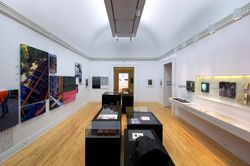
Sense of the City
Sense of the City
Actions:
Description:
Sense of the City explores urban phenomena and perceptions of the city which have traditionally been ignored, repressed, or maligned. Challenging the dominance of the visual in the urban environment, the exhibition proposes a re-thinking of latent qualities of the city, offering complex analyses of the comforts, communication systems, and sensory dimensions of urban(...)
Sense of the City explores urban phenomena and perceptions of the city which have traditionally been ignored, repressed, or maligned. Challenging the dominance of the visual in the urban environment, the exhibition proposes a re-thinking of latent qualities of the city, offering complex analyses of the comforts, communication systems, and sensory dimensions of urban(...)
Location:
Main galleries
Main galleries
Date:
26 October 2005 to 10 September 2006
26 October 2005 to 10 September 2006
Title:
Sense of the City
Actions:
Description:
Sense of the City explores urban phenomena and perceptions of the city which have traditionally been ignored, repressed, or maligned. Challenging the dominance of the visual in the urban environment, the exhibition proposes a re-thinking of latent qualities of the city, offering complex analyses of the comforts, communication systems, and sensory dimensions of urban(...)
Sense of the City
Actions:
Description:
Sense of the City explores urban phenomena and perceptions of the city which have traditionally been ignored, repressed, or maligned. Challenging the dominance of the visual in the urban environment, the exhibition proposes a re-thinking of latent qualities of the city, offering complex analyses of the comforts, communication systems, and sensory dimensions of urban(...)
Form:
exhibitions
exhibitions
Date:
26 October 2005 to
10 September 2006
26 October 2005 to
10 September 2006
Location:
Main galleries
Main galleries
Form:
events
events
Actions:
Description:
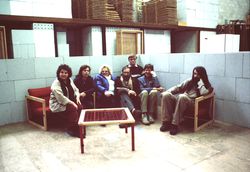
Following an intense period of work in the mid-1970s with Portugal’s post-revolutionary housing initiatives, in the early 1980s Álvaro Siza contributed projects to two of the most important urban renewal programs in Europe: Berlin’s IBA and The Hague’s Stadsvernieuwing als Kulturel Aktiviteit (Urban Renewal as a Cultural Activity). This lecture will examine the(...)
Following an intense period of work in the mid-1970s with Portugal’s post-revolutionary housing initiatives, in the early 1980s Álvaro Siza contributed projects to two of the most important urban renewal programs in Europe: Berlin’s IBA and The Hague’s Stadsvernieuwing als Kulturel Aktiviteit (Urban Renewal as a Cultural Activity). This lecture will examine the(...)
Date:
26 November 2015
26 November 2015
Title:
Álvaro Siza’s Archaeology of the Ordinary
Actions:
Description:
Following an intense period of work in the mid-1970s with Portugal’s post-revolutionary housing initiatives, in the early 1980s Álvaro Siza contributed projects to two of the most important urban renewal programs in Europe: Berlin’s IBA and The Hague’s Stadsvernieuwing als Kulturel Aktiviteit (Urban Renewal as a Cultural Activity). This lecture will examine the(...)
Álvaro Siza’s Archaeology of the Ordinary
Actions:
Description:
Following an intense period of work in the mid-1970s with Portugal’s post-revolutionary housing initiatives, in the early 1980s Álvaro Siza contributed projects to two of the most important urban renewal programs in Europe: Berlin’s IBA and The Hague’s Stadsvernieuwing als Kulturel Aktiviteit (Urban Renewal as a Cultural Activity). This lecture will examine the(...)
Form:
events
events
Date:
26 November 2015
26 November 2015
Form:
events
events
Title:
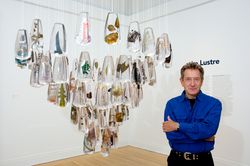
Gilles Clément
Gilles Clément
Actions:
Description:
French horticultural engineer and landscape architect Gilles Clément presents his projects and theories in the context of the CCA exhibition Environment: Approaches for Tomorrow (2006). The exhibition proposes a shift in perspective that takes the environment, and not human demands on the environment, as the starting point for reflection. Clément has designed numerous(...)
French horticultural engineer and landscape architect Gilles Clément presents his projects and theories in the context of the CCA exhibition Environment: Approaches for Tomorrow (2006). The exhibition proposes a shift in perspective that takes the environment, and not human demands on the environment, as the starting point for reflection. Clément has designed numerous(...)
Location:
Paul Desmarais Theatre
Paul Desmarais Theatre
Date:
19 October 2006
19 October 2006
Title:
Gilles Clément
Actions:
Description:
French horticultural engineer and landscape architect Gilles Clément presents his projects and theories in the context of the CCA exhibition Environment: Approaches for Tomorrow (2006). The exhibition proposes a shift in perspective that takes the environment, and not human demands on the environment, as the starting point for reflection. Clément has designed numerous(...)
Gilles Clément
Actions:
Description:
French horticultural engineer and landscape architect Gilles Clément presents his projects and theories in the context of the CCA exhibition Environment: Approaches for Tomorrow (2006). The exhibition proposes a shift in perspective that takes the environment, and not human demands on the environment, as the starting point for reflection. Clément has designed numerous(...)
Form:
events
events
Date:
19 October 2006
19 October 2006
Location:
Paul Desmarais Theatre
Paul Desmarais Theatre
Form:
archives
Level of archival description:
Fonds
archives
Level of archival description:
Fonds
Title:
Bernard Tschumi fonds
Bernard Tschumi fonds
Actions:
Reference number:
AP214
Synopsis:
The Bernard Tschumi fonds, dating from approximately 1965-2015, documents the professional activities of Bernard Tschumi including Tschumi’s career in academia and his professional practice as an architect through approximately 75 projects dating from the late 1980s to 2012.
AP214
Synopsis:
The Bernard Tschumi fonds, dating from approximately 1965-2015, documents the professional activities of Bernard Tschumi including Tschumi’s career in academia and his professional practice as an architect through approximately 75 projects dating from the late 1980s to 2012.
People:
Date:
circa 1964-2015
circa 1964-2015
Title:
Bernard Tschumi fonds
Actions:
AP214
Synopsis:
The Bernard Tschumi fonds, dating from approximately 1965-2015, documents the professional activities of Bernard Tschumi including Tschumi’s career in academia and his professional practice as an architect through approximately 75 projects dating from the late 1980s to 2012.
Bernard Tschumi fonds
Actions:
AP214
Synopsis:
The Bernard Tschumi fonds, dating from approximately 1965-2015, documents the professional activities of Bernard Tschumi including Tschumi’s career in academia and his professional practice as an architect through approximately 75 projects dating from the late 1980s to 2012.
Form:
archives
Level of archival description:
Fonds
archives
Level of archival description:
Fonds
Date:
circa 1964-2015
circa 1964-2015
People:
Form:
events
events
Title:
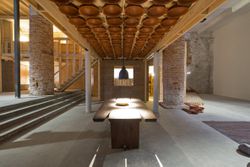
Building Knowledge
Building Knowledge
Actions:
Description:
This lecture discusses a range of projects from Anupama Kundoo’s practice, research, and teaching. In these distinct but complementary areas of her work, she attempts to build collective knowledge in collaboration with engineers, masons, craftsmen, infrastructure providers, residents, material suppliers, and all other stakeholders involved in constructing and occupying(...)
This lecture discusses a range of projects from Anupama Kundoo’s practice, research, and teaching. In these distinct but complementary areas of her work, she attempts to build collective knowledge in collaboration with engineers, masons, craftsmen, infrastructure providers, residents, material suppliers, and all other stakeholders involved in constructing and occupying(...)
Location:
Paul-Desmarais Theatre
Paul-Desmarais Theatre
Date:
16 April 2015 , 6pm
16 April 2015 , 6pm
Title:
Building Knowledge
Actions:
Description:
This lecture discusses a range of projects from Anupama Kundoo’s practice, research, and teaching. In these distinct but complementary areas of her work, she attempts to build collective knowledge in collaboration with engineers, masons, craftsmen, infrastructure providers, residents, material suppliers, and all other stakeholders involved in constructing and occupying(...)
Building Knowledge
Actions:
Description:
This lecture discusses a range of projects from Anupama Kundoo’s practice, research, and teaching. In these distinct but complementary areas of her work, she attempts to build collective knowledge in collaboration with engineers, masons, craftsmen, infrastructure providers, residents, material suppliers, and all other stakeholders involved in constructing and occupying(...)
Form:
events
events
Date:
16 April 2015
6pm
16 April 2015
6pm
Location:
Paul-Desmarais Theatre
Paul-Desmarais Theatre
Quantity:
21 videocassette(s)
21 videocassette(s)
Actions:
Reference number:
DR1999:0363
Description:
videocassettes include: - 8 mm - undated - Mercator Madrid Pal System - 2/17/94 - Affect, Singularity, Aggregation - April 7th, 1994 - P.E. Penn State - Mica T.V " The New Urban Landscape Exhibition" - Rovereto - TVR - Tokyo Koizumi July 3rd - P.E. Affect Singularity, Aggregation - 4D view - Colegio Oficial De Arquitectos De Madrid - Peter Eisenman - Kinetic Designs Inc. Michael O´Malley - Togo Murano, His House and Other Works - Columbus Convention Center, News & Weather report - P.E. on Charlie Rose - Eisenman Architecture, What a Wonderful World - Banyoles Al Costat de Barcelona - Koizumi - unknown title 88/8/3 - unknown (X2)
DR1999:0363
Description:
videocassettes include: - 8 mm - undated - Mercator Madrid Pal System - 2/17/94 - Affect, Singularity, Aggregation - April 7th, 1994 - P.E. Penn State - Mica T.V " The New Urban Landscape Exhibition" - Rovereto - TVR - Tokyo Koizumi July 3rd - P.E. Affect Singularity, Aggregation - 4D view - Colegio Oficial De Arquitectos De Madrid - Peter Eisenman - Kinetic Designs Inc. Michael O´Malley - Togo Murano, His House and Other Works - Columbus Convention Center, News & Weather report - P.E. on Charlie Rose - Eisenman Architecture, What a Wonderful World - Banyoles Al Costat de Barcelona - Koizumi - unknown title 88/8/3 - unknown (X2)
People:
Title:
Lectures about Wexner Center, Colombus, Ohio and Banyoles Olympic Hotel, Banyoles, Spain and other projects
Actions:
DR1999:0363
Description:
videocassettes include: - 8 mm - undated - Mercator Madrid Pal System - 2/17/94 - Affect, Singularity, Aggregation - April 7th, 1994 - P.E. Penn State - Mica T.V " The New Urban Landscape Exhibition" - Rovereto - TVR - Tokyo Koizumi July 3rd - P.E. Affect Singularity, Aggregation - 4D view - Colegio Oficial De Arquitectos De Madrid - Peter Eisenman - Kinetic Designs Inc. Michael O´Malley - Togo Murano, His House and Other Works - Columbus Convention Center, News & Weather report - P.E. on Charlie Rose - Eisenman Architecture, What a Wonderful World - Banyoles Al Costat de Barcelona - Koizumi - unknown title 88/8/3 - unknown (X2)
Lectures about Wexner Center, Colombus, Ohio and Banyoles Olympic Hotel, Banyoles, Spain and other projects
Actions:
DR1999:0363
Description:
videocassettes include: - 8 mm - undated - Mercator Madrid Pal System - 2/17/94 - Affect, Singularity, Aggregation - April 7th, 1994 - P.E. Penn State - Mica T.V " The New Urban Landscape Exhibition" - Rovereto - TVR - Tokyo Koizumi July 3rd - P.E. Affect Singularity, Aggregation - 4D view - Colegio Oficial De Arquitectos De Madrid - Peter Eisenman - Kinetic Designs Inc. Michael O´Malley - Togo Murano, His House and Other Works - Columbus Convention Center, News & Weather report - P.E. on Charlie Rose - Eisenman Architecture, What a Wonderful World - Banyoles Al Costat de Barcelona - Koizumi - unknown title 88/8/3 - unknown (X2)
Quantity:
21 videocassette(s)
21 videocassette(s)
People:
Form:
exhibitions
exhibitions
Title:
Toy Town
Toy Town
Actions:
Description:
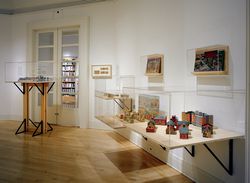
Toy Town explores how villages, towns, and cities have been represented in toys from Europe and North America. Drawn from CCA’s collection of architectural toys and games, the twenty-nine toys reflect shifting social values and different approaches to the design, organisation, and planning of communities in the nineteenth and twentieth centuries. Toy Town is the sixth in(...)
Toy Town explores how villages, towns, and cities have been represented in toys from Europe and North America. Drawn from CCA’s collection of architectural toys and games, the twenty-nine toys reflect shifting social values and different approaches to the design, organisation, and planning of communities in the nineteenth and twentieth centuries. Toy Town is the sixth in(...)
Location:
Octagonal gallery
Octagonal gallery
Date:
22 October 1997 to 31 May 1998
22 October 1997 to 31 May 1998
Title:
Toy Town
Actions:
Description:
Toy Town explores how villages, towns, and cities have been represented in toys from Europe and North America. Drawn from CCA’s collection of architectural toys and games, the twenty-nine toys reflect shifting social values and different approaches to the design, organisation, and planning of communities in the nineteenth and twentieth centuries. Toy Town is the sixth in(...)
Toy Town
Actions:
Description:
Toy Town explores how villages, towns, and cities have been represented in toys from Europe and North America. Drawn from CCA’s collection of architectural toys and games, the twenty-nine toys reflect shifting social values and different approaches to the design, organisation, and planning of communities in the nineteenth and twentieth centuries. Toy Town is the sixth in(...)
Form:
exhibitions
exhibitions
Date:
22 October 1997 to
31 May 1998
22 October 1997 to
31 May 1998
Location:
Octagonal gallery
Octagonal gallery
Form:
events
events
Title:
Bas Princen: Volcano Walks
Bas Princen: Volcano Walks
Actions:
Description:
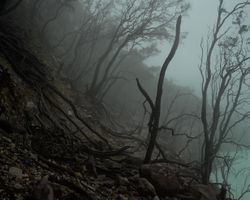
In this artist’s talk, Bas Princen will discuss the current status of the 17 Volcanoes project and explore the resonances between the works of Franz Wilhelm Junghuhn, works by early-twentieth-century Dutch photographers in Java (like van Nieuwenhuis), and his own practice. Although discovering new places seems impossible today, the talk takes as a point of departure the(...)
In this artist’s talk, Bas Princen will discuss the current status of the 17 Volcanoes project and explore the resonances between the works of Franz Wilhelm Junghuhn, works by early-twentieth-century Dutch photographers in Java (like van Nieuwenhuis), and his own practice. Although discovering new places seems impossible today, the talk takes as a point of departure the(...)
Date:
15 October 2016, 3pm
15 October 2016, 3pm
Title:
Bas Princen: Volcano Walks
Actions:
Description:
In this artist’s talk, Bas Princen will discuss the current status of the 17 Volcanoes project and explore the resonances between the works of Franz Wilhelm Junghuhn, works by early-twentieth-century Dutch photographers in Java (like van Nieuwenhuis), and his own practice. Although discovering new places seems impossible today, the talk takes as a point of departure the(...)
Bas Princen: Volcano Walks
Actions:
Description:
In this artist’s talk, Bas Princen will discuss the current status of the 17 Volcanoes project and explore the resonances between the works of Franz Wilhelm Junghuhn, works by early-twentieth-century Dutch photographers in Java (like van Nieuwenhuis), and his own practice. Although discovering new places seems impossible today, the talk takes as a point of departure the(...)
Form:
events
events
Date:
15 October 2016
3pm
15 October 2016
3pm


