


40924 Results
Form:
events
events
Description:
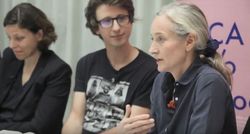
The CCA hosts an afternoon of discussion in Lisbon around the work of Cedric Price on the occasion of the exhibition Obra / Building Site, which features Price’s McAppy project as part of the fourth Lisbon Triennale, The Form of Form, and of the publication of Cedric Price Works 1952–2003: A Forward-Minded Retrospective. A launch of the book will follow at 6pm. This event(...)
The CCA hosts an afternoon of discussion in Lisbon around the work of Cedric Price on the occasion of the exhibition Obra / Building Site, which features Price’s McAppy project as part of the fourth Lisbon Triennale, The Form of Form, and of the publication of Cedric Price Works 1952–2003: A Forward-Minded Retrospective. A launch of the book will follow at 6pm. This event(...)
Location:
Travessa do Cabo, 10-12. Lisbon
Travessa do Cabo, 10-12. Lisbon
Date:
22 October 2016
22 October 2016
Title:
An Afternoon with Cedric Price no. 1
Actions:
Description:
The CCA hosts an afternoon of discussion in Lisbon around the work of Cedric Price on the occasion of the exhibition Obra / Building Site, which features Price’s McAppy project as part of the fourth Lisbon Triennale, The Form of Form, and of the publication of Cedric Price Works 1952–2003: A Forward-Minded Retrospective. A launch of the book will follow at 6pm. This event(...)
An Afternoon with Cedric Price no. 1
Actions:
Description:
The CCA hosts an afternoon of discussion in Lisbon around the work of Cedric Price on the occasion of the exhibition Obra / Building Site, which features Price’s McAppy project as part of the fourth Lisbon Triennale, The Form of Form, and of the publication of Cedric Price Works 1952–2003: A Forward-Minded Retrospective. A launch of the book will follow at 6pm. This event(...)
Form:
events
events
Date:
22 October 2016
22 October 2016
Location:
Travessa do Cabo, 10-12. Lisbon
Travessa do Cabo, 10-12. Lisbon
Form:
articles
articles
Title:
Still the Housing Question
Still the Housing Question
Actions:
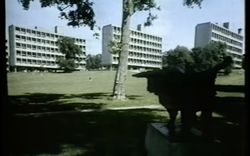
Joaquim Moreno reviews one of the episodes of the Open University’s course A305, History of Architecture and Design 1890–1939
Published:
27 July 2026
27 July 2026
Title:
Still the Housing Question
Joaquim Moreno reviews one of the episodes of the Open University’s course A305, History of Architecture and Design 1890–1939
Actions:
Still the Housing Question
Joaquim Moreno reviews one of the episodes of the Open University’s course A305, History of Architecture and Design 1890–1939
Actions:
Form:
drawings
drawings
Actions:
Reference number:
DR1988:0357
Description:
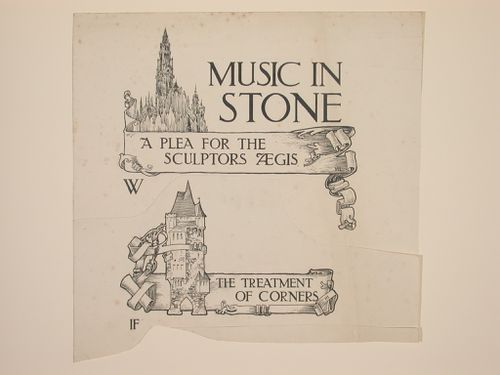
- These reprographic copies show two headings, possibly chapters of a book or article. Both headings were written inside scrolled borders which also incorporate small drawings of buildings. - The style of many of these drawings and reprographic copies by Henry Hyams (DR1988:0332 - DR1988:0414) suggests that they were possibly for periodical illustrations. Hyams contributed articles to the periodicals 'The Builder' and 'The Architect'. Two objects in the CCA collections can be linked to the article "Music in Stone" published prior to 1926 in 'The Architect'; a reprographic copy (DR1988:0357) and a drawing (DR1988:0364) (Who's Who in Architecture, 161).
DR1988:0357
Description:
- These reprographic copies show two headings, possibly chapters of a book or article. Both headings were written inside scrolled borders which also incorporate small drawings of buildings. - The style of many of these drawings and reprographic copies by Henry Hyams (DR1988:0332 - DR1988:0414) suggests that they were possibly for periodical illustrations. Hyams contributed articles to the periodicals 'The Builder' and 'The Architect'. Two objects in the CCA collections can be linked to the article "Music in Stone" published prior to 1926 in 'The Architect'; a reprographic copy (DR1988:0357) and a drawing (DR1988:0364) (Who's Who in Architecture, 161).
People:
Subject:
architecture
architecture
Date:
printed in the 1920s ?
printed in the 1920s ?
Title:
Layout for the head titles "Music in stone..." and "The treatment of corners"
Actions:
DR1988:0357
Description:
- These reprographic copies show two headings, possibly chapters of a book or article. Both headings were written inside scrolled borders which also incorporate small drawings of buildings. - The style of many of these drawings and reprographic copies by Henry Hyams (DR1988:0332 - DR1988:0414) suggests that they were possibly for periodical illustrations. Hyams contributed articles to the periodicals 'The Builder' and 'The Architect'. Two objects in the CCA collections can be linked to the article "Music in Stone" published prior to 1926 in 'The Architect'; a reprographic copy (DR1988:0357) and a drawing (DR1988:0364) (Who's Who in Architecture, 161).
Layout for the head titles "Music in stone..." and "The treatment of corners"
Actions:
DR1988:0357
Description:
- These reprographic copies show two headings, possibly chapters of a book or article. Both headings were written inside scrolled borders which also incorporate small drawings of buildings. - The style of many of these drawings and reprographic copies by Henry Hyams (DR1988:0332 - DR1988:0414) suggests that they were possibly for periodical illustrations. Hyams contributed articles to the periodicals 'The Builder' and 'The Architect'. Two objects in the CCA collections can be linked to the article "Music in Stone" published prior to 1926 in 'The Architect'; a reprographic copy (DR1988:0357) and a drawing (DR1988:0364) (Who's Who in Architecture, 161).
Form:
drawings
drawings
Date:
printed in the 1920s ?
printed in the 1920s ?
People:
Subject:
architecture
architecture
Form:
textual records
textual records
Actions:
Reference number:
DR2001:0032
Description:
documents include miscellaneous personal papers, 1982-92: correspondence, June 92-present, dead Files, 1990 and 1991. File folder entitled "Preliminary Texts for House VI Book" [but no files on this subject] - miscellaneous papers and correspondence, Berlin project, Lecture 1983, Internal office memos. File folder containing PDE personal accounts - medical, insurance, legal, etc. File folder with 6 files on miscellaneous topics - proposals for services, memos, correspondence, grant applications, etc. File folder containing 4 files: transcripts of Interview between Robert Hughes and Peter Eisenman, correspondence 1982, correspondence 1982-84,"Five Architects" - papers concerning legal action.
DR2001:0032
Description:
documents include miscellaneous personal papers, 1982-92: correspondence, June 92-present, dead Files, 1990 and 1991. File folder entitled "Preliminary Texts for House VI Book" [but no files on this subject] - miscellaneous papers and correspondence, Berlin project, Lecture 1983, Internal office memos. File folder containing PDE personal accounts - medical, insurance, legal, etc. File folder with 6 files on miscellaneous topics - proposals for services, memos, correspondence, grant applications, etc. File folder containing 4 files: transcripts of Interview between Robert Hughes and Peter Eisenman, correspondence 1982, correspondence 1982-84,"Five Architects" - papers concerning legal action.
People:
Title:
Miscellaneous personal papers
Actions:
DR2001:0032
Description:
documents include miscellaneous personal papers, 1982-92: correspondence, June 92-present, dead Files, 1990 and 1991. File folder entitled "Preliminary Texts for House VI Book" [but no files on this subject] - miscellaneous papers and correspondence, Berlin project, Lecture 1983, Internal office memos. File folder containing PDE personal accounts - medical, insurance, legal, etc. File folder with 6 files on miscellaneous topics - proposals for services, memos, correspondence, grant applications, etc. File folder containing 4 files: transcripts of Interview between Robert Hughes and Peter Eisenman, correspondence 1982, correspondence 1982-84,"Five Architects" - papers concerning legal action.
Miscellaneous personal papers
Actions:
DR2001:0032
Description:
documents include miscellaneous personal papers, 1982-92: correspondence, June 92-present, dead Files, 1990 and 1991. File folder entitled "Preliminary Texts for House VI Book" [but no files on this subject] - miscellaneous papers and correspondence, Berlin project, Lecture 1983, Internal office memos. File folder containing PDE personal accounts - medical, insurance, legal, etc. File folder with 6 files on miscellaneous topics - proposals for services, memos, correspondence, grant applications, etc. File folder containing 4 files: transcripts of Interview between Robert Hughes and Peter Eisenman, correspondence 1982, correspondence 1982-84,"Five Architects" - papers concerning legal action.
Form:
textual records
textual records
People:
Form:
archives
Level of archival description:
Fonds
archives
Level of archival description:
Fonds
Title:
Joseph Rykwert fonds
Joseph Rykwert fonds
Reference number:
AP209
Synopsis:
The Joseph Rykwert fonds, 1928-2022, documents Joseph Rykwert’s career as an architectural historian, author and professor. The fonds includes the records for over a dozen monographs written between the mid-1960s and the mid-2010s as well as edited works and articles, and details his teaching and lecturing activities from the 1960s onwards in universities in Europe and the United States. The records highlight Joseph Rykwert’s multidisciplinary approach, which involved archaeology, anthropology and psychoanalysis in his study of the history and theory of architecture and of the urban form. The fonds is composed of textual records, publications and ephemera, and of photographs including multiple albums and a large number of slides; the fonds also documents Joseph Rykwert’s career as an independent designer through drawings realized between the late 1940s and the late 1970s.
AP209
Synopsis:
The Joseph Rykwert fonds, 1928-2022, documents Joseph Rykwert’s career as an architectural historian, author and professor. The fonds includes the records for over a dozen monographs written between the mid-1960s and the mid-2010s as well as edited works and articles, and details his teaching and lecturing activities from the 1960s onwards in universities in Europe and the United States. The records highlight Joseph Rykwert’s multidisciplinary approach, which involved archaeology, anthropology and psychoanalysis in his study of the history and theory of architecture and of the urban form. The fonds is composed of textual records, publications and ephemera, and of photographs including multiple albums and a large number of slides; the fonds also documents Joseph Rykwert’s career as an independent designer through drawings realized between the late 1940s and the late 1970s.
People:
Date:
1928-2022
1928-2022
Title:
Joseph Rykwert fonds
Actions:
AP209
Synopsis:
The Joseph Rykwert fonds, 1928-2022, documents Joseph Rykwert’s career as an architectural historian, author and professor. The fonds includes the records for over a dozen monographs written between the mid-1960s and the mid-2010s as well as edited works and articles, and details his teaching and lecturing activities from the 1960s onwards in universities in Europe and the United States. The records highlight Joseph Rykwert’s multidisciplinary approach, which involved archaeology, anthropology and psychoanalysis in his study of the history and theory of architecture and of the urban form. The fonds is composed of textual records, publications and ephemera, and of photographs including multiple albums and a large number of slides; the fonds also documents Joseph Rykwert’s career as an independent designer through drawings realized between the late 1940s and the late 1970s.
Joseph Rykwert fonds
Actions:
AP209
Synopsis:
The Joseph Rykwert fonds, 1928-2022, documents Joseph Rykwert’s career as an architectural historian, author and professor. The fonds includes the records for over a dozen monographs written between the mid-1960s and the mid-2010s as well as edited works and articles, and details his teaching and lecturing activities from the 1960s onwards in universities in Europe and the United States. The records highlight Joseph Rykwert’s multidisciplinary approach, which involved archaeology, anthropology and psychoanalysis in his study of the history and theory of architecture and of the urban form. The fonds is composed of textual records, publications and ephemera, and of photographs including multiple albums and a large number of slides; the fonds also documents Joseph Rykwert’s career as an independent designer through drawings realized between the late 1940s and the late 1970s.
Form:
archives
Level of archival description:
Fonds
archives
Level of archival description:
Fonds
Date:
1928-2022
1928-2022
People:
Level of archival description:
Project
Project
Reference number:
AP148.S1.1972.PR01
Description:
Project series documents Poli's research and design work on his major project about a peasant farmer named Zeno from Riparbella. This project, entitled "Zeno, una cultura autosufficiente," was presented at the 1978 Venice Biennale with Superstudio as "La Coscienza di Zeno (Zeno's consciousness)". The project also appears to have some overlap with another research project in which Poli and other members of Superstudio were involved: Culture materiale extraurbane. This involved research and the development of a course in the architecture programme at the University of Florence on research into traditional tools and other aspects of rural material culture. The research work on rural culture was published in the magazine Modo (no.7) in March 1978. The Zeno project reflects a major project in Poli's output, with work beginning on it in 1972 and into 1980. There are numerous narratives at work in this project. There is the narrative of Zeno's relationship to the small house built by his grandfather and in which he was born, and has always lived. Alongside this, is Poli's interest in Zeno's relationship to his tools, his clothes, all the material elements of his life in the only house he has ever known. The fictional narrative that Poli weaves into this project involves an imagined encounter between Zeno and astronaut Buzz Aldrin. Poli's fascination with Zeno's material culture extends into a comparison of these two men and their physical interactions with their worlds: both self-sufficient capsules of a kind. Material in this project includes a large number of drawings and collages depicting different domestic and working spaces and tools in Zeno's life. A number of these drawings feature artefacts, such as cloth pillowcases, metal pieces, and a rope. In addition, the project series includes a number of physical artefacts, such as tools and even Zeno's door. A notable element in this series is an artist book by Poli which features a catalogue or register of elements in Zeno's life, detailing everything about his spaces, his working days, and even the food he eats.
AP148.S1.1972.PR01
Description:
Project series documents Poli's research and design work on his major project about a peasant farmer named Zeno from Riparbella. This project, entitled "Zeno, una cultura autosufficiente," was presented at the 1978 Venice Biennale with Superstudio as "La Coscienza di Zeno (Zeno's consciousness)". The project also appears to have some overlap with another research project in which Poli and other members of Superstudio were involved: Culture materiale extraurbane. This involved research and the development of a course in the architecture programme at the University of Florence on research into traditional tools and other aspects of rural material culture. The research work on rural culture was published in the magazine Modo (no.7) in March 1978. The Zeno project reflects a major project in Poli's output, with work beginning on it in 1972 and into 1980. There are numerous narratives at work in this project. There is the narrative of Zeno's relationship to the small house built by his grandfather and in which he was born, and has always lived. Alongside this, is Poli's interest in Zeno's relationship to his tools, his clothes, all the material elements of his life in the only house he has ever known. The fictional narrative that Poli weaves into this project involves an imagined encounter between Zeno and astronaut Buzz Aldrin. Poli's fascination with Zeno's material culture extends into a comparison of these two men and their physical interactions with their worlds: both self-sufficient capsules of a kind. Material in this project includes a large number of drawings and collages depicting different domestic and working spaces and tools in Zeno's life. A number of these drawings feature artefacts, such as cloth pillowcases, metal pieces, and a rope. In addition, the project series includes a number of physical artefacts, such as tools and even Zeno's door. A notable element in this series is an artist book by Poli which features a catalogue or register of elements in Zeno's life, detailing everything about his spaces, his working days, and even the food he eats.
People:
Date:
1972-1980
1972-1980
Title:
Zeno, una cultura autosufficiente [Zeno, a self-sufficient culture] (1972-1980)
Actions:
AP148.S1.1972.PR01
Description:
Project series documents Poli's research and design work on his major project about a peasant farmer named Zeno from Riparbella. This project, entitled "Zeno, una cultura autosufficiente," was presented at the 1978 Venice Biennale with Superstudio as "La Coscienza di Zeno (Zeno's consciousness)". The project also appears to have some overlap with another research project in which Poli and other members of Superstudio were involved: Culture materiale extraurbane. This involved research and the development of a course in the architecture programme at the University of Florence on research into traditional tools and other aspects of rural material culture. The research work on rural culture was published in the magazine Modo (no.7) in March 1978. The Zeno project reflects a major project in Poli's output, with work beginning on it in 1972 and into 1980. There are numerous narratives at work in this project. There is the narrative of Zeno's relationship to the small house built by his grandfather and in which he was born, and has always lived. Alongside this, is Poli's interest in Zeno's relationship to his tools, his clothes, all the material elements of his life in the only house he has ever known. The fictional narrative that Poli weaves into this project involves an imagined encounter between Zeno and astronaut Buzz Aldrin. Poli's fascination with Zeno's material culture extends into a comparison of these two men and their physical interactions with their worlds: both self-sufficient capsules of a kind. Material in this project includes a large number of drawings and collages depicting different domestic and working spaces and tools in Zeno's life. A number of these drawings feature artefacts, such as cloth pillowcases, metal pieces, and a rope. In addition, the project series includes a number of physical artefacts, such as tools and even Zeno's door. A notable element in this series is an artist book by Poli which features a catalogue or register of elements in Zeno's life, detailing everything about his spaces, his working days, and even the food he eats.
Zeno, una cultura autosufficiente [Zeno, a self-sufficient culture] (1972-1980)
Actions:
AP148.S1.1972.PR01
Description:
Project series documents Poli's research and design work on his major project about a peasant farmer named Zeno from Riparbella. This project, entitled "Zeno, una cultura autosufficiente," was presented at the 1978 Venice Biennale with Superstudio as "La Coscienza di Zeno (Zeno's consciousness)". The project also appears to have some overlap with another research project in which Poli and other members of Superstudio were involved: Culture materiale extraurbane. This involved research and the development of a course in the architecture programme at the University of Florence on research into traditional tools and other aspects of rural material culture. The research work on rural culture was published in the magazine Modo (no.7) in March 1978. The Zeno project reflects a major project in Poli's output, with work beginning on it in 1972 and into 1980. There are numerous narratives at work in this project. There is the narrative of Zeno's relationship to the small house built by his grandfather and in which he was born, and has always lived. Alongside this, is Poli's interest in Zeno's relationship to his tools, his clothes, all the material elements of his life in the only house he has ever known. The fictional narrative that Poli weaves into this project involves an imagined encounter between Zeno and astronaut Buzz Aldrin. Poli's fascination with Zeno's material culture extends into a comparison of these two men and their physical interactions with their worlds: both self-sufficient capsules of a kind. Material in this project includes a large number of drawings and collages depicting different domestic and working spaces and tools in Zeno's life. A number of these drawings feature artefacts, such as cloth pillowcases, metal pieces, and a rope. In addition, the project series includes a number of physical artefacts, such as tools and even Zeno's door. A notable element in this series is an artist book by Poli which features a catalogue or register of elements in Zeno's life, detailing everything about his spaces, his working days, and even the food he eats.
Level of archival description:
Project
Project
Date:
1972-1980
1972-1980
People:
Form:
events
events
Actions:
Description:
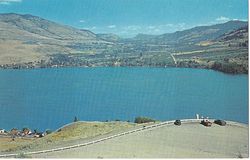
Ben Bradley presents how the automobile shaped how Canadians encountered their country during the 20th century. As thousands and then millions came to know Canada by motoring, their travel patterns, viewing habits, and tastes shaped and reshaped the places they passed through. Canada’s roads came to be festooned with scenic pullouts, viewpoints, and a constellation of(...)
Ben Bradley presents how the automobile shaped how Canadians encountered their country during the 20th century. As thousands and then millions came to know Canada by motoring, their travel patterns, viewing habits, and tastes shaped and reshaped the places they passed through. Canada’s roads came to be festooned with scenic pullouts, viewpoints, and a constellation of(...)
Location:
Paul Desmarais Theatre Keyword(s):
Canada, environment, Bradley, It's all happening so fast, roadside
Paul Desmarais Theatre Keyword(s):
Canada, environment, Bradley, It's all happening so fast, roadside
Date:
23 February 2017, 6pm
23 February 2017, 6pm
Title:
Making Canada a Roadside Attraction
Actions:
Description:
Ben Bradley presents how the automobile shaped how Canadians encountered their country during the 20th century. As thousands and then millions came to know Canada by motoring, their travel patterns, viewing habits, and tastes shaped and reshaped the places they passed through. Canada’s roads came to be festooned with scenic pullouts, viewpoints, and a constellation of(...)
Making Canada a Roadside Attraction
Actions:
Description:
Ben Bradley presents how the automobile shaped how Canadians encountered their country during the 20th century. As thousands and then millions came to know Canada by motoring, their travel patterns, viewing habits, and tastes shaped and reshaped the places they passed through. Canada’s roads came to be festooned with scenic pullouts, viewpoints, and a constellation of(...)
Form:
events
events
Date:
23 February 2017
6pm
23 February 2017
6pm
Location:
Paul Desmarais Theatre Keyword(s):
Canada, environment, Bradley, It's all happening so fast, roadside
Paul Desmarais Theatre Keyword(s):
Canada, environment, Bradley, It's all happening so fast, roadside
Form:
events
events

Title:
Learning from... Montréal
Learning from... Montréal
Actions:
Description:
Lance Blomgren uses his 2009 book Walkups—a novella set entirely within Montréal’s row house apartment buildings—as a springboard for an analysis of the discursive plane of fictional architecture. Looking at works by John Hejduk, Ilya Kabakov, Alice Aycock and others, Blomgren argues that contemporary modes of speculative architecture offer a vital, if ethically fraught,(...)
Lance Blomgren uses his 2009 book Walkups—a novella set entirely within Montréal’s row house apartment buildings—as a springboard for an analysis of the discursive plane of fictional architecture. Looking at works by John Hejduk, Ilya Kabakov, Alice Aycock and others, Blomgren argues that contemporary modes of speculative architecture offer a vital, if ethically fraught,(...)
Location:
Paul-Desmarais Theatre
Paul-Desmarais Theatre
Date:
2 May 2013 , 7pm
2 May 2013 , 7pm
Title:
Learning from... Montréal
Actions:
Description:
Lance Blomgren uses his 2009 book Walkups—a novella set entirely within Montréal’s row house apartment buildings—as a springboard for an analysis of the discursive plane of fictional architecture. Looking at works by John Hejduk, Ilya Kabakov, Alice Aycock and others, Blomgren argues that contemporary modes of speculative architecture offer a vital, if ethically fraught,(...)
Learning from... Montréal
Actions:
Description:
Lance Blomgren uses his 2009 book Walkups—a novella set entirely within Montréal’s row house apartment buildings—as a springboard for an analysis of the discursive plane of fictional architecture. Looking at works by John Hejduk, Ilya Kabakov, Alice Aycock and others, Blomgren argues that contemporary modes of speculative architecture offer a vital, if ethically fraught,(...)
Form:
events
events
Date:
2 May 2013
7pm
2 May 2013
7pm
Location:
Paul-Desmarais Theatre
Paul-Desmarais Theatre
Form:
textual records
textual records
Reference number:
DR1995:0188:936-1056
Description:
correspondence, and four folders that include, building programme, poster, land use application, site plans, 1966 flyer of Glasgow Fun Palace, report on Pilot Project, trust deed, report on proposed arts centre in Manchester, notes and sketches on architectural sketches, report on Fun Palace Project, drawings, minutes of meeting, cost estimate for Pilot Project, photographs, draft notes on Children's Learning Garden, financial record of Summer Fair 1974, planning application forms, sketches of temporary project at Salway and Great Eastern Roads, grant application, questionnaire, report on land redevelopment, 'Bubble City' publication by Joan Littlewood, renovation proposal for Theatre Royal, poster, kids village colouring book, and application for children's playground
DR1995:0188:936-1056
Description:
correspondence, and four folders that include, building programme, poster, land use application, site plans, 1966 flyer of Glasgow Fun Palace, report on Pilot Project, trust deed, report on proposed arts centre in Manchester, notes and sketches on architectural sketches, report on Fun Palace Project, drawings, minutes of meeting, cost estimate for Pilot Project, photographs, draft notes on Children's Learning Garden, financial record of Summer Fair 1974, planning application forms, sketches of temporary project at Salway and Great Eastern Roads, grant application, questionnaire, report on land redevelopment, 'Bubble City' publication by Joan Littlewood, renovation proposal for Theatre Royal, poster, kids village colouring book, and application for children's playground
People:
Title:
Correspondence, and four folders that include, building programme
Actions:
DR1995:0188:936-1056
Description:
correspondence, and four folders that include, building programme, poster, land use application, site plans, 1966 flyer of Glasgow Fun Palace, report on Pilot Project, trust deed, report on proposed arts centre in Manchester, notes and sketches on architectural sketches, report on Fun Palace Project, drawings, minutes of meeting, cost estimate for Pilot Project, photographs, draft notes on Children's Learning Garden, financial record of Summer Fair 1974, planning application forms, sketches of temporary project at Salway and Great Eastern Roads, grant application, questionnaire, report on land redevelopment, 'Bubble City' publication by Joan Littlewood, renovation proposal for Theatre Royal, poster, kids village colouring book, and application for children's playground
Correspondence, and four folders that include, building programme
Actions:
DR1995:0188:936-1056
Description:
correspondence, and four folders that include, building programme, poster, land use application, site plans, 1966 flyer of Glasgow Fun Palace, report on Pilot Project, trust deed, report on proposed arts centre in Manchester, notes and sketches on architectural sketches, report on Fun Palace Project, drawings, minutes of meeting, cost estimate for Pilot Project, photographs, draft notes on Children's Learning Garden, financial record of Summer Fair 1974, planning application forms, sketches of temporary project at Salway and Great Eastern Roads, grant application, questionnaire, report on land redevelopment, 'Bubble City' publication by Joan Littlewood, renovation proposal for Theatre Royal, poster, kids village colouring book, and application for children's playground
Form:
textual records
textual records
People:
Form:
drawings
Quantity:
132 drawing(s)
drawings
Quantity:
132 drawing(s)
Actions:
Reference number:
DR1994:0165:001-132
Description:
- This group of visual and textual documents from the office of Peter Eisenman includes miscellaneous unidentified drawings, mostly conceptual sketches, all by Eisenman except for eleven drawings for an unidentified project (DR1994:0165:077-087). The drawings by Eisenman include: drawings for unidentified houses, possibly House III and House VI (DR1994:0165:030-076); conceptual sketches, possibly for House IV (DR1994:0165:126-128); drawings for an unidentified house, possibly House X and diagrams prepared for an unidentified publication, possibly concerning House X (DR1994:0165:088-103); drawings for an unidentified row house (DR1994:0165:100-102); and doodles and layouts for an unidentified book (DR1994:0165:104-125).
DR1994:0165:001-132
Description:
- This group of visual and textual documents from the office of Peter Eisenman includes miscellaneous unidentified drawings, mostly conceptual sketches, all by Eisenman except for eleven drawings for an unidentified project (DR1994:0165:077-087). The drawings by Eisenman include: drawings for unidentified houses, possibly House III and House VI (DR1994:0165:030-076); conceptual sketches, possibly for House IV (DR1994:0165:126-128); drawings for an unidentified house, possibly House X and diagrams prepared for an unidentified publication, possibly concerning House X (DR1994:0165:088-103); drawings for an unidentified row house (DR1994:0165:100-102); and doodles and layouts for an unidentified book (DR1994:0165:104-125).
People:
Subject:
architecture
architecture
Date:
1951-1978
1951-1978
Title:
Visual and textual documents from the Office of Peter Eisenman
Actions:
DR1994:0165:001-132
Description:
- This group of visual and textual documents from the office of Peter Eisenman includes miscellaneous unidentified drawings, mostly conceptual sketches, all by Eisenman except for eleven drawings for an unidentified project (DR1994:0165:077-087). The drawings by Eisenman include: drawings for unidentified houses, possibly House III and House VI (DR1994:0165:030-076); conceptual sketches, possibly for House IV (DR1994:0165:126-128); drawings for an unidentified house, possibly House X and diagrams prepared for an unidentified publication, possibly concerning House X (DR1994:0165:088-103); drawings for an unidentified row house (DR1994:0165:100-102); and doodles and layouts for an unidentified book (DR1994:0165:104-125).
Visual and textual documents from the Office of Peter Eisenman
Actions:
DR1994:0165:001-132
Description:
- This group of visual and textual documents from the office of Peter Eisenman includes miscellaneous unidentified drawings, mostly conceptual sketches, all by Eisenman except for eleven drawings for an unidentified project (DR1994:0165:077-087). The drawings by Eisenman include: drawings for unidentified houses, possibly House III and House VI (DR1994:0165:030-076); conceptual sketches, possibly for House IV (DR1994:0165:126-128); drawings for an unidentified house, possibly House X and diagrams prepared for an unidentified publication, possibly concerning House X (DR1994:0165:088-103); drawings for an unidentified row house (DR1994:0165:100-102); and doodles and layouts for an unidentified book (DR1994:0165:104-125).
Form:
drawings
Quantity:
132 drawing(s)
drawings
Quantity:
132 drawing(s)
Date:
1951-1978
1951-1978
People:
Subject:
architecture
architecture


