


19461 Results
Form:
articles
articles

Issue:
A history of references
A history of references
Form:
articles
articles
Title:
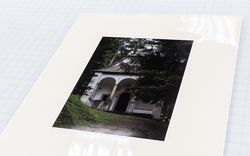
Memory and Melt
Memory and Melt
Actions:
Rebecca Wickham reflects on a procession up the Aletsch Glacier
Form:
events
events
Actions:
Description:
As the Earth’s climate reaches a state of constant instability, there is growing awareness of how global warming can affect human rights and increase social strife. Less attention has been paid to the ways in which political violence and human rights abuses, from past and present, constitute driving factors in the transformations of the global environment and climate.(...)
As the Earth’s climate reaches a state of constant instability, there is growing awareness of how global warming can affect human rights and increase social strife. Less attention has been paid to the ways in which political violence and human rights abuses, from past and present, constitute driving factors in the transformations of the global environment and climate.(...)
Location:
Paul Demarais Theatre
Paul Demarais Theatre
Date:
1 December 2016, 6pm
1 December 2016, 6pm
Title:
In the Frontiers of Climate Change (Toward a Politics of Nonhuman Rights)
Actions:
Description:
As the Earth’s climate reaches a state of constant instability, there is growing awareness of how global warming can affect human rights and increase social strife. Less attention has been paid to the ways in which political violence and human rights abuses, from past and present, constitute driving factors in the transformations of the global environment and climate.(...)
In the Frontiers of Climate Change (Toward a Politics of Nonhuman Rights)
Actions:
Description:
As the Earth’s climate reaches a state of constant instability, there is growing awareness of how global warming can affect human rights and increase social strife. Less attention has been paid to the ways in which political violence and human rights abuses, from past and present, constitute driving factors in the transformations of the global environment and climate.(...)
Form:
events
events
Date:
1 December 2016
6pm
1 December 2016
6pm
Location:
Paul Demarais Theatre
Paul Demarais Theatre
Form:
events
events
Actions:
Description:
Evoking a provocation famously framed by Le Corbusier, “Architecture ou Révolution,” this conversation will situate the SAAL process in Portugal within international debates during the 1960s and 1970s on social housing and the architect’s social responsibility. Nuno Portas, Secretary of State for Housing and Urbanism of the government established after the 1974 Portuguese(...)
Evoking a provocation famously framed by Le Corbusier, “Architecture ou Révolution,” this conversation will situate the SAAL process in Portugal within international debates during the 1960s and 1970s on social housing and the architect’s social responsibility. Nuno Portas, Secretary of State for Housing and Urbanism of the government established after the 1974 Portuguese(...)
Location:
Paul-Desmarais Theatre
Paul-Desmarais Theatre
Date:
14 May 2015 , 6pm
14 May 2015 , 6pm
Title:
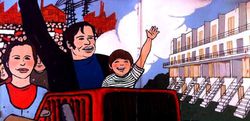
Architecture or Revolution? A Conversation with Nuno Portas and Nuno Grande
Actions:
Description:
Evoking a provocation famously framed by Le Corbusier, “Architecture ou Révolution,” this conversation will situate the SAAL process in Portugal within international debates during the 1960s and 1970s on social housing and the architect’s social responsibility. Nuno Portas, Secretary of State for Housing and Urbanism of the government established after the 1974 Portuguese(...)
Architecture or Revolution? A Conversation with Nuno Portas and Nuno Grande
Actions:
Description:
Evoking a provocation famously framed by Le Corbusier, “Architecture ou Révolution,” this conversation will situate the SAAL process in Portugal within international debates during the 1960s and 1970s on social housing and the architect’s social responsibility. Nuno Portas, Secretary of State for Housing and Urbanism of the government established after the 1974 Portuguese(...)
Form:
events
events
Date:
14 May 2015
6pm
14 May 2015
6pm
Location:
Paul-Desmarais Theatre
Paul-Desmarais Theatre
Form:
articles
articles
Title:
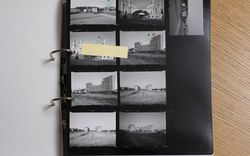
Lateral Gaze
Lateral Gaze
Actions:
Stefano Boeri on Gabriele Basilico, in conversation with Stefano Graziani and Bas Princen
Published:
21 August 2023
21 August 2023
Title:
Lateral Gaze
Stefano Boeri on Gabriele Basilico, in conversation with Stefano Graziani and Bas Princen
Actions:
Lateral Gaze
Stefano Boeri on Gabriele Basilico, in conversation with Stefano Graziani and Bas Princen
Actions:
Form:
exhibitions
exhibitions

Title:
Take Note
Take Note
Actions:
Description:
Take Note presents selected pivotal moments in the ongoing relationship between writing and architecture. This exhibition is the fifth in a series of CCA exhibitions developed in collaboration with universities. Curated by Sylvia Lavin, University of California, Los Angeles.
Take Note presents selected pivotal moments in the ongoing relationship between writing and architecture. This exhibition is the fifth in a series of CCA exhibitions developed in collaboration with universities. Curated by Sylvia Lavin, University of California, Los Angeles.
Location:
Octagonal gallery
Octagonal gallery
Date:
4 February 2010 to 30 May 2010
4 February 2010 to 30 May 2010
Title:
Take Note
Actions:
Description:
Take Note presents selected pivotal moments in the ongoing relationship between writing and architecture. This exhibition is the fifth in a series of CCA exhibitions developed in collaboration with universities. Curated by Sylvia Lavin, University of California, Los Angeles.
Take Note
Actions:
Description:
Take Note presents selected pivotal moments in the ongoing relationship between writing and architecture. This exhibition is the fifth in a series of CCA exhibitions developed in collaboration with universities. Curated by Sylvia Lavin, University of California, Los Angeles.
Form:
exhibitions
exhibitions
Date:
4 February 2010 to
30 May 2010
4 February 2010 to
30 May 2010
Location:
Octagonal gallery
Octagonal gallery
Form:
photographs
photographs
Actions:
Reference number:
ARCH256302
Description:
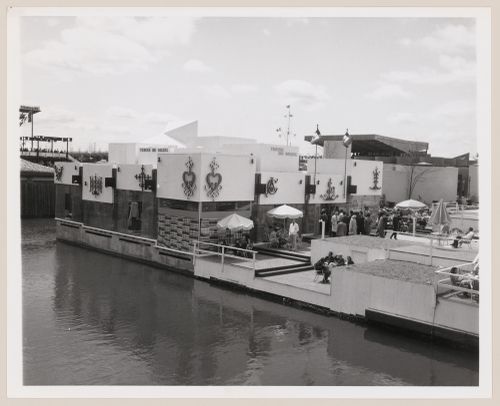
"Les éléments d'exposition du pavillon que la république de Haiti fait construire à l'Expo 67 illustreront le thème 'Haiti, terre de soleil'. L'édifice sera situé dans l'Ile Notre-Dame, à proximité des pavillons de Monaco et de la Yougoslavie. Il se reflétera dans deux des canaux de l'Expo. / The pavilion of the Republic of Haiti will stress the theme 'Haiti... land of the sun,' and will be located on Notre-Dame near the pavilions of Monaco and Yugoslavia. The pavilion's floor and external terrace will be a checkered motif stylizing the sun, while the roof will be made of 16 hollow tubes of varying heights. Total cost of the pavilion will be approximately $150,000.00."--Description.
ARCH256302
Description:
"Les éléments d'exposition du pavillon que la république de Haiti fait construire à l'Expo 67 illustreront le thème 'Haiti, terre de soleil'. L'édifice sera situé dans l'Ile Notre-Dame, à proximité des pavillons de Monaco et de la Yougoslavie. Il se reflétera dans deux des canaux de l'Expo. / The pavilion of the Republic of Haiti will stress the theme 'Haiti... land of the sun,' and will be located on Notre-Dame near the pavilions of Monaco and Yugoslavia. The pavilion's floor and external terrace will be a checkered motif stylizing the sun, while the roof will be made of 16 hollow tubes of varying heights. Total cost of the pavilion will be approximately $150,000.00."--Description.
People:
Date:
1967
1967
Title:
View of the Pavilion of Haiti, Expo 67, Montréal, Québec
Actions:
ARCH256302
Description:
"Les éléments d'exposition du pavillon que la république de Haiti fait construire à l'Expo 67 illustreront le thème 'Haiti, terre de soleil'. L'édifice sera situé dans l'Ile Notre-Dame, à proximité des pavillons de Monaco et de la Yougoslavie. Il se reflétera dans deux des canaux de l'Expo. / The pavilion of the Republic of Haiti will stress the theme 'Haiti... land of the sun,' and will be located on Notre-Dame near the pavilions of Monaco and Yugoslavia. The pavilion's floor and external terrace will be a checkered motif stylizing the sun, while the roof will be made of 16 hollow tubes of varying heights. Total cost of the pavilion will be approximately $150,000.00."--Description.
View of the Pavilion of Haiti, Expo 67, Montréal, Québec
Actions:
ARCH256302
Description:
"Les éléments d'exposition du pavillon que la république de Haiti fait construire à l'Expo 67 illustreront le thème 'Haiti, terre de soleil'. L'édifice sera situé dans l'Ile Notre-Dame, à proximité des pavillons de Monaco et de la Yougoslavie. Il se reflétera dans deux des canaux de l'Expo. / The pavilion of the Republic of Haiti will stress the theme 'Haiti... land of the sun,' and will be located on Notre-Dame near the pavilions of Monaco and Yugoslavia. The pavilion's floor and external terrace will be a checkered motif stylizing the sun, while the roof will be made of 16 hollow tubes of varying heights. Total cost of the pavilion will be approximately $150,000.00."--Description.
Form:
photographs
photographs
Date:
1967
1967
People:
Form:
exhibitions
exhibitions
Description:
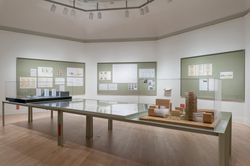
The exhibition Jai Tech: ÁbalosHerreros selected by Juan José Castellón examines the way the tower typology manifests distinct, strategic approaches in the architecture of ÁbalosHerreros, a firm that operated in Madrid from 1984 until 2008. Objects presented include site plans, photomontages, models, floor plans, and photographs. The exhibition also features a selection(...)
The exhibition Jai Tech: ÁbalosHerreros selected by Juan José Castellón examines the way the tower typology manifests distinct, strategic approaches in the architecture of ÁbalosHerreros, a firm that operated in Madrid from 1984 until 2008. Objects presented include site plans, photomontages, models, floor plans, and photographs. The exhibition also features a selection(...)
Location:
Octagonal gallery
Octagonal gallery
Date:
24 May 2015 to 12 July 2015
24 May 2015 to 12 July 2015
Title:
Jai Tech: Ábalos&Herreros selected by Juan José Castellón
Actions:
Description:
The exhibition Jai Tech: ÁbalosHerreros selected by Juan José Castellón examines the way the tower typology manifests distinct, strategic approaches in the architecture of ÁbalosHerreros, a firm that operated in Madrid from 1984 until 2008. Objects presented include site plans, photomontages, models, floor plans, and photographs. The exhibition also features a selection(...)
Jai Tech: Ábalos&Herreros selected by Juan José Castellón
Actions:
Description:
The exhibition Jai Tech: ÁbalosHerreros selected by Juan José Castellón examines the way the tower typology manifests distinct, strategic approaches in the architecture of ÁbalosHerreros, a firm that operated in Madrid from 1984 until 2008. Objects presented include site plans, photomontages, models, floor plans, and photographs. The exhibition also features a selection(...)
Form:
exhibitions
exhibitions
Date:
24 May 2015 to
12 July 2015
24 May 2015 to
12 July 2015
Location:
Octagonal gallery
Octagonal gallery
Form:
events
events

Form:
exhibitions
exhibitions
Title:
To Build Law
To Build Law
Actions:
Description:
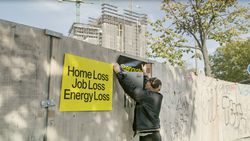
To Build Law, a documentary directed by Joshua Frank and exhibition curated by Francesco Garutti, follows bplus.xyz (b+) as they establish a policy lab, HouseEurope.eu, to propose industry reforms and shift cultural norms. To Build Law will closely observe the b+ team during various phases of conceptualization and development of a European Citizens’ Initiative meant to(...)
To Build Law, a documentary directed by Joshua Frank and exhibition curated by Francesco Garutti, follows bplus.xyz (b+) as they establish a policy lab, HouseEurope.eu, to propose industry reforms and shift cultural norms. To Build Law will closely observe the b+ team during various phases of conceptualization and development of a European Citizens’ Initiative meant to(...)
Date:
11 December 2024 to 25 May 2025
11 December 2024 to 25 May 2025
Title:
To Build Law
Actions:
Description:
To Build Law, a documentary directed by Joshua Frank and exhibition curated by Francesco Garutti, follows bplus.xyz (b+) as they establish a policy lab, HouseEurope.eu, to propose industry reforms and shift cultural norms. To Build Law will closely observe the b+ team during various phases of conceptualization and development of a European Citizens’ Initiative meant to(...)
To Build Law
Actions:
Description:
To Build Law, a documentary directed by Joshua Frank and exhibition curated by Francesco Garutti, follows bplus.xyz (b+) as they establish a policy lab, HouseEurope.eu, to propose industry reforms and shift cultural norms. To Build Law will closely observe the b+ team during various phases of conceptualization and development of a European Citizens’ Initiative meant to(...)
Form:
exhibitions
exhibitions
Date:
11 December 2024 to
25 May 2025
11 December 2024 to
25 May 2025


