


19531 Results
Form:
exhibitions
exhibitions
Actions:
Description:
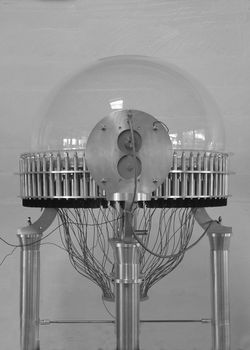
Dissections brings together several works by Vancouver-based artist Geoffrey Smedley and reflects on many disciplines such as the history of science, geometry, philosophy, and architecture. The exhibition takes the form of a cabinet theatre in the mode of the absurd, staging the mythic figure of Descartes’ Clown, a neurotic and insecure robot that dissects himself with(...)
Dissections brings together several works by Vancouver-based artist Geoffrey Smedley and reflects on many disciplines such as the history of science, geometry, philosophy, and architecture. The exhibition takes the form of a cabinet theatre in the mode of the absurd, staging the mythic figure of Descartes’ Clown, a neurotic and insecure robot that dissects himself with(...)
Location:
Octagonal gallery
Octagonal gallery
Date:
6 June 2013 to 11 August 2013
6 June 2013 to 11 August 2013
Title:
Dissections: Geoffrey Smedley
Actions:
Description:
Dissections brings together several works by Vancouver-based artist Geoffrey Smedley and reflects on many disciplines such as the history of science, geometry, philosophy, and architecture. The exhibition takes the form of a cabinet theatre in the mode of the absurd, staging the mythic figure of Descartes’ Clown, a neurotic and insecure robot that dissects himself with(...)
Dissections: Geoffrey Smedley
Actions:
Description:
Dissections brings together several works by Vancouver-based artist Geoffrey Smedley and reflects on many disciplines such as the history of science, geometry, philosophy, and architecture. The exhibition takes the form of a cabinet theatre in the mode of the absurd, staging the mythic figure of Descartes’ Clown, a neurotic and insecure robot that dissects himself with(...)
Form:
exhibitions
exhibitions
Date:
6 June 2013 to
11 August 2013
6 June 2013 to
11 August 2013
Location:
Octagonal gallery
Octagonal gallery
Form:
events
events
Form:
events
events
Date:
27 May 2018
11am to 4pm
27 May 2018
11am to 4pm
Location:
Shaughnessy House
Shaughnessy House
Form:
events
events
Actions:
Description:
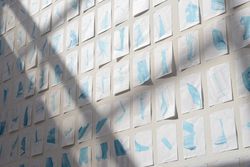
When Gordon Matta-Clark assembled the titles to and documentation of a dozen-odd small, vacant parcels of New York property between 1974 and 1977 (later assembled and exhibited as Reality Properties: Fake Estates in 1992), it was with no well-formed agenda—other than his view that the availability of vacant and underutilized parcels [was] a direct reminder of the fallacy(...)
When Gordon Matta-Clark assembled the titles to and documentation of a dozen-odd small, vacant parcels of New York property between 1974 and 1977 (later assembled and exhibited as Reality Properties: Fake Estates in 1992), it was with no well-formed agenda—other than his view that the availability of vacant and underutilized parcels [was] a direct reminder of the fallacy(...)
Location:
Paul Desmarais Theatre
Paul Desmarais Theatre
Date:
22 September 2016, 6pm
22 September 2016, 6pm
Title:
Nicholas de Monchaux: Local Code
Actions:
Description:
When Gordon Matta-Clark assembled the titles to and documentation of a dozen-odd small, vacant parcels of New York property between 1974 and 1977 (later assembled and exhibited as Reality Properties: Fake Estates in 1992), it was with no well-formed agenda—other than his view that the availability of vacant and underutilized parcels [was] a direct reminder of the fallacy(...)
Nicholas de Monchaux: Local Code
Actions:
Description:
When Gordon Matta-Clark assembled the titles to and documentation of a dozen-odd small, vacant parcels of New York property between 1974 and 1977 (later assembled and exhibited as Reality Properties: Fake Estates in 1992), it was with no well-formed agenda—other than his view that the availability of vacant and underutilized parcels [was] a direct reminder of the fallacy(...)
Form:
events
events
Date:
22 September 2016
6pm
22 September 2016
6pm
Location:
Paul Desmarais Theatre
Paul Desmarais Theatre
Form:
exhibitions
exhibitions

Actions:
Description:
When the Canadian Centre for Architecture building was conceived and designed as an addition to the nineteenth-century Shaughnessy House, it also became an addition to the CCA’s extensive collection. Accordingly, the inaugural exhibitions in the new building in 1989 included a display on the Building and Gardens. The CCA, which plays an influential role in furthering(...)
When the Canadian Centre for Architecture building was conceived and designed as an addition to the nineteenth-century Shaughnessy House, it also became an addition to the CCA’s extensive collection. Accordingly, the inaugural exhibitions in the new building in 1989 included a display on the Building and Gardens. The CCA, which plays an influential role in furthering(...)
Location:
Hall cases
Hall cases
Date:
22 April 2015 to 30 November 2015
22 April 2015 to 30 November 2015
Title:
The CCA in Photographs, 1987–2015
Actions:
Description:
When the Canadian Centre for Architecture building was conceived and designed as an addition to the nineteenth-century Shaughnessy House, it also became an addition to the CCA’s extensive collection. Accordingly, the inaugural exhibitions in the new building in 1989 included a display on the Building and Gardens. The CCA, which plays an influential role in furthering(...)
The CCA in Photographs, 1987–2015
Actions:
Description:
When the Canadian Centre for Architecture building was conceived and designed as an addition to the nineteenth-century Shaughnessy House, it also became an addition to the CCA’s extensive collection. Accordingly, the inaugural exhibitions in the new building in 1989 included a display on the Building and Gardens. The CCA, which plays an influential role in furthering(...)
Form:
exhibitions
exhibitions
Date:
22 April 2015 to
30 November 2015
22 April 2015 to
30 November 2015
Location:
Hall cases
Hall cases
Form:
photographs
photographs
Actions:
Reference number:
ARCH256440
Description:
"Au vol d'oiseau, voici l'île Sainte-Hélène à son état naturel, il y a deux ans, avant le début des travaux de récupération qui ont presque triplé la superficie afin d'y loger l'Exposition universelle de 1967. Le magnifique parc boisé restera tel quel pour l'agrément des visiteurs. / Air view of Ile Sainte-Hélène, as of July 23, 1963, just before work began on the enlargement of the island to provide the ground for Expo 67. View is from the upstream end of the island. Stipulation in the program for building Expo 67 is the condition that the original Ile Sainte-Helene public park be left untouched."--Description.
ARCH256440
Description:
"Au vol d'oiseau, voici l'île Sainte-Hélène à son état naturel, il y a deux ans, avant le début des travaux de récupération qui ont presque triplé la superficie afin d'y loger l'Exposition universelle de 1967. Le magnifique parc boisé restera tel quel pour l'agrément des visiteurs. / Air view of Ile Sainte-Hélène, as of July 23, 1963, just before work began on the enlargement of the island to provide the ground for Expo 67. View is from the upstream end of the island. Stipulation in the program for building Expo 67 is the condition that the original Ile Sainte-Helene public park be left untouched."--Description.
People:
Date:
23 July 1963
23 July 1963
Title:
Aerial views of the Île Sainte-Hélène and Île Notre-Dame sites prior the enlargement and the creation phases were completed, Expo 67, Montréal, Québec
Actions:
ARCH256440
Description:
"Au vol d'oiseau, voici l'île Sainte-Hélène à son état naturel, il y a deux ans, avant le début des travaux de récupération qui ont presque triplé la superficie afin d'y loger l'Exposition universelle de 1967. Le magnifique parc boisé restera tel quel pour l'agrément des visiteurs. / Air view of Ile Sainte-Hélène, as of July 23, 1963, just before work began on the enlargement of the island to provide the ground for Expo 67. View is from the upstream end of the island. Stipulation in the program for building Expo 67 is the condition that the original Ile Sainte-Helene public park be left untouched."--Description.
Aerial views of the Île Sainte-Hélène and Île Notre-Dame sites prior the enlargement and the creation phases were completed, Expo 67, Montréal, Québec
Actions:
ARCH256440
Description:
"Au vol d'oiseau, voici l'île Sainte-Hélène à son état naturel, il y a deux ans, avant le début des travaux de récupération qui ont presque triplé la superficie afin d'y loger l'Exposition universelle de 1967. Le magnifique parc boisé restera tel quel pour l'agrément des visiteurs. / Air view of Ile Sainte-Hélène, as of July 23, 1963, just before work began on the enlargement of the island to provide the ground for Expo 67. View is from the upstream end of the island. Stipulation in the program for building Expo 67 is the condition that the original Ile Sainte-Helene public park be left untouched."--Description.
Form:
photographs
photographs
Date:
23 July 1963
23 July 1963
People:
Form:
exhibitions
exhibitions
Actions:
Description:
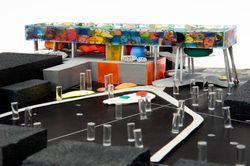
This exhibition features British architect Will Alsop’s preparatory work for the Sharp Centre for Design at the Ontario College of Art Design (OCAD) in Toronto and explores the role of painting in his design process. Completed in 2004, OCAD’s Sharp Centre for Design was designed by Alsop Architects in collaboration with the Toronto-based firm Robbie/Young + Wright. The(...)
This exhibition features British architect Will Alsop’s preparatory work for the Sharp Centre for Design at the Ontario College of Art Design (OCAD) in Toronto and explores the role of painting in his design process. Completed in 2004, OCAD’s Sharp Centre for Design was designed by Alsop Architects in collaboration with the Toronto-based firm Robbie/Young + Wright. The(...)
Location:
Octagonal gallery
Octagonal gallery
Date:
13 June 2008 to 5 October 2008
13 June 2008 to 5 October 2008
Title:
Will Alsop: OCAD, An Urban Manifesto
Actions:
Description:
This exhibition features British architect Will Alsop’s preparatory work for the Sharp Centre for Design at the Ontario College of Art Design (OCAD) in Toronto and explores the role of painting in his design process. Completed in 2004, OCAD’s Sharp Centre for Design was designed by Alsop Architects in collaboration with the Toronto-based firm Robbie/Young + Wright. The(...)
Will Alsop: OCAD, An Urban Manifesto
Actions:
Description:
This exhibition features British architect Will Alsop’s preparatory work for the Sharp Centre for Design at the Ontario College of Art Design (OCAD) in Toronto and explores the role of painting in his design process. Completed in 2004, OCAD’s Sharp Centre for Design was designed by Alsop Architects in collaboration with the Toronto-based firm Robbie/Young + Wright. The(...)
Form:
exhibitions
exhibitions
Date:
13 June 2008 to
5 October 2008
13 June 2008 to
5 October 2008
Location:
Octagonal gallery
Octagonal gallery
Form:
webpages
webpages
Title:
Audio guides
Audio guides
Actions:
Summary:
Listen to audio introductions to our exhibitions
Form:
webpages
webpages
Level of archival description:
Project
Project
Title:
Maison Coloniale
Maison Coloniale
Reference number:
AP066.S2.D19
Description:
Le dossier documente le projet de construction de la Maison Coloniale, une habitation associée à un atelier d'architecture et un hall d'exposition, situé au 4333 avenue Coloniale, à Montréal, Québec. Les matériaux utilisés pour réaliser cette construction sont le béton armé, l'acier et le bois. Le budget alloué pour ce projet était de 300 000$ et la superficie est de 340 mètres carrés. Aussi, le projet s'est mérité le Prix d'architecture du Gouverneur général du Canada. Le dossier contient des dessins, des reprographies, des photographies, des documents textuels, des maquettes et un négatif. Description du projet par l'architecte: "En concevant la Maison Coloniale, entre autres choses qui s'y trouvent inscrites, j'ai pensé à l'état des métiers. La solidarité qui nous lie est tellement ténue, les savoir-faire se déplacent, les langages s'autonomisent. Ici la structure de béton n'aura pour but structural que de survivre à sa peine : le squelette est dehors, qu'est-ce que cela veut nous dire? Partout la division, la séparation des éléments. La juxtaposition, la superposition et la répétition forment un langage dans le langage. Tout y est contact de points et de surface, d'appuis et d'ancrages. Le squelette est dehors, le corps est dedans. Qu'est-ce que cela veut nous dire? La Maison nous dit la nature de notre côtoiement. Elle nous rappelle nos liens possibles et nous apprend qu'à force de séparation, tout s'unit. Elle nous indique la distance qu'il nous reste à franchir pour se toucher et s'émouvoir. Elle est comme vous et moi, un peu résistante et prête à tout donner. Elle nous dit la convivialité et nous rappelle nos moyens d'humains. Elle nous rappelle que c'est nous qui l'avons faite!" Jacques Rousseau, "Éthique et tact", dans Architecture, éthique et technologie, édité par Louise Pelletier et Alberto Pérez-Gómez, McGill-Queen's University Press, Montréal, 1994, p. 137-150.
AP066.S2.D19
Description:
Le dossier documente le projet de construction de la Maison Coloniale, une habitation associée à un atelier d'architecture et un hall d'exposition, situé au 4333 avenue Coloniale, à Montréal, Québec. Les matériaux utilisés pour réaliser cette construction sont le béton armé, l'acier et le bois. Le budget alloué pour ce projet était de 300 000$ et la superficie est de 340 mètres carrés. Aussi, le projet s'est mérité le Prix d'architecture du Gouverneur général du Canada. Le dossier contient des dessins, des reprographies, des photographies, des documents textuels, des maquettes et un négatif. Description du projet par l'architecte: "En concevant la Maison Coloniale, entre autres choses qui s'y trouvent inscrites, j'ai pensé à l'état des métiers. La solidarité qui nous lie est tellement ténue, les savoir-faire se déplacent, les langages s'autonomisent. Ici la structure de béton n'aura pour but structural que de survivre à sa peine : le squelette est dehors, qu'est-ce que cela veut nous dire? Partout la division, la séparation des éléments. La juxtaposition, la superposition et la répétition forment un langage dans le langage. Tout y est contact de points et de surface, d'appuis et d'ancrages. Le squelette est dehors, le corps est dedans. Qu'est-ce que cela veut nous dire? La Maison nous dit la nature de notre côtoiement. Elle nous rappelle nos liens possibles et nous apprend qu'à force de séparation, tout s'unit. Elle nous indique la distance qu'il nous reste à franchir pour se toucher et s'émouvoir. Elle est comme vous et moi, un peu résistante et prête à tout donner. Elle nous dit la convivialité et nous rappelle nos moyens d'humains. Elle nous rappelle que c'est nous qui l'avons faite!" Jacques Rousseau, "Éthique et tact", dans Architecture, éthique et technologie, édité par Louise Pelletier et Alberto Pérez-Gómez, McGill-Queen's University Press, Montréal, 1994, p. 137-150.
People:
Date:
1986-1990
1986-1990
Title:
Maison Coloniale
Actions:
AP066.S2.D19
Description:
Le dossier documente le projet de construction de la Maison Coloniale, une habitation associée à un atelier d'architecture et un hall d'exposition, situé au 4333 avenue Coloniale, à Montréal, Québec. Les matériaux utilisés pour réaliser cette construction sont le béton armé, l'acier et le bois. Le budget alloué pour ce projet était de 300 000$ et la superficie est de 340 mètres carrés. Aussi, le projet s'est mérité le Prix d'architecture du Gouverneur général du Canada. Le dossier contient des dessins, des reprographies, des photographies, des documents textuels, des maquettes et un négatif. Description du projet par l'architecte: "En concevant la Maison Coloniale, entre autres choses qui s'y trouvent inscrites, j'ai pensé à l'état des métiers. La solidarité qui nous lie est tellement ténue, les savoir-faire se déplacent, les langages s'autonomisent. Ici la structure de béton n'aura pour but structural que de survivre à sa peine : le squelette est dehors, qu'est-ce que cela veut nous dire? Partout la division, la séparation des éléments. La juxtaposition, la superposition et la répétition forment un langage dans le langage. Tout y est contact de points et de surface, d'appuis et d'ancrages. Le squelette est dehors, le corps est dedans. Qu'est-ce que cela veut nous dire? La Maison nous dit la nature de notre côtoiement. Elle nous rappelle nos liens possibles et nous apprend qu'à force de séparation, tout s'unit. Elle nous indique la distance qu'il nous reste à franchir pour se toucher et s'émouvoir. Elle est comme vous et moi, un peu résistante et prête à tout donner. Elle nous dit la convivialité et nous rappelle nos moyens d'humains. Elle nous rappelle que c'est nous qui l'avons faite!" Jacques Rousseau, "Éthique et tact", dans Architecture, éthique et technologie, édité par Louise Pelletier et Alberto Pérez-Gómez, McGill-Queen's University Press, Montréal, 1994, p. 137-150.
Maison Coloniale
Actions:
AP066.S2.D19
Description:
Le dossier documente le projet de construction de la Maison Coloniale, une habitation associée à un atelier d'architecture et un hall d'exposition, situé au 4333 avenue Coloniale, à Montréal, Québec. Les matériaux utilisés pour réaliser cette construction sont le béton armé, l'acier et le bois. Le budget alloué pour ce projet était de 300 000$ et la superficie est de 340 mètres carrés. Aussi, le projet s'est mérité le Prix d'architecture du Gouverneur général du Canada. Le dossier contient des dessins, des reprographies, des photographies, des documents textuels, des maquettes et un négatif. Description du projet par l'architecte: "En concevant la Maison Coloniale, entre autres choses qui s'y trouvent inscrites, j'ai pensé à l'état des métiers. La solidarité qui nous lie est tellement ténue, les savoir-faire se déplacent, les langages s'autonomisent. Ici la structure de béton n'aura pour but structural que de survivre à sa peine : le squelette est dehors, qu'est-ce que cela veut nous dire? Partout la division, la séparation des éléments. La juxtaposition, la superposition et la répétition forment un langage dans le langage. Tout y est contact de points et de surface, d'appuis et d'ancrages. Le squelette est dehors, le corps est dedans. Qu'est-ce que cela veut nous dire? La Maison nous dit la nature de notre côtoiement. Elle nous rappelle nos liens possibles et nous apprend qu'à force de séparation, tout s'unit. Elle nous indique la distance qu'il nous reste à franchir pour se toucher et s'émouvoir. Elle est comme vous et moi, un peu résistante et prête à tout donner. Elle nous dit la convivialité et nous rappelle nos moyens d'humains. Elle nous rappelle que c'est nous qui l'avons faite!" Jacques Rousseau, "Éthique et tact", dans Architecture, éthique et technologie, édité par Louise Pelletier et Alberto Pérez-Gómez, McGill-Queen's University Press, Montréal, 1994, p. 137-150.
Level of archival description:
Projet
Projet
Date:
1986-1990
1986-1990
People:
Form:
exhibitions
exhibitions
Title:
Inside the Sponge
Inside the Sponge
Actions:
Description:
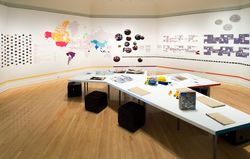
Simmons Hall is an award-winning university dormitory designed by architect Steven Holl on the Massachusetts Institute of Technology (MIT) campus in Cambridge. Inspired by the sea sponge and the concept of porosity, the building is radical in structure and ambitious in its program to encourage social interaction. Inside the Sponge is an investigation of Simmons Hall from(...)
Simmons Hall is an award-winning university dormitory designed by architect Steven Holl on the Massachusetts Institute of Technology (MIT) campus in Cambridge. Inspired by the sea sponge and the concept of porosity, the building is radical in structure and ambitious in its program to encourage social interaction. Inside the Sponge is an investigation of Simmons Hall from(...)
Location:
Octagonal gallery
Octagonal gallery
Date:
10 August 2006 to 19 November 2006
10 August 2006 to 19 November 2006
Title:
Inside the Sponge
Actions:
Description:
Simmons Hall is an award-winning university dormitory designed by architect Steven Holl on the Massachusetts Institute of Technology (MIT) campus in Cambridge. Inspired by the sea sponge and the concept of porosity, the building is radical in structure and ambitious in its program to encourage social interaction. Inside the Sponge is an investigation of Simmons Hall from(...)
Inside the Sponge
Actions:
Description:
Simmons Hall is an award-winning university dormitory designed by architect Steven Holl on the Massachusetts Institute of Technology (MIT) campus in Cambridge. Inspired by the sea sponge and the concept of porosity, the building is radical in structure and ambitious in its program to encourage social interaction. Inside the Sponge is an investigation of Simmons Hall from(...)
Form:
exhibitions
exhibitions
Date:
10 August 2006 to
19 November 2006
10 August 2006 to
19 November 2006
Location:
Octagonal gallery
Octagonal gallery
Form:
exhibitions
exhibitions
Actions:
Description:
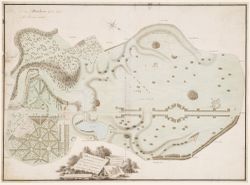
British gardens and garden buildings have held particular importance in British artistic and cultural life over the last four centuries, as well as influenced the development of the architectural and landscape ideas of the European and North American continents. An English Arcadia 1600–1990 documents the history of these gardens and buildings. The exhibition consists of(...)
British gardens and garden buildings have held particular importance in British artistic and cultural life over the last four centuries, as well as influenced the development of the architectural and landscape ideas of the European and North American continents. An English Arcadia 1600–1990 documents the history of these gardens and buildings. The exhibition consists of(...)
Location:
Main galleries
Main galleries
Date:
12 February 1992 to 19 April 1992
12 February 1992 to 19 April 1992
Title:
An English Arcadia, 1600-1990: Designs for Gardens and Garden Buildings in the Care of the National Trust with Selected Objects from the CCA Collections
Actions:
Description:
British gardens and garden buildings have held particular importance in British artistic and cultural life over the last four centuries, as well as influenced the development of the architectural and landscape ideas of the European and North American continents. An English Arcadia 1600–1990 documents the history of these gardens and buildings. The exhibition consists of(...)
An English Arcadia, 1600-1990: Designs for Gardens and Garden Buildings in the Care of the National Trust with Selected Objects from the CCA Collections
Actions:
Description:
British gardens and garden buildings have held particular importance in British artistic and cultural life over the last four centuries, as well as influenced the development of the architectural and landscape ideas of the European and North American continents. An English Arcadia 1600–1990 documents the history of these gardens and buildings. The exhibition consists of(...)
Form:
exhibitions
exhibitions
Date:
12 February 1992 to
19 April 1992
12 February 1992 to
19 April 1992
Location:
Main galleries
Main galleries


