


2 Résultats
Classification:
livres
livres
Actions:
Prix:
$64.00
(disponible en magasin)
Résumé:
Part of the Chapters series developed by the Belgian architects 51N4E, this third instalment tells the story of two office towers from the 1970s that have been transformed according to the principles of reduce/reuse/recycle. Against all odds, the former World Trade Centre in Brussels is being repurposed in a previously unimaginable way. After many years of vacancy, the(...)
$64.00
(disponible en magasin)
Résumé:
Part of the Chapters series developed by the Belgian architects 51N4E, this third instalment tells the story of two office towers from the 1970s that have been transformed according to the principles of reduce/reuse/recycle. Against all odds, the former World Trade Centre in Brussels is being repurposed in a previously unimaginable way. After many years of vacancy, the(...)
Titre:
How to not demolish a building
Actions:
Prix:
$64.00
(disponible en magasin)
Résumé:
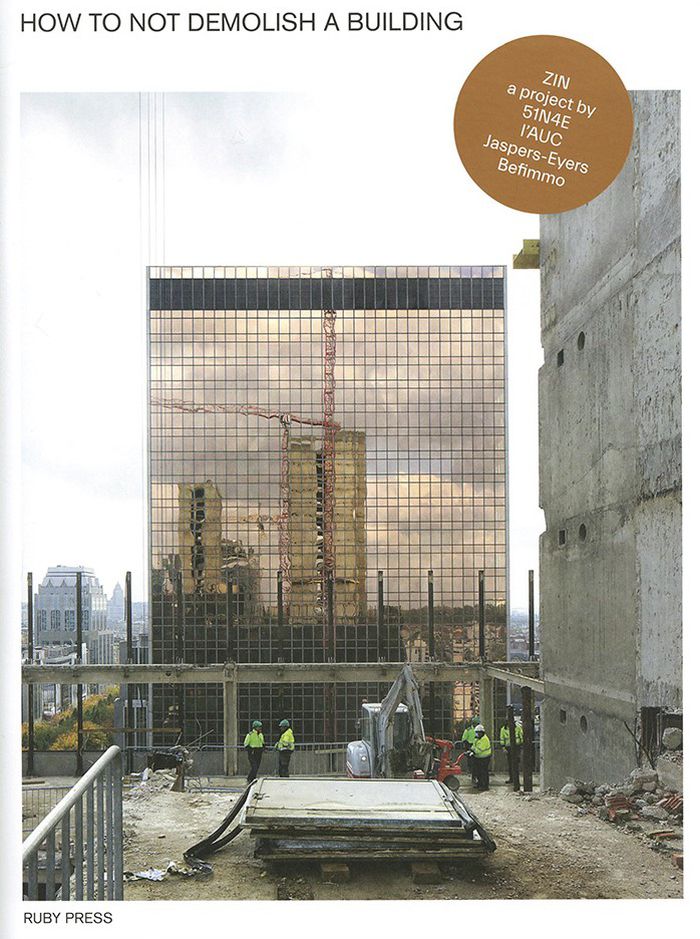
Part of the Chapters series developed by the Belgian architects 51N4E, this third instalment tells the story of two office towers from the 1970s that have been transformed according to the principles of reduce/reuse/recycle. Against all odds, the former World Trade Centre in Brussels is being repurposed in a previously unimaginable way. After many years of vacancy, the building now represents a new approach to urban development and a showcase for dealing in a more sustainable way with older buildings threatened with demolition. And although the adaptive reuse of this building is unique, the underlying concepts and processes are not – a lesson on how not to demolish a building.
How to not demolish a building
Actions:
Prix:
$64.00
(disponible en magasin)
Résumé:
Part of the Chapters series developed by the Belgian architects 51N4E, this third instalment tells the story of two office towers from the 1970s that have been transformed according to the principles of reduce/reuse/recycle. Against all odds, the former World Trade Centre in Brussels is being repurposed in a previously unimaginable way. After many years of vacancy, the building now represents a new approach to urban development and a showcase for dealing in a more sustainable way with older buildings threatened with demolition. And although the adaptive reuse of this building is unique, the underlying concepts and processes are not – a lesson on how not to demolish a building.
Classification:
livres
livres
Publication:
février 2023
février 2023
Sujet:
Architecture, monographies
Architecture, monographies
Classification:
livres
livres
Actions:
Prix:
$65.95
(disponible en magasin)
Résumé:
The fourth edition of the Chapters series by Belgian architecture firm 51N4E proposes a fresh approach to urban design, using infrastructure as a spark for collective thinking about what we value and invest in as a society. Developed with Newrope, it blends research and practice to explore how infrastructural boundary objects – elements that both structure space and(...)
$65.95
(disponible en magasin)
Résumé:
The fourth edition of the Chapters series by Belgian architecture firm 51N4E proposes a fresh approach to urban design, using infrastructure as a spark for collective thinking about what we value and invest in as a society. Developed with Newrope, it blends research and practice to explore how infrastructural boundary objects – elements that both structure space and(...)
Titre:
51N4E: Negotiating infrastructure. Chapter IX
Actions:
Prix:
$65.95
(disponible en magasin)
Résumé:
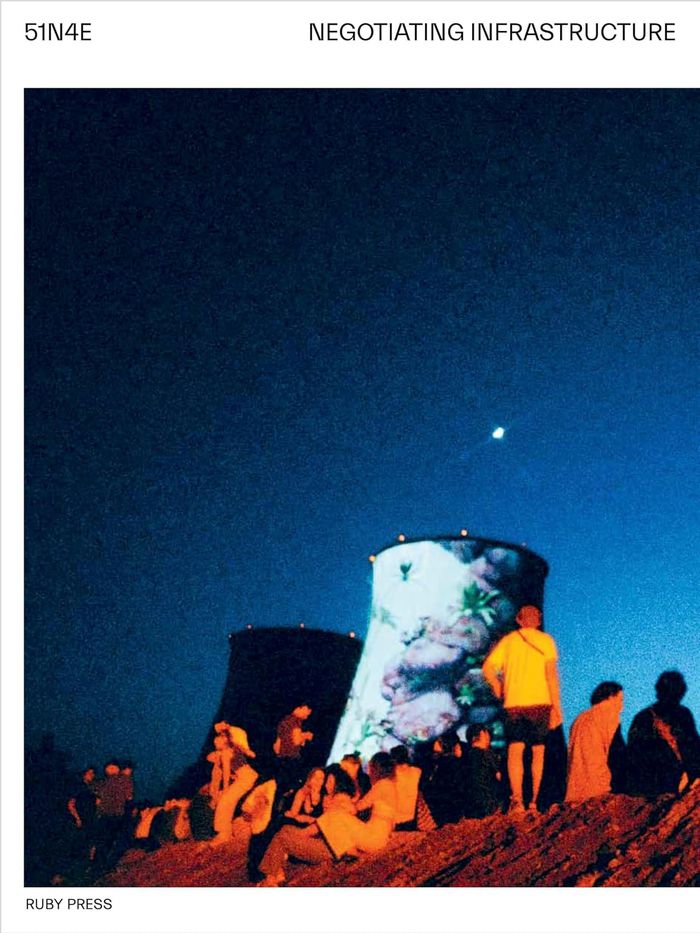
The fourth edition of the Chapters series by Belgian architecture firm 51N4E proposes a fresh approach to urban design, using infrastructure as a spark for collective thinking about what we value and invest in as a society. Developed with Newrope, it blends research and practice to explore how infrastructural boundary objects – elements that both structure space and encourage new uses – can play a key role in shaping cities. Drawing on eight 51N4E projects in Central Europe and four design themes from Newrope (intimacy, pattern, performance, togetherness), the book examines how each project responds to its local context, creating spaces that are stable yet adaptable over time.
51N4E: Negotiating infrastructure. Chapter IX
Actions:
Prix:
$65.95
(disponible en magasin)
Résumé:
The fourth edition of the Chapters series by Belgian architecture firm 51N4E proposes a fresh approach to urban design, using infrastructure as a spark for collective thinking about what we value and invest in as a society. Developed with Newrope, it blends research and practice to explore how infrastructural boundary objects – elements that both structure space and encourage new uses – can play a key role in shaping cities. Drawing on eight 51N4E projects in Central Europe and four design themes from Newrope (intimacy, pattern, performance, togetherness), the book examines how each project responds to its local context, creating spaces that are stable yet adaptable over time.
Classification:
livres
livres
Publication:
janvier 2026
janvier 2026
Sujet:
Architecture, monographies
Architecture, monographies


