


2 Résultats
Classification:
livres
livres
Actions:
Prix:
$75.00
(disponible en magasin)
Résumé:
Museums are flourishing across the globe: in recent decades, no other architectural form has witnessed such remarkable growth and diversification. In an era when the digital revolution enables us to preserve our shared memory and artistic heritage without the constraints of physical space, this phenomenon might seem like an unnecessary indulgence. Yet, by examining new(...)
$75.00
(disponible en magasin)
Résumé:
Museums are flourishing across the globe: in recent decades, no other architectural form has witnessed such remarkable growth and diversification. In an era when the digital revolution enables us to preserve our shared memory and artistic heritage without the constraints of physical space, this phenomenon might seem like an unnecessary indulgence. Yet, by examining new(...)
Titre:
Architecture for Culture: Rethinking Museums
Actions:
Prix:
$75.00
(disponible en magasin)
Résumé:
Museums are flourishing across the globe: in recent decades, no other architectural form has witnessed such remarkable growth and diversification. In an era when the digital revolution enables us to preserve our shared memory and artistic heritage without the constraints of physical space, this phenomenon might seem like an unnecessary indulgence. Yet, by examining new icons and rereading historical examples"Architecture for Culture" shows why museums remain essential. They serve as the repositories for the encyclopedia of 21st-century knowledge, help make our cities legible and ensure that art remains a vibrant presence in the spaces where we live. The museum is revealed as a venue where architecture refines its discourse on method, identity, and urban context; it is also a dynamic laboratory for the continuous development of a new cultural policy—one that must address itself to a planetary audience.
Architecture for Culture: Rethinking Museums
Actions:
Prix:
$75.00
(disponible en magasin)
Résumé:
Museums are flourishing across the globe: in recent decades, no other architectural form has witnessed such remarkable growth and diversification. In an era when the digital revolution enables us to preserve our shared memory and artistic heritage without the constraints of physical space, this phenomenon might seem like an unnecessary indulgence. Yet, by examining new icons and rereading historical examples"Architecture for Culture" shows why museums remain essential. They serve as the repositories for the encyclopedia of 21st-century knowledge, help make our cities legible and ensure that art remains a vibrant presence in the spaces where we live. The museum is revealed as a venue where architecture refines its discourse on method, identity, and urban context; it is also a dynamic laboratory for the continuous development of a new cultural policy—one that must address itself to a planetary audience.
Classification:
livres
livres
Publication:
septembre 2025
septembre 2025
Sujet:
Muséologie
Muséologie
Classification:
livres
livres
Actions:
Prix:
$100.00
(disponible en magasin)
Résumé:
This volume presents a new collection of Takada’s most recent projects, pushing further his continuing reflections on reconnecting the natural world with the built environment. Featuring breathtaking photography of his buildings and interiors, along with sketches and nature-inspired imagery, the book guides readers through Takada’s global work and innovations. The climate(...)
$100.00
(disponible en magasin)
Résumé:
This volume presents a new collection of Takada’s most recent projects, pushing further his continuing reflections on reconnecting the natural world with the built environment. Featuring breathtaking photography of his buildings and interiors, along with sketches and nature-inspired imagery, the book guides readers through Takada’s global work and innovations. The climate(...)
Titre:
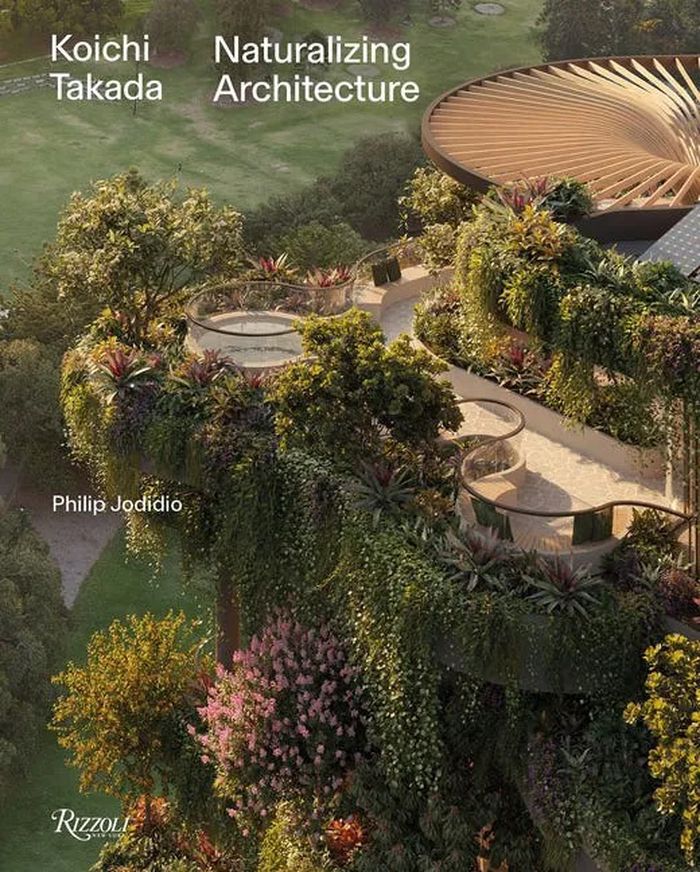
Koichi Takada: Naturalizing architecture
Actions:
Prix:
$100.00
(disponible en magasin)
Résumé:
This volume presents a new collection of Takada’s most recent projects, pushing further his continuing reflections on reconnecting the natural world with the built environment. Featuring breathtaking photography of his buildings and interiors, along with sketches and nature-inspired imagery, the book guides readers through Takada’s global work and innovations. The climate positive residence Sunflower House in Italy has a rotating roof and floors to manage sun exposure and heat gain; the Landmark by Lexus pavilion in Melbourne has 1,000 native Australian plants growing on its facade that granted it a carbon neutral certification; the Palm Frond Retreat at Balmoral Beach in Australia is designed for the inhabitants to use different parts of the house depending on the season and time of day, creating positive impact within homes. Each project illustrates Takada’s study of how the present ecological constrains weigh on the architectural design processes and how the reality of our densely built habitats changes the perception we have of buildings and cities, offering a compelling look at environmentally conscious architecture today and to the future evolution of the practice.
Koichi Takada: Naturalizing architecture
Actions:
Prix:
$100.00
(disponible en magasin)
Résumé:
This volume presents a new collection of Takada’s most recent projects, pushing further his continuing reflections on reconnecting the natural world with the built environment. Featuring breathtaking photography of his buildings and interiors, along with sketches and nature-inspired imagery, the book guides readers through Takada’s global work and innovations. The climate positive residence Sunflower House in Italy has a rotating roof and floors to manage sun exposure and heat gain; the Landmark by Lexus pavilion in Melbourne has 1,000 native Australian plants growing on its facade that granted it a carbon neutral certification; the Palm Frond Retreat at Balmoral Beach in Australia is designed for the inhabitants to use different parts of the house depending on the season and time of day, creating positive impact within homes. Each project illustrates Takada’s study of how the present ecological constrains weigh on the architectural design processes and how the reality of our densely built habitats changes the perception we have of buildings and cities, offering a compelling look at environmentally conscious architecture today and to the future evolution of the practice.
Classification:
livres
livres
Publication:
octobre 2025
octobre 2025
Sujet:
Architecture, monographies
Architecture, monographies


