


2 Résultats
Classification:
livres
livres
Actions:
Prix:
$86.00
(disponible en magasin)
Résumé:
1941 marked a turning point in the life and work of Henri Matisse. At the age of seventy-two, he underwent major surgery that left him physically fragile. Yet Matisse viewed this moment not as a setback but as an opportunity "to make the greatest progress of my life." From that point until his death in 1954, he entered one of the most inspired and productive periods of(...)
Publication:
septembre 2026
septembre 2026
Titre:
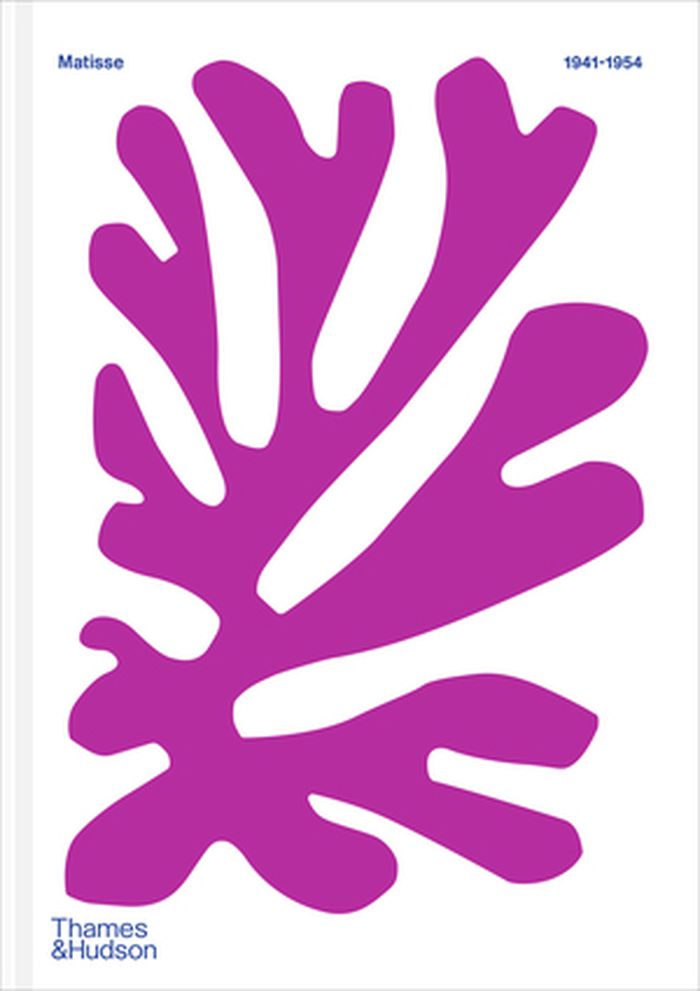
Color unbound: Henri matisse 1941-1954
Actions:
Prix:
$86.00
(disponible en magasin)
Résumé:
1941 marked a turning point in the life and work of Henri Matisse. At the age of seventy-two, he underwent major surgery that left him physically fragile. Yet Matisse viewed this moment not as a setback but as an opportunity "to make the greatest progress of my life." From that point until his death in 1954, he entered one of the most inspired and productive periods of his career. During those years, he created some of his greatest masterpieces—from the Chapel of the Rosary in Vence to his luminous cutout gouaches, including Jazz. Vibrant and full of life, his late work stands in striking contrast to his declining physical state: dynamic, immediate, and universally accessible.
Classification:
livres
livres
Publication:
septembre 2026
septembre 2026
Classification:
livres
livres
Titre:
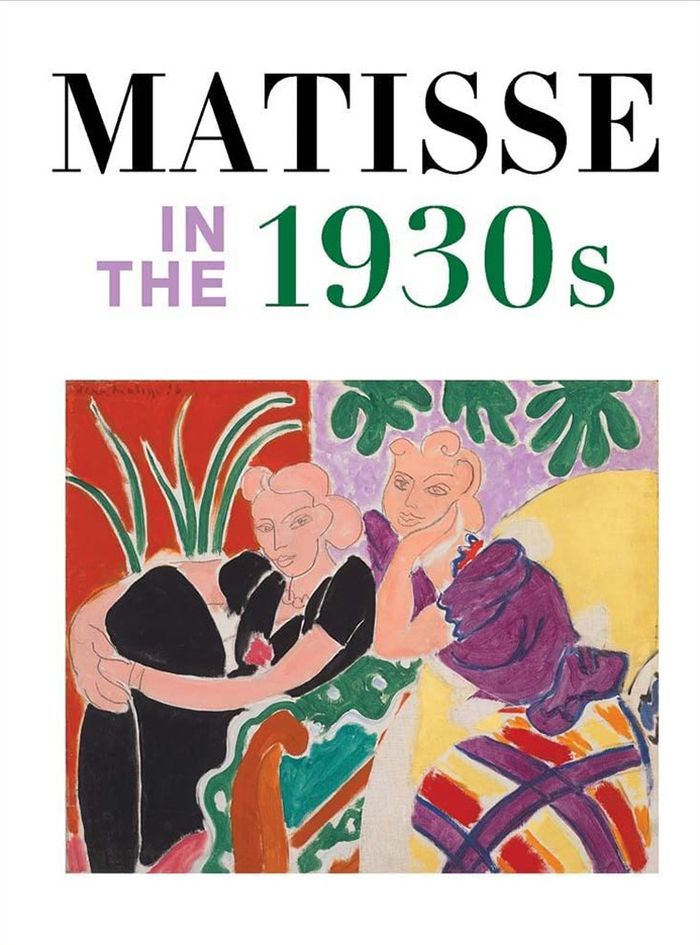
Matisse in the 1930s
Matisse in the 1930s
Actions:
Prix:
$71.00
(disponible sur commande)
Résumé:
In 1930, as Henri Matisse (1869–1954) embarked on ''The Dance,'' a monumental mural commissioned by the American collector Albert C. Barnes, he began experimenting in ways that would permanently change the nature of his work. The use of pre-painted cut papers to lay out his compositions led to a new style of flat tones and bold shapes. He also increasingly used serial(...)
Publication:
octobre 2022
octobre 2022
Titre:
Matisse in the 1930s
Actions:
Prix:
$71.00
(disponible sur commande)
Résumé:
In 1930, as Henri Matisse (1869–1954) embarked on ''The Dance,'' a monumental mural commissioned by the American collector Albert C. Barnes, he began experimenting in ways that would permanently change the nature of his work. The use of pre-painted cut papers to lay out his compositions led to a new style of flat tones and bold shapes. He also increasingly used serial imagery to make visible his creative process, aiming to capture the flux of his own perceptions and emotions in the work of art. This volume highlights and explains pivotal transformations in Matisse’s work in the 1930s across a range of media, including mural and easel painting, sculpture, printmaking, drawing, and the illustrated book. The transatlantic contributors also look at the relationship between Matisse and the Parisian art journal ''Cahiers d’art,'' which played an outsized role in publicizing Matisse’s work during this period, and consider his exhibitions, his ongoing involvement with decorative painting, his studio as a creative laboratory, and the role of his model and muse Lydia Delectorskaya in his studio practice.
Classification:
livres
livres
Publication:
octobre 2022
octobre 2022


