


21 Résultats
Classification:
livres
livres
Titre:
Return of the real
Return of the real
Actions:
Prix:
$47.50
(disponible sur commande)
Résumé:
The Return of the Real presents an original reading of art and theory over the last three decades, with special attention to the controversial connections between the two.
$47.50
(disponible sur commande)
Résumé:
The Return of the Real presents an original reading of art and theory over the last three decades, with special attention to the controversial connections between the two.
Titre:
Return of the real
Actions:
Prix:
$47.50
(disponible sur commande)
Résumé:
The Return of the Real presents an original reading of art and theory over the last three decades, with special attention to the controversial connections between the two.
Return of the real
Actions:
Prix:
$47.50
(disponible sur commande)
Résumé:
The Return of the Real presents an original reading of art and theory over the last three decades, with special attention to the controversial connections between the two.
Classification:
livres
livres
Publication:
octobre 1996, Cambridge, Mass.
octobre 1996, Cambridge, Mass.
Sujet:
Théorie de l’architecture
Théorie de l’architecture
Classification:
livres
livres
Titre:
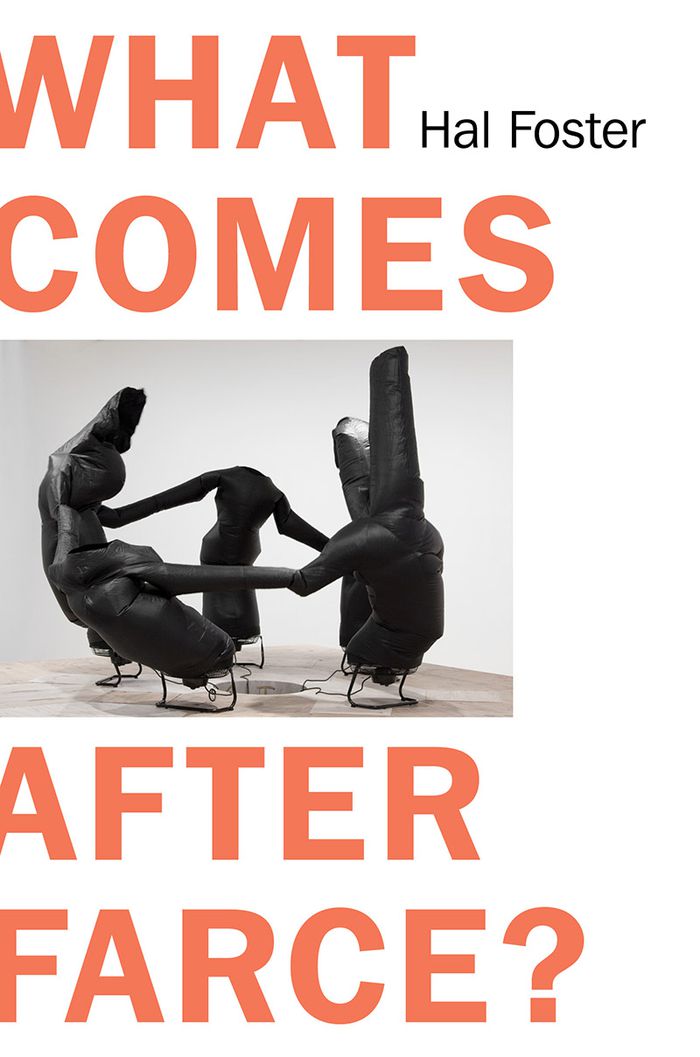
What comes after farce?
What comes after farce?
Actions:
Prix:
$33.95
(disponible sur commande)
Résumé:
If farce follows tragedy, what follows farce? Where does the double predicament of a post-truth and post-shame politics leave artists and critics on the left? How to demystify a hegemonic order that dismisses its own contradictions? How to belittle a political elite that cannot be embarrassed, or to mock party leaders who thrive on the absurd? How to out-dada President(...)
$33.95
(disponible sur commande)
Résumé:
If farce follows tragedy, what follows farce? Where does the double predicament of a post-truth and post-shame politics leave artists and critics on the left? How to demystify a hegemonic order that dismisses its own contradictions? How to belittle a political elite that cannot be embarrassed, or to mock party leaders who thrive on the absurd? How to out-dada President(...)
Titre:
What comes after farce?
Actions:
Prix:
$33.95
(disponible sur commande)
Résumé:
If farce follows tragedy, what follows farce? Where does the double predicament of a post-truth and post-shame politics leave artists and critics on the left? How to demystify a hegemonic order that dismisses its own contradictions? How to belittle a political elite that cannot be embarrassed, or to mock party leaders who thrive on the absurd? How to out-dada President Ubu? And, in any event, why add outrage to a media economy that thrives on the same? 'What Comes After Farce?' comments on shifts in art, criticism, and fiction in the face of the current regime of war, surveillance, extreme inequality, and media disruption. A first section focuses on the cultural politics of emergency since 9/11, including the use and abuse of trauma, paranoia, and kitsch. A second reviews the neoliberal makeover of art institutions during the same period. Finally, a third section surveys transformations in media as reflected in recent art, film, and fiction. Among the phenomena explored here are “machine vision” (images produced by machines for other machines without a human interface),“operational images” (images that do not represent the world so much as intervene in it), and the algorithmic scripting of information so pervasive in our everyday lives.
What comes after farce?
Actions:
Prix:
$33.95
(disponible sur commande)
Résumé:
If farce follows tragedy, what follows farce? Where does the double predicament of a post-truth and post-shame politics leave artists and critics on the left? How to demystify a hegemonic order that dismisses its own contradictions? How to belittle a political elite that cannot be embarrassed, or to mock party leaders who thrive on the absurd? How to out-dada President Ubu? And, in any event, why add outrage to a media economy that thrives on the same? 'What Comes After Farce?' comments on shifts in art, criticism, and fiction in the face of the current regime of war, surveillance, extreme inequality, and media disruption. A first section focuses on the cultural politics of emergency since 9/11, including the use and abuse of trauma, paranoia, and kitsch. A second reviews the neoliberal makeover of art institutions during the same period. Finally, a third section surveys transformations in media as reflected in recent art, film, and fiction. Among the phenomena explored here are “machine vision” (images produced by machines for other machines without a human interface),“operational images” (images that do not represent the world so much as intervene in it), and the algorithmic scripting of information so pervasive in our everyday lives.
Classification:
livres
livres
Publication:
juin 2020
juin 2020
Sujet:
Théorie/ philosophie
Théorie/ philosophie
Classification:
livres
livres
Actions:
Prix:
$24.95
(disponible sur commande)
Résumé:
In these diatribes on the marketing of culture and the branding of identity, the development of spectacle-architecture and the rise of global cities, Hal Foster surveys our new political economy of design. This publication explores the historical relations of modern art and modern museum, the conceptual vicissitudes of art history and visual studies, the recent travails(...)
$24.95
(disponible sur commande)
Résumé:
In these diatribes on the marketing of culture and the branding of identity, the development of spectacle-architecture and the rise of global cities, Hal Foster surveys our new political economy of design. This publication explores the historical relations of modern art and modern museum, the conceptual vicissitudes of art history and visual studies, the recent travails(...)
Titre:
Design and crime: (and other diatribes)
Actions:
Prix:
$24.95
(disponible sur commande)
Résumé:
In these diatribes on the marketing of culture and the branding of identity, the development of spectacle-architecture and the rise of global cities, Hal Foster surveys our new political economy of design. This publication explores the historical relations of modern art and modern museum, the conceptual vicissitudes of art history and visual studies, the recent travails of art criticism, and the double aftermath of modernism and postmodernism in an attempt to illuminate the conditions for critical culture in the present.
Design and crime: (and other diatribes)
Actions:
Prix:
$24.95
(disponible sur commande)
Résumé:
In these diatribes on the marketing of culture and the branding of identity, the development of spectacle-architecture and the rise of global cities, Hal Foster surveys our new political economy of design. This publication explores the historical relations of modern art and modern museum, the conceptual vicissitudes of art history and visual studies, the recent travails of art criticism, and the double aftermath of modernism and postmodernism in an attempt to illuminate the conditions for critical culture in the present.
Classification:
livres
livres
Publication:
janvier 2011
janvier 2011
Sujet:
Théorie du design
Théorie du design
Classification:
livres
livres
Titre:
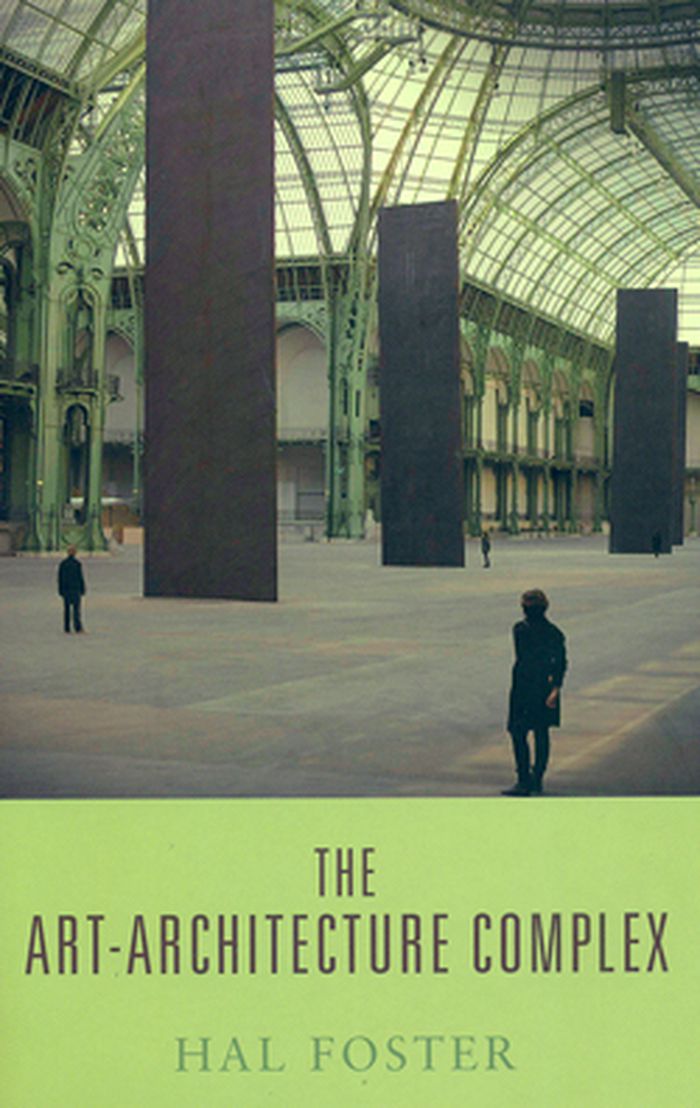
The art-architecture complex
The art-architecture complex
Actions:
Prix:
$33.50
(disponible sur commande)
Résumé:
Hal Foster argues that a fusion of architecture and art is a defining feature of contemporary culture. While architects such as Zaha Hadid and Herzog and de Meuron draw on art to reanimate design, architecture has inspired fundamental transformations in painting, sculpture and film, which are also explored here. The book includes an extensive conversation with Richard(...)
$33.50
(disponible sur commande)
Résumé:
Hal Foster argues that a fusion of architecture and art is a defining feature of contemporary culture. While architects such as Zaha Hadid and Herzog and de Meuron draw on art to reanimate design, architecture has inspired fundamental transformations in painting, sculpture and film, which are also explored here. The book includes an extensive conversation with Richard(...)
Titre:
The art-architecture complex
Actions:
Prix:
$33.50
(disponible sur commande)
Résumé:
Hal Foster argues that a fusion of architecture and art is a defining feature of contemporary culture. While architects such as Zaha Hadid and Herzog and de Meuron draw on art to reanimate design, architecture has inspired fundamental transformations in painting, sculpture and film, which are also explored here. The book includes an extensive conversation with Richard Serra. At the same time Foster points to a “global style” of architecture, as practiced by Norman Foster, Richard Rogers and Renzo Piano, that is analogous to the “international style” of Le Corbusier, Gropius and Mies—a global style that, more than any art, conveys the look of modernity today, both its dreams and its delusions. In these ways Foster demonstrates that “the art-architecture complex” is a key indicator of broader social and economic trajectories and in urgent need of analysis and debate.
The art-architecture complex
Actions:
Prix:
$33.50
(disponible sur commande)
Résumé:
Hal Foster argues that a fusion of architecture and art is a defining feature of contemporary culture. While architects such as Zaha Hadid and Herzog and de Meuron draw on art to reanimate design, architecture has inspired fundamental transformations in painting, sculpture and film, which are also explored here. The book includes an extensive conversation with Richard Serra. At the same time Foster points to a “global style” of architecture, as practiced by Norman Foster, Richard Rogers and Renzo Piano, that is analogous to the “international style” of Le Corbusier, Gropius and Mies—a global style that, more than any art, conveys the look of modernity today, both its dreams and its delusions. In these ways Foster demonstrates that “the art-architecture complex” is a key indicator of broader social and economic trajectories and in urgent need of analysis and debate.
Classification:
livres
livres
Publication:
octobre 2011
octobre 2011
Sujet:
Théorie de l’architecture
Théorie de l’architecture
Classification:
livres
livres
Titre:
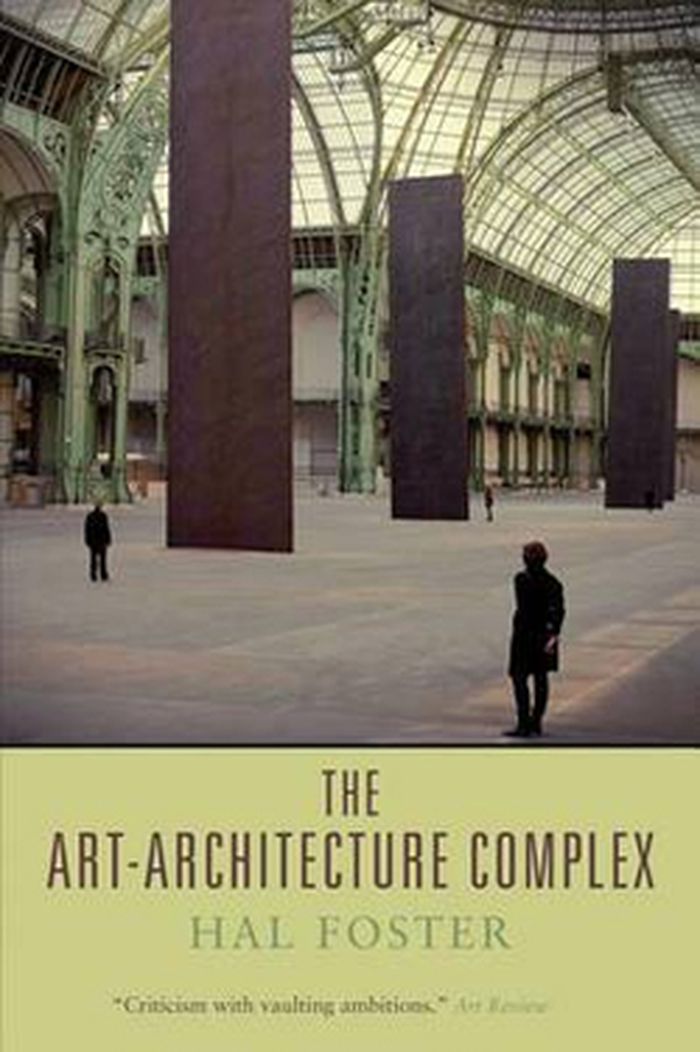
The art-architecture complex
The art-architecture complex
Actions:
Prix:
$39.99
(disponible sur commande)
Résumé:
Hal Foster argues that a fusion of architecture and art is a defining feature of contemporary culture. While architects such as Zaha Hadid and Herzog and de Meuron draw on art to reanimate design, architecture has inspired fundamental transformations in painting, sculpture and film, which are also explored here. The book includes an extensive conversation with Richard Serra.
$39.99
(disponible sur commande)
Résumé:
Hal Foster argues that a fusion of architecture and art is a defining feature of contemporary culture. While architects such as Zaha Hadid and Herzog and de Meuron draw on art to reanimate design, architecture has inspired fundamental transformations in painting, sculpture and film, which are also explored here. The book includes an extensive conversation with Richard Serra.
Titre:
The art-architecture complex
Actions:
Prix:
$39.99
(disponible sur commande)
Résumé:
Hal Foster argues that a fusion of architecture and art is a defining feature of contemporary culture. While architects such as Zaha Hadid and Herzog and de Meuron draw on art to reanimate design, architecture has inspired fundamental transformations in painting, sculpture and film, which are also explored here. The book includes an extensive conversation with Richard Serra.
The art-architecture complex
Actions:
Prix:
$39.99
(disponible sur commande)
Résumé:
Hal Foster argues that a fusion of architecture and art is a defining feature of contemporary culture. While architects such as Zaha Hadid and Herzog and de Meuron draw on art to reanimate design, architecture has inspired fundamental transformations in painting, sculpture and film, which are also explored here. The book includes an extensive conversation with Richard Serra.
Classification:
livres
livres
Publication:
juillet 2013
juillet 2013
Sujet:
Théorie de l’architecture
Théorie de l’architecture
Classification:
livres
livres
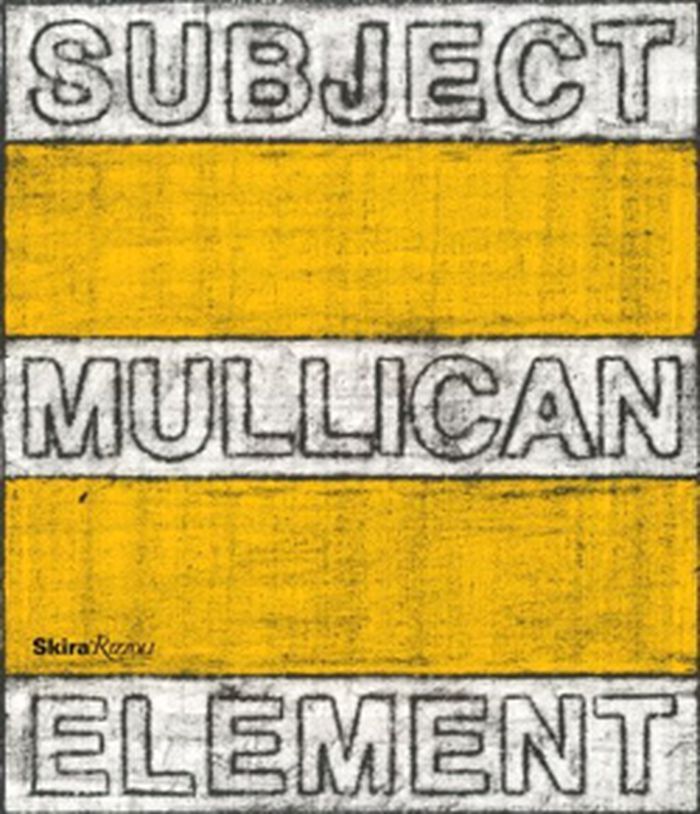
Titre:
Matt Mulligan
Matt Mulligan
Actions:
Prix:
$80.00
(disponible sur commande)
Résumé:
The first major monograph on the rich and varied art of Matt Mullican.
$80.00
(disponible sur commande)
Résumé:
The first major monograph on the rich and varied art of Matt Mullican.
Titre:
Matt Mulligan
Actions:
Prix:
$80.00
(disponible sur commande)
Résumé:
The first major monograph on the rich and varied art of Matt Mullican.
Matt Mulligan
Actions:
Prix:
$80.00
(disponible sur commande)
Résumé:
The first major monograph on the rich and varied art of Matt Mullican.
Classification:
livres
livres
Publication:
juin 2013
juin 2013
Classification:
livres
livres
Prix:
$44.95
(disponible sur commande)
Résumé:
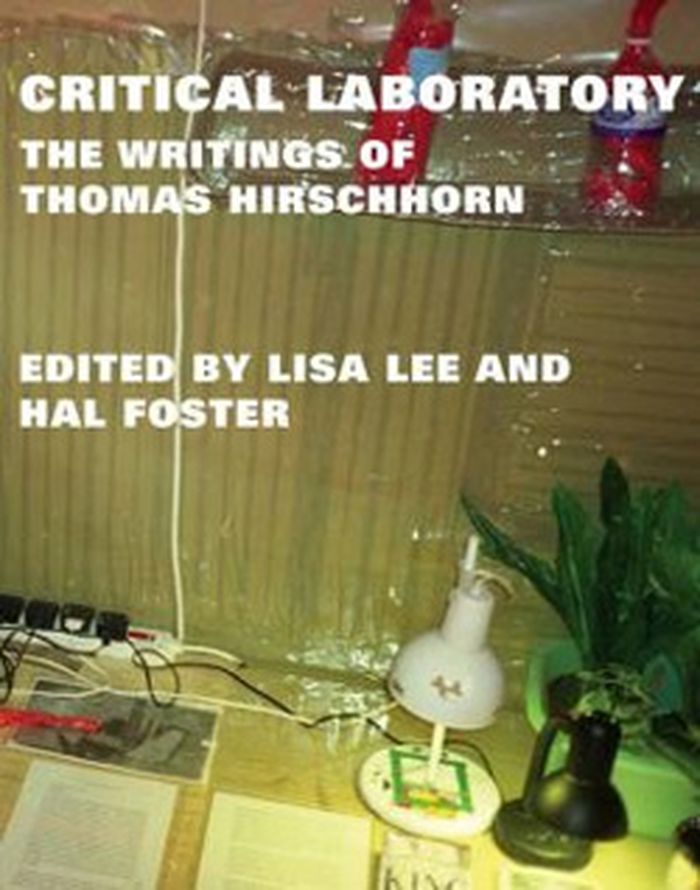
In these writings, Hirschhorn discusses the full range of his art, from works on paper to the massive Presence and Production projects in public spaces. Throughout, certain continuities emerge : Hirschhorn’s commitment to quotidian materials; the centrality of political and economic thinking in his work; and his commitment to art in the public sphere. Taken together, the(...)
$44.95
(disponible sur commande)
Résumé:
In these writings, Hirschhorn discusses the full range of his art, from works on paper to the massive Presence and Production projects in public spaces. Throughout, certain continuities emerge : Hirschhorn’s commitment to quotidian materials; the centrality of political and economic thinking in his work; and his commitment to art in the public sphere. Taken together, the(...)
Publication:
septembre 2013
septembre 2013
Titre:
Critical laboratory : the writings of Thomas Hirschhorn
Actions:
Prix:
$44.95
(disponible sur commande)
Résumé:
In these writings, Hirschhorn discusses the full range of his art, from works on paper to the massive Presence and Production projects in public spaces. Throughout, certain continuities emerge : Hirschhorn’s commitment to quotidian materials; the centrality of political and economic thinking in his work; and his commitment to art in the public sphere. Taken together, the texts serve to trace the artist’s ideas and artistic strategies over the past two decades. Critical Laboratory also reproduces, in color, 33 Ausstellungen im öffentlichen Raum 1998–1989, an out-of-print catalog of Hirschhorn’s earliest works in public space.
Critical laboratory : the writings of Thomas Hirschhorn
Actions:
Prix:
$44.95
(disponible sur commande)
Résumé:
In these writings, Hirschhorn discusses the full range of his art, from works on paper to the massive Presence and Production projects in public spaces. Throughout, certain continuities emerge : Hirschhorn’s commitment to quotidian materials; the centrality of political and economic thinking in his work; and his commitment to art in the public sphere. Taken together, the texts serve to trace the artist’s ideas and artistic strategies over the past two decades. Critical Laboratory also reproduces, in color, 33 Ausstellungen im öffentlichen Raum 1998–1989, an out-of-print catalog of Hirschhorn’s earliest works in public space.
Classification:
livres
livres
Publication:
septembre 2013
septembre 2013
Classification:
livres
livres
Titre:
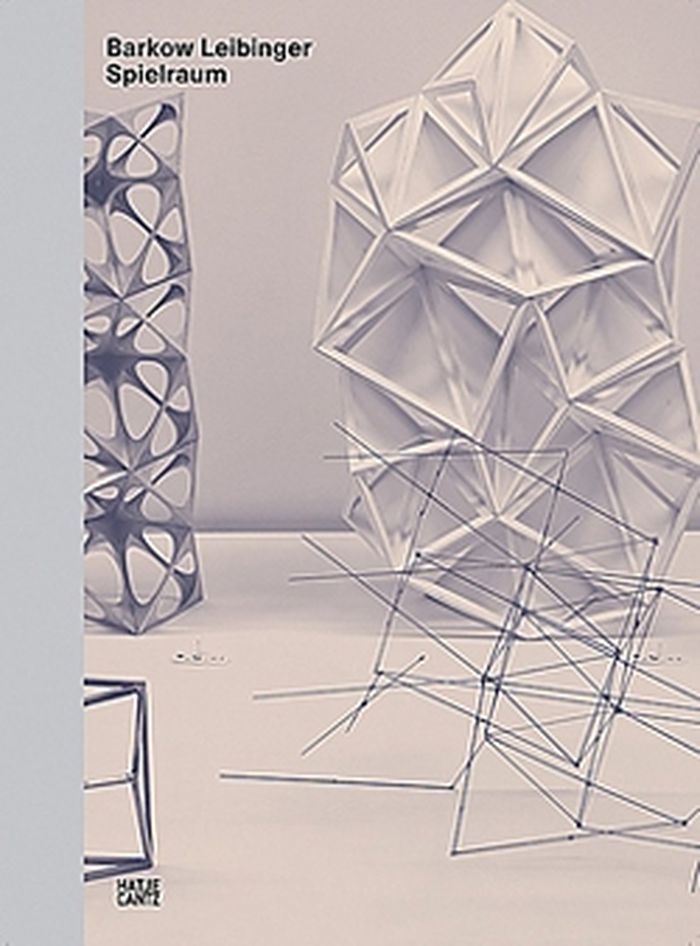
Barkow Leibinger
Barkow Leibinger
Actions:
Prix:
$65.00
(disponible sur commande)
Résumé:
The works presented in this volume by American/German architectural team Barkow Leibinger range from prototypes and installations to buildings such as the recently completed Tour Total, in which form and space evolve by means of the handling of material and new technologies and tools.
$65.00
(disponible sur commande)
Résumé:
The works presented in this volume by American/German architectural team Barkow Leibinger range from prototypes and installations to buildings such as the recently completed Tour Total, in which form and space evolve by means of the handling of material and new technologies and tools.
Titre:
Barkow Leibinger
Actions:
Prix:
$65.00
(disponible sur commande)
Résumé:
The works presented in this volume by American/German architectural team Barkow Leibinger range from prototypes and installations to buildings such as the recently completed Tour Total, in which form and space evolve by means of the handling of material and new technologies and tools.
Barkow Leibinger
Actions:
Prix:
$65.00
(disponible sur commande)
Résumé:
The works presented in this volume by American/German architectural team Barkow Leibinger range from prototypes and installations to buildings such as the recently completed Tour Total, in which form and space evolve by means of the handling of material and new technologies and tools.
Classification:
livres
livres
Publication:
avril 2014
avril 2014
Sujet:
Architecture, monographies
Architecture, monographies
Classification:
livres
livres
Titre:
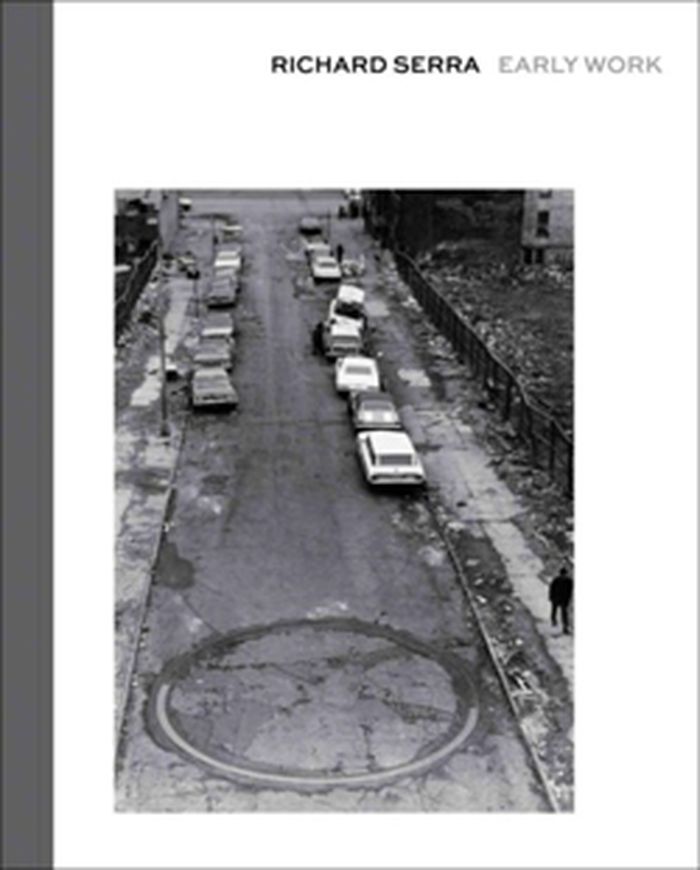
Richard Serra: early work
Richard Serra: early work
Actions:
Prix:
$85.00
(disponible sur commande)
Résumé:
This publication focuses on the early work of Richard Serra, one of the most influential artists working today. The works included in this volume represent the beginning of the artist's innovative, process-oriented experiments with nontraditional materials, such as vulcanized rubber, neon and lead, in addition to key early examples of his work in steel and a selection of(...)
$85.00
(disponible sur commande)
Résumé:
This publication focuses on the early work of Richard Serra, one of the most influential artists working today. The works included in this volume represent the beginning of the artist's innovative, process-oriented experiments with nontraditional materials, such as vulcanized rubber, neon and lead, in addition to key early examples of his work in steel and a selection of(...)
Titre:
Richard Serra: early work
Actions:
Prix:
$85.00
(disponible sur commande)
Résumé:
This publication focuses on the early work of Richard Serra, one of the most influential artists working today. The works included in this volume represent the beginning of the artist's innovative, process-oriented experiments with nontraditional materials, such as vulcanized rubber, neon and lead, in addition to key early examples of his work in steel and a selection of the artist's films from this period.
Richard Serra: early work
Actions:
Prix:
$85.00
(disponible sur commande)
Résumé:
This publication focuses on the early work of Richard Serra, one of the most influential artists working today. The works included in this volume represent the beginning of the artist's innovative, process-oriented experiments with nontraditional materials, such as vulcanized rubber, neon and lead, in addition to key early examples of his work in steel and a selection of the artist's films from this period.
Classification:
livres
livres
Publication:
février 2014
février 2014
Classification:
livres
livres
Titre:
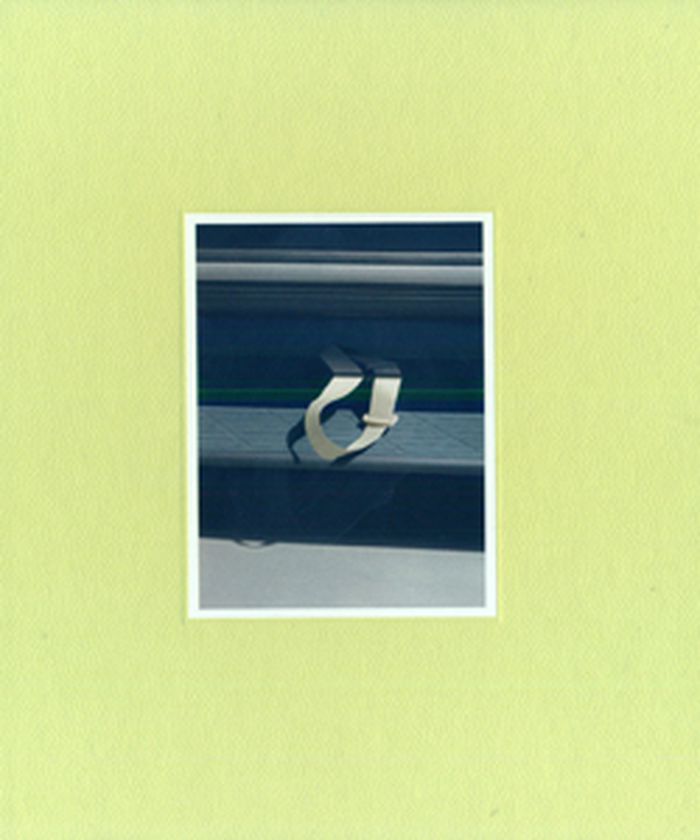
Thomas Demand: the dailies
Thomas Demand: the dailies
Actions:
Prix:
$50.00
(disponible sur commande)
Résumé:
Working within the parameters of his established technique, Thomas Demand created carefully formed paper and card sculptures, a parallel world which is photographed and then destroyed. The Dailies offers only traces – signs of consumption, or the spectres of things left behind. His creations are based on things he saw and photographs he took while travelling and walking(...)
$50.00
(disponible sur commande)
Résumé:
Working within the parameters of his established technique, Thomas Demand created carefully formed paper and card sculptures, a parallel world which is photographed and then destroyed. The Dailies offers only traces – signs of consumption, or the spectres of things left behind. His creations are based on things he saw and photographs he took while travelling and walking(...)
Titre:
Thomas Demand: the dailies
Actions:
Prix:
$50.00
(disponible sur commande)
Résumé:
Working within the parameters of his established technique, Thomas Demand created carefully formed paper and card sculptures, a parallel world which is photographed and then destroyed. The Dailies offers only traces – signs of consumption, or the spectres of things left behind. His creations are based on things he saw and photographs he took while travelling and walking the street. They show a world that is familiar but out of reach, like the dancing coloured pins on a clothesline, suspended somewhere between the overfamiliar and the hallucinatory – as if a chance apparition, glimpsed momentarily, before it vanishes into its habitat.
Thomas Demand: the dailies
Actions:
Prix:
$50.00
(disponible sur commande)
Résumé:
Working within the parameters of his established technique, Thomas Demand created carefully formed paper and card sculptures, a parallel world which is photographed and then destroyed. The Dailies offers only traces – signs of consumption, or the spectres of things left behind. His creations are based on things he saw and photographs he took while travelling and walking the street. They show a world that is familiar but out of reach, like the dancing coloured pins on a clothesline, suspended somewhere between the overfamiliar and the hallucinatory – as if a chance apparition, glimpsed momentarily, before it vanishes into its habitat.
Classification:
livres
livres
Publication:
septembre 2015
septembre 2015
Sujet:
Monographies photo
Monographies photo


