


16 Résultats
Classification:
livres
livres
Actions:
Prix:
$56.00
(disponible en magasin)
Résumé:
Most houses are the product of multiple layers of norms and expectations built up over time, whether methods, materials, and technologies or social, cultural, economic, and political pressures. Yet at various moments houses have been built that break with the past and do something different—houses that stand outside of these expectations and instead are conceived to(...)
Titre:
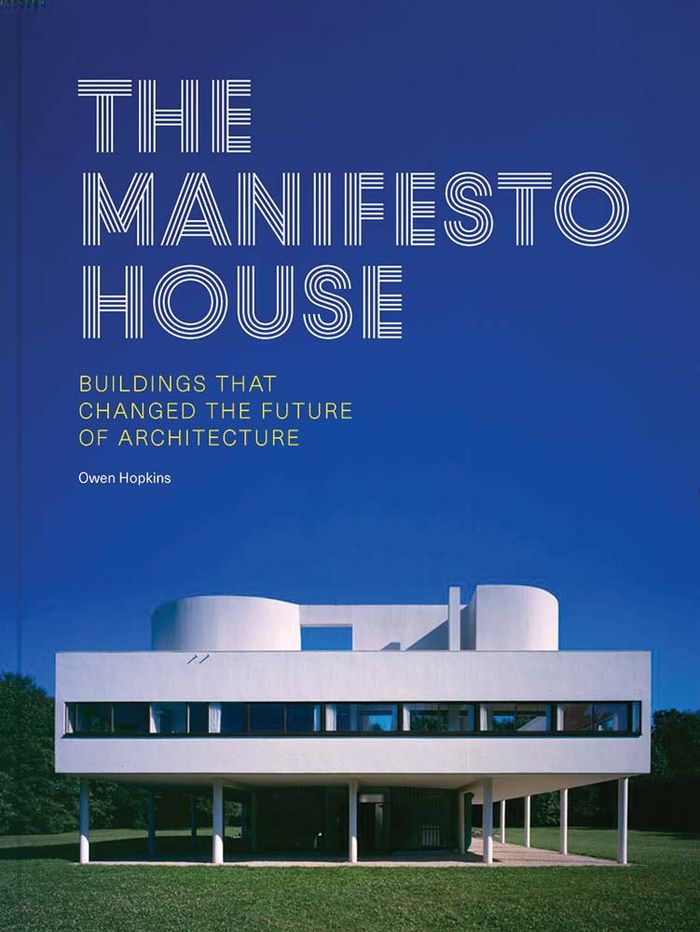
The manifesto house: Buildings that changed the future of architecture
Actions:
Prix:
$56.00
(disponible en magasin)
Résumé:
Most houses are the product of multiple layers of norms and expectations built up over time, whether methods, materials, and technologies or social, cultural, economic, and political pressures. Yet at various moments houses have been built that break with the past and do something different—houses that stand outside of these expectations and instead are conceived to embody whole new theories or agendas. We call these "manifesto houses." For the first time, this compelling thread in the history of architecture is surveyed by Owen Hopkins. He brings together a collection of twenty-one such manifesto houses, exploring the visions for architecture conjured by Andrea Palladio, Eileen Gray, Frank Lloyd Wright, Harry Seidler, Lina Bo Bardi, Anupama Kundoo, and Sou Fujimoto, among others. "The manifesto house" looks in detail at the ideas and ambitions embodied in each house, the contexts that shaped them, and their impact and influence on the future of architecture.
Classification:
livres
livres
Publication:
mai 2025
mai 2025
Sujet:
Théorie de l’architecture
Théorie de l’architecture
Classification:
livres
livres

Prix:
$23.95
(disponible sur commande)
Résumé:
'Mavericks: Breaking the Mould of British Architecture' explores twelve figures from the history of British architecture, including Sir John Soane, Charles Rennie Mackintosh, Cedric Price and Zaha Hadid who have defied convention over the past 250 years. This book offers a fresh take on their work, establishing new and sometimes surprising historical connections, while(...)
Titre:
Mavericks: breaking the mould of British Architecture
Actions:
Prix:
$23.95
(disponible sur commande)
Résumé:
'Mavericks: Breaking the Mould of British Architecture' explores twelve figures from the history of British architecture, including Sir John Soane, Charles Rennie Mackintosh, Cedric Price and Zaha Hadid who have defied convention over the past 250 years. This book offers a fresh take on their work, establishing new and sometimes surprising historical connections, while posing an intriguing alternative narrative to the history of British Architecture.
Classification:
livres
livres
Publication:
mai 2016
mai 2016
Classification:
livres
livres
Prix:
$32.50
(disponible sur commande)
Résumé:
This book casts a detailed look at the wide range of buildings constructed in Britain between 1945 and 1979. Although their bold architectural aspirations reflected the forward-looking social ethos of the postwar era, many of these structures have since been either demolished or altered beyond recognition. In this volume, photographs taken at the time of the buildings’(...)
Titre:
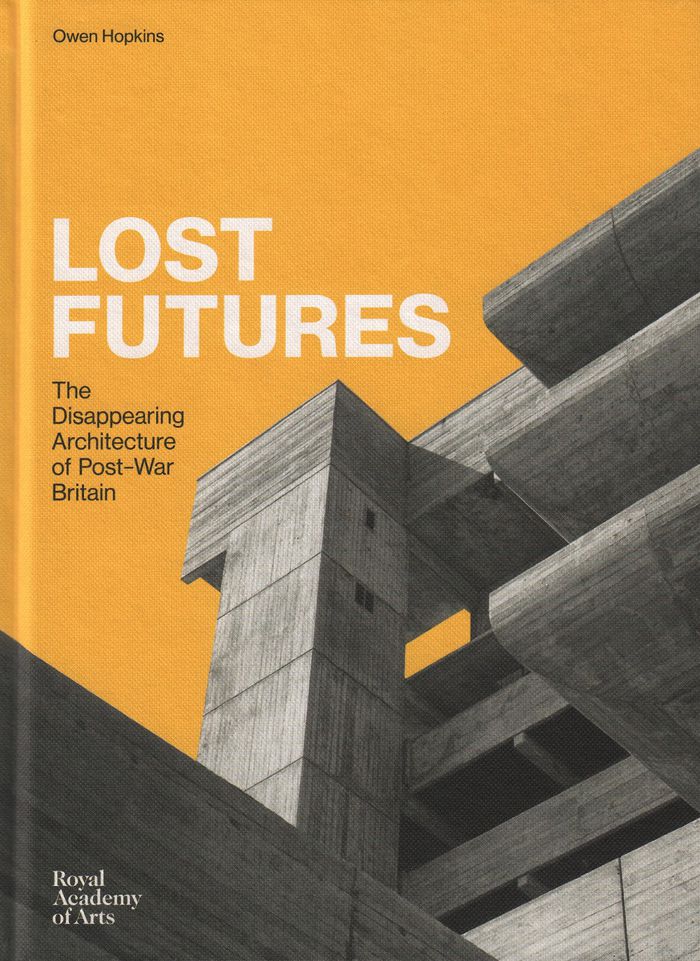
Lost futures: the disappearing architecture of post-war Britain
Actions:
Prix:
$32.50
(disponible sur commande)
Résumé:
This book casts a detailed look at the wide range of buildings constructed in Britain between 1945 and 1979. Although their bold architectural aspirations reflected the forward-looking social ethos of the postwar era, many of these structures have since been either demolished or altered beyond recognition. In this volume, photographs taken at the time of the buildings’ completion are accompanied by expert research examining their design and creation, the ideals they embodied and the reasons for their eventual destruction.
Classification:
livres
livres
Publication:
avril 2017
avril 2017
Sujet:
Brutalisme
Brutalisme
Classification:
livres
livres

Actions:
Prix:
$65.00
(disponible sur commande)
Résumé:
This book takes its subtitle from Postmodernist icon Robert Venturi's spirited response to Mies van der Rohe's dictum that ‘less is more'. One of the 20th century's most controversial styles, Postmodernism began in the 1970s, reached a fever pitch of eclectic non-conformity in the 1980s and 90s, and after nearly 40 years is now enjoying a newfound popularity. 'Postmodern(...)
Titre:
Postmodern architecture: less is a bore
Actions:
Prix:
$65.00
(disponible sur commande)
Résumé:
This book takes its subtitle from Postmodernist icon Robert Venturi's spirited response to Mies van der Rohe's dictum that ‘less is more'. One of the 20th century's most controversial styles, Postmodernism began in the 1970s, reached a fever pitch of eclectic non-conformity in the 1980s and 90s, and after nearly 40 years is now enjoying a newfound popularity. 'Postmodern Architecture' showcases examples of the movement in a rainbow of hues and forms from around the globe.
Classification:
livres
livres
Publication:
février 2020
février 2020
Sujet:
Post-modernisme
Post-modernisme
Classification:
périodiques
périodiques

Prix:
$47.95
(disponible en magasin)
Résumé:
This issue of AD posits that this re-examination and redeployment of postmodernist approaches is the architectural attempt to reflect, grapple with and make sense of the current political and economic situation.
$47.95
(disponible en magasin)
Résumé:
This issue of AD posits that this re-examination and redeployment of postmodernist approaches is the architectural attempt to reflect, grapple with and make sense of the current political and economic situation.
Titre:
AD 91:01 Multiform, Architecture in an age of transition
Actions:
Prix:
$47.95
(disponible en magasin)
Résumé:
This issue of AD posits that this re-examination and redeployment of postmodernist approaches is the architectural attempt to reflect, grapple with and make sense of the current political and economic situation.
Classification:
périodiques
périodiques
Publication:
février 2021
février 2021
Sujet:
Revues
Revues
Classification:
livres
livres
Actions:
Prix:
$79.95
(disponible sur commande)
Résumé:
This book is split into six chapters that proceed more or less chronologically. It begins by exploring the origins of the museum both as a cultural phenomenon and as a particular type of space. Central to this, as the first chapter explores, was the ‘princely collection’, that is, collections of painting and sculpture assembled by royalty and the nobility across Europe(...)
Titre:
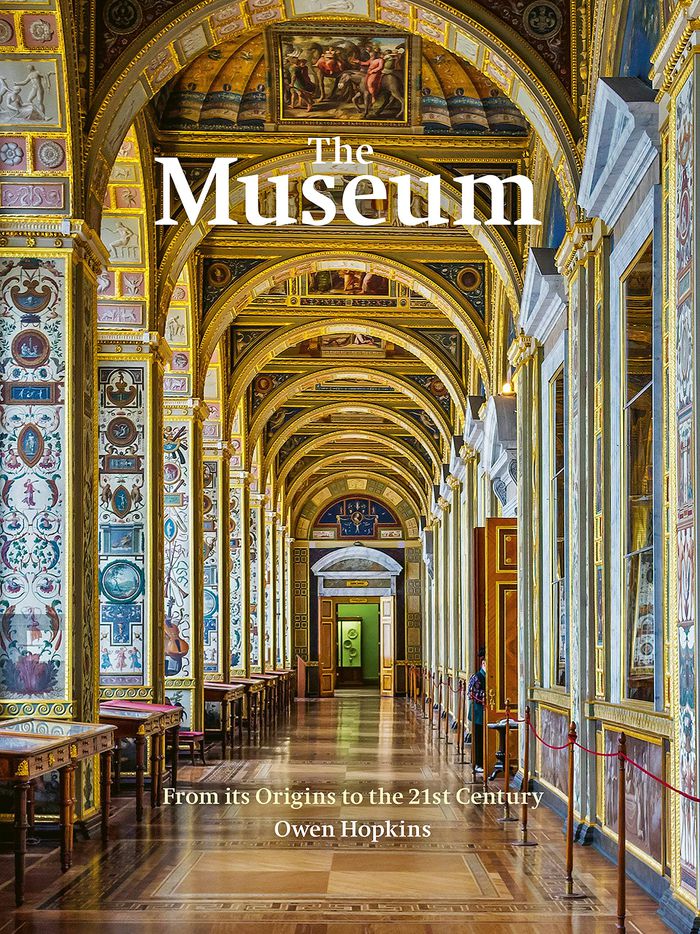
The Museum : from its origins to the 21st century
Actions:
Prix:
$79.95
(disponible sur commande)
Résumé:
This book is split into six chapters that proceed more or less chronologically. It begins by exploring the origins of the museum both as a cultural phenomenon and as a particular type of space. Central to this, as the first chapter explores, was the ‘princely collection’, that is, collections of painting and sculpture assembled by royalty and the nobility across Europe that began during the Renaissance and continued during the seventeenth and eighteenth centuries. Although varying both in extent and artistic focus, the motivations driving the establishing of these early collections generally derived from their creators’ desires to fashion learned and enlightened images of themselves and their courts. With some exceptions, admission to these collections was limited to the social elite and those that they were trying to impress. The idea that collections should be open to a wider social group began to emerge during the eighteenth century with the advent of the wunderkammer, or cabinet of curiosities. These contained not just works of art, but all manner of objects, from natural history specimens to religious or cult artefacts, and everything in between.
Classification:
livres
livres
Publication:
novembre 2021
novembre 2021


