


16 Résultats
Classification:
livres
livres
Titre:
Spaces of democracy
Spaces of democracy
Actions:
Prix:
$17.25
(disponible sur commande)
Résumé:
Text for the 1998 Raoul Walleberg Lecture given at University of Michigan, College of Architecture + Urban Planning.
$17.25
(disponible sur commande)
Résumé:
Text for the 1998 Raoul Walleberg Lecture given at University of Michigan, College of Architecture + Urban Planning.
Titre:
Spaces of democracy
Actions:
Prix:
$17.25
(disponible sur commande)
Résumé:
Text for the 1998 Raoul Walleberg Lecture given at University of Michigan, College of Architecture + Urban Planning.
Spaces of democracy
Actions:
Prix:
$17.25
(disponible sur commande)
Résumé:
Text for the 1998 Raoul Walleberg Lecture given at University of Michigan, College of Architecture + Urban Planning.
Classification:
livres
livres
Publication:
janvier 1998, Ann Arbor
janvier 1998, Ann Arbor
Sujet:
petits formats
petits formats
Classification:
livres
livres
Titre:
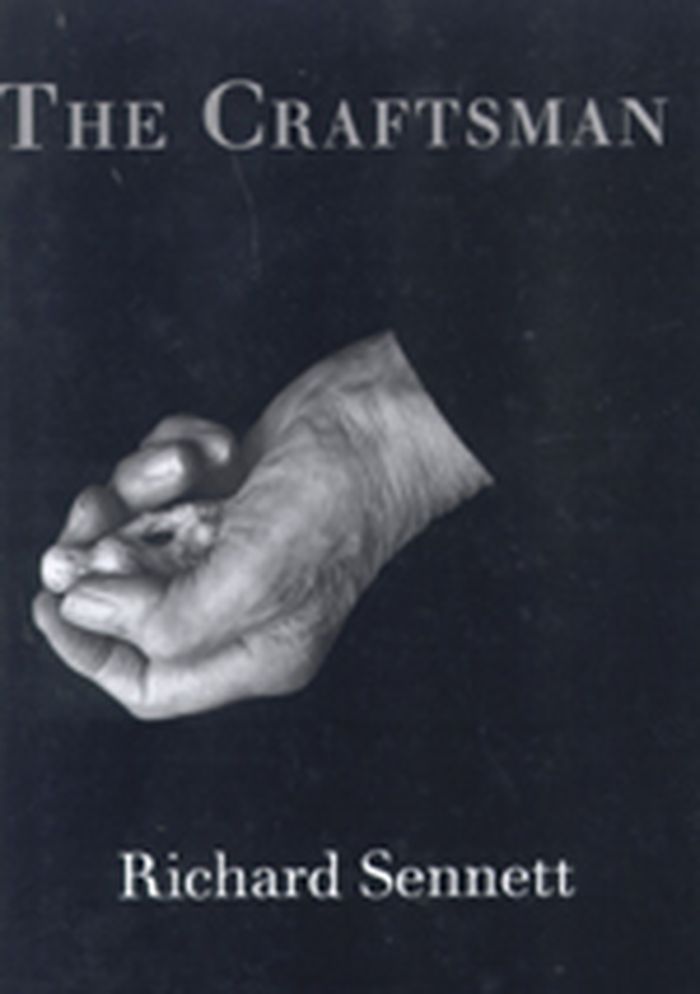
The Craftsman
The Craftsman
Actions:
Prix:
$27.50
(disponible sur commande)
Résumé:
«As Richard Sennett makes clear in this lucid and compelling book, craftsmanship one connected people to their work by conferring pride and meaning. The loss of craftmanship and of a society that values it has impoverished us in ways we have long forgotten but Sennett helps us understand.» Robert B. Reich
Titre:
The Craftsman
Actions:
Prix:
$27.50
(disponible sur commande)
Résumé:
«As Richard Sennett makes clear in this lucid and compelling book, craftsmanship one connected people to their work by conferring pride and meaning. The loss of craftmanship and of a society that values it has impoverished us in ways we have long forgotten but Sennett helps us understand.» Robert B. Reich
Classification:
livres
livres
Publication:
mars 2008, New Haven, London
mars 2008, New Haven, London
Sujet:
Théorie de l’architecture
Théorie de l’architecture
Classification:
livres
livres
Titre:
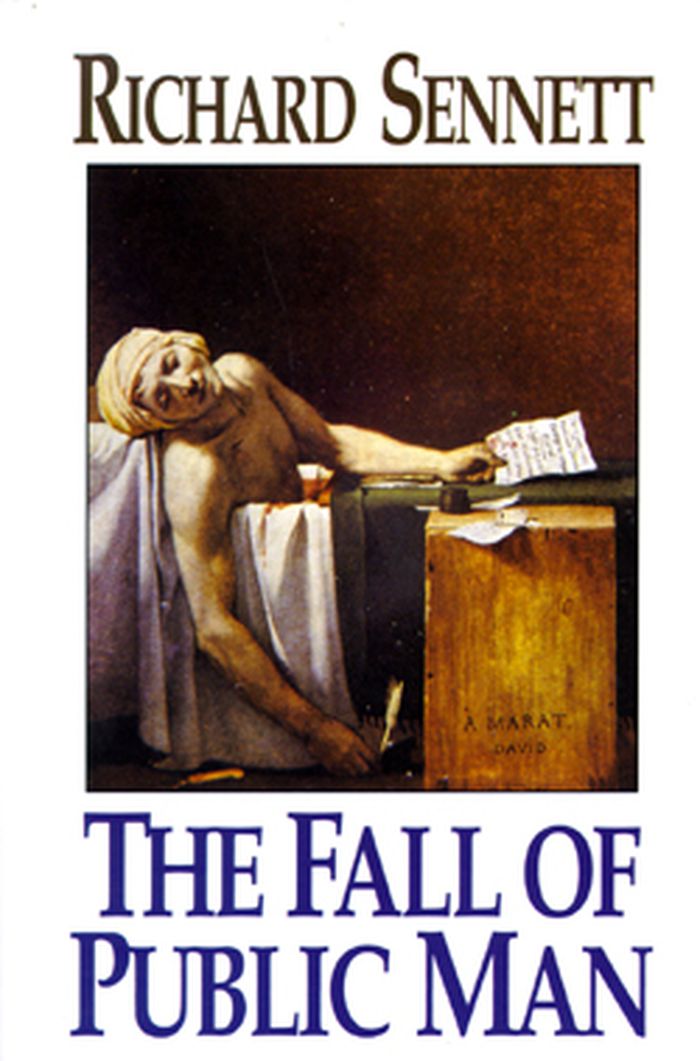
The fall of public man
The fall of public man
Actions:
Prix:
$19.95
(disponible sur commande)
Résumé:
In an original and sweeping historical study, the sociologist author of The Uses of Disorder relates society's most prominent ills, from clinical narcissism to political apathy, to the decline of public life and the rise of an arid privatism, exalting intimacy and enshrining personality. His model is the Enlightenment cosmopolis, where "a balance of public and private(...)
Sujet:
Théorie de l’architecture
Théorie de l’architecture
Publication:
janvier 1900, New York, London
janvier 1900, New York, London
Titre:
The fall of public man
Actions:
Prix:
$19.95
(disponible sur commande)
Résumé:
In an original and sweeping historical study, the sociologist author of The Uses of Disorder relates society's most prominent ills, from clinical narcissism to political apathy, to the decline of public life and the rise of an arid privatism, exalting intimacy and enshrining personality. His model is the Enlightenment cosmopolis, where "a balance of public and private geography. . . did exist"; his method is to investigate the change in public roles - "the social terms on which human beings are expressive" - from the 1750s to the 1890s in the prototypical urban centers, London and Paris.
Classification:
livres
livres
Publication:
janvier 1900, New York, London
janvier 1900, New York, London
Sujet:
Théorie de l’architecture
Théorie de l’architecture
Classification:
livres
livres
Prix:
$33.95
(disponible sur commande)
Résumé:
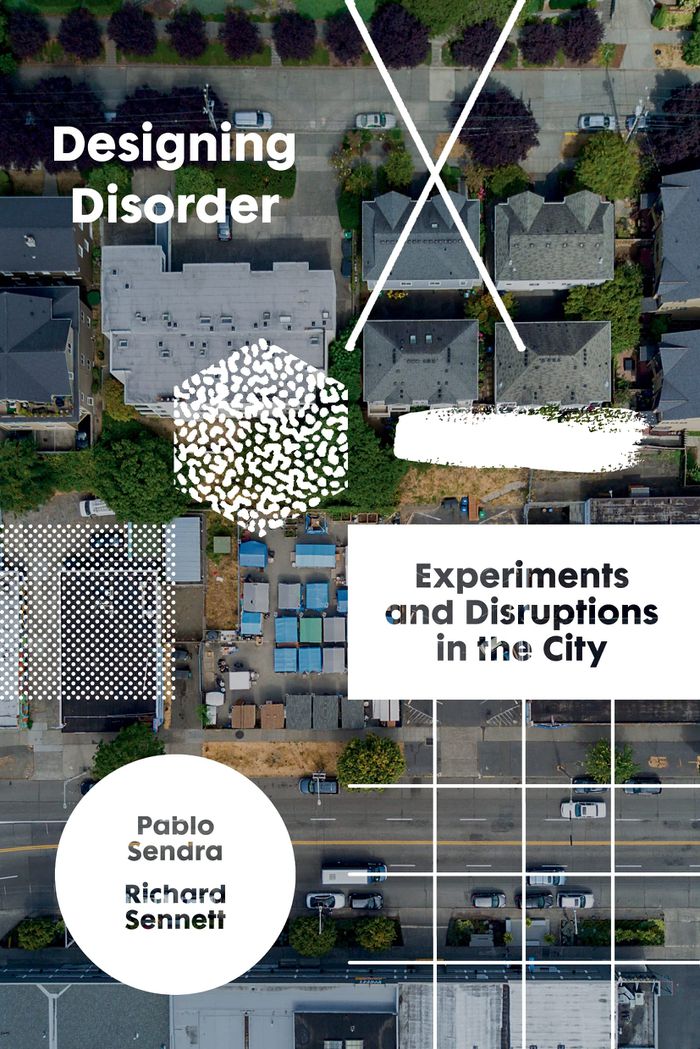
A manifesto for the Open City: vibrant, disordered, adaptable. In 1970 Richard Sennett published the ground breaking ''The uses of disorder,'' that the ideal of a planned and ordered city was flawed, likely to produce a fragile, restrictive urban environment. Fifty years later, Sennett returns to these still fertile ideas and alongside campaigner and architect, Pablo(...)
Titre:
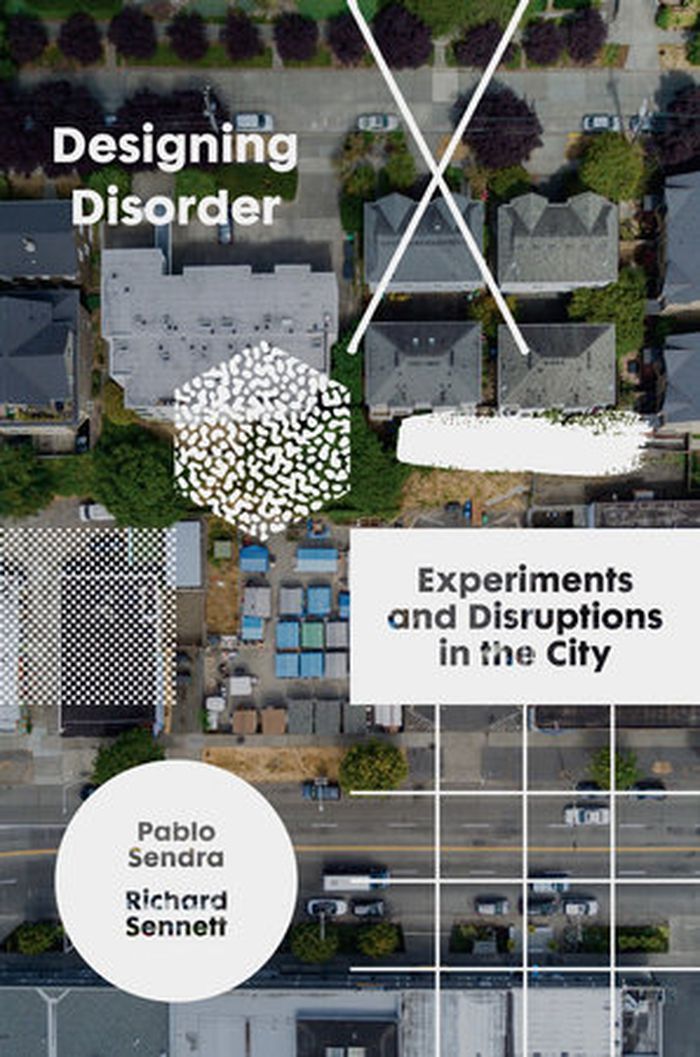
Designing disorder: experiments and disruptions in the city
Actions:
Prix:
$33.95
(disponible sur commande)
Résumé:
A manifesto for the Open City: vibrant, disordered, adaptable. In 1970 Richard Sennett published the ground breaking ''The uses of disorder,'' that the ideal of a planned and ordered city was flawed, likely to produce a fragile, restrictive urban environment. Fifty years later, Sennett returns to these still fertile ideas and alongside campaigner and architect, Pablo Sendra, sets out an agenda for the design and ethics of the Open City. The public spaces of our cities are under siege from planners, privatisation and increased surveillance. Our streets are becoming ever more lifeless and ordered. What is to be done? Can disorder be designed? Is it possible to maintain the public realm as a flexible space that adapts over time? In this provocative essay Sendra and Sennett propose a reorganisation of how we think and plan the social life of our cities. What the authors call 'Infrastructures of disorder' combine architecture, politics, urban planning and activism in order to develop places that nurture rather than stifle, bring together rather than divide up, remain open to change rather than closed off. The book proves that ideas of disorder are still some of the most radical and transformative in debates on 21st century cities.
Classification:
livres
livres
Publication:
avril 2020
avril 2020
Sujet:
Théorie de l’urbanisme
Théorie de l’urbanisme
Classification:
livres
livres
Titre:
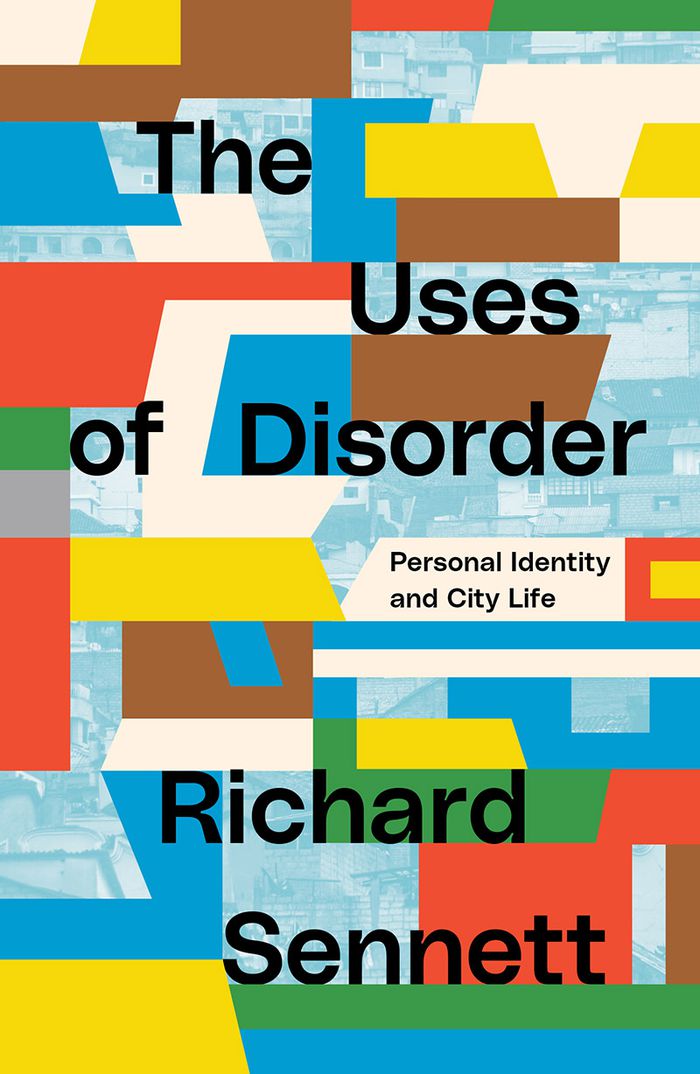
The uses of disorder
The uses of disorder
Actions:
Prix:
$25.95
(disponible sur commande)
Résumé:
When first published in 1970, The Uses of Disorder, was a call to arms against the deadening hand of modernist urban planning upon the thriving chaotic city. Written in the aftermath of the 1968 student uprising in the US and Europe, it demands a reimagination of the city and how class, city life and identity combine. Too often, this leads to divisions, such as the middle(...)
Titre:
The uses of disorder
Actions:
Prix:
$25.95
(disponible sur commande)
Résumé:
When first published in 1970, The Uses of Disorder, was a call to arms against the deadening hand of modernist urban planning upon the thriving chaotic city. Written in the aftermath of the 1968 student uprising in the US and Europe, it demands a reimagination of the city and how class, city life and identity combine. Too often, this leads to divisions, such as the middle class flight to the suburbs, leaving the inner cities in desperate straits. In response, Sennett offers an alternative image of a “dense, disorderly, overwhelming cities” that allow for change and the development of community. Fifty years later this book is as essential as it was when it first came out, and remains an inspiration to architects, planners and urban thinkers everywhere.
Classification:
livres
livres
Publication:
novembre 2021
novembre 2021
Sujet:
Social
Social
Classification:
livres
livres
Prix:
$25.95
(disponible sur commande)
Résumé:
A manifesto for the Open City: vibrant, disordered, adaptable. In 1970 Richard Sennett published the ground breaking ''The uses of disorder,'' that the ideal of a planned and ordered city was flawed, likely to produce a fragile, restrictive urban environment. Fifty years later, Sennett returns to these still fertile ideas and alongside campaigner and architect, Pablo(...)
Titre:
Designing disorder: Experiments and disruptions in the ciity
Actions:
Prix:
$25.95
(disponible sur commande)
Résumé:
A manifesto for the Open City: vibrant, disordered, adaptable. In 1970 Richard Sennett published the ground breaking ''The uses of disorder,'' that the ideal of a planned and ordered city was flawed, likely to produce a fragile, restrictive urban environment. Fifty years later, Sennett returns to these still fertile ideas and alongside campaigner and architect, Pablo Sendra, sets out an agenda for the design and ethics of the Open City.
Classification:
livres
livres
Publication:
avril 2022
avril 2022
Sujet:
Théorie de l’urbanisme
Théorie de l’urbanisme


