


16 Résultats
Classification:
livres
livres
Prix:
$49.95
(disponible sur commande)
Résumé:
Colonial Modern: Aesthetics of the Past, Rebellions for the Future is a reader on the relationship between modernism and the project of modernisation in architecture, as well as the intertwining of both in the context of colonialism and decolonisation. It focuses on the dual topics of the relationship between the post-war aesthetic regime of modernism and the project of(...)
$49.95
(disponible sur commande)
Résumé:
Colonial Modern: Aesthetics of the Past, Rebellions for the Future is a reader on the relationship between modernism and the project of modernisation in architecture, as well as the intertwining of both in the context of colonialism and decolonisation. It focuses on the dual topics of the relationship between the post-war aesthetic regime of modernism and the project of(...)
Titre:
Colonial Modern: Aesthetics of the past, rebellions for the future
Actions:
Prix:
$49.95
(disponible sur commande)
Résumé:
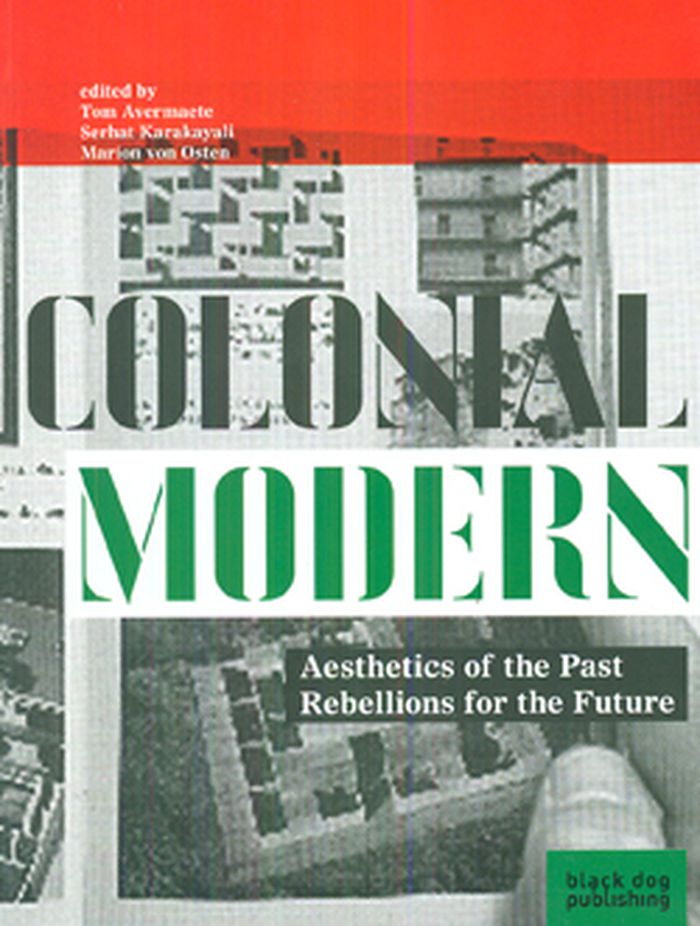
Colonial Modern: Aesthetics of the Past, Rebellions for the Future is a reader on the relationship between modernism and the project of modernisation in architecture, as well as the intertwining of both in the context of colonialism and decolonisation. It focuses on the dual topics of the relationship between the post-war aesthetic regime of modernism and the project of modernization in architecture and urban planning, as well as on the highly charged intertwining of both in the context of colonialism and decolonization. It is based on the exhibition In the Desert of Modernity: Colonial Planning and After , which traced these connected histories of modern architecture and urban planning in colonial northern Africa and Europe, and was first exhibited in 2008 at the Haus der Kulturen der Welt in Berlin, Germany. The book reflects contemporary research into architectural modernism and colonialism, and utilizes the thesis of “negotiated modernism” to initiate new debates on conceptions of modernism and, inevitably, postmodernism in an interdisciplinary context.
Colonial Modern: Aesthetics of the past, rebellions for the future
Actions:
Prix:
$49.95
(disponible sur commande)
Résumé:
Colonial Modern: Aesthetics of the Past, Rebellions for the Future is a reader on the relationship between modernism and the project of modernisation in architecture, as well as the intertwining of both in the context of colonialism and decolonisation. It focuses on the dual topics of the relationship between the post-war aesthetic regime of modernism and the project of modernization in architecture and urban planning, as well as on the highly charged intertwining of both in the context of colonialism and decolonization. It is based on the exhibition In the Desert of Modernity: Colonial Planning and After , which traced these connected histories of modern architecture and urban planning in colonial northern Africa and Europe, and was first exhibited in 2008 at the Haus der Kulturen der Welt in Berlin, Germany. The book reflects contemporary research into architectural modernism and colonialism, and utilizes the thesis of “negotiated modernism” to initiate new debates on conceptions of modernism and, inevitably, postmodernism in an interdisciplinary context.
Classification:
livres
livres
Publication:
août 2010
août 2010
Sujet:
Modernisme
Modernisme
Classification:
livres
livres
Actions:
Prix:
$131.00
(disponible sur commande)
Résumé:
This book is a collection of 47 articles by renowned authors including, among others, Roland Barthes, Koos Bosma, Jorg Gleiter, Herman Hertzberger, Arnulf Luchinger, Winy Maas, Sylvain Malfroy, Hasim Sarkis, Fabian Scheurer, and Georges Teyssot. Through well-founded theoretical contributions, the book provides the first comprehensive representation of historical and(...)
$131.00
(disponible sur commande)
Résumé:
This book is a collection of 47 articles by renowned authors including, among others, Roland Barthes, Koos Bosma, Jorg Gleiter, Herman Hertzberger, Arnulf Luchinger, Winy Maas, Sylvain Malfroy, Hasim Sarkis, Fabian Scheurer, and Georges Teyssot. Through well-founded theoretical contributions, the book provides the first comprehensive representation of historical and(...)
Titre:
Structuralism reloaded : rule-based design in architecture and urbanism
Actions:
Prix:
$131.00
(disponible sur commande)
Résumé:
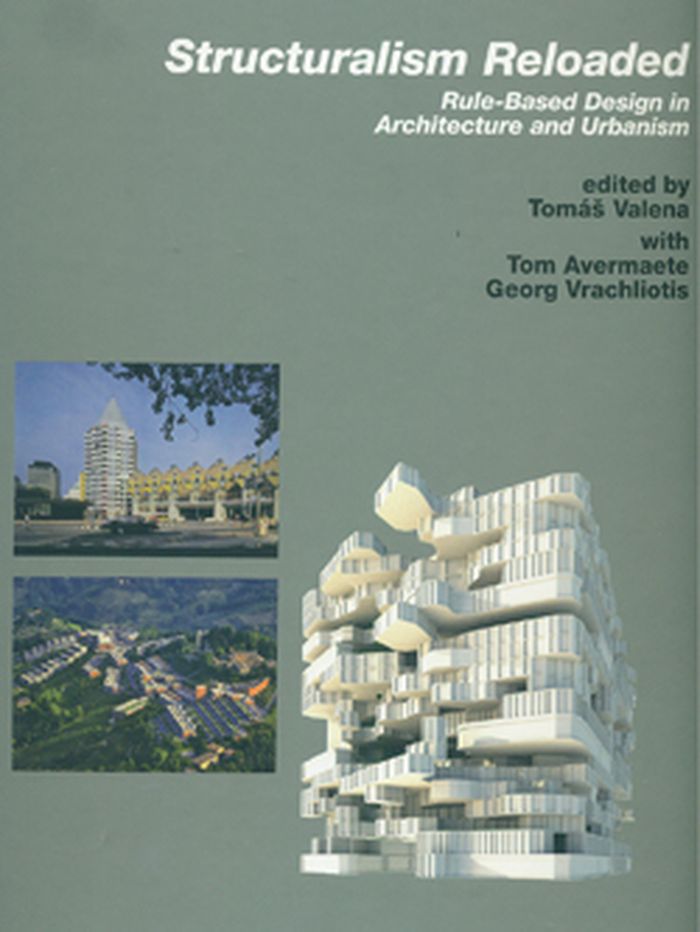
This book is a collection of 47 articles by renowned authors including, among others, Roland Barthes, Koos Bosma, Jorg Gleiter, Herman Hertzberger, Arnulf Luchinger, Winy Maas, Sylvain Malfroy, Hasim Sarkis, Fabian Scheurer, and Georges Teyssot. Through well-founded theoretical contributions, the book provides the first comprehensive representation of historical and contemporary digital structural thinking in architecture and urban planning
Structuralism reloaded : rule-based design in architecture and urbanism
Actions:
Prix:
$131.00
(disponible sur commande)
Résumé:
This book is a collection of 47 articles by renowned authors including, among others, Roland Barthes, Koos Bosma, Jorg Gleiter, Herman Hertzberger, Arnulf Luchinger, Winy Maas, Sylvain Malfroy, Hasim Sarkis, Fabian Scheurer, and Georges Teyssot. Through well-founded theoretical contributions, the book provides the first comprehensive representation of historical and contemporary digital structural thinking in architecture and urban planning
Classification:
livres
livres
Publication:
août 2011
août 2011
Sujet:
Structures d’ingénierie
Structures d’ingénierie
Classification:
livres
livres
Prix:
$35.00
(disponible sur commande)
Résumé:
OASE 87 is dedicated to the work of British architect Alan Colquhoun, situated within today’s debate on architecture criticism. The issue presents not only the different themes that Colquhoun addressed in his work, but also the various positions taken in his career as scholar, critic and practitioner. Alan Colquhoun managed for decades to link his practical experiences(...)
$35.00
(disponible sur commande)
Résumé:
OASE 87 is dedicated to the work of British architect Alan Colquhoun, situated within today’s debate on architecture criticism. The issue presents not only the different themes that Colquhoun addressed in his work, but also the various positions taken in his career as scholar, critic and practitioner. Alan Colquhoun managed for decades to link his practical experiences(...)
Titre:
OASE 87, Alan Colquhoun: Architecture, historian, critic
Actions:
Prix:
$35.00
(disponible sur commande)
Résumé:
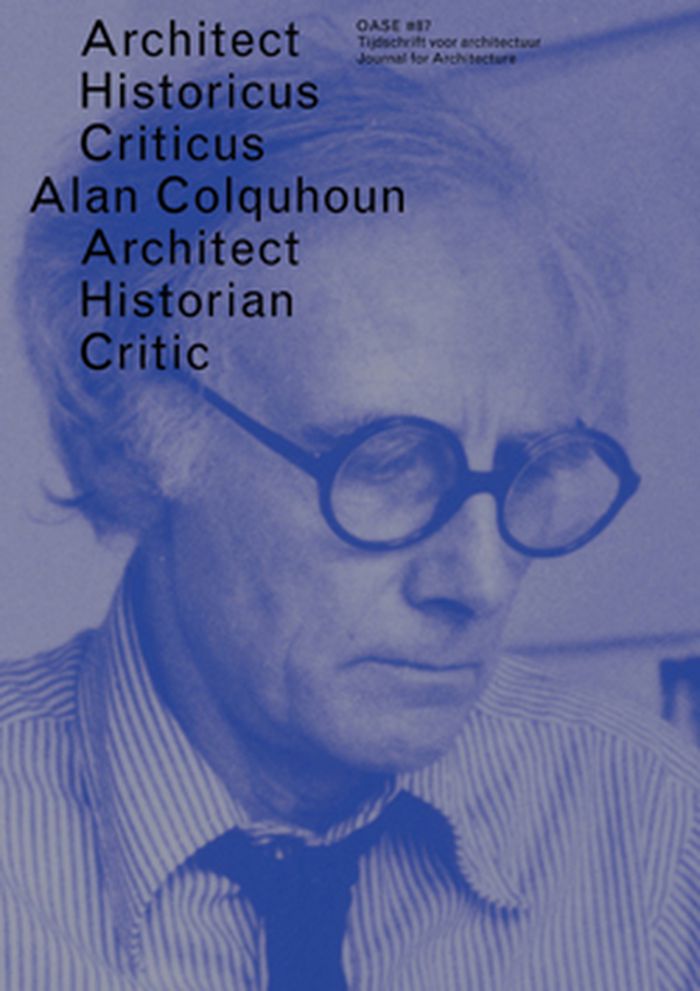
OASE 87 is dedicated to the work of British architect Alan Colquhoun, situated within today’s debate on architecture criticism. The issue presents not only the different themes that Colquhoun addressed in his work, but also the various positions taken in his career as scholar, critic and practitioner. Alan Colquhoun managed for decades to link his practical experiences with a particular way of thinking about architecture history and theory. Colquhoun’s work illustrates that architecture – even today – needs its own theory and cultural position.
OASE 87, Alan Colquhoun: Architecture, historian, critic
Actions:
Prix:
$35.00
(disponible sur commande)
Résumé:
OASE 87 is dedicated to the work of British architect Alan Colquhoun, situated within today’s debate on architecture criticism. The issue presents not only the different themes that Colquhoun addressed in his work, but also the various positions taken in his career as scholar, critic and practitioner. Alan Colquhoun managed for decades to link his practical experiences with a particular way of thinking about architecture history and theory. Colquhoun’s work illustrates that architecture – even today – needs its own theory and cultural position.
Classification:
livres
livres
Publication:
juillet 2012
juillet 2012
Sujet:
Revues
Revues
Classification:
livres
livres
Actions:
Prix:
$45.00
(disponible en magasin)
Résumé:
This book documents two complementary urban realities that have played a fundamental role in the imagination, definition and redefinition of the twentieth-century modern city. Shifting away from an understanding of architecture as the construction of monumental masterpieces, the texts collected here assemble the narratives behind the public spaces, housing and social(...)
$45.00
(disponible en magasin)
Résumé:
This book documents two complementary urban realities that have played a fundamental role in the imagination, definition and redefinition of the twentieth-century modern city. Shifting away from an understanding of architecture as the construction of monumental masterpieces, the texts collected here assemble the narratives behind the public spaces, housing and social(...)
Titre:
Casablanca Chandigarh: a report on modernization
Actions:
Prix:
$45.00
(disponible en magasin)
Résumé:
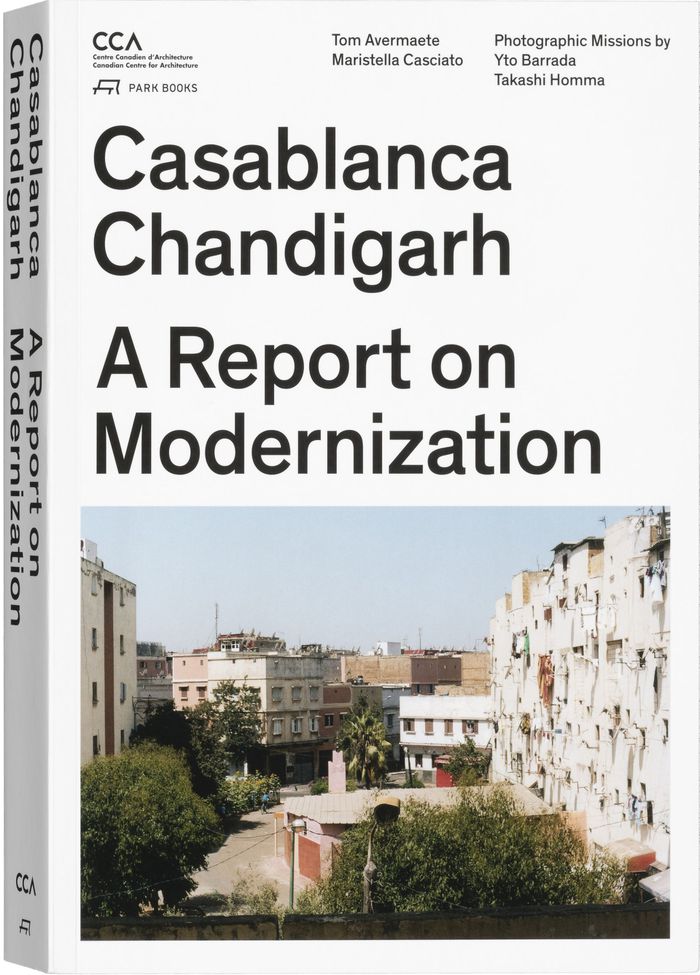
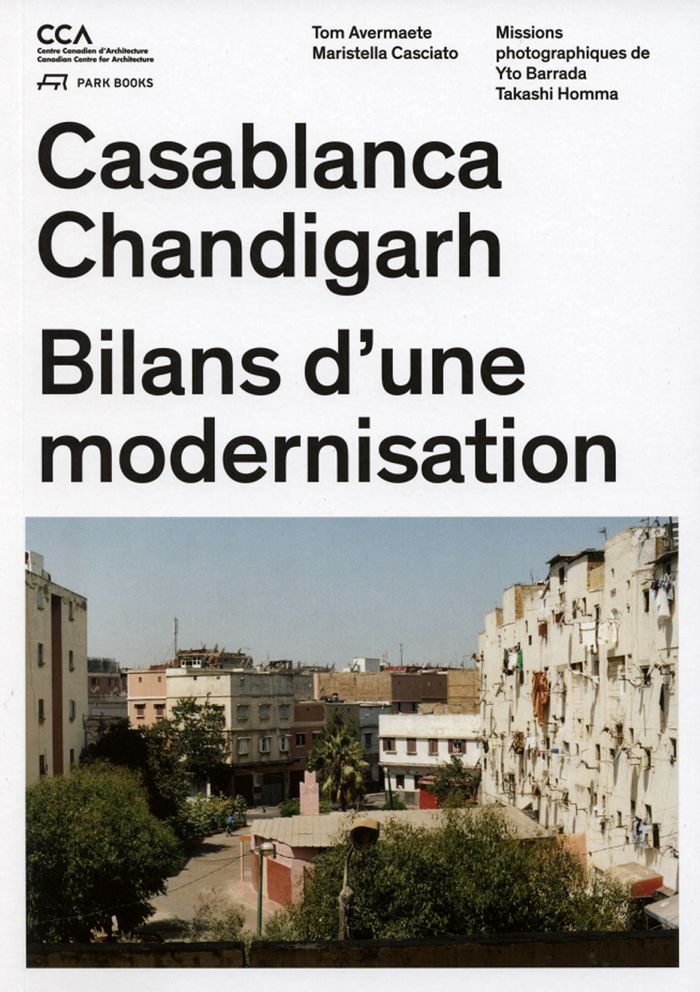
This book documents two complementary urban realities that have played a fundamental role in the imagination, definition and redefinition of the twentieth-century modern city. Shifting away from an understanding of architecture as the construction of monumental masterpieces, the texts collected here assemble the narratives behind the public spaces, housing and social facilities in these two cities, where modern plans have proven unexpectedly resilient and adaptable over time. This perspective is reinforced through visual contributions by Yto Barrada and Takashi Homma—two photographers especially invested in capturing everyday urban life. In a world marked by decolonization and Cold War politics, Casablanca and Chandigarh appear simultaneously as exponents of and countercurrents to modernization and its development perspectives. The book’s three chapters set the context for reading Casablanca and Chandigarh as the results of nuanced, dynamic processes of international exchange driven by the engagement and expertise of a new class of design professionals. As a dossier of actors, alignments and agendas, the book contributes to an alternative historiography of post-war urbanism and to recent reflections on the impact of transnational practice.
Casablanca Chandigarh: a report on modernization
Actions:
Prix:
$45.00
(disponible en magasin)
Résumé:
This book documents two complementary urban realities that have played a fundamental role in the imagination, definition and redefinition of the twentieth-century modern city. Shifting away from an understanding of architecture as the construction of monumental masterpieces, the texts collected here assemble the narratives behind the public spaces, housing and social facilities in these two cities, where modern plans have proven unexpectedly resilient and adaptable over time. This perspective is reinforced through visual contributions by Yto Barrada and Takashi Homma—two photographers especially invested in capturing everyday urban life. In a world marked by decolonization and Cold War politics, Casablanca and Chandigarh appear simultaneously as exponents of and countercurrents to modernization and its development perspectives. The book’s three chapters set the context for reading Casablanca and Chandigarh as the results of nuanced, dynamic processes of international exchange driven by the engagement and expertise of a new class of design professionals. As a dossier of actors, alignments and agendas, the book contributes to an alternative historiography of post-war urbanism and to recent reflections on the impact of transnational practice.
Classification:
livres
livres
Publication:
janvier 2014
janvier 2014
Sujet:
Publications du CCA
Publications du CCA
Classification:
livres
livres
Actions:
Prix:
$45.00
(disponible en magasin)
Résumé:
Le présent ouvrage documente deux réalités urbaines complémentaires qui ont joué un rôle fondamental dans l’imaginaire de la ville moderne du vingtième siècle, ainsi que dans sa définition et ses multiples redéfinitions. Se démarquant de l’idée que l’architecture qui fait l’Histoire est celle des chefs-d’œuvre monumentaux, les textes recueillis ici s’attachent plutôt à(...)
$45.00
(disponible en magasin)
Résumé:
Le présent ouvrage documente deux réalités urbaines complémentaires qui ont joué un rôle fondamental dans l’imaginaire de la ville moderne du vingtième siècle, ainsi que dans sa définition et ses multiples redéfinitions. Se démarquant de l’idée que l’architecture qui fait l’Histoire est celle des chefs-d’œuvre monumentaux, les textes recueillis ici s’attachent plutôt à(...)
Titre:
Casablanca Chandigarh : bilans d’une modernisation
Actions:
Prix:
$45.00
(disponible en magasin)
Résumé:
Le présent ouvrage documente deux réalités urbaines complémentaires qui ont joué un rôle fondamental dans l’imaginaire de la ville moderne du vingtième siècle, ainsi que dans sa définition et ses multiples redéfinitions. Se démarquant de l’idée que l’architecture qui fait l’Histoire est celle des chefs-d’œuvre monumentaux, les textes recueillis ici s’attachent plutôt à l’histoire des espaces publics, des structures d’habitation et des installations communautaires de ces deux villes, dont les plans modernes se sont révélés étonnamment adaptables sur la durée. Cette perspective est illustrée par les photographies de Yto Barrada et de Takashi Homma, deux artistes qui se sont efforcés d’y capturer l’essence de la vie urbaine au quotidien. Dans un monde marqué par la décolonisation et les complexités politiques de la guerre froide, Casablanca et Chandigarh figurent à la fois comme une illustration et un contre-exemple des processus de modernisation et de développement. Les trois chapitres de cet ouvrage établissent le contexte qui permet d’interpréter la réalité urbaine de Casablanca et de Chandigarh comme le résultat de processus dynamiques et nuancés d’échanges internationaux stimulés par l’engagement et l’expertise d’une nouvelle classe de professionnels de l’urbanisme. Grâce à son étude des acteurs, des idéologies et des objectifs qui sous-tendent ces deux réalisations urbanistiques, le présent ouvrage vise à contribuer à une historiographie divergente de l’urbanisme d’après-guerre et aux réflexions actuelles sur l’effet des pratiques transnationales en matière d’urbanisme.
Casablanca Chandigarh : bilans d’une modernisation
Actions:
Prix:
$45.00
(disponible en magasin)
Résumé:
Le présent ouvrage documente deux réalités urbaines complémentaires qui ont joué un rôle fondamental dans l’imaginaire de la ville moderne du vingtième siècle, ainsi que dans sa définition et ses multiples redéfinitions. Se démarquant de l’idée que l’architecture qui fait l’Histoire est celle des chefs-d’œuvre monumentaux, les textes recueillis ici s’attachent plutôt à l’histoire des espaces publics, des structures d’habitation et des installations communautaires de ces deux villes, dont les plans modernes se sont révélés étonnamment adaptables sur la durée. Cette perspective est illustrée par les photographies de Yto Barrada et de Takashi Homma, deux artistes qui se sont efforcés d’y capturer l’essence de la vie urbaine au quotidien. Dans un monde marqué par la décolonisation et les complexités politiques de la guerre froide, Casablanca et Chandigarh figurent à la fois comme une illustration et un contre-exemple des processus de modernisation et de développement. Les trois chapitres de cet ouvrage établissent le contexte qui permet d’interpréter la réalité urbaine de Casablanca et de Chandigarh comme le résultat de processus dynamiques et nuancés d’échanges internationaux stimulés par l’engagement et l’expertise d’une nouvelle classe de professionnels de l’urbanisme. Grâce à son étude des acteurs, des idéologies et des objectifs qui sous-tendent ces deux réalisations urbanistiques, le présent ouvrage vise à contribuer à une historiographie divergente de l’urbanisme d’après-guerre et aux réflexions actuelles sur l’effet des pratiques transnationales en matière d’urbanisme.
Classification:
livres
livres
Publication:
janvier 2014
janvier 2014
Sujet:
Publications du CCA
Publications du CCA
Classification:
livres
livres
Actions:
Prix:
$88.10
(disponible sur commande)
Résumé:
In the decades following World War Two, and in part in response to the Cold War, governments across Western Europe set out ambitious programmes for social welfare and the redistribution of wealth that aimed to improve the everyday lives of their citizens. Many of these welfare state programmes - housing, schools, new towns, cultural and leisure centres – involved not just(...)
$88.10
(disponible sur commande)
Résumé:
In the decades following World War Two, and in part in response to the Cold War, governments across Western Europe set out ambitious programmes for social welfare and the redistribution of wealth that aimed to improve the everyday lives of their citizens. Many of these welfare state programmes - housing, schools, new towns, cultural and leisure centres – involved not just(...)
Sujet:
Théorie de l’urbanisme
Théorie de l’urbanisme
Publication:
septembre 2014
septembre 2014
Titre:
Architecture and the welfare state
Actions:
Prix:
$88.10
(disponible sur commande)
Résumé:
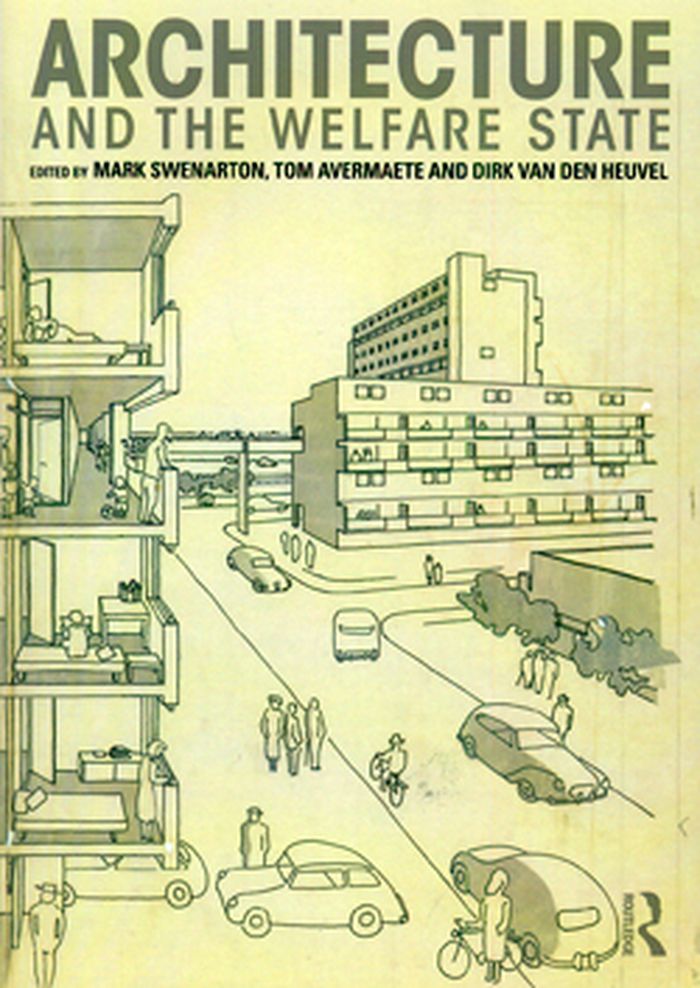
In the decades following World War Two, and in part in response to the Cold War, governments across Western Europe set out ambitious programmes for social welfare and the redistribution of wealth that aimed to improve the everyday lives of their citizens. Many of these welfare state programmes - housing, schools, new towns, cultural and leisure centres – involved not just construction but a new approach to architectural design, in which the welfare objectives of these state-funded programmes were delineated and debated. The impact on architects and architectural design was profound and far-reaching, with welfare state projects moving centre-stage in architectural discourse not just in Europe but worldwide.
Architecture and the welfare state
Actions:
Prix:
$88.10
(disponible sur commande)
Résumé:
In the decades following World War Two, and in part in response to the Cold War, governments across Western Europe set out ambitious programmes for social welfare and the redistribution of wealth that aimed to improve the everyday lives of their citizens. Many of these welfare state programmes - housing, schools, new towns, cultural and leisure centres – involved not just construction but a new approach to architectural design, in which the welfare objectives of these state-funded programmes were delineated and debated. The impact on architects and architectural design was profound and far-reaching, with welfare state projects moving centre-stage in architectural discourse not just in Europe but worldwide.
Classification:
livres
livres
Publication:
septembre 2014
septembre 2014
Sujet:
Théorie de l’urbanisme
Théorie de l’urbanisme


