


2 Résultats
Classification:
livres
livres
Actions:
Prix:
$25.95
(disponible sur commande)
Résumé:
''Women, Walking'' explores the broad spectrum of women’s experiences and perspectives on walking, from everyday strolls that let the mind breathe to ambitious journeys that test courage and resolve. Co-edited by Zahra Ebrahim and Jane Farrow, this anthology features thirty vignettes, essays, graphic art, poems, and interviews, with contributors discussing identity,(...)
$25.95
(disponible sur commande)
Résumé:
''Women, Walking'' explores the broad spectrum of women’s experiences and perspectives on walking, from everyday strolls that let the mind breathe to ambitious journeys that test courage and resolve. Co-edited by Zahra Ebrahim and Jane Farrow, this anthology features thirty vignettes, essays, graphic art, poems, and interviews, with contributors discussing identity,(...)
Titre:
Women, walking. Notes on lives in motion
Actions:
Prix:
$25.95
(disponible sur commande)
Résumé:
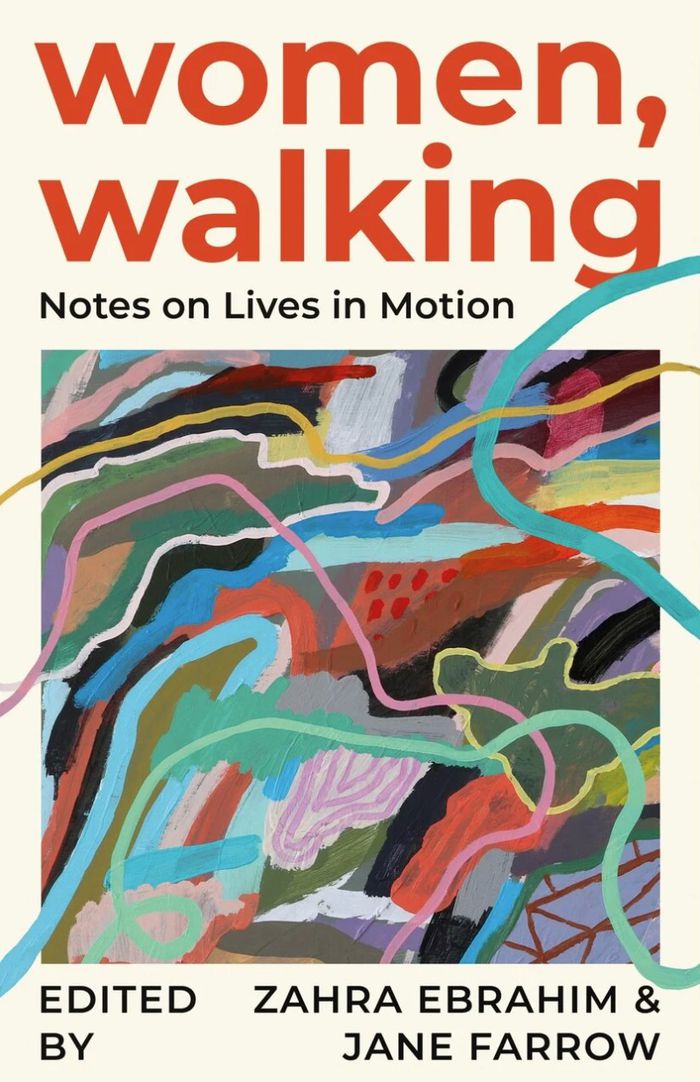
''Women, Walking'' explores the broad spectrum of women’s experiences and perspectives on walking, from everyday strolls that let the mind breathe to ambitious journeys that test courage and resolve. Co-edited by Zahra Ebrahim and Jane Farrow, this anthology features thirty vignettes, essays, graphic art, poems, and interviews, with contributors discussing identity, love, social connection, grief, and wonder. They each take us on a different path, but share common ground in highlighting the deep significance to be found in an ordinary walk. The contributors come from all walks of life; among them are Jenny Odell, Miriam Toews, Andrea Gibson, Zalika Reid-Benta, Janika Oza, Ann-Marie MacDonald, and Catherine Hernandez. Whether they take you on a meander or a hike, a parade or a promenade, they all offer relatable and insightful reflections on walking to lose yourself, find yourself, and everything in between.
Women, walking. Notes on lives in motion
Actions:
Prix:
$25.95
(disponible sur commande)
Résumé:
''Women, Walking'' explores the broad spectrum of women’s experiences and perspectives on walking, from everyday strolls that let the mind breathe to ambitious journeys that test courage and resolve. Co-edited by Zahra Ebrahim and Jane Farrow, this anthology features thirty vignettes, essays, graphic art, poems, and interviews, with contributors discussing identity, love, social connection, grief, and wonder. They each take us on a different path, but share common ground in highlighting the deep significance to be found in an ordinary walk. The contributors come from all walks of life; among them are Jenny Odell, Miriam Toews, Andrea Gibson, Zalika Reid-Benta, Janika Oza, Ann-Marie MacDonald, and Catherine Hernandez. Whether they take you on a meander or a hike, a parade or a promenade, they all offer relatable and insightful reflections on walking to lose yourself, find yourself, and everything in between.
Classification:
livres
livres
Publication:
septembre 2026
septembre 2026
Sujet:
Social
Social
Classification:
livres
livres
Actions:
Prix:
$26.95
(disponible en magasin)
Résumé:
Can messiness make our cities more liveable, lively, and inclusive? Crowded streets, sidewalk vendors, jumbled architecture, constant clamour, graffitied walls, parks gone wild: are these signs of a poorly managed city or indicators of urban vitality? "Messy cities: Why we can’t plan everything" argues that spontaneity and urban workarounds are not liabilities but(...)
$26.95
(disponible en magasin)
Résumé:
Can messiness make our cities more liveable, lively, and inclusive? Crowded streets, sidewalk vendors, jumbled architecture, constant clamour, graffitied walls, parks gone wild: are these signs of a poorly managed city or indicators of urban vitality? "Messy cities: Why we can’t plan everything" argues that spontaneity and urban workarounds are not liabilities but(...)
Sujet:
Théorie de l’urbanisme
Théorie de l’urbanisme
Publication:
juin 2025
juin 2025
Titre:
Messy cities: Why we can't plan everything
Actions:
Prix:
$26.95
(disponible en magasin)
Résumé:
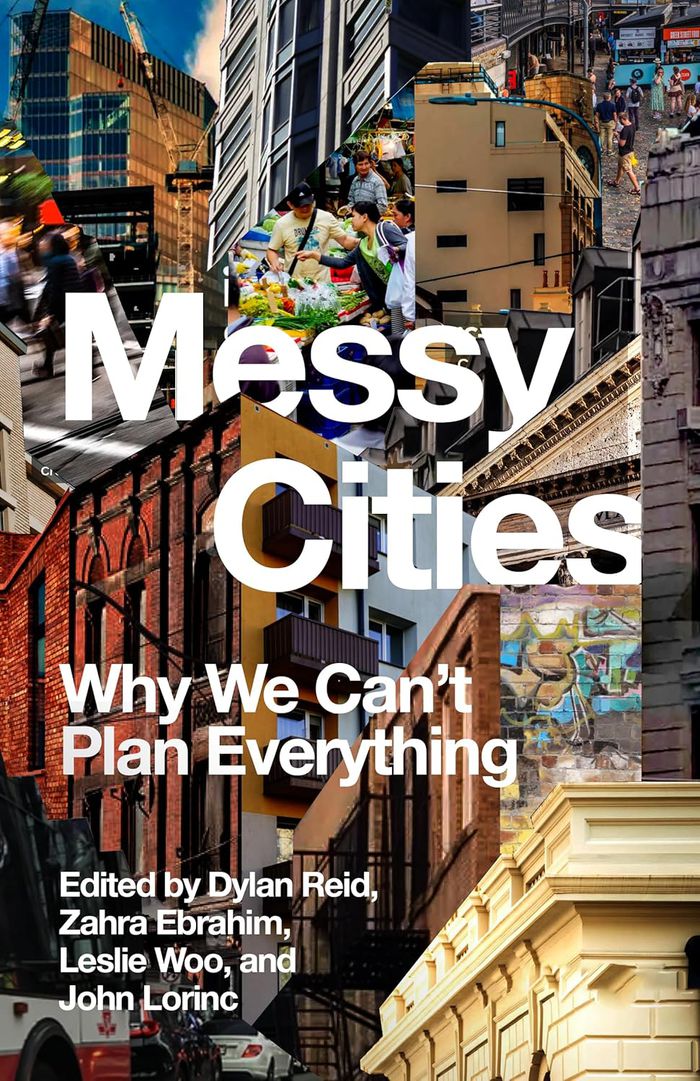
Can messiness make our cities more liveable, lively, and inclusive? Crowded streets, sidewalk vendors, jumbled architecture, constant clamour, graffitied walls, parks gone wild: are these signs of a poorly managed city or indicators of urban vitality? "Messy cities: Why we can’t plan everything" argues that spontaneity and urban workarounds are not liabilities but essential elements in all thriving cities. Forty-three essays by a range of writers from around the world illuminate the role of messy urbanism in enabling creativity, enterprise, and grassroots initiatives to flourish within dense modern cities. With pieces on guerrilla beaches, desire lines, urban interruptions, and the inner lives of unlovely buildings written by experts from all walks of life, "Messy Cities" makes the case for embracing disorder while not shying away from confronting its challenges.
Messy cities: Why we can't plan everything
Actions:
Prix:
$26.95
(disponible en magasin)
Résumé:
Can messiness make our cities more liveable, lively, and inclusive? Crowded streets, sidewalk vendors, jumbled architecture, constant clamour, graffitied walls, parks gone wild: are these signs of a poorly managed city or indicators of urban vitality? "Messy cities: Why we can’t plan everything" argues that spontaneity and urban workarounds are not liabilities but essential elements in all thriving cities. Forty-three essays by a range of writers from around the world illuminate the role of messy urbanism in enabling creativity, enterprise, and grassroots initiatives to flourish within dense modern cities. With pieces on guerrilla beaches, desire lines, urban interruptions, and the inner lives of unlovely buildings written by experts from all walks of life, "Messy Cities" makes the case for embracing disorder while not shying away from confronting its challenges.
Classification:
livres
livres
Publication:
juin 2025
juin 2025
Sujet:
Théorie de l’urbanisme
Théorie de l’urbanisme


