


2227 Résultats
Classification:
livres
livres
Actions:
Prix:
$75.95
(disponible en magasin)
Résumé:
''Eight Meditations on Architecture'' offers a rare and illuminating dialogue between two of Europe's most reflective architectural voices—Juhani Pallasmaa and Alberto Campo Baeza. Through a series of eight essays, the book examines eternal architectural themes—Beauty, Light, Time, Memory, Universality, Wisdom, Sacred, and Essentiality—revealing how enduring values shape(...)
$75.95
(disponible en magasin)
Résumé:
''Eight Meditations on Architecture'' offers a rare and illuminating dialogue between two of Europe's most reflective architectural voices—Juhani Pallasmaa and Alberto Campo Baeza. Through a series of eight essays, the book examines eternal architectural themes—Beauty, Light, Time, Memory, Universality, Wisdom, Sacred, and Essentiality—revealing how enduring values shape(...)
Titre:
Eight meditations on architecture: Juhani Pallasmaa and Alberto Campo Baeza
Actions:
Prix:
$75.95
(disponible en magasin)
Résumé:
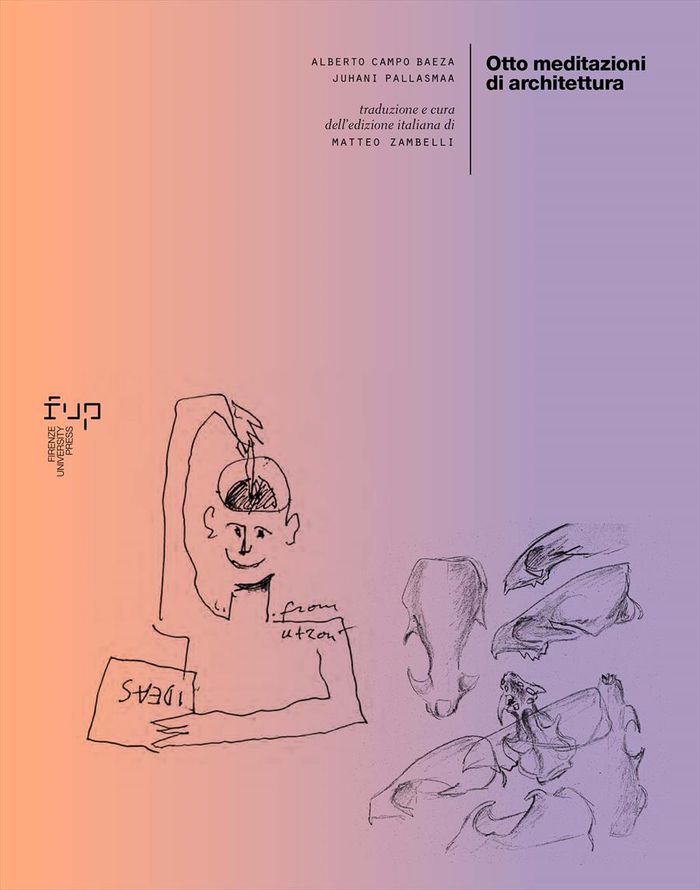
''Eight Meditations on Architecture'' offers a rare and illuminating dialogue between two of Europe's most reflective architectural voices—Juhani Pallasmaa and Alberto Campo Baeza. Through a series of eight essays, the book examines eternal architectural themes—Beauty, Light, Time, Memory, Universality, Wisdom, Sacred, and Essentiality—revealing how enduring values shape the practice of building and the meaning of space. More than an academic treatise, this unique work underscores the necessity of cultural reflection and philosophical grounding in architectural practice. Written by architects whose writings are already essential reading in architectural education, these meditations offer a rigorous yet poetic inquiry into the discipline. Richly illustrated with contributions that interweave theory and personal insight, ''Eight Meditations on Architecture'' provides a space for reflection that is increasingly rare in contemporary discourse—one where theory and practice are not opposites but mutually reinforcing paths toward meaningful design.
Eight meditations on architecture: Juhani Pallasmaa and Alberto Campo Baeza
Actions:
Prix:
$75.95
(disponible en magasin)
Résumé:
''Eight Meditations on Architecture'' offers a rare and illuminating dialogue between two of Europe's most reflective architectural voices—Juhani Pallasmaa and Alberto Campo Baeza. Through a series of eight essays, the book examines eternal architectural themes—Beauty, Light, Time, Memory, Universality, Wisdom, Sacred, and Essentiality—revealing how enduring values shape the practice of building and the meaning of space. More than an academic treatise, this unique work underscores the necessity of cultural reflection and philosophical grounding in architectural practice. Written by architects whose writings are already essential reading in architectural education, these meditations offer a rigorous yet poetic inquiry into the discipline. Richly illustrated with contributions that interweave theory and personal insight, ''Eight Meditations on Architecture'' provides a space for reflection that is increasingly rare in contemporary discourse—one where theory and practice are not opposites but mutually reinforcing paths toward meaningful design.
Classification:
livres
livres
Publication:
juillet 2026
juillet 2026
Sujet:
Théorie de l’architecture
Théorie de l’architecture
Classification:
livres
livres
Actions:
Prix:
$66.95
(disponible en magasin)
Résumé:
''Inseminations: Seeds for Architectural Thought'' is a collection of thoughtful ideas and compositions that float between academic essay and philosophical reflection. Wide in scope, it offers entries covering: atmospheres; biophilic beauty; embodied understanding; imperfection; light and shadow; newness and nowness; nostalgia; phenomenology of architecture; sensory(...)
$66.95
(disponible en magasin)
Résumé:
''Inseminations: Seeds for Architectural Thought'' is a collection of thoughtful ideas and compositions that float between academic essay and philosophical reflection. Wide in scope, it offers entries covering: atmospheres; biophilic beauty; embodied understanding; imperfection; light and shadow; newness and nowness; nostalgia; phenomenology of architecture; sensory(...)
Titre:
Inseminations: Seeds for Architectural Thought
Actions:
Prix:
$66.95
(disponible en magasin)
Résumé:
''Inseminations: Seeds for Architectural Thought'' is a collection of thoughtful ideas and compositions that float between academic essay and philosophical reflection. Wide in scope, it offers entries covering: atmospheres; biophilic beauty; embodied understanding; imperfection; light and shadow; newness and nowness; nostalgia; phenomenology of architecture; sensory thought; silence; time and eternity; uncertainty, and much more.
Inseminations: Seeds for Architectural Thought
Actions:
Prix:
$66.95
(disponible en magasin)
Résumé:
''Inseminations: Seeds for Architectural Thought'' is a collection of thoughtful ideas and compositions that float between academic essay and philosophical reflection. Wide in scope, it offers entries covering: atmospheres; biophilic beauty; embodied understanding; imperfection; light and shadow; newness and nowness; nostalgia; phenomenology of architecture; sensory thought; silence; time and eternity; uncertainty, and much more.
Classification:
livres
livres
Publication:
juin 2020
juin 2020
Sujet:
Théorie de l’architecture
Théorie de l’architecture
Classification:
livres
livres

Prix:
$56.00
(disponible en magasin)
Résumé:
Ce livre est le résultat d’un dialogue pluriforme entre l’artiste Julien Bismuth et l’anthropologue Marco Antonio Gonçalves avec l’ethnie pirahã d’Amazonie occidentale. En remontant le fleuve Madeira puis son affluent Marmelos, on arrive, dans l'état brésilien de l'Amazonas, quelque part sur la rivière Maici, terre ancestrale des Mura peuplée aujourd'hui d'environ six(...)
$56.00
(disponible en magasin)
Résumé:
Ce livre est le résultat d’un dialogue pluriforme entre l’artiste Julien Bismuth et l’anthropologue Marco Antonio Gonçalves avec l’ethnie pirahã d’Amazonie occidentale. En remontant le fleuve Madeira puis son affluent Marmelos, on arrive, dans l'état brésilien de l'Amazonas, quelque part sur la rivière Maici, terre ancestrale des Mura peuplée aujourd'hui d'environ six(...)
Sujet:
Théorie de l’architecture
Théorie de l’architecture
Publication:
mai 2025
mai 2025
Titre:
Architectes d'un monde inachevé/ L'Amazonie des piraha
Actions:
Prix:
$56.00
(disponible en magasin)
Résumé:
Ce livre est le résultat d’un dialogue pluriforme entre l’artiste Julien Bismuth et l’anthropologue Marco Antonio Gonçalves avec l’ethnie pirahã d’Amazonie occidentale. En remontant le fleuve Madeira puis son affluent Marmelos, on arrive, dans l'état brésilien de l'Amazonas, quelque part sur la rivière Maici, terre ancestrale des Mura peuplée aujourd'hui d'environ six cents Pirahã. Architectes d'un environnement construit forcément imparfait, leur quotidien est aussi frugal que leur cosmologie sophistiquée. Prennent alors forme l'écologie et la grammaire d'un éternel présent, où mondes visible et invisible s'inachèvent...
Architectes d'un monde inachevé/ L'Amazonie des piraha
Actions:
Prix:
$56.00
(disponible en magasin)
Résumé:
Ce livre est le résultat d’un dialogue pluriforme entre l’artiste Julien Bismuth et l’anthropologue Marco Antonio Gonçalves avec l’ethnie pirahã d’Amazonie occidentale. En remontant le fleuve Madeira puis son affluent Marmelos, on arrive, dans l'état brésilien de l'Amazonas, quelque part sur la rivière Maici, terre ancestrale des Mura peuplée aujourd'hui d'environ six cents Pirahã. Architectes d'un environnement construit forcément imparfait, leur quotidien est aussi frugal que leur cosmologie sophistiquée. Prennent alors forme l'écologie et la grammaire d'un éternel présent, où mondes visible et invisible s'inachèvent...
Classification:
livres
livres
Publication:
mai 2025
mai 2025
Sujet:
Théorie de l’architecture
Théorie de l’architecture
Classification:
livres
livres

Prix:
$25.00
(disponible en magasin)
Résumé:
François Chaslin nous restitue l'étonnante destinée d'Antonin Carême (1783-1833), as du pastillage, du mastic et de la pâte – brisée ou feuilletée, sucrée ou salée, d'amande ou de fruits. Apprenti rue Vivienne, le jeune tourier se prend de passion pour l'architecture à l'ancienne Bibliothèque royale. Pâtissier rue de la Paix, repéré pour les banquets de Talleyrand, il est(...)
$25.00
(disponible en magasin)
Résumé:
François Chaslin nous restitue l'étonnante destinée d'Antonin Carême (1783-1833), as du pastillage, du mastic et de la pâte – brisée ou feuilletée, sucrée ou salée, d'amande ou de fruits. Apprenti rue Vivienne, le jeune tourier se prend de passion pour l'architecture à l'ancienne Bibliothèque royale. Pâtissier rue de la Paix, repéré pour les banquets de Talleyrand, il est(...)
Titre:
Beauté comestible: Les architectures du pâtissier carême
Actions:
Prix:
$25.00
(disponible en magasin)
Résumé:
François Chaslin nous restitue l'étonnante destinée d'Antonin Carême (1783-1833), as du pastillage, du mastic et de la pâte – brisée ou feuilletée, sucrée ou salée, d'amande ou de fruits. Apprenti rue Vivienne, le jeune tourier se prend de passion pour l'architecture à l'ancienne Bibliothèque royale. Pâtissier rue de la Paix, repéré pour les banquets de Talleyrand, il est vite surnommé « le roi des chefs et le chef des rois ». La réputation de ses spectaculaires pièces montées le fait publier de véritables traités d'architectures pâtissières tour à tour « pittoresques », « royales » ou « parisiennes » (1815). Au point même de prescrire des projets urbains pour Saint-Pétersbourg et Paris et, à titre posthume, se voir élevé au rang de « pâtissier national ».
Beauté comestible: Les architectures du pâtissier carême
Actions:
Prix:
$25.00
(disponible en magasin)
Résumé:
François Chaslin nous restitue l'étonnante destinée d'Antonin Carême (1783-1833), as du pastillage, du mastic et de la pâte – brisée ou feuilletée, sucrée ou salée, d'amande ou de fruits. Apprenti rue Vivienne, le jeune tourier se prend de passion pour l'architecture à l'ancienne Bibliothèque royale. Pâtissier rue de la Paix, repéré pour les banquets de Talleyrand, il est vite surnommé « le roi des chefs et le chef des rois ». La réputation de ses spectaculaires pièces montées le fait publier de véritables traités d'architectures pâtissières tour à tour « pittoresques », « royales » ou « parisiennes » (1815). Au point même de prescrire des projets urbains pour Saint-Pétersbourg et Paris et, à titre posthume, se voir élevé au rang de « pâtissier national ».
Classification:
livres
livres
Publication:
juin 2025
juin 2025
Classification:
livres
livres
Titre:
Concours Beaubourg 1971
Concours Beaubourg 1971
Actions:
Prix:
$54.00
(disponible en magasin)
Résumé:
En 1971, un jury international examine 681 projets pour la réalisation architecturale d’une institution culturelle entrée dans l’histoire sous le nom de Centre Pompidou. À partir de documents inédits issus des archives publiques du Centre, mis en regard de pièces provenant des collections de l’Académie d'architecture, Concours Beaubourg 1971 constitue la première(...)
$54.00
(disponible en magasin)
Résumé:
En 1971, un jury international examine 681 projets pour la réalisation architecturale d’une institution culturelle entrée dans l’histoire sous le nom de Centre Pompidou. À partir de documents inédits issus des archives publiques du Centre, mis en regard de pièces provenant des collections de l’Académie d'architecture, Concours Beaubourg 1971 constitue la première(...)
Titre:
Concours Beaubourg 1971
Actions:
Prix:
$54.00
(disponible en magasin)
Résumé:
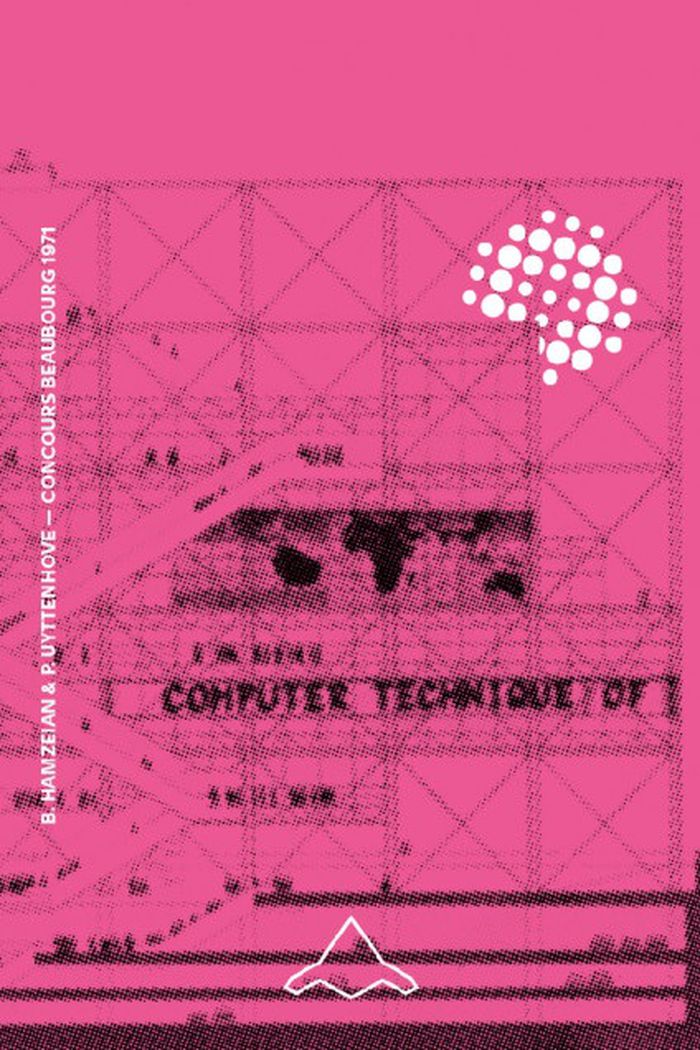
En 1971, un jury international examine 681 projets pour la réalisation architecturale d’une institution culturelle entrée dans l’histoire sous le nom de Centre Pompidou. À partir de documents inédits issus des archives publiques du Centre, mis en regard de pièces provenant des collections de l’Académie d'architecture, Concours Beaubourg 1971 constitue la première rétrospective consacrée à l’analyse de la portée de cet épisode dans le débat architectural. Entre épigones des Beaux-Arts et représentants des avant-gardes, le projet lauréat de Piano, Rogers, Franchini et Ove Arup & Partners dissout les frontières entre architecture, ingénierie et haute technologie, au profit d’une vision de projet intégral, héritière des expérimentations de l’architecture métallique française depuis l’entre-deux-guerres.
Concours Beaubourg 1971
Actions:
Prix:
$54.00
(disponible en magasin)
Résumé:
En 1971, un jury international examine 681 projets pour la réalisation architecturale d’une institution culturelle entrée dans l’histoire sous le nom de Centre Pompidou. À partir de documents inédits issus des archives publiques du Centre, mis en regard de pièces provenant des collections de l’Académie d'architecture, Concours Beaubourg 1971 constitue la première rétrospective consacrée à l’analyse de la portée de cet épisode dans le débat architectural. Entre épigones des Beaux-Arts et représentants des avant-gardes, le projet lauréat de Piano, Rogers, Franchini et Ove Arup & Partners dissout les frontières entre architecture, ingénierie et haute technologie, au profit d’une vision de projet intégral, héritière des expérimentations de l’architecture métallique française depuis l’entre-deux-guerres.
Classification:
livres
livres
Publication:
janvier 2026
janvier 2026
Sujet:
Théorie de l’architecture
Théorie de l’architecture
Classification:
livres
livres
Titre:
Lisbonne 1755
Lisbonne 1755
Actions:
Prix:
$25.00
(disponible en magasin)
Résumé:
Au petit matin du 1er novembre 1755, en ce très solennel jour de la Toussaint, un tremblement de terre – le plus violent jamais enregistré en Europe – s’abat sur la très pieuse Lisbonne. Un tsunami divin submerge la partie basse de la ville, puis c’est le feu et les pillards qui s’attaquent à ce qui reste de la capitale réduite « en morceaux de pierres ». Le balbutiement(...)
$25.00
(disponible en magasin)
Résumé:
Au petit matin du 1er novembre 1755, en ce très solennel jour de la Toussaint, un tremblement de terre – le plus violent jamais enregistré en Europe – s’abat sur la très pieuse Lisbonne. Un tsunami divin submerge la partie basse de la ville, puis c’est le feu et les pillards qui s’attaquent à ce qui reste de la capitale réduite « en morceaux de pierres ». Le balbutiement(...)
Titre:
Lisbonne 1755
Actions:
Prix:
$25.00
(disponible en magasin)
Résumé:
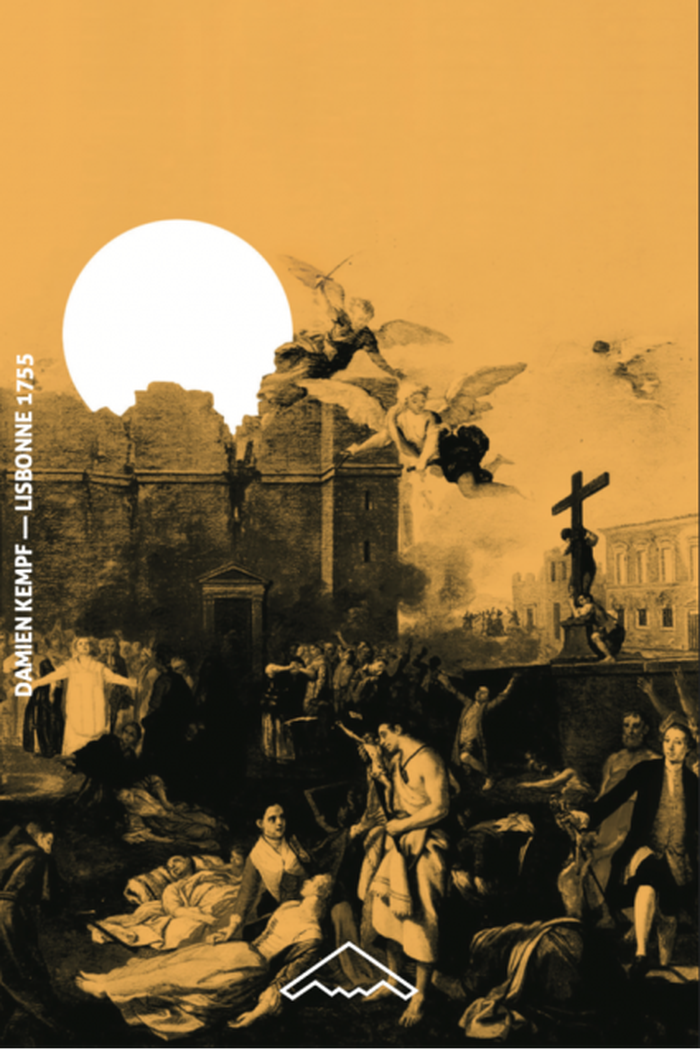
Au petit matin du 1er novembre 1755, en ce très solennel jour de la Toussaint, un tremblement de terre – le plus violent jamais enregistré en Europe – s’abat sur la très pieuse Lisbonne. Un tsunami divin submerge la partie basse de la ville, puis c’est le feu et les pillards qui s’attaquent à ce qui reste de la capitale réduite « en morceaux de pierres ». Le balbutiement des premières gazettes met toute l’Europe des Lumières sous le choc. Par une sélection iconographique de cet épisode unique dans l'histoire de l'architecture et de la ville comme par sa traduction inédite du témoignage épistolaire d'un certain M. Braddock, l'auteur retrace ce « spectacle apocalyptique » qui ravagea un empire déjà sur le déclin et où le soleil se couche à l'Ouest...
Lisbonne 1755
Actions:
Prix:
$25.00
(disponible en magasin)
Résumé:
Au petit matin du 1er novembre 1755, en ce très solennel jour de la Toussaint, un tremblement de terre – le plus violent jamais enregistré en Europe – s’abat sur la très pieuse Lisbonne. Un tsunami divin submerge la partie basse de la ville, puis c’est le feu et les pillards qui s’attaquent à ce qui reste de la capitale réduite « en morceaux de pierres ». Le balbutiement des premières gazettes met toute l’Europe des Lumières sous le choc. Par une sélection iconographique de cet épisode unique dans l'histoire de l'architecture et de la ville comme par sa traduction inédite du témoignage épistolaire d'un certain M. Braddock, l'auteur retrace ce « spectacle apocalyptique » qui ravagea un empire déjà sur le déclin et où le soleil se couche à l'Ouest...
Classification:
livres
livres
Publication:
septembre 2024
septembre 2024
Sujet:
Théorie de l’architecture
Théorie de l’architecture
Classification:
livres
livres

Titre:
Outlaw builder cookbook
Outlaw builder cookbook
Actions:
Prix:
$30.00
(disponible en magasin)
Résumé:
Le hippie est marginal et paresseux ; sauf qu'il sait aussi se faire castor. En repartant d'acquis hérités des classes moyennes d'après-guerre – l’idéal du travail comme accomplissement et une passion grandissante pour le do-it-yourself, le bricolage et les guidebooks –, Greg Castillo montre comment les hippies procédèrent à une invention du quotidien qui ressemble au(...)
$30.00
(disponible en magasin)
Résumé:
Le hippie est marginal et paresseux ; sauf qu'il sait aussi se faire castor. En repartant d'acquis hérités des classes moyennes d'après-guerre – l’idéal du travail comme accomplissement et une passion grandissante pour le do-it-yourself, le bricolage et les guidebooks –, Greg Castillo montre comment les hippies procédèrent à une invention du quotidien qui ressemble au(...)
Titre:
Outlaw builder cookbook
Actions:
Prix:
$30.00
(disponible en magasin)
Résumé:
Le hippie est marginal et paresseux ; sauf qu'il sait aussi se faire castor. En repartant d'acquis hérités des classes moyennes d'après-guerre – l’idéal du travail comme accomplissement et une passion grandissante pour le do-it-yourself, le bricolage et les guidebooks –, Greg Castillo montre comment les hippies procédèrent à une invention du quotidien qui ressemble au nôtre : leur rapport à la nature, à l'auto-subsistance et au vivant, mais aussi à l'identité collective, à la frugalité responsable et aux minorités ethniques ou sexuelles. Bâtir, habiter et penser cet arc-en-ciel « hors la loi » revenait à faire du retour à la terre et de ses abris (shelters) un archipel rural de « territoires libérés », de « zones à défendre ». Qu'en serait-il aujourd'hui ?
Outlaw builder cookbook
Actions:
Prix:
$30.00
(disponible en magasin)
Résumé:
Le hippie est marginal et paresseux ; sauf qu'il sait aussi se faire castor. En repartant d'acquis hérités des classes moyennes d'après-guerre – l’idéal du travail comme accomplissement et une passion grandissante pour le do-it-yourself, le bricolage et les guidebooks –, Greg Castillo montre comment les hippies procédèrent à une invention du quotidien qui ressemble au nôtre : leur rapport à la nature, à l'auto-subsistance et au vivant, mais aussi à l'identité collective, à la frugalité responsable et aux minorités ethniques ou sexuelles. Bâtir, habiter et penser cet arc-en-ciel « hors la loi » revenait à faire du retour à la terre et de ses abris (shelters) un archipel rural de « territoires libérés », de « zones à défendre ». Qu'en serait-il aujourd'hui ?
Classification:
livres
livres
Publication:
septembre 2024
septembre 2024
Sujet:
Théorie de l’architecture
Théorie de l’architecture
Classification:
livres
livres
Actions:
Prix:
$25.00
(disponible en magasin)
Résumé:
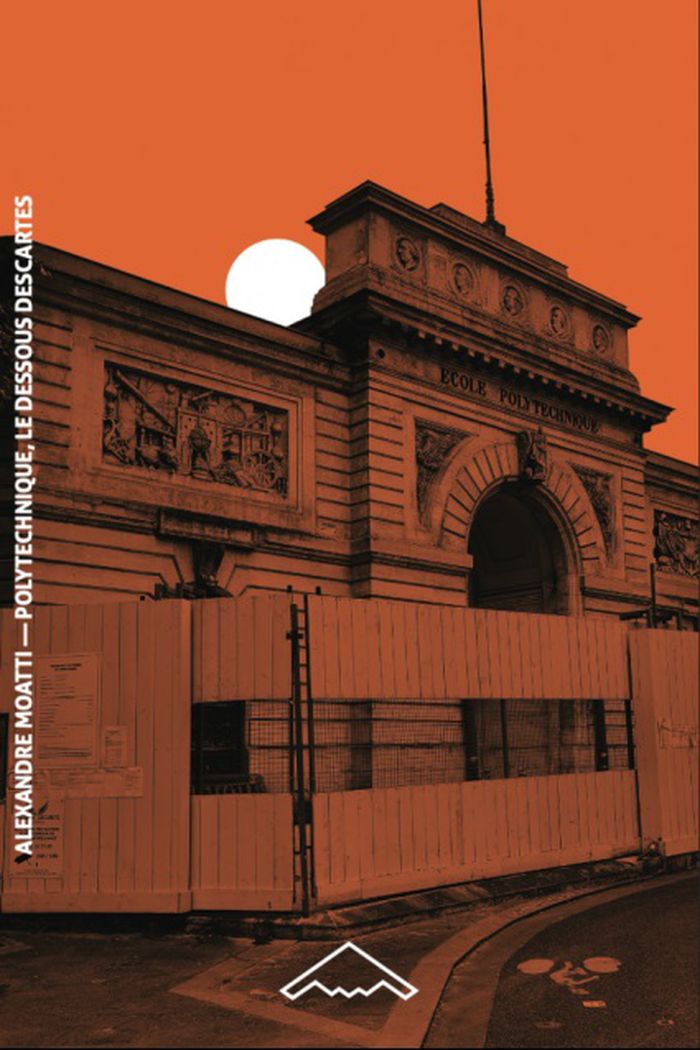
À partir d'un anodin projet de rénovation (2015), l'auteur relate les stratagèmes par lesquels l'École polytechnique, avec l'appui de hauts fonctionnaires influents, a pu se commettre dès 2018 auprès d'un bien mystérieux « mécène » qui « aime beaucoup Basquiat » et « investit beaucoup dans Paris »... Attaqué en 2023, un permis de construire est accordé (2019) puis(...)
$25.00
(disponible en magasin)
Résumé:
À partir d'un anodin projet de rénovation (2015), l'auteur relate les stratagèmes par lesquels l'École polytechnique, avec l'appui de hauts fonctionnaires influents, a pu se commettre dès 2018 auprès d'un bien mystérieux « mécène » qui « aime beaucoup Basquiat » et « investit beaucoup dans Paris »... Attaqué en 2023, un permis de construire est accordé (2019) puis(...)
Titre:
Polytechnique, le dessous Descartes
Actions:
Prix:
$25.00
(disponible en magasin)
Résumé:
À partir d'un anodin projet de rénovation (2015), l'auteur relate les stratagèmes par lesquels l'École polytechnique, avec l'appui de hauts fonctionnaires influents, a pu se commettre dès 2018 auprès d'un bien mystérieux « mécène » qui « aime beaucoup Basquiat » et « investit beaucoup dans Paris »... Attaqué en 2023, un permis de construire est accordé (2019) puis transféré (2021) à la maîtrise d'ouvrage d'un groupe de luxe : plutôt inattendu pour un « établissement public national » ! Son nom ? LVMH. Et le philanthrope ? Un « grand ancien » de l'X : Bernard Arnault ! L'ouvrage contextualise ensuite la manière dont, après un demi-siècle de raids financiers, l'homme le plus riche du monde n'a eu de cesse d'agencer l'image de marques, de Paris et de la France.
Polytechnique, le dessous Descartes
Actions:
Prix:
$25.00
(disponible en magasin)
Résumé:
À partir d'un anodin projet de rénovation (2015), l'auteur relate les stratagèmes par lesquels l'École polytechnique, avec l'appui de hauts fonctionnaires influents, a pu se commettre dès 2018 auprès d'un bien mystérieux « mécène » qui « aime beaucoup Basquiat » et « investit beaucoup dans Paris »... Attaqué en 2023, un permis de construire est accordé (2019) puis transféré (2021) à la maîtrise d'ouvrage d'un groupe de luxe : plutôt inattendu pour un « établissement public national » ! Son nom ? LVMH. Et le philanthrope ? Un « grand ancien » de l'X : Bernard Arnault ! L'ouvrage contextualise ensuite la manière dont, après un demi-siècle de raids financiers, l'homme le plus riche du monde n'a eu de cesse d'agencer l'image de marques, de Paris et de la France.
Classification:
livres
livres
Publication:
septembre 2024
septembre 2024
Sujet:
Théorie de l’architecture
Théorie de l’architecture
Classification:
livres
livres

Titre:
Statégies du disponible
Statégies du disponible
Actions:
Prix:
$45.00
(disponible en magasin)
Résumé:
En 2000 paraissait l'ouvrage de l'architecte Jacques Ferrier, Stratégies du disponible. Ne ressemblant alors à nul autre – l'époque était à la glorification formelle ou paramétrique d'une profession starifiée par d'épaisses monographies tout-couleur –, ce livre (inspiré par le critique anglais Reyner Banham) portait un regard sur le déjà-là du réel : une ode aux objets et(...)
$45.00
(disponible en magasin)
Résumé:
En 2000 paraissait l'ouvrage de l'architecte Jacques Ferrier, Stratégies du disponible. Ne ressemblant alors à nul autre – l'époque était à la glorification formelle ou paramétrique d'une profession starifiée par d'épaisses monographies tout-couleur –, ce livre (inspiré par le critique anglais Reyner Banham) portait un regard sur le déjà-là du réel : une ode aux objets et(...)
Titre:
Statégies du disponible
Actions:
Prix:
$45.00
(disponible en magasin)
Résumé:
En 2000 paraissait l'ouvrage de l'architecte Jacques Ferrier, Stratégies du disponible. Ne ressemblant alors à nul autre – l'époque était à la glorification formelle ou paramétrique d'une profession starifiée par d'épaisses monographies tout-couleur –, ce livre (inspiré par le critique anglais Reyner Banham) portait un regard sur le déjà-là du réel : une ode aux objets et situations du quotidien en vue d'une économie de matières et de moyens dans le débat sur la ville et l'architecture. En 2025, et afin d'en éprouver la doctrine d'alors – enrichie de l'activité de l'agence et de nouveaux contributeurs –, l'idée d'un méta-livre s'est imposée : une œuvre à rebours, renaissant de sa propre chrysalide !
Statégies du disponible
Actions:
Prix:
$45.00
(disponible en magasin)
Résumé:
En 2000 paraissait l'ouvrage de l'architecte Jacques Ferrier, Stratégies du disponible. Ne ressemblant alors à nul autre – l'époque était à la glorification formelle ou paramétrique d'une profession starifiée par d'épaisses monographies tout-couleur –, ce livre (inspiré par le critique anglais Reyner Banham) portait un regard sur le déjà-là du réel : une ode aux objets et situations du quotidien en vue d'une économie de matières et de moyens dans le débat sur la ville et l'architecture. En 2025, et afin d'en éprouver la doctrine d'alors – enrichie de l'activité de l'agence et de nouveaux contributeurs –, l'idée d'un méta-livre s'est imposée : une œuvre à rebours, renaissant de sa propre chrysalide !
Classification:
livres
livres
Publication:
octobre 2025
octobre 2025
Sujet:
Théorie de l’architecture
Théorie de l’architecture
Classification:
livres
livres
Actions:
Prix:
$35.00
(disponible en magasin)
Résumé:
Contrairement à d'autres univers culturels qui auront plutôt cherché à se faire peur, Mai 68 n'aura pas été qu'une métaphore dans la formation des architectes. Sans jamais atterrir à l'Université, alors en ébullition, « 68 » aura posé, entre Culture et Équipement, les cadres d'une nouvelle réalité : fin d'une « grande école » (des Beaux-Arts) ; extinction volontaire de(...)
$35.00
(disponible en magasin)
Résumé:
Contrairement à d'autres univers culturels qui auront plutôt cherché à se faire peur, Mai 68 n'aura pas été qu'une métaphore dans la formation des architectes. Sans jamais atterrir à l'Université, alors en ébullition, « 68 » aura posé, entre Culture et Équipement, les cadres d'une nouvelle réalité : fin d'une « grande école » (des Beaux-Arts) ; extinction volontaire de(...)
Titre:
Vu de droite : Le testament de mai 68 et mai 81
Actions:
Prix:
$35.00
(disponible en magasin)
Résumé:
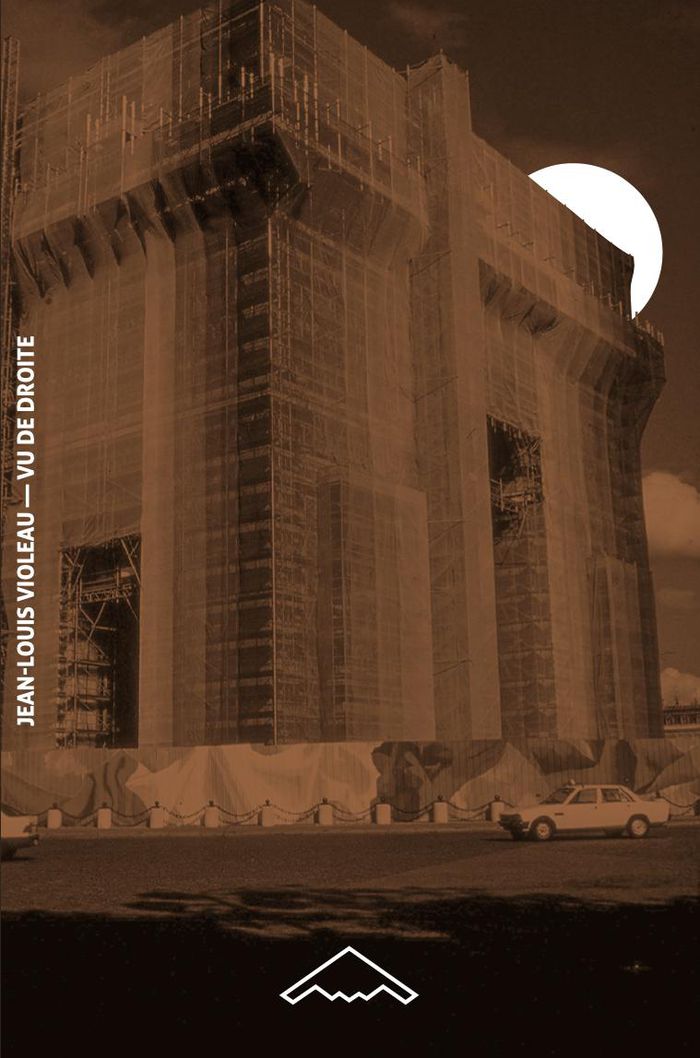
Contrairement à d'autres univers culturels qui auront plutôt cherché à se faire peur, Mai 68 n'aura pas été qu'une métaphore dans la formation des architectes. Sans jamais atterrir à l'Université, alors en ébullition, « 68 » aura posé, entre Culture et Équipement, les cadres d'une nouvelle réalité : fin d'une « grande école » (des Beaux-Arts) ; extinction volontaire de traditions séculaires ; suppression du droit d'entrée (l'admission) ; disparition des avantages liés au Prix de Rome. Déjà maintes fois racontée par la bouche des vainqueurs, que reste-t-il de cette histoire dans la mémoire des vaincus ? Après Les architectes et mai 68 (2005) et Les architectes et mai 81 (2011), l'auteur cherche à éclairer les pièces aveugles de ses travaux de jeunesse...
Vu de droite : Le testament de mai 68 et mai 81
Actions:
Prix:
$35.00
(disponible en magasin)
Résumé:
Contrairement à d'autres univers culturels qui auront plutôt cherché à se faire peur, Mai 68 n'aura pas été qu'une métaphore dans la formation des architectes. Sans jamais atterrir à l'Université, alors en ébullition, « 68 » aura posé, entre Culture et Équipement, les cadres d'une nouvelle réalité : fin d'une « grande école » (des Beaux-Arts) ; extinction volontaire de traditions séculaires ; suppression du droit d'entrée (l'admission) ; disparition des avantages liés au Prix de Rome. Déjà maintes fois racontée par la bouche des vainqueurs, que reste-t-il de cette histoire dans la mémoire des vaincus ? Après Les architectes et mai 68 (2005) et Les architectes et mai 81 (2011), l'auteur cherche à éclairer les pièces aveugles de ses travaux de jeunesse...
Classification:
livres
livres
Publication:
mai 2026
mai 2026
Sujet:
Théorie de l’architecture
Théorie de l’architecture


