


2227 Résultats
Classification:
livres
livres
Titre:
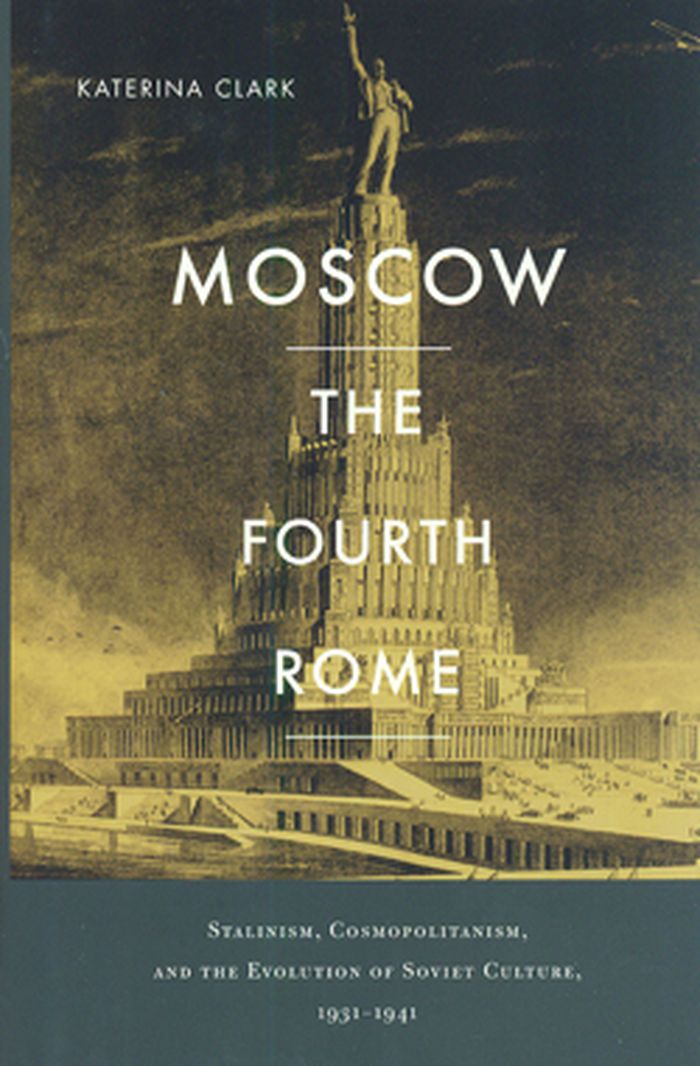
Moscow: the fourth Rome
Moscow: the fourth Rome
Actions:
Prix:
$56.50
(disponible sur commande)
Résumé:
In Moscow, the Fourth Rome , Katerina Clark shows how Soviet officials and intellectuals, in seeking to capture the imagination of leftist and anti-fascist intellectuals throughout the world, sought to establish their capital as the cosmopolitan center of a post-Christian confederation and to rebuild it to become a beacon for the rest of the world. Clark provides an(...)
Publication:
novembre 2011
novembre 2011
Titre:
Moscow: the fourth Rome
Actions:
Prix:
$56.50
(disponible sur commande)
Résumé:
In Moscow, the Fourth Rome , Katerina Clark shows how Soviet officials and intellectuals, in seeking to capture the imagination of leftist and anti-fascist intellectuals throughout the world, sought to establish their capital as the cosmopolitan center of a post-Christian confederation and to rebuild it to become a beacon for the rest of the world. Clark provides an interpretative cultural history of the city during the crucial 1930s, the decade of the Great Purge. She draws on the work of intellectuals such as Sergei Eisenstein, Sergei Tretiakov, Mikhail Koltsov, and Ilya Ehrenburg to shed light on the singular Zeitgeist of that most Stalinist of periods. In her account, the decade emerges as an important moment in the prehistory of key concepts in literary and cultural studies today—transnationalism, cosmopolitanism, and world literature. By bringing to light neglected antecedents, she provides a new polemical and political context for understanding canonical works of writers such as Brecht, Benjamin, Lukacs, and Bakhtin.
Classification:
livres
livres
Publication:
novembre 2011
novembre 2011
Classification:
livres
livres
Prix:
$47.00
(disponible sur commande)
Résumé:
Roads to Power tells the story of how Britain built the first nation connected by infrastructure, how a libertarian revolution destroyed a national economy, and how technology caused strangers to stop speaking. In early eighteenth-century Britain, nothing but dirt track ran between most towns. By 1848 the primitive roads were transformed into a network of highways(...)
Titre:
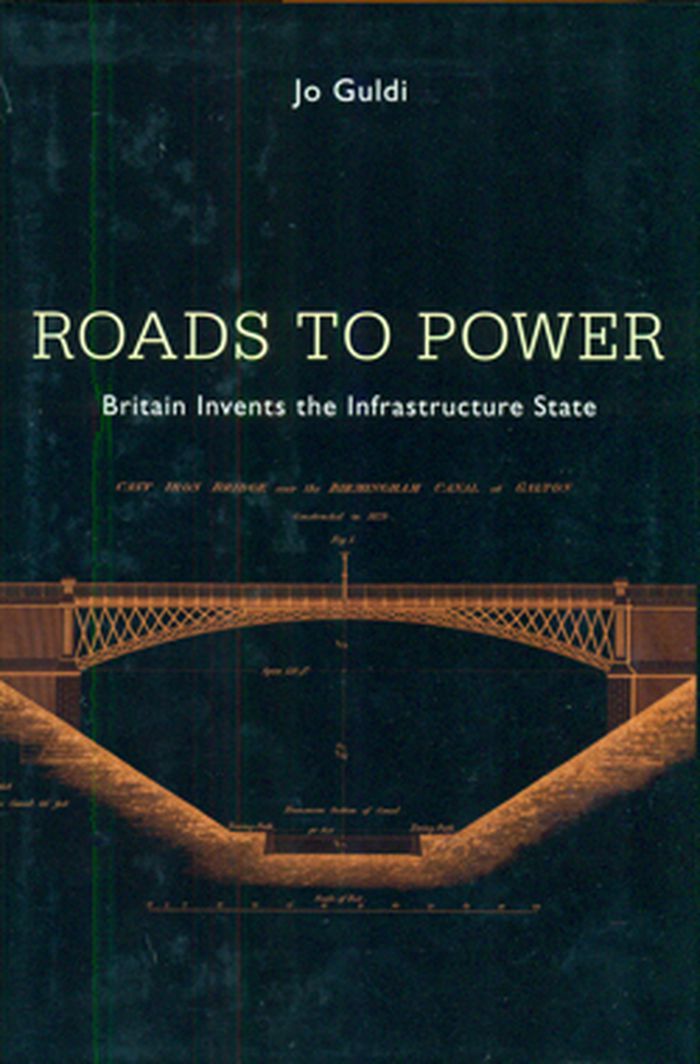
Roads to power: Britain invents the infrastructure state
Actions:
Prix:
$47.00
(disponible sur commande)
Résumé:
Roads to Power tells the story of how Britain built the first nation connected by infrastructure, how a libertarian revolution destroyed a national economy, and how technology caused strangers to stop speaking. In early eighteenth-century Britain, nothing but dirt track ran between most towns. By 1848 the primitive roads were transformed into a network of highways connecting every village and island in the nation—and also dividing them in unforeseen ways. The highway network led to contests for control over everything from road management to market access. Peripheries like the Highlands demanded that centralized government pay for roads they could not afford, while English counties wanted to be spared the cost of underwriting roads to Scotland. The new network also transformed social relationships. Although travelers moved along the same routes, they occupied increasingly isolated spheres. The roads were the product of a new form of government, the infrastructure state, marked by the unprecedented control bureaucrats wielded over decisions relating to everyday life.
Classification:
livres
livres
Publication:
janvier 2012
janvier 2012
Sujet:
Théorie de l’architecture
Théorie de l’architecture
Classification:
livres
livres

Actions:
Prix:
$40.50
(disponible sur commande)
Résumé:
Our relationship with dirt is complex and ambivalent. Dirt is waste, excrement, rubbish, bacteria--but what then is soil, where crops grow, and to which our bodies eventually return? Dirt may pose significant risks to our health, but it is also vital to our existence. Lavishly illustrated, this exciting and often startling book is a provocative introduction to a vast(...)
Titre:
Dirt: the filthy reality of everyday life
Actions:
Prix:
$40.50
(disponible sur commande)
Résumé:
Our relationship with dirt is complex and ambivalent. Dirt is waste, excrement, rubbish, bacteria--but what then is soil, where crops grow, and to which our bodies eventually return? Dirt may pose significant risks to our health, but it is also vital to our existence. Lavishly illustrated, this exciting and often startling book is a provocative introduction to a vast and complex subject. Five writers and a graphic novelist pursue different themes from a range of perspectives in order to examine dirt and its contradictions, including personal grooming, the politics of dirt in the home, city sanitation, and waste disposal. From a 2011 exhibition at the Wellcome Collection, London.
Classification:
livres
livres
Publication:
mai 2012
mai 2012
Sujet:
Théorie de l’architecture
Théorie de l’architecture
Classification:
livres
livres
Actions:
Prix:
$53.95
(disponible sur commande)
Résumé:
Wonderland manual is a cultural version of the NATO Cold War strategy of flexible response . Pursuing the military analogy, the manual is a continuation by other means of what Wonderland has been doing for the past years: accelerating the exchange of information among young architects in Europe.It is first and foremost a guide containing facts and figures, tips and(...)
Titre:
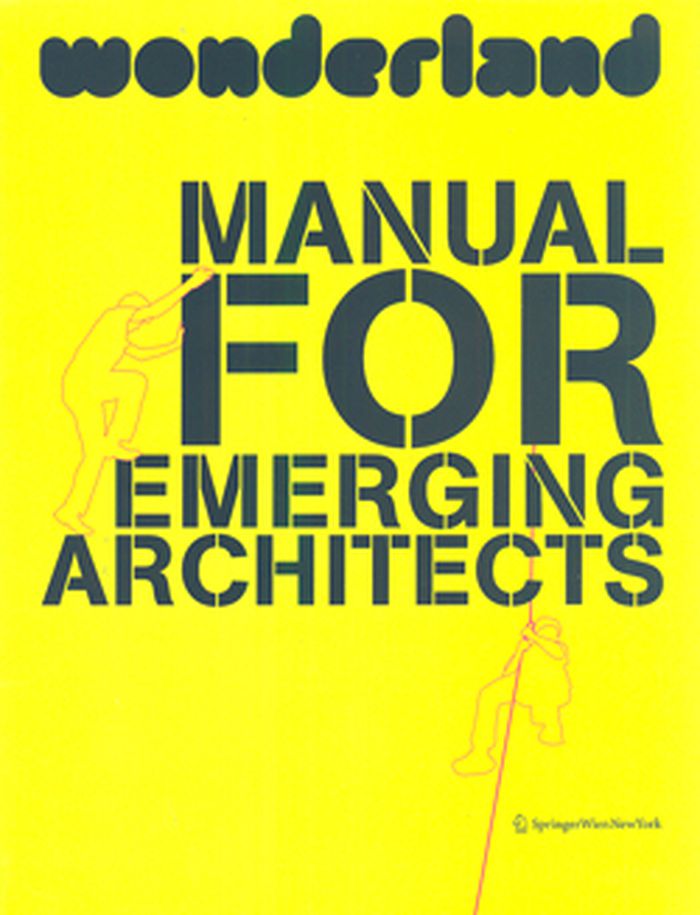
Wonderland : manual for emerging architects
Actions:
Prix:
$53.95
(disponible sur commande)
Résumé:
Wonderland manual is a cultural version of the NATO Cold War strategy of flexible response . Pursuing the military analogy, the manual is a continuation by other means of what Wonderland has been doing for the past years: accelerating the exchange of information among young architects in Europe.It is first and foremost a guide containing facts and figures, tips and experiences and as such can be seen as a handbook for European architects at the start of their careers.
Classification:
livres
livres
Publication:
novembre 2011
novembre 2011
Sujet:
Théorie de l’architecture
Théorie de l’architecture
Classification:
livres
livres
Titre:
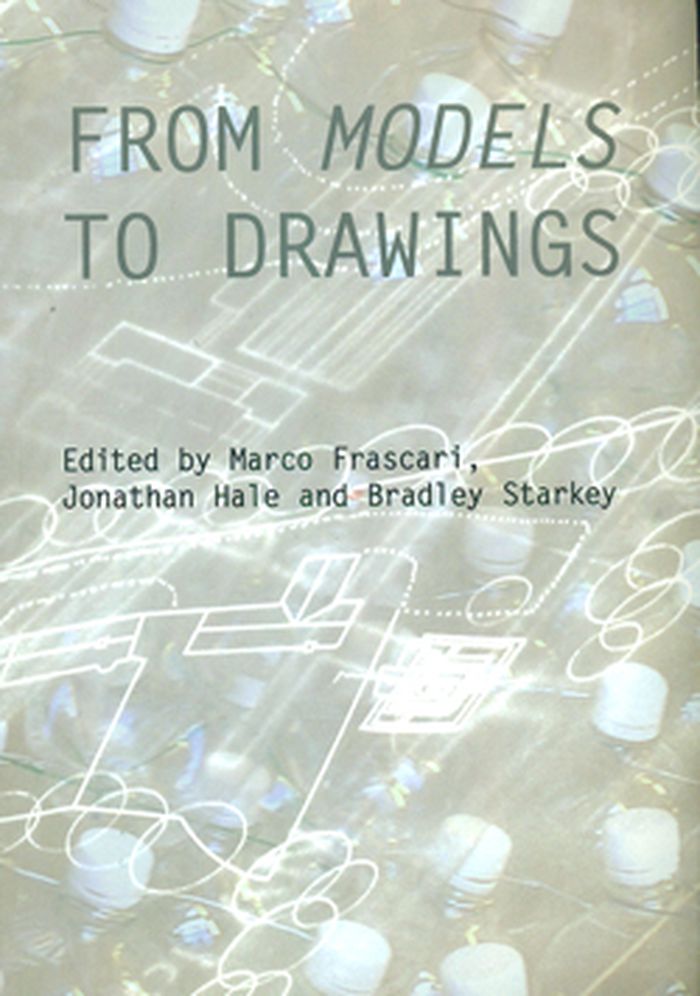
From models to drawings
From models to drawings
Actions:
Prix:
$57.95
(disponible sur commande)
Résumé:
This book is key reading for all students of architecture and architectural theory. It addresses the vital role of the imagination in the critical interpretation of architectural representations. By challenging the contemporary tendency for computer-aided drawings to become mere models for imitation in the construction of buildings, the articles explore the broader(...)
Publication:
novembre 2010
novembre 2010
Titre:
From models to drawings
Actions:
Prix:
$57.95
(disponible sur commande)
Résumé:
This book is key reading for all students of architecture and architectural theory. It addresses the vital role of the imagination in the critical interpretation of architectural representations. By challenging the contemporary tendency for computer-aided drawings to become mere models for imitation in the construction of buildings, the articles explore the broader range of methods and meanings at stake in the creation and interpretation of architectural drawings, models, images and artefacts.
Classification:
livres
livres
Publication:
novembre 2010
novembre 2010
Classification:
livres
livres
Actions:
Prix:
$40.00
(disponible sur commande)
Résumé:
What changes in teaching and practice, if any, are created by the increasing number of women entering the profession? Do the similar numbers of men and women students attending architectural schools in the west signal a gender-specific architecture? Well-known women architects from Europe and the USA discuss these matters and report their academic and professional(...)
Titre:
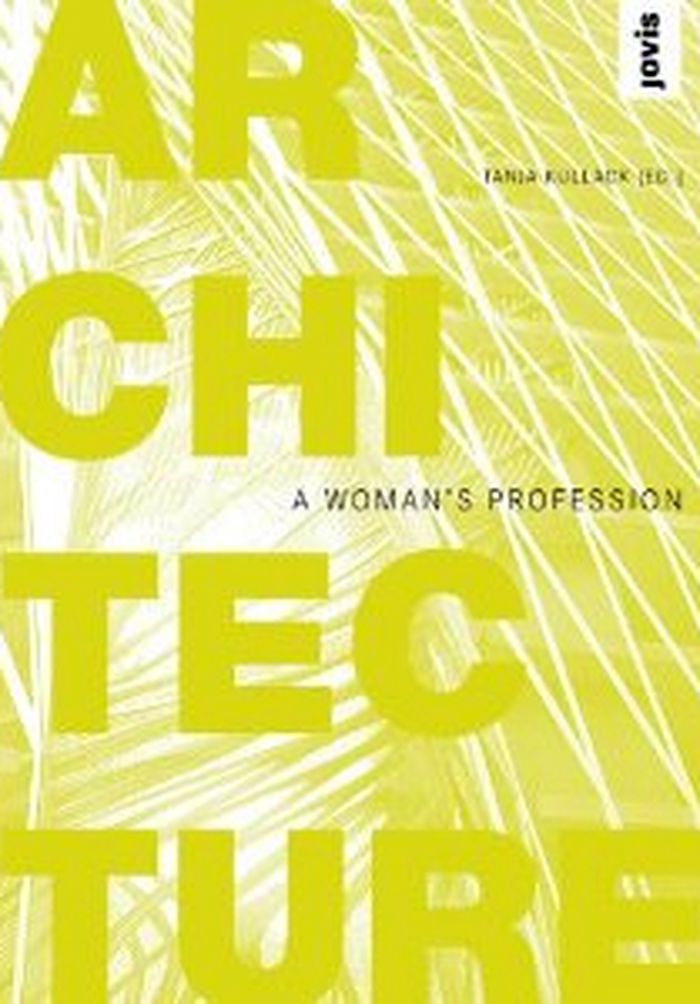
Architecture: A woman's profession
Actions:
Prix:
$40.00
(disponible sur commande)
Résumé:
What changes in teaching and practice, if any, are created by the increasing number of women entering the profession? Do the similar numbers of men and women students attending architectural schools in the west signal a gender-specific architecture? Well-known women architects from Europe and the USA discuss these matters and report their academic and professional experiences, how they see the way ahead and argue - from individual points of view - for a debate on educational structures and how the practice of architecture is composed.
Classification:
livres
livres
Publication:
novembre 2011
novembre 2011
Sujet:
Théorie de l’architecture
Théorie de l’architecture
Classification:
livres
livres

Actions:
Prix:
$47.20
(disponible sur commande)
Résumé:
A skateboarding school in Kabul; a children's community center in south-west Chicago; project row houses in Houston; an open-air library in Salbke-Magdeburg, Germany; colorful murals in the favelas of Rio de Janeiro: what difference do civic architectural projects like these make to the daily lives of the people who use them? In Testify! The Consequences of(...)
Titre:
Testify!: the consequences of architecture
Actions:
Prix:
$47.20
(disponible sur commande)
Résumé:
A skateboarding school in Kabul; a children's community center in south-west Chicago; project row houses in Houston; an open-air library in Salbke-Magdeburg, Germany; colorful murals in the favelas of Rio de Janeiro: what difference do civic architectural projects like these make to the daily lives of the people who use them? In Testify! The Consequences of Architecture, editor Lukas Feireiss gathers 30 examples of community-centered architectural projects from all five continents, to demonstrate as explicitly as possible how architecture can transform the quality of our lives. This is architecture that reveals unexpected possibilities for growing food in urban environments, for creating healthy and sustainable environments, nourishing social networks and establishing real estate value based on new revenue models. Each project is presented with full-color illustrations, texts that concisely analyze the project in terms of context, mission and realization, and an interview with a community member who makes regular use of, or occupies, the relevant building.
Classification:
livres
livres
Publication:
août 2011
août 2011
Sujet:
Théorie de l’architecture
Théorie de l’architecture
Classification:
livres
livres

Prix:
$48.95
(disponible sur commande)
Résumé:
In The Sympathy of Things, Lars Spuybroek argues that we must "undo" the twentieth century - the age in which the eighteenth-century ideal of the Sublime became a technological reality. Spuybroek returns to the insights of the great nineteenth-century art writer John Ruskin, for whom beauty always comprises variation, imperfection and fragility. Spuybroek argues that(...)
Titre:
The sympathy of things: Ruskin and the ecology of design
Actions:
Prix:
$48.95
(disponible sur commande)
Résumé:
In The Sympathy of Things, Lars Spuybroek argues that we must "undo" the twentieth century - the age in which the eighteenth-century ideal of the Sublime became a technological reality. Spuybroek returns to the insights of the great nineteenth-century art writer John Ruskin, for whom beauty always comprises variation, imperfection and fragility. Spuybroek argues that these three concepts not only define relations between humans and their designed products but between all things: "sympathy is what things feel when they shape each other." Spuybroek then compares five twinned themes in Ruskin - the Gothic and work, ornament and matter, sympathy and abstraction, the picturesque and time, ecology and design - with later philosophers and theorists such as William James and Bruno Latour.
Classification:
livres
livres
Publication:
février 2012
février 2012
Sujet:
Théorie de l’architecture
Théorie de l’architecture
Classification:
livres
livres

Actions:
Prix:
$53.95
(disponible sur commande)
Résumé:
Presenting a collection of exploratory ideas, this book offers an understanding of buildings, people and settlements through concepts of flow. Flows make buildings work; indeed flows make things in general work, including settlements, machines and people. In recent years there has been a huge growth in interest in various aspects of fluidity in architecture and urban(...)
Titre:
Architecture in the space of flows
Actions:
Prix:
$53.95
(disponible sur commande)
Résumé:
Presenting a collection of exploratory ideas, this book offers an understanding of buildings, people and settlements through concepts of flow. Flows make buildings work; indeed flows make things in general work, including settlements, machines and people. In recent years there has been a huge growth in interest in various aspects of fluidity in architecture and urban planning. This book addresses this rising topic and the interest in processes that flow across traditional boundaries from the person to the building, from the sense of self to the settlement, from economics to identity.
Classification:
livres
livres
Publication:
août 2011
août 2011
Sujet:
Théorie de l’architecture
Théorie de l’architecture
Classification:
livres
livres

Actions:
Prix:
$19.95
(disponible sur commande)
Résumé:
A follow-up volume to Architecture on Display: On the History of the Venice Biennale Architecture, published by the Architectural Association in 2010. This volume contains discussions with writers, architects and academics in Chicago, Venice, London and New York on the theme of display.
Titre:
Four conversations on the architecture of discourse
Actions:
Prix:
$19.95
(disponible sur commande)
Résumé:
A follow-up volume to Architecture on Display: On the History of the Venice Biennale Architecture, published by the Architectural Association in 2010. This volume contains discussions with writers, architects and academics in Chicago, Venice, London and New York on the theme of display.
Classification:
livres
livres
Publication:
décembre 2011
décembre 2011
Sujet:
Théorie de l’architecture
Théorie de l’architecture


