


2227 Résultats
Classification:
livres
livres
Actions:
Prix:
$23.95
(disponible sur commande)
Résumé:
More than ever, architectural design is seen as a means to promote commercial goals rather than as an end in itself. Frank Gehry’s Guggenheim Museum in Bilbao, for example, simply cannot be considered apart from its intended role as a catalyst for the economic revitalization of Bilbao and its ability to attract tourist dollars, regardless of its architectural merits. A(...)
$23.95
(disponible sur commande)
Résumé:
More than ever, architectural design is seen as a means to promote commercial goals rather than as an end in itself. Frank Gehry’s Guggenheim Museum in Bilbao, for example, simply cannot be considered apart from its intended role as a catalyst for the economic revitalization of Bilbao and its ability to attract tourist dollars, regardless of its architectural merits. A(...)
Sujet:
Théorie de l’architecture
Théorie de l’architecture
Publication:
novembre 2005, Minneapolis, London
novembre 2005, Minneapolis, London
Titre:
Commodification and spectacle in architecture
Actions:
Prix:
$23.95
(disponible sur commande)
Résumé:
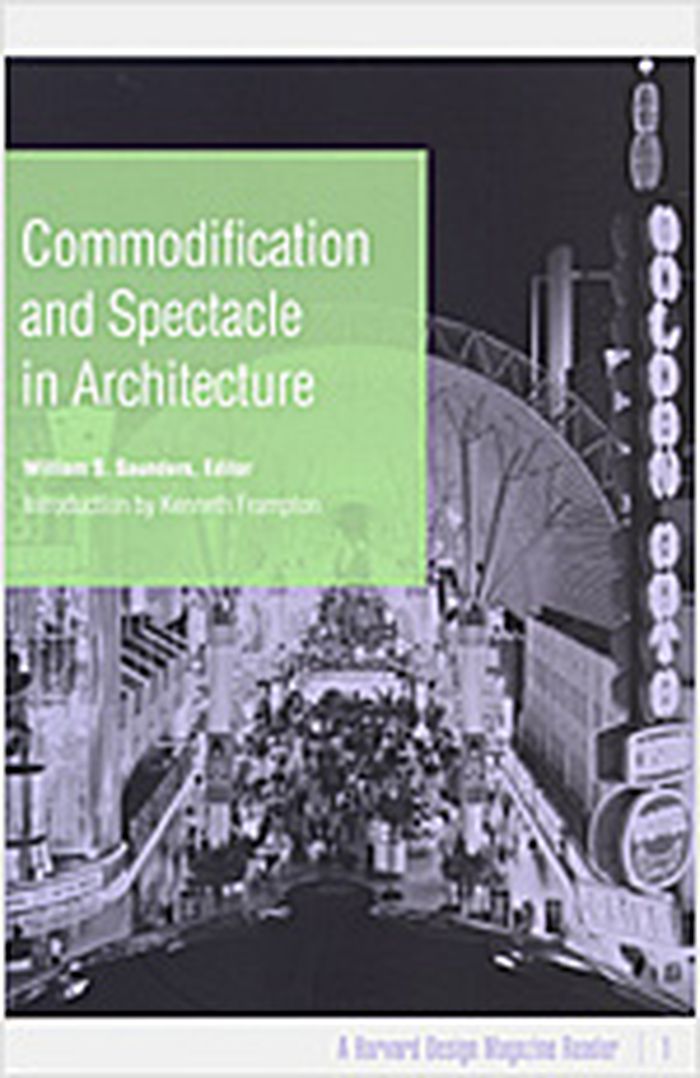
More than ever, architectural design is seen as a means to promote commercial goals rather than as an end in itself. Frank Gehry’s Guggenheim Museum in Bilbao, for example, simply cannot be considered apart from its intended role as a catalyst for the economic revitalization of Bilbao and its ability to attract tourist dollars, regardless of its architectural merits. A built environment intended to seduce consumers is more likely to offer instant gratification than to invite independent thought and reflection. But how harmful, if at all, is this unprecedented commercialization of architecture? Framed with an introduction by Kenneth Frampton, the contributions to "Commodification and spectacle in architecture" stake out a variety of positions in the debate over the extent to which it is possible—or desirable—to escape from, resist, or suggest plausible alternatives to the dominant culture of consumer capitalism. Rejecting any dreamy nostalgia for an idealized present or past in which design is completely divorced from commerce—and, in some cases, celebrating the pleasures of spectacle—the individual essays range from indictments of particular architects and critiques of the profession to broader concerns about what the phenomenon of commodification means for the practice of democracy and the health of society. Bringing together an impressive and varied group of critics and practitioners, "Commodification and spectacle in architecture" will help to sharpen the discussion of how design can respond to our hypercommodified culture.
Commodification and spectacle in architecture
Actions:
Prix:
$23.95
(disponible sur commande)
Résumé:
More than ever, architectural design is seen as a means to promote commercial goals rather than as an end in itself. Frank Gehry’s Guggenheim Museum in Bilbao, for example, simply cannot be considered apart from its intended role as a catalyst for the economic revitalization of Bilbao and its ability to attract tourist dollars, regardless of its architectural merits. A built environment intended to seduce consumers is more likely to offer instant gratification than to invite independent thought and reflection. But how harmful, if at all, is this unprecedented commercialization of architecture? Framed with an introduction by Kenneth Frampton, the contributions to "Commodification and spectacle in architecture" stake out a variety of positions in the debate over the extent to which it is possible—or desirable—to escape from, resist, or suggest plausible alternatives to the dominant culture of consumer capitalism. Rejecting any dreamy nostalgia for an idealized present or past in which design is completely divorced from commerce—and, in some cases, celebrating the pleasures of spectacle—the individual essays range from indictments of particular architects and critiques of the profession to broader concerns about what the phenomenon of commodification means for the practice of democracy and the health of society. Bringing together an impressive and varied group of critics and practitioners, "Commodification and spectacle in architecture" will help to sharpen the discussion of how design can respond to our hypercommodified culture.
Classification:
livres
livres
Publication:
novembre 2005, Minneapolis, London
novembre 2005, Minneapolis, London
Sujet:
Théorie de l’architecture
Théorie de l’architecture
Classification:
livres
livres
Actions:
Prix:
$21.50
(disponible sur commande)
Résumé:
Digital Ground is an architect's response to the design challenge posed by pervasive computing. One century into the electronic age, people have become accustomed to interacting indirectly, mediated through networks. But now as digital technology becomes invisibly embedded in everyday things, even more activities become mediated, and networks extend rather than replace(...)
$21.50
(disponible sur commande)
Résumé:
Digital Ground is an architect's response to the design challenge posed by pervasive computing. One century into the electronic age, people have become accustomed to interacting indirectly, mediated through networks. But now as digital technology becomes invisibly embedded in everyday things, even more activities become mediated, and networks extend rather than replace(...)
Titre:
Digital ground : architecture, pervasive computing, and environmental knowing
Actions:
Prix:
$21.50
(disponible sur commande)
Résumé:
Digital Ground is an architect's response to the design challenge posed by pervasive computing. One century into the electronic age, people have become accustomed to interacting indirectly, mediated through networks. But now as digital technology becomes invisibly embedded in everyday things, even more activities become mediated, and networks extend rather than replace architecture. The young field of interaction design reflects not only how people deal with machine interfaces but also how people deal with each other in situations where interactivity has become ambient. It shifts previously utilitarian digital design concerns to a cultural level, adding notions of premise, appropriateness, and appreciation. Malcolm McCullough offers an account of the intersections of architecture and interaction design, arguing that the ubiquitous technology does not obviate the human need for place. His concept of "digital ground" expresses an alternative to anytime-anyplace sameness in computing; he shows that context not only shapes usability but ideally becomes the subject matter of interaction design and that "environmental knowing" is a process that technology may serve and not erode. Drawing on arguments from architecture, psychology, software engineering, and geography, writing for practicing interaction designers, pervasive computing researchers, architects, and the general reader on digital culture, McCullough gives us a theory of place for interaction design. Part I, "Expectations," explores our technological predispositions -- many of which ("situated interactions") arise from our embodiment in architectural settings. Part II, "Technologies," discusses hardware, software, and applications, including embedded technology ("bashing the desktop"), and building technology genres around life situations. Part III, "Practices," argues for design as a liberal art, seeing interactivity as a cultural -- not only technological -- challenge and a practical notion of place as essential. Part IV, "Epilogue," acknowledges the epochal changes occurring today, and argues for the role of "digital ground" in the necessary adaptation.
Digital ground : architecture, pervasive computing, and environmental knowing
Actions:
Prix:
$21.50
(disponible sur commande)
Résumé:
Digital Ground is an architect's response to the design challenge posed by pervasive computing. One century into the electronic age, people have become accustomed to interacting indirectly, mediated through networks. But now as digital technology becomes invisibly embedded in everyday things, even more activities become mediated, and networks extend rather than replace architecture. The young field of interaction design reflects not only how people deal with machine interfaces but also how people deal with each other in situations where interactivity has become ambient. It shifts previously utilitarian digital design concerns to a cultural level, adding notions of premise, appropriateness, and appreciation. Malcolm McCullough offers an account of the intersections of architecture and interaction design, arguing that the ubiquitous technology does not obviate the human need for place. His concept of "digital ground" expresses an alternative to anytime-anyplace sameness in computing; he shows that context not only shapes usability but ideally becomes the subject matter of interaction design and that "environmental knowing" is a process that technology may serve and not erode. Drawing on arguments from architecture, psychology, software engineering, and geography, writing for practicing interaction designers, pervasive computing researchers, architects, and the general reader on digital culture, McCullough gives us a theory of place for interaction design. Part I, "Expectations," explores our technological predispositions -- many of which ("situated interactions") arise from our embodiment in architectural settings. Part II, "Technologies," discusses hardware, software, and applications, including embedded technology ("bashing the desktop"), and building technology genres around life situations. Part III, "Practices," argues for design as a liberal art, seeing interactivity as a cultural -- not only technological -- challenge and a practical notion of place as essential. Part IV, "Epilogue," acknowledges the epochal changes occurring today, and argues for the role of "digital ground" in the necessary adaptation.
Classification:
livres
livres
Publication:
octobre 2005, Cambridge
octobre 2005, Cambridge
Sujet:
Théorie de l’architecture
Théorie de l’architecture
Classification:
livres
livres
Actions:
Prix:
$26.99
(disponible sur commande)
Résumé:
The resin-scented wood of the Swiss Pavilion by Peter Zumthor at the Hannover Expo, the hypo-oxygenated air of Diller+Scofidio’s Blur Bar, the sculpting air stream of Renzo Piano’s Wind Tunnel in Maranello, the placebo odors of Decosterd & Rahm, and the edible air of Marti Guixé’s Pharma Food are just a few of the most recent instances of an architecture that is seeking(...)
$26.99
(disponible sur commande)
Résumé:
The resin-scented wood of the Swiss Pavilion by Peter Zumthor at the Hannover Expo, the hypo-oxygenated air of Diller+Scofidio’s Blur Bar, the sculpting air stream of Renzo Piano’s Wind Tunnel in Maranello, the placebo odors of Decosterd & Rahm, and the edible air of Marti Guixé’s Pharma Food are just a few of the most recent instances of an architecture that is seeking(...)
Publication:
octobre 2006, Milan
octobre 2006, Milan
Titre:
Invisible architecture : experiencing places through the sense of smell
Actions:
Prix:
$26.99
(disponible sur commande)
Résumé:
The resin-scented wood of the Swiss Pavilion by Peter Zumthor at the Hannover Expo, the hypo-oxygenated air of Diller+Scofidio’s Blur Bar, the sculpting air stream of Renzo Piano’s Wind Tunnel in Maranello, the placebo odors of Decosterd & Rahm, and the edible air of Marti Guixé’s Pharma Food are just a few of the most recent instances of an architecture that is seeking to reappropriate the invisible dimension of olfaction in order to imbue the experience of places with greater meaning and totality.
Invisible architecture : experiencing places through the sense of smell
Actions:
Prix:
$26.99
(disponible sur commande)
Résumé:
The resin-scented wood of the Swiss Pavilion by Peter Zumthor at the Hannover Expo, the hypo-oxygenated air of Diller+Scofidio’s Blur Bar, the sculpting air stream of Renzo Piano’s Wind Tunnel in Maranello, the placebo odors of Decosterd & Rahm, and the edible air of Marti Guixé’s Pharma Food are just a few of the most recent instances of an architecture that is seeking to reappropriate the invisible dimension of olfaction in order to imbue the experience of places with greater meaning and totality.
Classification:
livres
livres
Publication:
octobre 2006, Milan
octobre 2006, Milan
Classification:
livres
livres
Actions:
Prix:
$37.95
(disponible en magasin)
Résumé:
Fils aîné du greffier du conseil de guerre de l'armée française occupant la Sarre, RHG est né à Sarrebrück le 6 juillet 1923: la conscience de cet ancrage européen ne l'a jamais quitté. Après une scolarité secondaire marquée par une révolte permanente contre ses maîtres, il affrontera l'enseignement supérieur donné à Paris (Sorbonne, Institut d'Art et d'Archéologie, Ecole(...)
$37.95
(disponible en magasin)
Résumé:
Fils aîné du greffier du conseil de guerre de l'armée française occupant la Sarre, RHG est né à Sarrebrück le 6 juillet 1923: la conscience de cet ancrage européen ne l'a jamais quitté. Après une scolarité secondaire marquée par une révolte permanente contre ses maîtres, il affrontera l'enseignement supérieur donné à Paris (Sorbonne, Institut d'Art et d'Archéologie, Ecole(...)
Titre:
À contre-voie : mémoires de vie sociale 1923-2000
Actions:
Prix:
$37.95
(disponible en magasin)
Résumé:
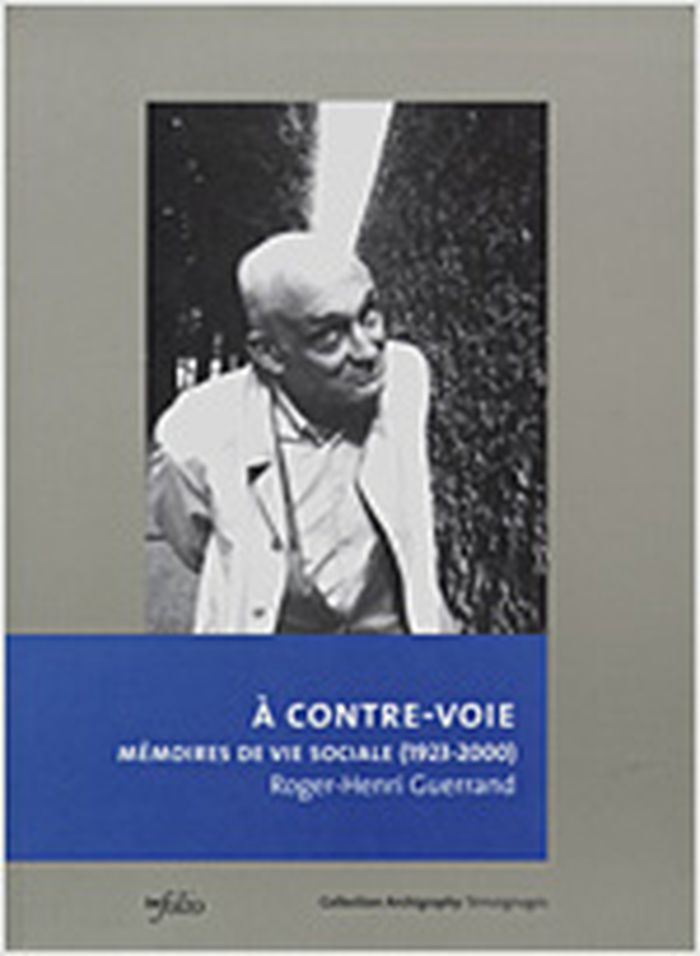
Fils aîné du greffier du conseil de guerre de l'armée française occupant la Sarre, RHG est né à Sarrebrück le 6 juillet 1923: la conscience de cet ancrage européen ne l'a jamais quitté. Après une scolarité secondaire marquée par une révolte permanente contre ses maîtres, il affrontera l'enseignement supérieur donné à Paris (Sorbonne, Institut d'Art et d'Archéologie, Ecole pratique des Haute Etudes) avec le même esprit de contestation. Très tôt attiré dans la mouvance de l'anthropologue Paul-Henry Chombart de Lauwe, par l'investigation de tous les aspects de la vie quotidienne, il se consacrera rapidement à l'histoire du logement populaire: les étudiants-architectes de l'Ecole des Beaux-Arts de Paris – qui préparent dès 1967 le mouvement de l'année suivante – l'accueilleront parmi leurs nouveaux «intercesseurs». Se risquant de plus en plus profondément dans l'abîme du trivial, RHG, ces dernières années, s'est lancé dans l'histoire du matériel hygiénique, un complément indispensable à la compréhension de l'évolution des mœurs dans le domaine jusque-là occulté...
À contre-voie : mémoires de vie sociale 1923-2000
Actions:
Prix:
$37.95
(disponible en magasin)
Résumé:
Fils aîné du greffier du conseil de guerre de l'armée française occupant la Sarre, RHG est né à Sarrebrück le 6 juillet 1923: la conscience de cet ancrage européen ne l'a jamais quitté. Après une scolarité secondaire marquée par une révolte permanente contre ses maîtres, il affrontera l'enseignement supérieur donné à Paris (Sorbonne, Institut d'Art et d'Archéologie, Ecole pratique des Haute Etudes) avec le même esprit de contestation. Très tôt attiré dans la mouvance de l'anthropologue Paul-Henry Chombart de Lauwe, par l'investigation de tous les aspects de la vie quotidienne, il se consacrera rapidement à l'histoire du logement populaire: les étudiants-architectes de l'Ecole des Beaux-Arts de Paris – qui préparent dès 1967 le mouvement de l'année suivante – l'accueilleront parmi leurs nouveaux «intercesseurs». Se risquant de plus en plus profondément dans l'abîme du trivial, RHG, ces dernières années, s'est lancé dans l'histoire du matériel hygiénique, un complément indispensable à la compréhension de l'évolution des mœurs dans le domaine jusque-là occulté...
Classification:
livres
livres
Publication:
mai 2005, Gollion
mai 2005, Gollion
Sujet:
Théorie de l’architecture
Théorie de l’architecture
Classification:
livres
livres
Prix:
$30.95
(disponible sur commande)
Résumé:
Le sentiment que la mondialisation en cours se paie d'une regrettable désagrégation de la mosaïque qu'était le monde; l'intérêt sans cesse plus vif porté aux paysages dont les boulversement se lisent désormais comme la dilapidation d'un héritage; le soucis grandissant de l'environnement : ces diverses considérations, où la nostalgie et les craintes exagérées côtoient de(...)
$30.95
(disponible sur commande)
Résumé:
Le sentiment que la mondialisation en cours se paie d'une regrettable désagrégation de la mosaïque qu'était le monde; l'intérêt sans cesse plus vif porté aux paysages dont les boulversement se lisent désormais comme la dilapidation d'un héritage; le soucis grandissant de l'environnement : ces diverses considérations, où la nostalgie et les craintes exagérées côtoient de(...)
Sujet:
Théorie de l’architecture
Théorie de l’architecture
Publication:
juin 2005, Rennes
juin 2005, Rennes
Titre:
Construire dans la diversité : architecture, contexte et identités
Actions:
Prix:
$30.95
(disponible sur commande)
Résumé:
Le sentiment que la mondialisation en cours se paie d'une regrettable désagrégation de la mosaïque qu'était le monde; l'intérêt sans cesse plus vif porté aux paysages dont les boulversement se lisent désormais comme la dilapidation d'un héritage; le soucis grandissant de l'environnement : ces diverses considérations, où la nostalgie et les craintes exagérées côtoient de salutaires prises de conscience, en viennent inéluctablement à prendre l'architecture à témoin, quand ce n'est pas à partie. Nombre de propositions émises aujourd'hui avec espoir et conviction peuvent être regardées avec méfiance tant elles ravivent le soupçon de vouloir dissimuler à bon compte de profondes transformations de la société, encouragées par ailleurs, ou portent des relents de communautarismes dévoyés. Ce livre s'en préoccupe, comme il s'emploie à distinguer ce qui demeure fécond dans certains principes énoncés naguère. Il donne la parole à ceux qui, dans la critique ou l'action, s'interrogent sur la production des différences, la capacité de l'architecture à y contribuer, la faculté des habitants à s'accommoder des projets qui leur sont soumis et la légitimité des pouvoirs publics à oeuvrer pour leur orientation.
Construire dans la diversité : architecture, contexte et identités
Actions:
Prix:
$30.95
(disponible sur commande)
Résumé:
Le sentiment que la mondialisation en cours se paie d'une regrettable désagrégation de la mosaïque qu'était le monde; l'intérêt sans cesse plus vif porté aux paysages dont les boulversement se lisent désormais comme la dilapidation d'un héritage; le soucis grandissant de l'environnement : ces diverses considérations, où la nostalgie et les craintes exagérées côtoient de salutaires prises de conscience, en viennent inéluctablement à prendre l'architecture à témoin, quand ce n'est pas à partie. Nombre de propositions émises aujourd'hui avec espoir et conviction peuvent être regardées avec méfiance tant elles ravivent le soupçon de vouloir dissimuler à bon compte de profondes transformations de la société, encouragées par ailleurs, ou portent des relents de communautarismes dévoyés. Ce livre s'en préoccupe, comme il s'emploie à distinguer ce qui demeure fécond dans certains principes énoncés naguère. Il donne la parole à ceux qui, dans la critique ou l'action, s'interrogent sur la production des différences, la capacité de l'architecture à y contribuer, la faculté des habitants à s'accommoder des projets qui leur sont soumis et la légitimité des pouvoirs publics à oeuvrer pour leur orientation.
Classification:
livres
livres
Publication:
juin 2005, Rennes
juin 2005, Rennes
Sujet:
Théorie de l’architecture
Théorie de l’architecture
Classification:
livres
livres
Titre:
Éthique du bâti
Éthique du bâti
Actions:
Prix:
$24.95
(disponible en magasin)
Résumé:
«Je suis un bâtisseur, je suis un homme de chantier, bien plus qu'un théoricien, et c'est peut-être la raison pour laquelle je suis convaincu qu'il n'y a que l'œuvre effectivement construite qui puisse satisfaire aux attentes de la société. Tout compte fait, une œuvre construite est infiniment plus riche qu'un projet et pourtant je peux vous assurer que moi aussi j'ai des(...)
$24.95
(disponible en magasin)
Résumé:
«Je suis un bâtisseur, je suis un homme de chantier, bien plus qu'un théoricien, et c'est peut-être la raison pour laquelle je suis convaincu qu'il n'y a que l'œuvre effectivement construite qui puisse satisfaire aux attentes de la société. Tout compte fait, une œuvre construite est infiniment plus riche qu'un projet et pourtant je peux vous assurer que moi aussi j'ai des(...)
Titre:
Éthique du bâti
Actions:
Prix:
$24.95
(disponible en magasin)
Résumé:
«Je suis un bâtisseur, je suis un homme de chantier, bien plus qu'un théoricien, et c'est peut-être la raison pour laquelle je suis convaincu qu'il n'y a que l'œuvre effectivement construite qui puisse satisfaire aux attentes de la société. Tout compte fait, une œuvre construite est infiniment plus riche qu'un projet et pourtant je peux vous assurer que moi aussi j'ai des projets plein les tiroirs. La ville est la maison de l'homme. C'est le lieu qui correspond à la nature humaine, laquelle est de vivre en collectivité et d'avoir des relations avec ses semblables. La construction de la ville est donc aussi celle d'un imaginaire plus vaste et toute architecture a pour ambition d'y participer. En concevant une maison, une école, un pont, un théâtre, j'élabore toujours une part de la ville, un espace qui trouve sa raison d'être dans cette configuration complexe et interactive. Je me permets d'insister sur cette relation entre l'architecture et le contexte, dans laquelle on ne cesse de donner et de recevoir. Je ne peux les imaginer l'un sans l'autre. De même, je ne peux concevoir d'élaborer un projet d'architecture indépendamment d'une géographie, d'un site. J'irai même jusqu'à soutenir que l'architecture est bien plus que la discipline qui consiste à construire dans un lieu, c'est la science de la construction même des lieux, au sens où elle prend possession de la terre, elle lui donne forme, elle en devient la matrice.»
Éthique du bâti
Actions:
Prix:
$24.95
(disponible en magasin)
Résumé:
«Je suis un bâtisseur, je suis un homme de chantier, bien plus qu'un théoricien, et c'est peut-être la raison pour laquelle je suis convaincu qu'il n'y a que l'œuvre effectivement construite qui puisse satisfaire aux attentes de la société. Tout compte fait, une œuvre construite est infiniment plus riche qu'un projet et pourtant je peux vous assurer que moi aussi j'ai des projets plein les tiroirs. La ville est la maison de l'homme. C'est le lieu qui correspond à la nature humaine, laquelle est de vivre en collectivité et d'avoir des relations avec ses semblables. La construction de la ville est donc aussi celle d'un imaginaire plus vaste et toute architecture a pour ambition d'y participer. En concevant une maison, une école, un pont, un théâtre, j'élabore toujours une part de la ville, un espace qui trouve sa raison d'être dans cette configuration complexe et interactive. Je me permets d'insister sur cette relation entre l'architecture et le contexte, dans laquelle on ne cesse de donner et de recevoir. Je ne peux les imaginer l'un sans l'autre. De même, je ne peux concevoir d'élaborer un projet d'architecture indépendamment d'une géographie, d'un site. J'irai même jusqu'à soutenir que l'architecture est bien plus que la discipline qui consiste à construire dans un lieu, c'est la science de la construction même des lieux, au sens où elle prend possession de la terre, elle lui donne forme, elle en devient la matrice.»
Classification:
livres
livres
Publication:
juin 2005, Marseille
juin 2005, Marseille
Sujet:
Théorie de l’architecture
Théorie de l’architecture
Classification:
livres
livres
Prix:
$129.95
(disponible sur commande)
Résumé:
In this book, Harry Mallgrave examines architectural discourse within its social and political context. He explores the philosophical and conceptual evolution of its ideas, discusses the relation of theory to the practice of building, and, most importantly, considers the words of the architects themselves as they contentiously shaped Western architecture. He also(...)
$129.95
(disponible sur commande)
Résumé:
In this book, Harry Mallgrave examines architectural discourse within its social and political context. He explores the philosophical and conceptual evolution of its ideas, discusses the relation of theory to the practice of building, and, most importantly, considers the words of the architects themselves as they contentiously shaped Western architecture. He also(...)
Titre:
Modern architectural theory : a historical survey, 1673-1968
Actions:
Prix:
$129.95
(disponible sur commande)
Résumé:
In this book, Harry Mallgrave examines architectural discourse within its social and political context. He explores the philosophical and conceptual evolution of its ideas, discusses the relation of theory to the practice of building, and, most importantly, considers the words of the architects themselves as they contentiously shaped Western architecture. He also examines the compelling currents of French rationalist and British empiricist thought, radical reformation of the theory during the Enlightenment, and intellectual ambitions and historicist debates of the ninteenth century, and the distinctive varieties of modern theory in the twentieth century up to the profound social upheaval of the 1960s.
Modern architectural theory : a historical survey, 1673-1968
Actions:
Prix:
$129.95
(disponible sur commande)
Résumé:
In this book, Harry Mallgrave examines architectural discourse within its social and political context. He explores the philosophical and conceptual evolution of its ideas, discusses the relation of theory to the practice of building, and, most importantly, considers the words of the architects themselves as they contentiously shaped Western architecture. He also examines the compelling currents of French rationalist and British empiricist thought, radical reformation of the theory during the Enlightenment, and intellectual ambitions and historicist debates of the ninteenth century, and the distinctive varieties of modern theory in the twentieth century up to the profound social upheaval of the 1960s.
Classification:
livres
livres
Publication:
avril 2005, New York
avril 2005, New York
Sujet:
Théorie de l’architecture
Théorie de l’architecture
Classification:
livres
livres

Actions:
Prix:
$22.00
(disponible sur commande)
Résumé:
Cities participate in the production of meaning by providing places populated with objects for words to refer to. Inscriptions on these objects (labels, billboards, newspapers, graffiti) provide another layer of meaning. And today, the flow of digital information - from one device to another in the urban scene - creates a digital network that also exists in physical(...)
$22.00
(disponible sur commande)
Résumé:
Cities participate in the production of meaning by providing places populated with objects for words to refer to. Inscriptions on these objects (labels, billboards, newspapers, graffiti) provide another layer of meaning. And today, the flow of digital information - from one device to another in the urban scene - creates a digital network that also exists in physical(...)
Sujet:
Théorie de l’architecture
Théorie de l’architecture
Publication:
janvier 1900, Cambridge, Mass.
janvier 1900, Cambridge, Mass.
Titre:
Placing words : symbols, space and the city
Actions:
Prix:
$22.00
(disponible sur commande)
Résumé:
Cities participate in the production of meaning by providing places populated with objects for words to refer to. Inscriptions on these objects (labels, billboards, newspapers, graffiti) provide another layer of meaning. And today, the flow of digital information - from one device to another in the urban scene - creates a digital network that also exists in physical space. "Placing Words" examines this emerging system of spaces, flows, and practices in a series of short essays - snapshots of the city in the twenty-first century. Mitchell questions the necessity of flashy downtown office towers in an age of corporate web sites. He casts the shocked-and-awed Baghdad as a contemporary Guernica. He describes architectural makeovers throughout history, listing Le Corbusier's Fab Five Points of difference between new and old architecture, and he discusses the architecture of Manolo Blahniks. He pens an open letter to the Secretary of Defense recommending architectural features to include in torture chambers. He compares Baudelaire, the Parisian flaneur, to Spiderman, the Manhattan traceur. He describes the iPod-like galleries of the renovated MoMA and he recognizes the camera phone as the latest step in a process of image mobilization that began when artists stopped painting on walls and began making pictures on small pieces of wood, canvas, or paper. The endless flow of information, he makes clear, is not only more pervasive and efficient than ever, it is also generating new cultural complexities.
Placing words : symbols, space and the city
Actions:
Prix:
$22.00
(disponible sur commande)
Résumé:
Cities participate in the production of meaning by providing places populated with objects for words to refer to. Inscriptions on these objects (labels, billboards, newspapers, graffiti) provide another layer of meaning. And today, the flow of digital information - from one device to another in the urban scene - creates a digital network that also exists in physical space. "Placing Words" examines this emerging system of spaces, flows, and practices in a series of short essays - snapshots of the city in the twenty-first century. Mitchell questions the necessity of flashy downtown office towers in an age of corporate web sites. He casts the shocked-and-awed Baghdad as a contemporary Guernica. He describes architectural makeovers throughout history, listing Le Corbusier's Fab Five Points of difference between new and old architecture, and he discusses the architecture of Manolo Blahniks. He pens an open letter to the Secretary of Defense recommending architectural features to include in torture chambers. He compares Baudelaire, the Parisian flaneur, to Spiderman, the Manhattan traceur. He describes the iPod-like galleries of the renovated MoMA and he recognizes the camera phone as the latest step in a process of image mobilization that began when artists stopped painting on walls and began making pictures on small pieces of wood, canvas, or paper. The endless flow of information, he makes clear, is not only more pervasive and efficient than ever, it is also generating new cultural complexities.
Classification:
livres
livres
Publication:
janvier 1900, Cambridge, Mass.
janvier 1900, Cambridge, Mass.
Sujet:
Théorie de l’architecture
Théorie de l’architecture
Classification:
livres
livres
Actions:
Prix:
$31.50
(disponible sur commande)
Résumé:
In "Enduring innocence", Keller Easterling tells the stories of outlaw "spatial products"- resorts, information technology campuses, retail chains, golf courses, ports, and other hybrid spaces that exist outside normal constituencies and jurisdictions-in difficult political situations around the world. These spaces-familiar commercial formulas of retail, business, and(...)
$31.50
(disponible sur commande)
Résumé:
In "Enduring innocence", Keller Easterling tells the stories of outlaw "spatial products"- resorts, information technology campuses, retail chains, golf courses, ports, and other hybrid spaces that exist outside normal constituencies and jurisdictions-in difficult political situations around the world. These spaces-familiar commercial formulas of retail, business, and(...)
Sujet:
Théorie de l’architecture
Théorie de l’architecture
Publication:
janvier 1900, Cambridge, London
janvier 1900, Cambridge, London
Titre:
Enduring innocence : global architecture and its political masquerades
Actions:
Prix:
$31.50
(disponible sur commande)
Résumé:
In "Enduring innocence", Keller Easterling tells the stories of outlaw "spatial products"- resorts, information technology campuses, retail chains, golf courses, ports, and other hybrid spaces that exist outside normal constituencies and jurisdictions-in difficult political situations around the world. These spaces-familiar commercial formulas of retail, business, and trade-aspire to be worlds unto themselves, self-reflexive and innocent of politics. But as Easterling shows, in reality these enclaves can become political pawns and objects of contention. Jurisdictionally ambiguous, they are imbued with myths, desires, and symbolic capital. Their hilarious and dangerous masquerades often mix quite easily with the cunning of political platforms. Easterling argues that the study of such "real estate cocktails" provides vivid evidence of the market's weakness, resilience, or violence. "Enduring innocence" collects six stories of spatial products and their political predicaments: cruise ship tourism in North Korea; high-tech agricultural formations in Spain (which have reignited labor wars and piracy in the Mediterranean); hyperbolic forms of sovereignty in commercial and spiritual organizations shared by gurus and golf celebrities; automated global ports; microwave urbanism in South Asian IT enclaves; and a global industry of building demolition that suggests urban warfare. These regimes of nonnational sovereignty, writes Easterling, "move around the world like weather fronts"; she focuses not on their blending- their global connectivity-but on their segregation and the cultural collisions that ensue. "Enduring innocence" resists the dream of one globally legible world found in many architectural discourses on globalization. Instead, Easterling's consideration of these segregated worlds provides new tools for practitioners sensitive to the political composition of urban landscapes.
Enduring innocence : global architecture and its political masquerades
Actions:
Prix:
$31.50
(disponible sur commande)
Résumé:
In "Enduring innocence", Keller Easterling tells the stories of outlaw "spatial products"- resorts, information technology campuses, retail chains, golf courses, ports, and other hybrid spaces that exist outside normal constituencies and jurisdictions-in difficult political situations around the world. These spaces-familiar commercial formulas of retail, business, and trade-aspire to be worlds unto themselves, self-reflexive and innocent of politics. But as Easterling shows, in reality these enclaves can become political pawns and objects of contention. Jurisdictionally ambiguous, they are imbued with myths, desires, and symbolic capital. Their hilarious and dangerous masquerades often mix quite easily with the cunning of political platforms. Easterling argues that the study of such "real estate cocktails" provides vivid evidence of the market's weakness, resilience, or violence. "Enduring innocence" collects six stories of spatial products and their political predicaments: cruise ship tourism in North Korea; high-tech agricultural formations in Spain (which have reignited labor wars and piracy in the Mediterranean); hyperbolic forms of sovereignty in commercial and spiritual organizations shared by gurus and golf celebrities; automated global ports; microwave urbanism in South Asian IT enclaves; and a global industry of building demolition that suggests urban warfare. These regimes of nonnational sovereignty, writes Easterling, "move around the world like weather fronts"; she focuses not on their blending- their global connectivity-but on their segregation and the cultural collisions that ensue. "Enduring innocence" resists the dream of one globally legible world found in many architectural discourses on globalization. Instead, Easterling's consideration of these segregated worlds provides new tools for practitioners sensitive to the political composition of urban landscapes.
Classification:
livres
livres
Publication:
janvier 1900, Cambridge, London
janvier 1900, Cambridge, London
Sujet:
Théorie de l’architecture
Théorie de l’architecture
Classification:
livres
livres
Prix:
$67.50
(disponible sur commande)
Résumé:
In today's society architects are subject to the dictates of the free market, the global trend towards privatization and the gradual dismantlement of state institutions and authorities. The pressure to alter their projects to conform to market and popular taste is increasing. Does successful design in today’s world have to correspond to the wishes of the masses? What(...)
$67.50
(disponible sur commande)
Résumé:
In today's society architects are subject to the dictates of the free market, the global trend towards privatization and the gradual dismantlement of state institutions and authorities. The pressure to alter their projects to conform to market and popular taste is increasing. Does successful design in today’s world have to correspond to the wishes of the masses? What(...)
Titre:
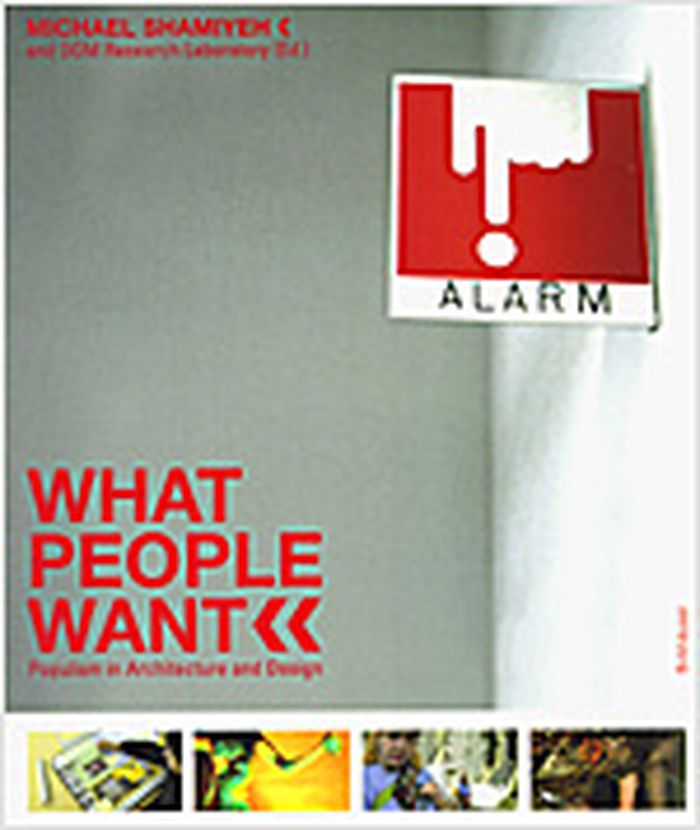
What people want : populism in architecture and design
Actions:
Prix:
$67.50
(disponible sur commande)
Résumé:
In today's society architects are subject to the dictates of the free market, the global trend towards privatization and the gradual dismantlement of state institutions and authorities. The pressure to alter their projects to conform to market and popular taste is increasing. Does successful design in today’s world have to correspond to the wishes of the masses? What exactly are trends and the expectations of the general public based on? Is design always a response contra popular trends, or can adapting to popular tendencies also generate the potential to create a better living environment? This book, which arose from the last DOM conference in Linz, examines the concept of populism in some 30 expert contributions, gathered into 5 chapters, each beginning with an introductory essay.
What people want : populism in architecture and design
Actions:
Prix:
$67.50
(disponible sur commande)
Résumé:
In today's society architects are subject to the dictates of the free market, the global trend towards privatization and the gradual dismantlement of state institutions and authorities. The pressure to alter their projects to conform to market and popular taste is increasing. Does successful design in today’s world have to correspond to the wishes of the masses? What exactly are trends and the expectations of the general public based on? Is design always a response contra popular trends, or can adapting to popular tendencies also generate the potential to create a better living environment? This book, which arose from the last DOM conference in Linz, examines the concept of populism in some 30 expert contributions, gathered into 5 chapters, each beginning with an introductory essay.
Classification:
livres
livres
Publication:
mai 2005, Basel
mai 2005, Basel
Sujet:
Théorie de l’architecture
Théorie de l’architecture


