


2227 Résultats
Classification:
livres
livres
Titre:
A sustainist lexicon
A sustainist lexicon
Actions:
Prix:
$32.50
(disponible sur commande)
Résumé:
Words are our first tools for making sense of the world. 'A Sustainist Lexicon' presents seven words for a changing time. In this timely exploration of our cities, heritage, civic initiatives, urbanism and the future, Michiel Schwarz, co- creator of the Sustainism manifesto, charts how a new ethos and praxis is emerging in the ‘design’ of our living environment. This(...)
$32.50
(disponible sur commande)
Résumé:
Words are our first tools for making sense of the world. 'A Sustainist Lexicon' presents seven words for a changing time. In this timely exploration of our cities, heritage, civic initiatives, urbanism and the future, Michiel Schwarz, co- creator of the Sustainism manifesto, charts how a new ethos and praxis is emerging in the ‘design’ of our living environment. This(...)
Publication:
juin 2016
juin 2016
Titre:
A sustainist lexicon
Actions:
Prix:
$32.50
(disponible sur commande)
Résumé:
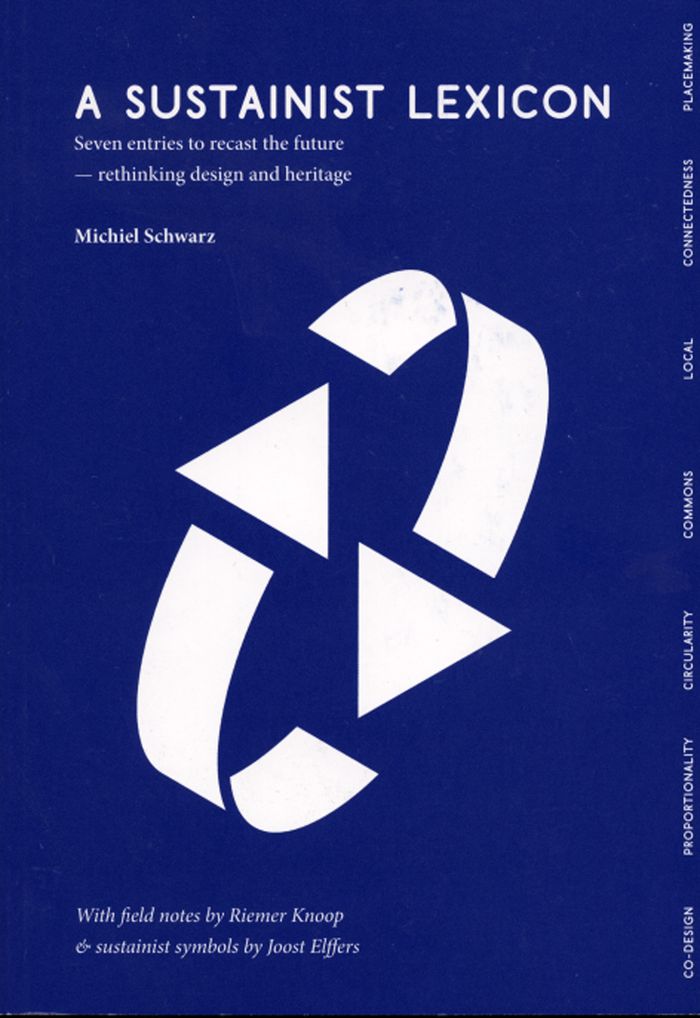
Words are our first tools for making sense of the world. 'A Sustainist Lexicon' presents seven words for a changing time. In this timely exploration of our cities, heritage, civic initiatives, urbanism and the future, Michiel Schwarz, co- creator of the Sustainism manifesto, charts how a new ethos and praxis is emerging in the ‘design’ of our living environment. This concise lexicon explores the changing cultural landscape through seven entries: Placemaking, Connectedness, Local, Commons, Circularity, Proportionality, and Co-Design.
A sustainist lexicon
Actions:
Prix:
$32.50
(disponible sur commande)
Résumé:
Words are our first tools for making sense of the world. 'A Sustainist Lexicon' presents seven words for a changing time. In this timely exploration of our cities, heritage, civic initiatives, urbanism and the future, Michiel Schwarz, co- creator of the Sustainism manifesto, charts how a new ethos and praxis is emerging in the ‘design’ of our living environment. This concise lexicon explores the changing cultural landscape through seven entries: Placemaking, Connectedness, Local, Commons, Circularity, Proportionality, and Co-Design.
Classification:
livres
livres
Publication:
juin 2016
juin 2016
Classification:
livres
livres
Actions:
Prix:
$19.95
(disponible sur commande)
Résumé:
"A Place in Mind: Designing Cities for the 21st Century" is the result of Avi Friedman’s worldwide quest for successful environments where people congregate and feel comfortable. Whether he writes of the conviviality of a teahouse in Istanbul; the serenity of Assisi; the squatter settlements of Tijuana, or the architectural harmony of neighbourhoods in London, Friedman(...)
$19.95
(disponible sur commande)
Résumé:
"A Place in Mind: Designing Cities for the 21st Century" is the result of Avi Friedman’s worldwide quest for successful environments where people congregate and feel comfortable. Whether he writes of the conviviality of a teahouse in Istanbul; the serenity of Assisi; the squatter settlements of Tijuana, or the architectural harmony of neighbourhoods in London, Friedman(...)
Titre:
A place in mind: designing cities for the 21st century, revised edition
Actions:
Prix:
$19.95
(disponible sur commande)
Résumé:
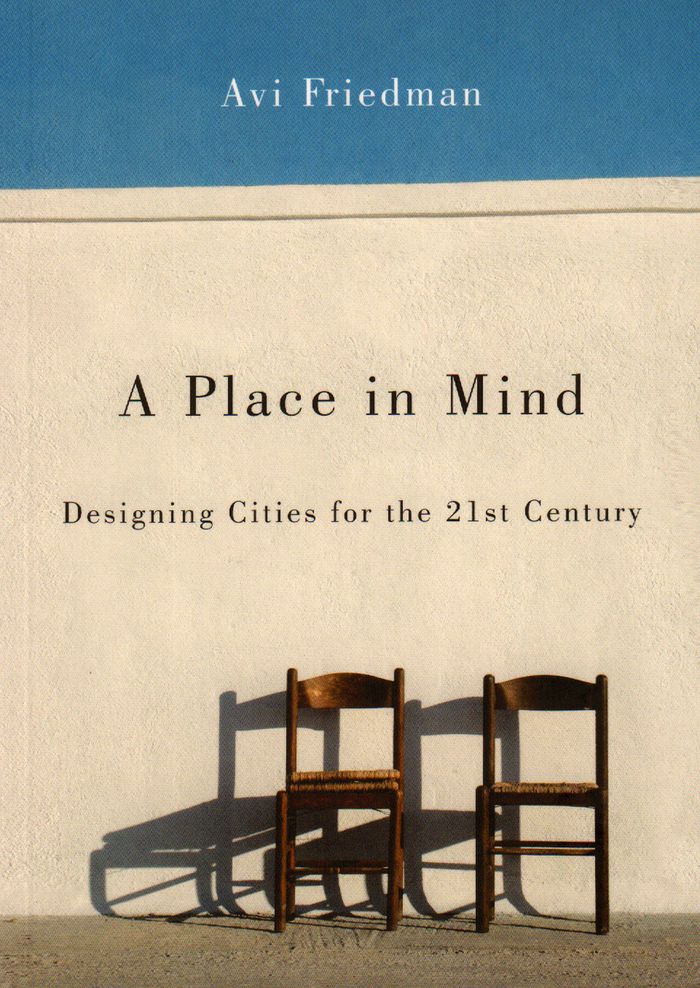
"A Place in Mind: Designing Cities for the 21st Century" is the result of Avi Friedman’s worldwide quest for successful environments where people congregate and feel comfortable. Whether he writes of the conviviality of a teahouse in Istanbul; the serenity of Assisi; the squatter settlements of Tijuana, or the architectural harmony of neighbourhoods in London, Friedman conveys his excitement at discovering people-friendly places—antidotes to social isolation. His search for unique spots took him to spiritual places, workplaces, towns’ squares, very cold places and warm ones. They made themselves known unexpectedly, and affected him in some way. He went on to look into their distant and near history, origins and effect on civilizations, the people that inhabit them, and above all, to reflect on what made them special.
A place in mind: designing cities for the 21st century, revised edition
Actions:
Prix:
$19.95
(disponible sur commande)
Résumé:
"A Place in Mind: Designing Cities for the 21st Century" is the result of Avi Friedman’s worldwide quest for successful environments where people congregate and feel comfortable. Whether he writes of the conviviality of a teahouse in Istanbul; the serenity of Assisi; the squatter settlements of Tijuana, or the architectural harmony of neighbourhoods in London, Friedman conveys his excitement at discovering people-friendly places—antidotes to social isolation. His search for unique spots took him to spiritual places, workplaces, towns’ squares, very cold places and warm ones. They made themselves known unexpectedly, and affected him in some way. He went on to look into their distant and near history, origins and effect on civilizations, the people that inhabit them, and above all, to reflect on what made them special.
Classification:
livres
livres
Publication:
octobre 2016
octobre 2016
Sujet:
Théorie de l’architecture
Théorie de l’architecture
Classification:
livres
livres
Titre:
Le vocabulaire de Bachelard
Le vocabulaire de Bachelard
Actions:
Prix:
$21.95
(disponible sur commande)
Résumé:
L'oeuvre de Gaston Bachelard se répartit sur deux versants, philosophie des sciences, notamment des sciences du réel, et philosophie des images, des images poétiques en particulier. S'agit-il d'une même philosophie, ou faut-il opposer en lui le philosophe du jour et celui de la nuit, celui des concepts et celui des images ? On verra ici que l'examen de son vocabulaire(...)
$21.95
(disponible sur commande)
Résumé:
L'oeuvre de Gaston Bachelard se répartit sur deux versants, philosophie des sciences, notamment des sciences du réel, et philosophie des images, des images poétiques en particulier. S'agit-il d'une même philosophie, ou faut-il opposer en lui le philosophe du jour et celui de la nuit, celui des concepts et celui des images ? On verra ici que l'examen de son vocabulaire(...)
Titre:
Le vocabulaire de Bachelard
Actions:
Prix:
$21.95
(disponible sur commande)
Résumé:
L'oeuvre de Gaston Bachelard se répartit sur deux versants, philosophie des sciences, notamment des sciences du réel, et philosophie des images, des images poétiques en particulier. S'agit-il d'une même philosophie, ou faut-il opposer en lui le philosophe du jour et celui de la nuit, celui des concepts et celui des images ? On verra ici que l'examen de son vocabulaire donne de puissants arguments pour trancher en faveur de l'unité, mais d'une unité qui se cherche et qui se construit inlassablement à travers les réaménagements qu'elle s'impose pour se constituer en philosophie du nouveau.
Le vocabulaire de Bachelard
Actions:
Prix:
$21.95
(disponible sur commande)
Résumé:
L'oeuvre de Gaston Bachelard se répartit sur deux versants, philosophie des sciences, notamment des sciences du réel, et philosophie des images, des images poétiques en particulier. S'agit-il d'une même philosophie, ou faut-il opposer en lui le philosophe du jour et celui de la nuit, celui des concepts et celui des images ? On verra ici que l'examen de son vocabulaire donne de puissants arguments pour trancher en faveur de l'unité, mais d'une unité qui se cherche et qui se construit inlassablement à travers les réaménagements qu'elle s'impose pour se constituer en philosophie du nouveau.
Classification:
livres
livres
Publication:
mai 2016
mai 2016
Sujet:
Théorie de l’architecture
Théorie de l’architecture
Classification:
livres
livres
Actions:
Prix:
$30.00
(disponible sur commande)
Résumé:
Spanning the history of literature, art, and architecture from John Ruskin, Henry James, and Ezra Pound to Manfredo Tafuri, Italo Calvino, Jeanette Winterson, and Robert Coover ''Killing the Moonlight'' tracks the pressures that modernity has placed on the legacy of romantic Venice, and the distinctive strains of aesthetic invention that resulted from the clash. In(...)
$30.00
(disponible sur commande)
Résumé:
Spanning the history of literature, art, and architecture from John Ruskin, Henry James, and Ezra Pound to Manfredo Tafuri, Italo Calvino, Jeanette Winterson, and Robert Coover ''Killing the Moonlight'' tracks the pressures that modernity has placed on the legacy of romantic Venice, and the distinctive strains of aesthetic invention that resulted from the clash. In(...)
Titre:
Killing the moonlight: Modernism in Venice
Actions:
Prix:
$30.00
(disponible sur commande)
Résumé:
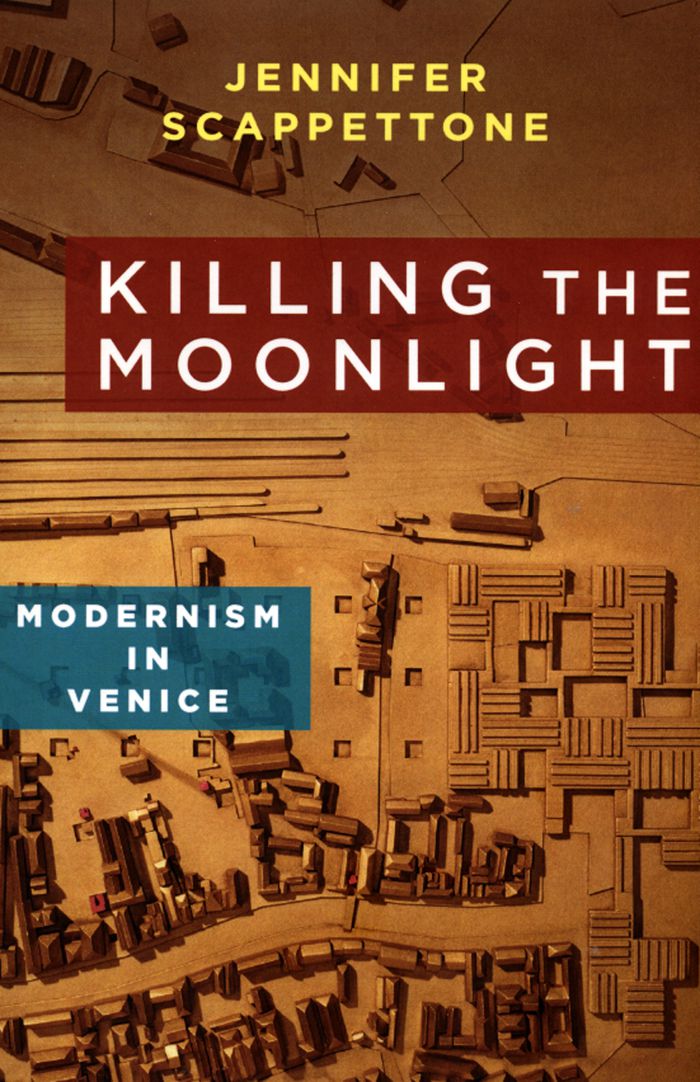
Spanning the history of literature, art, and architecture from John Ruskin, Henry James, and Ezra Pound to Manfredo Tafuri, Italo Calvino, Jeanette Winterson, and Robert Coover ''Killing the Moonlight'' tracks the pressures that modernity has placed on the legacy of romantic Venice, and the distinctive strains of aesthetic invention that resulted from the clash. In Venetian incarnations of modernism, the anachronistic urban fabric and vestigial sentiment that both the nation-state of Italy and the historical avant-garde would cast off become incompletely assimilated parts of the new.
Killing the moonlight: Modernism in Venice
Actions:
Prix:
$30.00
(disponible sur commande)
Résumé:
Spanning the history of literature, art, and architecture from John Ruskin, Henry James, and Ezra Pound to Manfredo Tafuri, Italo Calvino, Jeanette Winterson, and Robert Coover ''Killing the Moonlight'' tracks the pressures that modernity has placed on the legacy of romantic Venice, and the distinctive strains of aesthetic invention that resulted from the clash. In Venetian incarnations of modernism, the anachronistic urban fabric and vestigial sentiment that both the nation-state of Italy and the historical avant-garde would cast off become incompletely assimilated parts of the new.
Classification:
livres
livres
Publication:
août 2016
août 2016
Sujet:
Théorie de l’architecture
Théorie de l’architecture
Classification:
livres
livres
Prix:
$33.95
(disponible sur commande)
Résumé:
This book of essays is published to coincide with an exhibition of the same title at Sir John Soane's Museum, Lincoln's Inn Fields, London (October 23, 2015–March 26, 2016) commemorating the 200th anniversary of Soane's beloved wife Eliza's death on November 22, 1815. Its relevance to Soane studies, is, however, much broader, with essays shedding new light on the(...)
$33.95
(disponible sur commande)
Résumé:
This book of essays is published to coincide with an exhibition of the same title at Sir John Soane's Museum, Lincoln's Inn Fields, London (October 23, 2015–March 26, 2016) commemorating the 200th anniversary of Soane's beloved wife Eliza's death on November 22, 1815. Its relevance to Soane studies, is, however, much broader, with essays shedding new light on the(...)
Sujet:
Théorie de l’architecture
Théorie de l’architecture
Publication:
septembre 2016
septembre 2016
Titre:
Death and memory: Soane and the architecture of legacy
Actions:
Prix:
$33.95
(disponible sur commande)
Résumé:
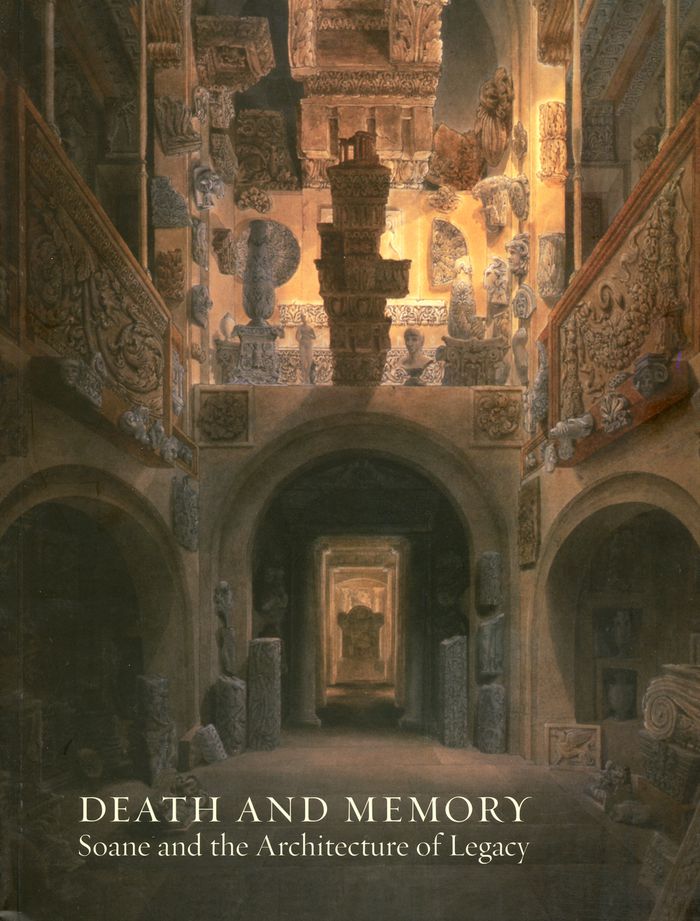
This book of essays is published to coincide with an exhibition of the same title at Sir John Soane's Museum, Lincoln's Inn Fields, London (October 23, 2015–March 26, 2016) commemorating the 200th anniversary of Soane's beloved wife Eliza's death on November 22, 1815. Its relevance to Soane studies, is, however, much broader, with essays shedding new light on the architecture of legacy in Sir John Soane's Museum; Soane's preoccupation with memorialization as revealed in the design process for the Soane family tomb; the legacy of his drawings collection; and Soane's attempt shortly before his death to sustain future interest in his collections by creating a series of time capsules. The essays, written by the curatorial team at Sir John Soane's Museum, are accompanied by 39 illustrations in full color, some of them published for the first time.
Death and memory: Soane and the architecture of legacy
Actions:
Prix:
$33.95
(disponible sur commande)
Résumé:
This book of essays is published to coincide with an exhibition of the same title at Sir John Soane's Museum, Lincoln's Inn Fields, London (October 23, 2015–March 26, 2016) commemorating the 200th anniversary of Soane's beloved wife Eliza's death on November 22, 1815. Its relevance to Soane studies, is, however, much broader, with essays shedding new light on the architecture of legacy in Sir John Soane's Museum; Soane's preoccupation with memorialization as revealed in the design process for the Soane family tomb; the legacy of his drawings collection; and Soane's attempt shortly before his death to sustain future interest in his collections by creating a series of time capsules. The essays, written by the curatorial team at Sir John Soane's Museum, are accompanied by 39 illustrations in full color, some of them published for the first time.
Classification:
livres
livres
Publication:
septembre 2016
septembre 2016
Sujet:
Théorie de l’architecture
Théorie de l’architecture
Classification:
livres
livres
Titre:
Dialectes architecturaux
Dialectes architecturaux
Actions:
Prix:
$34.00
(disponible sur commande)
Résumé:
En poésie, les dialectes sont parfois le support de l’inspiration : Pasolini, entre autres, écrivait ses poèmes en dialecte frioulan. Pourquoi n’en est-il pas de même en architecture ? Pourquoi ne pas utiliser des dialectes urbains ? des jargons architecturaux ? des patois spatiaux ? Telles furent les idées qui guidèrent l’auteur lors de la construction des quartiers(...)
$34.00
(disponible sur commande)
Résumé:
En poésie, les dialectes sont parfois le support de l’inspiration : Pasolini, entre autres, écrivait ses poèmes en dialecte frioulan. Pourquoi n’en est-il pas de même en architecture ? Pourquoi ne pas utiliser des dialectes urbains ? des jargons architecturaux ? des patois spatiaux ? Telles furent les idées qui guidèrent l’auteur lors de la construction des quartiers(...)
Titre:
Dialectes architecturaux
Actions:
Prix:
$34.00
(disponible sur commande)
Résumé:
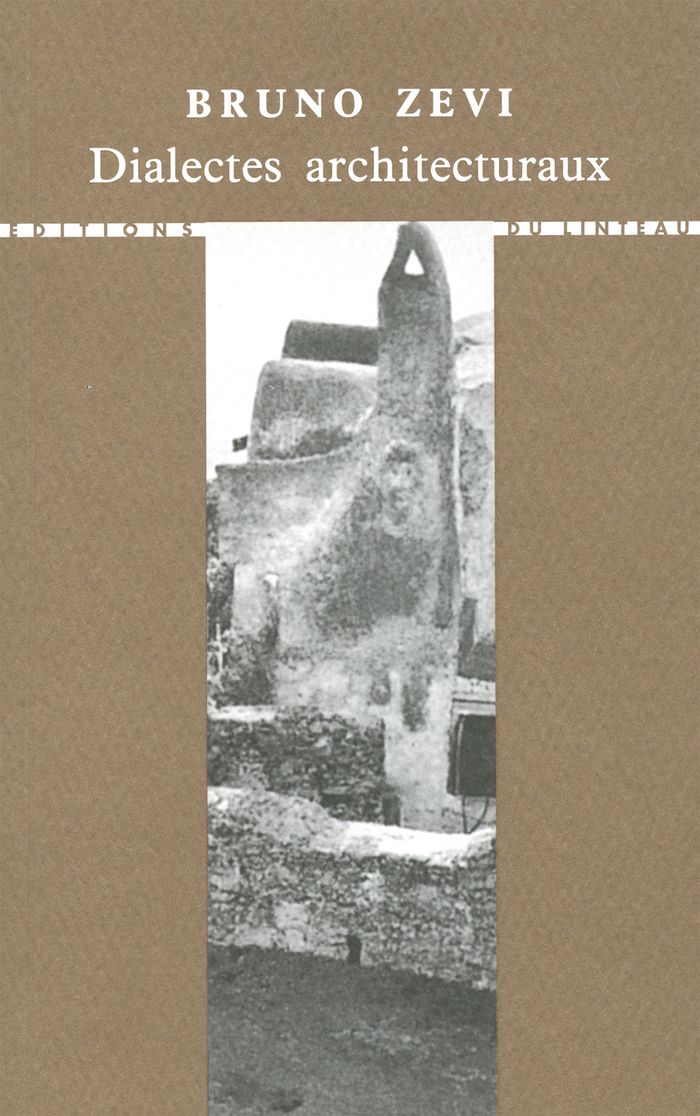
En poésie, les dialectes sont parfois le support de l’inspiration : Pasolini, entre autres, écrivait ses poèmes en dialecte frioulan. Pourquoi n’en est-il pas de même en architecture ? Pourquoi ne pas utiliser des dialectes urbains ? des jargons architecturaux ? des patois spatiaux ? Telles furent les idées qui guidèrent l’auteur lors de la construction des quartiers neufs de Matera dans l’Italie méridionale.
Dialectes architecturaux
Actions:
Prix:
$34.00
(disponible sur commande)
Résumé:
En poésie, les dialectes sont parfois le support de l’inspiration : Pasolini, entre autres, écrivait ses poèmes en dialecte frioulan. Pourquoi n’en est-il pas de même en architecture ? Pourquoi ne pas utiliser des dialectes urbains ? des jargons architecturaux ? des patois spatiaux ? Telles furent les idées qui guidèrent l’auteur lors de la construction des quartiers neufs de Matera dans l’Italie méridionale.
Classification:
livres
livres
Publication:
mai 2016
mai 2016
Sujet:
Théorie de l’architecture
Théorie de l’architecture
Classification:
livres
livres
Actions:
Prix:
$46.95
(disponible sur commande)
Résumé:
"Criticat" is an independent journal of architectural criticism published twice annually. Based in Paris, it was founded in 2007 by a group of architects, historians, and critics on a simple premise: that informed and daring criticism could bring architecture back into everyday public discourse. Twenty-three exemplary articles have been selected from the journal's first(...)
$46.95
(disponible sur commande)
Résumé:
"Criticat" is an independent journal of architectural criticism published twice annually. Based in Paris, it was founded in 2007 by a group of architects, historians, and critics on a simple premise: that informed and daring criticism could bring architecture back into everyday public discourse. Twenty-three exemplary articles have been selected from the journal's first(...)
Titre:
Yours critically: writings on architecture from issues 1-10 of Criticat
Actions:
Prix:
$46.95
(disponible sur commande)
Résumé:
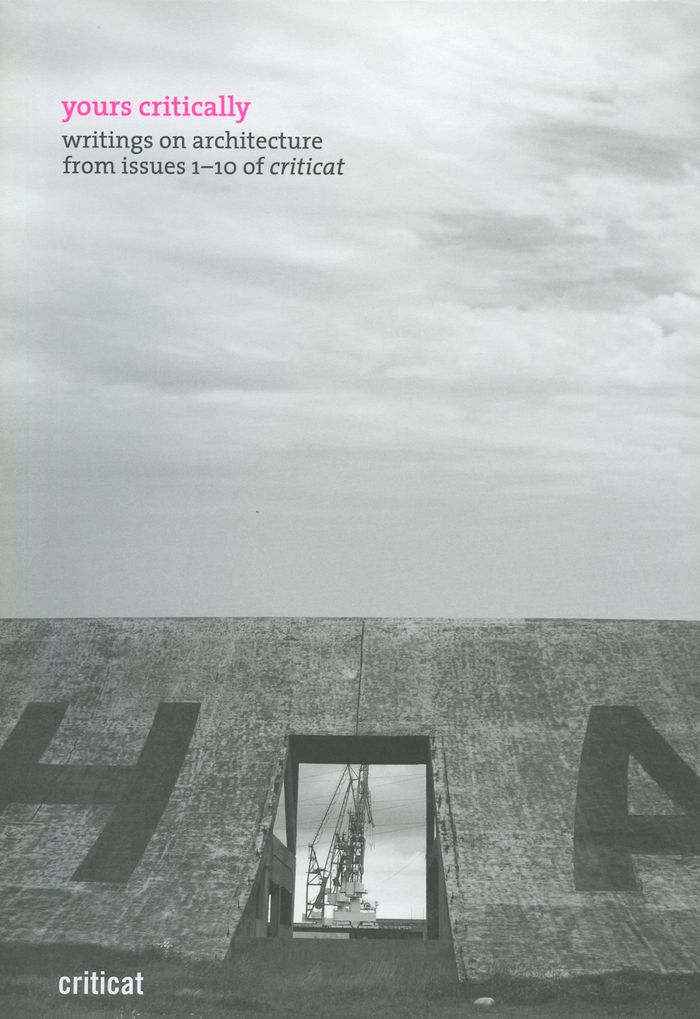
"Criticat" is an independent journal of architectural criticism published twice annually. Based in Paris, it was founded in 2007 by a group of architects, historians, and critics on a simple premise: that informed and daring criticism could bring architecture back into everyday public discourse. Twenty-three exemplary articles have been selected from the journal's first ten issues, and appear here in English for the first time. Individual investigations tackle subjects from around the globe: projects by Frank Gehry and Jürgen Mayer h, high-rise buildings in Paris, the purity of New Zealand's landscape, New York's High Line, and much more.
Yours critically: writings on architecture from issues 1-10 of Criticat
Actions:
Prix:
$46.95
(disponible sur commande)
Résumé:
"Criticat" is an independent journal of architectural criticism published twice annually. Based in Paris, it was founded in 2007 by a group of architects, historians, and critics on a simple premise: that informed and daring criticism could bring architecture back into everyday public discourse. Twenty-three exemplary articles have been selected from the journal's first ten issues, and appear here in English for the first time. Individual investigations tackle subjects from around the globe: projects by Frank Gehry and Jürgen Mayer h, high-rise buildings in Paris, the purity of New Zealand's landscape, New York's High Line, and much more.
Classification:
livres
livres
Publication:
juin 2016
juin 2016
Sujet:
Théorie de l’architecture
Théorie de l’architecture
Classification:
livres
livres
Prix:
$31.00
(disponible sur commande)
Résumé:
This collection of unpublished or rare texts by Frederick Kiesler written between 1927 and 1957 is published on the occasion of the exhibition 'Function Follows Vision, Vision Follows Reality' at Kunsthalle Wien (May 27 August 23, 2015), curated by Luca Lo Pinto and Vanessa Joan Mu ller. The exhibition, developed in cooperation with the Austrian Frederick and Lillian(...)
$31.00
(disponible sur commande)
Résumé:
This collection of unpublished or rare texts by Frederick Kiesler written between 1927 and 1957 is published on the occasion of the exhibition 'Function Follows Vision, Vision Follows Reality' at Kunsthalle Wien (May 27 August 23, 2015), curated by Luca Lo Pinto and Vanessa Joan Mu ller. The exhibition, developed in cooperation with the Austrian Frederick and Lillian(...)
Titre:
Frederick Kiesler: function follows form, vision follows reality
Actions:
Prix:
$31.00
(disponible sur commande)
Résumé:
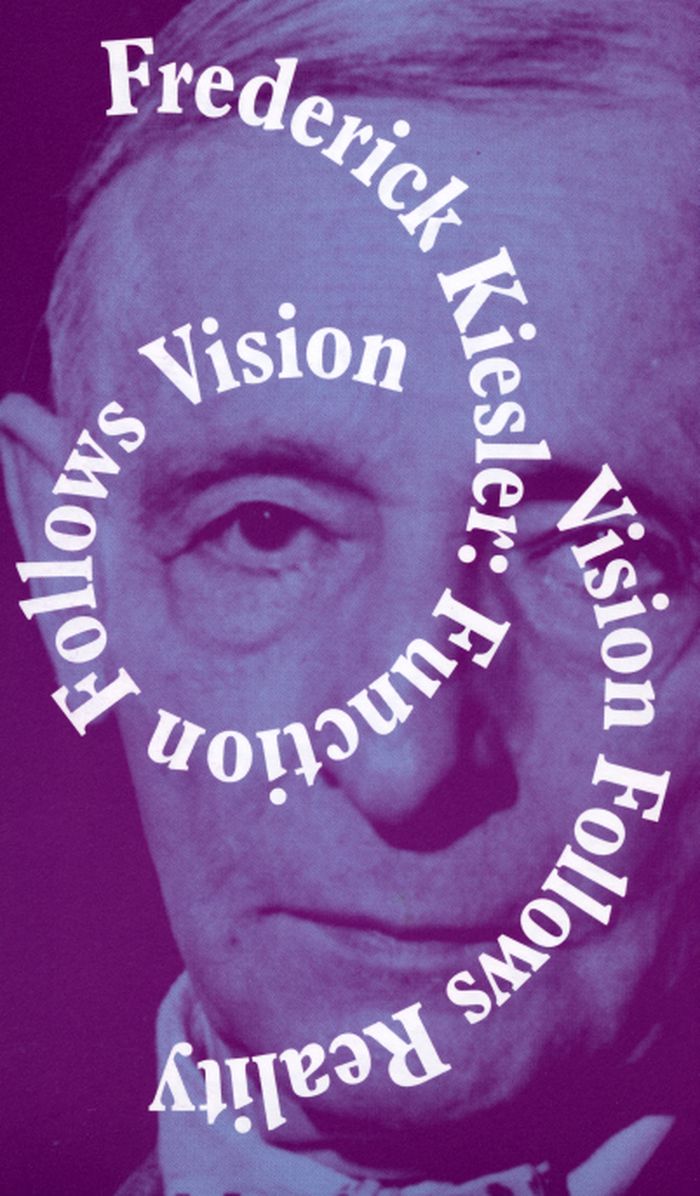
This collection of unpublished or rare texts by Frederick Kiesler written between 1927 and 1957 is published on the occasion of the exhibition 'Function Follows Vision, Vision Follows Reality' at Kunsthalle Wien (May 27 August 23, 2015), curated by Luca Lo Pinto and Vanessa Joan Mu ller. The exhibition, developed in cooperation with the Austrian Frederick and Lillian Kiesler Private Foundation, focuses on Kiesler's ideas on display, and juxtaposes works of contemporary artists with a number of original drawings by Kiesler. Views of the exhibition are included in the pages of this publication.
Frederick Kiesler: function follows form, vision follows reality
Actions:
Prix:
$31.00
(disponible sur commande)
Résumé:
This collection of unpublished or rare texts by Frederick Kiesler written between 1927 and 1957 is published on the occasion of the exhibition 'Function Follows Vision, Vision Follows Reality' at Kunsthalle Wien (May 27 August 23, 2015), curated by Luca Lo Pinto and Vanessa Joan Mu ller. The exhibition, developed in cooperation with the Austrian Frederick and Lillian Kiesler Private Foundation, focuses on Kiesler's ideas on display, and juxtaposes works of contemporary artists with a number of original drawings by Kiesler. Views of the exhibition are included in the pages of this publication.
Classification:
livres
livres
Publication:
juillet 2016
juillet 2016
Sujet:
Théorie de l’architecture
Théorie de l’architecture
Classification:
livres
livres
Actions:
Prix:
$44.00
(disponible en magasin)
Résumé:
In an empty factory unit tucked away in Berlin’s Köpenicker Strasse, The Proletarian Building Exhibition was mounted with the humblest of resources in 1931. It marked the first action by a group of revolutionary architects, builders, and students forming the Kollektiv für sozialistisches Bauen under the architect Arthur Korn. Taking aim at modernist architects(...)
$44.00
(disponible en magasin)
Résumé:
In an empty factory unit tucked away in Berlin’s Köpenicker Strasse, The Proletarian Building Exhibition was mounted with the humblest of resources in 1931. It marked the first action by a group of revolutionary architects, builders, and students forming the Kollektiv für sozialistisches Bauen under the architect Arthur Korn. Taking aim at modernist architects(...)
Publication:
mai 2016
mai 2016
Titre:
Collective for a socialist architecture: proletarian building exhibition 1931
Actions:
Prix:
$44.00
(disponible en magasin)
Résumé:
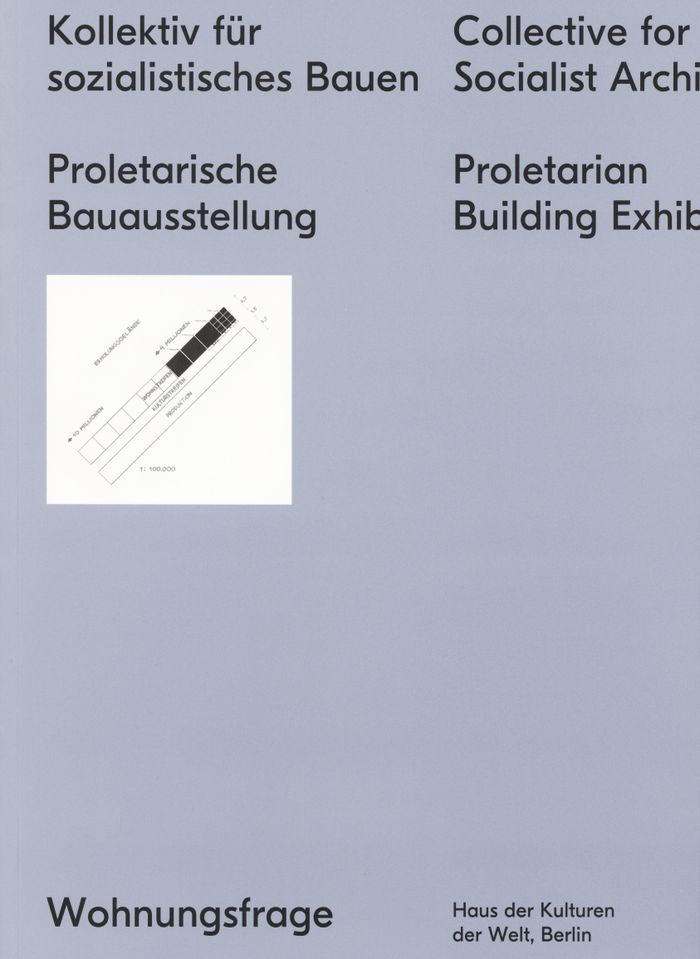
In an empty factory unit tucked away in Berlin’s Köpenicker Strasse, The Proletarian Building Exhibition was mounted with the humblest of resources in 1931. It marked the first action by a group of revolutionary architects, builders, and students forming the Kollektiv für sozialistisches Bauen under the architect Arthur Korn. Taking aim at modernist architects participating in the German Building Exhibition and CIAM, they cast architecture as an instrument of power, questioned capitalist solutions to the housing question, and unveiled planning approaches imported from the then-Soviet Union. A full facsimile of the exhibition manifesto/catalog and exhibition panels is featured in addition to contributing essays by contemporary architects, writers and educators, and the Collectives’ Annual Report including a proposed work program and statement of intent. Historical photos are interspersed throughout providing a full reconstruction of this significant architectural and sociopolitical event.
Collective for a socialist architecture: proletarian building exhibition 1931
Actions:
Prix:
$44.00
(disponible en magasin)
Résumé:
In an empty factory unit tucked away in Berlin’s Köpenicker Strasse, The Proletarian Building Exhibition was mounted with the humblest of resources in 1931. It marked the first action by a group of revolutionary architects, builders, and students forming the Kollektiv für sozialistisches Bauen under the architect Arthur Korn. Taking aim at modernist architects participating in the German Building Exhibition and CIAM, they cast architecture as an instrument of power, questioned capitalist solutions to the housing question, and unveiled planning approaches imported from the then-Soviet Union. A full facsimile of the exhibition manifesto/catalog and exhibition panels is featured in addition to contributing essays by contemporary architects, writers and educators, and the Collectives’ Annual Report including a proposed work program and statement of intent. Historical photos are interspersed throughout providing a full reconstruction of this significant architectural and sociopolitical event.
Classification:
livres
livres
Publication:
mai 2016
mai 2016
Classification:
livres
livres
Titre:
Hannes Meyer: Co-op interior
Hannes Meyer: Co-op interior
Actions:
Prix:
$45.00
(disponible sur commande)
Résumé:
In his Co-op Interieur (1926)—a simple corner of a room known only in a photograph— Swiss architect Hannes Meyer (1889–1954) gave expression to a radical, antibourgeois style of interior. Comprised only of a bed, a lamp, two chairs and a gramophone on a table, he imagined this room for the nomadic urban worker. Through the absence of people, objects and spatial features(...)
$45.00
(disponible sur commande)
Résumé:
In his Co-op Interieur (1926)—a simple corner of a room known only in a photograph— Swiss architect Hannes Meyer (1889–1954) gave expression to a radical, antibourgeois style of interior. Comprised only of a bed, a lamp, two chairs and a gramophone on a table, he imagined this room for the nomadic urban worker. Through the absence of people, objects and spatial features(...)
Sujet:
Théorie de l’architecture
Théorie de l’architecture
Publication:
juillet 2016
juillet 2016
Titre:
Hannes Meyer: Co-op interior
Actions:
Prix:
$45.00
(disponible sur commande)
Résumé:
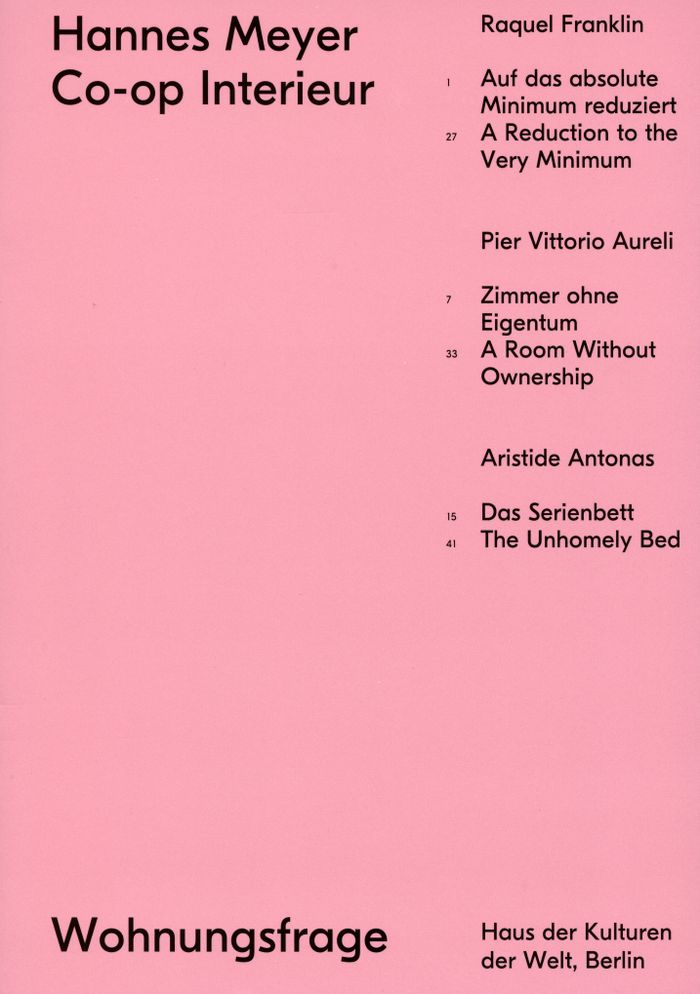
In his Co-op Interieur (1926)—a simple corner of a room known only in a photograph— Swiss architect Hannes Meyer (1889–1954) gave expression to a radical, antibourgeois style of interior. Comprised only of a bed, a lamp, two chairs and a gramophone on a table, he imagined this room for the nomadic urban worker. Through the absence of people, objects and spatial features as much as by the distinctiveness of its design, Meyer was proclaiming an alternative principle for housing, proposing that architecture and design were intended not to fulfill historically determined needs but to overcome their constraints. Historical photographs of the interior and three provocative essays on ownership, minimalism and the “unhomely,” by Brussels-based architecy Pier Vittrio, Mexican architect Raquel Franklin, and Gree architect Aristide Antonas, respectively, explore the layers of meaning within Meyer’s mise-en-scène manifesto on collectivity and utility as a counterpoint to ownership and private property.
Hannes Meyer: Co-op interior
Actions:
Prix:
$45.00
(disponible sur commande)
Résumé:
In his Co-op Interieur (1926)—a simple corner of a room known only in a photograph— Swiss architect Hannes Meyer (1889–1954) gave expression to a radical, antibourgeois style of interior. Comprised only of a bed, a lamp, two chairs and a gramophone on a table, he imagined this room for the nomadic urban worker. Through the absence of people, objects and spatial features as much as by the distinctiveness of its design, Meyer was proclaiming an alternative principle for housing, proposing that architecture and design were intended not to fulfill historically determined needs but to overcome their constraints. Historical photographs of the interior and three provocative essays on ownership, minimalism and the “unhomely,” by Brussels-based architecy Pier Vittrio, Mexican architect Raquel Franklin, and Gree architect Aristide Antonas, respectively, explore the layers of meaning within Meyer’s mise-en-scène manifesto on collectivity and utility as a counterpoint to ownership and private property.
Classification:
livres
livres
Publication:
juillet 2016
juillet 2016
Sujet:
Théorie de l’architecture
Théorie de l’architecture


