


2227 Résultats
Classification:
livres
livres
Actions:
Prix:
$33.95
(disponible sur commande)
Résumé:
"The Space Within" explores how interior space has been integral to the development of Modern architecture from the late 1800s to today, and how generations of architects have engaged with interior space and its experience in their design processes. In doing so, they fundamentally transformed the traditional methods and goals of architectural composition. As McCarter(...)
$33.95
(disponible sur commande)
Résumé:
"The Space Within" explores how interior space has been integral to the development of Modern architecture from the late 1800s to today, and how generations of architects have engaged with interior space and its experience in their design processes. In doing so, they fundamentally transformed the traditional methods and goals of architectural composition. As McCarter(...)
Titre:
The space within: interior experience as the origin of architecture
Actions:
Prix:
$33.95
(disponible sur commande)
Résumé:
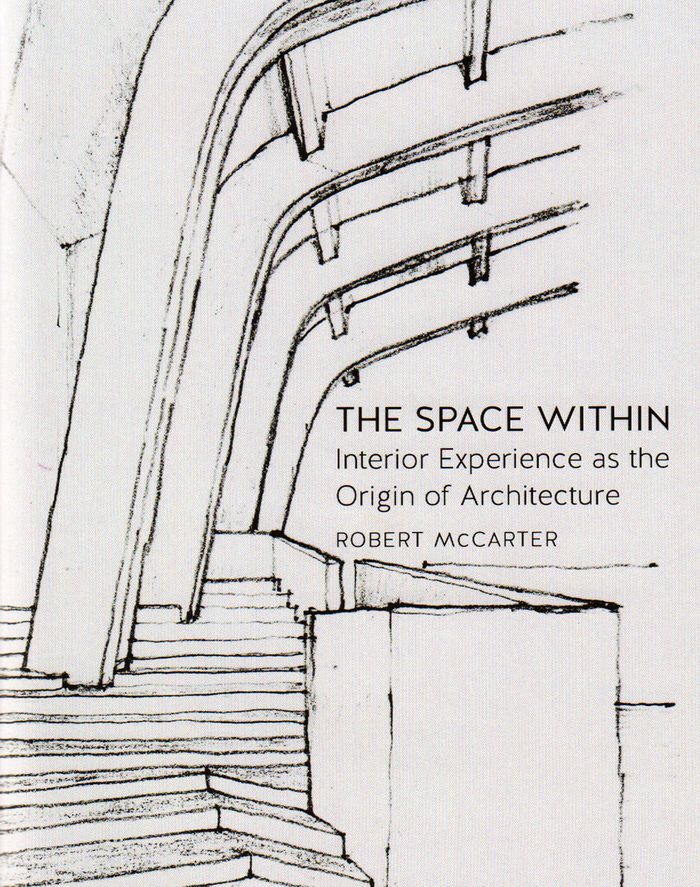
"The Space Within" explores how interior space has been integral to the development of Modern architecture from the late 1800s to today, and how generations of architects have engaged with interior space and its experience in their design processes. In doing so, they fundamentally transformed the traditional methods and goals of architectural composition. As McCarter argues, for many of the most recognized and respected architects practising today, the conception of the interior spatial experience continues to be the starting point for design. Through historical and current examples of architectural works he takes us through how this is done, and eloquently places us within the spaces.
The space within: interior experience as the origin of architecture
Actions:
Prix:
$33.95
(disponible sur commande)
Résumé:
"The Space Within" explores how interior space has been integral to the development of Modern architecture from the late 1800s to today, and how generations of architects have engaged with interior space and its experience in their design processes. In doing so, they fundamentally transformed the traditional methods and goals of architectural composition. As McCarter argues, for many of the most recognized and respected architects practising today, the conception of the interior spatial experience continues to be the starting point for design. Through historical and current examples of architectural works he takes us through how this is done, and eloquently places us within the spaces.
Classification:
livres
livres
Publication:
octobre 2016
octobre 2016
Sujet:
Théorie de l’architecture
Théorie de l’architecture
Classification:
livres
livres
Titre:
Wherever you find people: the radical schools of Oscar Niemeyer, Darcy Ribeirro, and Leonel Brizola
Wherever you find people: the radical schools of Oscar Niemeyer, Darcy Ribeirro, and Leonel Brizola
Actions:
Prix:
$59.95
(disponible sur commande)
Résumé:
Documents a unique experimental public education project in Brazil Features hardly known architecture by Oscar Niemeyer Presents previously unpublished archive material and new essays. ''Wherever You Find People'' captures the compelling story of the Integrated Centres of Public Education (CIEP) in the Brazilian city and federal state of Rio de Janeiro. This unique but(...)
$59.95
(disponible sur commande)
Résumé:
Documents a unique experimental public education project in Brazil Features hardly known architecture by Oscar Niemeyer Presents previously unpublished archive material and new essays. ''Wherever You Find People'' captures the compelling story of the Integrated Centres of Public Education (CIEP) in the Brazilian city and federal state of Rio de Janeiro. This unique but(...)
Publication:
janvier 2017
janvier 2017
Titre:
Wherever you find people: the radical schools of Oscar Niemeyer, Darcy Ribeirro, and Leonel Brizola
Actions:
Prix:
$59.95
(disponible sur commande)
Résumé:
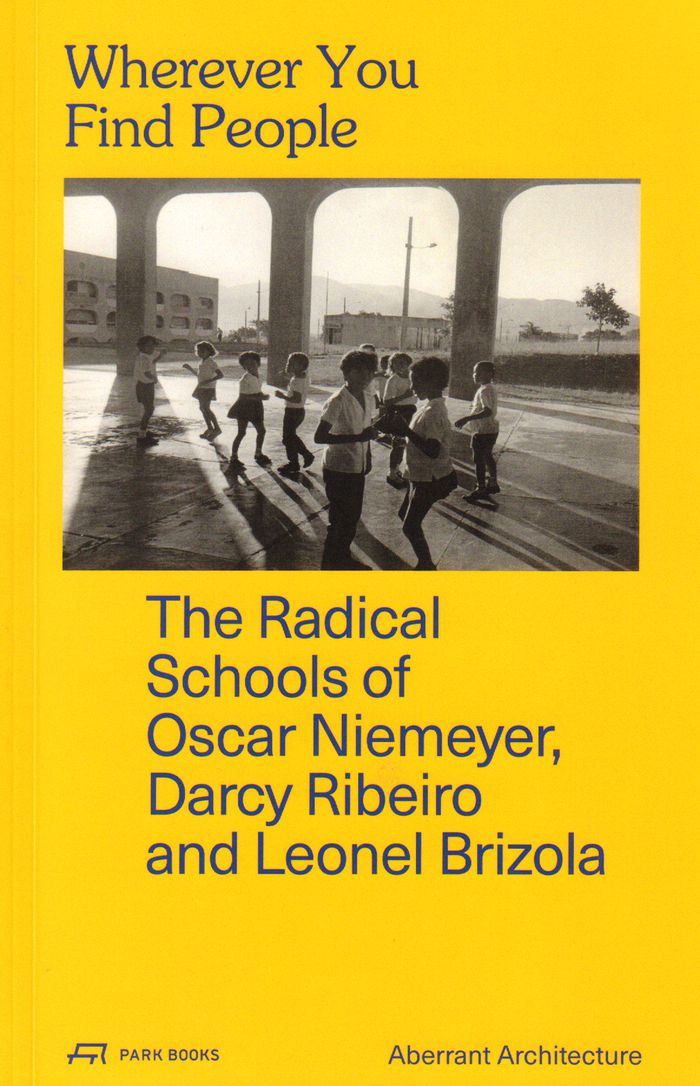
Documents a unique experimental public education project in Brazil Features hardly known architecture by Oscar Niemeyer Presents previously unpublished archive material and new essays. ''Wherever You Find People'' captures the compelling story of the Integrated Centres of Public Education (CIEP) in the Brazilian city and federal state of Rio de Janeiro. This unique but relatively obscure experimental educational project is a prime example of socially driven public architecture and a testament to ambition and forward thinking.
Wherever you find people: the radical schools of Oscar Niemeyer, Darcy Ribeirro, and Leonel Brizola
Actions:
Prix:
$59.95
(disponible sur commande)
Résumé:
Documents a unique experimental public education project in Brazil Features hardly known architecture by Oscar Niemeyer Presents previously unpublished archive material and new essays. ''Wherever You Find People'' captures the compelling story of the Integrated Centres of Public Education (CIEP) in the Brazilian city and federal state of Rio de Janeiro. This unique but relatively obscure experimental educational project is a prime example of socially driven public architecture and a testament to ambition and forward thinking.
Classification:
livres
livres
Publication:
janvier 2017
janvier 2017
Classification:
livres
livres
Actions:
Prix:
$43.95
(disponible sur commande)
Résumé:
Very few architects are equally prolific in theory and design, and Austrian Hermann Czech is one of those few. Over the course of six decades, he has created a widely recognized body of built work while also developing a unique architectural theory based on his knowledge of philosophy and architectural history. ''Essays on architecture and city planning'' makes his(...)
$43.95
(disponible sur commande)
Résumé:
Very few architects are equally prolific in theory and design, and Austrian Hermann Czech is one of those few. Over the course of six decades, he has created a widely recognized body of built work while also developing a unique architectural theory based on his knowledge of philosophy and architectural history. ''Essays on architecture and city planning'' makes his(...)
Titre:
Essays on architecture and city planning
Actions:
Prix:
$43.95
(disponible sur commande)
Résumé:
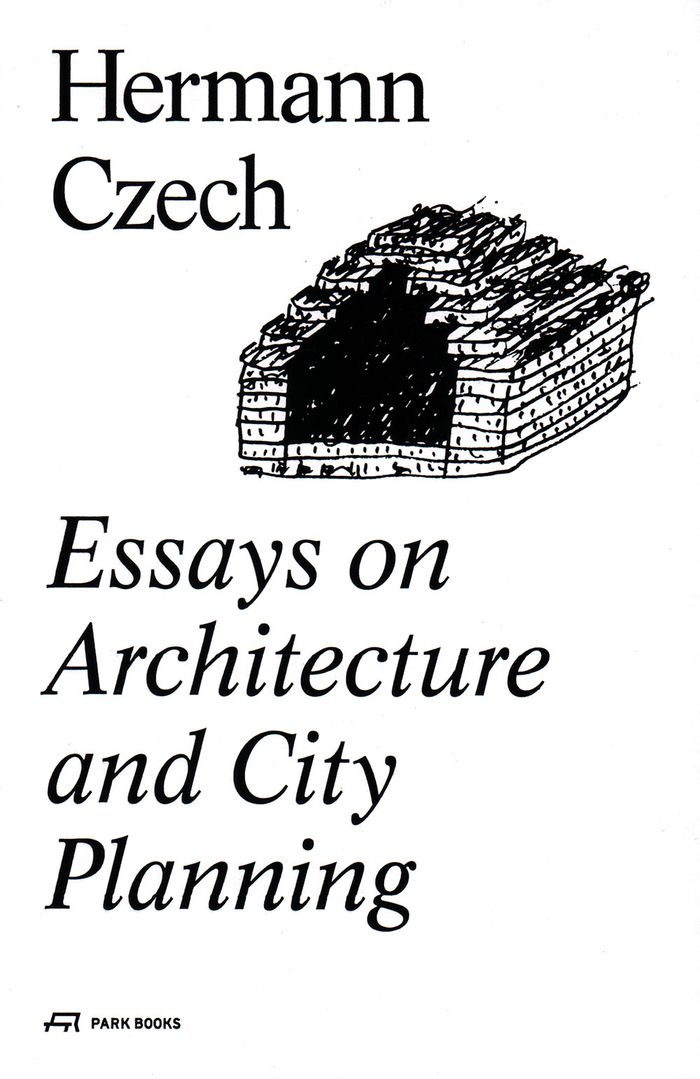
Very few architects are equally prolific in theory and design, and Austrian Hermann Czech is one of those few. Over the course of six decades, he has created a widely recognized body of built work while also developing a unique architectural theory based on his knowledge of philosophy and architectural history. ''Essays on architecture and city planning'' makes his influential ideas finally available to an English-language audience. In these essays, collected from throughout Czech’s career, he analyzes mannerism and calls attention to underestimated works of architecture. He also delves into his own ambivalent relationship to modernism. Of particular significance are the essays focused on Czech’s appeal to embrace reason over style. In addition, Czech reveals his engagement with the work of Hegel, Kant, Wittgenstein, and Adorno as applied to architectural topics.
Essays on architecture and city planning
Actions:
Prix:
$43.95
(disponible sur commande)
Résumé:
Very few architects are equally prolific in theory and design, and Austrian Hermann Czech is one of those few. Over the course of six decades, he has created a widely recognized body of built work while also developing a unique architectural theory based on his knowledge of philosophy and architectural history. ''Essays on architecture and city planning'' makes his influential ideas finally available to an English-language audience. In these essays, collected from throughout Czech’s career, he analyzes mannerism and calls attention to underestimated works of architecture. He also delves into his own ambivalent relationship to modernism. Of particular significance are the essays focused on Czech’s appeal to embrace reason over style. In addition, Czech reveals his engagement with the work of Hegel, Kant, Wittgenstein, and Adorno as applied to architectural topics.
Classification:
livres
livres
Publication:
juillet 2019
juillet 2019
Sujet:
Théorie de l’architecture
Théorie de l’architecture
Classification:
livres
livres
Actions:
Prix:
$56.00
(disponible sur commande)
Résumé:
The outcome of three lectures held at SCI-Arc in Los Angeles in March 2012 – given by Peter Eisenman, Jeffery Kipnis, and Thom Mayne – this book introduces the interrelation of these events in the form of an abstract symposium about the current state of the discipline, and about its role at the school. It combines with the real symposium on the thesis content that took(...)
$56.00
(disponible sur commande)
Résumé:
The outcome of three lectures held at SCI-Arc in Los Angeles in March 2012 – given by Peter Eisenman, Jeffery Kipnis, and Thom Mayne – this book introduces the interrelation of these events in the form of an abstract symposium about the current state of the discipline, and about its role at the school. It combines with the real symposium on the thesis content that took(...)
Sujet:
Théorie de l’architecture
Théorie de l’architecture
Publication:
juillet 2016
juillet 2016
Titre:
Tomorrow & Tomorrow & Tomorrow. Peter Eisenman, Jeffrey Kipnis, Thom Maybe
Actions:
Prix:
$56.00
(disponible sur commande)
Résumé:
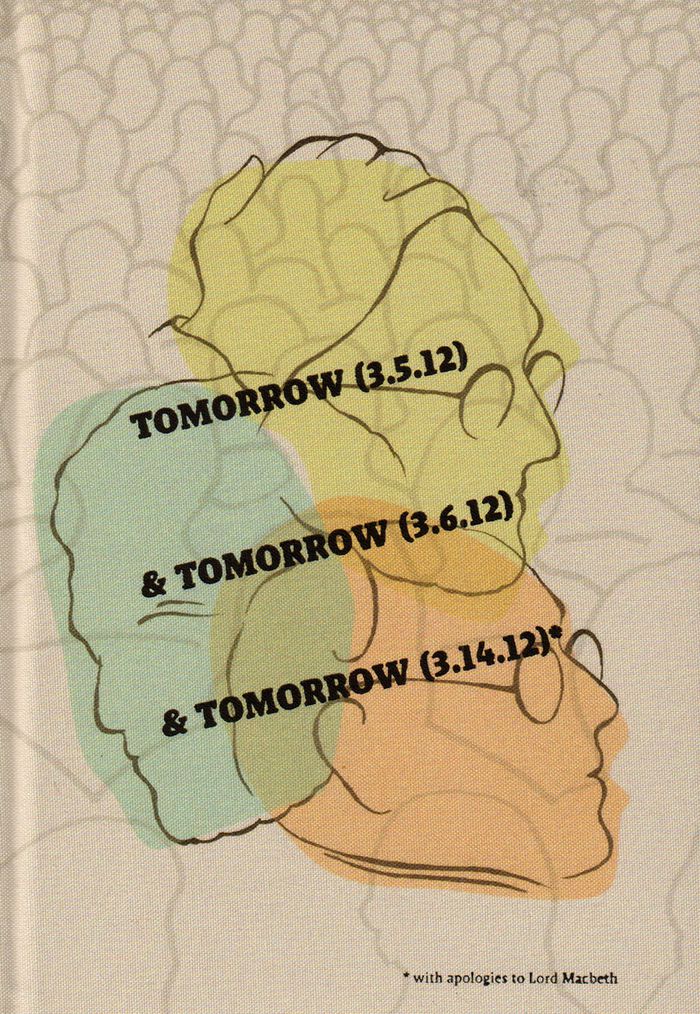
The outcome of three lectures held at SCI-Arc in Los Angeles in March 2012 – given by Peter Eisenman, Jeffery Kipnis, and Thom Mayne – this book introduces the interrelation of these events in the form of an abstract symposium about the current state of the discipline, and about its role at the school. It combines with the real symposium on the thesis content that took place, which ultimately became a running commentary on contemporary architecture. The intersection of intros, debates, lectures, and audience queries framed each proposition as a provisional hypothesis immediately subject to challenge and reformulation. With contributions by Eric Owen Moss.
Tomorrow & Tomorrow & Tomorrow. Peter Eisenman, Jeffrey Kipnis, Thom Maybe
Actions:
Prix:
$56.00
(disponible sur commande)
Résumé:
The outcome of three lectures held at SCI-Arc in Los Angeles in March 2012 – given by Peter Eisenman, Jeffery Kipnis, and Thom Mayne – this book introduces the interrelation of these events in the form of an abstract symposium about the current state of the discipline, and about its role at the school. It combines with the real symposium on the thesis content that took place, which ultimately became a running commentary on contemporary architecture. The intersection of intros, debates, lectures, and audience queries framed each proposition as a provisional hypothesis immediately subject to challenge and reformulation. With contributions by Eric Owen Moss.
Classification:
livres
livres
Publication:
juillet 2016
juillet 2016
Sujet:
Théorie de l’architecture
Théorie de l’architecture
Classification:
livres
livres
Actions:
Prix:
$34.00
(disponible sur commande)
Résumé:
Why write about buildings? Buildings are chunks of the material of the natural world, refashioned by humans and set down into place to stand as silent as the rocks and trees from which they were made. How can we describe that mute actuality? A building’s only complete description is itself. Writing often intensifies the cloud that obscures buildings rather than dissipates(...)
$34.00
(disponible sur commande)
Résumé:
Why write about buildings? Buildings are chunks of the material of the natural world, refashioned by humans and set down into place to stand as silent as the rocks and trees from which they were made. How can we describe that mute actuality? A building’s only complete description is itself. Writing often intensifies the cloud that obscures buildings rather than dissipates(...)
Titre:
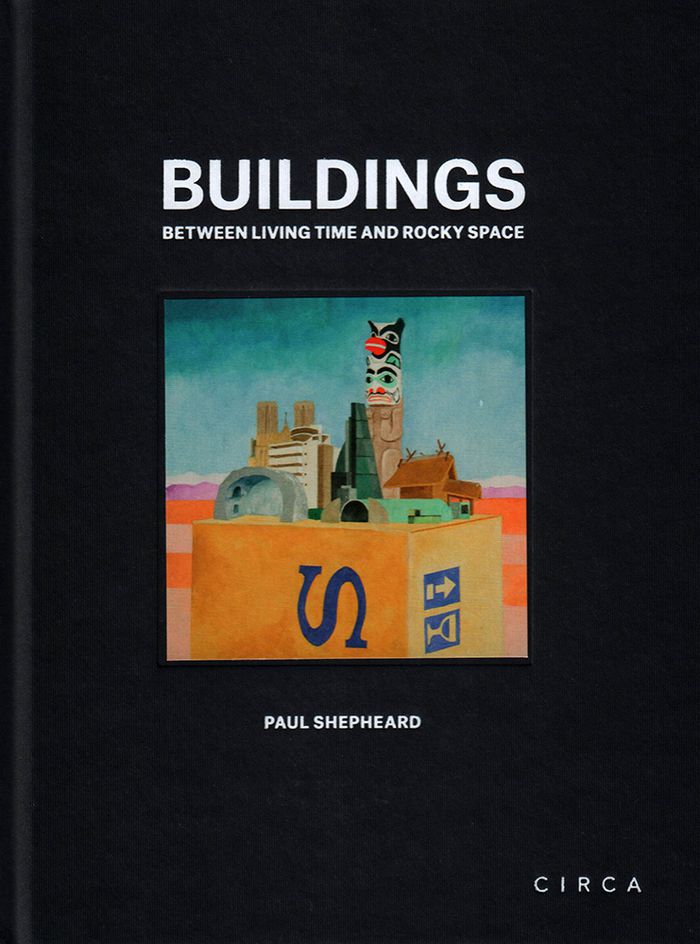
Buildings: between living time and rocky space
Actions:
Prix:
$34.00
(disponible sur commande)
Résumé:
Why write about buildings? Buildings are chunks of the material of the natural world, refashioned by humans and set down into place to stand as silent as the rocks and trees from which they were made. How can we describe that mute actuality? A building’s only complete description is itself. Writing often intensifies the cloud that obscures buildings rather than dissipates it. So why do it? Two generations ago, architects had a real job to do, rebuilding cities shattered by war. It turned out to be more difficult than it looked. Now the grandchildren of those utopians have a different role, which is to rescue a world that is being turned by the media, the money men and the machines into a replica of itself. In this book Paul Shepheard takes a sideways look at this elusive task and finds himself writing an ode to buildings, which asks: What are they? When do they happen? And how are they used?
Buildings: between living time and rocky space
Actions:
Prix:
$34.00
(disponible sur commande)
Résumé:
Why write about buildings? Buildings are chunks of the material of the natural world, refashioned by humans and set down into place to stand as silent as the rocks and trees from which they were made. How can we describe that mute actuality? A building’s only complete description is itself. Writing often intensifies the cloud that obscures buildings rather than dissipates it. So why do it? Two generations ago, architects had a real job to do, rebuilding cities shattered by war. It turned out to be more difficult than it looked. Now the grandchildren of those utopians have a different role, which is to rescue a world that is being turned by the media, the money men and the machines into a replica of itself. In this book Paul Shepheard takes a sideways look at this elusive task and finds himself writing an ode to buildings, which asks: What are they? When do they happen? And how are they used?
Classification:
livres
livres
Publication:
octobre 2016
octobre 2016
Sujet:
Théorie de l’architecture
Théorie de l’architecture
Classification:
livres
livres
Titre:
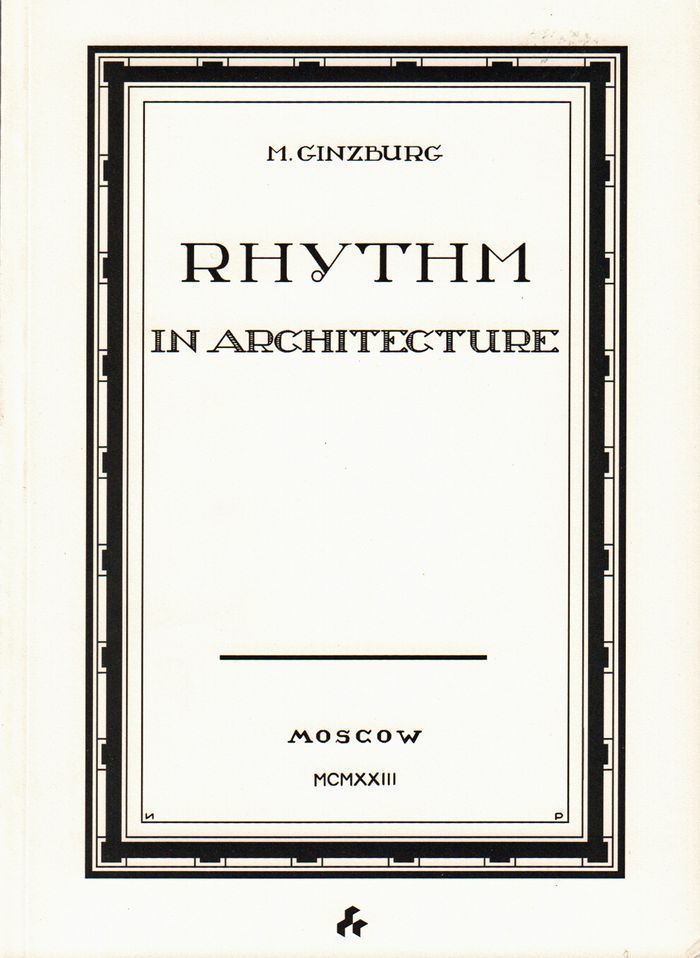
Rhythm in architecture
Rhythm in architecture
Actions:
Prix:
$29.95
(disponible sur commande)
Résumé:
"Rhythm in Architecture" is the first ever translation into English of a key early Modernist text, written by the celebrated Soviet Constructivist architect Moisei Ginzburg and first published in Russian as Ritm v Arkhitekture in 1923. Ginzburg is most famous for his Narkomfin Building in Moscow, completed in 1932, which he described as a “social-condenser”: a radical(...)
$29.95
(disponible sur commande)
Résumé:
"Rhythm in Architecture" is the first ever translation into English of a key early Modernist text, written by the celebrated Soviet Constructivist architect Moisei Ginzburg and first published in Russian as Ritm v Arkhitekture in 1923. Ginzburg is most famous for his Narkomfin Building in Moscow, completed in 1932, which he described as a “social-condenser”: a radical(...)
Titre:
Rhythm in architecture
Actions:
Prix:
$29.95
(disponible sur commande)
Résumé:
"Rhythm in Architecture" is the first ever translation into English of a key early Modernist text, written by the celebrated Soviet Constructivist architect Moisei Ginzburg and first published in Russian as Ritm v Arkhitekture in 1923. Ginzburg is most famous for his Narkomfin Building in Moscow, completed in 1932, which he described as a “social-condenser”: a radical experiment in communal living. While Ginzburg’s second book Style and Epoch, published in 1924, is often seen as the manifesto for Russian Constructivism, Rhythm in Architecture?which preceded it?can be seen as his attempt to create a synthesis in thinking about architecture as a whole, seeking to show how “the true essence of all works of architecture” are ”inspired by the laws of rhythm”. "Rhythm in Architecture" is republished in cooperation with the Ginzburg Design Practice run by Moisei Ginzburg’s grandson, Aleksey and his partner Natalia Shilova. It is the first of a planned series of reprints of Ginzburg’s four books, Home, 1934 and Industrialising Housing Construction, 1937 as well as Style and Epoch, 1924?the only one previously available in English.
Rhythm in architecture
Actions:
Prix:
$29.95
(disponible sur commande)
Résumé:
"Rhythm in Architecture" is the first ever translation into English of a key early Modernist text, written by the celebrated Soviet Constructivist architect Moisei Ginzburg and first published in Russian as Ritm v Arkhitekture in 1923. Ginzburg is most famous for his Narkomfin Building in Moscow, completed in 1932, which he described as a “social-condenser”: a radical experiment in communal living. While Ginzburg’s second book Style and Epoch, published in 1924, is often seen as the manifesto for Russian Constructivism, Rhythm in Architecture?which preceded it?can be seen as his attempt to create a synthesis in thinking about architecture as a whole, seeking to show how “the true essence of all works of architecture” are ”inspired by the laws of rhythm”. "Rhythm in Architecture" is republished in cooperation with the Ginzburg Design Practice run by Moisei Ginzburg’s grandson, Aleksey and his partner Natalia Shilova. It is the first of a planned series of reprints of Ginzburg’s four books, Home, 1934 and Industrialising Housing Construction, 1937 as well as Style and Epoch, 1924?the only one previously available in English.
Classification:
livres
livres
Publication:
janvier 2017
janvier 2017
Sujet:
Théorie de l’architecture
Théorie de l’architecture
Classification:
livres
livres
Actions:
Prix:
$41.95
(disponible en magasin)
Résumé:
Pour le sens commun, l'architecte conçoit et construit ce qui constitue le cadre matériel de notre vie quotidienne. Mais que fait-il vraiment ? Comment s'y prend-il pour faire exister les différentes architectures ? C'est à ces questions que ce livre s'efforce de répondre. Plus précisément, il développe une sociologie de l'architecture, qui analyse le métier, les(...)
$41.95
(disponible en magasin)
Résumé:
Pour le sens commun, l'architecte conçoit et construit ce qui constitue le cadre matériel de notre vie quotidienne. Mais que fait-il vraiment ? Comment s'y prend-il pour faire exister les différentes architectures ? C'est à ces questions que ce livre s'efforce de répondre. Plus précisément, il développe une sociologie de l'architecture, qui analyse le métier, les(...)
Titre:
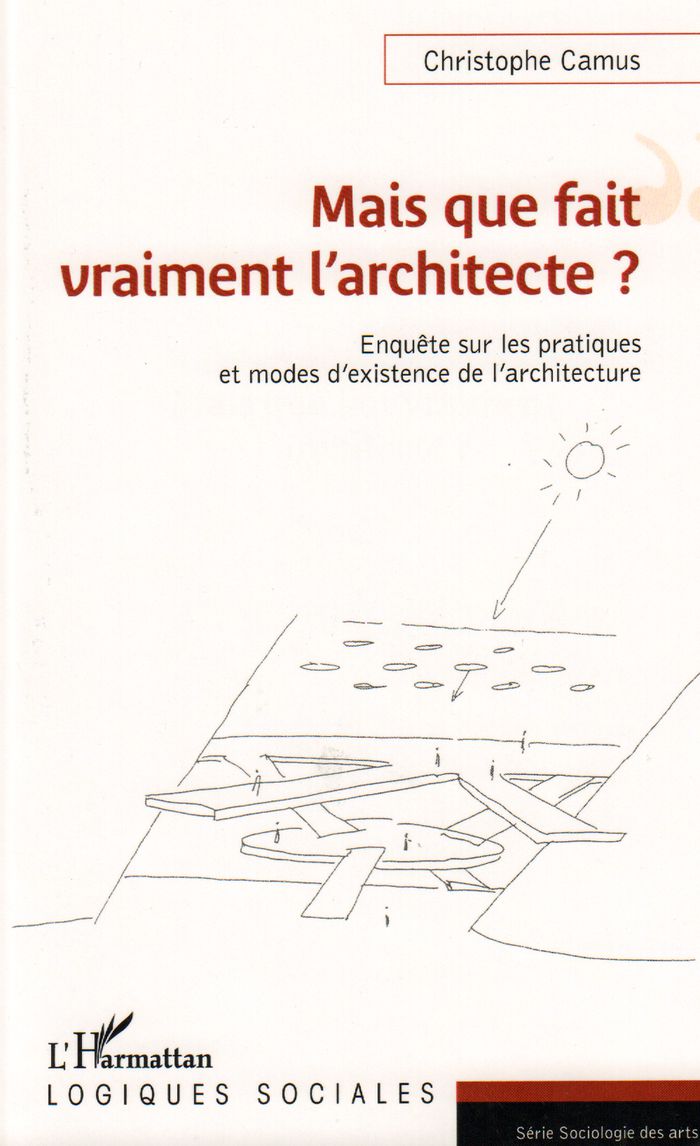
Mais que fait vraiment l'architecte ? Enquête sur les pratiques et modes d'existence de l'architecture
Actions:
Prix:
$41.95
(disponible en magasin)
Résumé:
Pour le sens commun, l'architecte conçoit et construit ce qui constitue le cadre matériel de notre vie quotidienne. Mais que fait-il vraiment ? Comment s'y prend-il pour faire exister les différentes architectures ? C'est à ces questions que ce livre s'efforce de répondre. Plus précisément, il développe une sociologie de l'architecture, qui analyse le métier, les compétences, les pratiques et la culture de l'architecte, en s'appuyant sur un rigoureux travail d'observation.
Mais que fait vraiment l'architecte ? Enquête sur les pratiques et modes d'existence de l'architecture
Actions:
Prix:
$41.95
(disponible en magasin)
Résumé:
Pour le sens commun, l'architecte conçoit et construit ce qui constitue le cadre matériel de notre vie quotidienne. Mais que fait-il vraiment ? Comment s'y prend-il pour faire exister les différentes architectures ? C'est à ces questions que ce livre s'efforce de répondre. Plus précisément, il développe une sociologie de l'architecture, qui analyse le métier, les compétences, les pratiques et la culture de l'architecte, en s'appuyant sur un rigoureux travail d'observation.
Classification:
livres
livres
Publication:
octobre 2016
octobre 2016
Sujet:
Théorie de l’architecture
Théorie de l’architecture
Classification:
livres
livres
Actions:
Prix:
$26.95
(disponible sur commande)
Résumé:
La beauté attire le regard. Elle fascine. La beauté des gens, mais aussi celle des lieux, des maisons, des rues et des villes. Il est étonnant de constater la force de l'émotion vécue devant un paysage à couper le souffle, dans une maison superbe ou sur une place publique ouverte et accueillante. Et si la beauté rendait heureux? Si elle était nécessaire au bonheur? C'est(...)
$26.95
(disponible sur commande)
Résumé:
La beauté attire le regard. Elle fascine. La beauté des gens, mais aussi celle des lieux, des maisons, des rues et des villes. Il est étonnant de constater la force de l'émotion vécue devant un paysage à couper le souffle, dans une maison superbe ou sur une place publique ouverte et accueillante. Et si la beauté rendait heureux? Si elle était nécessaire au bonheur? C'est(...)
Sujet:
Théorie de l’architecture
Théorie de l’architecture
Publication:
octobre 2016
octobre 2016
Titre:
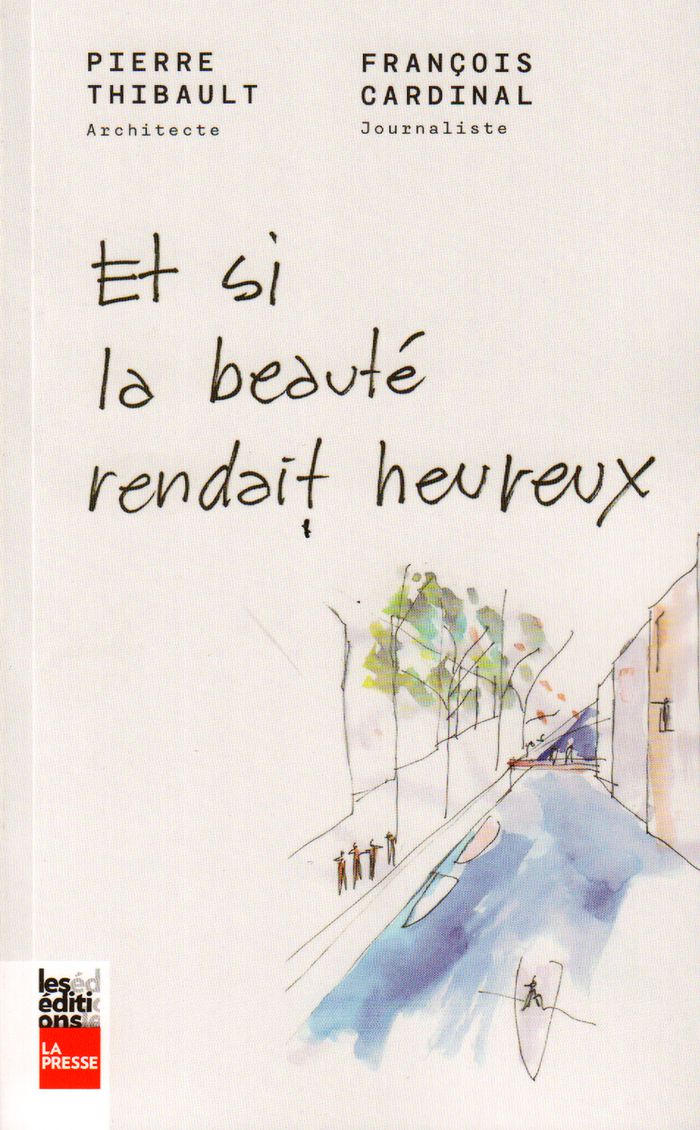
Et si la beauté rendait heureux
Actions:
Prix:
$26.95
(disponible sur commande)
Résumé:
La beauté attire le regard. Elle fascine. La beauté des gens, mais aussi celle des lieux, des maisons, des rues et des villes. Il est étonnant de constater la force de l'émotion vécue devant un paysage à couper le souffle, dans une maison superbe ou sur une place publique ouverte et accueillante. Et si la beauté rendait heureux? Si elle était nécessaire au bonheur? C'est la conviction que partagent l'architecte Pierre Thibault et le journaliste François Cardinal. Ils en font la démonstration dans un dialogue pénétrant qu'ils mènent dans cinq lieux où beauté et bonheur se côtoient et se nourrissent. Quatre de ces espaces ont été créés ou aménagés par Pierre Thibault. Le cinquième, Copenhague, est une ville réputée pour son innovation en architecture et design urbain. Ce livre donne envie de côtoyer la beauté au quotidien et de bâtir un environnement où l'on puisse se poser, se réjouir et vivre ensemble.
Et si la beauté rendait heureux
Actions:
Prix:
$26.95
(disponible sur commande)
Résumé:
La beauté attire le regard. Elle fascine. La beauté des gens, mais aussi celle des lieux, des maisons, des rues et des villes. Il est étonnant de constater la force de l'émotion vécue devant un paysage à couper le souffle, dans une maison superbe ou sur une place publique ouverte et accueillante. Et si la beauté rendait heureux? Si elle était nécessaire au bonheur? C'est la conviction que partagent l'architecte Pierre Thibault et le journaliste François Cardinal. Ils en font la démonstration dans un dialogue pénétrant qu'ils mènent dans cinq lieux où beauté et bonheur se côtoient et se nourrissent. Quatre de ces espaces ont été créés ou aménagés par Pierre Thibault. Le cinquième, Copenhague, est une ville réputée pour son innovation en architecture et design urbain. Ce livre donne envie de côtoyer la beauté au quotidien et de bâtir un environnement où l'on puisse se poser, se réjouir et vivre ensemble.
Classification:
livres
livres
Publication:
octobre 2016
octobre 2016
Sujet:
Théorie de l’architecture
Théorie de l’architecture
Classification:
livres
livres
Titre:
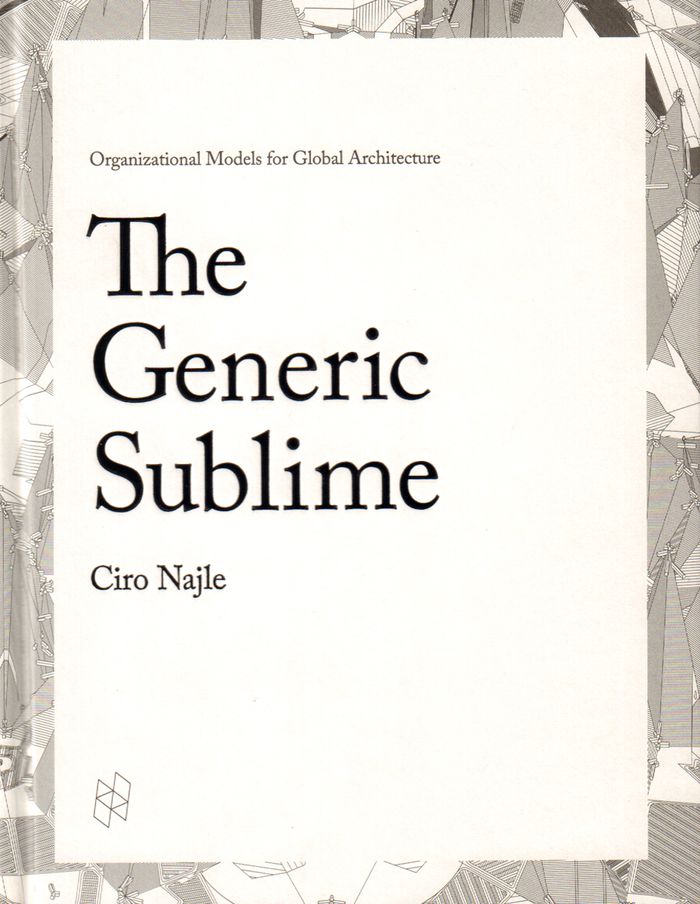
The generic sublime
The generic sublime
Actions:
Prix:
$56.95
(disponible sur commande)
Résumé:
This publication is the outcome of an investigation on extra-extra-large developmental typologies carried out at the Harvard University Graduate School of Design, Departments of Architecture, Urban Design and Planning, and Landscape Architecture, between the years 2010 and 2013.
$56.95
(disponible sur commande)
Résumé:
This publication is the outcome of an investigation on extra-extra-large developmental typologies carried out at the Harvard University Graduate School of Design, Departments of Architecture, Urban Design and Planning, and Landscape Architecture, between the years 2010 and 2013.
Titre:
The generic sublime
Actions:
Prix:
$56.95
(disponible sur commande)
Résumé:
This publication is the outcome of an investigation on extra-extra-large developmental typologies carried out at the Harvard University Graduate School of Design, Departments of Architecture, Urban Design and Planning, and Landscape Architecture, between the years 2010 and 2013.
The generic sublime
Actions:
Prix:
$56.95
(disponible sur commande)
Résumé:
This publication is the outcome of an investigation on extra-extra-large developmental typologies carried out at the Harvard University Graduate School of Design, Departments of Architecture, Urban Design and Planning, and Landscape Architecture, between the years 2010 and 2013.
Classification:
livres
livres
Publication:
décembre 2016
décembre 2016
Sujet:
Théorie de l’architecture
Théorie de l’architecture
Classification:
livres
livres
Actions:
Prix:
$44.95
(disponible sur commande)
Résumé:
Since 2014, CARTHA has provided a platform for critical thinking on architecture and society. Founded by an international team of architects and designers, it aims to bridge the gap between theoretical and practical approaches to contemporary architecture. Each year, CARTHA initiates research and the publication of four issues on a topic in its online magazine that are(...)
$44.95
(disponible sur commande)
Résumé:
Since 2014, CARTHA has provided a platform for critical thinking on architecture and society. Founded by an international team of architects and designers, it aims to bridge the gap between theoretical and practical approaches to contemporary architecture. Each year, CARTHA initiates research and the publication of four issues on a topic in its online magazine that are(...)
Titre:
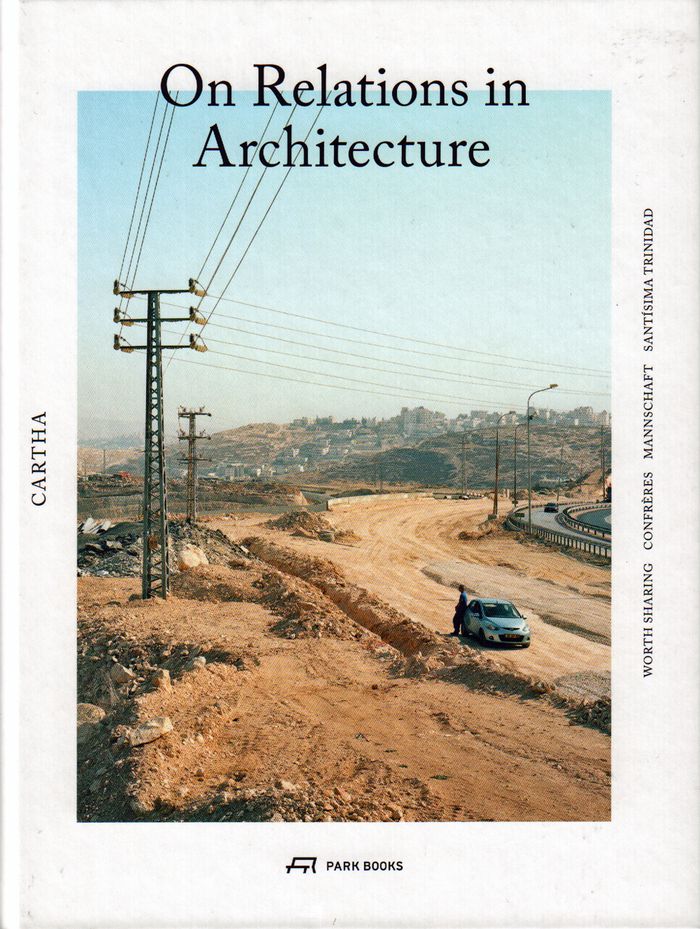
Cartha: On relations in architecture
Actions:
Prix:
$44.95
(disponible sur commande)
Résumé:
Since 2014, CARTHA has provided a platform for critical thinking on architecture and society. Founded by an international team of architects and designers, it aims to bridge the gap between theoretical and practical approaches to contemporary architecture. Each year, CARTHA initiates research and the publication of four issues on a topic in its online magazine that are then brought together in an annual book. In 2015, CARTHA’s topic was relations within the architectural spectrum. Contributions explore models of collaboration and the ways in which architects relate to other architects, clients, workers, and users of space. Each of the four issues—Worth Sharing, Confrères, Mannschaft, and Santisima Trinidad—features an introductory interview with a renowned architect or firm, including Diogo Seixas Lopes, Grafton Architects, Samuel Schulze, and Marco Serra. Photography in the 2015 edition of CARTHA includes series by Guido Guidi, Rasmus Norlander, Joël Tettamanti, and Onnis Luque.
Cartha: On relations in architecture
Actions:
Prix:
$44.95
(disponible sur commande)
Résumé:
Since 2014, CARTHA has provided a platform for critical thinking on architecture and society. Founded by an international team of architects and designers, it aims to bridge the gap between theoretical and practical approaches to contemporary architecture. Each year, CARTHA initiates research and the publication of four issues on a topic in its online magazine that are then brought together in an annual book. In 2015, CARTHA’s topic was relations within the architectural spectrum. Contributions explore models of collaboration and the ways in which architects relate to other architects, clients, workers, and users of space. Each of the four issues—Worth Sharing, Confrères, Mannschaft, and Santisima Trinidad—features an introductory interview with a renowned architect or firm, including Diogo Seixas Lopes, Grafton Architects, Samuel Schulze, and Marco Serra. Photography in the 2015 edition of CARTHA includes series by Guido Guidi, Rasmus Norlander, Joël Tettamanti, and Onnis Luque.
Classification:
livres
livres
Publication:
novembre 2016
novembre 2016
Sujet:
Théorie de l’architecture
Théorie de l’architecture


