


2227 Résultats
Classification:
livres
livres

Prix:
$35.95
(disponible sur commande)
Résumé:
Through observations, arguments, and detailed project explorations these diverse contributors describe new models of practice and reorganizations of labor for the 21st century. Chapters include a reconsideration of craft in light of digital fabrication; an exploration of new methods of collaboration; an analysis of changes in contracts and standards; and an assessment of(...)
Titre:
Building (in) the future: recasting labor in architecture
Actions:
Prix:
$35.95
(disponible sur commande)
Résumé:
Through observations, arguments, and detailed project explorations these diverse contributors describe new models of practice and reorganizations of labor for the 21st century. Chapters include a reconsideration of craft in light of digital fabrication; an exploration of new methods of collaboration; an analysis of changes in contracts and standards; and an assessment of the new market realities of mass production and customization.
Classification:
livres
livres
Publication:
mars 2010
mars 2010
Sujet:
Théorie de l’architecture
Théorie de l’architecture
Classification:
livres
livres
Actions:
Prix:
$25.00
(disponible sur commande)
Résumé:
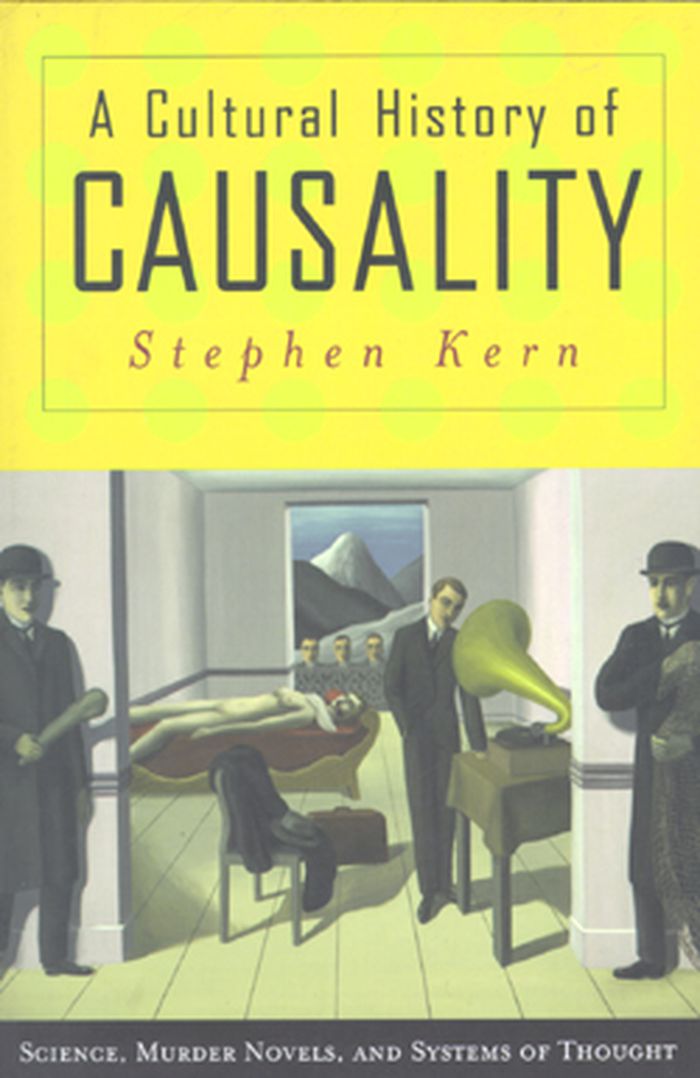
This pioneering work is the first to trace how our understanding of the causes of human behavior has changed radically over the course of European and American cultural history since 1830. Focusing on the act of murder, as documented vividly by more than a hundred novels including "Crime and Punishment, An American Tragedy, The Trial," and "Lolita," Stephen Kern devotes(...)
Sujet:
Théorie de l’architecture
Théorie de l’architecture
Publication:
septembre 2006, Princeton, Oxford
septembre 2006, Princeton, Oxford
Titre:
A cultural history of causality
Actions:
Prix:
$25.00
(disponible sur commande)
Résumé:
This pioneering work is the first to trace how our understanding of the causes of human behavior has changed radically over the course of European and American cultural history since 1830. Focusing on the act of murder, as documented vividly by more than a hundred novels including "Crime and Punishment, An American Tragedy, The Trial," and "Lolita," Stephen Kern devotes each chapter of "A Cultural History of Causality" to examining a specific causal factor or motive for murder--ancestry, childhood, language, sexuality, emotion, mind, society, and ideology. In addition to drawing on particular novels, each chapter considers the sciences (genetics, endocrinology, physiology, neuroscience) and systems of thought (psychoanalysis, linguistics, sociology, forensic psychiatry, and existential philosophy) most germane to each causal factor or motive.
Classification:
livres
livres
Publication:
septembre 2006, Princeton, Oxford
septembre 2006, Princeton, Oxford
Sujet:
Théorie de l’architecture
Théorie de l’architecture
Classification:
livres
livres
Actions:
Prix:
$19.50
(disponible sur commande)
Résumé:
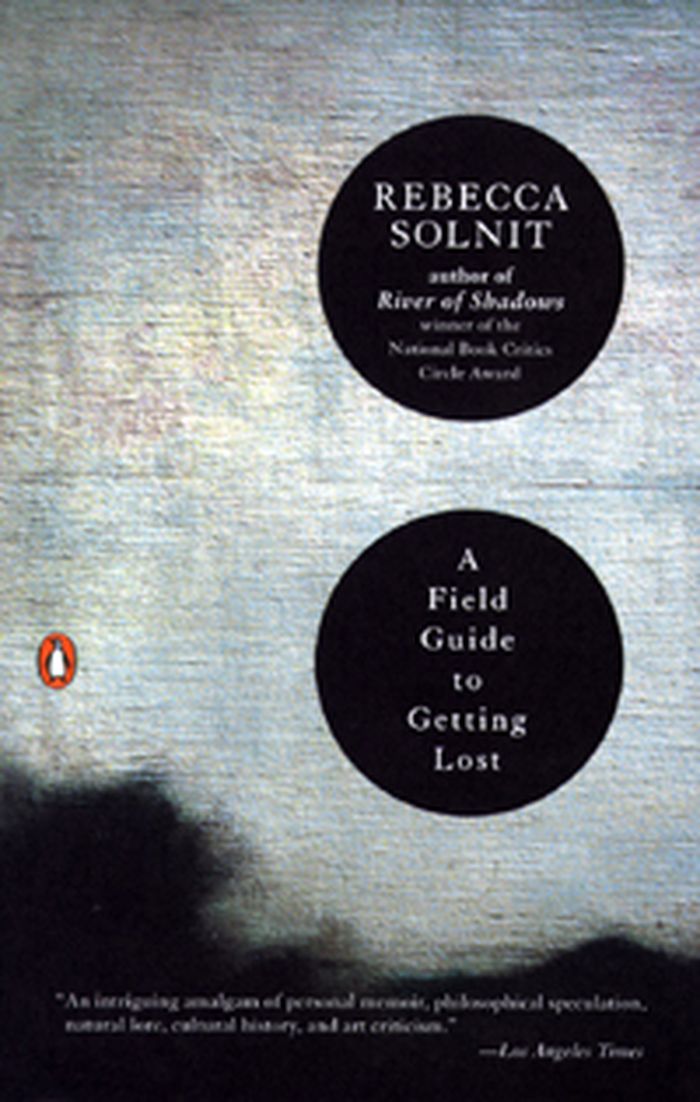
The virtues of being open to new and transformative experiences are rhapsodized but not really illuminated in this discursive and somewhat gauzy set of linked essays. Cultural historian Solnit, an NBCC award winner for River of Shadows: Eadweard Muybridge and the Technological Wild West, allows the subject of getting lost to lead her where it will, from early American(...)
Sujet:
Théorie de l’architecture
Théorie de l’architecture
Publication:
janvier 1900, New York, Toronto
janvier 1900, New York, Toronto
Titre:
A field guide to getting lost
Actions:
Prix:
$19.50
(disponible sur commande)
Résumé:
The virtues of being open to new and transformative experiences are rhapsodized but not really illuminated in this discursive and somewhat gauzy set of linked essays. Cultural historian Solnit, an NBCC award winner for River of Shadows: Eadweard Muybridge and the Technological Wild West, allows the subject of getting lost to lead her where it will, from early American captivity narratives to the avant-garde artist Yves Klein. She interlaces personal and familial histories of disorientation and reinvention, writing of her Russian Jewish forebears' arrival in the New World, her experiences driving around the American west and listening to country music, and her youthful immersion in the punk rock demimonde. Unfortunately, the conceit of embracing the unknown is not enough to impart thematic unity to these essays; one piece ties together the author's love affair with a reclusive man, desert fauna, Hitchcock's Vertigo and the blind seer Tiresias in ways that will indeed leave readers feeling lost. Solnit's writing is as abstract and intangible as her subject, veering between oceanic lyricism ("Blue is the color of longing for the distance you never arrive in") and pensées about the limitations of human understanding ("Between words is silence, around ink whiteness, behind every map's information is what's left out, the unmapped and unmappable") that seem profound but are actually banal once you think about them.
Classification:
livres
livres
Publication:
janvier 1900, New York, Toronto
janvier 1900, New York, Toronto
Sujet:
Théorie de l’architecture
Théorie de l’architecture
Classification:
livres
livres
Actions:
Prix:
$47.00
(disponible sur commande)
Résumé:
Political conflicts, humanitarian disasters, wars and migrations – we live in an age of global unrest and discontinuity. While official reactions consist in the search for means of stabilization and restraint, the dynamics of deregulation are giving rise to a situation characterized by global parallel systems: parallel architectures, parallel societies, parallel(...)
Sujet:
Théorie de l’architecture
Théorie de l’architecture
Publication:
août 2008, Rotterdam
août 2008, Rotterdam
Titre:
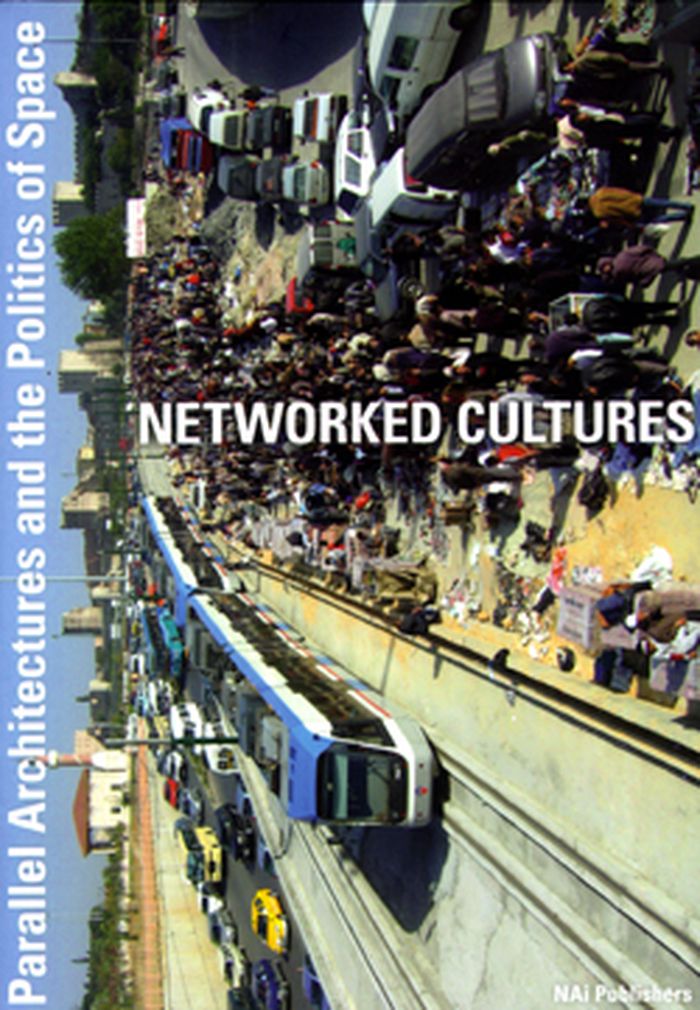
Networked cultures: parallel architectures and the politics of space
Actions:
Prix:
$47.00
(disponible sur commande)
Résumé:
Political conflicts, humanitarian disasters, wars and migrations – we live in an age of global unrest and discontinuity. While official reactions consist in the search for means of stabilization and restraint, the dynamics of deregulation are giving rise to a situation characterized by global parallel systems: parallel architectures, parallel societies, parallel lives. This book offers an insight into the complex spatial and social realities of globalization, from city-like informal markets in Moscow and the post-war self-urbanization in Kosovo to the border economies of the Mediterranean and the parallel worlds of today’s burgeoning megacities. In this state of uncertainties, networks have become the most powerful tool in how we organize our lives. The emerging struggle between network formations produces a space that is both fragmented and contested, yet testifies to the creativity of its inhabitants. As a result, our cities have become topologies of overlapping realities and narratives as much as they are geographical entities. Networked Cultures traces these conflictual negotiations in dialogue with artists, architects, curators and theorists whose work explores possibilities for a multi-inhabitation of territories and narratives across cultural, social or geographic boundaries. Their shared knowledge and accompanying case studies provide stirring insights as well as imaginative encounters with a world of networks – our world. The enclosed DVD features conversations with the contributors to this book that follow the thematic strands along which the collaborative format of Networked Cultures has evolved: Network Creativity – Contested Spaces – Trading Places – Parallel Worlds.
Classification:
livres
livres
Publication:
août 2008, Rotterdam
août 2008, Rotterdam
Sujet:
Théorie de l’architecture
Théorie de l’architecture
Classification:
livres
livres
Actions:
Prix:
$35.00
(disponible sur commande)
Résumé:
The works of Mies van der Rohe are often described as silent, or as withdrawal or negation, as the last line of resistance against the forces of technology and capitalism, precisely because they interiorize these forces, but thereby also allow us to reflect on them. This essay attempts to understand the unavoidable plurality of this silence, to unearth its philosophical(...)
Titre:
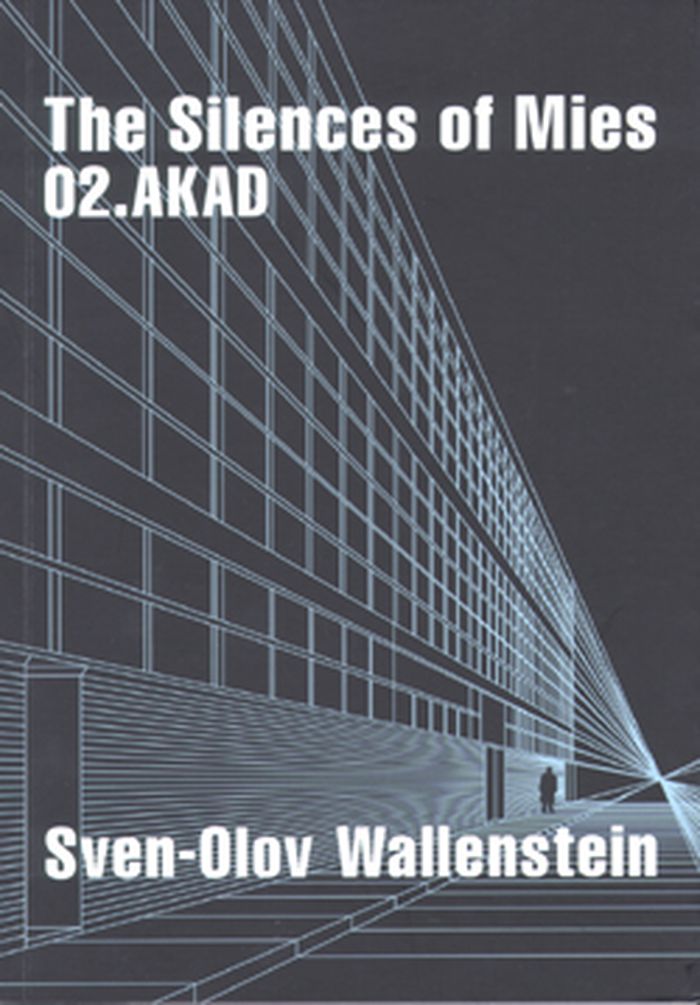
The silences of Mies: 02.AKAD
Actions:
Prix:
$35.00
(disponible sur commande)
Résumé:
The works of Mies van der Rohe are often described as silent, or as withdrawal or negation, as the last line of resistance against the forces of technology and capitalism, precisely because they interiorize these forces, but thereby also allow us to reflect on them. This essay attempts to understand the unavoidable plurality of this silence, to unearth its philosophical genealogy, and to connect it to the present moment, when the possibility and very sense of criticality as a strategy of negativity seem more questinable than ever. Sven-Olov Wallenstein teaches philosophy and aesthetics at the University College of Södertörn in Stockholm, and is the editor-in-chief of Site magazine.
Classification:
livres
livres
Publication:
janvier 1900, Stockholm
janvier 1900, Stockholm
Sujet:
Théorie de l’architecture
Théorie de l’architecture
Classification:
livres
livres
Prix:
$41.00
(disponible sur commande)
Résumé:
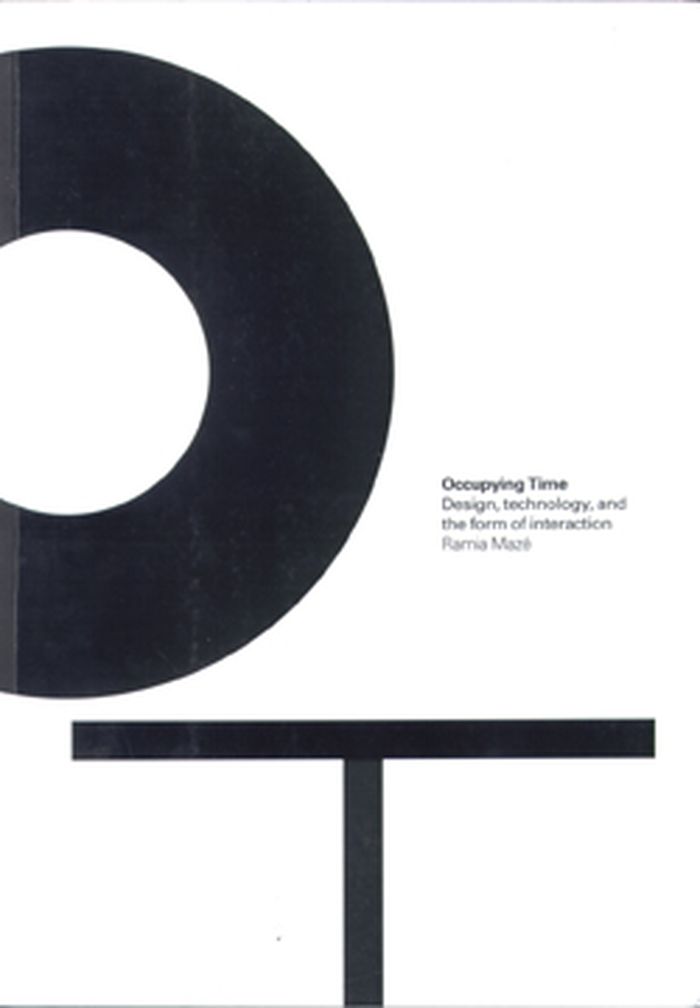
Ramia Mazé is a design researcher, manager, and educator. Her own education is in interaction design (an MA from the Royal College of Art, London) and in architecture (BA from Barnard College, Columbia University, New York). She has worked as a designer at MetaDesign San Francisco, Philips Research Lab in the UK, and on a freelance basis. At the Interactive Institute in(...)
Titre:
Occupying time: design, technology, and the form of interaction
Actions:
Prix:
$41.00
(disponible sur commande)
Résumé:
Ramia Mazé is a design researcher, manager, and educator. Her own education is in interaction design (an MA from the Royal College of Art, London) and in architecture (BA from Barnard College, Columbia University, New York). She has worked as a designer at MetaDesign San Francisco, Philips Research Lab in the UK, and on a freelance basis. At the Interactive Institute in Sweden since 2001, she has been involved in a series of interdiciplinary and international research projects - it is this work that forms the basis of this book. Occupying Time: Design, Technology, and the Form of Interaction is her PhD thesis in interaction design through Malmö University, in collaboration with Blekinge Technical University, and sponsored by the Interactive Institute.
Classification:
livres
livres
Publication:
janvier 1900, Stockholm
janvier 1900, Stockholm
Sujet:
Théorie de l’architecture
Théorie de l’architecture
Classification:
livres
livres
Actions:
Prix:
$39.00
(disponible sur commande)
Résumé:
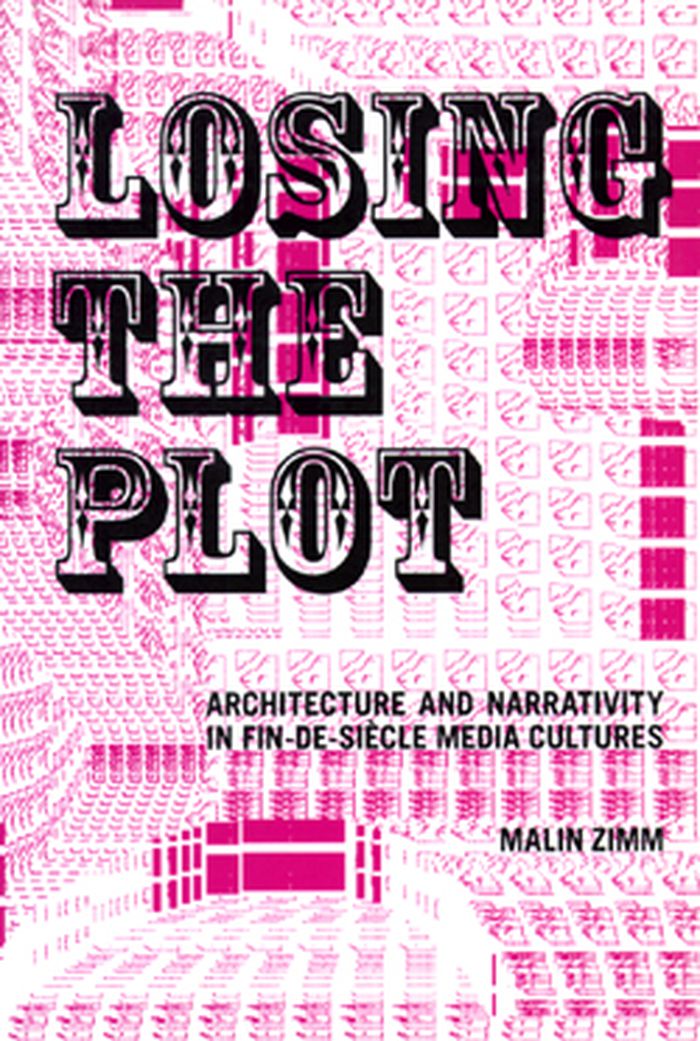
This thesis investigates the role of the term plot in mediating relations between architecture and narrativity. Examining organisational strategies in the creation of real and virtual spaces, it identifies literary works by novelists who have resisted, or subverted, plot conventions in fiction (Joris-Karl Huysmans, Edmond de Goncourt, Xavier de Maistre and Neal(...)
Titre:
Losing the plot: architecture and narrativity in fin-de-siècle media cultures
Actions:
Prix:
$39.00
(disponible sur commande)
Résumé:
This thesis investigates the role of the term plot in mediating relations between architecture and narrativity. Examining organisational strategies in the creation of real and virtual spaces, it identifies literary works by novelists who have resisted, or subverted, plot conventions in fiction (Joris-Karl Huysmans, Edmond de Goncourt, Xavier de Maistre and Neal Stephenson), and introduces architectural spaces such as Thomas Edison s film-studio Black Maria, and the plotless productions of early cinematography, to juxtapose concepts of plot and spatiality in a study of the production and consumption of pre-digital virtual spaces.
Classification:
livres
livres
Publication:
janvier 1900, Stockholm
janvier 1900, Stockholm
Sujet:
Théorie de l’architecture
Théorie de l’architecture
Classification:
livres
livres

Actions:
Prix:
$34.95
(disponible sur commande)
Résumé:
Dating back to Guy Debord and the Situationists of 1960s Paris, the discipline of psychogeography explores the 'effects of geographical environment... on the emotions and behaviour of individuals', according to Debord. Will Self, a long-distance walker, relates to place intimately, as pedrestians often do, and in this collection he aims to unravel how mdern life has(...)
Sujet:
Théorie de l’architecture
Théorie de l’architecture
Publication:
novembre 2007, New York
novembre 2007, New York
Titre:
Psychogeography: disentangling the modern conundrum of psyche and place
Actions:
Prix:
$34.95
(disponible sur commande)
Résumé:
Dating back to Guy Debord and the Situationists of 1960s Paris, the discipline of psychogeography explores the 'effects of geographical environment... on the emotions and behaviour of individuals', according to Debord. Will Self, a long-distance walker, relates to place intimately, as pedrestians often do, and in this collection he aims to unravel how mdern life has warped this essential connection.
Classification:
livres
livres
Publication:
novembre 2007, New York
novembre 2007, New York
Sujet:
Théorie de l’architecture
Théorie de l’architecture
Classification:
livres
livres

Actions:
Prix:
$101.00
(disponible sur commande)
Résumé:
Avec le temps, la colonne est devenue l'élément emblématique de l'architecture. Souvent perçue comme le symbole révolu d'une culture académique, elle continue pourtant à exister dans l'architecture contemporaine, essentiellement sous la forme du segment vertical d'une structure complexe visant à libérer le plan. Ce recueil d'essais propose une vision de cet élément à(...)
Titre:
La colonne Nouvelle Histoire de la construction
Actions:
Prix:
$101.00
(disponible sur commande)
Résumé:
Avec le temps, la colonne est devenue l'élément emblématique de l'architecture. Souvent perçue comme le symbole révolu d'une culture académique, elle continue pourtant à exister dans l'architecture contemporaine, essentiellement sous la forme du segment vertical d'une structure complexe visant à libérer le plan. Ce recueil d'essais propose une vision de cet élément à travers les siècles sous un angle qui privilégie l'analyse, la construction, le matériau, la technique. Il plaide pour une histoire de l'architecture réintégrant les contributions décisives des savants et des mathématiciens. Il veut être aussi le point de départ d'une collection d'ouvrages qui vise à décomposer l'architecture en éléments, pour parvenir à constituer une nouvelle histoire de la construction, à la fois technique et théorique, intéressant étudiants, architectes et ingénieurs.
Classification:
livres
livres
Publication:
avril 2008, Lausanne
avril 2008, Lausanne
Sujet:
Théorie de l’architecture
Théorie de l’architecture
Classification:
livres
livres

Actions:
Prix:
$34.00
(disponible sur commande)
Résumé:
Avec Christopher Alexander, Brian Hanson, Michael Mehaffy, Terry M. Mikiten. "Le roi est nu": ce vieil adage est définitivement approprié au triste cas du déconstructivisme, car ce dernier n’est rien d’autre qu’un modernisme déguisé sous une autre forme. Les modernistes, notamment ceux du Bauhaus, voulaient la table rase ; se débarrasser de tout l’existant, tout en(...)
Titre:
Anti-architecture et déconstruction
Actions:
Prix:
$34.00
(disponible sur commande)
Résumé:
Avec Christopher Alexander, Brian Hanson, Michael Mehaffy, Terry M. Mikiten. "Le roi est nu": ce vieil adage est définitivement approprié au triste cas du déconstructivisme, car ce dernier n’est rien d’autre qu’un modernisme déguisé sous une autre forme. Les modernistes, notamment ceux du Bauhaus, voulaient la table rase ; se débarrasser de tout l’existant, tout en revendiquant cependant certains liens avec le passé : le Parthénon (Jeanneret-Gris, alias Le Corbusier, etc.), le mouvement anglais Arts and Crafts (Pevsner, etc.) et le néoclassicisme prussien (Mies Van der Rohe), afin de donner une fausse parenté historique à leurs fins et à leurs créations. Aujourd’hui, ce sont les architectes déconstructivistes et leurs supporters qui se réclament de toutes sortes de liens et de précédents fumeux pour soutenir leurs travaux.
Classification:
livres
livres
Publication:
janvier 1900, Solingen
janvier 1900, Solingen
Sujet:
Théorie de l’architecture
Théorie de l’architecture


