


2221 Résultats
Classification:
livres
livres
Actions:
Prix:
$22.95
(disponible sur commande)
Résumé:
Fit is a book about architecture and society that seeks to fundamentally change how architects and the public think about the task of design. Distinguished architect and urbanist Robert Geddes argues that buildings, landscapes, and cities should be designed to fit: fit the purpose, fit the place, fit future possibilities. Fit replaces old paradigms, such as form follows(...)
$22.95
(disponible sur commande)
Résumé:
Fit is a book about architecture and society that seeks to fundamentally change how architects and the public think about the task of design. Distinguished architect and urbanist Robert Geddes argues that buildings, landscapes, and cities should be designed to fit: fit the purpose, fit the place, fit future possibilities. Fit replaces old paradigms, such as form follows(...)
Titre:
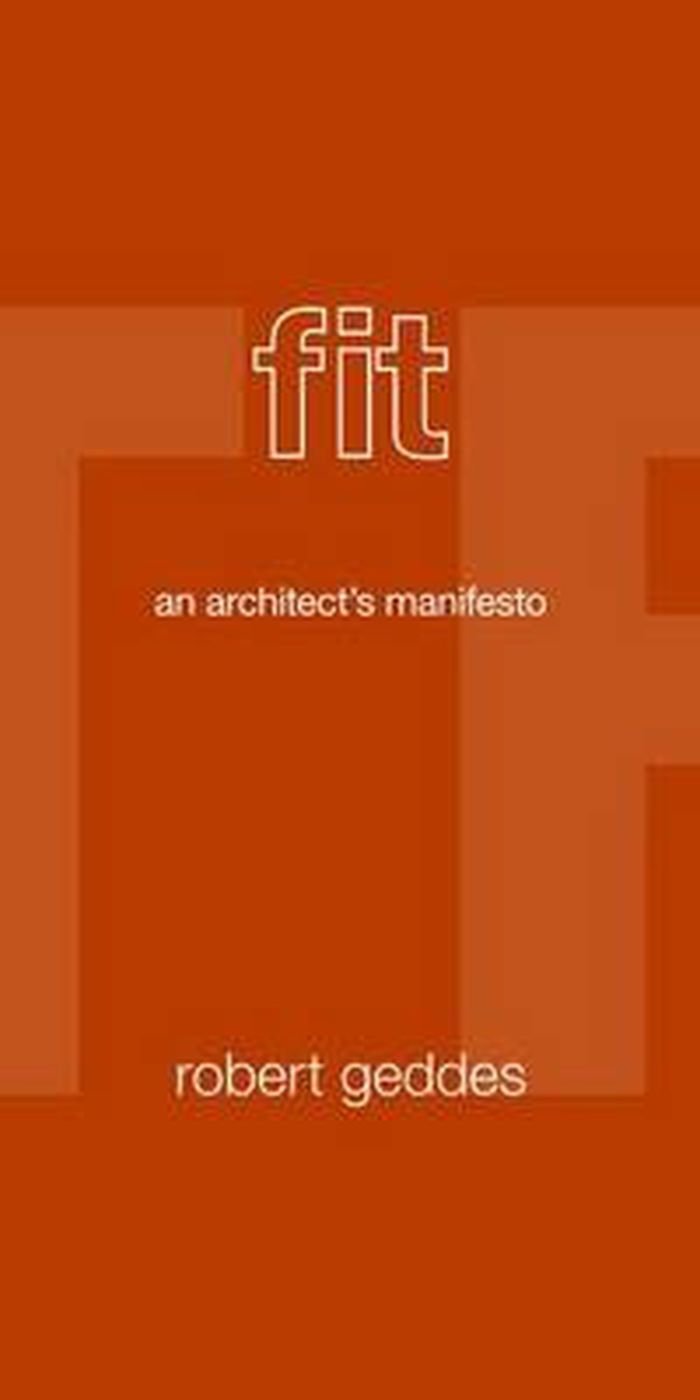
FIT: an architect's manifesto
Actions:
Prix:
$22.95
(disponible sur commande)
Résumé:
Fit is a book about architecture and society that seeks to fundamentally change how architects and the public think about the task of design. Distinguished architect and urbanist Robert Geddes argues that buildings, landscapes, and cities should be designed to fit: fit the purpose, fit the place, fit future possibilities. Fit replaces old paradigms, such as form follows function, and less is more, by recognizing that the relationship between architecture and society is a true dialogue -dynamic, complex, and, if carried out with knowledge and skill, richly rewarding.
FIT: an architect's manifesto
Actions:
Prix:
$22.95
(disponible sur commande)
Résumé:
Fit is a book about architecture and society that seeks to fundamentally change how architects and the public think about the task of design. Distinguished architect and urbanist Robert Geddes argues that buildings, landscapes, and cities should be designed to fit: fit the purpose, fit the place, fit future possibilities. Fit replaces old paradigms, such as form follows function, and less is more, by recognizing that the relationship between architecture and society is a true dialogue -dynamic, complex, and, if carried out with knowledge and skill, richly rewarding.
Classification:
livres
livres
Publication:
novembre 2012
novembre 2012
Sujet:
Théorie de l’architecture
Théorie de l’architecture
Classification:
livres
livres
Actions:
Prix:
$44.00
(disponible sur commande)
Résumé:
A rare exploration of the racial and class politics of architecture, Little White Houses examines how postwar media representations associated the ordinary single-family house with middle-class whites to the exclusion of others, creating a powerful and invidious cultural iconography that continues to resonate today. Drawing from popular and trade magazines, floor plans(...)
$44.00
(disponible sur commande)
Résumé:
A rare exploration of the racial and class politics of architecture, Little White Houses examines how postwar media representations associated the ordinary single-family house with middle-class whites to the exclusion of others, creating a powerful and invidious cultural iconography that continues to resonate today. Drawing from popular and trade magazines, floor plans(...)
Titre:
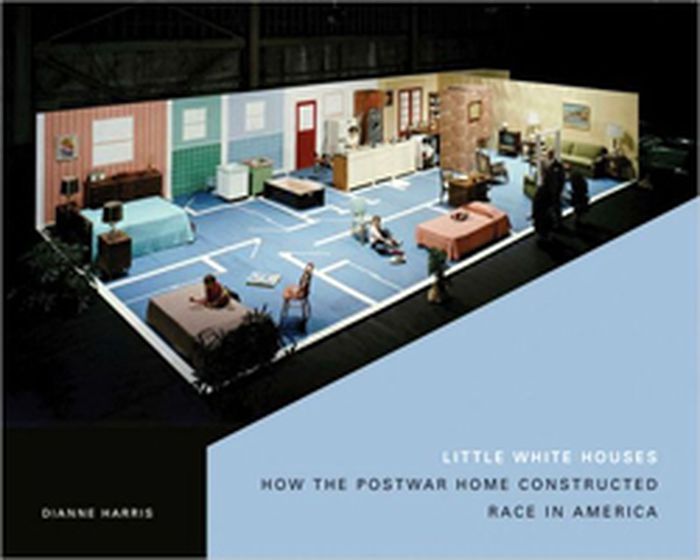
Little white houses : how the postwar home constructed race in America
Actions:
Prix:
$44.00
(disponible sur commande)
Résumé:
A rare exploration of the racial and class politics of architecture, Little White Houses examines how postwar media representations associated the ordinary single-family house with middle-class whites to the exclusion of others, creating a powerful and invidious cultural iconography that continues to resonate today. Drawing from popular and trade magazines, floor plans and architectural drawings, television programs, advertisements, and beyond, Dianne Harris shows how the depiction of houses and their interiors, furnishings, and landscapes shaped and reinforced the ways in which Americans perceived white, middle-class identities and helped support a housing market already defined by racial segregation and deep economic inequalities.
Little white houses : how the postwar home constructed race in America
Actions:
Prix:
$44.00
(disponible sur commande)
Résumé:
A rare exploration of the racial and class politics of architecture, Little White Houses examines how postwar media representations associated the ordinary single-family house with middle-class whites to the exclusion of others, creating a powerful and invidious cultural iconography that continues to resonate today. Drawing from popular and trade magazines, floor plans and architectural drawings, television programs, advertisements, and beyond, Dianne Harris shows how the depiction of houses and their interiors, furnishings, and landscapes shaped and reinforced the ways in which Americans perceived white, middle-class identities and helped support a housing market already defined by racial segregation and deep economic inequalities.
Classification:
livres
livres
Publication:
janvier 2013
janvier 2013
Sujet:
Théorie de l’architecture
Théorie de l’architecture
Classification:
livres
livres
Actions:
Prix:
$54.95
(disponible sur commande)
Résumé:
Following the formation of the German National Socialist Party in the 1920s, various forms of sound (popular music, voice, noise and silence) and media technology (radio and loudspeaker systems) were configured as useful to the party's political programme. Focusing on the urban "soundscape" of Düsseldorf, the author makes a persuasive case for investigating such sound(...)
$54.95
(disponible sur commande)
Résumé:
Following the formation of the German National Socialist Party in the 1920s, various forms of sound (popular music, voice, noise and silence) and media technology (radio and loudspeaker systems) were configured as useful to the party's political programme. Focusing on the urban "soundscape" of Düsseldorf, the author makes a persuasive case for investigating such sound(...)
Titre:
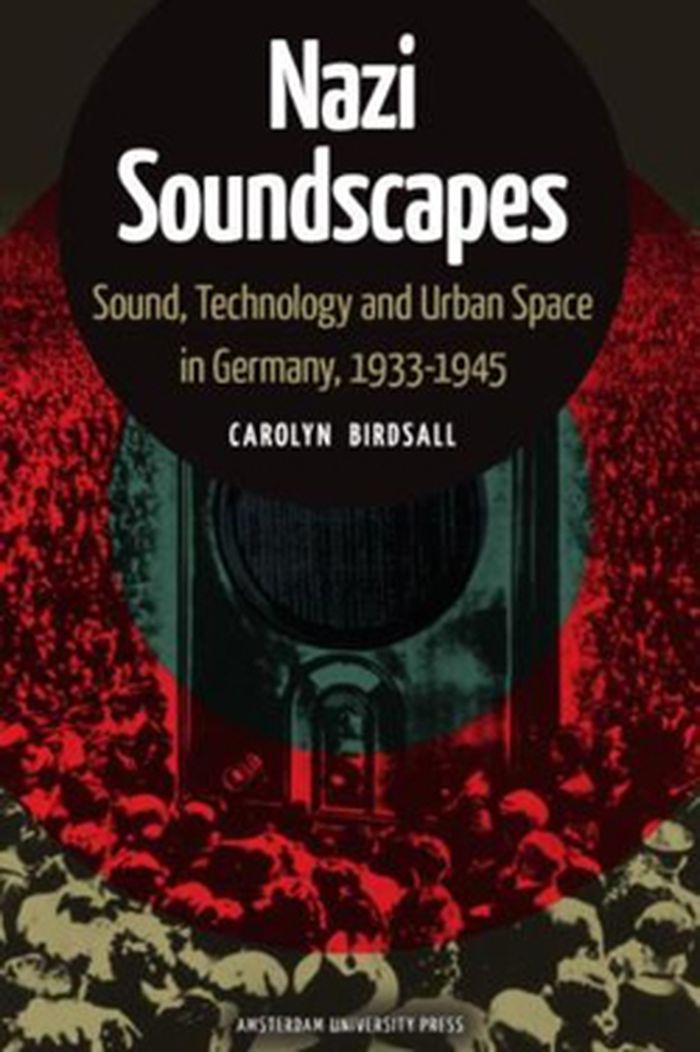
Nazi soundscapes : sound, technology and urban space in Germany, 1933-1945
Actions:
Prix:
$54.95
(disponible sur commande)
Résumé:
Following the formation of the German National Socialist Party in the 1920s, various forms of sound (popular music, voice, noise and silence) and media technology (radio and loudspeaker systems) were configured as useful to the party's political programme. Focusing on the urban "soundscape" of Düsseldorf, the author makes a persuasive case for investigating such sound events and technological devices in their specific contexts of production and reception. Nazi Soundscapes identifies strategies for controlling space and reworking identity patterns, but also the ongoing difficulties in manipulating mediated sounds and the spaces of listening reception, whether in the home, workplace, the cinema, public rituals or with wartime siren systems. The study revises visualist notions of social control, and reveals the disciplinary functions of listening (as eavesdropping) as well as the sonic dimensions to exclusion and violence during Nazism. An essential title for everyone interested in the links between German political culture, audiovisual media and urban history,Nazi Soundscapes provides a fascinating analysis of the cultural significance of sound between the 1920s and early 1940s.
Nazi soundscapes : sound, technology and urban space in Germany, 1933-1945
Actions:
Prix:
$54.95
(disponible sur commande)
Résumé:
Following the formation of the German National Socialist Party in the 1920s, various forms of sound (popular music, voice, noise and silence) and media technology (radio and loudspeaker systems) were configured as useful to the party's political programme. Focusing on the urban "soundscape" of Düsseldorf, the author makes a persuasive case for investigating such sound events and technological devices in their specific contexts of production and reception. Nazi Soundscapes identifies strategies for controlling space and reworking identity patterns, but also the ongoing difficulties in manipulating mediated sounds and the spaces of listening reception, whether in the home, workplace, the cinema, public rituals or with wartime siren systems. The study revises visualist notions of social control, and reveals the disciplinary functions of listening (as eavesdropping) as well as the sonic dimensions to exclusion and violence during Nazism. An essential title for everyone interested in the links between German political culture, audiovisual media and urban history,Nazi Soundscapes provides a fascinating analysis of the cultural significance of sound between the 1920s and early 1940s.
Classification:
livres
livres
Publication:
septembre 2012
septembre 2012
Sujet:
Théorie de l’architecture
Théorie de l’architecture
Classification:
livres
livres
Prix:
$38.95
(disponible sur commande)
Résumé:
In this radical book, architects, historians, and theorists survey the inventive, low cost work being done in obscure places to make architecture into a force for sustainable growth and social justice. The efforts are Utopian not charitable in aim. This new breed of architect-activists is endeavoring to diversify if not reinvent their profession by engaging in an(...)
$38.95
(disponible sur commande)
Résumé:
In this radical book, architects, historians, and theorists survey the inventive, low cost work being done in obscure places to make architecture into a force for sustainable growth and social justice. The efforts are Utopian not charitable in aim. This new breed of architect-activists is endeavoring to diversify if not reinvent their profession by engaging in an(...)
Titre:
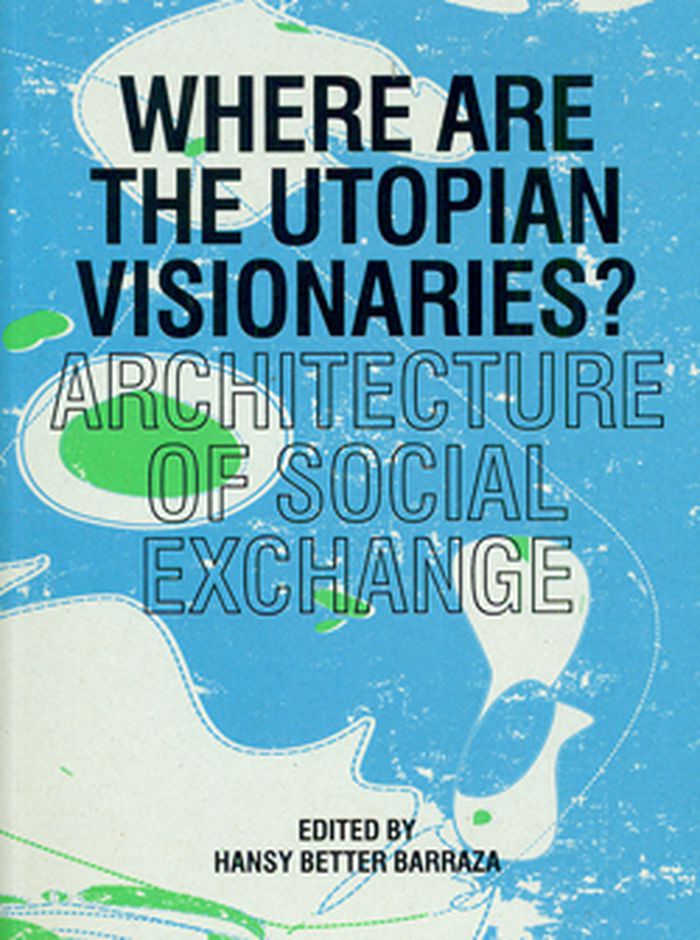
Where are the utopian visionaries? Architecture of social exchange
Actions:
Prix:
$38.95
(disponible sur commande)
Résumé:
In this radical book, architects, historians, and theorists survey the inventive, low cost work being done in obscure places to make architecture into a force for sustainable growth and social justice. The efforts are Utopian not charitable in aim. This new breed of architect-activists is endeavoring to diversify if not reinvent their profession by engaging in an "exchange" of ideas, techniques, and visions of right living with people almost always relegated to silence and invisibility. The book opens with a range of theoretical essays, each specially commissioned, from "the site of the social" in architecture to John Hejduk's legacy, as well as five ways to change the world with Chris Marker's films. Subsequent essays form a field guide to "exchange" projects from Harlem to Port-au-Prince to Serekunda and Indore, a few still unbuilt, all virtually unknown to students of architecture. Jae Cha, Peter Clegg, Simón Vélez, and famed modernist Balkrishna Doshi demonstrate the benefits of easily found and/or scavenged materials, including bamboo. Other essays present varied alternatives to ghettoizing large groups in bleak housing complexes and urban "deserts" in architecture.
Where are the utopian visionaries? Architecture of social exchange
Actions:
Prix:
$38.95
(disponible sur commande)
Résumé:
In this radical book, architects, historians, and theorists survey the inventive, low cost work being done in obscure places to make architecture into a force for sustainable growth and social justice. The efforts are Utopian not charitable in aim. This new breed of architect-activists is endeavoring to diversify if not reinvent their profession by engaging in an "exchange" of ideas, techniques, and visions of right living with people almost always relegated to silence and invisibility. The book opens with a range of theoretical essays, each specially commissioned, from "the site of the social" in architecture to John Hejduk's legacy, as well as five ways to change the world with Chris Marker's films. Subsequent essays form a field guide to "exchange" projects from Harlem to Port-au-Prince to Serekunda and Indore, a few still unbuilt, all virtually unknown to students of architecture. Jae Cha, Peter Clegg, Simón Vélez, and famed modernist Balkrishna Doshi demonstrate the benefits of easily found and/or scavenged materials, including bamboo. Other essays present varied alternatives to ghettoizing large groups in bleak housing complexes and urban "deserts" in architecture.
Classification:
livres
livres
Publication:
novembre 2012
novembre 2012
Sujet:
Théorie de l’architecture
Théorie de l’architecture
Classification:
livres
livres
Titre:
How architects write
How architects write
Actions:
Prix:
$37.50
(disponible sur commande)
Résumé:
Authors Tom Spector and Rebecca Damron present typical writing assignments and explain principles of effective writing by including examples of good form and illustrating common pitfalls. The book includes resources for how to write a designer’s manifesto, statements of design intent, criticism, proposals, review statements, research reports, specifications, field(...)
$37.50
(disponible sur commande)
Résumé:
Authors Tom Spector and Rebecca Damron present typical writing assignments and explain principles of effective writing by including examples of good form and illustrating common pitfalls. The book includes resources for how to write a designer’s manifesto, statements of design intent, criticism, proposals, review statements, research reports, specifications, field(...)
Titre:
How architects write
Actions:
Prix:
$37.50
(disponible sur commande)
Résumé:
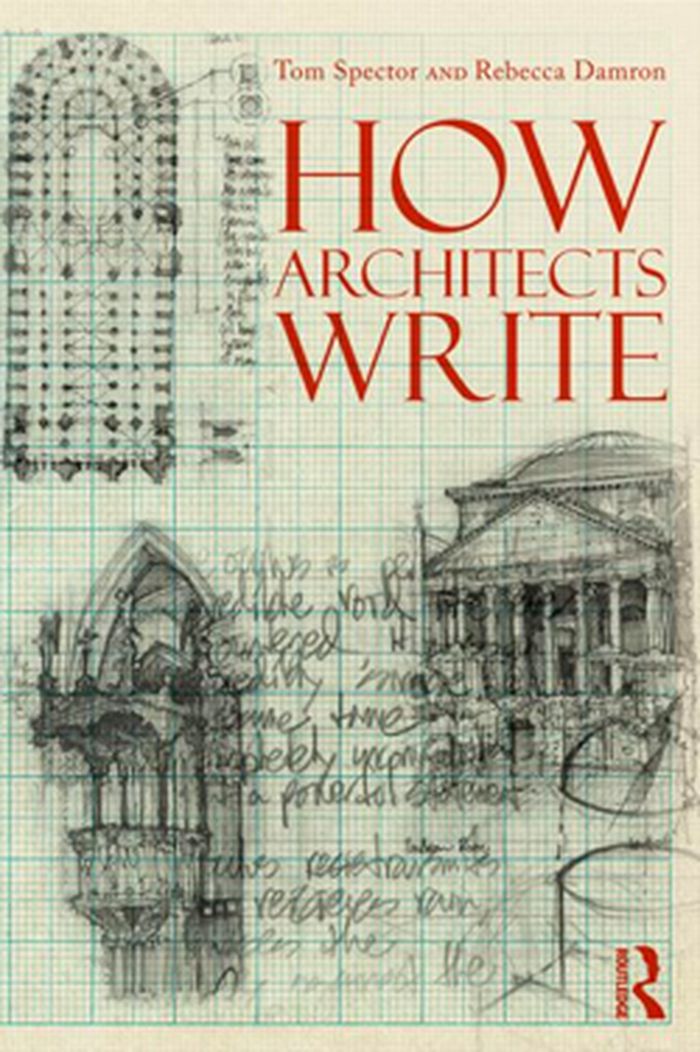
Authors Tom Spector and Rebecca Damron present typical writing assignments and explain principles of effective writing by including examples of good form and illustrating common pitfalls. The book includes resources for how to write a designer’s manifesto, statements of design intent, criticism, proposals, review statements, research reports, specifications, field reports, client communications, post-occupancy evaluations, and e-mailed meeting agendas so that you can navigate your career from school to the profession.
How architects write
Actions:
Prix:
$37.50
(disponible sur commande)
Résumé:
Authors Tom Spector and Rebecca Damron present typical writing assignments and explain principles of effective writing by including examples of good form and illustrating common pitfalls. The book includes resources for how to write a designer’s manifesto, statements of design intent, criticism, proposals, review statements, research reports, specifications, field reports, client communications, post-occupancy evaluations, and e-mailed meeting agendas so that you can navigate your career from school to the profession.
Classification:
livres
livres
Publication:
octobre 2012
octobre 2012
Sujet:
Théorie de l’architecture
Théorie de l’architecture
Classification:
livres
livres

Titre:
L'usage des ruines
L'usage des ruines
Actions:
Prix:
$24.95
(disponible sur commande)
Résumé:
À travers des portraits de vainqueurs, de vaincus ou de simples témoins, ce livre raconte une histoire du monde sous la forme d'un seul et même panorama de villes effondrées, depuis la Mésopotamie d'avant l'écriture jusqu'au Ground Zero de l'après 11 septembre. Entre digression et narration, Jean-Yves Jouannais compose un inventaire à la fois fantaisiste et raisonné des(...)
$24.95
(disponible sur commande)
Résumé:
À travers des portraits de vainqueurs, de vaincus ou de simples témoins, ce livre raconte une histoire du monde sous la forme d'un seul et même panorama de villes effondrées, depuis la Mésopotamie d'avant l'écriture jusqu'au Ground Zero de l'après 11 septembre. Entre digression et narration, Jean-Yves Jouannais compose un inventaire à la fois fantaisiste et raisonné des(...)
Titre:
L'usage des ruines
Actions:
Prix:
$24.95
(disponible sur commande)
Résumé:
À travers des portraits de vainqueurs, de vaincus ou de simples témoins, ce livre raconte une histoire du monde sous la forme d'un seul et même panorama de villes effondrées, depuis la Mésopotamie d'avant l'écriture jusqu'au Ground Zero de l'après 11 septembre. Entre digression et narration, Jean-Yves Jouannais compose un inventaire à la fois fantaisiste et raisonné des pires traumatismes de guerre.
L'usage des ruines
Actions:
Prix:
$24.95
(disponible sur commande)
Résumé:
À travers des portraits de vainqueurs, de vaincus ou de simples témoins, ce livre raconte une histoire du monde sous la forme d'un seul et même panorama de villes effondrées, depuis la Mésopotamie d'avant l'écriture jusqu'au Ground Zero de l'après 11 septembre. Entre digression et narration, Jean-Yves Jouannais compose un inventaire à la fois fantaisiste et raisonné des pires traumatismes de guerre.
Classification:
livres
livres
Publication:
octobre 2012
octobre 2012
Sujet:
Théorie de l’architecture
Théorie de l’architecture
Classification:
livres
livres
Actions:
Prix:
$11.95
(disponible sur commande)
Résumé:
An authoritative but accessible short introduction to the concept of work, this publication explores the concepts that have shaped 'work' in different societies at different times. Steve Fineman tells the fascinating story of work - how we strive for security, reward, and often, meaning. Looking at how we classify 'work'; the cultural and social factors that influence the(...)
$11.95
(disponible sur commande)
Résumé:
An authoritative but accessible short introduction to the concept of work, this publication explores the concepts that have shaped 'work' in different societies at different times. Steve Fineman tells the fascinating story of work - how we strive for security, reward, and often, meaning. Looking at how we classify 'work'; the cultural and social factors that influence the(...)
Titre:
Work : a very short introduction
Actions:
Prix:
$11.95
(disponible sur commande)
Résumé:
An authoritative but accessible short introduction to the concept of work, this publication explores the concepts that have shaped 'work' in different societies at different times. Steve Fineman tells the fascinating story of work - how we strive for security, reward, and often, meaning. Looking at how we classify 'work'; the cultural and social factors that influence the way we work; the ethics of certain types of work; and the factors that will affect the future of work, from globalization to technology, this Very Short Introduction considers work as a concept and as a practical experience, drawing upon ideas from psychology, sociology, management, and social history.
Work : a very short introduction
Actions:
Prix:
$11.95
(disponible sur commande)
Résumé:
An authoritative but accessible short introduction to the concept of work, this publication explores the concepts that have shaped 'work' in different societies at different times. Steve Fineman tells the fascinating story of work - how we strive for security, reward, and often, meaning. Looking at how we classify 'work'; the cultural and social factors that influence the way we work; the ethics of certain types of work; and the factors that will affect the future of work, from globalization to technology, this Very Short Introduction considers work as a concept and as a practical experience, drawing upon ideas from psychology, sociology, management, and social history.
Classification:
livres
livres
Publication:
décembre 2012
décembre 2012
Sujet:
Théorie de l’architecture
Théorie de l’architecture
Classification:
livres
livres
Actions:
Prix:
$54.95
(disponible en magasin)
Résumé:
A product of the The Austrian contribution to the 13th International Venice Biennale of Architecture 2012, the primary topic of the book is the relationship between the human body and the architectural and urban spaces constructed for it. Hands have no tears to flow... is a collection of commentaries, pictures and excerpts, quotations and "constructs" conceived around(...)
$54.95
(disponible en magasin)
Résumé:
A product of the The Austrian contribution to the 13th International Venice Biennale of Architecture 2012, the primary topic of the book is the relationship between the human body and the architectural and urban spaces constructed for it. Hands have no tears to flow... is a collection of commentaries, pictures and excerpts, quotations and "constructs" conceived around(...)
Titre:
Hands have no tears to flow...
Actions:
Prix:
$54.95
(disponible en magasin)
Résumé:
A product of the The Austrian contribution to the 13th International Venice Biennale of Architecture 2012, the primary topic of the book is the relationship between the human body and the architectural and urban spaces constructed for it. Hands have no tears to flow... is a collection of commentaries, pictures and excerpts, quotations and "constructs" conceived around the human body. The book contains material by Ray und Charles Eames, Bernard Rudofsky, Friedrich Kiesler and other contributors.
Hands have no tears to flow...
Actions:
Prix:
$54.95
(disponible en magasin)
Résumé:
A product of the The Austrian contribution to the 13th International Venice Biennale of Architecture 2012, the primary topic of the book is the relationship between the human body and the architectural and urban spaces constructed for it. Hands have no tears to flow... is a collection of commentaries, pictures and excerpts, quotations and "constructs" conceived around the human body. The book contains material by Ray und Charles Eames, Bernard Rudofsky, Friedrich Kiesler and other contributors.
Classification:
livres
livres
Publication:
octobre 2012
octobre 2012
Sujet:
Théorie de l’architecture
Théorie de l’architecture
Classification:
livres
livres
Prix:
$34.95
(disponible sur commande)
Résumé:
Design for a democratic society was a matter of urgency in bombed-out postwar Europe. Swiss sociologist, journalist, professor and founding father of strollology, Lucius Burckhardt (1925-2003) pioneered the interdisciplinary analysis of man-made environments, and thereby highlighted both the visible and invisible aspects of our cities and social relations. Acutely aware(...)
$34.95
(disponible sur commande)
Résumé:
Design for a democratic society was a matter of urgency in bombed-out postwar Europe. Swiss sociologist, journalist, professor and founding father of strollology, Lucius Burckhardt (1925-2003) pioneered the interdisciplinary analysis of man-made environments, and thereby highlighted both the visible and invisible aspects of our cities and social relations. Acutely aware(...)
Sujet:
Théorie de l’architecture
Théorie de l’architecture
Publication:
octobre 2012
octobre 2012
Titre:
Lucius Burckhardt writings: rethinking man-made environments
Actions:
Prix:
$34.95
(disponible sur commande)
Résumé:
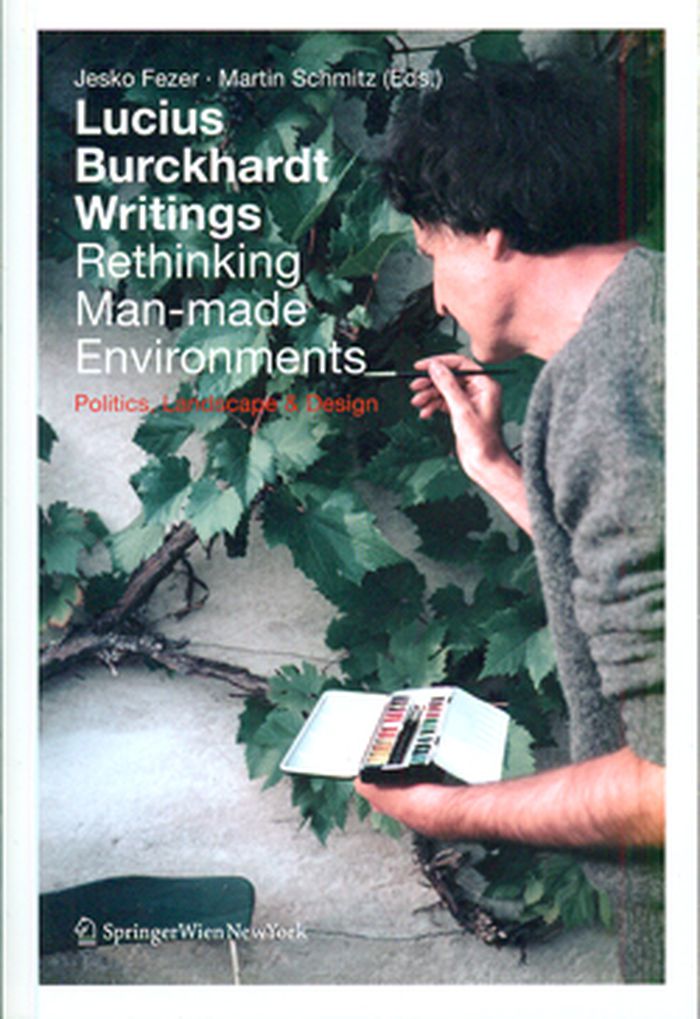
Design for a democratic society was a matter of urgency in bombed-out postwar Europe. Swiss sociologist, journalist, professor and founding father of strollology, Lucius Burckhardt (1925-2003) pioneered the interdisciplinary analysis of man-made environments, and thereby highlighted both the visible and invisible aspects of our cities and social relations. Acutely aware of how our interventions and decisions shape the world, and how the changing world in turn, shapes us, his life-long focus was not only the prerequisites of architecture, urban planning and design but also their long-term impact. Teaching and practice still owe much to his work. Thus, the first selection of Lucius Burckhardt's texts to appear in English, introduces his groundbreaking theory of environmental design, in retrospective tribute to a prescient thinker.
Lucius Burckhardt writings: rethinking man-made environments
Actions:
Prix:
$34.95
(disponible sur commande)
Résumé:
Design for a democratic society was a matter of urgency in bombed-out postwar Europe. Swiss sociologist, journalist, professor and founding father of strollology, Lucius Burckhardt (1925-2003) pioneered the interdisciplinary analysis of man-made environments, and thereby highlighted both the visible and invisible aspects of our cities and social relations. Acutely aware of how our interventions and decisions shape the world, and how the changing world in turn, shapes us, his life-long focus was not only the prerequisites of architecture, urban planning and design but also their long-term impact. Teaching and practice still owe much to his work. Thus, the first selection of Lucius Burckhardt's texts to appear in English, introduces his groundbreaking theory of environmental design, in retrospective tribute to a prescient thinker.
Classification:
livres
livres
Publication:
octobre 2012
octobre 2012
Sujet:
Théorie de l’architecture
Théorie de l’architecture
Classification:
livres
livres
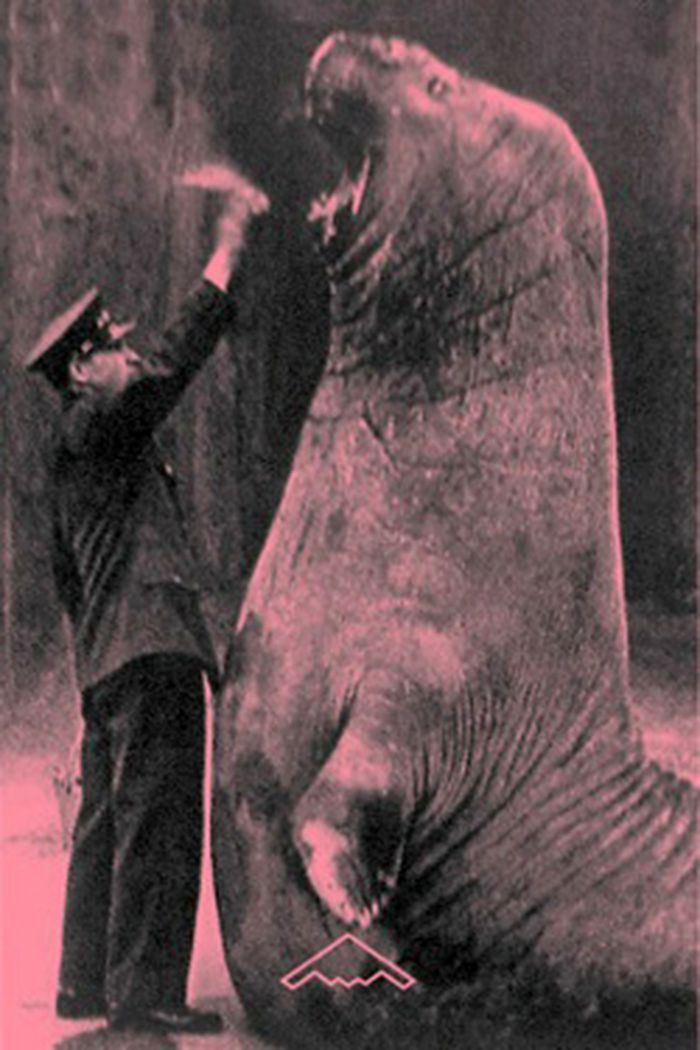
Titre:
Trois zoos humains
Trois zoos humains
Actions:
Prix:
$20.00
(disponible sur commande)
Résumé:
Avec crainte ou fascination pour l'Autre et l'Ailleurs, humanisme, exotisme et zoos dialoguent depuis longtemps dans l'histoire de l'Occident. Que l'animal selon Heidegger soit « pauvre en monde » ne dépare nullement la distance maintenue entre le sauvage primitif et son « inventeur » scientifique ou colonial. Mais, ainsi exploré et reconstruit, l'homme serait-il vraiment(...)
$20.00
(disponible sur commande)
Résumé:
Avec crainte ou fascination pour l'Autre et l'Ailleurs, humanisme, exotisme et zoos dialoguent depuis longtemps dans l'histoire de l'Occident. Que l'animal selon Heidegger soit « pauvre en monde » ne dépare nullement la distance maintenue entre le sauvage primitif et son « inventeur » scientifique ou colonial. Mais, ainsi exploré et reconstruit, l'homme serait-il vraiment(...)
Titre:
Trois zoos humains
Actions:
Prix:
$20.00
(disponible sur commande)
Résumé:
Avec crainte ou fascination pour l'Autre et l'Ailleurs, humanisme, exotisme et zoos dialoguent depuis longtemps dans l'histoire de l'Occident. Que l'animal selon Heidegger soit « pauvre en monde » ne dépare nullement la distance maintenue entre le sauvage primitif et son « inventeur » scientifique ou colonial. Mais, ainsi exploré et reconstruit, l'homme serait-il vraiment devenu un singe affranchi de sa cage ontologique ? Ne serait-il pas l'architecte ayant fait du monde un parc animalier presque sous contrôle ? Et si, par-delà les premières ménageries de la Renaissance, il y avait eu au moins trois autres « humanismes » du zoo : celui des zoos anthropologiques du Jardin d'Acclimatation ; celui de la condition animale d'après-guerre, si interrogatifs au regard des camps du IIIe Reich ; et celui d'un « jardin planétaire » artificiel pour animaux sauvages, Pangée 2.0 sur le thème de leur disparition et, avec eux, de la nôtre ?
Trois zoos humains
Actions:
Prix:
$20.00
(disponible sur commande)
Résumé:
Avec crainte ou fascination pour l'Autre et l'Ailleurs, humanisme, exotisme et zoos dialoguent depuis longtemps dans l'histoire de l'Occident. Que l'animal selon Heidegger soit « pauvre en monde » ne dépare nullement la distance maintenue entre le sauvage primitif et son « inventeur » scientifique ou colonial. Mais, ainsi exploré et reconstruit, l'homme serait-il vraiment devenu un singe affranchi de sa cage ontologique ? Ne serait-il pas l'architecte ayant fait du monde un parc animalier presque sous contrôle ? Et si, par-delà les premières ménageries de la Renaissance, il y avait eu au moins trois autres « humanismes » du zoo : celui des zoos anthropologiques du Jardin d'Acclimatation ; celui de la condition animale d'après-guerre, si interrogatifs au regard des camps du IIIe Reich ; et celui d'un « jardin planétaire » artificiel pour animaux sauvages, Pangée 2.0 sur le thème de leur disparition et, avec eux, de la nôtre ?
Classification:
livres
livres
Publication:
novembre 2012
novembre 2012
Sujet:
Théorie de l’architecture
Théorie de l’architecture


