


2221 Résultats
Classification:
livres
livres
Titre:
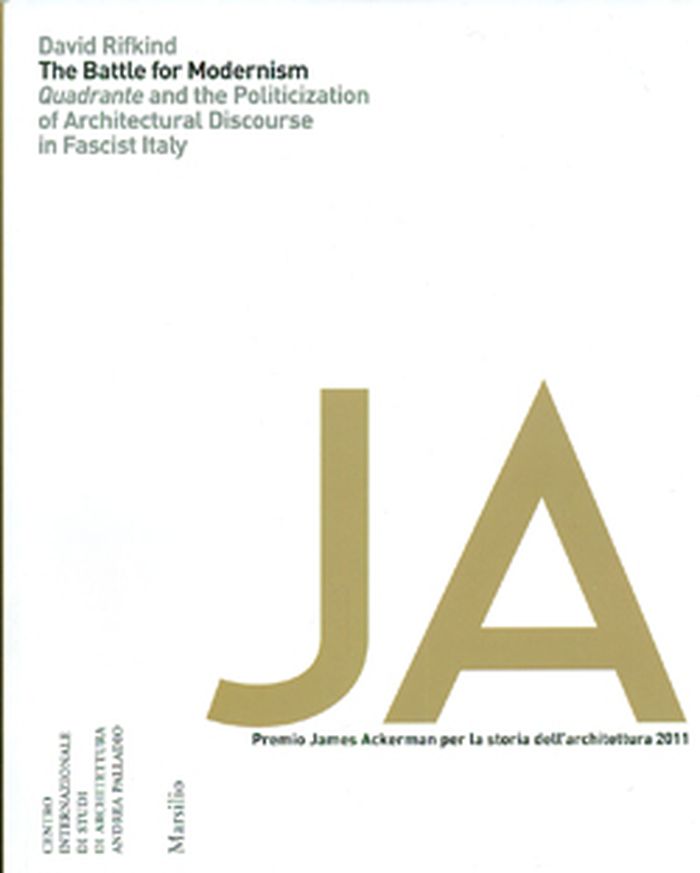
The battle for modernism: Quadrante and the politicization of architecture discourse in facist Italy
The battle for modernism: Quadrante and the politicization of architecture discourse in facist Italy
Actions:
Prix:
$51.00
(disponible sur commande)
Résumé:
The other side of twentieth-century architectural history in Italy and Europe. Quadrante rallied supporters and organized the most prominent practitioners and benefactors of Italian rationalism into a coherent movement that advanced the cause of specific currents of modern architecture in interwar Italy. Through a detailed study of Quadrante and its circle of architects,(...)
$51.00
(disponible sur commande)
Résumé:
The other side of twentieth-century architectural history in Italy and Europe. Quadrante rallied supporters and organized the most prominent practitioners and benefactors of Italian rationalism into a coherent movement that advanced the cause of specific currents of modern architecture in interwar Italy. Through a detailed study of Quadrante and its circle of architects,(...)
Titre:
The battle for modernism: Quadrante and the politicization of architecture discourse in facist Italy
Actions:
Prix:
$51.00
(disponible sur commande)
Résumé:
The other side of twentieth-century architectural history in Italy and Europe. Quadrante rallied supporters and organized the most prominent practitioners and benefactors of Italian rationalism into a coherent movement that advanced the cause of specific currents of modern architecture in interwar Italy. Through a detailed study of Quadrante and its circle of architects, critics, artists, and patrons, the book investigates the relationship between modern architecture and fascist political practices in Italy during Benito Mussolini's regime (1922-1943).
The battle for modernism: Quadrante and the politicization of architecture discourse in facist Italy
Actions:
Prix:
$51.00
(disponible sur commande)
Résumé:
The other side of twentieth-century architectural history in Italy and Europe. Quadrante rallied supporters and organized the most prominent practitioners and benefactors of Italian rationalism into a coherent movement that advanced the cause of specific currents of modern architecture in interwar Italy. Through a detailed study of Quadrante and its circle of architects, critics, artists, and patrons, the book investigates the relationship between modern architecture and fascist political practices in Italy during Benito Mussolini's regime (1922-1943).
Classification:
livres
livres
Publication:
avril 2013
avril 2013
Sujet:
Théorie de l’architecture
Théorie de l’architecture
Classification:
livres
livres
Actions:
Prix:
$51.00
(disponible sur commande)
Résumé:
How and why Palladio has become the most influential architect of the Renaissance and beyond.For more than four and a half centuries, his works have continuously provided a touchstone for architects, not only in the Veneto, where architects were able to scrutinize his works firsthand, but abroad as well. Indeed, his followers are legion; however, the manner in which his(...)
$51.00
(disponible sur commande)
Résumé:
How and why Palladio has become the most influential architect of the Renaissance and beyond.For more than four and a half centuries, his works have continuously provided a touchstone for architects, not only in the Veneto, where architects were able to scrutinize his works firsthand, but abroad as well. Indeed, his followers are legion; however, the manner in which his(...)
Titre:
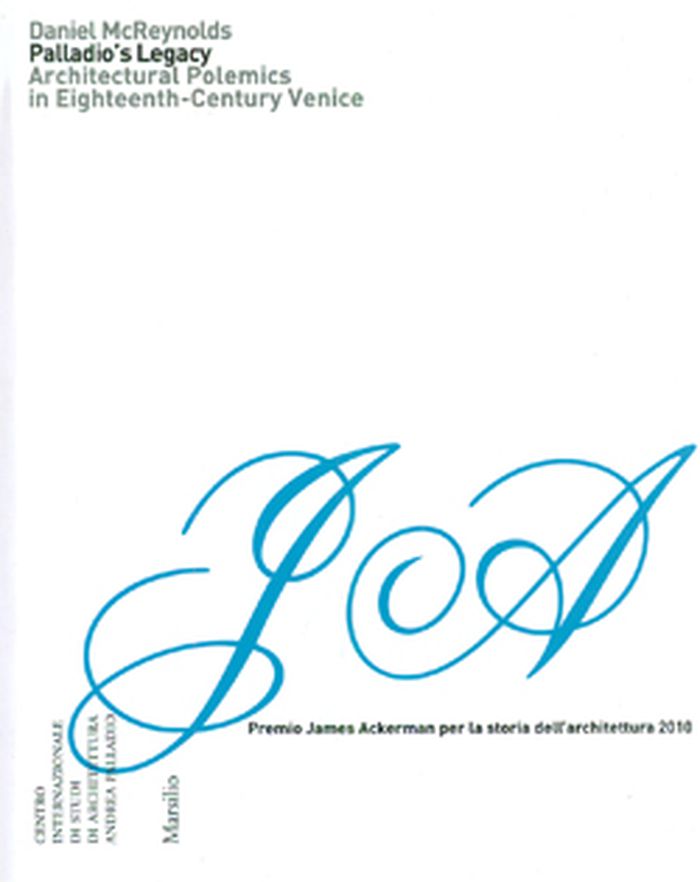
Palladio's Legacy: architectural polemics in eighteenth-century Venice
Actions:
Prix:
$51.00
(disponible sur commande)
Résumé:
How and why Palladio has become the most influential architect of the Renaissance and beyond.For more than four and a half centuries, his works have continuously provided a touchstone for architects, not only in the Veneto, where architects were able to scrutinize his works firsthand, but abroad as well. Indeed, his followers are legion; however, the manner in which his oeuvre has been interpreted varied considerably according to time and place. His successors have ranged from those advocating a return to classical orthodoxy to those who have sought to borrow from his work more freely. Yet as the call for architectural reform grew ever more urgent over the course of the eighteenth century, this polysemy came to be overshadowed by a rationalized classical interpretation of Palladio's work.
Palladio's Legacy: architectural polemics in eighteenth-century Venice
Actions:
Prix:
$51.00
(disponible sur commande)
Résumé:
How and why Palladio has become the most influential architect of the Renaissance and beyond.For more than four and a half centuries, his works have continuously provided a touchstone for architects, not only in the Veneto, where architects were able to scrutinize his works firsthand, but abroad as well. Indeed, his followers are legion; however, the manner in which his oeuvre has been interpreted varied considerably according to time and place. His successors have ranged from those advocating a return to classical orthodoxy to those who have sought to borrow from his work more freely. Yet as the call for architectural reform grew ever more urgent over the course of the eighteenth century, this polysemy came to be overshadowed by a rationalized classical interpretation of Palladio's work.
Classification:
livres
livres
Publication:
avril 2013
avril 2013
Sujet:
Théorie de l’architecture
Théorie de l’architecture
Classification:
livres
livres
Actions:
Prix:
$99.00
(disponible en magasin)
Résumé:
Publiée de 1928 à 1939, « L’Equerre » est le lieu de diffusion de l’avant-garde belge et internationale et des théories développées par les CIAM dès 1928. Elle diffuse les principaux représentants du modernisme belge et international (V. Bourgeois, L.H. De Koninck, Le Corbusier…) et entretient des relations privilégiées avec l’architecte italien Alberto Sartoris. Avec la(...)
$99.00
(disponible en magasin)
Résumé:
Publiée de 1928 à 1939, « L’Equerre » est le lieu de diffusion de l’avant-garde belge et internationale et des théories développées par les CIAM dès 1928. Elle diffuse les principaux représentants du modernisme belge et international (V. Bourgeois, L.H. De Koninck, Le Corbusier…) et entretient des relations privilégiées avec l’architecte italien Alberto Sartoris. Avec la(...)
Titre:
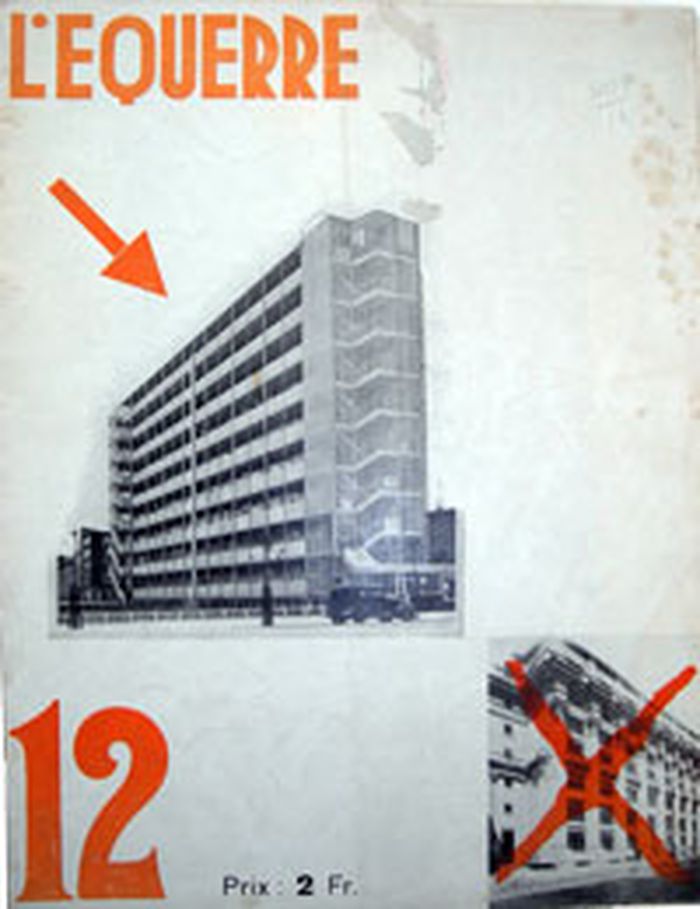
L'Équerre : réedition intégrale
Actions:
Prix:
$99.00
(disponible en magasin)
Résumé:
Publiée de 1928 à 1939, « L’Equerre » est le lieu de diffusion de l’avant-garde belge et internationale et des théories développées par les CIAM dès 1928. Elle diffuse les principaux représentants du modernisme belge et international (V. Bourgeois, L.H. De Koninck, Le Corbusier…) et entretient des relations privilégiées avec l’architecte italien Alberto Sartoris. Avec la collaboration étroite du poète et critique Georges Linze et conscients de la dimension transversale de l’architecture, les auteurs ouvrent largement leurs colonnes aux expressions diverses de l’art moderne (poésie, sculpture, peinture…). Sensible et pragmatique, la ligne éditoriale soutient le dialogue de toutes les disciplines qui peuvent apporter leur pierre à « une meilleure architecture ». Il est aujourd’hui également attesté que la revue fait partie des revues les plus significatives en Europe durant cette période. Une production critique, la réédition des 115 numéros permet de comprendre le contexte, les stratégies, les acteurs et les enjeux d’un mouvement dont les théories marqueront longtemps les architectes de l’après-guerre.
L'Équerre : réedition intégrale
Actions:
Prix:
$99.00
(disponible en magasin)
Résumé:
Publiée de 1928 à 1939, « L’Equerre » est le lieu de diffusion de l’avant-garde belge et internationale et des théories développées par les CIAM dès 1928. Elle diffuse les principaux représentants du modernisme belge et international (V. Bourgeois, L.H. De Koninck, Le Corbusier…) et entretient des relations privilégiées avec l’architecte italien Alberto Sartoris. Avec la collaboration étroite du poète et critique Georges Linze et conscients de la dimension transversale de l’architecture, les auteurs ouvrent largement leurs colonnes aux expressions diverses de l’art moderne (poésie, sculpture, peinture…). Sensible et pragmatique, la ligne éditoriale soutient le dialogue de toutes les disciplines qui peuvent apporter leur pierre à « une meilleure architecture ». Il est aujourd’hui également attesté que la revue fait partie des revues les plus significatives en Europe durant cette période. Une production critique, la réédition des 115 numéros permet de comprendre le contexte, les stratégies, les acteurs et les enjeux d’un mouvement dont les théories marqueront longtemps les architectes de l’après-guerre.
Classification:
livres
livres
Publication:
avril 2013
avril 2013
Sujet:
Théorie de l’architecture
Théorie de l’architecture
Classification:
livres
livres
Actions:
Prix:
$62.95
(disponible sur commande)
Résumé:
Dans cet ouvrage initialement publié en 1984 et rapidement devenu introuvable, Jean-Louis Cohen analyse un moment-clé pour la théorie et la pratique de l’architecture contemporaine, marqué par les échanges intenses des années 1970 entre l’Italie et la France. Il en fut à la fois l’un des témoins et l’un des acteurs. Cette chronique permet de découvrir les causes et les(...)
$62.95
(disponible sur commande)
Résumé:
Dans cet ouvrage initialement publié en 1984 et rapidement devenu introuvable, Jean-Louis Cohen analyse un moment-clé pour la théorie et la pratique de l’architecture contemporaine, marqué par les échanges intenses des années 1970 entre l’Italie et la France. Il en fut à la fois l’un des témoins et l’un des acteurs. Cette chronique permet de découvrir les causes et les(...)
Titre:
La coupure entre architectes et intellectuels, ou les enseignements de l'italophilie
Actions:
Prix:
$62.95
(disponible sur commande)
Résumé:
Dans cet ouvrage initialement publié en 1984 et rapidement devenu introuvable, Jean-Louis Cohen analyse un moment-clé pour la théorie et la pratique de l’architecture contemporaine, marqué par les échanges intenses des années 1970 entre l’Italie et la France. Il en fut à la fois l’un des témoins et l’un des acteurs. Cette chronique permet de découvrir les causes et les effets de la coupure constatée entre les architectes et les intellectuels en France, depuis la moitié du XIXe siècle, au travers d’une réflexion sur les rares contacts qu’ils entretinrent et d’une réflexion sur les malentendus qui jalonnèrent leurs rapports. Cette coupure est rendue particulièrement patente par la confrontation des situations respectives de la France et de l’Italie. Au début des années 1970, une véritable fascination pour la culture architecturale italienne saisit les Français, attentifs aux nouveaux discours sur l’urbanité et sur l’histoire. Une perspective s’ouvrit ainsi pour le dépassement du fossé existant, un nouveau modèle conduisant les architectes à se penser comme concepteurs et comme intellectuels.
La coupure entre architectes et intellectuels, ou les enseignements de l'italophilie
Actions:
Prix:
$62.95
(disponible sur commande)
Résumé:
Dans cet ouvrage initialement publié en 1984 et rapidement devenu introuvable, Jean-Louis Cohen analyse un moment-clé pour la théorie et la pratique de l’architecture contemporaine, marqué par les échanges intenses des années 1970 entre l’Italie et la France. Il en fut à la fois l’un des témoins et l’un des acteurs. Cette chronique permet de découvrir les causes et les effets de la coupure constatée entre les architectes et les intellectuels en France, depuis la moitié du XIXe siècle, au travers d’une réflexion sur les rares contacts qu’ils entretinrent et d’une réflexion sur les malentendus qui jalonnèrent leurs rapports. Cette coupure est rendue particulièrement patente par la confrontation des situations respectives de la France et de l’Italie. Au début des années 1970, une véritable fascination pour la culture architecturale italienne saisit les Français, attentifs aux nouveaux discours sur l’urbanité et sur l’histoire. Une perspective s’ouvrit ainsi pour le dépassement du fossé existant, un nouveau modèle conduisant les architectes à se penser comme concepteurs et comme intellectuels.
Classification:
livres
livres
Publication:
avril 2015
avril 2015
Sujet:
Théorie de l’architecture
Théorie de l’architecture
Classification:
livres
livres
Actions:
Prix:
$31.00
(disponible sur commande)
Résumé:
Introducing the reader to the rich and varied world of modern architecture, the author takes us behind the scenes, revealing how architects as different as Frank Gehry, Renzo Piano, and Robert A. M. Stern envision and create their designs. He teaches us how to “read” plans, how buildings respond to their settings, and how the smallest detail—of a stair balustrade, for(...)
$31.00
(disponible sur commande)
Résumé:
Introducing the reader to the rich and varied world of modern architecture, the author takes us behind the scenes, revealing how architects as different as Frank Gehry, Renzo Piano, and Robert A. M. Stern envision and create their designs. He teaches us how to “read” plans, how buildings respond to their settings, and how the smallest detail—of a stair balustrade, for(...)
Titre:
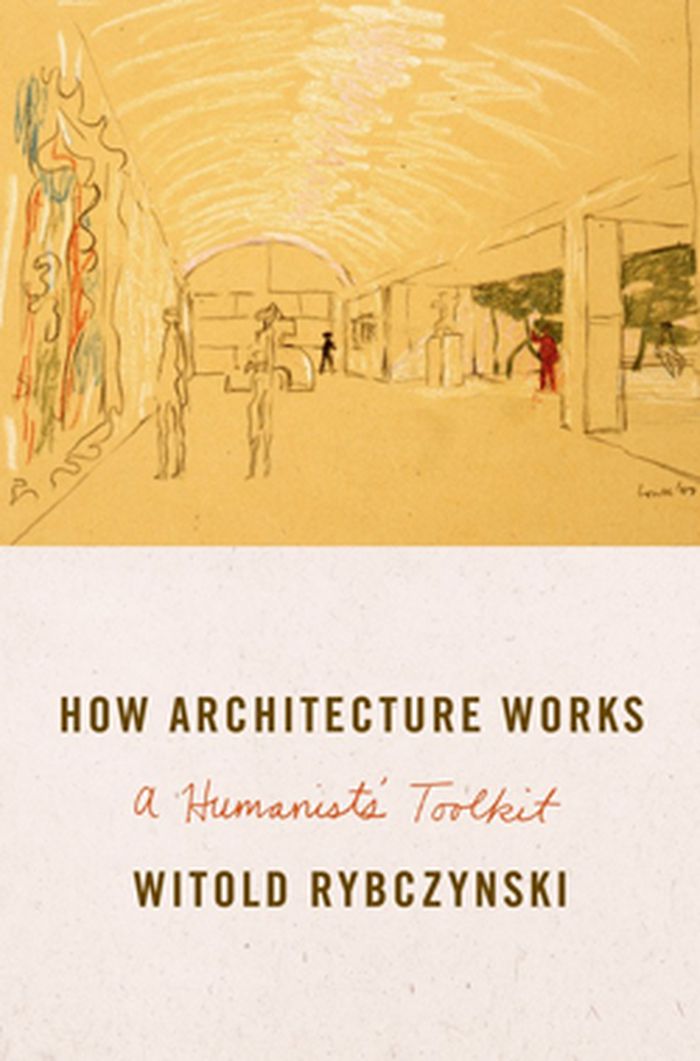
How architect works: a humanists' toolkit
Actions:
Prix:
$31.00
(disponible sur commande)
Résumé:
Introducing the reader to the rich and varied world of modern architecture, the author takes us behind the scenes, revealing how architects as different as Frank Gehry, Renzo Piano, and Robert A. M. Stern envision and create their designs. He teaches us how to “read” plans, how buildings respond to their settings, and how the smallest detail—of a stair balustrade, for instance—can convey an architect’s vision.
How architect works: a humanists' toolkit
Actions:
Prix:
$31.00
(disponible sur commande)
Résumé:
Introducing the reader to the rich and varied world of modern architecture, the author takes us behind the scenes, revealing how architects as different as Frank Gehry, Renzo Piano, and Robert A. M. Stern envision and create their designs. He teaches us how to “read” plans, how buildings respond to their settings, and how the smallest detail—of a stair balustrade, for instance—can convey an architect’s vision.
Classification:
livres
livres
Publication:
octobre 2013
octobre 2013
Sujet:
Théorie de l’architecture
Théorie de l’architecture
Classification:
livres
livres
Actions:
Prix:
$35.95
(disponible sur commande)
Résumé:
Rebecca Solnit has made a vocation of journeying into difficult territory and reporting back, as an environmentalist, antiglobalization activist, and public intellectual. Storming the Gates of Paradise, an anthology of her essential essays from the past ten years, takes the reader from the Pyrenees to the U.S.
$35.95
(disponible sur commande)
Résumé:
Rebecca Solnit has made a vocation of journeying into difficult territory and reporting back, as an environmentalist, antiglobalization activist, and public intellectual. Storming the Gates of Paradise, an anthology of her essential essays from the past ten years, takes the reader from the Pyrenees to the U.S.
Titre:
Storming the gates of paradise
Actions:
Prix:
$35.95
(disponible sur commande)
Résumé:
Rebecca Solnit has made a vocation of journeying into difficult territory and reporting back, as an environmentalist, antiglobalization activist, and public intellectual. Storming the Gates of Paradise, an anthology of her essential essays from the past ten years, takes the reader from the Pyrenees to the U.S.
Storming the gates of paradise
Actions:
Prix:
$35.95
(disponible sur commande)
Résumé:
Rebecca Solnit has made a vocation of journeying into difficult territory and reporting back, as an environmentalist, antiglobalization activist, and public intellectual. Storming the Gates of Paradise, an anthology of her essential essays from the past ten years, takes the reader from the Pyrenees to the U.S.
Classification:
livres
livres
Publication:
avril 2008
avril 2008
Sujet:
Théorie de l’architecture
Théorie de l’architecture
Classification:
livres
livres
Titre:
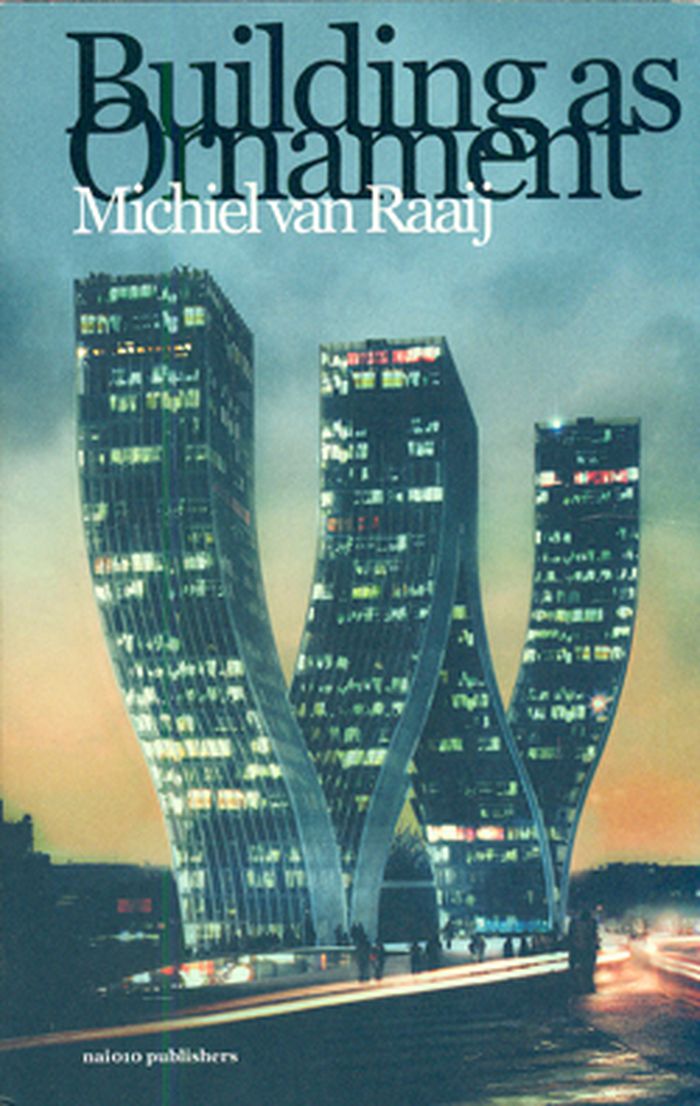
Building as ornament
Building as ornament
Actions:
Prix:
$35.00
(disponible sur commande)
Résumé:
Ornament is back- not as detail adorning a façade, but in the body of entire structures, producing buildings in the shape of letters, a heap of pebbles or a national emblem. In Building as Ornament, Michiel van Raaij investigates how this new tendency in architecture emerged in the late 1990s and how it has developed at the start of the twenty-first century, through(...)
$35.00
(disponible sur commande)
Résumé:
Ornament is back- not as detail adorning a façade, but in the body of entire structures, producing buildings in the shape of letters, a heap of pebbles or a national emblem. In Building as Ornament, Michiel van Raaij investigates how this new tendency in architecture emerged in the late 1990s and how it has developed at the start of the twenty-first century, through(...)
Titre:
Building as ornament
Actions:
Prix:
$35.00
(disponible sur commande)
Résumé:
Ornament is back- not as detail adorning a façade, but in the body of entire structures, producing buildings in the shape of letters, a heap of pebbles or a national emblem. In Building as Ornament, Michiel van Raaij investigates how this new tendency in architecture emerged in the late 1990s and how it has developed at the start of the twenty-first century, through interviews with ten leading architects, among them Adriaan Geuze, Michiel Riedijk, Winy Maas, Steven Holl and Bjarke Ingels
Building as ornament
Actions:
Prix:
$35.00
(disponible sur commande)
Résumé:
Ornament is back- not as detail adorning a façade, but in the body of entire structures, producing buildings in the shape of letters, a heap of pebbles or a national emblem. In Building as Ornament, Michiel van Raaij investigates how this new tendency in architecture emerged in the late 1990s and how it has developed at the start of the twenty-first century, through interviews with ten leading architects, among them Adriaan Geuze, Michiel Riedijk, Winy Maas, Steven Holl and Bjarke Ingels
Classification:
livres
livres
Publication:
mai 2013
mai 2013
Sujet:
Théorie de l’architecture
Théorie de l’architecture
Classification:
livres
livres
Actions:
Prix:
$15.95
(disponible sur commande)
Résumé:
First published in German in 1913 and widely considered to be Paul Scheerbart's masterpiece, Lesabéndio is an intergalactic utopian novel that describes life on the planetoid Pallas, where rubbery suction-footed life forms with telescopic eyes smoke bubble-weed in mushroom meadows under violet skies and green stars. A cosmic ecological fable, Scheerbart's novel was(...)
$15.95
(disponible sur commande)
Résumé:
First published in German in 1913 and widely considered to be Paul Scheerbart's masterpiece, Lesabéndio is an intergalactic utopian novel that describes life on the planetoid Pallas, where rubbery suction-footed life forms with telescopic eyes smoke bubble-weed in mushroom meadows under violet skies and green stars. A cosmic ecological fable, Scheerbart's novel was(...)
Publication:
mai 2013
mai 2013
Titre:
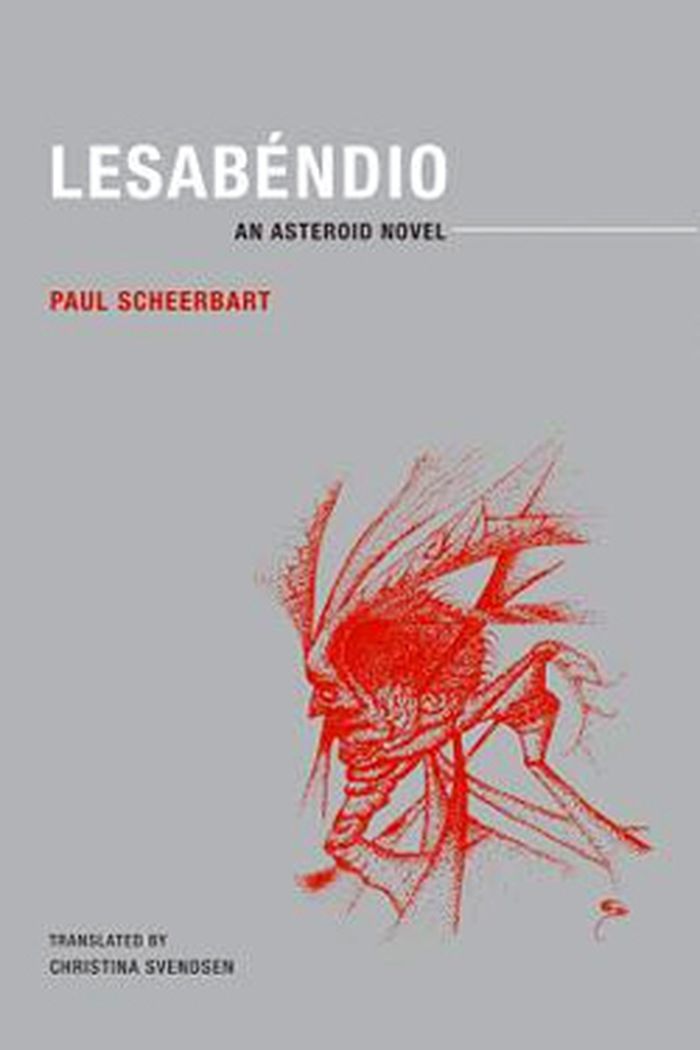
Lesabénio : an asteroid novel
Actions:
Prix:
$15.95
(disponible sur commande)
Résumé:
First published in German in 1913 and widely considered to be Paul Scheerbart's masterpiece, Lesabéndio is an intergalactic utopian novel that describes life on the planetoid Pallas, where rubbery suction-footed life forms with telescopic eyes smoke bubble-weed in mushroom meadows under violet skies and green stars. A cosmic ecological fable, Scheerbart's novel was admired by such architects as Bruno Taut and Walter Gropius, and such thinkers as Walter Benjamin and Gershom Scholem
Lesabénio : an asteroid novel
Actions:
Prix:
$15.95
(disponible sur commande)
Résumé:
First published in German in 1913 and widely considered to be Paul Scheerbart's masterpiece, Lesabéndio is an intergalactic utopian novel that describes life on the planetoid Pallas, where rubbery suction-footed life forms with telescopic eyes smoke bubble-weed in mushroom meadows under violet skies and green stars. A cosmic ecological fable, Scheerbart's novel was admired by such architects as Bruno Taut and Walter Gropius, and such thinkers as Walter Benjamin and Gershom Scholem
Classification:
livres
livres
Publication:
mai 2013
mai 2013
Classification:
livres
livres
Actions:
Prix:
$44.95
(disponible sur commande)
Résumé:
In this comprehensive study, Edward Casey, one of the most incisive interpreters of the Continental philosophical tradition, offers a philosophical history of the evolving conceptualizations of place and space in Western thought. A central theme is the increasing neglect of place in favor of space from the seventh century A.D. onward, amounting to the virtual exclusion of(...)
$44.95
(disponible sur commande)
Résumé:
In this comprehensive study, Edward Casey, one of the most incisive interpreters of the Continental philosophical tradition, offers a philosophical history of the evolving conceptualizations of place and space in Western thought. A central theme is the increasing neglect of place in favor of space from the seventh century A.D. onward, amounting to the virtual exclusion of(...)
Titre:
The fate of place: a philosophical history
Actions:
Prix:
$44.95
(disponible sur commande)
Résumé:
In this comprehensive study, Edward Casey, one of the most incisive interpreters of the Continental philosophical tradition, offers a philosophical history of the evolving conceptualizations of place and space in Western thought. A central theme is the increasing neglect of place in favor of space from the seventh century A.D. onward, amounting to the virtual exclusion of place by the end of the eighteenth century.
The fate of place: a philosophical history
Actions:
Prix:
$44.95
(disponible sur commande)
Résumé:
In this comprehensive study, Edward Casey, one of the most incisive interpreters of the Continental philosophical tradition, offers a philosophical history of the evolving conceptualizations of place and space in Western thought. A central theme is the increasing neglect of place in favor of space from the seventh century A.D. onward, amounting to the virtual exclusion of place by the end of the eighteenth century.
Classification:
livres
livres
Publication:
mai 2013
mai 2013
Sujet:
Théorie de l’architecture
Théorie de l’architecture
Classification:
livres
livres
Actions:
Prix:
$39.95
(disponible sur commande)
Résumé:
In Ancient Wisdom And Modern Knowhow, Maxwell considers the notion of doubt encountered by the modern architect. In ten chapters that draw upon writers and topics as diverse and engaging as Andre Malraux and his concept of the Musée Imaginaire, Colin Rowe and his exploration of Mannerism in Modern Architecture as well as Rowe s book with Fred Koetter, Collage City, and(...)
$39.95
(disponible sur commande)
Résumé:
In Ancient Wisdom And Modern Knowhow, Maxwell considers the notion of doubt encountered by the modern architect. In ten chapters that draw upon writers and topics as diverse and engaging as Andre Malraux and his concept of the Musée Imaginaire, Colin Rowe and his exploration of Mannerism in Modern Architecture as well as Rowe s book with Fred Koetter, Collage City, and(...)
Titre:
Ancient wisdom and modern knowhow: learning to live with uncertainty
Actions:
Prix:
$39.95
(disponible sur commande)
Résumé:
In Ancient Wisdom And Modern Knowhow, Maxwell considers the notion of doubt encountered by the modern architect. In ten chapters that draw upon writers and topics as diverse and engaging as Andre Malraux and his concept of the Musée Imaginaire, Colin Rowe and his exploration of Mannerism in Modern Architecture as well as Rowe s book with Fred Koetter, Collage City, and examining works by artists including Albrecht Dürer, Picasso and Duchamp and architects including James Stirling, Zaha Hadid, Frank Gehry and Daniel Libeskind, Maxwell steps through a range of ideas and concepts, to create an engaging and provocative thesis.
Ancient wisdom and modern knowhow: learning to live with uncertainty
Actions:
Prix:
$39.95
(disponible sur commande)
Résumé:
In Ancient Wisdom And Modern Knowhow, Maxwell considers the notion of doubt encountered by the modern architect. In ten chapters that draw upon writers and topics as diverse and engaging as Andre Malraux and his concept of the Musée Imaginaire, Colin Rowe and his exploration of Mannerism in Modern Architecture as well as Rowe s book with Fred Koetter, Collage City, and examining works by artists including Albrecht Dürer, Picasso and Duchamp and architects including James Stirling, Zaha Hadid, Frank Gehry and Daniel Libeskind, Maxwell steps through a range of ideas and concepts, to create an engaging and provocative thesis.
Classification:
livres
livres
Publication:
mai 2013
mai 2013
Sujet:
Théorie de l’architecture
Théorie de l’architecture


