


2227 Résultats
Classification:
livres
livres

Prix:
$28.00
(disponible sur commande)
Résumé:
This collection of essays by architect Mario Gooden investigates the construction of African American identity and representation through the medium of architecture. These five texts move between history, theory, and criticism to explore a discourse of critical spatial practice engaged in the constant reshaping of the African Diaspora. African American cultural(...)
Titre:
Dark space: architecture, representation, black identity
Actions:
Prix:
$28.00
(disponible sur commande)
Résumé:
This collection of essays by architect Mario Gooden investigates the construction of African American identity and representation through the medium of architecture. These five texts move between history, theory, and criticism to explore a discourse of critical spatial practice engaged in the constant reshaping of the African Diaspora. African American cultural institutions designed and constructed in recent years often rely on cultural stereotypes, metaphors, and clichés to communicate significance, demonstrating "Africanisms" through form and symbolism?but there is a far richer and more complex heritage to be explored. Presented here is a series of questions that interrogate and illuminate other narratives of "African American architecture," and reveal compelling ways of translating the philosophical idea of the African Diaspora's experience into space.
Classification:
livres
livres
Publication:
décembre 2015
décembre 2015
Sujet:
Théorie de l’architecture
Théorie de l’architecture
Classification:
livres
livres
Prix:
$59.95
(disponible en magasin)
Résumé:
After World War II, America’s religious denominations spent billions on church architecture as they spread into the suburbs. In this illustrated history of midcentury modern churches in the Midwest, Gretchen Buggeln shows how architects and suburban congregations joined forces to work out a vision of how modernist churches might help reinvigorate Protestant worship and(...)
Titre:
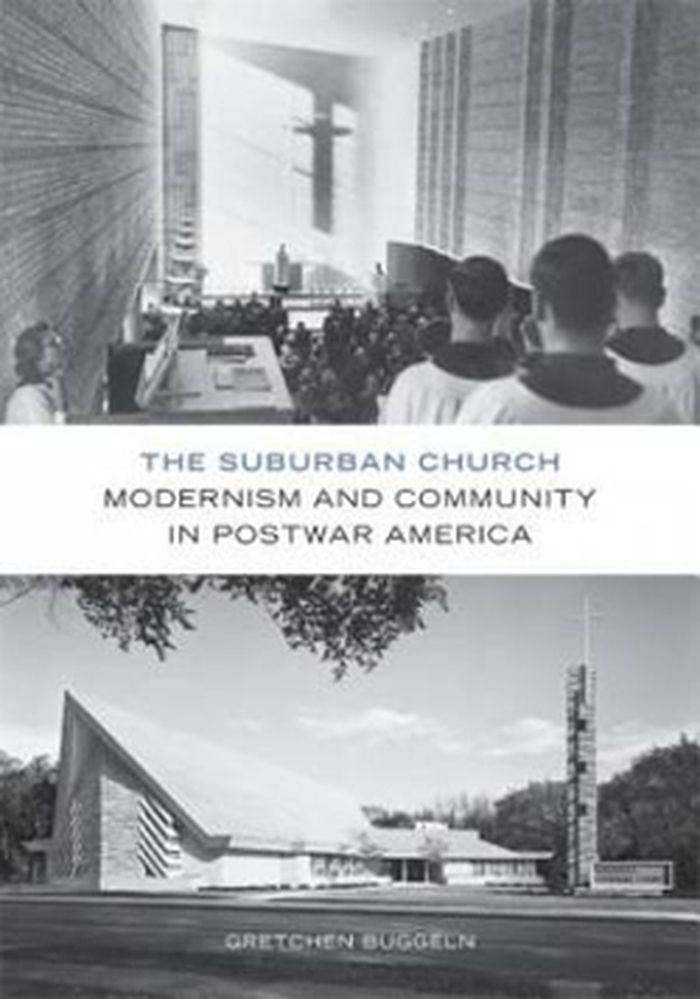
The suburban church: modernism and community in postwar America
Actions:
Prix:
$59.95
(disponible en magasin)
Résumé:
After World War II, America’s religious denominations spent billions on church architecture as they spread into the suburbs. In this illustrated history of midcentury modern churches in the Midwest, Gretchen Buggeln shows how architects and suburban congregations joined forces to work out a vision of how modernist churches might help reinvigorate Protestant worship and community. The result offers a new perspective on postwar architecture, religion, and society. Drawing on the architectural record, church archives, and oral histories, The Suburban Church focuses on collaborations between architects Edward D. Dart, Edward A. Sövik, Charles E. Stade, and seventy-five congregations. By telling the stories behind their modernist churches, the book describes how the buildings both reflected and shaped developments in postwar religion—its ecumenism, optimism, and liturgical innovation, as well as its fears about staying relevant during a time of vast cultural, social, and demographic change.
Classification:
livres
livres
Publication:
décembre 2015
décembre 2015
Sujet:
Théorie de l’architecture
Théorie de l’architecture
Classification:
livres
livres
Actions:
Prix:
$62.95
(disponible en magasin)
Résumé:
Hawksmoor wasn’t always appreciated, however: for decades after his death, he was seen as at best a second-rate talent. From the Shadows tells the story of the resurrection of his reputation, showing how over the years his work was ignored, abused, and altered—and, finally, recovered and celebrated. It is a story of the triumph of talent and of the power of appreciative(...)
Titre:
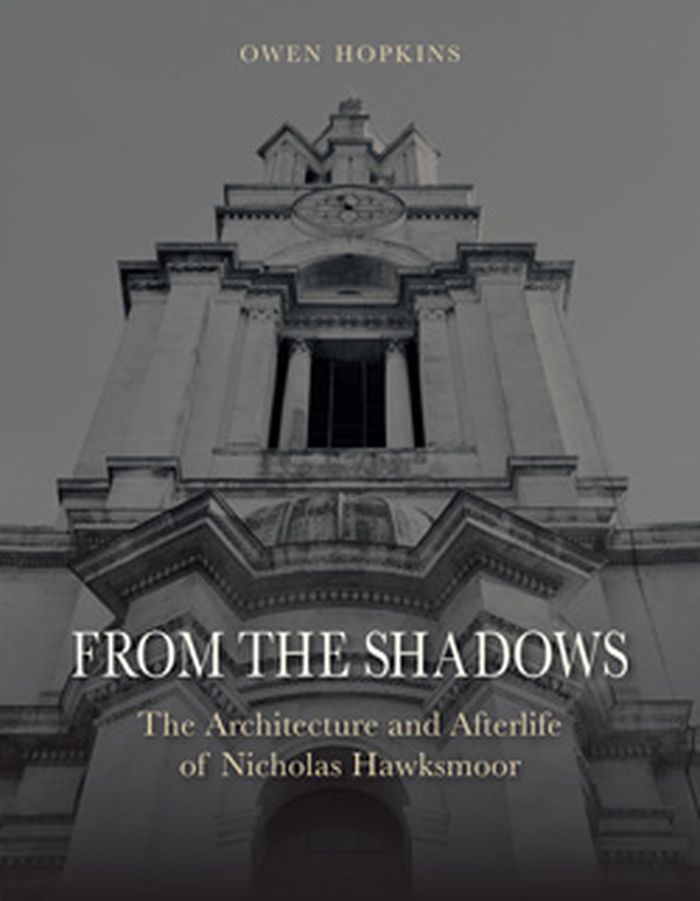
From the shadows: the architecture and afterlife of Nicholas Hawksmoor
Actions:
Prix:
$62.95
(disponible en magasin)
Résumé:
Hawksmoor wasn’t always appreciated, however: for decades after his death, he was seen as at best a second-rate talent. From the Shadows tells the story of the resurrection of his reputation, showing how over the years his work was ignored, abused, and altered—and, finally, recovered and celebrated. It is a story of the triumph of talent and of the power of appreciative admirers like T. S. Eliot, James Stirling, Robert Venturi, and Peter Ackroyd, all of whom played a role in the twentieth-century recovery of Hawksmoor’s reputation.
Classification:
livres
livres
Publication:
novembre 2015
novembre 2015
Sujet:
Théorie de l’architecture
Théorie de l’architecture
Classification:
livres
livres

Actions:
Prix:
$26.95
(disponible en magasin)
Résumé:
Ce livre voudrait dire la sagesse des casaniers, injustement dénigrés. Mais il explore aussi la façon dont ce monde que l’on croyait fuir revient par la fenêtre. Difficultés à trouver un logement abordable, ou à profiter de son chez-soi dans l’état de « famine temporelle » qui nous caractérise. Ramifications passionnantes de la simple question « Qui fait le ménage ? »,(...)
Titre:
Chez-soi : une odyssée de l'espace domestique
Actions:
Prix:
$26.95
(disponible en magasin)
Résumé:
Ce livre voudrait dire la sagesse des casaniers, injustement dénigrés. Mais il explore aussi la façon dont ce monde que l’on croyait fuir revient par la fenêtre. Difficultés à trouver un logement abordable, ou à profiter de son chez-soi dans l’état de « famine temporelle » qui nous caractérise. Ramifications passionnantes de la simple question « Qui fait le ménage ? », persistance du modèle du bonheur familial, alors même que l’on rencontre des modes de vie bien plus inventifs… Autant de préoccupations à la fois intimes et collectives, passées ici en revue comme on range et nettoie un intérieur empoussiéré : pour tenter d’y voir plus clair, et de se sentir mieux.
Classification:
livres
livres
Publication:
juin 2015
juin 2015
Sujet:
Théorie de l’architecture
Théorie de l’architecture
Classification:
livres
livres
Actions:
Prix:
$38.95
(disponible en magasin)
Résumé:
In 1927, while a student of architecture at the Moscow Vhutemas, Georgii Krutikov presented a vision for a flying city. More than just a flight of architectural fancy, Krutikov’s flying city was a utopian dream, a plan to solve the seemingly intractable problems of overcrowding and resource depletion by moving humanity’s living quarters to space. Inspired in equal parts(...)
Titre:
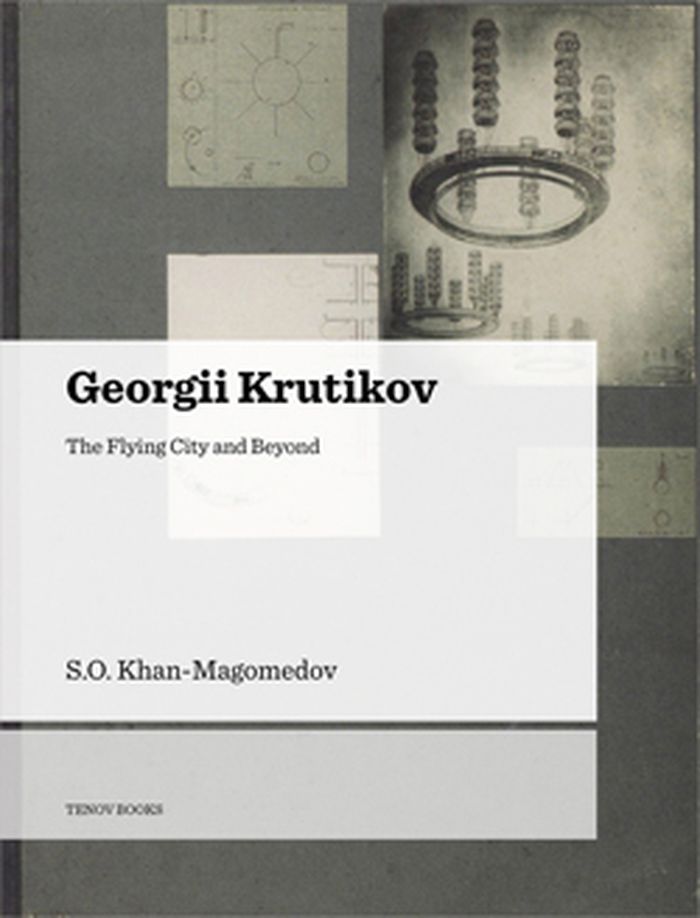
Georgii Krutikov: the flying city and beyond
Actions:
Prix:
$38.95
(disponible en magasin)
Résumé:
In 1927, while a student of architecture at the Moscow Vhutemas, Georgii Krutikov presented a vision for a flying city. More than just a flight of architectural fancy, Krutikov’s flying city was a utopian dream, a plan to solve the seemingly intractable problems of overcrowding and resource depletion by moving humanity’s living quarters to space. Inspired in equal parts by sci-fi dreams of space travel and the revolutionary idealism that still percolated in the Soviet Union at that time, Krutikov created an incredible amount of detailed information about his city: sketches, drawings, plans, and more.
Classification:
livres
livres
Publication:
octobre 2015
octobre 2015
Sujet:
Théorie de l’architecture
Théorie de l’architecture
Classification:
livres
livres
Titre:
On Loos, ornament and crime
On Loos, ornament and crime
Actions:
Prix:
$44.95
(disponible sur commande)
Résumé:
In his Columns of Smoke series, Juan José Lahuerta takes on the enormously ambitious task of re-reading modernity, offering us fresh ways of looking at it while drawing new links between the ideas of architecture and ornamentation, with a special focus on how they have been treated in print. While the first volume of Columns of Smoke considered epoch-making architect(...)
Titre:
On Loos, ornament and crime
Actions:
Prix:
$44.95
(disponible sur commande)
Résumé:
In his Columns of Smoke series, Juan José Lahuerta takes on the enormously ambitious task of re-reading modernity, offering us fresh ways of looking at it while drawing new links between the ideas of architecture and ornamentation, with a special focus on how they have been treated in print. While the first volume of Columns of Smoke considered epoch-making architect Adolf Loos’s relationship with photography, here Lahuerta turns to the Classical strand in Loos’s architecture and to his written work—and specifically his engagement with architectural and artistic theory.
Classification:
livres
livres
Publication:
septembre 2015
septembre 2015
Sujet:
Théorie de l’architecture
Théorie de l’architecture
Classification:
livres
livres

Actions:
Prix:
$55.00
(disponible sur commande)
Résumé:
Bringing together imaginative architectural approaches with texts by key contemporary thinkers, the two-part Informal Market Worlds explores new ways to interrupt the dominant logics of neoliberal governance. The Reader includes expert essays on urban informality, bottom-up economies and informal architectures as harbingers of social and political change. Offering a(...)
Sujet:
Théorie de l’architecture
Théorie de l’architecture
Publication:
juin 2015
juin 2015
Titre:
Informal market worlds: reader, the architecture of economic pressure
Actions:
Prix:
$55.00
(disponible sur commande)
Résumé:
Bringing together imaginative architectural approaches with texts by key contemporary thinkers, the two-part Informal Market Worlds explores new ways to interrupt the dominant logics of neoliberal governance. The Reader includes expert essays on urban informality, bottom-up economies and informal architectures as harbingers of social and political change. Offering a global perspective on the conflicted realities of informal marketplaces--from survival activities of the urban poor to transnational clandestine trade networks--these analyses reveal how informality has become a political instrument in the struggles around global market integration.
Classification:
livres
livres
Publication:
juin 2015
juin 2015
Sujet:
Théorie de l’architecture
Théorie de l’architecture
Classification:
livres
livres

Actions:
Prix:
$70.00
(disponible sur commande)
Résumé:
Informal markets are a central feature of the 21st century's first tumultuous years. Both part of and response to the homogenizing forces of globalization, they constitute a volatile shadow system of heterogeneous micro-locations. Informal Market Worlds maps this new kind of urban system emerging from ongoing deregulations and realignments. Bringing together imaginative(...)
Titre:
Informal market worlds: atlas, the architecture of economic pressure
Actions:
Prix:
$70.00
(disponible sur commande)
Résumé:
Informal markets are a central feature of the 21st century's first tumultuous years. Both part of and response to the homogenizing forces of globalization, they constitute a volatile shadow system of heterogeneous micro-locations. Informal Market Worlds maps this new kind of urban system emerging from ongoing deregulations and realignments. Bringing together imaginative architectural approaches with texts by key contemporary thinkers, the two-part Informal Market Worlds explores new ways to interrupt the dominant logics of neoliberal governance. With groundbreaking research, the hefty Atlas includes 73 case studies, in locations ranging from Kabul's post-conflict Bush Bazaar to Arizona's Snow Birds hipster markets. Offering a global perspective on the conflicted realities of informal marketplaces--from survival activities of the urban poor to transnational clandestine trade networks--these analyses reveal how informality has become a political instrument in the struggles around global market integration.
Classification:
livres
livres
Publication:
juin 2015
juin 2015
Sujet:
Théorie de l’architecture
Théorie de l’architecture
Classification:
livres
livres

Actions:
Prix:
$29.99
(disponible sur commande)
Résumé:
If you have ever wondered why SUVs replaced minivans, how one rap song turned the cognac industry upside down, or what gives Levi's jeans their iconic allure, look no further-in Cool, Steven Quartz and Anette Asp finally explain the fascinating science behind unexpected trends and enduring successes. We live in a world of conspicuous consumption, where the clothes we(...)
Titre:
Cool: how the brain's hidden quest for cool drives our economy and shapes our world
Actions:
Prix:
$29.99
(disponible sur commande)
Résumé:
If you have ever wondered why SUVs replaced minivans, how one rap song turned the cognac industry upside down, or what gives Levi's jeans their iconic allure, look no further-in Cool, Steven Quartz and Anette Asp finally explain the fascinating science behind unexpected trends and enduring successes. We live in a world of conspicuous consumption, where the clothes we wear, the cars we drive, and the food we eat lead double lives: they don't merely satisfy our needs; they also communicate our values, identities, and aspirations.
Classification:
livres
livres
Publication:
juin 2015
juin 2015
Sujet:
Théorie de l’architecture
Théorie de l’architecture
Classification:
livres
livres
Actions:
Prix:
$36.00
(disponible en magasin)
Résumé:
This small architectural guide provides a representative overview of the built environment in the north Indian metropolis of Ahmedabad. In addition to covering the city’s notable legacy of modernist architecture, the work also treats diverse forms of informal urban arrangements: from architecture without architects (to borrow from Bernard Rudofsky) to ephemeral structures(...)
Sujet:
Théorie de l’architecture
Théorie de l’architecture
Publication:
octobre 2015
octobre 2015
Titre:
Architecture reading aid: Ahmedabad
Actions:
Prix:
$36.00
(disponible en magasin)
Résumé:
This small architectural guide provides a representative overview of the built environment in the north Indian metropolis of Ahmedabad. In addition to covering the city’s notable legacy of modernist architecture, the work also treats diverse forms of informal urban arrangements: from architecture without architects (to borrow from Bernard Rudofsky) to ephemeral structures sprouting up on streets and plazas, everything is fair game. Clear axonometric drawings and short texts providing cultural and historical context make this idiosyncratic travel guide an accessible introduction to decoding Indian urbanism for the architect and layperson alike.
Classification:
livres
livres
Publication:
octobre 2015
octobre 2015
Sujet:
Théorie de l’architecture
Théorie de l’architecture


