


2227 Résultats
Classification:
livres
livres

Prix:
$29.95
(disponible en magasin)
Résumé:
The usual history of architecture is a grand narrative of soaring monuments and heroic makers. But it is also a false narrative in many ways, rarely acknowledging the personal failures and disappointments of architects. In Bleak Houses, Timothy Brittain-Catlin investigates the underside of architecture, the stories of losers and unfulfillment often ignored by an(...)
$29.95
(disponible en magasin)
Résumé:
The usual history of architecture is a grand narrative of soaring monuments and heroic makers. But it is also a false narrative in many ways, rarely acknowledging the personal failures and disappointments of architects. In Bleak Houses, Timothy Brittain-Catlin investigates the underside of architecture, the stories of losers and unfulfillment often ignored by an(...)
Titre:
Bleak houses: disappointment and failure in architecture
Actions:
Prix:
$29.95
(disponible en magasin)
Résumé:
The usual history of architecture is a grand narrative of soaring monuments and heroic makers. But it is also a false narrative in many ways, rarely acknowledging the personal failures and disappointments of architects. In Bleak Houses, Timothy Brittain-Catlin investigates the underside of architecture, the stories of losers and unfulfillment often ignored by an architectural criticism that values novelty, fame, and virility over fallibility and rejection.
Bleak houses: disappointment and failure in architecture
Actions:
Prix:
$29.95
(disponible en magasin)
Résumé:
The usual history of architecture is a grand narrative of soaring monuments and heroic makers. But it is also a false narrative in many ways, rarely acknowledging the personal failures and disappointments of architects. In Bleak Houses, Timothy Brittain-Catlin investigates the underside of architecture, the stories of losers and unfulfillment often ignored by an architectural criticism that values novelty, fame, and virility over fallibility and rejection.
Classification:
livres
livres
Publication:
mars 2014
mars 2014
Sujet:
Théorie de l’architecture
Théorie de l’architecture
Classification:
livres
livres
Prix:
$42.95
(disponible sur commande)
Résumé:
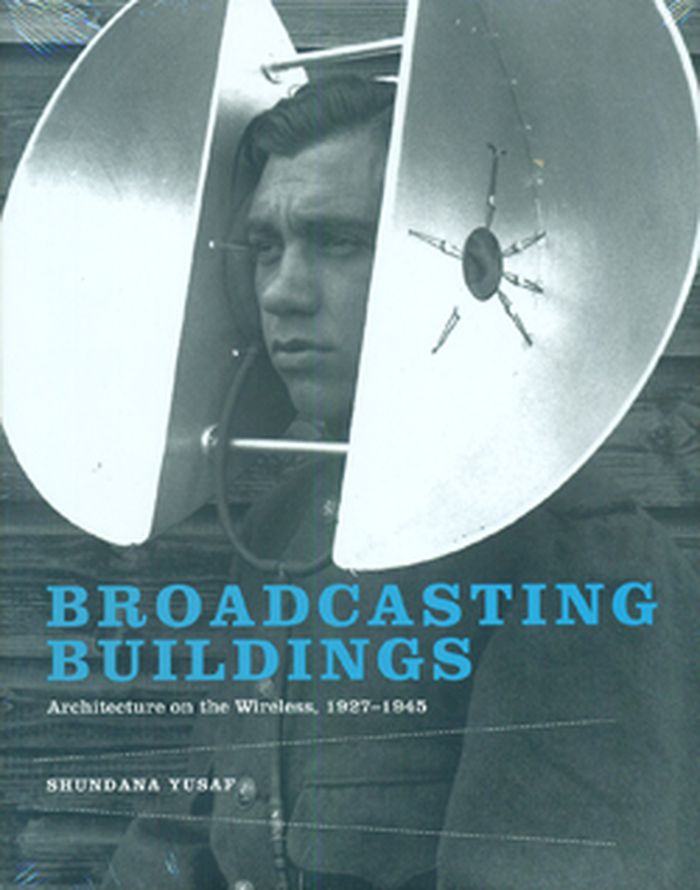
In this book, Shundana Yusaf examines the ways that broadcasting placed architecture at the heart of debates on democracy. Undaunted by the challenge of talking about space and place in disembodied voices over a nonvisual medium, designers and critics turned the wireless into an arena for debates about the definitions of the architect and architecture, the difficulties of(...)
$42.95
(disponible sur commande)
Résumé:
In this book, Shundana Yusaf examines the ways that broadcasting placed architecture at the heart of debates on democracy. Undaunted by the challenge of talking about space and place in disembodied voices over a nonvisual medium, designers and critics turned the wireless into an arena for debates about the definitions of the architect and architecture, the difficulties of(...)
Titre:
Broadcasting buildings: architecture on the wireless, 1927-1945
Actions:
Prix:
$42.95
(disponible sur commande)
Résumé:
In this book, Shundana Yusaf examines the ways that broadcasting placed architecture at the heart of debates on democracy. Undaunted by the challenge of talking about space and place in disembodied voices over a nonvisual medium, designers and critics turned the wireless into an arena for debates about the definitions of the architect and architecture, the difficulties of town and country planning after the breakup of large country estates, the financing of the luxury market, the expansion of local governing power, and tourism.
Broadcasting buildings: architecture on the wireless, 1927-1945
Actions:
Prix:
$42.95
(disponible sur commande)
Résumé:
In this book, Shundana Yusaf examines the ways that broadcasting placed architecture at the heart of debates on democracy. Undaunted by the challenge of talking about space and place in disembodied voices over a nonvisual medium, designers and critics turned the wireless into an arena for debates about the definitions of the architect and architecture, the difficulties of town and country planning after the breakup of large country estates, the financing of the luxury market, the expansion of local governing power, and tourism.
Classification:
livres
livres
Publication:
mars 2014
mars 2014
Sujet:
Théorie de l’architecture
Théorie de l’architecture
Classification:
livres
livres
Actions:
Prix:
$36.95
(disponible en magasin)
Résumé:
Aluminum shaped the twentieth century. It enabled high-speed travel and gravity-defying flight. It was the material of a streamlined aesthetic that came to represent modernity. And it became an essential ingredient in industrial and domestic products that ranged from airplanes and cars to designer chairs and artificial Christmas trees. It entered modern homes as(...)
$36.95
(disponible en magasin)
Résumé:
Aluminum shaped the twentieth century. It enabled high-speed travel and gravity-defying flight. It was the material of a streamlined aesthetic that came to represent modernity. And it became an essential ingredient in industrial and domestic products that ranged from airplanes and cars to designer chairs and artificial Christmas trees. It entered modern homes as(...)
Titre:
Aluminium dreams: the making of light modernity
Actions:
Prix:
$36.95
(disponible en magasin)
Résumé:
Aluminum shaped the twentieth century. It enabled high-speed travel and gravity-defying flight. It was the material of a streamlined aesthetic that came to represent modernity. And it became an essential ingredient in industrial and domestic products that ranged from airplanes and cars to designer chairs and artificial Christmas trees. It entered modern homes as packaging, foil, pots and pans and even infiltrated our bodies through food, medicine, and cosmetics. In Aluminum Dreams, Mimi Sheller describes how the materiality and meaning of aluminum transformed modern life and continues to shape the world today.
Aluminium dreams: the making of light modernity
Actions:
Prix:
$36.95
(disponible en magasin)
Résumé:
Aluminum shaped the twentieth century. It enabled high-speed travel and gravity-defying flight. It was the material of a streamlined aesthetic that came to represent modernity. And it became an essential ingredient in industrial and domestic products that ranged from airplanes and cars to designer chairs and artificial Christmas trees. It entered modern homes as packaging, foil, pots and pans and even infiltrated our bodies through food, medicine, and cosmetics. In Aluminum Dreams, Mimi Sheller describes how the materiality and meaning of aluminum transformed modern life and continues to shape the world today.
Classification:
livres
livres
Publication:
mars 2014
mars 2014
Sujet:
Théorie de l’architecture
Théorie de l’architecture
Classification:
livres
livres
Actions:
Prix:
$46.95
(disponible sur commande)
Résumé:
A monumental history of the nineteenth century, The Transformation of the World offers a panoramic and multifaceted portrait of a world in transition. Jürgen Osterhammel, a scholar who has been called the Braudel of the nineteenth century, moves beyond conventional Eurocentric and chronological accounts of the era, presenting instead a truly global history of breathtaking(...)
$46.95
(disponible sur commande)
Résumé:
A monumental history of the nineteenth century, The Transformation of the World offers a panoramic and multifaceted portrait of a world in transition. Jürgen Osterhammel, a scholar who has been called the Braudel of the nineteenth century, moves beyond conventional Eurocentric and chronological accounts of the era, presenting instead a truly global history of breathtaking(...)
Titre:
The transformation of the world: a global history of the nineteenth century
Actions:
Prix:
$46.95
(disponible sur commande)
Résumé:
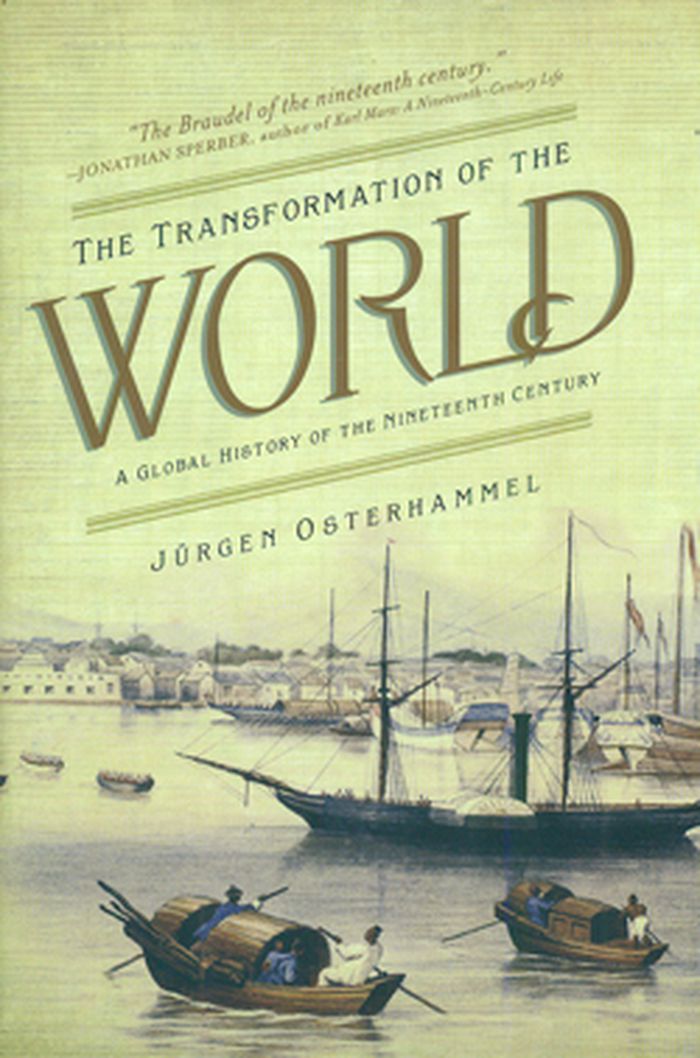
A monumental history of the nineteenth century, The Transformation of the World offers a panoramic and multifaceted portrait of a world in transition. Jürgen Osterhammel, a scholar who has been called the Braudel of the nineteenth century, moves beyond conventional Eurocentric and chronological accounts of the era, presenting instead a truly global history of breathtaking scope and towering erudition. He examines the powerful and complex forces that drove global change during the "long nineteenth century," taking readers from New York to New Delhi, from the Latin American revolutions to the Taiping Rebellion, from the perils and promise of Europe's transatlantic labor markets to the hardships endured by nomadic, tribal peoples across the planet.
The transformation of the world: a global history of the nineteenth century
Actions:
Prix:
$46.95
(disponible sur commande)
Résumé:
A monumental history of the nineteenth century, The Transformation of the World offers a panoramic and multifaceted portrait of a world in transition. Jürgen Osterhammel, a scholar who has been called the Braudel of the nineteenth century, moves beyond conventional Eurocentric and chronological accounts of the era, presenting instead a truly global history of breathtaking scope and towering erudition. He examines the powerful and complex forces that drove global change during the "long nineteenth century," taking readers from New York to New Delhi, from the Latin American revolutions to the Taiping Rebellion, from the perils and promise of Europe's transatlantic labor markets to the hardships endured by nomadic, tribal peoples across the planet.
Classification:
livres
livres
Publication:
mai 2014
mai 2014
Sujet:
Théorie de l’architecture
Théorie de l’architecture
Classification:
livres
livres
Actions:
Prix:
$38.50
(disponible sur commande)
Résumé:
Harvard University Graduate School of Design has always recognized the indispensable importance and values of architecture, landscape architecture, urban planning, and urban design, yet has transcended their individual aspirations through intellectual cross-fertilization and collaboration. The material presented in this publication forms a small part of the incredible(...)
$38.50
(disponible sur commande)
Résumé:
Harvard University Graduate School of Design has always recognized the indispensable importance and values of architecture, landscape architecture, urban planning, and urban design, yet has transcended their individual aspirations through intellectual cross-fertilization and collaboration. The material presented in this publication forms a small part of the incredible(...)
Titre:
GSD Platform 6: a year of reseach
Actions:
Prix:
$38.50
(disponible sur commande)
Résumé:
Harvard University Graduate School of Design has always recognized the indispensable importance and values of architecture, landscape architecture, urban planning, and urban design, yet has transcended their individual aspirations through intellectual cross-fertilization and collaboration. The material presented in this publication forms a small part of the incredible range and diversity of proposals and visions that the GSD students and faculty have produced during the past academic year. This work is indicative of the School s commitment, as a global leader in the field, to exploring and articulating transformative ideas through the power of design. It is as important for us to share and communicate the outcome of our research and design investigations as it is to show the fertile circumstances and conditions for the making of these projects.
GSD Platform 6: a year of reseach
Actions:
Prix:
$38.50
(disponible sur commande)
Résumé:
Harvard University Graduate School of Design has always recognized the indispensable importance and values of architecture, landscape architecture, urban planning, and urban design, yet has transcended their individual aspirations through intellectual cross-fertilization and collaboration. The material presented in this publication forms a small part of the incredible range and diversity of proposals and visions that the GSD students and faculty have produced during the past academic year. This work is indicative of the School s commitment, as a global leader in the field, to exploring and articulating transformative ideas through the power of design. It is as important for us to share and communicate the outcome of our research and design investigations as it is to show the fertile circumstances and conditions for the making of these projects.
Classification:
livres
livres
Publication:
mars 2014
mars 2014
Sujet:
Théorie de l’architecture
Théorie de l’architecture
Classification:
livres
livres
Actions:
Prix:
$44.95
(disponible sur commande)
Résumé:
Essays, projects, and interviews will examine emerging forms of sponsorship, new forms of connectivity - technological or social - that produce innovative modes of collaboration, and strategies for cultivating relationships that allow us to rethink typical hierarchies between those in power and those in service. One could argue that the profession of architecture has(...)
$44.95
(disponible sur commande)
Résumé:
Essays, projects, and interviews will examine emerging forms of sponsorship, new forms of connectivity - technological or social - that produce innovative modes of collaboration, and strategies for cultivating relationships that allow us to rethink typical hierarchies between those in power and those in service. One could argue that the profession of architecture has(...)
Titre:
Beyond patronage: reconsidering models of practice
Actions:
Prix:
$44.95
(disponible sur commande)
Résumé:
Essays, projects, and interviews will examine emerging forms of sponsorship, new forms of connectivity - technological or social - that produce innovative modes of collaboration, and strategies for cultivating relationships that allow us to rethink typical hierarchies between those in power and those in service. One could argue that the profession of architecture has traditionally been characterized by patronage. Throughout the twentieth century, private clients have enabled architects to develop and realize their most significant work. Today, the landscape of patronage is shifting. While the role of private clients is still central to the survival of the profession, an increasing number of architects and design practitioners are actively cultivating partnerships with not-for-profits, granting agencies, educational institutions, and other public organizations. How are these broader relationships redefining the role of patronage in architecture? Have our current economic, ecological, and political climates provoked architecture to confront its own priorities and assumptions? How can the practice of architecture be shaped not only through relationships of power, but also through strategies of empowerment? How are emerging practitioners today grappling with issues of inclusion and exclusion in the field?
Beyond patronage: reconsidering models of practice
Actions:
Prix:
$44.95
(disponible sur commande)
Résumé:
Essays, projects, and interviews will examine emerging forms of sponsorship, new forms of connectivity - technological or social - that produce innovative modes of collaboration, and strategies for cultivating relationships that allow us to rethink typical hierarchies between those in power and those in service. One could argue that the profession of architecture has traditionally been characterized by patronage. Throughout the twentieth century, private clients have enabled architects to develop and realize their most significant work. Today, the landscape of patronage is shifting. While the role of private clients is still central to the survival of the profession, an increasing number of architects and design practitioners are actively cultivating partnerships with not-for-profits, granting agencies, educational institutions, and other public organizations. How are these broader relationships redefining the role of patronage in architecture? Have our current economic, ecological, and political climates provoked architecture to confront its own priorities and assumptions? How can the practice of architecture be shaped not only through relationships of power, but also through strategies of empowerment? How are emerging practitioners today grappling with issues of inclusion and exclusion in the field?
Classification:
livres
livres
Publication:
mars 2014
mars 2014
Sujet:
Théorie de l’architecture
Théorie de l’architecture
Classification:
livres
livres
Titre:
The function of style
The function of style
Actions:
Prix:
$59.95
(disponible sur commande)
Résumé:
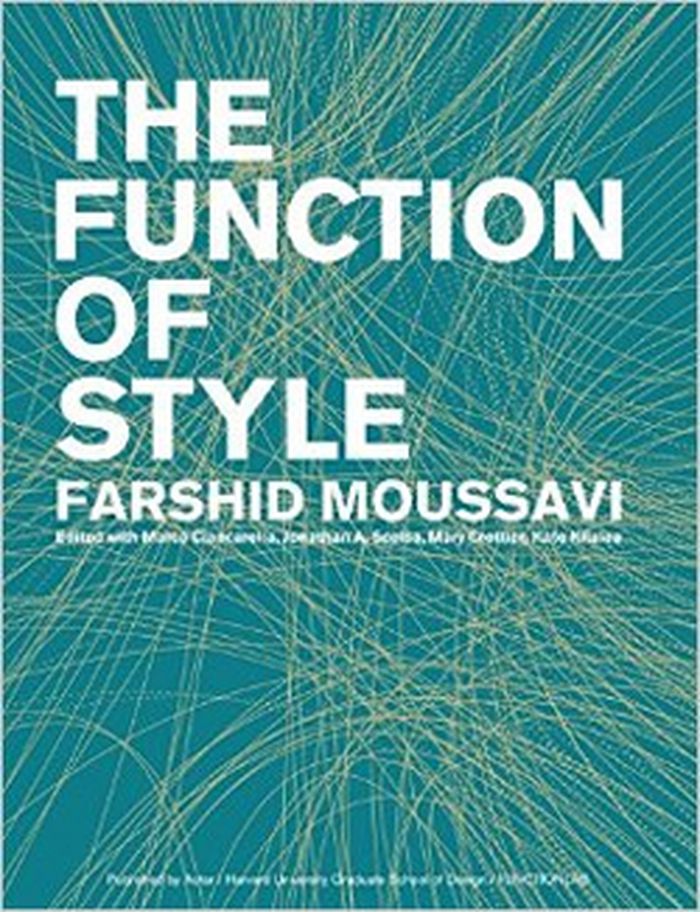
The Function of Style presents the architectural landscape as an intricate web in which individual buildings are the product of ideas which have been appropriated from other buildings designed for the different activities of everyday life, ideas which are varied to produce singular buildings that are related to one another but also different.
$59.95
(disponible sur commande)
Résumé:
The Function of Style presents the architectural landscape as an intricate web in which individual buildings are the product of ideas which have been appropriated from other buildings designed for the different activities of everyday life, ideas which are varied to produce singular buildings that are related to one another but also different.
Titre:
The function of style
Actions:
Prix:
$59.95
(disponible sur commande)
Résumé:
The Function of Style presents the architectural landscape as an intricate web in which individual buildings are the product of ideas which have been appropriated from other buildings designed for the different activities of everyday life, ideas which are varied to produce singular buildings that are related to one another but also different.
The function of style
Actions:
Prix:
$59.95
(disponible sur commande)
Résumé:
The Function of Style presents the architectural landscape as an intricate web in which individual buildings are the product of ideas which have been appropriated from other buildings designed for the different activities of everyday life, ideas which are varied to produce singular buildings that are related to one another but also different.
Classification:
livres
livres
Publication:
juillet 2014
juillet 2014
Sujet:
Théorie de l’architecture
Théorie de l’architecture
Classification:
livres
livres
Actions:
Prix:
$52.00
(disponible sur commande)
Résumé:
A guiding model that seeks to address the relationship between the economic meltdown and the built environment in Iceland using ecological approaches. New solutions that aspire to a long-term balance between economic objectives and ecological issues. This publication derives from a case study on the built environment in the Reykjavik capital area in the light of the(...)
$52.00
(disponible sur commande)
Résumé:
A guiding model that seeks to address the relationship between the economic meltdown and the built environment in Iceland using ecological approaches. New solutions that aspire to a long-term balance between economic objectives and ecological issues. This publication derives from a case study on the built environment in the Reykjavik capital area in the light of the(...)
Titre:
Scarcity in excess: the built environment and the economic crisis in Iceland
Actions:
Prix:
$52.00
(disponible sur commande)
Résumé:
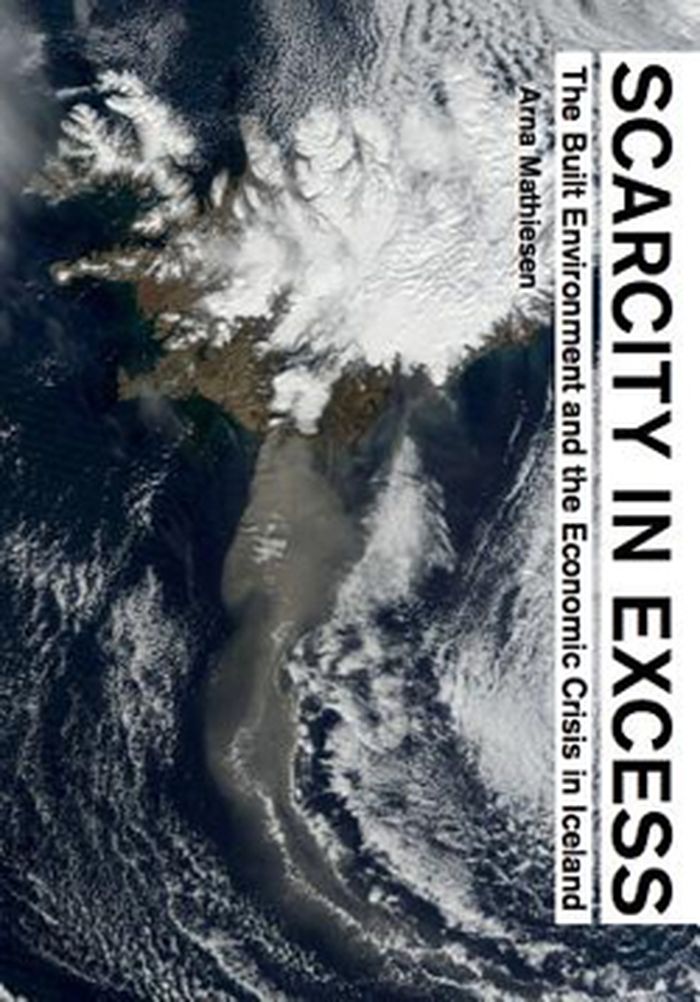
A guiding model that seeks to address the relationship between the economic meltdown and the built environment in Iceland using ecological approaches. New solutions that aspire to a long-term balance between economic objectives and ecological issues. This publication derives from a case study on the built environment in the Reykjavik capital area in the light of the financial meltdown in October 2008. It is the work of the participants in the case study and a number of invited contributors from different fields; researchers, artists and activists that offer different perspectives on the case. The case study is a part of a larger European project, Scarcity and Creativity in the built Environment (SCIBE), funded by HERA (Humanities in the European Research Area).
Scarcity in excess: the built environment and the economic crisis in Iceland
Actions:
Prix:
$52.00
(disponible sur commande)
Résumé:
A guiding model that seeks to address the relationship between the economic meltdown and the built environment in Iceland using ecological approaches. New solutions that aspire to a long-term balance between economic objectives and ecological issues. This publication derives from a case study on the built environment in the Reykjavik capital area in the light of the financial meltdown in October 2008. It is the work of the participants in the case study and a number of invited contributors from different fields; researchers, artists and activists that offer different perspectives on the case. The case study is a part of a larger European project, Scarcity and Creativity in the built Environment (SCIBE), funded by HERA (Humanities in the European Research Area).
Classification:
livres
livres
Publication:
mars 2014
mars 2014
Sujet:
Théorie de l’architecture
Théorie de l’architecture
Classification:
livres
livres
Prix:
$45.95
(disponible sur commande)
Résumé:
In July 1969, ninety-four percent of American televisions were tuned to coverage of Apollo 11's mission to the moon. How did space exploration, once the purview of rocket scientists, reach a larger audience than My Three Sons? Why did a government program whose standard operating procedure had been secrecy turn its greatest achievement into a communal experience? In (...)
$45.95
(disponible sur commande)
Résumé:
In July 1969, ninety-four percent of American televisions were tuned to coverage of Apollo 11's mission to the moon. How did space exploration, once the purview of rocket scientists, reach a larger audience than My Three Sons? Why did a government program whose standard operating procedure had been secrecy turn its greatest achievement into a communal experience? In (...)
Titre:
Marketing the moon: the selling of the Apollo lunar program
Actions:
Prix:
$45.95
(disponible sur commande)
Résumé:
In July 1969, ninety-four percent of American televisions were tuned to coverage of Apollo 11's mission to the moon. How did space exploration, once the purview of rocket scientists, reach a larger audience than My Three Sons? Why did a government program whose standard operating procedure had been secrecy turn its greatest achievement into a communal experience? In Marketing the Moon, David Meerman Scott and Richard Jurek tell the story of one of the most successful marketing and public relations campaigns in history: the selling of the Apollo program.
Marketing the moon: the selling of the Apollo lunar program
Actions:
Prix:
$45.95
(disponible sur commande)
Résumé:
In July 1969, ninety-four percent of American televisions were tuned to coverage of Apollo 11's mission to the moon. How did space exploration, once the purview of rocket scientists, reach a larger audience than My Three Sons? Why did a government program whose standard operating procedure had been secrecy turn its greatest achievement into a communal experience? In Marketing the Moon, David Meerman Scott and Richard Jurek tell the story of one of the most successful marketing and public relations campaigns in history: the selling of the Apollo program.
Classification:
livres
livres
Publication:
mars 2014
mars 2014
Sujet:
Théorie de l’architecture
Théorie de l’architecture
Classification:
livres
livres
Titre:
Natural capitalism
Natural capitalism
Actions:
Prix:
$23.99
(disponible sur commande)
Résumé:
This book reveals how today's global businesses can be both environmentally responsible and highly profitable.
$23.99
(disponible sur commande)
Résumé:
This book reveals how today's global businesses can be both environmentally responsible and highly profitable.
Titre:
Natural capitalism
Actions:
Prix:
$23.99
(disponible sur commande)
Résumé:
This book reveals how today's global businesses can be both environmentally responsible and highly profitable.
Natural capitalism
Actions:
Prix:
$23.99
(disponible sur commande)
Résumé:
This book reveals how today's global businesses can be both environmentally responsible and highly profitable.
Classification:
livres
livres
Publication:
mars 2002
mars 2002
Sujet:
Théorie de l’architecture
Théorie de l’architecture


