


2227 Résultats
Classification:
livres
livres
Actions:
Prix:
$37.95
(disponible sur commande)
Résumé:
Des Magdaléniens d'Etiolles à la porte d'Ishtar à Babylone en passant par les portiques grecs, les arcs de triomphe romains ou les portes de l'Enfer, cet essai retrace la construction de l'imaginaire de cet objet du quotidien qu'est la porte. Sous toutes ses formes, à travers l'histoire et les sociétés, elle invite à penser le dedans et le dehors, l'ouvert et le fermé, le(...)
$37.95
(disponible sur commande)
Résumé:
Des Magdaléniens d'Etiolles à la porte d'Ishtar à Babylone en passant par les portiques grecs, les arcs de triomphe romains ou les portes de l'Enfer, cet essai retrace la construction de l'imaginaire de cet objet du quotidien qu'est la porte. Sous toutes ses formes, à travers l'histoire et les sociétés, elle invite à penser le dedans et le dehors, l'ouvert et le fermé, le(...)
Publication:
novembre 2012
novembre 2012
Titre:
Ethnologie de la porte des passages et des seuils
Actions:
Prix:
$37.95
(disponible sur commande)
Résumé:
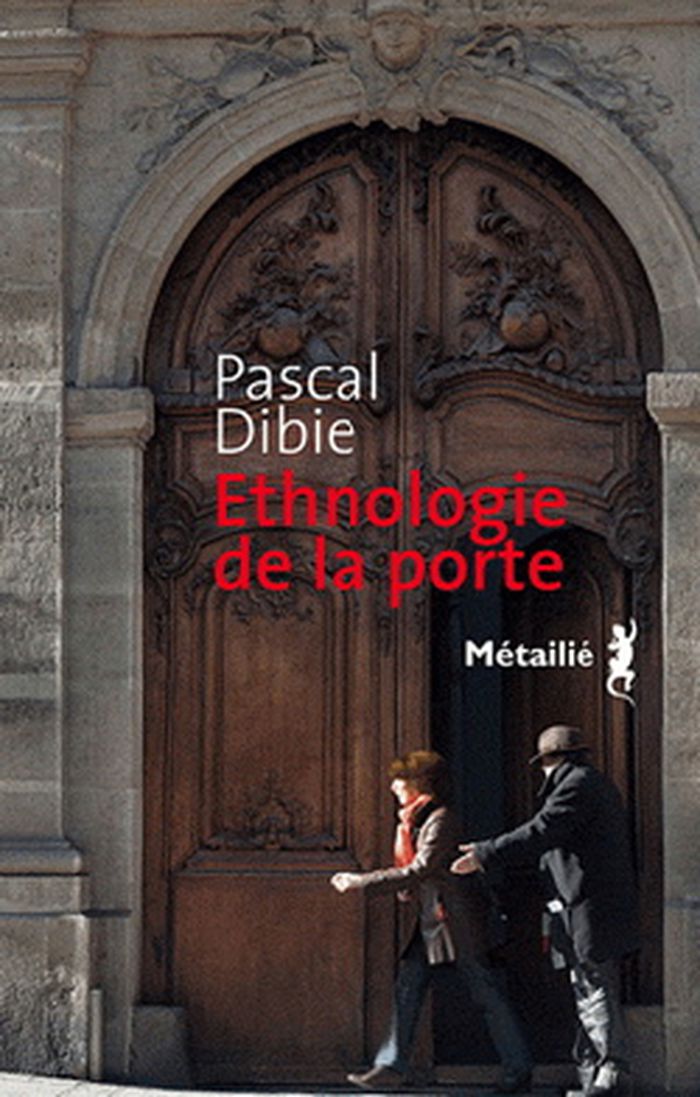
Des Magdaléniens d'Etiolles à la porte d'Ishtar à Babylone en passant par les portiques grecs, les arcs de triomphe romains ou les portes de l'Enfer, cet essai retrace la construction de l'imaginaire de cet objet du quotidien qu'est la porte. Sous toutes ses formes, à travers l'histoire et les sociétés, elle invite à penser le dedans et le dehors, l'ouvert et le fermé, le bien-être et le danger.
Ethnologie de la porte des passages et des seuils
Actions:
Prix:
$37.95
(disponible sur commande)
Résumé:
Des Magdaléniens d'Etiolles à la porte d'Ishtar à Babylone en passant par les portiques grecs, les arcs de triomphe romains ou les portes de l'Enfer, cet essai retrace la construction de l'imaginaire de cet objet du quotidien qu'est la porte. Sous toutes ses formes, à travers l'histoire et les sociétés, elle invite à penser le dedans et le dehors, l'ouvert et le fermé, le bien-être et le danger.
Classification:
livres
livres
Publication:
novembre 2012
novembre 2012
Classification:
livres
livres
Actions:
Prix:
$34.95
(disponible sur commande)
Résumé:
Hohl a 20 ans et arpente la ville en compagie d’autres artistes en exil, tout aussi fauchés, le long d'un axe place de Clichy-La Villette ou Montmartre- Montparnasse. Gares, bordels, brasseries, dancings de troisième zone, abattoirs, banlieues et hôtels meublés où caresser ses illusions de gloire sont les points de repère de cette société de l'ombre qui passe son temps à(...)
$34.95
(disponible sur commande)
Résumé:
Hohl a 20 ans et arpente la ville en compagie d’autres artistes en exil, tout aussi fauchés, le long d'un axe place de Clichy-La Villette ou Montmartre- Montparnasse. Gares, bordels, brasseries, dancings de troisième zone, abattoirs, banlieues et hôtels meublés où caresser ses illusions de gloire sont les points de repère de cette société de l'ombre qui passe son temps à(...)
Titre:
Paris 1926: la société de minuit
Actions:
Prix:
$34.95
(disponible sur commande)
Résumé:
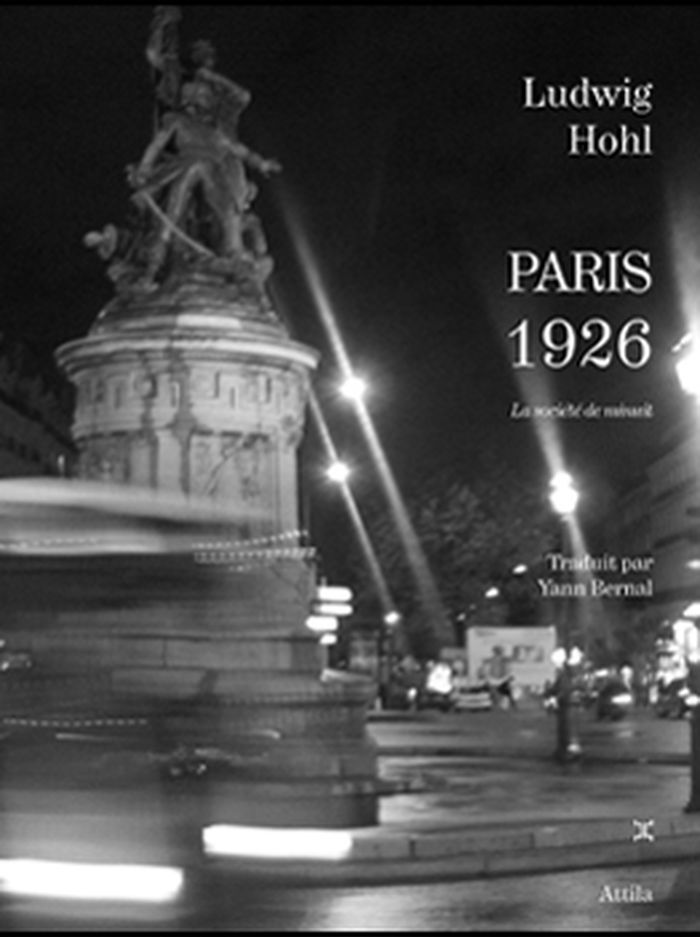
Hohl a 20 ans et arpente la ville en compagie d’autres artistes en exil, tout aussi fauchés, le long d'un axe place de Clichy-La Villette ou Montmartre- Montparnasse. Gares, bordels, brasseries, dancings de troisième zone, abattoirs, banlieues et hôtels meublés où caresser ses illusions de gloire sont les points de repère de cette société de l'ombre qui passe son temps à boire, marcher et débusquer des coins inexplorés. Mais rapidement le désir de montagne devient pour Hohl une obsession : il se prépare aux pages qu'il écrira l'été 1926 et qui seront le point de départ de son chef-d'oeuvre, Ascension. Paris 1926 est le journal, à la forme assez libre, d’artistes en formation : chaque membre du groupe informel et cosmopolite (peintre, sculpteur, architecte, poète) apporte l'oeil et la sensibilité liés à son art, faisant profiter l'ensemble des secrets de tel immeuble, tel canal ou tel paysage. C'est aussi une ébouriffante galerie de portraits acérés et cruels, tant pour les amis de Hohl que pour les touristes en goguette ou les types de la vie parisienne.
Paris 1926: la société de minuit
Actions:
Prix:
$34.95
(disponible sur commande)
Résumé:
Hohl a 20 ans et arpente la ville en compagie d’autres artistes en exil, tout aussi fauchés, le long d'un axe place de Clichy-La Villette ou Montmartre- Montparnasse. Gares, bordels, brasseries, dancings de troisième zone, abattoirs, banlieues et hôtels meublés où caresser ses illusions de gloire sont les points de repère de cette société de l'ombre qui passe son temps à boire, marcher et débusquer des coins inexplorés. Mais rapidement le désir de montagne devient pour Hohl une obsession : il se prépare aux pages qu'il écrira l'été 1926 et qui seront le point de départ de son chef-d'oeuvre, Ascension. Paris 1926 est le journal, à la forme assez libre, d’artistes en formation : chaque membre du groupe informel et cosmopolite (peintre, sculpteur, architecte, poète) apporte l'oeil et la sensibilité liés à son art, faisant profiter l'ensemble des secrets de tel immeuble, tel canal ou tel paysage. C'est aussi une ébouriffante galerie de portraits acérés et cruels, tant pour les amis de Hohl que pour les touristes en goguette ou les types de la vie parisienne.
Classification:
livres
livres
Publication:
novembre 2012
novembre 2012
Sujet:
Théorie de l’architecture
Théorie de l’architecture
Classification:
livres
livres
Actions:
Prix:
$52.95
(disponible sur commande)
Résumé:
The Eyes of the Skin has become a classic of architectural theory and consists of two extended essays. The first surveys the historical development of the ocular-centric paradigm in western culture since the Greeks, and its impact on the experience of the world and the nature of architecture. The second examines the role of the other senses in authentic architectural(...)
$52.95
(disponible sur commande)
Résumé:
The Eyes of the Skin has become a classic of architectural theory and consists of two extended essays. The first surveys the historical development of the ocular-centric paradigm in western culture since the Greeks, and its impact on the experience of the world and the nature of architecture. The second examines the role of the other senses in authentic architectural(...)
Titre:
Pallasmaa : the eyes of the skin, architecture and the senses (3rd edition)
Actions:
Prix:
$52.95
(disponible sur commande)
Résumé:
The Eyes of the Skin has become a classic of architectural theory and consists of two extended essays. The first surveys the historical development of the ocular-centric paradigm in western culture since the Greeks, and its impact on the experience of the world and the nature of architecture. The second examines the role of the other senses in authentic architectural experiences, and points the way towards a multi-sensory architecture which facilitates a sense of belonging and integration.
Pallasmaa : the eyes of the skin, architecture and the senses (3rd edition)
Actions:
Prix:
$52.95
(disponible sur commande)
Résumé:
The Eyes of the Skin has become a classic of architectural theory and consists of two extended essays. The first surveys the historical development of the ocular-centric paradigm in western culture since the Greeks, and its impact on the experience of the world and the nature of architecture. The second examines the role of the other senses in authentic architectural experiences, and points the way towards a multi-sensory architecture which facilitates a sense of belonging and integration.
Classification:
livres
livres
Publication:
juin 2012
juin 2012
Sujet:
Théorie de l’architecture
Théorie de l’architecture
Classification:
livres
livres
Actions:
Prix:
$60.00
(disponible en magasin)
Résumé:
Today, spaces no longer represent a bourgeois haven; nor are they the sites of a classical harmony between work and leisure, private and public, the local and the global. The house is not merely a home but a position for negotiations with multiple spheres — the technological as well as the physical and the psychological. In A Topology of Everyday Constellations, Georges(...)
$60.00
(disponible en magasin)
Résumé:
Today, spaces no longer represent a bourgeois haven; nor are they the sites of a classical harmony between work and leisure, private and public, the local and the global. The house is not merely a home but a position for negotiations with multiple spheres — the technological as well as the physical and the psychological. In A Topology of Everyday Constellations, Georges(...)
Titre:
A topology of everyday constellations
Actions:
Prix:
$60.00
(disponible en magasin)
Résumé:
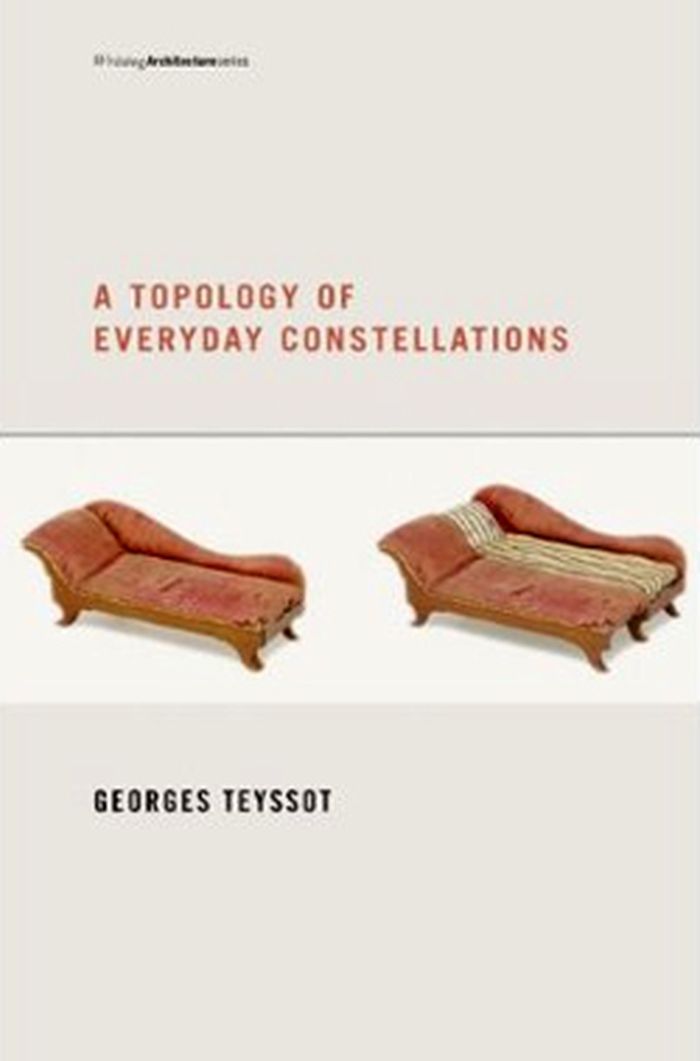
Today, spaces no longer represent a bourgeois haven; nor are they the sites of a classical harmony between work and leisure, private and public, the local and the global. The house is not merely a home but a position for negotiations with multiple spheres — the technological as well as the physical and the psychological. In A Topology of Everyday Constellations, Georges Teyssot considers the intrusion of the public sphere into private space, and the blurring of notions of interior, privacy, and intimacy in our societies. He proposes that we rethink design in terms of a new definition of the practices of everyday life. Teyssot considers the door, the window, the mirror, and the screen as thresholds or interstitial spaces that divide the world in two: the outside and the inside. Thresholds, he suggests, work both as markers of boundaries and as bridges to the exterior. The stark choice between boundary and bridge creates a middle space, an in-between that holds the possibility of exchanges and encounters. If the threshold no longer separates public from private, and if we can no longer think of the house as a bastion of privacy, Teyssot asks, does the body still inhabit the house — or does the house, evolving into a series of microdevices, inhabit the body?
A topology of everyday constellations
Actions:
Prix:
$60.00
(disponible en magasin)
Résumé:
Today, spaces no longer represent a bourgeois haven; nor are they the sites of a classical harmony between work and leisure, private and public, the local and the global. The house is not merely a home but a position for negotiations with multiple spheres — the technological as well as the physical and the psychological. In A Topology of Everyday Constellations, Georges Teyssot considers the intrusion of the public sphere into private space, and the blurring of notions of interior, privacy, and intimacy in our societies. He proposes that we rethink design in terms of a new definition of the practices of everyday life. Teyssot considers the door, the window, the mirror, and the screen as thresholds or interstitial spaces that divide the world in two: the outside and the inside. Thresholds, he suggests, work both as markers of boundaries and as bridges to the exterior. The stark choice between boundary and bridge creates a middle space, an in-between that holds the possibility of exchanges and encounters. If the threshold no longer separates public from private, and if we can no longer think of the house as a bastion of privacy, Teyssot asks, does the body still inhabit the house — or does the house, evolving into a series of microdevices, inhabit the body?
Classification:
livres
livres
Publication:
mars 2013
mars 2013
Sujet:
Théorie de l’architecture
Théorie de l’architecture
Classification:
livres
livres
Prix:
$24.95
(disponible sur commande)
Résumé:
Ce livre est le premier entretien accordé par Philippe Starck. Il nous entraîne, au gré des mots et sous la forme d'un abécédaire déstructuré, dans un univers mental, imaginatif et créatif fertile. Réflexions personnelles, expériences vécues et analyses étayées s'entremêlent et révèlent une pensée complexe, provocatrice et novatrice. Écologie et politique, jeunesse et(...)
$24.95
(disponible sur commande)
Résumé:
Ce livre est le premier entretien accordé par Philippe Starck. Il nous entraîne, au gré des mots et sous la forme d'un abécédaire déstructuré, dans un univers mental, imaginatif et créatif fertile. Réflexions personnelles, expériences vécues et analyses étayées s'entremêlent et révèlent une pensée complexe, provocatrice et novatrice. Écologie et politique, jeunesse et(...)
Titre:
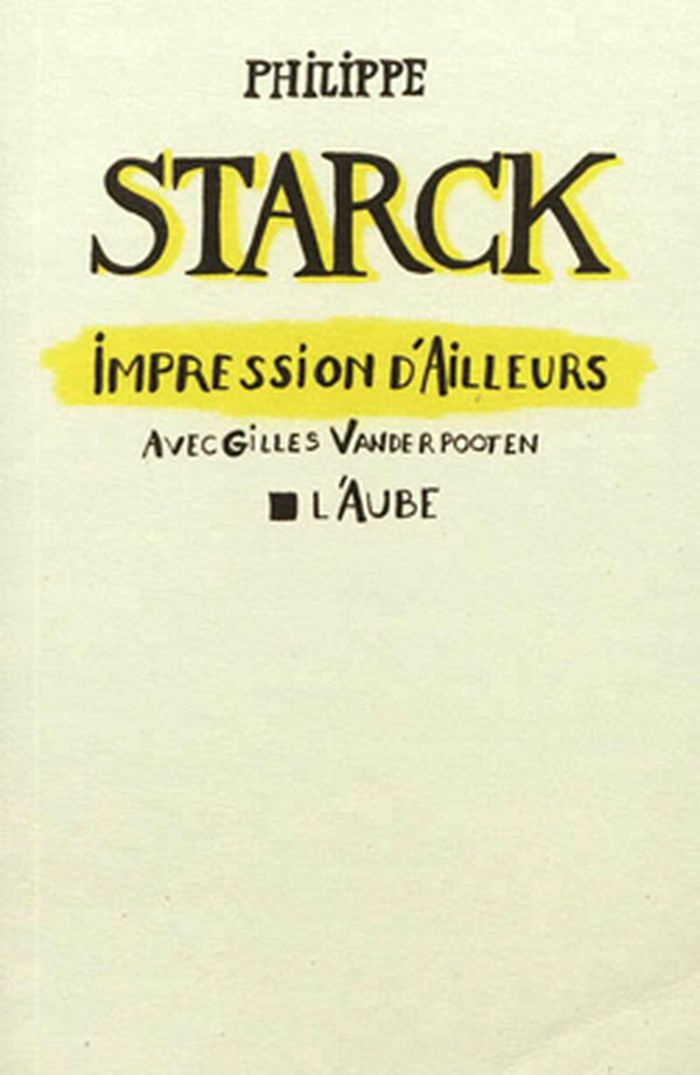
Philippe Starck : impression d'ailleurs, avec Gilles Vanderpooten
Actions:
Prix:
$24.95
(disponible sur commande)
Résumé:
Ce livre est le premier entretien accordé par Philippe Starck. Il nous entraîne, au gré des mots et sous la forme d'un abécédaire déstructuré, dans un univers mental, imaginatif et créatif fertile. Réflexions personnelles, expériences vécues et analyses étayées s'entremêlent et révèlent une pensée complexe, provocatrice et novatrice. Écologie et politique, jeunesse et culture, art et science. Philippe Starck nous livre un regard décalé et acéré sur les enjeux du monde qui vient et propose des voies pour le changer. Cet ouvrage offre une plongée dans l'esprit d'un grand créateur. Le texte circule entre autoportrait, parti pris et questionnement philosophique.
Philippe Starck : impression d'ailleurs, avec Gilles Vanderpooten
Actions:
Prix:
$24.95
(disponible sur commande)
Résumé:
Ce livre est le premier entretien accordé par Philippe Starck. Il nous entraîne, au gré des mots et sous la forme d'un abécédaire déstructuré, dans un univers mental, imaginatif et créatif fertile. Réflexions personnelles, expériences vécues et analyses étayées s'entremêlent et révèlent une pensée complexe, provocatrice et novatrice. Écologie et politique, jeunesse et culture, art et science. Philippe Starck nous livre un regard décalé et acéré sur les enjeux du monde qui vient et propose des voies pour le changer. Cet ouvrage offre une plongée dans l'esprit d'un grand créateur. Le texte circule entre autoportrait, parti pris et questionnement philosophique.
Classification:
livres
livres
Publication:
décembre 2012
décembre 2012
Sujet:
Théorie de l’architecture
Théorie de l’architecture
Classification:
livres
livres
Actions:
Prix:
$78.00
(disponible en magasin)
Résumé:
Global Ends: Towards The Beginning explores the uncertain and de-centred nature of architecture and the global/local dynamic involved in both its perception and production in a post-9/11, post-Great East Japan Earthquake world. Taking views from several accomplished architects spread across all corners of the globe (Tom Kundig, Junya Ishigami, Kerry Hill, Sean(...)
$78.00
(disponible en magasin)
Résumé:
Global Ends: Towards The Beginning explores the uncertain and de-centred nature of architecture and the global/local dynamic involved in both its perception and production in a post-9/11, post-Great East Japan Earthquake world. Taking views from several accomplished architects spread across all corners of the globe (Tom Kundig, Junya Ishigami, Kerry Hill, Sean(...)
Titre:
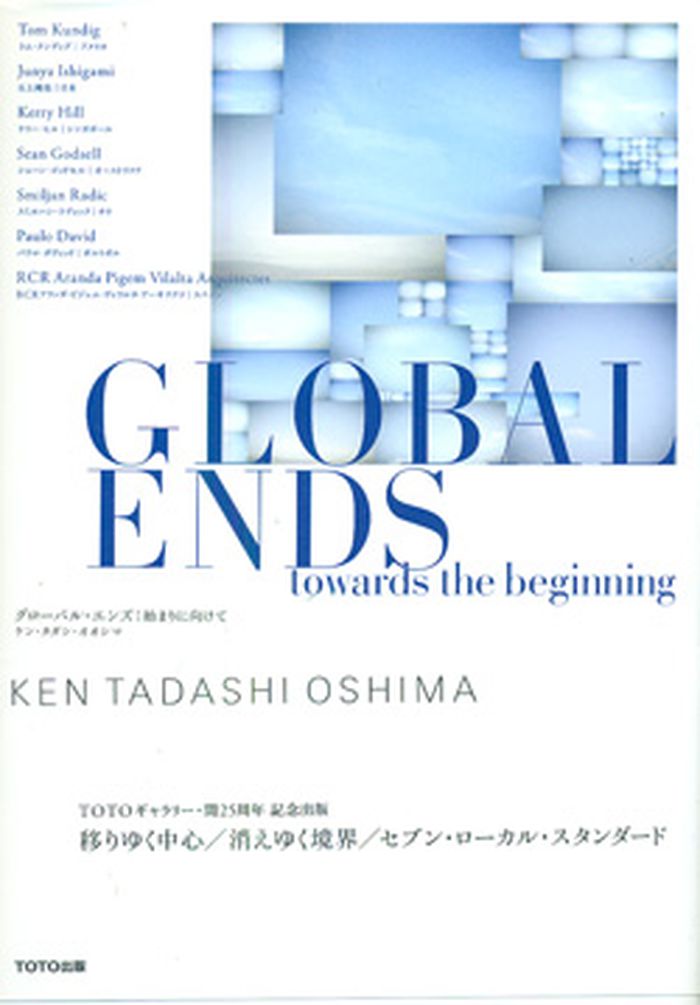
Global ends: towards the beginning
Actions:
Prix:
$78.00
(disponible en magasin)
Résumé:
Global Ends: Towards The Beginning explores the uncertain and de-centred nature of architecture and the global/local dynamic involved in both its perception and production in a post-9/11, post-Great East Japan Earthquake world. Taking views from several accomplished architects spread across all corners of the globe (Tom Kundig, Junya Ishigami, Kerry Hill, Sean Godsell, Smiljan Radic, Paulo David and RCR Aranda Pigem Vilalta Arquitectes), it focuses on the paradigm shift we are witnessing today, with collective creativity springing from far-flung regions and local solutions that are perhaps adaptable to global issues.
Global ends: towards the beginning
Actions:
Prix:
$78.00
(disponible en magasin)
Résumé:
Global Ends: Towards The Beginning explores the uncertain and de-centred nature of architecture and the global/local dynamic involved in both its perception and production in a post-9/11, post-Great East Japan Earthquake world. Taking views from several accomplished architects spread across all corners of the globe (Tom Kundig, Junya Ishigami, Kerry Hill, Sean Godsell, Smiljan Radic, Paulo David and RCR Aranda Pigem Vilalta Arquitectes), it focuses on the paradigm shift we are witnessing today, with collective creativity springing from far-flung regions and local solutions that are perhaps adaptable to global issues.
Classification:
livres
livres
Publication:
décembre 2012
décembre 2012
Sujet:
Théorie de l’architecture
Théorie de l’architecture
Classification:
livres
livres
Titre:
Architecture dispositif
Architecture dispositif
Actions:
Prix:
$42.95
(disponible sur commande)
Résumé:
De la critique théorique à l'analyse des tendances, de la théorie des objets à la scénographie ou à l'aménagement du territoire, l'architecture est toujours un projet. Elle interroge par le projet, invente formes et concepts ; participe davantage à la transformation des sujets, des manières d'être et de percevoir qu'elle ne construit des bâtiments. L'objet qu'elle partage(...)
$42.95
(disponible sur commande)
Résumé:
De la critique théorique à l'analyse des tendances, de la théorie des objets à la scénographie ou à l'aménagement du territoire, l'architecture est toujours un projet. Elle interroge par le projet, invente formes et concepts ; participe davantage à la transformation des sujets, des manières d'être et de percevoir qu'elle ne construit des bâtiments. L'objet qu'elle partage(...)
Titre:
Architecture dispositif
Actions:
Prix:
$42.95
(disponible sur commande)
Résumé:
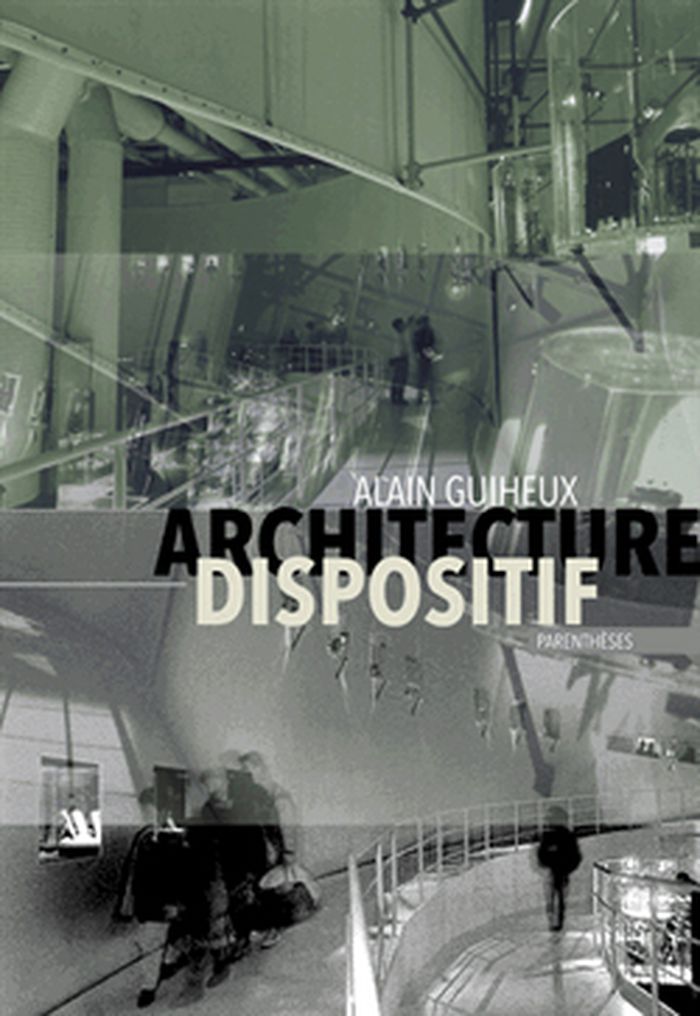
De la critique théorique à l'analyse des tendances, de la théorie des objets à la scénographie ou à l'aménagement du territoire, l'architecture est toujours un projet. Elle interroge par le projet, invente formes et concepts ; participe davantage à la transformation des sujets, des manières d'être et de percevoir qu'elle ne construit des bâtiments. L'objet qu'elle partage avec tous les producteurs de sens ou de forme est"l'invention de nous-mêmes". Le "dispositif architecture" décrit la transmutation des habitudes de faire, la disparition de notions obsolètes et la formation d'une nouvelle réalité. Cet assemblage constitue une stratégie de projet et un label, Architecture Action. Cette activité est la création de concepts, dans une signification qui rend compte aussi bien du travail de l'agence de communication que du travail de la philosophie et de la construction de nos manières de vivre. Les textes sont ainsi rassemblés, sans distinction entre les documents critiques et ceux plus directement entrelacés à des démarches de projet. La brièveté de la valeur accordée aux produits - les bâtiments et les villes se déclassent comme les objets - s'est accompagnée du déplacement de l'intérêt des architectes vers les procédures de conception : l'objet compte moins que l'appareil de sa conception.
Architecture dispositif
Actions:
Prix:
$42.95
(disponible sur commande)
Résumé:
De la critique théorique à l'analyse des tendances, de la théorie des objets à la scénographie ou à l'aménagement du territoire, l'architecture est toujours un projet. Elle interroge par le projet, invente formes et concepts ; participe davantage à la transformation des sujets, des manières d'être et de percevoir qu'elle ne construit des bâtiments. L'objet qu'elle partage avec tous les producteurs de sens ou de forme est"l'invention de nous-mêmes". Le "dispositif architecture" décrit la transmutation des habitudes de faire, la disparition de notions obsolètes et la formation d'une nouvelle réalité. Cet assemblage constitue une stratégie de projet et un label, Architecture Action. Cette activité est la création de concepts, dans une signification qui rend compte aussi bien du travail de l'agence de communication que du travail de la philosophie et de la construction de nos manières de vivre. Les textes sont ainsi rassemblés, sans distinction entre les documents critiques et ceux plus directement entrelacés à des démarches de projet. La brièveté de la valeur accordée aux produits - les bâtiments et les villes se déclassent comme les objets - s'est accompagnée du déplacement de l'intérêt des architectes vers les procédures de conception : l'objet compte moins que l'appareil de sa conception.
Classification:
livres
livres
Publication:
janvier 2013
janvier 2013
Sujet:
Théorie de l’architecture
Théorie de l’architecture
Classification:
livres
livres
Titre:
After the manifesto
After the manifesto
Actions:
Prix:
$35.00
(disponible sur commande)
Résumé:
Does the recent explosion of the architectural manifesto signal a new urgency of the form, or does it represent a hopeless effort to resuscitate something that has outlived its useful lifespan? 'After the Manifesto' brings together architects and scholars to revisit the past, present and future of the manifesto. In what ways have manifestos transformed the field over the(...)
$35.00
(disponible sur commande)
Résumé:
Does the recent explosion of the architectural manifesto signal a new urgency of the form, or does it represent a hopeless effort to resuscitate something that has outlived its useful lifespan? 'After the Manifesto' brings together architects and scholars to revisit the past, present and future of the manifesto. In what ways have manifestos transformed the field over the(...)
Titre:
After the manifesto
Actions:
Prix:
$35.00
(disponible sur commande)
Résumé:
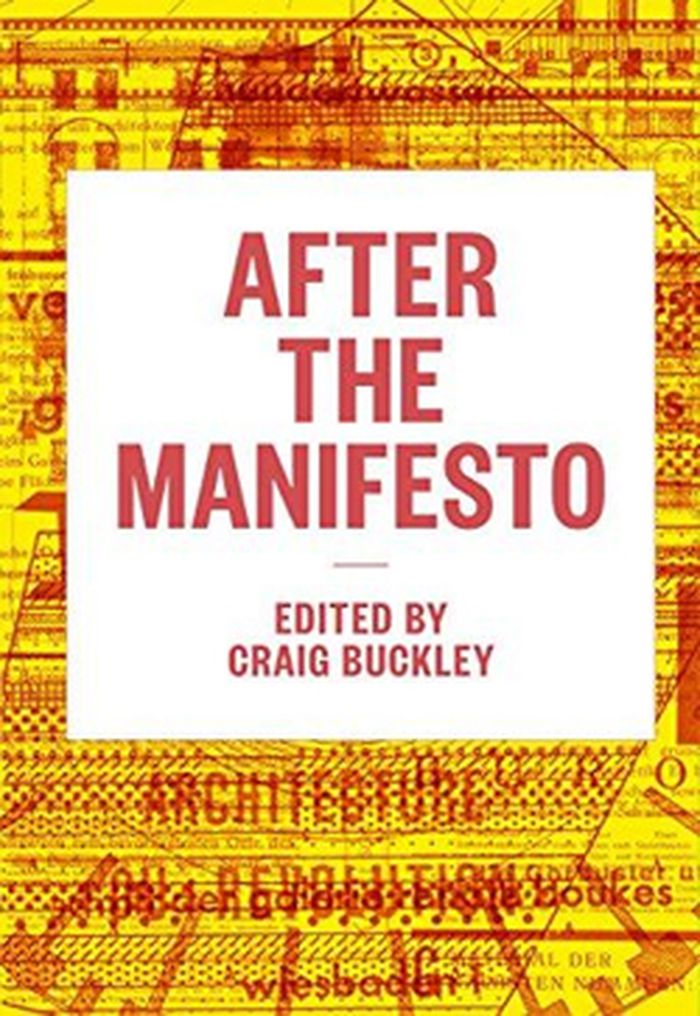
Does the recent explosion of the architectural manifesto signal a new urgency of the form, or does it represent a hopeless effort to resuscitate something that has outlived its useful lifespan? 'After the Manifesto' brings together architects and scholars to revisit the past, present and future of the manifesto. In what ways have manifestos transformed the field over the last 50 years, and in what ways has the manifesto itself been transformed by new modes of communication? Authors include Ruben Alcolea, Craig Buckley, Beatriz Colomina, Carlos Labarta, Felicity D. Scott, Bernard Tschumi, Anthony Vidler, Enrique Walker, and Mark Wigley.
After the manifesto
Actions:
Prix:
$35.00
(disponible sur commande)
Résumé:
Does the recent explosion of the architectural manifesto signal a new urgency of the form, or does it represent a hopeless effort to resuscitate something that has outlived its useful lifespan? 'After the Manifesto' brings together architects and scholars to revisit the past, present and future of the manifesto. In what ways have manifestos transformed the field over the last 50 years, and in what ways has the manifesto itself been transformed by new modes of communication? Authors include Ruben Alcolea, Craig Buckley, Beatriz Colomina, Carlos Labarta, Felicity D. Scott, Bernard Tschumi, Anthony Vidler, Enrique Walker, and Mark Wigley.
Classification:
livres
livres
Publication:
avril 2013
avril 2013
Sujet:
Théorie de l’architecture
Théorie de l’architecture
Classification:
livres
livres
Prix:
$20.00
(disponible sur commande)
Résumé:
Collecting Architecture Territories presents a research exhibition developed by Columbia's Graduate School of Architecture, (GSAPP) in collaboration with the Deste Foundation. The exhibition examined the relationship between architecture and collection, considering architecture both as an agent that organizes, supports and informs various contemporary collecting(...)
$20.00
(disponible sur commande)
Résumé:
Collecting Architecture Territories presents a research exhibition developed by Columbia's Graduate School of Architecture, (GSAPP) in collaboration with the Deste Foundation. The exhibition examined the relationship between architecture and collection, considering architecture both as an agent that organizes, supports and informs various contemporary collecting(...)
Titre:
Collecting architecture territories - Phase one report
Actions:
Prix:
$20.00
(disponible sur commande)
Résumé:
Collecting Architecture Territories presents a research exhibition developed by Columbia's Graduate School of Architecture, (GSAPP) in collaboration with the Deste Foundation. The exhibition examined the relationship between architecture and collection, considering architecture both as an agent that organizes, supports and informs various contemporary collecting practices, and as an object of collection in its own right.
Collecting architecture territories - Phase one report
Actions:
Prix:
$20.00
(disponible sur commande)
Résumé:
Collecting Architecture Territories presents a research exhibition developed by Columbia's Graduate School of Architecture, (GSAPP) in collaboration with the Deste Foundation. The exhibition examined the relationship between architecture and collection, considering architecture both as an agent that organizes, supports and informs various contemporary collecting practices, and as an object of collection in its own right.
Classification:
livres
livres
Publication:
mars 2013
mars 2013
Sujet:
Théorie de l’architecture
Théorie de l’architecture
Classification:
livres
livres
Actions:
Prix:
$28.95
(disponible sur commande)
Résumé:
The first in a series by the Sikkens Foundation, this pocket-sized publication of the Mondrian Lecture given by Charles Jencks reprints his talk in full, along with various images. Jencks discusses the possibility that architecture and well-being can have a direct correlation, exploring how architecture can influence society, business productivity, profits and hospitals.(...)
$28.95
(disponible sur commande)
Résumé:
The first in a series by the Sikkens Foundation, this pocket-sized publication of the Mondrian Lecture given by Charles Jencks reprints his talk in full, along with various images. Jencks discusses the possibility that architecture and well-being can have a direct correlation, exploring how architecture can influence society, business productivity, profits and hospitals.(...)
Titre:
Can architecture affect your health?
Actions:
Prix:
$28.95
(disponible sur commande)
Résumé:
The first in a series by the Sikkens Foundation, this pocket-sized publication of the Mondrian Lecture given by Charles Jencks reprints his talk in full, along with various images. Jencks discusses the possibility that architecture and well-being can have a direct correlation, exploring how architecture can influence society, business productivity, profits and hospitals. He elaborates with examples of architectural determinism from both ancient and modern history, with a special focus on his experience with the Maggie’s Centres – cancer care centres set up throughout Britain by Jencks and designed by famous architects – whose purpose is to experiment with these ideas.
Can architecture affect your health?
Actions:
Prix:
$28.95
(disponible sur commande)
Résumé:
The first in a series by the Sikkens Foundation, this pocket-sized publication of the Mondrian Lecture given by Charles Jencks reprints his talk in full, along with various images. Jencks discusses the possibility that architecture and well-being can have a direct correlation, exploring how architecture can influence society, business productivity, profits and hospitals. He elaborates with examples of architectural determinism from both ancient and modern history, with a special focus on his experience with the Maggie’s Centres – cancer care centres set up throughout Britain by Jencks and designed by famous architects – whose purpose is to experiment with these ideas.
Classification:
livres
livres
Publication:
janvier 2013
janvier 2013
Sujet:
Théorie de l’architecture
Théorie de l’architecture


