


3197 Résultats
Classification:
livres
livres
Prix:
$105.00
(disponible sur commande)
Résumé:
At the first mention of his name, one can easily picture them: light-flooded bungalows that are lavishly composed into nature and that characterize the architectural style of the American West Coast surrounding Los Angeles. But it is sometime overlooked that the career of Richard Neutra (1892-1970) began in Berlin-Zehlendorf. And yet these houses in Zehlendorf represent a(...)
$105.00
(disponible sur commande)
Résumé:
At the first mention of his name, one can easily picture them: light-flooded bungalows that are lavishly composed into nature and that characterize the architectural style of the American West Coast surrounding Los Angeles. But it is sometime overlooked that the career of Richard Neutra (1892-1970) began in Berlin-Zehlendorf. And yet these houses in Zehlendorf represent a(...)
Titre:
Richard Neutra: the story of the Berlin Houses, 1920-1924
Actions:
Prix:
$105.00
(disponible sur commande)
Résumé:
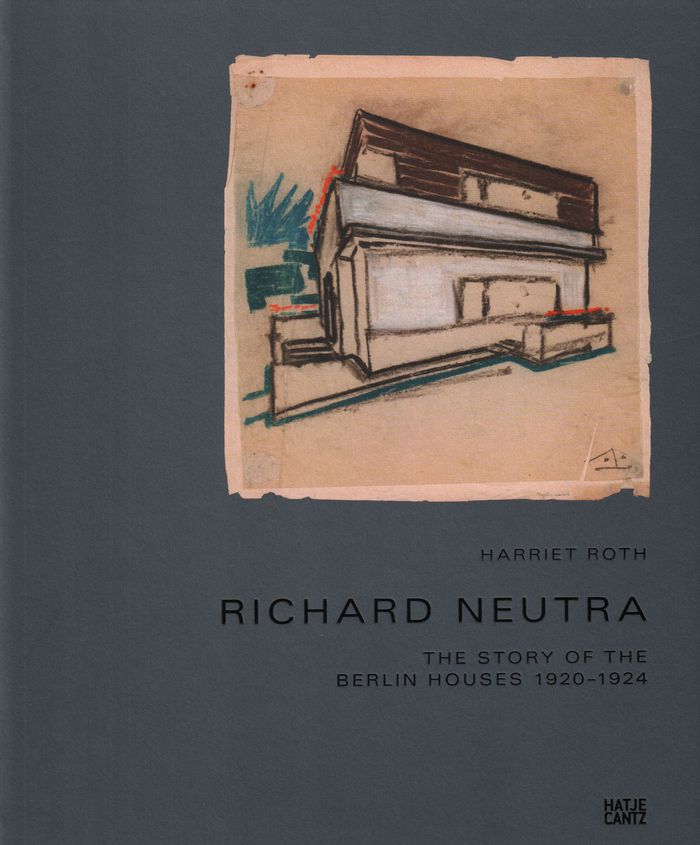
At the first mention of his name, one can easily picture them: light-flooded bungalows that are lavishly composed into nature and that characterize the architectural style of the American West Coast surrounding Los Angeles. But it is sometime overlooked that the career of Richard Neutra (1892-1970) began in Berlin-Zehlendorf. And yet these houses in Zehlendorf represent a fascinating phase in Neutra's work. With their complex colour schemes and extravagant interior design, they reveal themselves to be more than just an experimental and radically innovative design. The present publication finally provides for a rightful appreciation of Neutra's early works and, alongside historical sources, it collects countless new and unpublished documents about the houses and their first residents.
Richard Neutra: the story of the Berlin Houses, 1920-1924
Actions:
Prix:
$105.00
(disponible sur commande)
Résumé:
At the first mention of his name, one can easily picture them: light-flooded bungalows that are lavishly composed into nature and that characterize the architectural style of the American West Coast surrounding Los Angeles. But it is sometime overlooked that the career of Richard Neutra (1892-1970) began in Berlin-Zehlendorf. And yet these houses in Zehlendorf represent a fascinating phase in Neutra's work. With their complex colour schemes and extravagant interior design, they reveal themselves to be more than just an experimental and radically innovative design. The present publication finally provides for a rightful appreciation of Neutra's early works and, alongside historical sources, it collects countless new and unpublished documents about the houses and their first residents.
Classification:
livres
livres
Publication:
mai 2019
mai 2019
Sujet:
Architecture, monographies
Architecture, monographies
Classification:
livres
livres
Actions:
Prix:
$85.00
(disponible sur commande)
Résumé:
This book revisits the history of modernism in architecture through the legacy of one of its protagonists, Armenian architect Gabriel Guevrekian (c. 1900–70). Born in Istanbul, Guevrekian grew up in Tehran and then moved to Vienna to study architecture at the Kunstgewerbeschule; he later worked with Oskar Strnad, Josef Hoffmann, Adolf Loos, Henri Sauvage and Robert(...)
$85.00
(disponible sur commande)
Résumé:
This book revisits the history of modernism in architecture through the legacy of one of its protagonists, Armenian architect Gabriel Guevrekian (c. 1900–70). Born in Istanbul, Guevrekian grew up in Tehran and then moved to Vienna to study architecture at the Kunstgewerbeschule; he later worked with Oskar Strnad, Josef Hoffmann, Adolf Loos, Henri Sauvage and Robert(...)
Titre:
Gabriel Guevrekian: the elusive modernist
Actions:
Prix:
$85.00
(disponible sur commande)
Résumé:
This book revisits the history of modernism in architecture through the legacy of one of its protagonists, Armenian architect Gabriel Guevrekian (c. 1900–70). Born in Istanbul, Guevrekian grew up in Tehran and then moved to Vienna to study architecture at the Kunstgewerbeschule; he later worked with Oskar Strnad, Josef Hoffmann, Adolf Loos, Henri Sauvage and Robert Mallet-Stevens. Among Guevrekian’s famous designs are the Cubist Garden for Villa Noailles in France and two houses for the Vienna Werkbund exhibition. Before he turned 30, Guevrekian was recognized as one of the protagonists of the European avant-garde in Paris. During the 1930s, Guevrekian spent a few years in Iran designing public buildings. Later, after the World War II, he took up teaching positions in Europe and America. All of Guevrekian’s various pursuits, and the homes and nationalities he held in Asia, Europe and then America, led the architect to a serial adoption of personae. Guevrekian was an architect, an avant-gardist and a cosmopolitan. He made every discipline meaningful, every city central, every period epochal, simply by his own very tangible engagement with it.
Gabriel Guevrekian: the elusive modernist
Actions:
Prix:
$85.00
(disponible sur commande)
Résumé:
This book revisits the history of modernism in architecture through the legacy of one of its protagonists, Armenian architect Gabriel Guevrekian (c. 1900–70). Born in Istanbul, Guevrekian grew up in Tehran and then moved to Vienna to study architecture at the Kunstgewerbeschule; he later worked with Oskar Strnad, Josef Hoffmann, Adolf Loos, Henri Sauvage and Robert Mallet-Stevens. Among Guevrekian’s famous designs are the Cubist Garden for Villa Noailles in France and two houses for the Vienna Werkbund exhibition. Before he turned 30, Guevrekian was recognized as one of the protagonists of the European avant-garde in Paris. During the 1930s, Guevrekian spent a few years in Iran designing public buildings. Later, after the World War II, he took up teaching positions in Europe and America. All of Guevrekian’s various pursuits, and the homes and nationalities he held in Asia, Europe and then America, led the architect to a serial adoption of personae. Guevrekian was an architect, an avant-gardist and a cosmopolitan. He made every discipline meaningful, every city central, every period epochal, simply by his own very tangible engagement with it.
Classification:
livres
livres
Publication:
janvier 2021
janvier 2021
Sujet:
Architecture, monographies
Architecture, monographies
Classification:
livres
livres
Titre:
Alberto Kalach: work
Alberto Kalach: work
Actions:
Prix:
$100.00
(disponible sur commande)
Résumé:
This volume is an extensive compilation of more than 100 of TAX’s built and unbuilt projects. Illustrated with architectural photographs by Iwan Baan and Jaime Navarro as well as Kalach’s personal diagrams and drawings, this volume introduces readers to the work and vision of one of Mexico’s most acclaimed contemporary architects.
$100.00
(disponible sur commande)
Résumé:
This volume is an extensive compilation of more than 100 of TAX’s built and unbuilt projects. Illustrated with architectural photographs by Iwan Baan and Jaime Navarro as well as Kalach’s personal diagrams and drawings, this volume introduces readers to the work and vision of one of Mexico’s most acclaimed contemporary architects.
Titre:
Alberto Kalach: work
Actions:
Prix:
$100.00
(disponible sur commande)
Résumé:
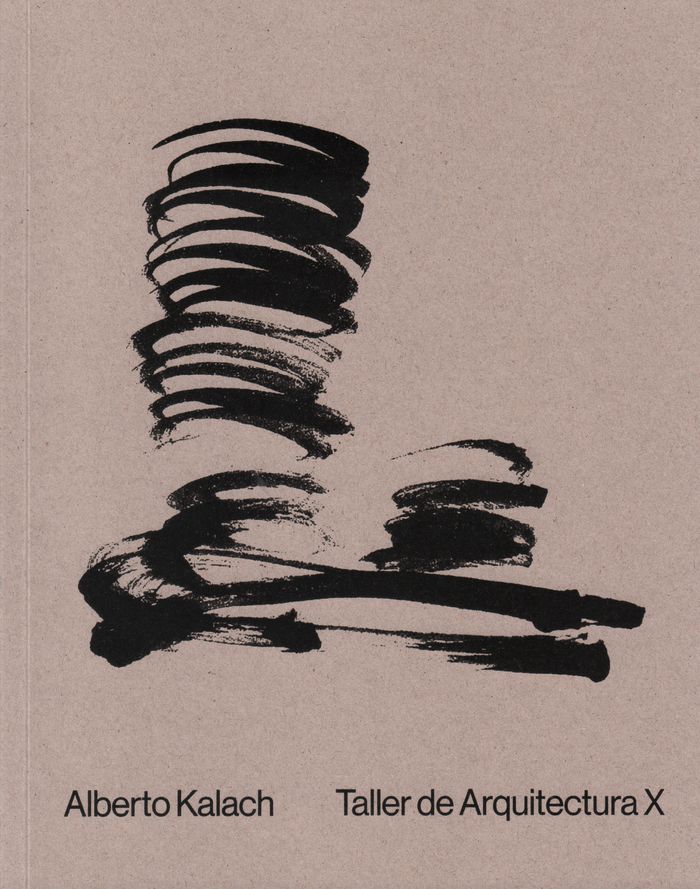
This volume is an extensive compilation of more than 100 of TAX’s built and unbuilt projects. Illustrated with architectural photographs by Iwan Baan and Jaime Navarro as well as Kalach’s personal diagrams and drawings, this volume introduces readers to the work and vision of one of Mexico’s most acclaimed contemporary architects.
Alberto Kalach: work
Actions:
Prix:
$100.00
(disponible sur commande)
Résumé:
This volume is an extensive compilation of more than 100 of TAX’s built and unbuilt projects. Illustrated with architectural photographs by Iwan Baan and Jaime Navarro as well as Kalach’s personal diagrams and drawings, this volume introduces readers to the work and vision of one of Mexico’s most acclaimed contemporary architects.
Classification:
livres
livres
Publication:
janvier 2021
janvier 2021
Sujet:
Architecture, monographies
Architecture, monographies
Classification:
livres
livres
Prix:
$110.95
(disponible sur commande)
Résumé:
Albert Kahn is probably the most important industrial architect of the 20th century. With his factory for the Ford T models, designed for mass production, he found himself at the beginning of modern industrial architecture. His industrial buildings inspired the architects of European Modernism. They were the examples by which the structural rationality of Kahn?s(...)
$110.95
(disponible sur commande)
Résumé:
Albert Kahn is probably the most important industrial architect of the 20th century. With his factory for the Ford T models, designed for mass production, he found himself at the beginning of modern industrial architecture. His industrial buildings inspired the architects of European Modernism. They were the examples by which the structural rationality of Kahn?s(...)
Titre:
Albert Kahn's industrial architecture: form follows performance
Actions:
Prix:
$110.95
(disponible sur commande)
Résumé:
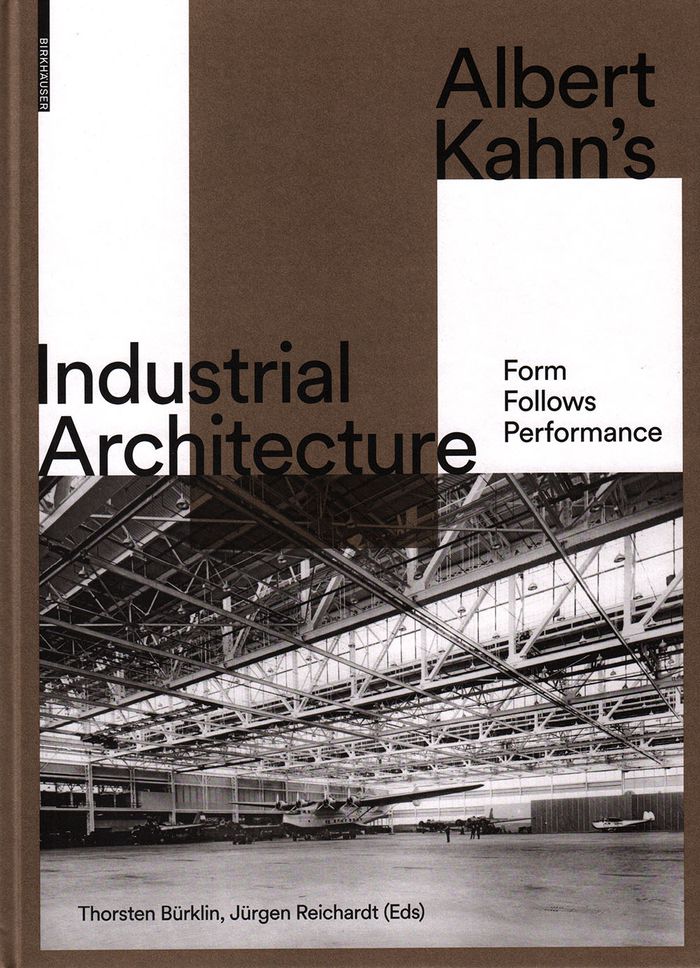
Albert Kahn is probably the most important industrial architect of the 20th century. With his factory for the Ford T models, designed for mass production, he found himself at the beginning of modern industrial architecture. His industrial buildings inspired the architects of European Modernism. They were the examples by which the structural rationality of Kahn?s industrial developments became the guiding principle for the New Building movement up until today.
Albert Kahn's industrial architecture: form follows performance
Actions:
Prix:
$110.95
(disponible sur commande)
Résumé:
Albert Kahn is probably the most important industrial architect of the 20th century. With his factory for the Ford T models, designed for mass production, he found himself at the beginning of modern industrial architecture. His industrial buildings inspired the architects of European Modernism. They were the examples by which the structural rationality of Kahn?s industrial developments became the guiding principle for the New Building movement up until today.
Classification:
livres
livres
Publication:
juin 2019
juin 2019
Sujet:
Architecture, monographies
Architecture, monographies
Classification:
livres
livres
Actions:
Prix:
$92.50
(disponible sur commande)
Résumé:
As founder of the Bauhaus school, Walter Gropius (1883?1969) is one of the icons of 20th century architecture. While his early buildings in Pomerania were still strongly marked by his teacher Peter Behrens, after an expressionistic phase focused on handicraft, he ultimately arrived at geometric abstraction. During the entire period he collaborated with other architects,(...)
$92.50
(disponible sur commande)
Résumé:
As founder of the Bauhaus school, Walter Gropius (1883?1969) is one of the icons of 20th century architecture. While his early buildings in Pomerania were still strongly marked by his teacher Peter Behrens, after an expressionistic phase focused on handicraft, he ultimately arrived at geometric abstraction. During the entire period he collaborated with other architects,(...)
Titre:
Walter Gropius: building and projects
Actions:
Prix:
$92.50
(disponible sur commande)
Résumé:
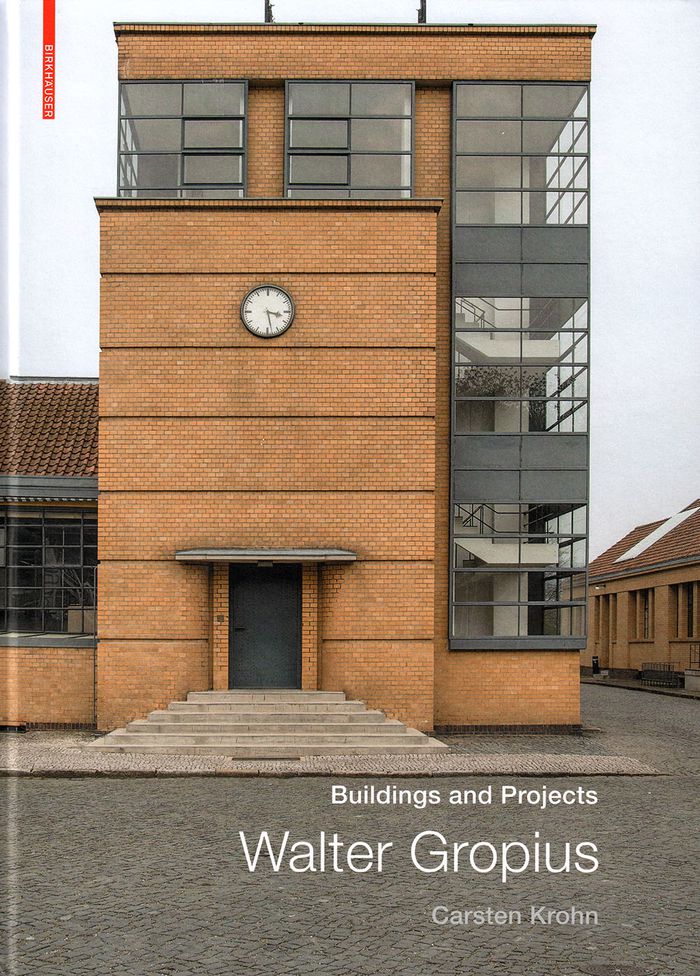
As founder of the Bauhaus school, Walter Gropius (1883?1969) is one of the icons of 20th century architecture. While his early buildings in Pomerania were still strongly marked by his teacher Peter Behrens, after an expressionistic phase focused on handicraft, he ultimately arrived at geometric abstraction. During the entire period he collaborated with other architects, founding the collective known as "The Architects Collaborative" in the US. The comprehensive monograph documents all 74 of the known buildings by Gropius that were realized, including many early works which he never publicized; but it also critically examines his unbuilt projects. The book is illustrated with new photographs by the author, historical figures, and with as new plans drawn by the author.
Walter Gropius: building and projects
Actions:
Prix:
$92.50
(disponible sur commande)
Résumé:
As founder of the Bauhaus school, Walter Gropius (1883?1969) is one of the icons of 20th century architecture. While his early buildings in Pomerania were still strongly marked by his teacher Peter Behrens, after an expressionistic phase focused on handicraft, he ultimately arrived at geometric abstraction. During the entire period he collaborated with other architects, founding the collective known as "The Architects Collaborative" in the US. The comprehensive monograph documents all 74 of the known buildings by Gropius that were realized, including many early works which he never publicized; but it also critically examines his unbuilt projects. The book is illustrated with new photographs by the author, historical figures, and with as new plans drawn by the author.
Classification:
livres
livres
Publication:
juin 2019
juin 2019
Sujet:
Architecture, monographies
Architecture, monographies
Classification:
livres
livres
Actions:
Prix:
$64.00
(disponible sur commande)
Résumé:
The Fondation Louis Vuitton by Frank O. Gehry rises from the Bois de Boulogne as a new landmark in the Parisian skyline. Gehry's dynamic architecture is both glittering and multifaceted: is it a sailing vessel, an iceberg, or a sea monster? It fascinates with its wealth of references and, at the same time, escapes any clear-cut definition. Three outstanding(...)
$64.00
(disponible sur commande)
Résumé:
The Fondation Louis Vuitton by Frank O. Gehry rises from the Bois de Boulogne as a new landmark in the Parisian skyline. Gehry's dynamic architecture is both glittering and multifaceted: is it a sailing vessel, an iceberg, or a sea monster? It fascinates with its wealth of references and, at the same time, escapes any clear-cut definition. Three outstanding(...)
Sujet:
Architecture, monographies
Architecture, monographies
Publication:
mars 2019
mars 2019
Titre:
On the good ship lollipop: Frank O. Gehry's Fondation Louis Vuitton
Actions:
Prix:
$64.00
(disponible sur commande)
Résumé:
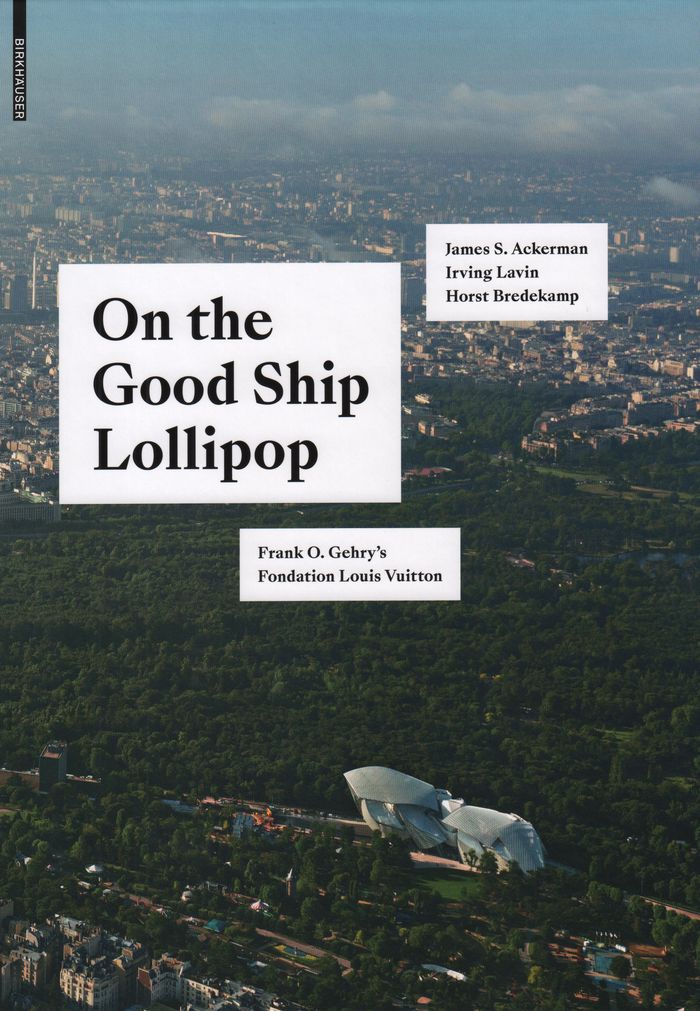
The Fondation Louis Vuitton by Frank O. Gehry rises from the Bois de Boulogne as a new landmark in the Parisian skyline. Gehry's dynamic architecture is both glittering and multifaceted: is it a sailing vessel, an iceberg, or a sea monster? It fascinates with its wealth of references and, at the same time, escapes any clear-cut definition. Three outstanding representatives of different generations of art history, James S. Ackerman, Irving Lavin, and Horst Bredekamp have together paid a visit to the Fondation Louis Vuitton. They explore the building in three essays that try to fathom the floating architecture of the "magician" Gehry in the context of both art and architectural history.
On the good ship lollipop: Frank O. Gehry's Fondation Louis Vuitton
Actions:
Prix:
$64.00
(disponible sur commande)
Résumé:
The Fondation Louis Vuitton by Frank O. Gehry rises from the Bois de Boulogne as a new landmark in the Parisian skyline. Gehry's dynamic architecture is both glittering and multifaceted: is it a sailing vessel, an iceberg, or a sea monster? It fascinates with its wealth of references and, at the same time, escapes any clear-cut definition. Three outstanding representatives of different generations of art history, James S. Ackerman, Irving Lavin, and Horst Bredekamp have together paid a visit to the Fondation Louis Vuitton. They explore the building in three essays that try to fathom the floating architecture of the "magician" Gehry in the context of both art and architectural history.
Classification:
livres
livres
Publication:
mars 2019
mars 2019
Sujet:
Architecture, monographies
Architecture, monographies
Classification:
livres
livres
Actions:
Prix:
$78.50
(disponible sur commande)
Résumé:
The extensive oeuvre of the architect Karl Schwanzer (1918-1975) is characterized by a near inexhaustible inventiveness as well as a love of the crafts and carefully selected materials. What remains of his work? What has disappeared? How does the fabric of buildings change over time? Stefan Olah has taken up the trail in search of the architect's work. As architectural(...)
$78.50
(disponible sur commande)
Résumé:
The extensive oeuvre of the architect Karl Schwanzer (1918-1975) is characterized by a near inexhaustible inventiveness as well as a love of the crafts and carefully selected materials. What remains of his work? What has disappeared? How does the fabric of buildings change over time? Stefan Olah has taken up the trail in search of the architect's work. As architectural(...)
Titre:
Karl Schwanzer: traces, a pictorial inventory
Actions:
Prix:
$78.50
(disponible sur commande)
Résumé:
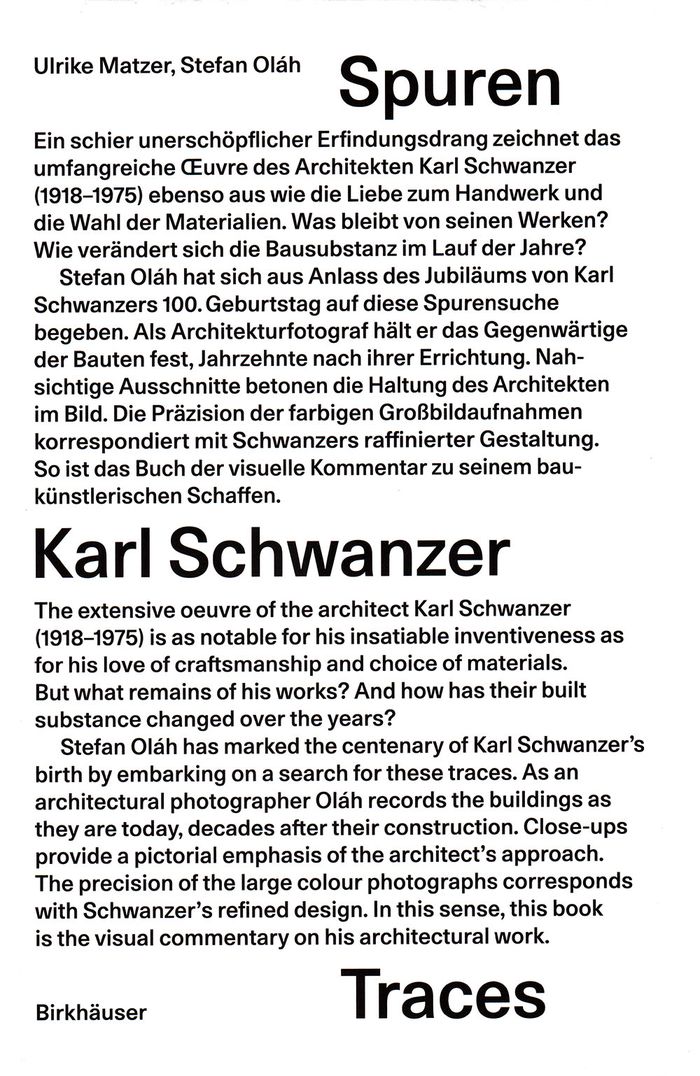
The extensive oeuvre of the architect Karl Schwanzer (1918-1975) is characterized by a near inexhaustible inventiveness as well as a love of the crafts and carefully selected materials. What remains of his work? What has disappeared? How does the fabric of buildings change over time? Stefan Olah has taken up the trail in search of the architect's work. As architectural photographer he captures current details of buildings-many years after their construction: close-ups serve to illustrate the architect's design approach. The precision of the large color photographs corresponds to Schwanzer's clever designs. The book is intended as a visual commentary on his creative designs, which include buildings and furniture.
Karl Schwanzer: traces, a pictorial inventory
Actions:
Prix:
$78.50
(disponible sur commande)
Résumé:
The extensive oeuvre of the architect Karl Schwanzer (1918-1975) is characterized by a near inexhaustible inventiveness as well as a love of the crafts and carefully selected materials. What remains of his work? What has disappeared? How does the fabric of buildings change over time? Stefan Olah has taken up the trail in search of the architect's work. As architectural photographer he captures current details of buildings-many years after their construction: close-ups serve to illustrate the architect's design approach. The precision of the large color photographs corresponds to Schwanzer's clever designs. The book is intended as a visual commentary on his creative designs, which include buildings and furniture.
Classification:
livres
livres
Publication:
janvier 2019
janvier 2019
Sujet:
Architecture, monographies
Architecture, monographies
Classification:
livres
livres
Actions:
Prix:
$49.95
(disponible sur commande)
Résumé:
The impact of Walter Gropius can be measured in his buildings—Fagus Factory, Bauhaus Dessau, Pan Am—but no less in his students. I. M. Pei, Paul Rudolph, Anni Albers, Philip Johnson, Fumihiko Maki: countless masters were once disciples at the Bauhaus in Berlin and at Harvard. Between 1910 and 1930, Gropius was at the center of European modernism and avant-garde society(...)
$49.95
(disponible sur commande)
Résumé:
The impact of Walter Gropius can be measured in his buildings—Fagus Factory, Bauhaus Dessau, Pan Am—but no less in his students. I. M. Pei, Paul Rudolph, Anni Albers, Philip Johnson, Fumihiko Maki: countless masters were once disciples at the Bauhaus in Berlin and at Harvard. Between 1910 and 1930, Gropius was at the center of European modernism and avant-garde society(...)
Titre:
Gropius: the man who built the Bauhaus
Actions:
Prix:
$49.95
(disponible sur commande)
Résumé:
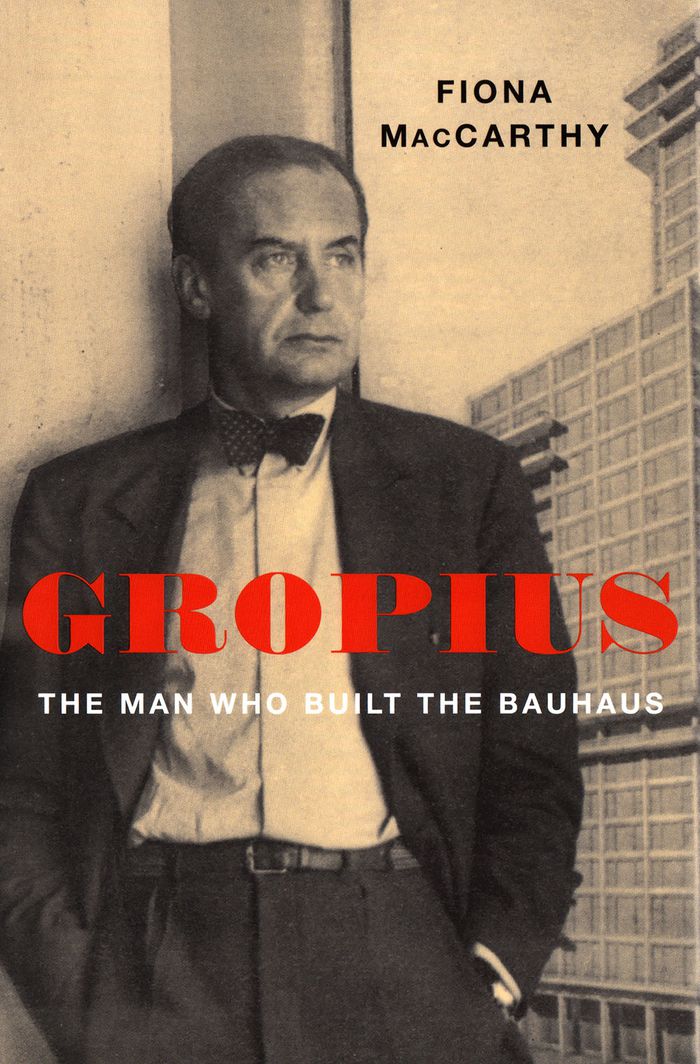
The impact of Walter Gropius can be measured in his buildings—Fagus Factory, Bauhaus Dessau, Pan Am—but no less in his students. I. M. Pei, Paul Rudolph, Anni Albers, Philip Johnson, Fumihiko Maki: countless masters were once disciples at the Bauhaus in Berlin and at Harvard. Between 1910 and 1930, Gropius was at the center of European modernism and avant-garde society glamor, only to be exiled to the antimodernist United Kingdom during the Nazi years. Later, under the democratizing influence of American universities, Gropius became an advocate of public art and cemented a starring role in twentieth-century architecture and design.
Gropius: the man who built the Bauhaus
Actions:
Prix:
$49.95
(disponible sur commande)
Résumé:
The impact of Walter Gropius can be measured in his buildings—Fagus Factory, Bauhaus Dessau, Pan Am—but no less in his students. I. M. Pei, Paul Rudolph, Anni Albers, Philip Johnson, Fumihiko Maki: countless masters were once disciples at the Bauhaus in Berlin and at Harvard. Between 1910 and 1930, Gropius was at the center of European modernism and avant-garde society glamor, only to be exiled to the antimodernist United Kingdom during the Nazi years. Later, under the democratizing influence of American universities, Gropius became an advocate of public art and cemented a starring role in twentieth-century architecture and design.
Classification:
livres
livres
Publication:
avril 2019
avril 2019
Sujet:
Architecture, monographies
Architecture, monographies
Classification:
livres
livres
Prix:
$49.95
(disponible sur commande)
Résumé:
Frank Lloyd Wright (1867–1959) took his first major trip to New York in 1909, fleeing a failed marriage and artistic stagnation. He returned a decade later, his personal life and architectural career again in crisis. Booming 1920s New York served as a refuge, but it also challenged him and resurrected his career. The city connected Wright with important clients and(...)
$49.95
(disponible sur commande)
Résumé:
Frank Lloyd Wright (1867–1959) took his first major trip to New York in 1909, fleeing a failed marriage and artistic stagnation. He returned a decade later, his personal life and architectural career again in crisis. Booming 1920s New York served as a refuge, but it also challenged him and resurrected his career. The city connected Wright with important clients and(...)
Titre:
Wright and New York: the making of America's architect
Actions:
Prix:
$49.95
(disponible sur commande)
Résumé:
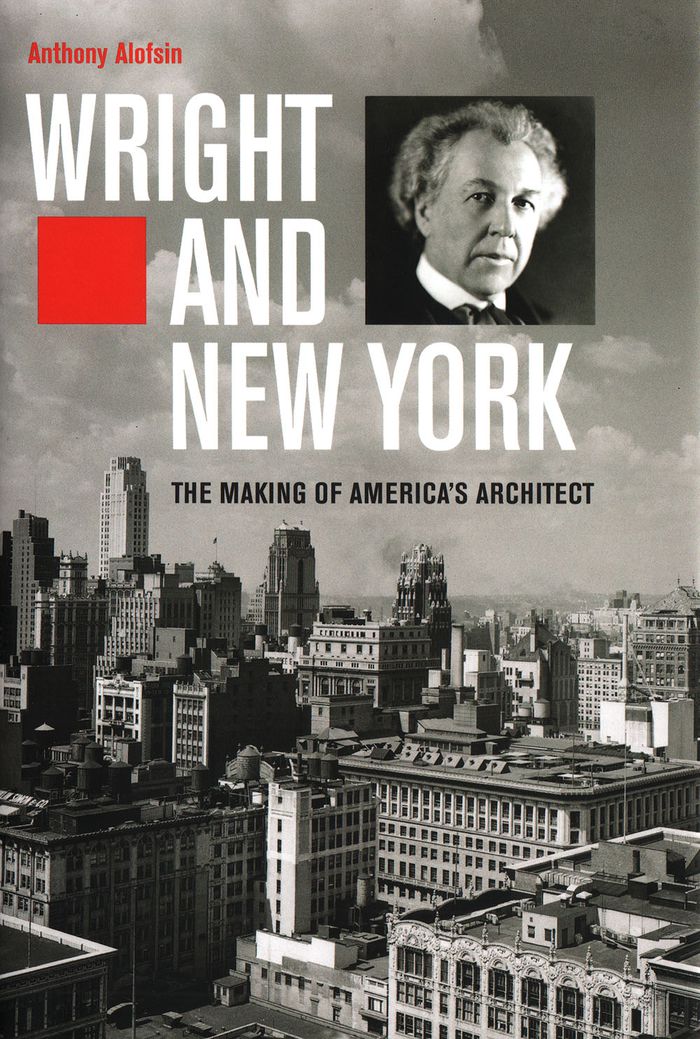
Frank Lloyd Wright (1867–1959) took his first major trip to New York in 1909, fleeing a failed marriage and artistic stagnation. He returned a decade later, his personal life and architectural career again in crisis. Booming 1920s New York served as a refuge, but it also challenged him and resurrected his career. The city connected Wright with important clients and commissions that would harness his creative energy and define his role in modern architecture, even as the stock market crash took its toll on his benefactors.
Wright and New York: the making of America's architect
Actions:
Prix:
$49.95
(disponible sur commande)
Résumé:
Frank Lloyd Wright (1867–1959) took his first major trip to New York in 1909, fleeing a failed marriage and artistic stagnation. He returned a decade later, his personal life and architectural career again in crisis. Booming 1920s New York served as a refuge, but it also challenged him and resurrected his career. The city connected Wright with important clients and commissions that would harness his creative energy and define his role in modern architecture, even as the stock market crash took its toll on his benefactors.
Classification:
livres
livres
Publication:
mai 2019
mai 2019
Sujet:
Architecture, monographies
Architecture, monographies
Classification:
livres
livres
Actions:
Prix:
$91.50
(disponible sur commande)
Résumé:
This crucial reassessment of Aldo Rossi’s (1931–1997) architecture simultaneously examines his writings, drawings, and product design, including the coffeepots and clocks he designed for the Italian firm Alessi. The first Italian to receive the Pritzker Prize, Rossi rejected modernism, seeking instead a form of architecture that could transcend the aesthetic legacy of(...)
$91.50
(disponible sur commande)
Résumé:
This crucial reassessment of Aldo Rossi’s (1931–1997) architecture simultaneously examines his writings, drawings, and product design, including the coffeepots and clocks he designed for the Italian firm Alessi. The first Italian to receive the Pritzker Prize, Rossi rejected modernism, seeking instead a form of architecture that could transcend the aesthetic legacy of(...)
Titre:
Aldo Rossi and the spirit of architecture
Actions:
Prix:
$91.50
(disponible sur commande)
Résumé:
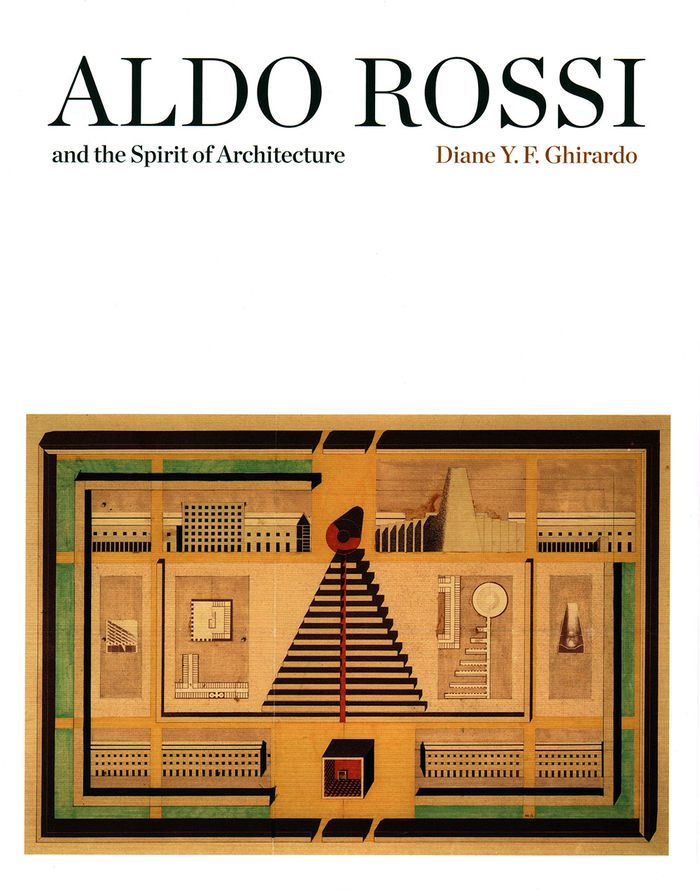
This crucial reassessment of Aldo Rossi’s (1931–1997) architecture simultaneously examines his writings, drawings, and product design, including the coffeepots and clocks he designed for the Italian firm Alessi. The first Italian to receive the Pritzker Prize, Rossi rejected modernism, seeking instead a form of architecture that could transcend the aesthetic legacy of Fascism in postwar Italy. By delving into the relationships among Rossi’s multifaceted life, his rich body of work, and his own reflections, this book provides a critical new understanding of Rossi’s buildings and the place of architecture in postwar Italy.
Aldo Rossi and the spirit of architecture
Actions:
Prix:
$91.50
(disponible sur commande)
Résumé:
This crucial reassessment of Aldo Rossi’s (1931–1997) architecture simultaneously examines his writings, drawings, and product design, including the coffeepots and clocks he designed for the Italian firm Alessi. The first Italian to receive the Pritzker Prize, Rossi rejected modernism, seeking instead a form of architecture that could transcend the aesthetic legacy of Fascism in postwar Italy. By delving into the relationships among Rossi’s multifaceted life, his rich body of work, and his own reflections, this book provides a critical new understanding of Rossi’s buildings and the place of architecture in postwar Italy.
Classification:
livres
livres
Publication:
mai 2019
mai 2019
Sujet:
Architecture, monographies
Architecture, monographies


