


182 Résultats
Classification:
livres
livres
Actions:
Prix:
$35.95
(disponible en magasin)
Résumé:
For cities around the globe mired in crisis and seeking new models for the future, Tokyo’s success at balancing between massive growth and local communal life poses a challenge: can we design other cities to emulate its best qualities? This book answers this question in the affirmative by delving into Tokyo’s most distinctive urban spaces, from iconic neon nightlife to(...)
Publication:
mai 2022
mai 2022
Titre:
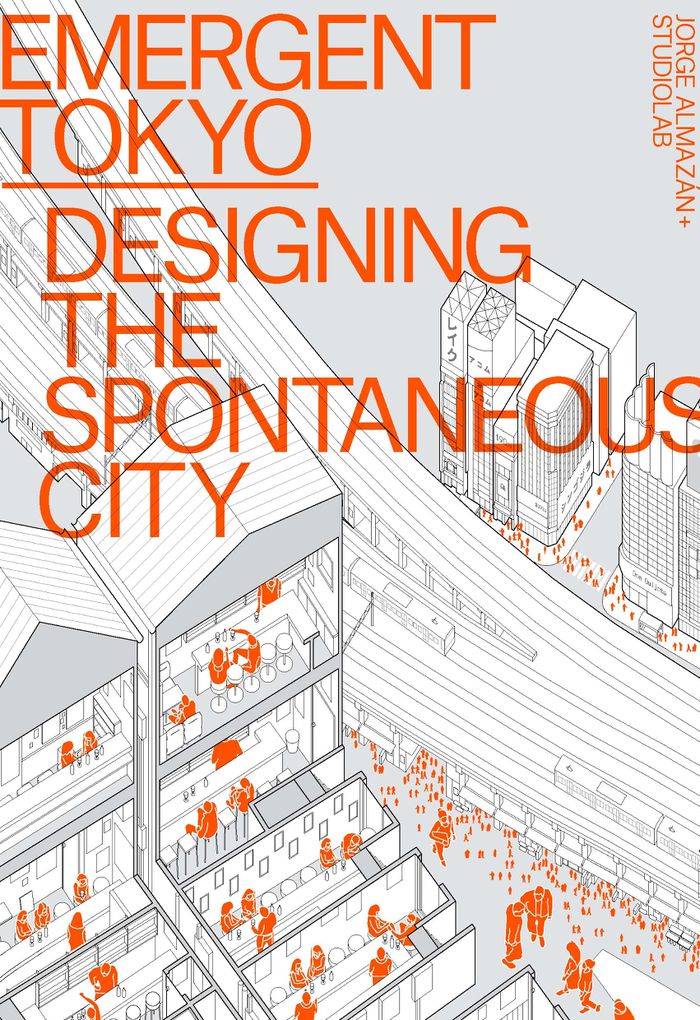
Emergent Tokyo: designing the spontaneous city
Actions:
Prix:
$35.95
(disponible en magasin)
Résumé:
For cities around the globe mired in crisis and seeking new models for the future, Tokyo’s success at balancing between massive growth and local communal life poses a challenge: can we design other cities to emulate its best qualities? This book answers this question in the affirmative by delving into Tokyo’s most distinctive urban spaces, from iconic neon nightlife to tranquil neighborhood backstreets. Tokyo at its best offers a new vision for a human-scale urban ecosystem, where ordinary residents can shape their own environment in ways large and small, and communities take on a life of their own beyond government master planning and corporate profit-seeking. This book demystifies Tokyo’s emergent urbanism for an international audience, explaining its origins, its place in today’s Tokyo, and its role in the Tokyo of tomorrow.
Classification:
livres
livres
Publication:
mai 2022
mai 2022
Classification:
livres
livres

Actions:
Prix:
$33.95
(disponible en magasin)
Résumé:
In this book, architect François Blanciak surveys the robotic faces omnipresent in Tokyo buildings, offering an architectural taxonomy based not on the usual variables—size, material, historical style—but on the observable expressions of buildings. Are the eyes (windows) twinkling, the mouth (door) laughing? Is that balcony a howl of distress? Investigating robot(...)
Titre:
Tokyoids: the robotic face of architecture
Actions:
Prix:
$33.95
(disponible en magasin)
Résumé:
In this book, architect François Blanciak surveys the robotic faces omnipresent in Tokyo buildings, offering an architectural taxonomy based not on the usual variables—size, material, historical style—but on the observable expressions of buildings. Are the eyes (windows) twinkling, the mouth (door) laughing? Is that balcony a howl of distress? Investigating robot aesthetics through his photographs of fifty buildings, Blanciak argues that the robot face originated in architecture—before the birth of robotics—and has played a central role in architectural history. Part photographic survey, part theoretical inquiry, the publication upends the usual approach to robotics in architecture by considering not the automation of architectural output but the aesthetic properties of the robot.
Classification:
livres
livres
Publication:
septembre 2022
septembre 2022


