


54 Résultats
Classification:
livres
livres
Actions:
Prix:
$31.95
(disponible sur commande)
Résumé:
Comme l'a déclaré Itô Teiji à propos de la difficulté de définir l'esthétique japonaise : « Le dilemme auquel nous sommes confrontés vient de ce que notre compréhension est intuitive et perceptuelle plutôt que rationnelle et logique. » De nombreux écrivains japonais privilégient dans la structure de leur travail une qualité d'indécision. Ce ne sont donc pas les hypothèses(...)
$31.95
(disponible sur commande)
Résumé:
Comme l'a déclaré Itô Teiji à propos de la difficulté de définir l'esthétique japonaise : « Le dilemme auquel nous sommes confrontés vient de ce que notre compréhension est intuitive et perceptuelle plutôt que rationnelle et logique. » De nombreux écrivains japonais privilégient dans la structure de leur travail une qualité d'indécision. Ce ne sont donc pas les hypothèses(...)
Titre:
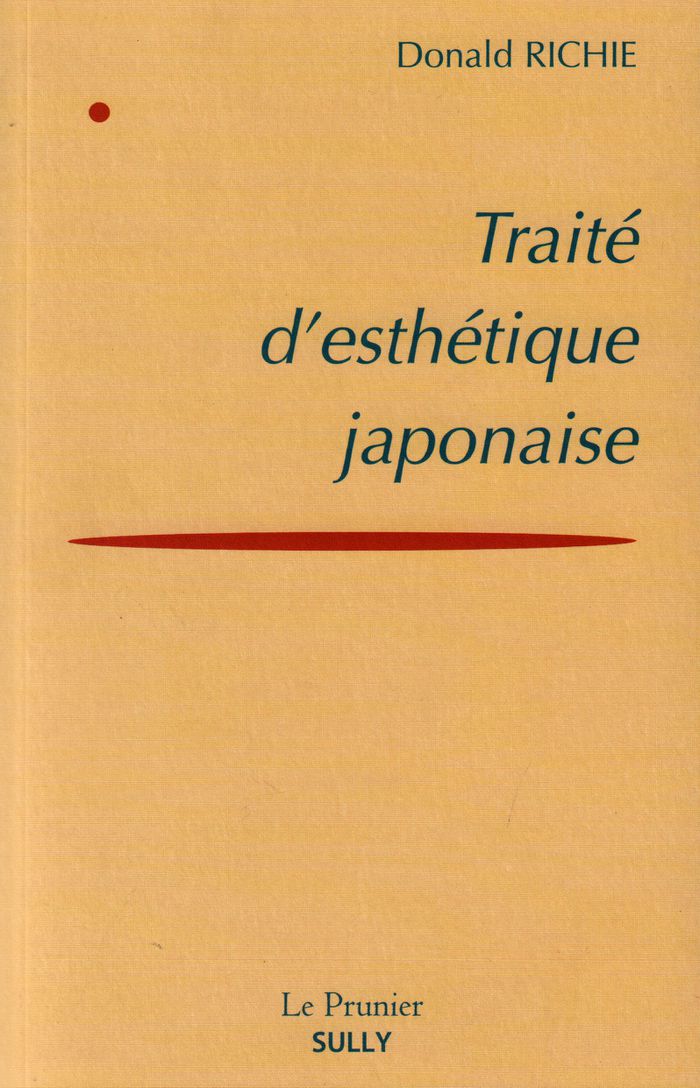
Traité d'esthétique japonaise
Actions:
Prix:
$31.95
(disponible sur commande)
Résumé:
Comme l'a déclaré Itô Teiji à propos de la difficulté de définir l'esthétique japonaise : « Le dilemme auquel nous sommes confrontés vient de ce que notre compréhension est intuitive et perceptuelle plutôt que rationnelle et logique. » De nombreux écrivains japonais privilégient dans la structure de leur travail une qualité d'indécision. Ce ne sont donc pas les hypothèses de l'« esprit qui contrôle » de l'auteur qui sont suivies mais, comme le dit l'expression japonaise, le pinceau lui-même. Le terme japonais zuihitsu, qu'on peut traduire par « essai », n'implique rien d'autre que cela : suivre le pinceau, l'autoriser à tenir les rênes. Par conséquent, il ne s'agit pas ici de s'escrimer pour arriver à des conclusions logiques. Nous chercherons plutôt à définir ces perceptions et variations de l'appréciation esthétique dans un style qui suggère le caractère très incertain de leur description.
Traité d'esthétique japonaise
Actions:
Prix:
$31.95
(disponible sur commande)
Résumé:
Comme l'a déclaré Itô Teiji à propos de la difficulté de définir l'esthétique japonaise : « Le dilemme auquel nous sommes confrontés vient de ce que notre compréhension est intuitive et perceptuelle plutôt que rationnelle et logique. » De nombreux écrivains japonais privilégient dans la structure de leur travail une qualité d'indécision. Ce ne sont donc pas les hypothèses de l'« esprit qui contrôle » de l'auteur qui sont suivies mais, comme le dit l'expression japonaise, le pinceau lui-même. Le terme japonais zuihitsu, qu'on peut traduire par « essai », n'implique rien d'autre que cela : suivre le pinceau, l'autoriser à tenir les rênes. Par conséquent, il ne s'agit pas ici de s'escrimer pour arriver à des conclusions logiques. Nous chercherons plutôt à définir ces perceptions et variations de l'appréciation esthétique dans un style qui suggère le caractère très incertain de leur description.
Classification:
livres
livres
Publication:
novembre 2016
novembre 2016
Classification:
livres
livres
Titre:
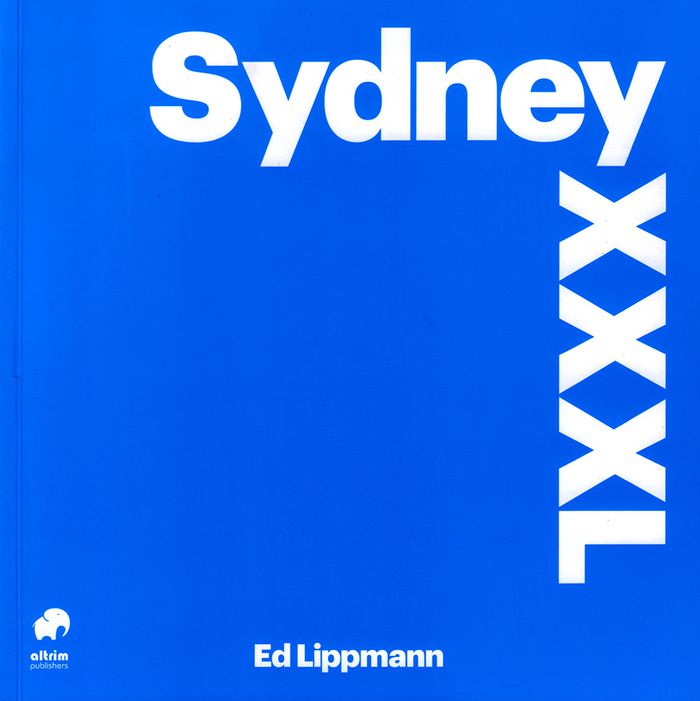
Sydney XXXL
Sydney XXXL
Actions:
Prix:
$57.95
(disponible en magasin)
Résumé:
In less than 250 years Sydney has evolved from fledgling colonial outpost to thriving global city. But behind the perfect postcard images, it is a city that struggles with its own success. This is the point of departure for renowned Sydney architect Ed Lippmann, a first-hand witness to the problems that have emerged from the city’s lack of planning who offers perspectives(...)
$57.95
(disponible en magasin)
Résumé:
In less than 250 years Sydney has evolved from fledgling colonial outpost to thriving global city. But behind the perfect postcard images, it is a city that struggles with its own success. This is the point of departure for renowned Sydney architect Ed Lippmann, a first-hand witness to the problems that have emerged from the city’s lack of planning who offers perspectives(...)
Titre:
Sydney XXXL
Actions:
Prix:
$57.95
(disponible en magasin)
Résumé:
In less than 250 years Sydney has evolved from fledgling colonial outpost to thriving global city. But behind the perfect postcard images, it is a city that struggles with its own success. This is the point of departure for renowned Sydney architect Ed Lippmann, a first-hand witness to the problems that have emerged from the city’s lack of planning who offers perspectives on how such issues might be avoided in the future. ‘Sydney XXXL’ digs deeply into the city’s history, charting the financial and political interests that shaped its development and identifying the key decisions that need to be made to accommodate future population growth in a more liveable, sustainable city.
Sydney XXXL
Actions:
Prix:
$57.95
(disponible en magasin)
Résumé:
In less than 250 years Sydney has evolved from fledgling colonial outpost to thriving global city. But behind the perfect postcard images, it is a city that struggles with its own success. This is the point of departure for renowned Sydney architect Ed Lippmann, a first-hand witness to the problems that have emerged from the city’s lack of planning who offers perspectives on how such issues might be avoided in the future. ‘Sydney XXXL’ digs deeply into the city’s history, charting the financial and political interests that shaped its development and identifying the key decisions that need to be made to accommodate future population growth in a more liveable, sustainable city.
Classification:
livres
livres
Publication:
novembre 2019
novembre 2019
Classification:
livres
livres
Actions:
Prix:
$83.00
(disponible sur commande)
Résumé:
Au Japon, un fossé générationnel, voire historique, semble s’être creusé entre les images d’une architecture traditionnelle très emblématique où le bois est le matériau de prédilection, et celles plus actuelles de projets innovants où son usage se réduit, depuis l'ère Meiji, à la fin du XIXe siècle. Les auteurs présentent l'évolution des styles architecturaux à l'aide de(...)
$83.00
(disponible sur commande)
Résumé:
Au Japon, un fossé générationnel, voire historique, semble s’être creusé entre les images d’une architecture traditionnelle très emblématique où le bois est le matériau de prédilection, et celles plus actuelles de projets innovants où son usage se réduit, depuis l'ère Meiji, à la fin du XIXe siècle. Les auteurs présentent l'évolution des styles architecturaux à l'aide de(...)
Publication:
novembre 2019
novembre 2019
Titre:
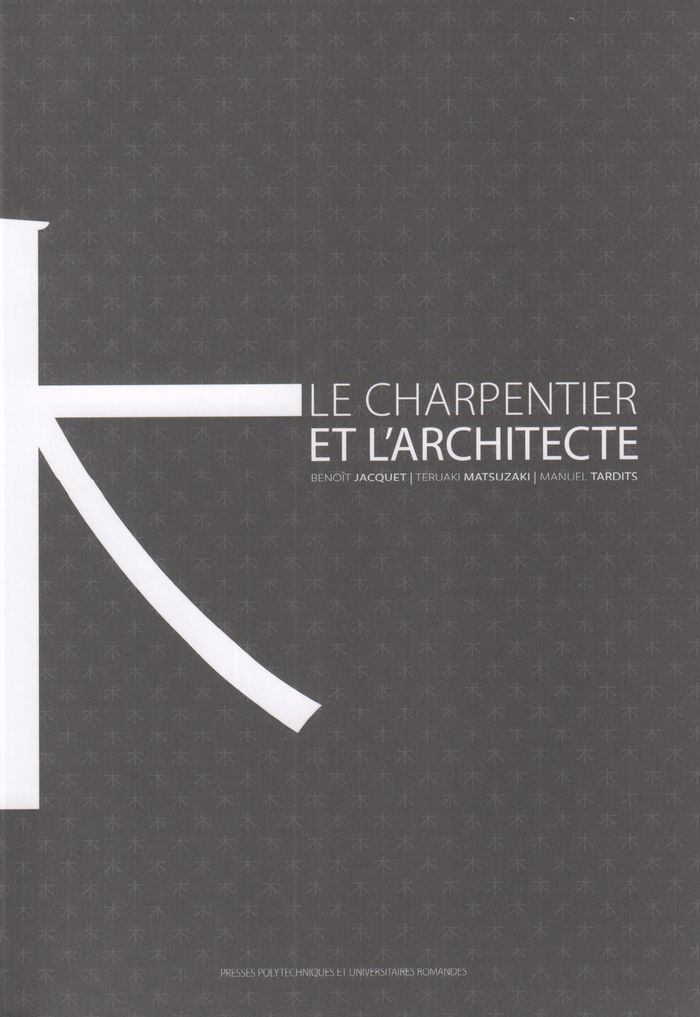
Le charpentier et l'architecte : une histoire de la construction en bois au Japon
Actions:
Prix:
$83.00
(disponible sur commande)
Résumé:
Au Japon, un fossé générationnel, voire historique, semble s’être creusé entre les images d’une architecture traditionnelle très emblématique où le bois est le matériau de prédilection, et celles plus actuelles de projets innovants où son usage se réduit, depuis l'ère Meiji, à la fin du XIXe siècle. Les auteurs présentent l'évolution des styles architecturaux à l'aide de nombreux plans et photos.
Le charpentier et l'architecte : une histoire de la construction en bois au Japon
Actions:
Prix:
$83.00
(disponible sur commande)
Résumé:
Au Japon, un fossé générationnel, voire historique, semble s’être creusé entre les images d’une architecture traditionnelle très emblématique où le bois est le matériau de prédilection, et celles plus actuelles de projets innovants où son usage se réduit, depuis l'ère Meiji, à la fin du XIXe siècle. Les auteurs présentent l'évolution des styles architecturaux à l'aide de nombreux plans et photos.
Classification:
livres
livres
Publication:
novembre 2019
novembre 2019
Classification:
livres
livres
Titre:
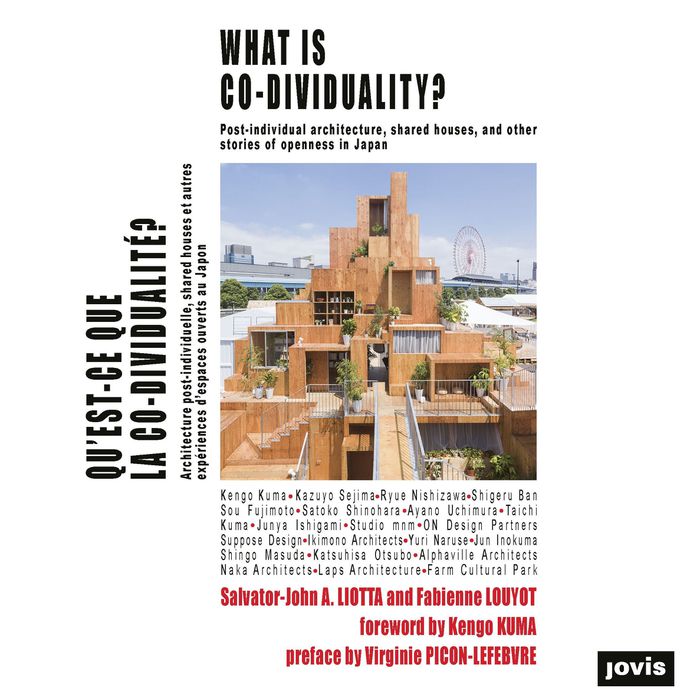
What is co-dividuality?: post-individual architecture, shared houses and other stories of openness
What is co-dividuality?: post-individual architecture, shared houses and other stories of openness
Actions:
Prix:
$48.95
(disponible sur commande)
Résumé:
This book explores the concept of co-dividuality, an architecture that expresses a new response to joint living in the age of postindividualism, social media, and the sharing economy. The focus lies on current experimentation in Japanese architecture and presents thematic homes with shared spaces designed as a result of warm, simple, fun and contemporary design(...)
$48.95
(disponible sur commande)
Résumé:
This book explores the concept of co-dividuality, an architecture that expresses a new response to joint living in the age of postindividualism, social media, and the sharing economy. The focus lies on current experimentation in Japanese architecture and presents thematic homes with shared spaces designed as a result of warm, simple, fun and contemporary design(...)
Publication:
juin 2020
juin 2020
Titre:
What is co-dividuality?: post-individual architecture, shared houses and other stories of openness
Actions:
Prix:
$48.95
(disponible sur commande)
Résumé:
This book explores the concept of co-dividuality, an architecture that expresses a new response to joint living in the age of postindividualism, social media, and the sharing economy. The focus lies on current experimentation in Japanese architecture and presents thematic homes with shared spaces designed as a result of warm, simple, fun and contemporary design reflections. In addition to their private room, the co-tenants have large common areas where they can practice urban farming, create a start-up, cook together, or experience new spatial ergonomics. The book offers an overview not only on domestic space but also on projects characterized by a multifarious mix between public and private spheres. 'What Is Co-dividuality?' reflects on how we might want to live tomorrow. The book includes projects by Kengo Kuma, Kazuyo Sejima, Ryue Nishizawa, Shigeru Ban, Sou Fujimoto, Satoko Shinohara, Ayano Uchimura, Taichi Kuma, Junya Ishigami, Suppose Design, Naruse Inokuma, and Masuda + Otsubo, among others.
What is co-dividuality?: post-individual architecture, shared houses and other stories of openness
Actions:
Prix:
$48.95
(disponible sur commande)
Résumé:
This book explores the concept of co-dividuality, an architecture that expresses a new response to joint living in the age of postindividualism, social media, and the sharing economy. The focus lies on current experimentation in Japanese architecture and presents thematic homes with shared spaces designed as a result of warm, simple, fun and contemporary design reflections. In addition to their private room, the co-tenants have large common areas where they can practice urban farming, create a start-up, cook together, or experience new spatial ergonomics. The book offers an overview not only on domestic space but also on projects characterized by a multifarious mix between public and private spheres. 'What Is Co-dividuality?' reflects on how we might want to live tomorrow. The book includes projects by Kengo Kuma, Kazuyo Sejima, Ryue Nishizawa, Shigeru Ban, Sou Fujimoto, Satoko Shinohara, Ayano Uchimura, Taichi Kuma, Junya Ishigami, Suppose Design, Naruse Inokuma, and Masuda + Otsubo, among others.
Classification:
livres
livres
Publication:
juin 2020
juin 2020
Classification:
livres
livres
Actions:
Prix:
$95.00
(disponible sur commande)
Résumé:
The development of modern architecture in Korea and, more recently, South Korea, is closely tied to the country’s dramatic transformations since the late 19th century. The authors interrogate major periods from the Late Joseon Dynasty to the vibrant democratic present, showing how architecture, by making technological and stylistic leaps, has played a important role in(...)
$95.00
(disponible sur commande)
Résumé:
The development of modern architecture in Korea and, more recently, South Korea, is closely tied to the country’s dramatic transformations since the late 19th century. The authors interrogate major periods from the Late Joseon Dynasty to the vibrant democratic present, showing how architecture, by making technological and stylistic leaps, has played a important role in(...)
Publication:
septembre 2021
septembre 2021
Titre:
Korean modern: the matter of identity. Modern architecture in an east Asian country
Actions:
Prix:
$95.00
(disponible sur commande)
Résumé:
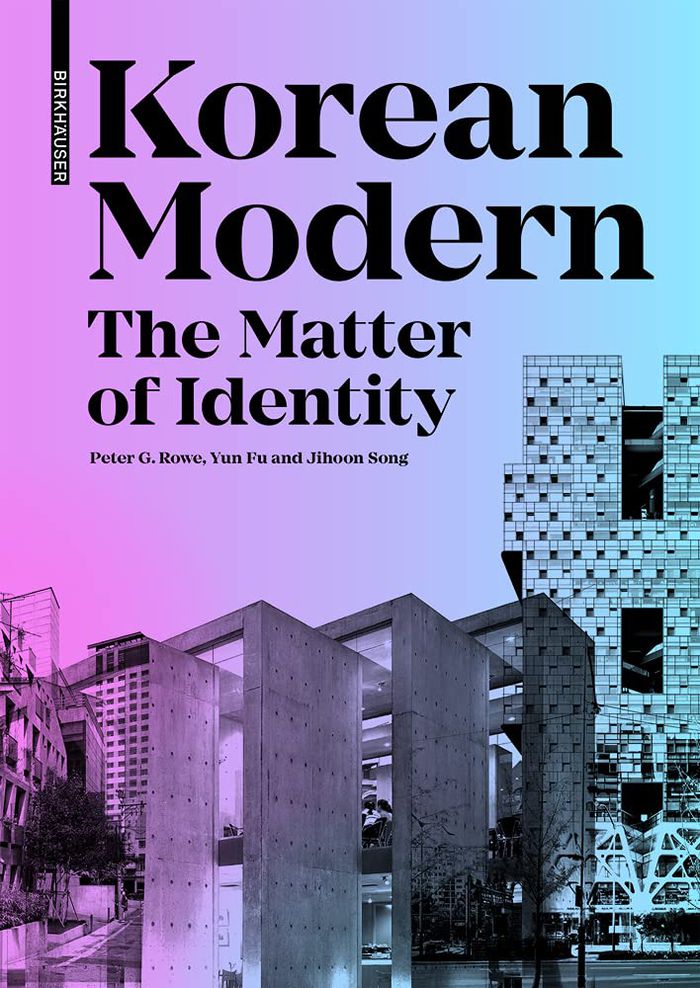
The development of modern architecture in Korea and, more recently, South Korea, is closely tied to the country’s dramatic transformations since the late 19th century. The authors interrogate major periods from the Late Joseon Dynasty to the vibrant democratic present, showing how architecture, by making technological and stylistic leaps, has played a important role in the construction of the nation’s identity. The architectural analyses, ranging from Hwaseong Fortress to 21st-century constructions like Paju Book City, Ssamziegil Shopping Center, the Boutique Monaco skyscraper, and the Bauzium Sculpture Museum, focus on buildings in which the formation of a specifically Korean modernism is particularly observable. The appendix includes biographical descriptions of major architectural figures.
Korean modern: the matter of identity. Modern architecture in an east Asian country
Actions:
Prix:
$95.00
(disponible sur commande)
Résumé:
The development of modern architecture in Korea and, more recently, South Korea, is closely tied to the country’s dramatic transformations since the late 19th century. The authors interrogate major periods from the Late Joseon Dynasty to the vibrant democratic present, showing how architecture, by making technological and stylistic leaps, has played a important role in the construction of the nation’s identity. The architectural analyses, ranging from Hwaseong Fortress to 21st-century constructions like Paju Book City, Ssamziegil Shopping Center, the Boutique Monaco skyscraper, and the Bauzium Sculpture Museum, focus on buildings in which the formation of a specifically Korean modernism is particularly observable. The appendix includes biographical descriptions of major architectural figures.
Classification:
livres
livres
Publication:
septembre 2021
septembre 2021
Classification:
livres
livres
Actions:
Prix:
$61.00
(disponible sur commande)
Résumé:
''Japan: nation building nature'' is the first book to map out the views of nature that have shaped the widely acclaimed but often misunderstood modern architecture of Japan. By connecting the dots between philosophy, design, geopolitics, and an earnest quest for a greener tomorrow, this book explains how Japanese culture can shed new light on our understanding of(...)
$61.00
(disponible sur commande)
Résumé:
''Japan: nation building nature'' is the first book to map out the views of nature that have shaped the widely acclaimed but often misunderstood modern architecture of Japan. By connecting the dots between philosophy, design, geopolitics, and an earnest quest for a greener tomorrow, this book explains how Japanese culture can shed new light on our understanding of(...)
Titre:
Japan: Nation building nature
Actions:
Prix:
$61.00
(disponible sur commande)
Résumé:
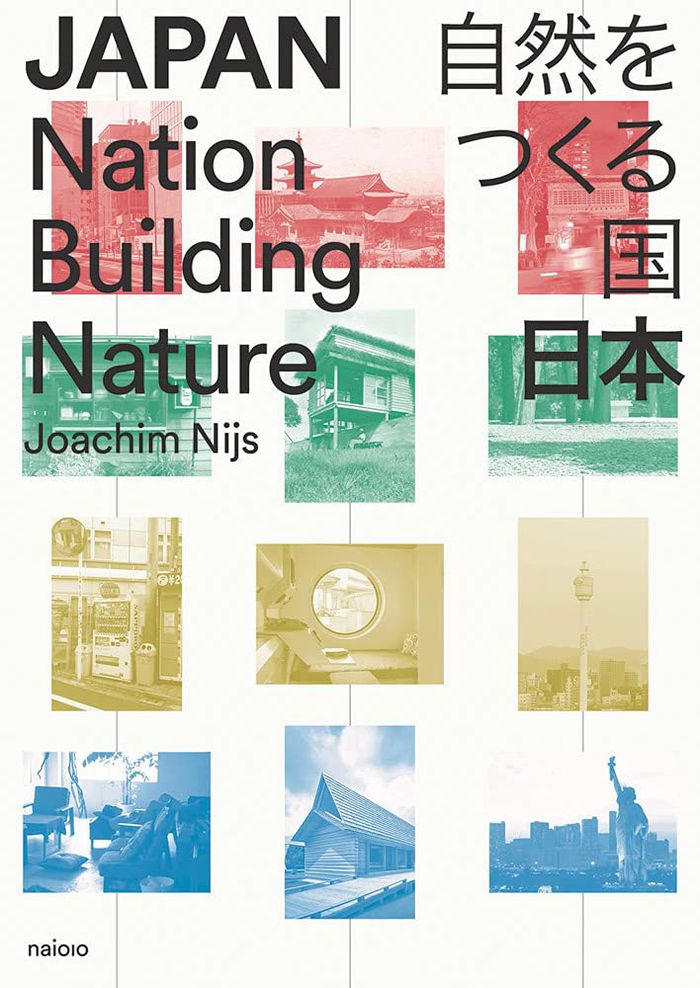
''Japan: nation building nature'' is the first book to map out the views of nature that have shaped the widely acclaimed but often misunderstood modern architecture of Japan. By connecting the dots between philosophy, design, geopolitics, and an earnest quest for a greener tomorrow, this book explains how Japanese culture can shed new light on our understanding of ecology, and vice-versa. Using a distinctive blend of academic research and personal experience, Joachim Nijs draws on architectural history to navigate Japan's complex and unique ecological ethic through the lens of four stereotypical phenomena: earthquakes, monsoon climates, nuclear erasure of life, and insularity.
Japan: Nation building nature
Actions:
Prix:
$61.00
(disponible sur commande)
Résumé:
''Japan: nation building nature'' is the first book to map out the views of nature that have shaped the widely acclaimed but often misunderstood modern architecture of Japan. By connecting the dots between philosophy, design, geopolitics, and an earnest quest for a greener tomorrow, this book explains how Japanese culture can shed new light on our understanding of ecology, and vice-versa. Using a distinctive blend of academic research and personal experience, Joachim Nijs draws on architectural history to navigate Japan's complex and unique ecological ethic through the lens of four stereotypical phenomena: earthquakes, monsoon climates, nuclear erasure of life, and insularity.
Classification:
livres
livres
Publication:
septembre 2021
septembre 2021
Classification:
livres
livres
Actions:
Prix:
$46.50
(disponible sur commande)
Résumé:
This publication looks closely on transforming existing real estate by promoting creative clusters, starting with specific architectures that are examined using an open-minded approach. What are the economic, political and design mechanisms used to build and legitimise them? What city concept is designed and built in these spaces? Can we identify recurrent features,(...)
$46.50
(disponible sur commande)
Résumé:
This publication looks closely on transforming existing real estate by promoting creative clusters, starting with specific architectures that are examined using an open-minded approach. What are the economic, political and design mechanisms used to build and legitimise them? What city concept is designed and built in these spaces? Can we identify recurrent features,(...)
Publication:
avril 2022
avril 2022
Titre:
Fun mill: The architecture of creative industry in contemporary China
Actions:
Prix:
$46.50
(disponible sur commande)
Résumé:
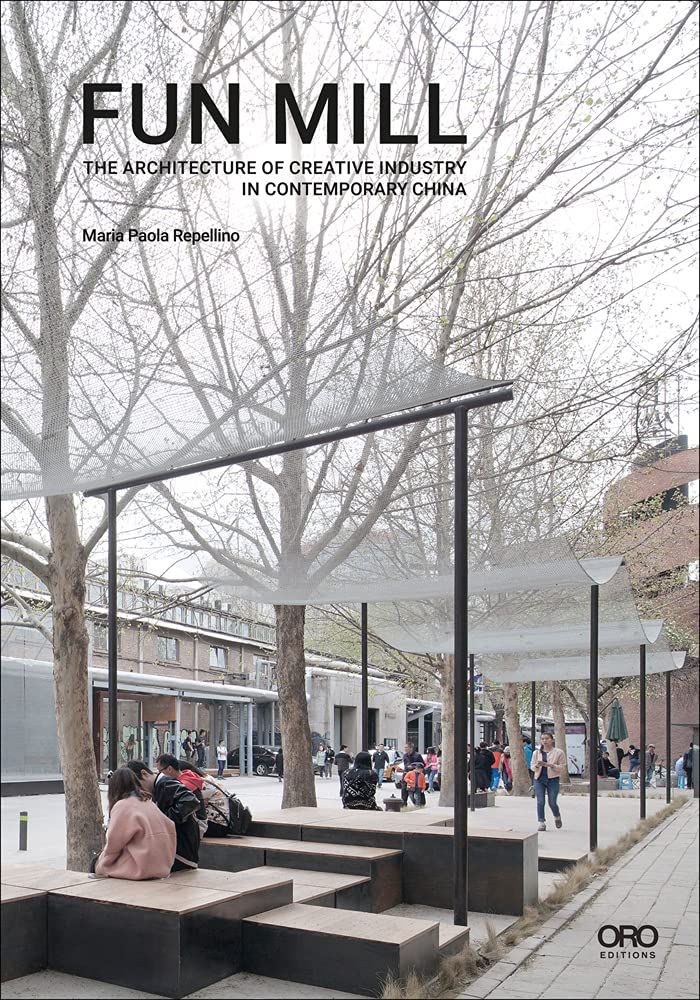
This publication looks closely on transforming existing real estate by promoting creative clusters, starting with specific architectures that are examined using an open-minded approach. What are the economic, political and design mechanisms used to build and legitimise them? What city concept is designed and built in these spaces? Can we identify recurrent features, general issues, and compositional orders and logic? The book discusses creative clusters as fertile ground for research and action involving the architectural and urban project and outlines several distinctive traits of professional and design practices in China in the last decade. In particular, the book focus on three recurrent methods used by architectural projects to reconfigure space—Collecting icons, Shifting scale, Bounding borders.
Fun mill: The architecture of creative industry in contemporary China
Actions:
Prix:
$46.50
(disponible sur commande)
Résumé:
This publication looks closely on transforming existing real estate by promoting creative clusters, starting with specific architectures that are examined using an open-minded approach. What are the economic, political and design mechanisms used to build and legitimise them? What city concept is designed and built in these spaces? Can we identify recurrent features, general issues, and compositional orders and logic? The book discusses creative clusters as fertile ground for research and action involving the architectural and urban project and outlines several distinctive traits of professional and design practices in China in the last decade. In particular, the book focus on three recurrent methods used by architectural projects to reconfigure space—Collecting icons, Shifting scale, Bounding borders.
Classification:
livres
livres
Publication:
avril 2022
avril 2022
Classification:
livres
livres
Actions:
Prix:
$120.99
(disponible sur commande)
Résumé:
This book argues that Japanese modern architecture emerged from identifiable events: political, social, economic, historical events, and is as susceptible as any other architecture to analysis and criticism in these terms. Episodic rather than encyclopaedic, this book does not describe every twist and turn in the development of modern Japanese architecture, but rather, it(...)
$120.99
(disponible sur commande)
Résumé:
This book argues that Japanese modern architecture emerged from identifiable events: political, social, economic, historical events, and is as susceptible as any other architecture to analysis and criticism in these terms. Episodic rather than encyclopaedic, this book does not describe every twist and turn in the development of modern Japanese architecture, but rather, it(...)
Titre:
20th century Japan in 20 buildings
Actions:
Prix:
$120.99
(disponible sur commande)
Résumé:
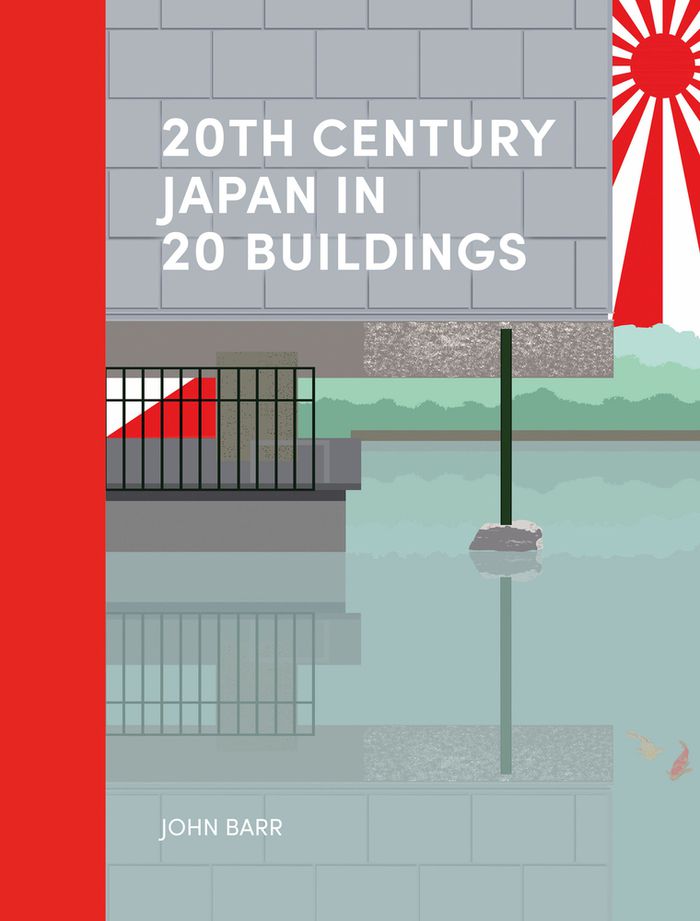
This book argues that Japanese modern architecture emerged from identifiable events: political, social, economic, historical events, and is as susceptible as any other architecture to analysis and criticism in these terms. Episodic rather than encyclopaedic, this book does not describe every twist and turn in the development of modern Japanese architecture, but rather, it examines twenty buildings spanning the 20th century and places them in the context of the political, social and economic, as well as the historical and cultural factors that shaped both them and modern Japan. Each building has been chosen because it reflects a major event in the development of modern Japan and its architecture.
20th century Japan in 20 buildings
Actions:
Prix:
$120.99
(disponible sur commande)
Résumé:
This book argues that Japanese modern architecture emerged from identifiable events: political, social, economic, historical events, and is as susceptible as any other architecture to analysis and criticism in these terms. Episodic rather than encyclopaedic, this book does not describe every twist and turn in the development of modern Japanese architecture, but rather, it examines twenty buildings spanning the 20th century and places them in the context of the political, social and economic, as well as the historical and cultural factors that shaped both them and modern Japan. Each building has been chosen because it reflects a major event in the development of modern Japan and its architecture.
Classification:
livres
livres
Publication:
juillet 2022
juillet 2022
Classification:
livres
livres
Titre:
How to make a Japanese house
How to make a Japanese house
Actions:
Prix:
$72.50
(disponible en magasin)
Résumé:
Nowhere in the world have architects built homes as small as in Japan, and nowhere have they done so with such ingenuity and success. "How to Make a Japanese House" presents 21 lessons in how to design a single-family home from three decades of architectural practice. From the Western perspective, in which more space is better space, small interiors may once have seemed(...)
$72.50
(disponible en magasin)
Résumé:
Nowhere in the world have architects built homes as small as in Japan, and nowhere have they done so with such ingenuity and success. "How to Make a Japanese House" presents 21 lessons in how to design a single-family home from three decades of architectural practice. From the Western perspective, in which more space is better space, small interiors may once have seemed(...)
Publication:
septembre 2012
septembre 2012
Titre:
How to make a Japanese house
Actions:
Prix:
$72.50
(disponible en magasin)
Résumé:
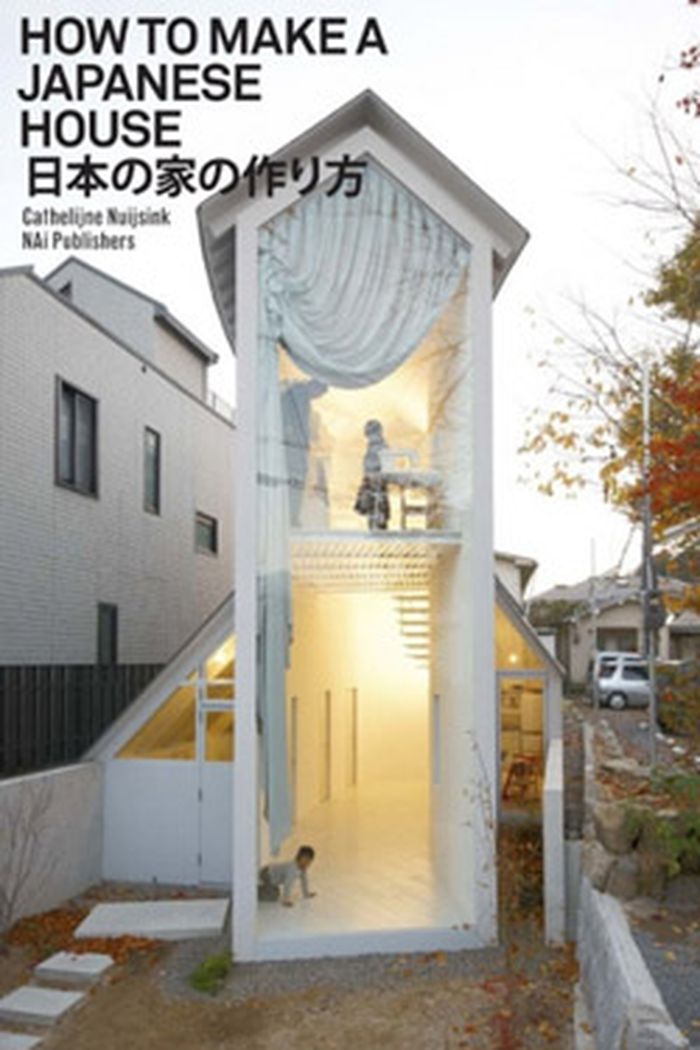
Nowhere in the world have architects built homes as small as in Japan, and nowhere have they done so with such ingenuity and success. "How to Make a Japanese House" presents 21 lessons in how to design a single-family home from three decades of architectural practice. From the Western perspective, in which more space is better space, small interiors may once have seemed undesirable, but Japanese architects have long excelled at overcoming the limitations of building in densely populated areas and creating brilliant effects of spaciousness with minimal square footage.
How to make a Japanese house
Actions:
Prix:
$72.50
(disponible en magasin)
Résumé:
Nowhere in the world have architects built homes as small as in Japan, and nowhere have they done so with such ingenuity and success. "How to Make a Japanese House" presents 21 lessons in how to design a single-family home from three decades of architectural practice. From the Western perspective, in which more space is better space, small interiors may once have seemed undesirable, but Japanese architects have long excelled at overcoming the limitations of building in densely populated areas and creating brilliant effects of spaciousness with minimal square footage.
Classification:
livres
livres
Publication:
septembre 2012
septembre 2012
Classification:
livres
livres
Actions:
Prix:
$101.95
(disponible en magasin)
Résumé:
Ce « Vocabulaire de la spatialité japonaise » est le résultat d'un projet ambitieux, porté par le réseau franco-japonais Japarchi. Elaboré depuis une demi-douzaine d'années, il a réuni soixante-quatre auteurs, tous spécialistes du Japon ou Japonais eux-mêmes, et attachés à la question si fascinante et si particulière de la spatialité au Japon. L'ouvrage s'emploie à faire(...)
$101.95
(disponible en magasin)
Résumé:
Ce « Vocabulaire de la spatialité japonaise » est le résultat d'un projet ambitieux, porté par le réseau franco-japonais Japarchi. Elaboré depuis une demi-douzaine d'années, il a réuni soixante-quatre auteurs, tous spécialistes du Japon ou Japonais eux-mêmes, et attachés à la question si fascinante et si particulière de la spatialité au Japon. L'ouvrage s'emploie à faire(...)
Titre:
Vocabulaire de la spatialité japonaise
Actions:
Prix:
$101.95
(disponible en magasin)
Résumé:
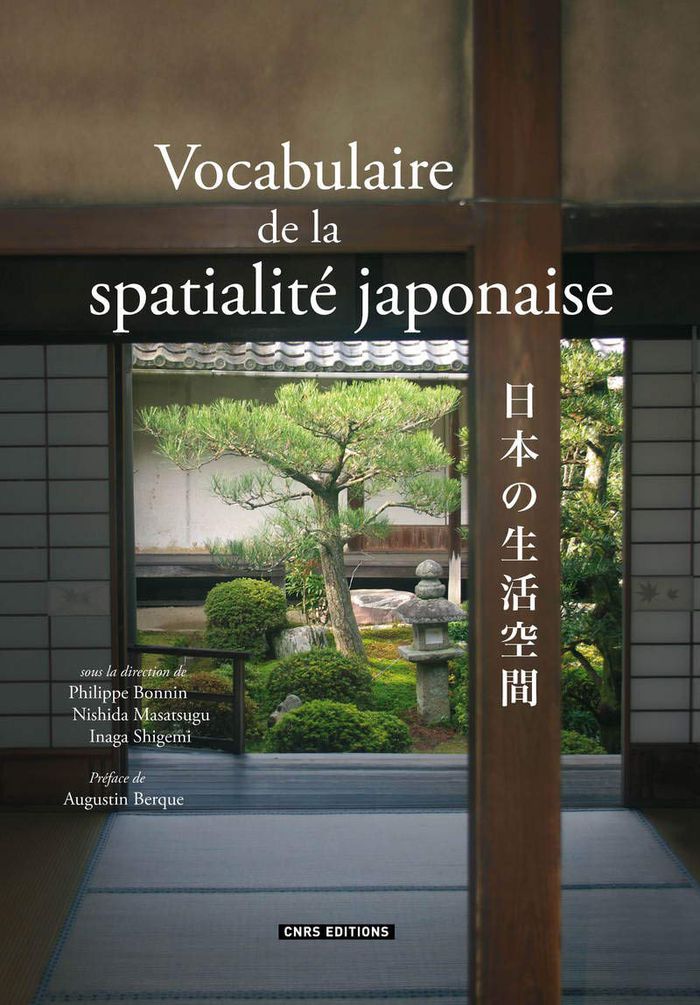
Ce « Vocabulaire de la spatialité japonaise » est le résultat d'un projet ambitieux, porté par le réseau franco-japonais Japarchi. Elaboré depuis une demi-douzaine d'années, il a réuni soixante-quatre auteurs, tous spécialistes du Japon ou Japonais eux-mêmes, et attachés à la question si fascinante et si particulière de la spatialité au Japon. L'ouvrage s'emploie à faire partager au lecteur, par petites touches, sous forme de 199 courts textes, les notions-clefs de la culture japonaise de l'espace, de l'architecture, des jardins, du pavillon de thé, des temples, sanctuaires shintôs et palais, autant que des simples hameaux et maisons populaires, de la ville dense ou des quartiers animés, du mobilier jusqu'aux aménagements du territoire, des origines anciennes jusqu'aux développements les plus contemporains, de l'espace pictural aux avatars de l'urbanité.Chacune de ces notices invite à découvrir ou à comprendre mieux, à visiter sur le terrain les lieux et les monuments, les réalisations ou les dispositifs exemplaires, grâce notamment à une importante iconographie. Des indications savamment choisies « pour en savoir plus » permettent au lecteur de prolonger sa quête, et un ensemble d'index lui facilitent la consultation et conduisent sa recherche.
Vocabulaire de la spatialité japonaise
Actions:
Prix:
$101.95
(disponible en magasin)
Résumé:
Ce « Vocabulaire de la spatialité japonaise » est le résultat d'un projet ambitieux, porté par le réseau franco-japonais Japarchi. Elaboré depuis une demi-douzaine d'années, il a réuni soixante-quatre auteurs, tous spécialistes du Japon ou Japonais eux-mêmes, et attachés à la question si fascinante et si particulière de la spatialité au Japon. L'ouvrage s'emploie à faire partager au lecteur, par petites touches, sous forme de 199 courts textes, les notions-clefs de la culture japonaise de l'espace, de l'architecture, des jardins, du pavillon de thé, des temples, sanctuaires shintôs et palais, autant que des simples hameaux et maisons populaires, de la ville dense ou des quartiers animés, du mobilier jusqu'aux aménagements du territoire, des origines anciennes jusqu'aux développements les plus contemporains, de l'espace pictural aux avatars de l'urbanité.Chacune de ces notices invite à découvrir ou à comprendre mieux, à visiter sur le terrain les lieux et les monuments, les réalisations ou les dispositifs exemplaires, grâce notamment à une importante iconographie. Des indications savamment choisies « pour en savoir plus » permettent au lecteur de prolonger sa quête, et un ensemble d'index lui facilitent la consultation et conduisent sa recherche.
Classification:
livres
livres
Publication:
avril 2014
avril 2014


