


55 Résultats
Classification:
livres
livres

Titre:
Japanese residence
Japanese residence
Actions:
Prix:
$47.50
(disponible sur commande)
Résumé:
Japanese residential buildings are known for their beautiful and cutting-edge designs, green building materials, and rugged construction quality. Japanese people boldly accept innovative design, and the academic community has greatly encouraged the innovation of residences. This has provided excellent conditions for a large number of Japanese architects to experiment with(...)
Titre:
Japanese residence
Actions:
Prix:
$47.50
(disponible sur commande)
Résumé:
Japanese residential buildings are known for their beautiful and cutting-edge designs, green building materials, and rugged construction quality. Japanese people boldly accept innovative design, and the academic community has greatly encouraged the innovation of residences. This has provided excellent conditions for a large number of Japanese architects to experiment with new approaches, and has led to Japanese housing design being a model for other countries. This book brings together more than 60 distinctive Japanese residential and interior designs. These projects illustrate designers who pay great attention to people's daily lives.
Classification:
livres
livres
Publication:
décembre 2018
décembre 2018
Classification:
livres
livres

Actions:
Prix:
$79.95
(disponible sur commande)
Résumé:
Cette publication esquisse un paysage de l'aire de jeux au Japon sans en proposer un point de vue unitaire ni viser à l'exhaustivité. Elle approche ce territoire en le distinguant de celui qu'offrent l'Europe et les États-Unis, dont il procède et révèle des aspects impensés : la question de la survie à la catastrophe, mais aussi celles du jardin et de l'environnement.
Titre:
Anthologie aires de jeux au Japon
Actions:
Prix:
$79.95
(disponible sur commande)
Résumé:
Cette publication esquisse un paysage de l'aire de jeux au Japon sans en proposer un point de vue unitaire ni viser à l'exhaustivité. Elle approche ce territoire en le distinguant de celui qu'offrent l'Europe et les États-Unis, dont il procède et révèle des aspects impensés : la question de la survie à la catastrophe, mais aussi celles du jardin et de l'environnement.
Classification:
livres
livres
Publication:
avril 2019
avril 2019
Classification:
livres
livres
Actions:
Prix:
$56.95
(disponible en magasin)
Résumé:
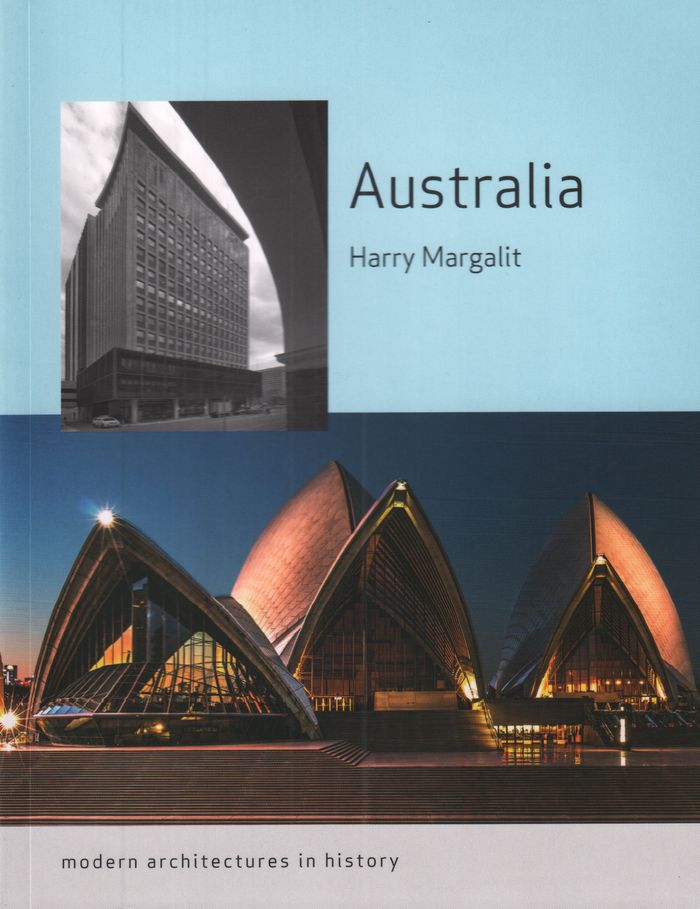
This book tells the story of the architects and buildings that have defined Australia’s architectural culture since the founding of the modern nation through Federation in 1901. That year marked the beginning of a search for better city forms and buildings to accommodate the changing realities of Australian life and to express an emerging, distinctive, and, eventually,(...)
Titre:
Australia: modern architectures in history
Actions:
Prix:
$56.95
(disponible en magasin)
Résumé:
This book tells the story of the architects and buildings that have defined Australia’s architectural culture since the founding of the modern nation through Federation in 1901. That year marked the beginning of a search for better city forms and buildings to accommodate the changing realities of Australian life and to express an emerging, distinctive, and, eventually, confident Australian identity. While Sydney and Melbourne were the settings for many of the major buildings, all states and territories developed architectural traditions based on distinctive histories and climates. Harry Margalit explores the flowering of these many architectural variants, from the bid to create a model city in Canberra, through the stylistic battles that opened a space for modernism, to the idealism of postwar reconstruction, and beyond to the new millennium. Australia reveals a vibrant and influential culture of the built environment, at its best when it matches civic idealism with the sensuality of a country of stunning light and landscapes.
Classification:
livres
livres
Publication:
décembre 2019
décembre 2019
Classification:
livres
livres
Actions:
Prix:
$31.95
(disponible sur commande)
Résumé:
Comme l'a déclaré Itô Teiji à propos de la difficulté de définir l'esthétique japonaise : « Le dilemme auquel nous sommes confrontés vient de ce que notre compréhension est intuitive et perceptuelle plutôt que rationnelle et logique. » De nombreux écrivains japonais privilégient dans la structure de leur travail une qualité d'indécision. Ce ne sont donc pas les hypothèses(...)
Titre:
Traité d'esthétique japonaise
Actions:
Prix:
$31.95
(disponible sur commande)
Résumé:
Comme l'a déclaré Itô Teiji à propos de la difficulté de définir l'esthétique japonaise : « Le dilemme auquel nous sommes confrontés vient de ce que notre compréhension est intuitive et perceptuelle plutôt que rationnelle et logique. » De nombreux écrivains japonais privilégient dans la structure de leur travail une qualité d'indécision. Ce ne sont donc pas les hypothèses de l'« esprit qui contrôle » de l'auteur qui sont suivies mais, comme le dit l'expression japonaise, le pinceau lui-même. Le terme japonais zuihitsu, qu'on peut traduire par « essai », n'implique rien d'autre que cela : suivre le pinceau, l'autoriser à tenir les rênes. Par conséquent, il ne s'agit pas ici de s'escrimer pour arriver à des conclusions logiques. Nous chercherons plutôt à définir ces perceptions et variations de l'appréciation esthétique dans un style qui suggère le caractère très incertain de leur description.
Classification:
livres
livres
Publication:
novembre 2016
novembre 2016
Classification:
livres
livres
Actions:
Prix:
$24.95
(disponible en magasin)
Résumé:
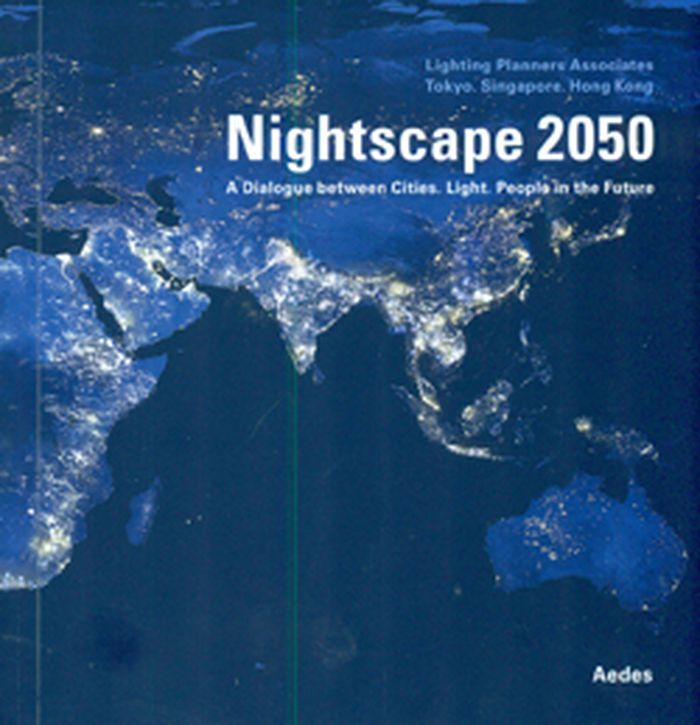
The subject of light and lighting is more relevant than ever, as evidenced by the UNESCO global celebration of 2015 as the International Year of Light. The exhibition Nightscape 2050 by Lighting Planners Associates (LPA) explores the interactions between people, light, and cities in the year 2050. For LPA the word “nightscape” does not only refer to the evening view, but(...)
Titre:
Nightscape 2050: a dialogue between cities. light. people in the future
Actions:
Prix:
$24.95
(disponible en magasin)
Résumé:
The subject of light and lighting is more relevant than ever, as evidenced by the UNESCO global celebration of 2015 as the International Year of Light. The exhibition Nightscape 2050 by Lighting Planners Associates (LPA) explores the interactions between people, light, and cities in the year 2050. For LPA the word “nightscape” does not only refer to the evening view, but also includes the individual: “nightscape = humans and cities at night.” The emergence of new light sources such as LEDs, OLEDs, and lasers as well as the evolution of lighting-control technology in the 21st century may dramatically change our living environment. At the same time, numerous natural disasters, manmade disasters, and environmental changes have forced a discussion on how to approach energy consumption including how to power lighting.
Classification:
livres
livres
Publication:
août 2015
août 2015


