


120 Résultats
Classification:
périodiques
périodiques
Actions:
Prix:
$55.00
(disponible sur commande)
Résumé:
Inside Smartgeometry can be seen as a retroactive manifesto for SG, examining and contextualising the work of the SG community : the digital spaces, prototypes and buildings designed using bespoke tools created in response to architectural ideas. From interactive crowd-sourcing tools to responsive agent-based systems to complex digitally fabricated structures, it explores(...)
$55.00
(disponible sur commande)
Résumé:
Inside Smartgeometry can be seen as a retroactive manifesto for SG, examining and contextualising the work of the SG community : the digital spaces, prototypes and buildings designed using bespoke tools created in response to architectural ideas. From interactive crowd-sourcing tools to responsive agent-based systems to complex digitally fabricated structures, it explores(...)
Publication:
mars 2013
mars 2013
Titre:
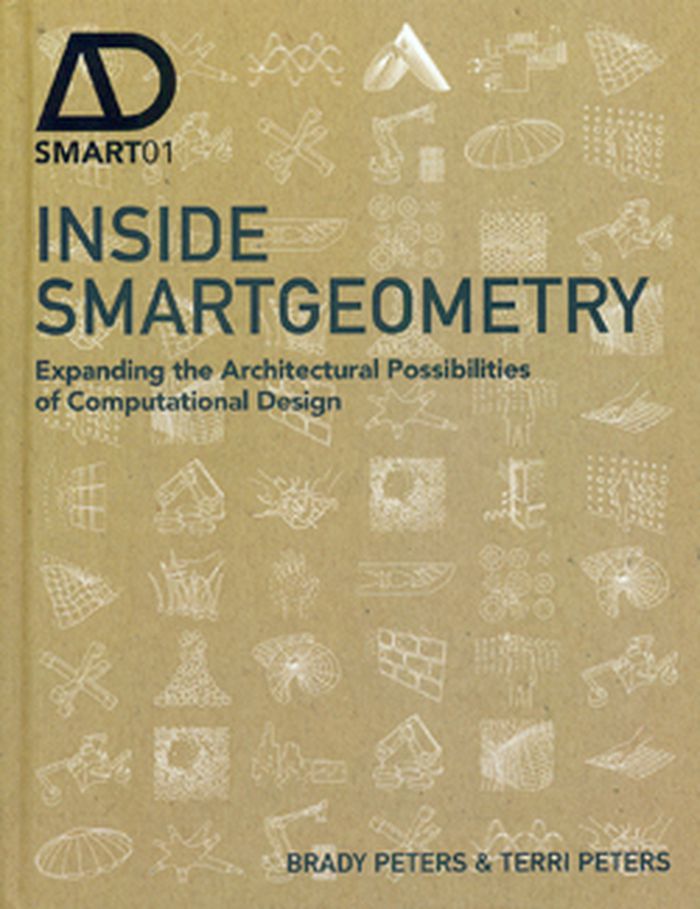
Inside smartgeometry : expanding the architectural possibilities of computational design
Actions:
Prix:
$55.00
(disponible sur commande)
Résumé:
Inside Smartgeometry can be seen as a retroactive manifesto for SG, examining and contextualising the work of the SG community : the digital spaces, prototypes and buildings designed using bespoke tools created in response to architectural ideas. From interactive crowd-sourcing tools to responsive agent-based systems to complex digitally fabricated structures, it explores more than a decade of advances that have been influential for architecture.
Inside smartgeometry : expanding the architectural possibilities of computational design
Actions:
Prix:
$55.00
(disponible sur commande)
Résumé:
Inside Smartgeometry can be seen as a retroactive manifesto for SG, examining and contextualising the work of the SG community : the digital spaces, prototypes and buildings designed using bespoke tools created in response to architectural ideas. From interactive crowd-sourcing tools to responsive agent-based systems to complex digitally fabricated structures, it explores more than a decade of advances that have been influential for architecture.
Classification:
périodiques
périodiques
Publication:
mars 2013
mars 2013
Classification:
livres
livres
Actions:
Prix:
$81.10
(disponible sur commande)
Résumé:
Architecture in Formation is a digital architecture manual that bridges multiple relationships between theory and practice, proposing a vital resource to structure the upcoming second digital revolution. Sixteen essays from practitioners, historians and theorists look at how information processing informs and is informed by architecture. Twenty-nine experimental projects(...)
$81.10
(disponible sur commande)
Résumé:
Architecture in Formation is a digital architecture manual that bridges multiple relationships between theory and practice, proposing a vital resource to structure the upcoming second digital revolution. Sixteen essays from practitioners, historians and theorists look at how information processing informs and is informed by architecture. Twenty-nine experimental projects(...)
Publication:
septembre 2013
septembre 2013
Titre:
Architecture in formation : on the nature of information in digital architecture
Actions:
Prix:
$81.10
(disponible sur commande)
Résumé:
Architecture in Formation is a digital architecture manual that bridges multiple relationships between theory and practice, proposing a vital resource to structure the upcoming second digital revolution. Sixteen essays from practitioners, historians and theorists look at how information processing informs and is informed by architecture. Twenty-nine experimental projects propose radical means to inform the new upcoming digital architecture.
Architecture in formation : on the nature of information in digital architecture
Actions:
Prix:
$81.10
(disponible sur commande)
Résumé:
Architecture in Formation is a digital architecture manual that bridges multiple relationships between theory and practice, proposing a vital resource to structure the upcoming second digital revolution. Sixteen essays from practitioners, historians and theorists look at how information processing informs and is informed by architecture. Twenty-nine experimental projects propose radical means to inform the new upcoming digital architecture.
Classification:
livres
livres
Publication:
septembre 2013
septembre 2013
Classification:
livres
livres
Titre:
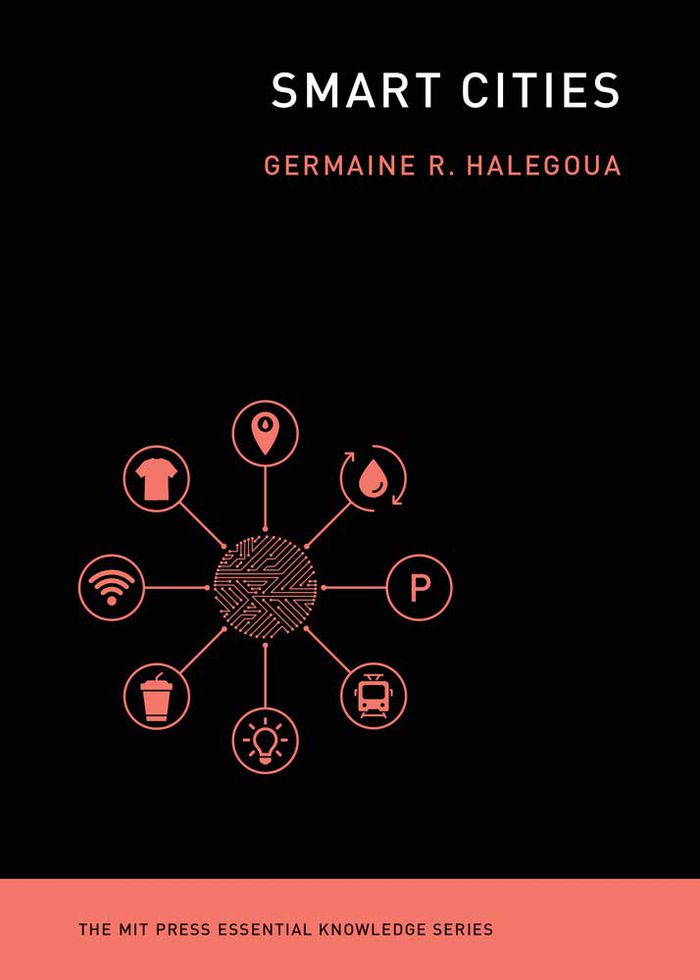
Smart cities
Smart cities
Actions:
Prix:
$19.95
(disponible sur commande)
Résumé:
Over the past ten years, urban planners, technology companies, and governments have promoted smart cities with a somewhat utopian vision of urban life made knowable and manageable through data collection and analysis. Emerging smart cities have become both crucibles and showrooms for the practical application of the Internet of Things, cloud computing, and the integration(...)
$19.95
(disponible sur commande)
Résumé:
Over the past ten years, urban planners, technology companies, and governments have promoted smart cities with a somewhat utopian vision of urban life made knowable and manageable through data collection and analysis. Emerging smart cities have become both crucibles and showrooms for the practical application of the Internet of Things, cloud computing, and the integration(...)
Titre:
Smart cities
Actions:
Prix:
$19.95
(disponible sur commande)
Résumé:
Over the past ten years, urban planners, technology companies, and governments have promoted smart cities with a somewhat utopian vision of urban life made knowable and manageable through data collection and analysis. Emerging smart cities have become both crucibles and showrooms for the practical application of the Internet of Things, cloud computing, and the integration of big data into everyday life. Are smart cities optimized, sustainable, digitally networked solutions to urban problems? Or are they neoliberal, corporate-controlled, undemocratic non-places? This volume in the MIT Press Essential Knowledge series offers a concise introduction to smart cities, presenting key concepts, definitions, examples, and historical contexts, along with discussions of both the drawbacks and the benefits of this approach to urban life. After reviewing current terminology and justifications employed by technology designers, journalists, and researchers, the book describes three models for smart city development?smart-from-the-start cities, retrofitted cities, and social cities?and offers examples of each. It covers technologies and methods, including sensors, public wi-fi, big data, and smartphone apps, and discusses how developers conceive of interactions among the built environment, technological and urban infrastructures, citizens, and citizen engagement. Throughout, the author?who has studied smart cities around the world?argues that smart city developers should work more closely with local communities, recognizing their preexisting relationship to urban place and realizing the limits of technological fixes. Smartness is a means to an end: improving the quality of urban life.
Smart cities
Actions:
Prix:
$19.95
(disponible sur commande)
Résumé:
Over the past ten years, urban planners, technology companies, and governments have promoted smart cities with a somewhat utopian vision of urban life made knowable and manageable through data collection and analysis. Emerging smart cities have become both crucibles and showrooms for the practical application of the Internet of Things, cloud computing, and the integration of big data into everyday life. Are smart cities optimized, sustainable, digitally networked solutions to urban problems? Or are they neoliberal, corporate-controlled, undemocratic non-places? This volume in the MIT Press Essential Knowledge series offers a concise introduction to smart cities, presenting key concepts, definitions, examples, and historical contexts, along with discussions of both the drawbacks and the benefits of this approach to urban life. After reviewing current terminology and justifications employed by technology designers, journalists, and researchers, the book describes three models for smart city development?smart-from-the-start cities, retrofitted cities, and social cities?and offers examples of each. It covers technologies and methods, including sensors, public wi-fi, big data, and smartphone apps, and discusses how developers conceive of interactions among the built environment, technological and urban infrastructures, citizens, and citizen engagement. Throughout, the author?who has studied smart cities around the world?argues that smart city developers should work more closely with local communities, recognizing their preexisting relationship to urban place and realizing the limits of technological fixes. Smartness is a means to an end: improving the quality of urban life.
Classification:
livres
livres
Publication:
mars 2020
mars 2020
Sujet:
Architecture numérique
Architecture numérique
Classification:
livres
livres

Actions:
Prix:
$84.95
(disponible sur commande)
Résumé:
Research in and on architecture is as complex as the discipline itself with its different specialist fields, and therefore the results often remain unconnected. This publication combines digital and analog research issues and demonstrates how important cross-disciplinary cooperation in architecture is today. The complexity and increasing specialization are elaborated(...)
$84.95
(disponible sur commande)
Résumé:
Research in and on architecture is as complex as the discipline itself with its different specialist fields, and therefore the results often remain unconnected. This publication combines digital and analog research issues and demonstrates how important cross-disciplinary cooperation in architecture is today. The complexity and increasing specialization are elaborated(...)
Sujet:
Architecture numérique
Architecture numérique
Publication:
décembre 2019
décembre 2019
Titre:
Research culture in architecture : cross-disciplinary collaboration
Actions:
Prix:
$84.95
(disponible sur commande)
Résumé:
Research in and on architecture is as complex as the discipline itself with its different specialist fields, and therefore the results often remain unconnected. This publication combines digital and analog research issues and demonstrates how important cross-disciplinary cooperation in architecture is today. The complexity and increasing specialization are elaborated on in the various chapters and then linked to the core of architecture, i.e. design. Scientists from the theoretical and practical fields present research results in the following subjects: "design methodology", "architectural space, perception, and the human body", "analog and digital timber construction", "visualization", "robotics", "architectural practice and research", and "sustainability".
Research culture in architecture : cross-disciplinary collaboration
Actions:
Prix:
$84.95
(disponible sur commande)
Résumé:
Research in and on architecture is as complex as the discipline itself with its different specialist fields, and therefore the results often remain unconnected. This publication combines digital and analog research issues and demonstrates how important cross-disciplinary cooperation in architecture is today. The complexity and increasing specialization are elaborated on in the various chapters and then linked to the core of architecture, i.e. design. Scientists from the theoretical and practical fields present research results in the following subjects: "design methodology", "architectural space, perception, and the human body", "analog and digital timber construction", "visualization", "robotics", "architectural practice and research", and "sustainability".
Classification:
livres
livres
Publication:
décembre 2019
décembre 2019
Sujet:
Architecture numérique
Architecture numérique
Classification:
livres
livres
Prix:
$65.00
(disponible sur commande)
Résumé:
Today, it is hard to imagine the everyday work in an architectural practice without computers. Bits and bytes play an important role in the design and presentation of architecture. This book, which is published in the context of an exhibition of the same name of the Architekturmuseum der TUM at the Pinakothek der Moderne in Munich (October 14, 2020 to January 10, 2021),(...)
$65.00
(disponible sur commande)
Résumé:
Today, it is hard to imagine the everyday work in an architectural practice without computers. Bits and bytes play an important role in the design and presentation of architecture. This book, which is published in the context of an exhibition of the same name of the Architekturmuseum der TUM at the Pinakothek der Moderne in Munich (October 14, 2020 to January 10, 2021),(...)
Titre:
The architecture machine: the role of computers in architecture
Actions:
Prix:
$65.00
(disponible sur commande)
Résumé:
Today, it is hard to imagine the everyday work in an architectural practice without computers. Bits and bytes play an important role in the design and presentation of architecture. This book, which is published in the context of an exhibition of the same name of the Architekturmuseum der TUM at the Pinakothek der Moderne in Munich (October 14, 2020 to January 10, 2021), considers the development of the digital in architecture. In four chapters, it recounts this intriguing history from its beginnings in the 1950s through to today and presents the computer as a drawing machine, as a design tool, as a medium for telling stories, and as an interactive communication platform. The basic underlying question is simple: Has the computer changed architecture? And if so, by how much?
The architecture machine: the role of computers in architecture
Actions:
Prix:
$65.00
(disponible sur commande)
Résumé:
Today, it is hard to imagine the everyday work in an architectural practice without computers. Bits and bytes play an important role in the design and presentation of architecture. This book, which is published in the context of an exhibition of the same name of the Architekturmuseum der TUM at the Pinakothek der Moderne in Munich (October 14, 2020 to January 10, 2021), considers the development of the digital in architecture. In four chapters, it recounts this intriguing history from its beginnings in the 1950s through to today and presents the computer as a drawing machine, as a design tool, as a medium for telling stories, and as an interactive communication platform. The basic underlying question is simple: Has the computer changed architecture? And if so, by how much?
Classification:
livres
livres
Publication:
juillet 2020
juillet 2020
Sujet:
Architecture numérique
Architecture numérique
Classification:
livres
livres
Actions:
Prix:
$20.00
(disponible sur commande)
Résumé:
L’intelligence artificielle a déjà investi nombre d’industries et de disciplines en leur donnant les moyens de relever des défis jusque là inédits et en rendant possibles des opérations trop complexes. Cette publication permet à chacun de comprendre les grandes étapes de l'évolution entre intelligence artificielle (IA) et Architecture, de parcourir une sélection de films(...)
$20.00
(disponible sur commande)
Résumé:
L’intelligence artificielle a déjà investi nombre d’industries et de disciplines en leur donnant les moyens de relever des défis jusque là inédits et en rendant possibles des opérations trop complexes. Cette publication permet à chacun de comprendre les grandes étapes de l'évolution entre intelligence artificielle (IA) et Architecture, de parcourir une sélection de films(...)
Titre:
Intelligence artificielle & architecture
Actions:
Prix:
$20.00
(disponible sur commande)
Résumé:
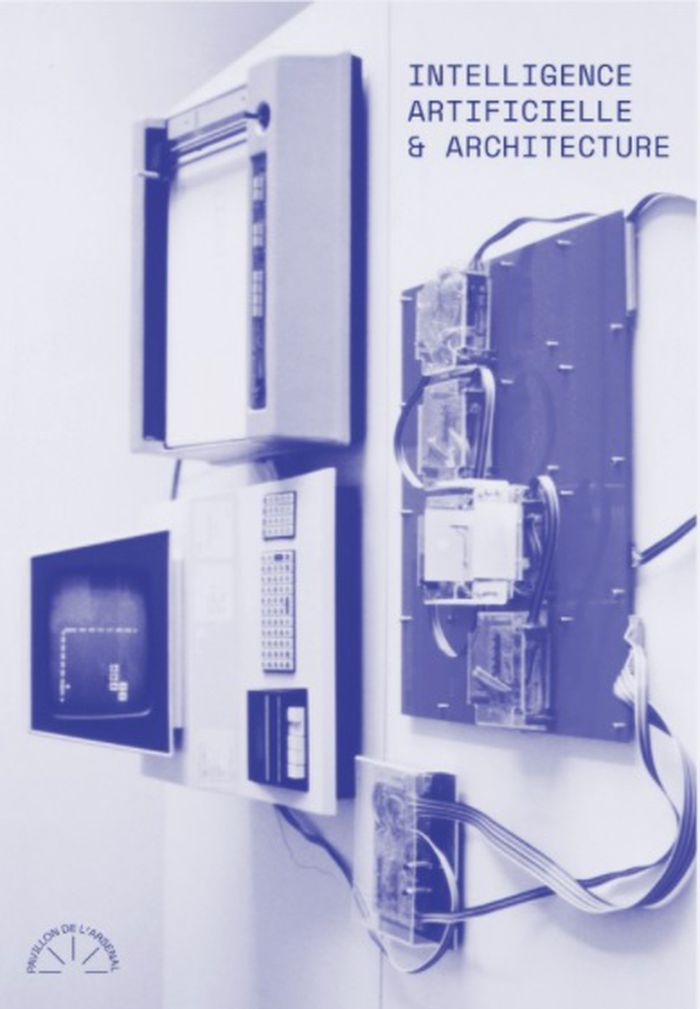
L’intelligence artificielle a déjà investi nombre d’industries et de disciplines en leur donnant les moyens de relever des défis jusque là inédits et en rendant possibles des opérations trop complexes. Cette publication permet à chacun de comprendre les grandes étapes de l'évolution entre intelligence artificielle (IA) et Architecture, de parcourir une sélection de films ou découvrir les recherches et animations réalisées par les laboratoires universitaires américains.
Intelligence artificielle & architecture
Actions:
Prix:
$20.00
(disponible sur commande)
Résumé:
L’intelligence artificielle a déjà investi nombre d’industries et de disciplines en leur donnant les moyens de relever des défis jusque là inédits et en rendant possibles des opérations trop complexes. Cette publication permet à chacun de comprendre les grandes étapes de l'évolution entre intelligence artificielle (IA) et Architecture, de parcourir une sélection de films ou découvrir les recherches et animations réalisées par les laboratoires universitaires américains.
Classification:
livres
livres
Publication:
mars 2020
mars 2020
Sujet:
Architecture numérique
Architecture numérique
Classification:
livres
livres

Actions:
Prix:
$49.95
(disponible sur commande)
Résumé:
Fabricate 2020 is the fourth title in the FABRICATE series on the theme of digital fabrication and published in conjunction with a triennial conference (London, April 2020). The book features cutting-edge built projects and work-in-progress from both academia and practice. It brings together pioneers in design and making from across the fields of architecture,(...)
$49.95
(disponible sur commande)
Résumé:
Fabricate 2020 is the fourth title in the FABRICATE series on the theme of digital fabrication and published in conjunction with a triennial conference (London, April 2020). The book features cutting-edge built projects and work-in-progress from both academia and practice. It brings together pioneers in design and making from across the fields of architecture,(...)
Sujet:
Architecture numérique
Architecture numérique
Publication:
février 2020
février 2020
Titre:
Fabricate 2020: making resilient architecture
Actions:
Prix:
$49.95
(disponible sur commande)
Résumé:
Fabricate 2020 is the fourth title in the FABRICATE series on the theme of digital fabrication and published in conjunction with a triennial conference (London, April 2020). The book features cutting-edge built projects and work-in-progress from both academia and practice. It brings together pioneers in design and making from across the fields of architecture, construction, engineering, manufacturing, materials technology and computation. Fabricate 2020 includes 32 illustrated articles punctuated by four conversations between world-leading experts from design to engineering, discussing themes such as drawing-to-production, behavioural composites, robotic assembly, and digital craft.
Fabricate 2020: making resilient architecture
Actions:
Prix:
$49.95
(disponible sur commande)
Résumé:
Fabricate 2020 is the fourth title in the FABRICATE series on the theme of digital fabrication and published in conjunction with a triennial conference (London, April 2020). The book features cutting-edge built projects and work-in-progress from both academia and practice. It brings together pioneers in design and making from across the fields of architecture, construction, engineering, manufacturing, materials technology and computation. Fabricate 2020 includes 32 illustrated articles punctuated by four conversations between world-leading experts from design to engineering, discussing themes such as drawing-to-production, behavioural composites, robotic assembly, and digital craft.
Classification:
livres
livres
Publication:
février 2020
février 2020
Sujet:
Architecture numérique
Architecture numérique
Classification:
livres
livres

Actions:
Prix:
$36.95
(disponible sur commande)
Résumé:
The book, ''Architecture as fabulated reality,'' marks the culmination of AAPK’s four experimental architectural projects, which employed virtual reality technology (VR) as the primary medium. The four projects explore a new emerging sense of spatiality, fabulating and questioning the notion of reality based upon shared backgrounds and attitudes to contemporary(...)
$36.95
(disponible sur commande)
Résumé:
The book, ''Architecture as fabulated reality,'' marks the culmination of AAPK’s four experimental architectural projects, which employed virtual reality technology (VR) as the primary medium. The four projects explore a new emerging sense of spatiality, fabulating and questioning the notion of reality based upon shared backgrounds and attitudes to contemporary(...)
Publication:
janvier 2020
janvier 2020
Titre:
Architecture as fabulated reality
Actions:
Prix:
$36.95
(disponible sur commande)
Résumé:
The book, ''Architecture as fabulated reality,'' marks the culmination of AAPK’s four experimental architectural projects, which employed virtual reality technology (VR) as the primary medium. The four projects explore a new emerging sense of spatiality, fabulating and questioning the notion of reality based upon shared backgrounds and attitudes to contemporary architectural discourse. To enhance ideas advanced by AAPK, the book invites four guest contributors from the architectural academic field in forms of critical essays or an interview. They reveal their collective interest in the power of the image and in forms of reality, in medium specificity and digital technology, and in presentation and representation along disciplinary lines. The subject of the book becomes clearer by curating and connecting each text, and meanwhile, makes it possible to reflect upon the situation that architecture is facing in the reality crisis caused by today’s digital technology or image culture.
Architecture as fabulated reality
Actions:
Prix:
$36.95
(disponible sur commande)
Résumé:
The book, ''Architecture as fabulated reality,'' marks the culmination of AAPK’s four experimental architectural projects, which employed virtual reality technology (VR) as the primary medium. The four projects explore a new emerging sense of spatiality, fabulating and questioning the notion of reality based upon shared backgrounds and attitudes to contemporary architectural discourse. To enhance ideas advanced by AAPK, the book invites four guest contributors from the architectural academic field in forms of critical essays or an interview. They reveal their collective interest in the power of the image and in forms of reality, in medium specificity and digital technology, and in presentation and representation along disciplinary lines. The subject of the book becomes clearer by curating and connecting each text, and meanwhile, makes it possible to reflect upon the situation that architecture is facing in the reality crisis caused by today’s digital technology or image culture.
Classification:
livres
livres
Publication:
janvier 2020
janvier 2020
Classification:
livres
livres
Actions:
Prix:
$97.50
(disponible sur commande)
Résumé:
This book offers a coherent, comprehensive approach to building dynamics, it draws together arguments previously only available in scattered form. Featuring the latest technologies and design approaches used in contemporary practice, the editors provide numerous examples of cutting-edge work from leading designers and engineering firms working today. An essential text(...)
$97.50
(disponible sur commande)
Résumé:
This book offers a coherent, comprehensive approach to building dynamics, it draws together arguments previously only available in scattered form. Featuring the latest technologies and design approaches used in contemporary practice, the editors provide numerous examples of cutting-edge work from leading designers and engineering firms working today. An essential text(...)
Titre:
Building dynamics: exploring architecture of change
Actions:
Prix:
$97.50
(disponible sur commande)
Résumé:
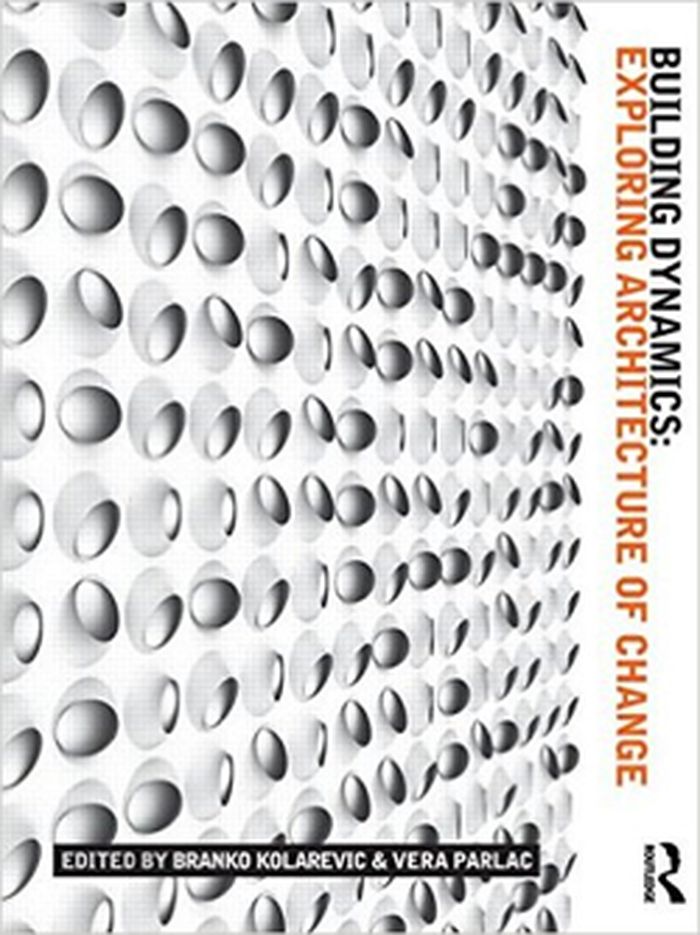
This book offers a coherent, comprehensive approach to building dynamics, it draws together arguments previously only available in scattered form. Featuring the latest technologies and design approaches used in contemporary practice, the editors provide numerous examples of cutting-edge work from leading designers and engineering firms working today. An essential text for students taking design studio classes or courses in theory or technology at any level, as well as professionals interested in the latest mechatronic technologies and design techniques.
Building dynamics: exploring architecture of change
Actions:
Prix:
$97.50
(disponible sur commande)
Résumé:
This book offers a coherent, comprehensive approach to building dynamics, it draws together arguments previously only available in scattered form. Featuring the latest technologies and design approaches used in contemporary practice, the editors provide numerous examples of cutting-edge work from leading designers and engineering firms working today. An essential text for students taking design studio classes or courses in theory or technology at any level, as well as professionals interested in the latest mechatronic technologies and design techniques.
Classification:
livres
livres
Publication:
octobre 2015
octobre 2015
Sujet:
Architecture numérique
Architecture numérique
Classification:
livres
livres
Titre:
Computed morphologies
Computed morphologies
Actions:
Prix:
$39.00
(disponible sur commande)
Résumé:
Presentation of a series of ground-breaking experiments with topological optimization of architectural structures. Topology optimization – a method widely applied in the aeronautical and automotive industries - may enable material reductions of up to 70 pct. in concrete structures, while generating novel, architectural forms. The realization of such complex structural(...)
$39.00
(disponible sur commande)
Résumé:
Presentation of a series of ground-breaking experiments with topological optimization of architectural structures. Topology optimization – a method widely applied in the aeronautical and automotive industries - may enable material reductions of up to 70 pct. in concrete structures, while generating novel, architectural forms. The realization of such complex structural(...)
Titre:
Computed morphologies
Actions:
Prix:
$39.00
(disponible sur commande)
Résumé:
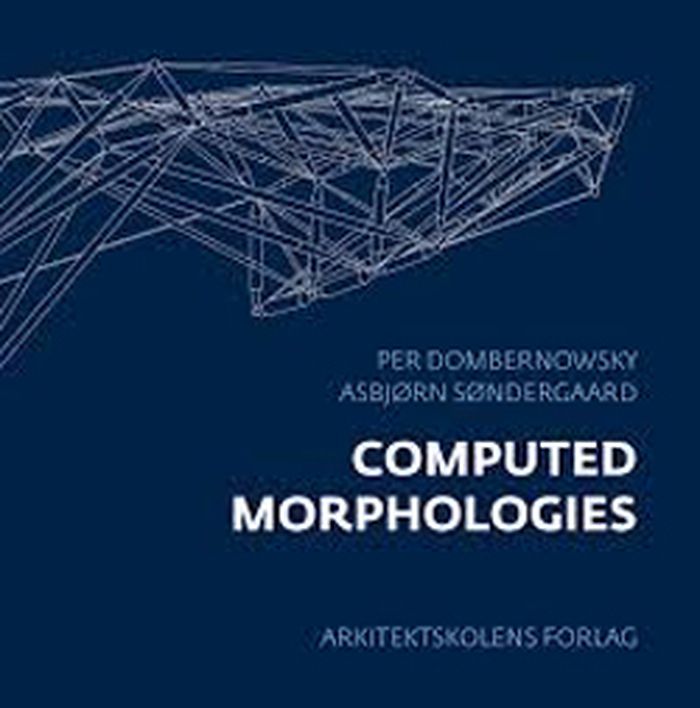
Presentation of a series of ground-breaking experiments with topological optimization of architectural structures. Topology optimization – a method widely applied in the aeronautical and automotive industries - may enable material reductions of up to 70 pct. in concrete structures, while generating novel, architectural forms. The realization of such complex structural morphologies however, calls for the development of new digital means of construction. The publication illustrates the development of new experimental, robotic production methods for the fabrication of novel architectural structures, and contextualizes the application of structural optimization as an architectural design strategy through historical examples, spanning from 18th century physics-based methods to contemporary building practices.
Computed morphologies
Actions:
Prix:
$39.00
(disponible sur commande)
Résumé:
Presentation of a series of ground-breaking experiments with topological optimization of architectural structures. Topology optimization – a method widely applied in the aeronautical and automotive industries - may enable material reductions of up to 70 pct. in concrete structures, while generating novel, architectural forms. The realization of such complex structural morphologies however, calls for the development of new digital means of construction. The publication illustrates the development of new experimental, robotic production methods for the fabrication of novel architectural structures, and contextualizes the application of structural optimization as an architectural design strategy through historical examples, spanning from 18th century physics-based methods to contemporary building practices.
Classification:
livres
livres
Publication:
octobre 2014
octobre 2014
Sujet:
Architecture numérique
Architecture numérique


