


63 Résultats
Classification:
livres
livres
Actions:
Prix:
$26.00
(disponible sur commande)
Résumé:
Personnage fascinant et méconnu, Nukishio Kizô est un précurseur du militantisme autochtone. Figure intellectuelle de la lutte pour l'émancipation, il a montré que la situation délicate dans laquelle était plongé le peuple aïnou n'était due qu'aux contraintes de toutes sortes qui lui étaient imposées. Alors qu'il n'avait que 27 ans, il publie en 1934 le présent essai qui(...)
$26.00
(disponible sur commande)
Résumé:
Personnage fascinant et méconnu, Nukishio Kizô est un précurseur du militantisme autochtone. Figure intellectuelle de la lutte pour l'émancipation, il a montré que la situation délicate dans laquelle était plongé le peuple aïnou n'était due qu'aux contraintes de toutes sortes qui lui étaient imposées. Alors qu'il n'avait que 27 ans, il publie en 1934 le présent essai qui(...)
Titre:
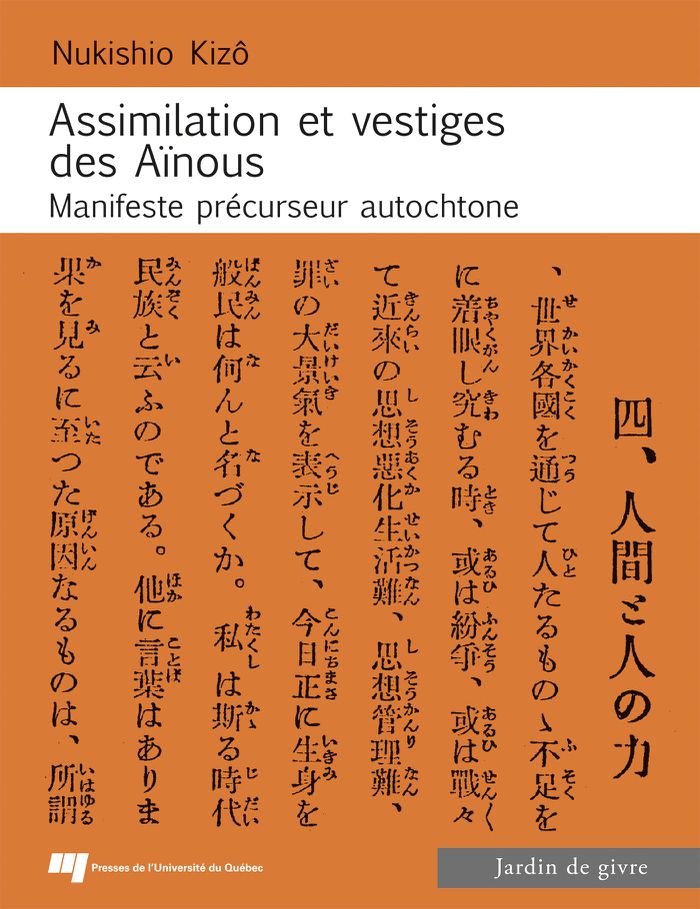
Assimilation et vestiges des Aïnous - Manifeste précurseur autochtone
Actions:
Prix:
$26.00
(disponible sur commande)
Résumé:
Personnage fascinant et méconnu, Nukishio Kizô est un précurseur du militantisme autochtone. Figure intellectuelle de la lutte pour l'émancipation, il a montré que la situation délicate dans laquelle était plongé le peuple aïnou n'était due qu'aux contraintes de toutes sortes qui lui étaient imposées. Alors qu'il n'avait que 27 ans, il publie en 1934 le présent essai qui témoigne de la situation des Aïnous au sein de l'Empire japonais et des politiques assimilationnistes dont ils subissent les effets. Il appelle les siens à se ressaisir pour éviter la dépossession de leurs terres natales, la disparition de leur langue, de leur culture et de leurs droits. Il dénonce la discrimination à laquelle les Aïnous doivent faire face, inscrite dans les discours et les lois japonaises. Pour les lecteurs d'aujourd'hui, cet essai apparaît comme l'une des premières dénonciations écrites de l'état de fait colonial contre un peuple autochtone, rédigée et publiée par un Autochtone. Sous son ton rationnel et modéré, Nukishio Kizô livre ainsi un témoignage troublant, mais il lance aussi un appel à la survie et à la reconnaissance. Avec une présentation de Daniel Chartier, une introduction, une chronologie et des notes de Lucien-Laurent Clercq.
Assimilation et vestiges des Aïnous - Manifeste précurseur autochtone
Actions:
Prix:
$26.00
(disponible sur commande)
Résumé:
Personnage fascinant et méconnu, Nukishio Kizô est un précurseur du militantisme autochtone. Figure intellectuelle de la lutte pour l'émancipation, il a montré que la situation délicate dans laquelle était plongé le peuple aïnou n'était due qu'aux contraintes de toutes sortes qui lui étaient imposées. Alors qu'il n'avait que 27 ans, il publie en 1934 le présent essai qui témoigne de la situation des Aïnous au sein de l'Empire japonais et des politiques assimilationnistes dont ils subissent les effets. Il appelle les siens à se ressaisir pour éviter la dépossession de leurs terres natales, la disparition de leur langue, de leur culture et de leurs droits. Il dénonce la discrimination à laquelle les Aïnous doivent faire face, inscrite dans les discours et les lois japonaises. Pour les lecteurs d'aujourd'hui, cet essai apparaît comme l'une des premières dénonciations écrites de l'état de fait colonial contre un peuple autochtone, rédigée et publiée par un Autochtone. Sous son ton rationnel et modéré, Nukishio Kizô livre ainsi un témoignage troublant, mais il lance aussi un appel à la survie et à la reconnaissance. Avec une présentation de Daniel Chartier, une introduction, une chronologie et des notes de Lucien-Laurent Clercq.
Classification:
livres
livres
Publication:
février 2023
février 2023
Sujet:
Autochtone
Autochtone
Classification:
livres
livres
Prix:
$26.00
(disponible en magasin)
Résumé:
Pendant une centaine d’années, des universitaires ont exhumé, profané, transporté, étudié et conservé aux fins de «recherches scientifiques» les restes ancestraux d’Aïnous. On estime que plus de 1 600 personnes ont ainsi été à titre posthume victimes de ce programme. La présente œuvre poétique témoigne de la douleur causée par le colonialisme dont ont été victimes les(...)
$26.00
(disponible en magasin)
Résumé:
Pendant une centaine d’années, des universitaires ont exhumé, profané, transporté, étudié et conservé aux fins de «recherches scientifiques» les restes ancestraux d’Aïnous. On estime que plus de 1 600 personnes ont ainsi été à titre posthume victimes de ce programme. La présente œuvre poétique témoigne de la douleur causée par le colonialisme dont ont été victimes les(...)
Titre:
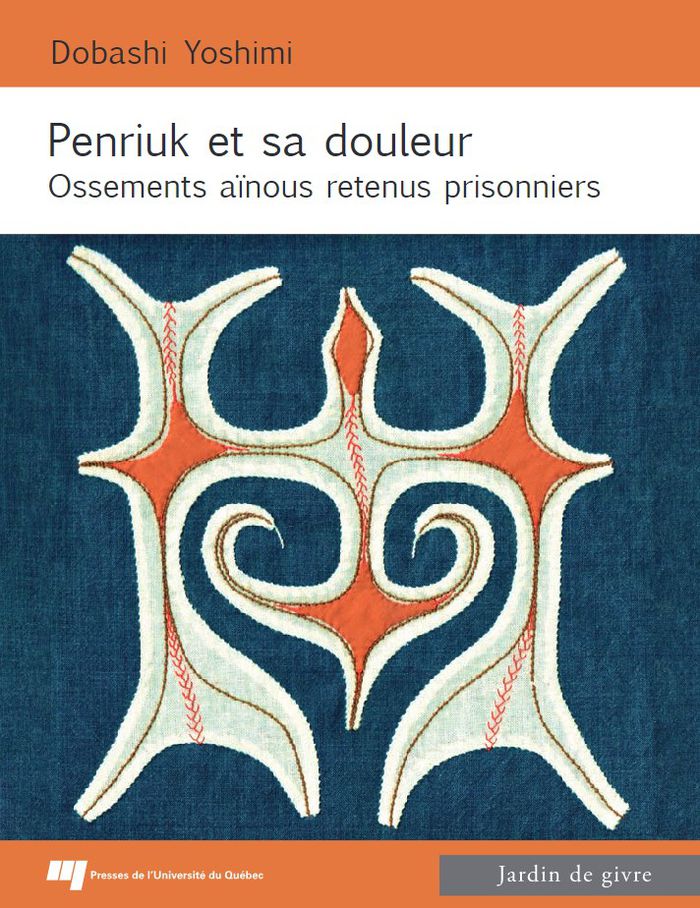
Penriuk et sa douleur - Ossements aïnous retenus prisonniers
Actions:
Prix:
$26.00
(disponible en magasin)
Résumé:
Pendant une centaine d’années, des universitaires ont exhumé, profané, transporté, étudié et conservé aux fins de «recherches scientifiques» les restes ancestraux d’Aïnous. On estime que plus de 1 600 personnes ont ainsi été à titre posthume victimes de ce programme. La présente œuvre poétique témoigne de la douleur causée par le colonialisme dont ont été victimes les Autochtones, mais aussi des limites de l’ouverture du monde: aujourd’hui encore on retrouve à Sapporo un bâtiment lugubre où sont conservés, «retenus prisonniers», comme l’écrit Dobashi Yoshimi, les restes de son ancêtre Penriuk, grand chef aïnou. Avec une présentation de Daniel Chartier, une introduction de Jeffry Gayman, une préface de Hanazaki Kôhei et une chronologie de Lucien-Laurent Clercq. Traduit du japonais par Etienne Lehoux-Jobin.
Penriuk et sa douleur - Ossements aïnous retenus prisonniers
Actions:
Prix:
$26.00
(disponible en magasin)
Résumé:
Pendant une centaine d’années, des universitaires ont exhumé, profané, transporté, étudié et conservé aux fins de «recherches scientifiques» les restes ancestraux d’Aïnous. On estime que plus de 1 600 personnes ont ainsi été à titre posthume victimes de ce programme. La présente œuvre poétique témoigne de la douleur causée par le colonialisme dont ont été victimes les Autochtones, mais aussi des limites de l’ouverture du monde: aujourd’hui encore on retrouve à Sapporo un bâtiment lugubre où sont conservés, «retenus prisonniers», comme l’écrit Dobashi Yoshimi, les restes de son ancêtre Penriuk, grand chef aïnou. Avec une présentation de Daniel Chartier, une introduction de Jeffry Gayman, une préface de Hanazaki Kôhei et une chronologie de Lucien-Laurent Clercq. Traduit du japonais par Etienne Lehoux-Jobin.
Classification:
livres
livres
Publication:
février 2023
février 2023
Sujet:
Autochtone
Autochtone
Classification:
livres
livres
Prix:
$70.00
(disponible sur commande)
Résumé:
The Kanien’kéha language has been written since the 1600s, and these dictionary entries include citations from published, archival, and informal writings from the seventeenth century onwards. These citations are a legacy of the substantial documents of missionary scholars and several informal vocabulary lists written by Kanien’kéha speakers, among others. The introduction(...)
$70.00
(disponible sur commande)
Résumé:
The Kanien’kéha language has been written since the 1600s, and these dictionary entries include citations from published, archival, and informal writings from the seventeenth century onwards. These citations are a legacy of the substantial documents of missionary scholars and several informal vocabulary lists written by Kanien’kéha speakers, among others. The introduction(...)
Titre:
A dictionary of Kanien'kéha (Mohawk) with connections to the past
Actions:
Prix:
$70.00
(disponible sur commande)
Résumé:
The Kanien’kéha language has been written since the 1600s, and these dictionary entries include citations from published, archival, and informal writings from the seventeenth century onwards. These citations are a legacy of the substantial documents of missionary scholars and several informal vocabulary lists written by Kanien’kéha speakers, among others. The introduction to the dictionary provides a description of the organization and orthography of the historical works so that they can be used in the future by those studying and learning the language. "A dictionary of Kanien’kéha (Mohawk) with connections to the past" allows scholars and students to learn the meaning, composition, and etymology of words in a language known for its particularly complex word structure. The organization of the entries, according to noun and verb roots, highlights the remarkable potential and adaptability of the language to express traditional concepts, as well as innovations that have resulted from contact with other customs and languages that have become part of the contemporary culture of the Kanien’kehá:ka.
A dictionary of Kanien'kéha (Mohawk) with connections to the past
Actions:
Prix:
$70.00
(disponible sur commande)
Résumé:
The Kanien’kéha language has been written since the 1600s, and these dictionary entries include citations from published, archival, and informal writings from the seventeenth century onwards. These citations are a legacy of the substantial documents of missionary scholars and several informal vocabulary lists written by Kanien’kéha speakers, among others. The introduction to the dictionary provides a description of the organization and orthography of the historical works so that they can be used in the future by those studying and learning the language. "A dictionary of Kanien’kéha (Mohawk) with connections to the past" allows scholars and students to learn the meaning, composition, and etymology of words in a language known for its particularly complex word structure. The organization of the entries, according to noun and verb roots, highlights the remarkable potential and adaptability of the language to express traditional concepts, as well as innovations that have resulted from contact with other customs and languages that have become part of the contemporary culture of the Kanien’kehá:ka.
Classification:
livres
livres
Publication:
juillet 2024
juillet 2024
Sujet:
Autochtone
Autochtone
Classification:
livres
livres

Actions:
Prix:
$60.00
(disponible sur commande)
Résumé:
This volume offers a conversation between Indigenous Peoples of two regions in this time of political and environmental upheaval. Both regions are environmentally sensitive areas that have become hot spots in the debates circling around climate change and have long been contact zones between Indigenous Peoples and outsiders — zones of meeting and clashing, of(...)
$60.00
(disponible sur commande)
Résumé:
This volume offers a conversation between Indigenous Peoples of two regions in this time of political and environmental upheaval. Both regions are environmentally sensitive areas that have become hot spots in the debates circling around climate change and have long been contact zones between Indigenous Peoples and outsiders — zones of meeting and clashing, of(...)
Titre:
Arctic/Amazon: Networks of global indigeneity
Actions:
Prix:
$60.00
(disponible sur commande)
Résumé:
This volume offers a conversation between Indigenous Peoples of two regions in this time of political and environmental upheaval. Both regions are environmentally sensitive areas that have become hot spots in the debates circling around climate change and have long been contact zones between Indigenous Peoples and outsiders — zones of meeting and clashing, of contradictions and entanglement. Opening with an Epistolary Exchange between the editors,the book then widens to include essays by 12 Indigenous artists, curators, and knowledge-keepers about the integration of spirituality, ancestral respect, traditional knowledges, and political critique in artistic practice and more than 100 image reproductions and installation shots. The result is an extraordinary conversation about life, artistic practise, and geopolitical realities faced by Indigenous peoples in regions at risk.
Arctic/Amazon: Networks of global indigeneity
Actions:
Prix:
$60.00
(disponible sur commande)
Résumé:
This volume offers a conversation between Indigenous Peoples of two regions in this time of political and environmental upheaval. Both regions are environmentally sensitive areas that have become hot spots in the debates circling around climate change and have long been contact zones between Indigenous Peoples and outsiders — zones of meeting and clashing, of contradictions and entanglement. Opening with an Epistolary Exchange between the editors,the book then widens to include essays by 12 Indigenous artists, curators, and knowledge-keepers about the integration of spirituality, ancestral respect, traditional knowledges, and political critique in artistic practice and more than 100 image reproductions and installation shots. The result is an extraordinary conversation about life, artistic practise, and geopolitical realities faced by Indigenous peoples in regions at risk.
Classification:
livres
livres
Publication:
avril 2023
avril 2023
Sujet:
Autochtone
Autochtone
Classification:
livres
livres
Prix:
$33.50
(disponible sur commande)
Résumé:
The indigenous imperative to honor nature is undermined by federal laws approving resource extraction through mining and drilling. Formal protections exist for Native American religious expression, but not for the places and natural resources integral to ceremonies. Under what conditions can traditional beliefs be best practiced? "Recovering the Sacred" features a(...)
$33.50
(disponible sur commande)
Résumé:
The indigenous imperative to honor nature is undermined by federal laws approving resource extraction through mining and drilling. Formal protections exist for Native American religious expression, but not for the places and natural resources integral to ceremonies. Under what conditions can traditional beliefs be best practiced? "Recovering the Sacred" features a(...)
Titre:
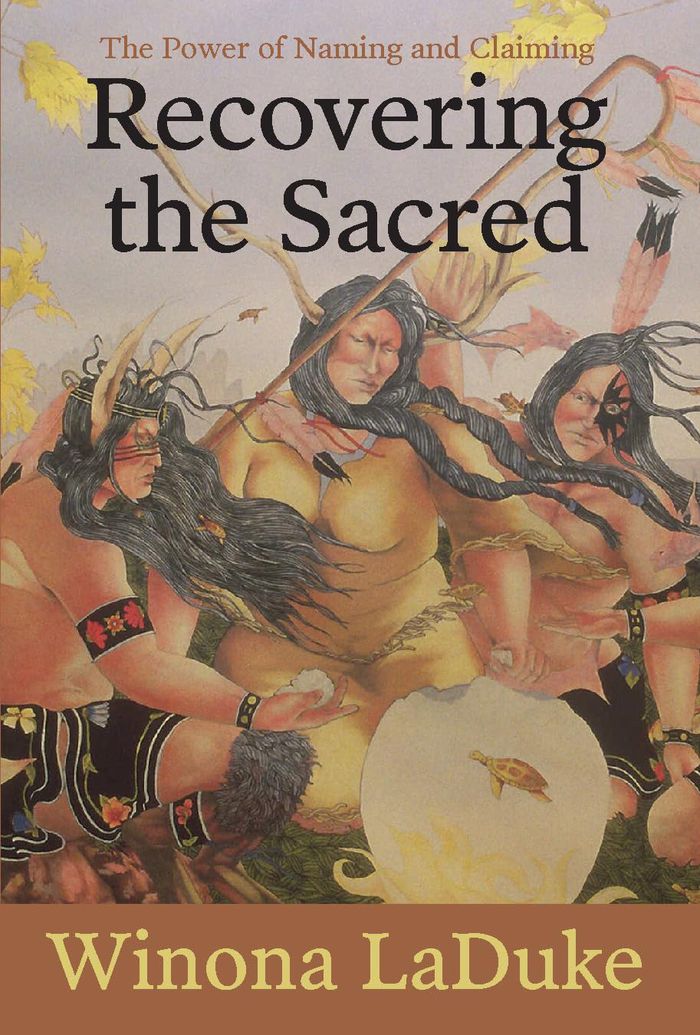
Recovering the sacred: The power of naiming and claiming
Actions:
Prix:
$33.50
(disponible sur commande)
Résumé:
The indigenous imperative to honor nature is undermined by federal laws approving resource extraction through mining and drilling. Formal protections exist for Native American religious expression, but not for the places and natural resources integral to ceremonies. Under what conditions can traditional beliefs be best practiced? "Recovering the Sacred" features a wealth of native research and hundreds of interviews with indigenous scholars and activists.
Recovering the sacred: The power of naiming and claiming
Actions:
Prix:
$33.50
(disponible sur commande)
Résumé:
The indigenous imperative to honor nature is undermined by federal laws approving resource extraction through mining and drilling. Formal protections exist for Native American religious expression, but not for the places and natural resources integral to ceremonies. Under what conditions can traditional beliefs be best practiced? "Recovering the Sacred" features a wealth of native research and hundreds of interviews with indigenous scholars and activists.
Classification:
livres
livres
Publication:
mars 2016
mars 2016
Sujet:
Autochtone
Autochtone
Classification:
livres
livres
Actions:
Prix:
$40.00
(disponible sur commande)
Résumé:
This book bridges generations of powerful Indigenous feminist thinking to demonstrate the movement’s cruciality for today. ''Indigenous feminists'' in the first edition fought for feminism to be considered a valid and essential intellectual and activist position. The second edition animated Indigenous feminisms through real-world applications. This third edition, curated(...)
$40.00
(disponible sur commande)
Résumé:
This book bridges generations of powerful Indigenous feminist thinking to demonstrate the movement’s cruciality for today. ''Indigenous feminists'' in the first edition fought for feminism to be considered a valid and essential intellectual and activist position. The second edition animated Indigenous feminisms through real-world applications. This third edition, curated(...)
Titre:
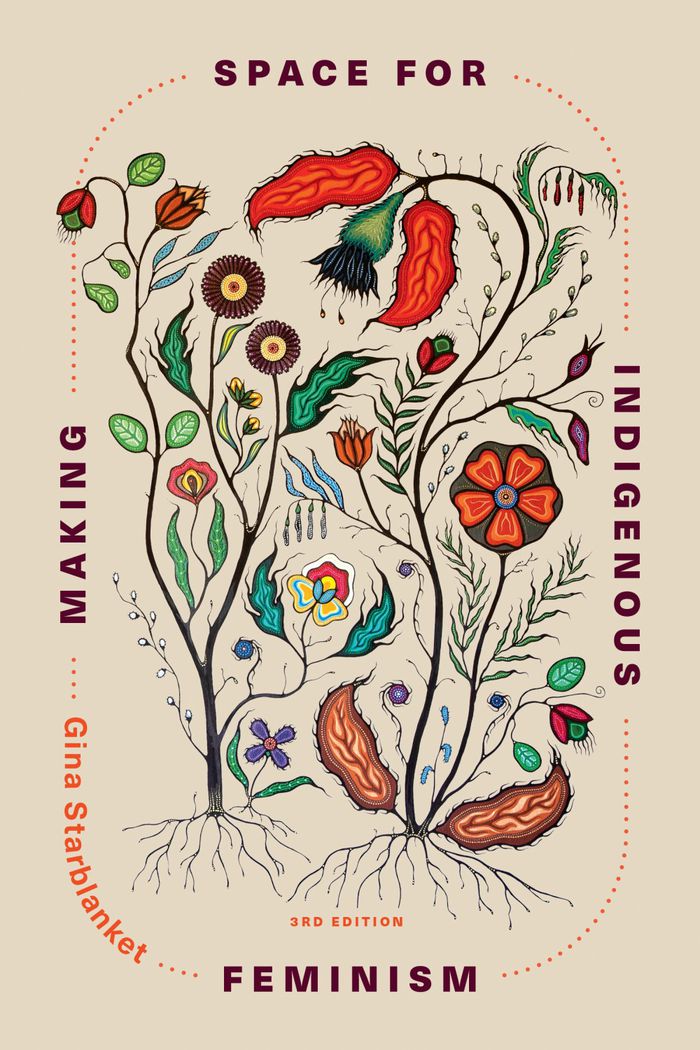
Making space for indigenous feminism 3rd edition
Actions:
Prix:
$40.00
(disponible sur commande)
Résumé:
This book bridges generations of powerful Indigenous feminist thinking to demonstrate the movement’s cruciality for today. ''Indigenous feminists'' in the first edition fought for feminism to be considered a valid and essential intellectual and activist position. The second edition animated Indigenous feminisms through real-world applications. This third edition, curated by award-winning scholar Gina Starblanket, reflects and celebrates Indigenous feminism’s intergenerational longevity through the changing landscape of anti-colonial struggle and theory. Diverse contributors examine Indigenous feminism’s ongoing relevance to contemporary contexts and debates, including queer and Two-Spirit approaches to decolonization, gendered and sexualized violence, storytelling and narrative, land-based presence, Black and Indigenous relationalities and more. Feminism has much to offer Indigenous women, and all Indigenous Peoples, in their struggles against oppression.
Making space for indigenous feminism 3rd edition
Actions:
Prix:
$40.00
(disponible sur commande)
Résumé:
This book bridges generations of powerful Indigenous feminist thinking to demonstrate the movement’s cruciality for today. ''Indigenous feminists'' in the first edition fought for feminism to be considered a valid and essential intellectual and activist position. The second edition animated Indigenous feminisms through real-world applications. This third edition, curated by award-winning scholar Gina Starblanket, reflects and celebrates Indigenous feminism’s intergenerational longevity through the changing landscape of anti-colonial struggle and theory. Diverse contributors examine Indigenous feminism’s ongoing relevance to contemporary contexts and debates, including queer and Two-Spirit approaches to decolonization, gendered and sexualized violence, storytelling and narrative, land-based presence, Black and Indigenous relationalities and more. Feminism has much to offer Indigenous women, and all Indigenous Peoples, in their struggles against oppression.
Classification:
livres
livres
Publication:
mai 2024
mai 2024
Sujet:
Autochtone
Autochtone
Classification:
livres
livres
Actions:
Prix:
$105.00
(disponible sur commande)
Résumé:
''Land Back'' highlights the ways Indigenous peoples and anti-colonial co-resistors understand land relations for political resurgence and freedom across the Americas. Contributors place Indigenous practices of freedom within the particularities of Indigenous place-based laws, cosmologies, and diplomacies, while also demonstrating how Indigeneity is shaped across colonial(...)
$105.00
(disponible sur commande)
Résumé:
''Land Back'' highlights the ways Indigenous peoples and anti-colonial co-resistors understand land relations for political resurgence and freedom across the Americas. Contributors place Indigenous practices of freedom within the particularities of Indigenous place-based laws, cosmologies, and diplomacies, while also demonstrating how Indigeneity is shaped across colonial(...)
Titre:
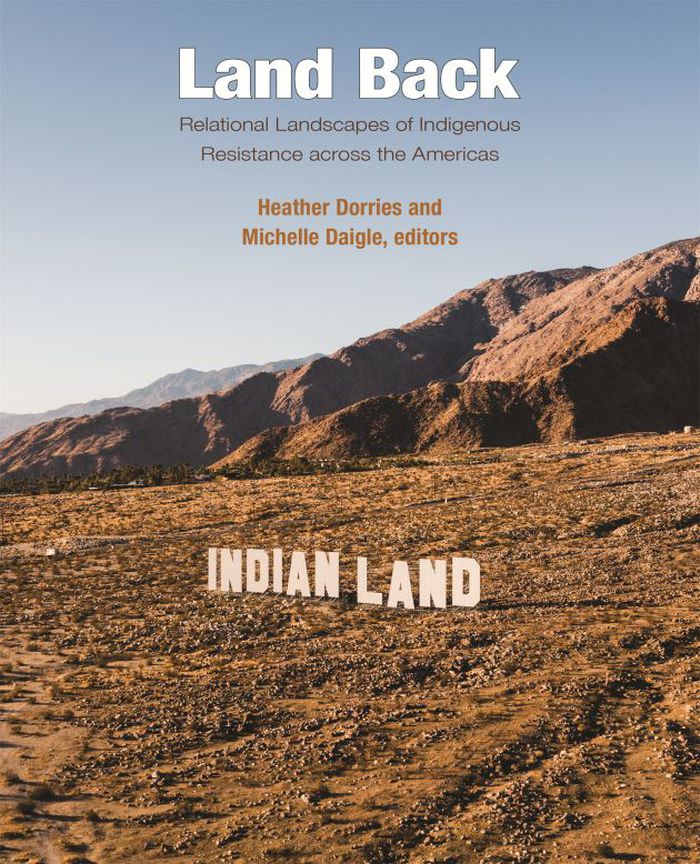
Land back: Relational landscapes of indeginous resistance across the Americas
Actions:
Prix:
$105.00
(disponible sur commande)
Résumé:
''Land Back'' highlights the ways Indigenous peoples and anti-colonial co-resistors understand land relations for political resurgence and freedom across the Americas. Contributors place Indigenous practices of freedom within the particularities of Indigenous place-based laws, cosmologies, and diplomacies, while also demonstrating how Indigeneity is shaped across colonial borders. Collectively, they examine the relationships among language, Indigenous ontologies, and land reclamation; Indigenous ecology and restoration; the interconnectivity of environmental exploitation and racial, class, and gender exploitation; Indigenous diasporic movement; community urban planning; transnational organizing and relational anti-racist place-making; and the role of storytelling and children in movements for liberation.
Land back: Relational landscapes of indeginous resistance across the Americas
Actions:
Prix:
$105.00
(disponible sur commande)
Résumé:
''Land Back'' highlights the ways Indigenous peoples and anti-colonial co-resistors understand land relations for political resurgence and freedom across the Americas. Contributors place Indigenous practices of freedom within the particularities of Indigenous place-based laws, cosmologies, and diplomacies, while also demonstrating how Indigeneity is shaped across colonial borders. Collectively, they examine the relationships among language, Indigenous ontologies, and land reclamation; Indigenous ecology and restoration; the interconnectivity of environmental exploitation and racial, class, and gender exploitation; Indigenous diasporic movement; community urban planning; transnational organizing and relational anti-racist place-making; and the role of storytelling and children in movements for liberation.
Classification:
livres
livres
Publication:
août 2024
août 2024
Sujet:
Autochtone
Autochtone
Classification:
livres
livres
Actions:
Prix:
$60.00
(disponible sur commande)
Résumé:
Au début des années 1980, alors qu'il était jeune photographe, Serge Jauvin a passé un long séjour chez les Innus d'Unamen Shipu (La Romaine) dans la famille d'Hélène et de William-Mathieu Mark. Il a reçu d'eux le témoignage exceptionnel de leur passage du nomadisme à la sédentarité et l'a documenté à travers son journal et ses photographies. Cela lui a permis d'illustrer(...)
$60.00
(disponible sur commande)
Résumé:
Au début des années 1980, alors qu'il était jeune photographe, Serge Jauvin a passé un long séjour chez les Innus d'Unamen Shipu (La Romaine) dans la famille d'Hélène et de William-Mathieu Mark. Il a reçu d'eux le témoignage exceptionnel de leur passage du nomadisme à la sédentarité et l'a documenté à travers son journal et ses photographies. Cela lui a permis d'illustrer(...)
Titre:
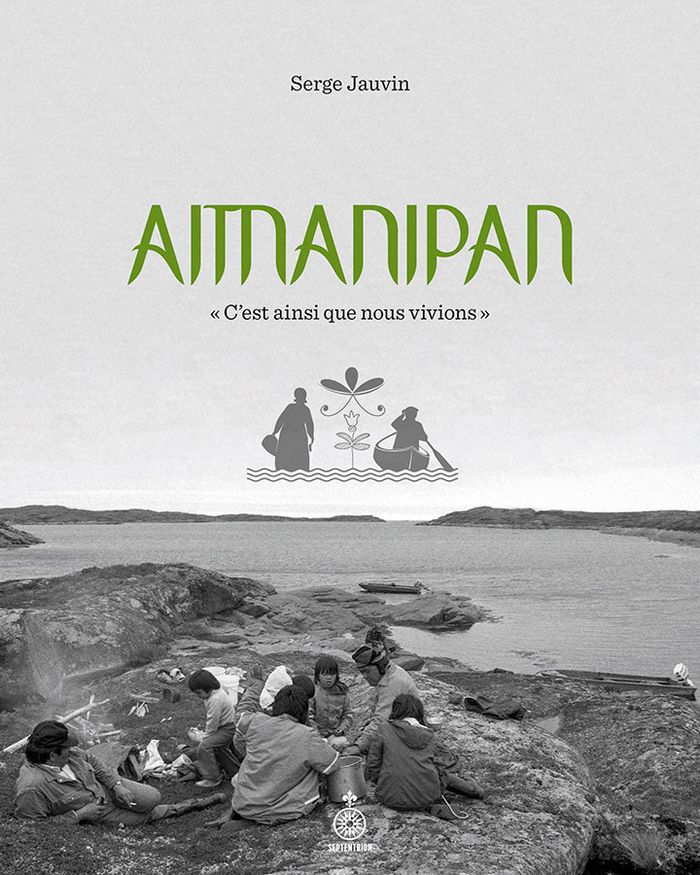
Aitnanipan : « C'est ainsi que nous vivions »
Actions:
Prix:
$60.00
(disponible sur commande)
Résumé:
Au début des années 1980, alors qu'il était jeune photographe, Serge Jauvin a passé un long séjour chez les Innus d'Unamen Shipu (La Romaine) dans la famille d'Hélène et de William-Mathieu Mark. Il a reçu d'eux le témoignage exceptionnel de leur passage du nomadisme à la sédentarité et l'a documenté à travers son journal et ses photographies. Cela lui a permis d'illustrer à la fois la vie dans la communauté et celle sur le Nutshimit, le territoire ancestral. Ce récit sur les derniers nomades de la Côte-Nord n'est pas le regard extérieur d'un étranger. Au contraire, il constitue un témoignage intime du savoir-être et du savoir-faire innu. Il est une empreinte indélébile qui témoignera aux générations futures de la contribution d'un peuple millénaire de l'Amérique septentrionale «qui vivait ainsi».
Aitnanipan : « C'est ainsi que nous vivions »
Actions:
Prix:
$60.00
(disponible sur commande)
Résumé:
Au début des années 1980, alors qu'il était jeune photographe, Serge Jauvin a passé un long séjour chez les Innus d'Unamen Shipu (La Romaine) dans la famille d'Hélène et de William-Mathieu Mark. Il a reçu d'eux le témoignage exceptionnel de leur passage du nomadisme à la sédentarité et l'a documenté à travers son journal et ses photographies. Cela lui a permis d'illustrer à la fois la vie dans la communauté et celle sur le Nutshimit, le territoire ancestral. Ce récit sur les derniers nomades de la Côte-Nord n'est pas le regard extérieur d'un étranger. Au contraire, il constitue un témoignage intime du savoir-être et du savoir-faire innu. Il est une empreinte indélébile qui témoignera aux générations futures de la contribution d'un peuple millénaire de l'Amérique septentrionale «qui vivait ainsi».
Classification:
livres
livres
Publication:
avril 2024
avril 2024
Sujet:
Autochtone
Autochtone
Classification:
livres
livres
Actions:
Prix:
$28.95
(disponible sur commande)
Résumé:
''Framing borders'' addresses a fundamental disjuncture between scholastic portrayals of settler colonialism and what actually takes place in Akwesasne Territory, the largest Indigenous cross-border community in Canada. Whereas most existing portrayals of Indigenous nationalism emphasize border crossing as a site of conflict between officers and Indigenous nationalists,(...)
$28.95
(disponible sur commande)
Résumé:
''Framing borders'' addresses a fundamental disjuncture between scholastic portrayals of settler colonialism and what actually takes place in Akwesasne Territory, the largest Indigenous cross-border community in Canada. Whereas most existing portrayals of Indigenous nationalism emphasize border crossing as a site of conflict between officers and Indigenous nationalists,(...)
Titre:
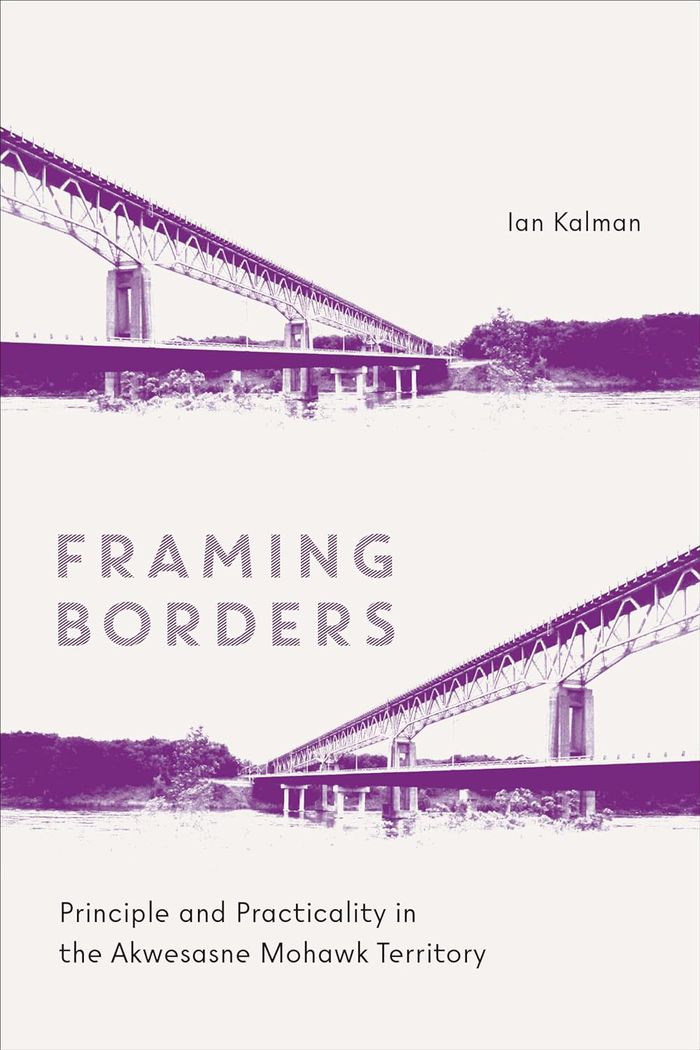
Framing borders: principle and practicality in the Akwesasne Mohawk territory
Actions:
Prix:
$28.95
(disponible sur commande)
Résumé:
''Framing borders'' addresses a fundamental disjuncture between scholastic portrayals of settler colonialism and what actually takes place in Akwesasne Territory, the largest Indigenous cross-border community in Canada. Whereas most existing portrayals of Indigenous nationalism emphasize border crossing as a site of conflict between officers and Indigenous nationalists, in this book Ian Kalman observes a much more diverse range of interactions, from conflict to banality to joking and camaraderie. ''Framing Borders'' explores how border crossing represents a conversation where different actors "frame" themselves, the law, and the space that they occupy in diverse ways. Written in accessible, lively prose, Kalman addresses what goes on when border officers and Akwesasne residents meet, and what these exchanges tell us about the relationship between Indigenous actors and public servants in Canada. This book provides an ethnographic examination of the experiences of the border by Mohawk community members, the history of local border enforcement, and the paradoxes, self-contradictions, and confusions that underlie the border and its enforcement.
Framing borders: principle and practicality in the Akwesasne Mohawk territory
Actions:
Prix:
$28.95
(disponible sur commande)
Résumé:
''Framing borders'' addresses a fundamental disjuncture between scholastic portrayals of settler colonialism and what actually takes place in Akwesasne Territory, the largest Indigenous cross-border community in Canada. Whereas most existing portrayals of Indigenous nationalism emphasize border crossing as a site of conflict between officers and Indigenous nationalists, in this book Ian Kalman observes a much more diverse range of interactions, from conflict to banality to joking and camaraderie. ''Framing Borders'' explores how border crossing represents a conversation where different actors "frame" themselves, the law, and the space that they occupy in diverse ways. Written in accessible, lively prose, Kalman addresses what goes on when border officers and Akwesasne residents meet, and what these exchanges tell us about the relationship between Indigenous actors and public servants in Canada. This book provides an ethnographic examination of the experiences of the border by Mohawk community members, the history of local border enforcement, and the paradoxes, self-contradictions, and confusions that underlie the border and its enforcement.
Classification:
livres
livres
Publication:
mai 2021
mai 2021
Sujet:
Autochtone
Autochtone
Classification:
livres
livres

Prix:
$32.95
(disponible en magasin)
Résumé:
There have been many things written about Canada’s violent siege of Kanehsatà:ke and Kahnawà:ke in the summer of 1990, but "When the pine needles fall: Indigenous acts of resistance" is the first book from the perspective of Katsi’tsakwas Ellen Gabriel, who was the Kanien’kehá:ka (Mohawk) spokesperson during the siege. "When the pine needles fall," written in a(...)
$32.95
(disponible en magasin)
Résumé:
There have been many things written about Canada’s violent siege of Kanehsatà:ke and Kahnawà:ke in the summer of 1990, but "When the pine needles fall: Indigenous acts of resistance" is the first book from the perspective of Katsi’tsakwas Ellen Gabriel, who was the Kanien’kehá:ka (Mohawk) spokesperson during the siege. "When the pine needles fall," written in a(...)
Titre:
When the pine needles fall: Indigenous acts of resistance
Actions:
Prix:
$32.95
(disponible en magasin)
Résumé:
There have been many things written about Canada’s violent siege of Kanehsatà:ke and Kahnawà:ke in the summer of 1990, but "When the pine needles fall: Indigenous acts of resistance" is the first book from the perspective of Katsi’tsakwas Ellen Gabriel, who was the Kanien’kehá:ka (Mohawk) spokesperson during the siege. "When the pine needles fall," written in a conversational style by Gabriel with historian Sean Carleton, offers an intimate look at Gabriel’s life leading up to the 1990 siege, her experiences as spokesperson for her community, and her work since then as an Indigenous land defender, human rights activist, and feminist leader. More than just the memoir of an extraordinary individual, "When the pine needles fall" offers insight into Indigenous language, history, and philosophy, reflections on our relationship with the land, and calls to action against both colonialism and capitalism as we face the climate crisis. Gabriel’s hopes for a decolonial future make clear why protecting Indigenous homelands is vital not only for the survival of Indigenous peoples, but for all who live on this planet.
When the pine needles fall: Indigenous acts of resistance
Actions:
Prix:
$32.95
(disponible en magasin)
Résumé:
There have been many things written about Canada’s violent siege of Kanehsatà:ke and Kahnawà:ke in the summer of 1990, but "When the pine needles fall: Indigenous acts of resistance" is the first book from the perspective of Katsi’tsakwas Ellen Gabriel, who was the Kanien’kehá:ka (Mohawk) spokesperson during the siege. "When the pine needles fall," written in a conversational style by Gabriel with historian Sean Carleton, offers an intimate look at Gabriel’s life leading up to the 1990 siege, her experiences as spokesperson for her community, and her work since then as an Indigenous land defender, human rights activist, and feminist leader. More than just the memoir of an extraordinary individual, "When the pine needles fall" offers insight into Indigenous language, history, and philosophy, reflections on our relationship with the land, and calls to action against both colonialism and capitalism as we face the climate crisis. Gabriel’s hopes for a decolonial future make clear why protecting Indigenous homelands is vital not only for the survival of Indigenous peoples, but for all who live on this planet.
Classification:
livres
livres
Publication:
septembre 2024
septembre 2024
Sujet:
Autochtone
Autochtone


