


63 Résultats
Classification:
livres
livres
Prix:
$27.95
(disponible sur commande)
Résumé:
As early as the end of the 19th century, anarchists such as Peter Kropotkin and Élisée Reclus became interested in indigenous peoples, many of whom they saw as societies without a state or private property, living a form of communism. Thinkers such as David Graeber and John Holloway have continued this tradition of engagement with the practices of indigenous societies and(...)
$27.95
(disponible sur commande)
Résumé:
As early as the end of the 19th century, anarchists such as Peter Kropotkin and Élisée Reclus became interested in indigenous peoples, many of whom they saw as societies without a state or private property, living a form of communism. Thinkers such as David Graeber and John Holloway have continued this tradition of engagement with the practices of indigenous societies and(...)
Titre:
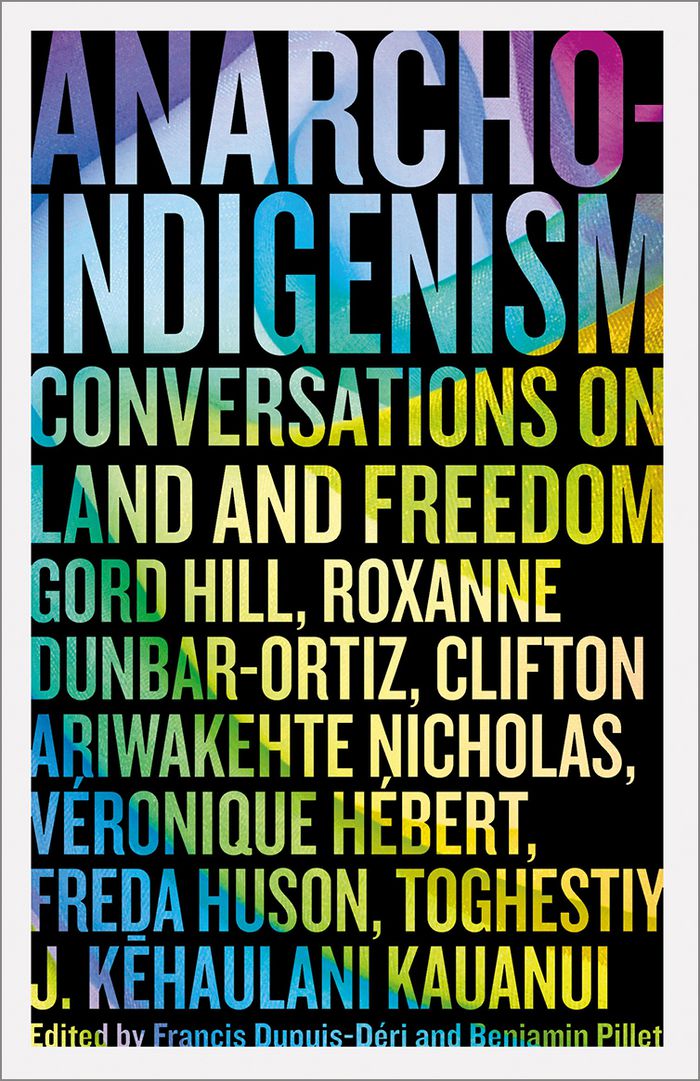
Anarcho-Indigenism: Conversations on land and freedom
Actions:
Prix:
$27.95
(disponible sur commande)
Résumé:
As early as the end of the 19th century, anarchists such as Peter Kropotkin and Élisée Reclus became interested in indigenous peoples, many of whom they saw as societies without a state or private property, living a form of communism. Thinkers such as David Graeber and John Holloway have continued this tradition of engagement with the practices of indigenous societies and their politics. There has also been a long history of (often imperfect) collaboration between anarchists and indigenous activists, over land rights and environmental issues, including recent high-profile anti-pipeline campaigns. ''Anarcho-Indigenism'' is a dialogue between anarchism and indigenous politics, featuring interviews from indigenous contributors Véronique Hébert, Gord Hill, Freda Huson, J. Kehaulani Kauanui, Clifton Ariwakehte Nicholas and Toghestiy, as well as the Marxist scholar specialist in indigenous people’s history and politics, Roxanne Dunbar-Ortiz. The contributors reveal what indigenous thought and traditions and anarchism have in common, without denying the scars left by colonialism even within this anti-authoritarian movement. They ultimately offer a vision of the world that combines anti-colonialism, feminism, ecology, anti-capitalism and anti-statism.
Anarcho-Indigenism: Conversations on land and freedom
Actions:
Prix:
$27.95
(disponible sur commande)
Résumé:
As early as the end of the 19th century, anarchists such as Peter Kropotkin and Élisée Reclus became interested in indigenous peoples, many of whom they saw as societies without a state or private property, living a form of communism. Thinkers such as David Graeber and John Holloway have continued this tradition of engagement with the practices of indigenous societies and their politics. There has also been a long history of (often imperfect) collaboration between anarchists and indigenous activists, over land rights and environmental issues, including recent high-profile anti-pipeline campaigns. ''Anarcho-Indigenism'' is a dialogue between anarchism and indigenous politics, featuring interviews from indigenous contributors Véronique Hébert, Gord Hill, Freda Huson, J. Kehaulani Kauanui, Clifton Ariwakehte Nicholas and Toghestiy, as well as the Marxist scholar specialist in indigenous people’s history and politics, Roxanne Dunbar-Ortiz. The contributors reveal what indigenous thought and traditions and anarchism have in common, without denying the scars left by colonialism even within this anti-authoritarian movement. They ultimately offer a vision of the world that combines anti-colonialism, feminism, ecology, anti-capitalism and anti-statism.
Classification:
livres
livres
Publication:
septembre 2023
septembre 2023
Sujet:
Autochtone
Autochtone
Classification:
livres
livres
Actions:
Prix:
$34.00
(disponible sur commande)
Résumé:
Comment penser le territoire autrement? Comment accueillir les savoirs autochtones sans les traduire ni les réduire? Comment faire dialoguer poésie et géographie? Ce livre s'adresse à celles et ceux qui souhaitent dépasser les frontières disciplinaires et les cloisonnements culturels pour explorer un monde vivant, sensible et réconcilié. Ecrire le territoire : dialogue(...)
$34.00
(disponible sur commande)
Résumé:
Comment penser le territoire autrement? Comment accueillir les savoirs autochtones sans les traduire ni les réduire? Comment faire dialoguer poésie et géographie? Ce livre s'adresse à celles et ceux qui souhaitent dépasser les frontières disciplinaires et les cloisonnements culturels pour explorer un monde vivant, sensible et réconcilié. Ecrire le territoire : dialogue(...)
Titre:
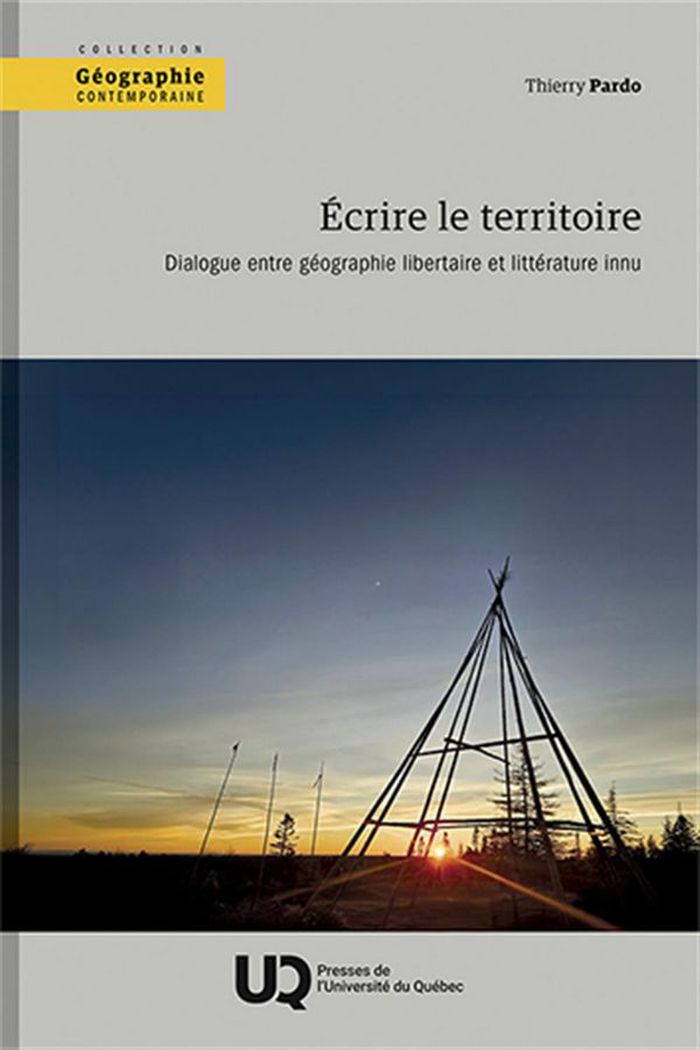
Écrire le territoire: Dialogue entre géographie libertaire et littérature innu
Actions:
Prix:
$34.00
(disponible sur commande)
Résumé:
Comment penser le territoire autrement? Comment accueillir les savoirs autochtones sans les traduire ni les réduire? Comment faire dialoguer poésie et géographie? Ce livre s'adresse à celles et ceux qui souhaitent dépasser les frontières disciplinaires et les cloisonnements culturels pour explorer un monde vivant, sensible et réconcilié. Ecrire le territoire : dialogue entre géographie libertaire et littérature innu propose une rencontre inédite entre la géographie libertaire – celle des géographes engagés, amis de la Terre et des cultures vernaculaires – et la littérature innu contemporaine, porteuse d'une expérience poétique et incarnée de l'espace. A travers un corpus de poésies et d'essais mis en miroir, Thierry Pardo nous invite à une lecture où le vécu devient vecteur de connaissance. Ce dialogue entre deux traditions d'écriture, séparées par l'histoire, mais réunies par une même attention au monde, participe à un déplacement paradigmatique : celui qui permet enfin de recevoir la parole autochtone sans la soumettre aux critères de validation imposés par les institutions savantes. Ce livre est une invitation à penser avec le territoire, à écouter ses voix multiples, et à reconnaître dans l'expression libre et poétique une géographie profondément humaine.
Écrire le territoire: Dialogue entre géographie libertaire et littérature innu
Actions:
Prix:
$34.00
(disponible sur commande)
Résumé:
Comment penser le territoire autrement? Comment accueillir les savoirs autochtones sans les traduire ni les réduire? Comment faire dialoguer poésie et géographie? Ce livre s'adresse à celles et ceux qui souhaitent dépasser les frontières disciplinaires et les cloisonnements culturels pour explorer un monde vivant, sensible et réconcilié. Ecrire le territoire : dialogue entre géographie libertaire et littérature innu propose une rencontre inédite entre la géographie libertaire – celle des géographes engagés, amis de la Terre et des cultures vernaculaires – et la littérature innu contemporaine, porteuse d'une expérience poétique et incarnée de l'espace. A travers un corpus de poésies et d'essais mis en miroir, Thierry Pardo nous invite à une lecture où le vécu devient vecteur de connaissance. Ce dialogue entre deux traditions d'écriture, séparées par l'histoire, mais réunies par une même attention au monde, participe à un déplacement paradigmatique : celui qui permet enfin de recevoir la parole autochtone sans la soumettre aux critères de validation imposés par les institutions savantes. Ce livre est une invitation à penser avec le territoire, à écouter ses voix multiples, et à reconnaître dans l'expression libre et poétique une géographie profondément humaine.
Classification:
livres
livres
Publication:
mai 2026
mai 2026
Sujet:
Autochtone
Autochtone
Classification:
livres
livres
Actions:
Prix:
$20.00
(disponible sur commande)
Résumé:
Le Nord est un espace imaginé et représenté depuis des siècles par les artistes et les écrivains du monde occidental, ce qui a mené, au fil du temps et de l'accumulation successive de couches de discours, à la création d'un « imaginaire du Nord » - que ce Nord soit celui de la Scandinavie, du Groenland, de la Russie ou du Grand Nord, ou encore des pôles. Or les(...)
$20.00
(disponible sur commande)
Résumé:
Le Nord est un espace imaginé et représenté depuis des siècles par les artistes et les écrivains du monde occidental, ce qui a mené, au fil du temps et de l'accumulation successive de couches de discours, à la création d'un « imaginaire du Nord » - que ce Nord soit celui de la Scandinavie, du Groenland, de la Russie ou du Grand Nord, ou encore des pôles. Or les(...)
Titre:
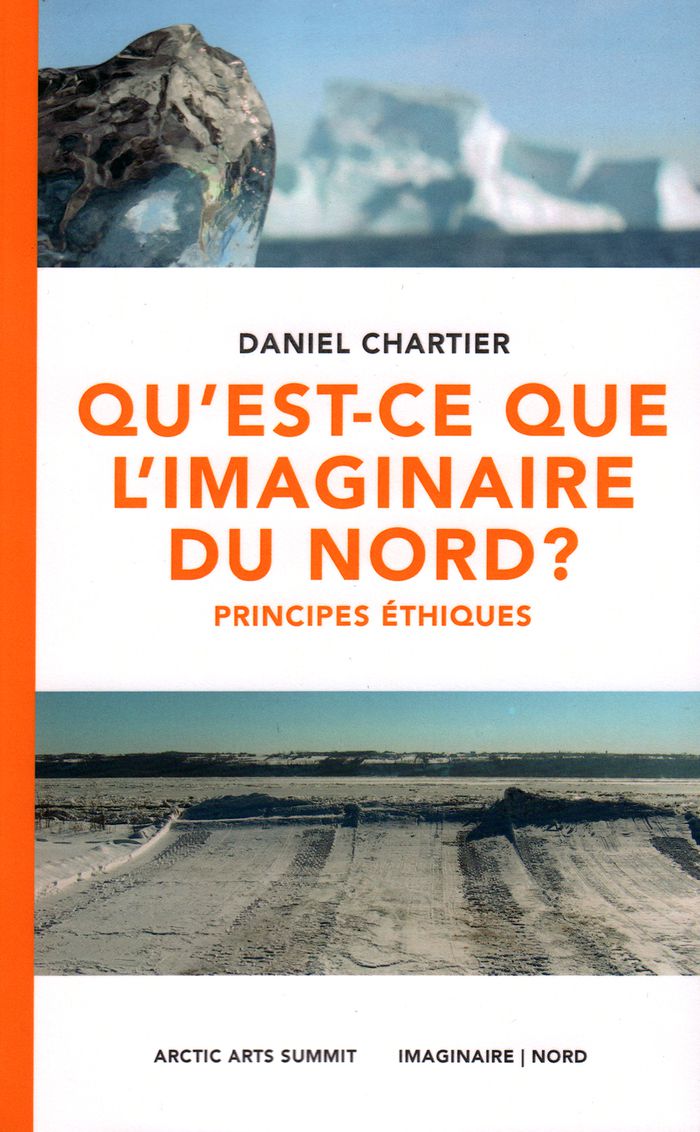
Qu'est-ce que l'imaginaire du Nord ?
Actions:
Prix:
$20.00
(disponible sur commande)
Résumé:
Le Nord est un espace imaginé et représenté depuis des siècles par les artistes et les écrivains du monde occidental, ce qui a mené, au fil du temps et de l'accumulation successive de couches de discours, à la création d'un « imaginaire du Nord » - que ce Nord soit celui de la Scandinavie, du Groenland, de la Russie ou du Grand Nord, ou encore des pôles. Or les Occidentaux ont atteint le Pôle Nord il n'y a qu'un siècle, ce qui fait du « Nord » le produit d'un double regard, de l'extérieur – les représentations, surtout occidentales – et de l'intérieur – les cultures nordiques (inuites, scandinaves, cries, etc.). Les premières étant souvent simplifiées et les secondes méconnues, si l'on souhaite étudier le « Nord » dans une perspective d'ensemble, nous devons donc poser deux questions : comment définir le Nord par l'imaginaire ?
Qu'est-ce que l'imaginaire du Nord ?
Actions:
Prix:
$20.00
(disponible sur commande)
Résumé:
Le Nord est un espace imaginé et représenté depuis des siècles par les artistes et les écrivains du monde occidental, ce qui a mené, au fil du temps et de l'accumulation successive de couches de discours, à la création d'un « imaginaire du Nord » - que ce Nord soit celui de la Scandinavie, du Groenland, de la Russie ou du Grand Nord, ou encore des pôles. Or les Occidentaux ont atteint le Pôle Nord il n'y a qu'un siècle, ce qui fait du « Nord » le produit d'un double regard, de l'extérieur – les représentations, surtout occidentales – et de l'intérieur – les cultures nordiques (inuites, scandinaves, cries, etc.). Les premières étant souvent simplifiées et les secondes méconnues, si l'on souhaite étudier le « Nord » dans une perspective d'ensemble, nous devons donc poser deux questions : comment définir le Nord par l'imaginaire ?
Classification:
livres
livres
Publication:
août 2018
août 2018
Sujet:
Autochtone
Autochtone
Classification:
livres
livres
Titre:
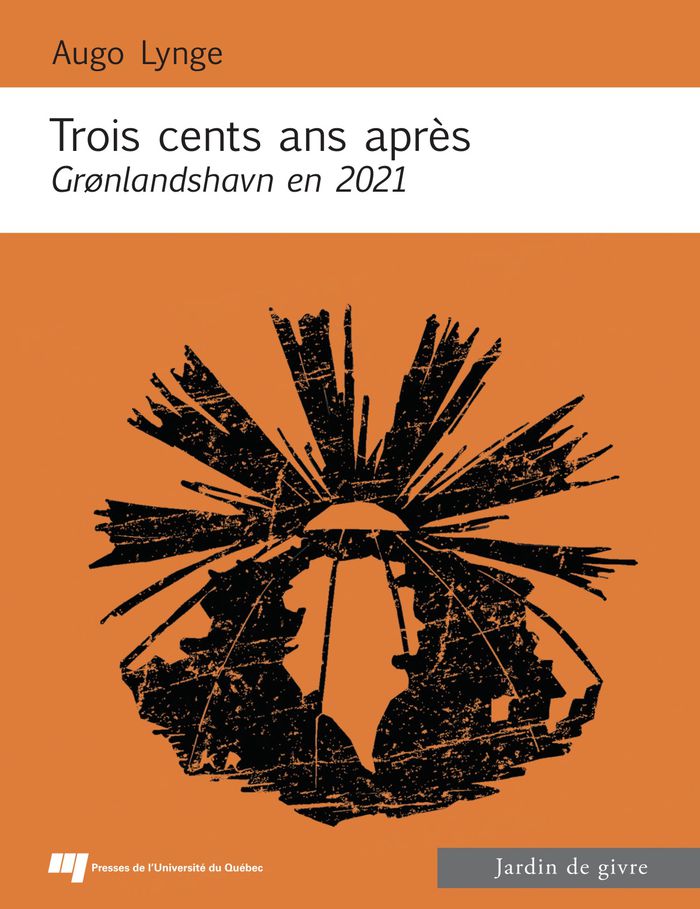
Trois cents ans après
Trois cents ans après
Actions:
Prix:
$18.00
(disponible en magasin)
Résumé:
En lisant ce roman, le deuxième de la littérature groenlandaise, le lecteur découvrira la vision de l’avenir de l’Arctique en 2021 telle qu’imaginée en 1931 par Augo Lynge, auteur né à Qeqertarsuatsiaat. Selon Per Kunuk Lynge, qui en signe l’avant-propos, «?à la lecture de ses anticipations, dont certaines se sont réalisées longtemps après la publication de son roman, on(...)
$18.00
(disponible en magasin)
Résumé:
En lisant ce roman, le deuxième de la littérature groenlandaise, le lecteur découvrira la vision de l’avenir de l’Arctique en 2021 telle qu’imaginée en 1931 par Augo Lynge, auteur né à Qeqertarsuatsiaat. Selon Per Kunuk Lynge, qui en signe l’avant-propos, «?à la lecture de ses anticipations, dont certaines se sont réalisées longtemps après la publication de son roman, on(...)
Titre:
Trois cents ans après
Actions:
Prix:
$18.00
(disponible en magasin)
Résumé:
En lisant ce roman, le deuxième de la littérature groenlandaise, le lecteur découvrira la vision de l’avenir de l’Arctique en 2021 telle qu’imaginée en 1931 par Augo Lynge, auteur né à Qeqertarsuatsiaat. Selon Per Kunuk Lynge, qui en signe l’avant-propos, «?à la lecture de ses anticipations, dont certaines se sont réalisées longtemps après la publication de son roman, on ne peut s’empêcher de voir en l’auteur le chaman inuit d’autrefois, qui voyageait librement autour du monde et était capable de prédire l’avenir?». La vision que nous offre Lynge dans cette intrigue policière entre les villages et l’immense inlandsis glacé est celle d’un pays technologiquement avancé et socialement serein, où les personnages inuits sont devenus ce que sont les Groenlandais d’aujourd’hui?: une preuve vivante d’un peuple qui a la capacité de «?s’adapter à l’un des climats les plus froids et les plus rudes de la planète?» tout en conservant sa langue et sa culture.
Trois cents ans après
Actions:
Prix:
$18.00
(disponible en magasin)
Résumé:
En lisant ce roman, le deuxième de la littérature groenlandaise, le lecteur découvrira la vision de l’avenir de l’Arctique en 2021 telle qu’imaginée en 1931 par Augo Lynge, auteur né à Qeqertarsuatsiaat. Selon Per Kunuk Lynge, qui en signe l’avant-propos, «?à la lecture de ses anticipations, dont certaines se sont réalisées longtemps après la publication de son roman, on ne peut s’empêcher de voir en l’auteur le chaman inuit d’autrefois, qui voyageait librement autour du monde et était capable de prédire l’avenir?». La vision que nous offre Lynge dans cette intrigue policière entre les villages et l’immense inlandsis glacé est celle d’un pays technologiquement avancé et socialement serein, où les personnages inuits sont devenus ce que sont les Groenlandais d’aujourd’hui?: une preuve vivante d’un peuple qui a la capacité de «?s’adapter à l’un des climats les plus froids et les plus rudes de la planète?» tout en conservant sa langue et sa culture.
Classification:
livres
livres
Publication:
mars 2019
mars 2019
Sujet:
Autochtone
Autochtone
Classification:
livres
livres
Actions:
Prix:
$15.95
(disponible sur commande)
Résumé:
For decades, the Inuit of northern Québec were among the most neglected people in Canada. It took The Battle of James Bay, 1971-1975, for the governments in Québec City and Ottawa to wake up to the disgrace. In this concise, lively account, Zebedee Nungak relates the inside story of how the young Inuit and Cree ''Davids'' took action when Québec began construction on the(...)
$15.95
(disponible sur commande)
Résumé:
For decades, the Inuit of northern Québec were among the most neglected people in Canada. It took The Battle of James Bay, 1971-1975, for the governments in Québec City and Ottawa to wake up to the disgrace. In this concise, lively account, Zebedee Nungak relates the inside story of how the young Inuit and Cree ''Davids'' took action when Québec began construction on the(...)
Titre:
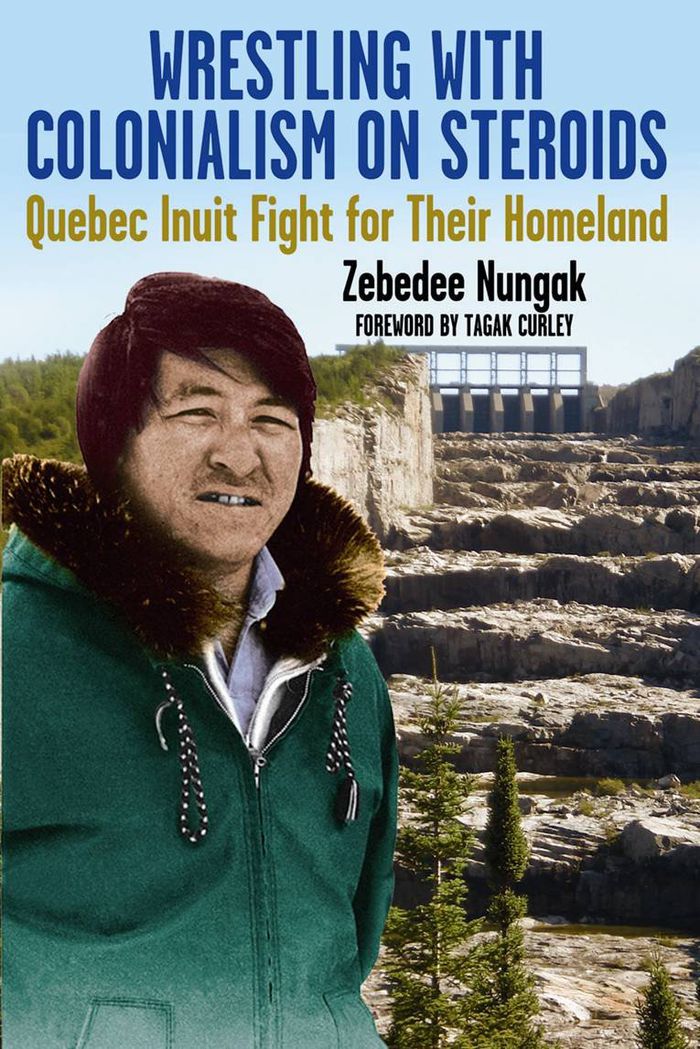
Wrestling with colonialism on steroids: Quebec Inuit fight for the homeland
Actions:
Prix:
$15.95
(disponible sur commande)
Résumé:
For decades, the Inuit of northern Québec were among the most neglected people in Canada. It took The Battle of James Bay, 1971-1975, for the governments in Québec City and Ottawa to wake up to the disgrace. In this concise, lively account, Zebedee Nungak relates the inside story of how the young Inuit and Cree ''Davids'' took action when Québec began construction on the giant James Bay hydro project. They fought in court and at the negotiation table for an accord that effectively became Canada’s first land-claims agreement. Nungak’s account is accompanied by his essays on Nunavik history. Together they provide a fascinating insight into a virtually unknown chapter of Canadian history.
Wrestling with colonialism on steroids: Quebec Inuit fight for the homeland
Actions:
Prix:
$15.95
(disponible sur commande)
Résumé:
For decades, the Inuit of northern Québec were among the most neglected people in Canada. It took The Battle of James Bay, 1971-1975, for the governments in Québec City and Ottawa to wake up to the disgrace. In this concise, lively account, Zebedee Nungak relates the inside story of how the young Inuit and Cree ''Davids'' took action when Québec began construction on the giant James Bay hydro project. They fought in court and at the negotiation table for an accord that effectively became Canada’s first land-claims agreement. Nungak’s account is accompanied by his essays on Nunavik history. Together they provide a fascinating insight into a virtually unknown chapter of Canadian history.
Classification:
livres
livres
Publication:
septembre 2017
septembre 2017
Sujet:
Autochtone
Autochtone
Classification:
livres
livres

Titre:
Split tooth
Split tooth
Actions:
Prix:
$19.99
(disponible sur commande)
Résumé:
Veering back and forth between the grittiest features of a small arctic town, the electrifying proximity of the world of animals, and ravishing world of myth, Tanya Tagaq explores a world where the distinctions between good and evil, animal and human, victim and transgressor, real and imagined lose their meaning, but the guiding power of love remains.
$19.99
(disponible sur commande)
Résumé:
Veering back and forth between the grittiest features of a small arctic town, the electrifying proximity of the world of animals, and ravishing world of myth, Tanya Tagaq explores a world where the distinctions between good and evil, animal and human, victim and transgressor, real and imagined lose their meaning, but the guiding power of love remains.
Titre:
Split tooth
Actions:
Prix:
$19.99
(disponible sur commande)
Résumé:
Veering back and forth between the grittiest features of a small arctic town, the electrifying proximity of the world of animals, and ravishing world of myth, Tanya Tagaq explores a world where the distinctions between good and evil, animal and human, victim and transgressor, real and imagined lose their meaning, but the guiding power of love remains.
Split tooth
Actions:
Prix:
$19.99
(disponible sur commande)
Résumé:
Veering back and forth between the grittiest features of a small arctic town, the electrifying proximity of the world of animals, and ravishing world of myth, Tanya Tagaq explores a world where the distinctions between good and evil, animal and human, victim and transgressor, real and imagined lose their meaning, but the guiding power of love remains.
Classification:
livres
livres
Publication:
septembre 2019
septembre 2019
Classification:
livres
livres
Actions:
Prix:
$25.00
(disponible sur commande)
Résumé:
Chasseur, pêcheur, trappeur et homme politique, Taamusi Qumaq (1914-1993) est considéré comme l'un des grands penseurs des Inuit du Nunavik. Bien qu'unilingue en inuktitut, ce personnage exceptionnel a consacré sa vie à consigner, à l'écrit, la vie des siens ainsi que leur langue – et il s'est à ce titre mérité la reconnaissance de plusieurs institutions, dont celle de(...)
$25.00
(disponible sur commande)
Résumé:
Chasseur, pêcheur, trappeur et homme politique, Taamusi Qumaq (1914-1993) est considéré comme l'un des grands penseurs des Inuit du Nunavik. Bien qu'unilingue en inuktitut, ce personnage exceptionnel a consacré sa vie à consigner, à l'écrit, la vie des siens ainsi que leur langue – et il s'est à ce titre mérité la reconnaissance de plusieurs institutions, dont celle de(...)
Titre:
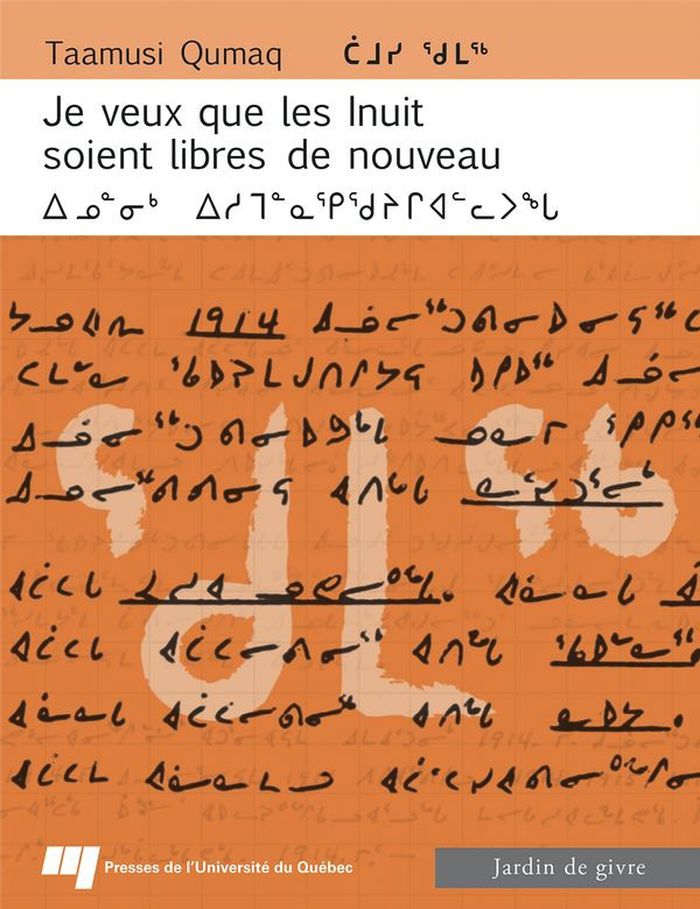
Je veux que les Inuit soient libres de nouveau
Actions:
Prix:
$25.00
(disponible sur commande)
Résumé:
Chasseur, pêcheur, trappeur et homme politique, Taamusi Qumaq (1914-1993) est considéré comme l'un des grands penseurs des Inuit du Nunavik. Bien qu'unilingue en inuktitut, ce personnage exceptionnel a consacré sa vie à consigner, à l'écrit, la vie des siens ainsi que leur langue – et il s'est à ce titre mérité la reconnaissance de plusieurs institutions, dont celle de l'Assemblée nationale du Québec. Son autobiographie, dont on retrouvera ici la traduction en français, ainsi que pour la première fois sous forme de livre le texte original en inuktitut, constitue un document de grande importance, tant pour les Inuit qui trouveront en lui un modèle, que pour les lecteurs du monde entier qui accèdent par ses mots à un univers culturel fascinant. Avec une introduction de Louis-Jacques Dorais, professeur à l'Université Laval. Ce livre est publié en collaboration avec l'Institut culturel Avataq.
Je veux que les Inuit soient libres de nouveau
Actions:
Prix:
$25.00
(disponible sur commande)
Résumé:
Chasseur, pêcheur, trappeur et homme politique, Taamusi Qumaq (1914-1993) est considéré comme l'un des grands penseurs des Inuit du Nunavik. Bien qu'unilingue en inuktitut, ce personnage exceptionnel a consacré sa vie à consigner, à l'écrit, la vie des siens ainsi que leur langue – et il s'est à ce titre mérité la reconnaissance de plusieurs institutions, dont celle de l'Assemblée nationale du Québec. Son autobiographie, dont on retrouvera ici la traduction en français, ainsi que pour la première fois sous forme de livre le texte original en inuktitut, constitue un document de grande importance, tant pour les Inuit qui trouveront en lui un modèle, que pour les lecteurs du monde entier qui accèdent par ses mots à un univers culturel fascinant. Avec une introduction de Louis-Jacques Dorais, professeur à l'Université Laval. Ce livre est publié en collaboration avec l'Institut culturel Avataq.
Classification:
livres
livres
Publication:
août 2020
août 2020
Sujet:
Autochtone
Autochtone
Classification:
livres
livres
Actions:
Prix:
$26.99
(disponible en magasin)
Résumé:
In 'As we have always done', Leanne Betasamosake Simpson locates Indigenous political resurgence as a practice rooted in uniquely Indigenous theorizing, writing, organizing, and thinking. Indigenous resistance is a radical rejection of contemporary colonialism focused around the refusal of the dispossession of both Indigenous bodies and land. Simpson makes clear that(...)
$26.99
(disponible en magasin)
Résumé:
In 'As we have always done', Leanne Betasamosake Simpson locates Indigenous political resurgence as a practice rooted in uniquely Indigenous theorizing, writing, organizing, and thinking. Indigenous resistance is a radical rejection of contemporary colonialism focused around the refusal of the dispossession of both Indigenous bodies and land. Simpson makes clear that(...)
Titre:
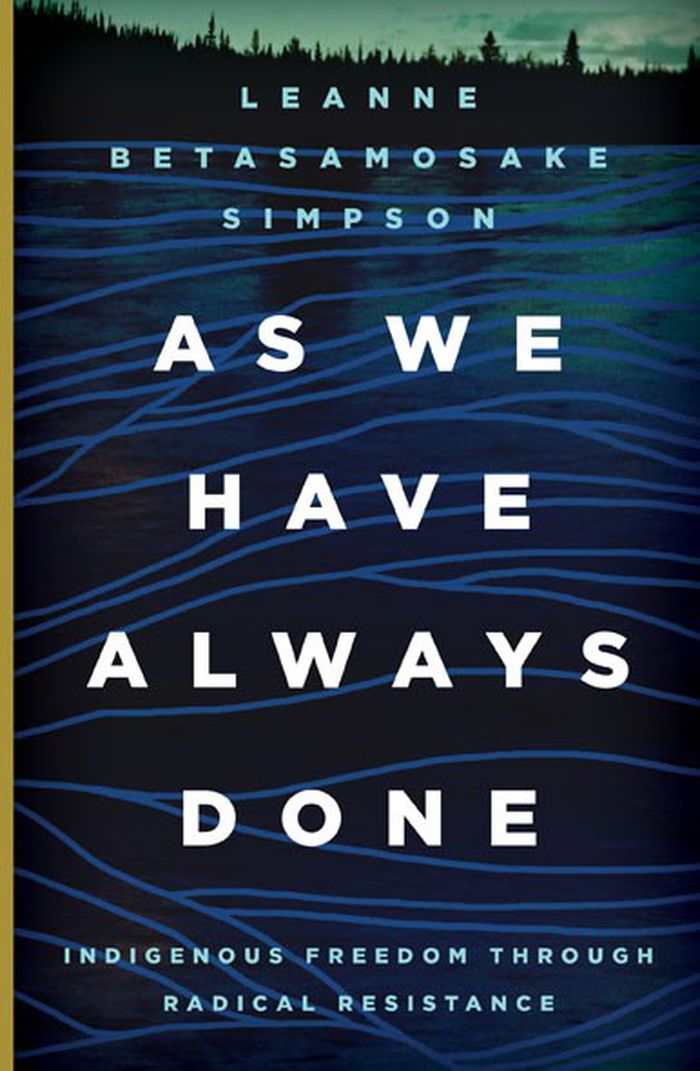
As we have always done: Indigenous freedom through radical resistance
Actions:
Prix:
$26.99
(disponible en magasin)
Résumé:
In 'As we have always done', Leanne Betasamosake Simpson locates Indigenous political resurgence as a practice rooted in uniquely Indigenous theorizing, writing, organizing, and thinking. Indigenous resistance is a radical rejection of contemporary colonialism focused around the refusal of the dispossession of both Indigenous bodies and land. Simpson makes clear that its goal can no longer be cultural resurgence as a mechanism for inclusion in a multicultural mosaic. Instead, she calls for unapologetic, place-based Indigenous alternatives to the destructive logics of the settler colonial state, including heteropatriarchy, white supremacy, and capitalist exploitation.
As we have always done: Indigenous freedom through radical resistance
Actions:
Prix:
$26.99
(disponible en magasin)
Résumé:
In 'As we have always done', Leanne Betasamosake Simpson locates Indigenous political resurgence as a practice rooted in uniquely Indigenous theorizing, writing, organizing, and thinking. Indigenous resistance is a radical rejection of contemporary colonialism focused around the refusal of the dispossession of both Indigenous bodies and land. Simpson makes clear that its goal can no longer be cultural resurgence as a mechanism for inclusion in a multicultural mosaic. Instead, she calls for unapologetic, place-based Indigenous alternatives to the destructive logics of the settler colonial state, including heteropatriarchy, white supremacy, and capitalist exploitation.
Classification:
livres
livres
Publication:
janvier 2021
janvier 2021
Sujet:
Autochtone
Autochtone
Classification:
livres
livres
Titre:
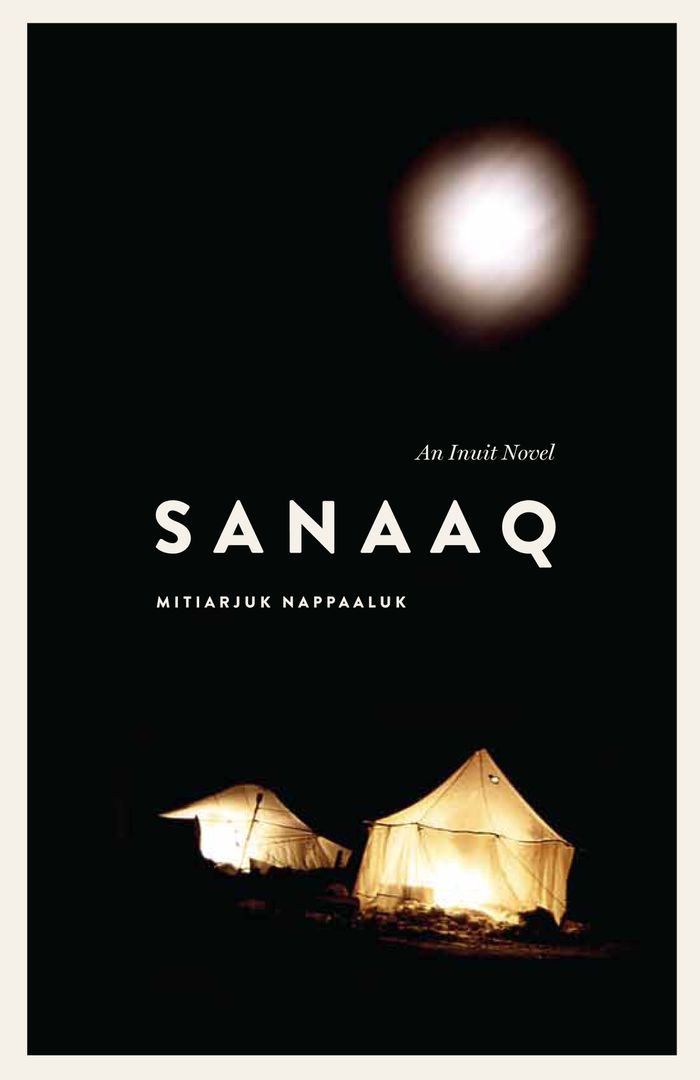
Sanaaq: An Inuit novel
Sanaaq: An Inuit novel
Actions:
Prix:
$24.95
(disponible sur commande)
Résumé:
This book is an intimate story of an Inuit family negotiating the changes brought into their community by the coming of the qallunaat, the white people. Composed in 48 episodes, it recounts the daily life of Sanaaq, a strong and outspoken young widow, her daughter Qumaq, and their small semi-nomadic community in northern Quebec. Here they live their lives hunting seal,(...)
$24.95
(disponible sur commande)
Résumé:
This book is an intimate story of an Inuit family negotiating the changes brought into their community by the coming of the qallunaat, the white people. Composed in 48 episodes, it recounts the daily life of Sanaaq, a strong and outspoken young widow, her daughter Qumaq, and their small semi-nomadic community in northern Quebec. Here they live their lives hunting seal,(...)
Titre:
Sanaaq: An Inuit novel
Actions:
Prix:
$24.95
(disponible sur commande)
Résumé:
This book is an intimate story of an Inuit family negotiating the changes brought into their community by the coming of the qallunaat, the white people. Composed in 48 episodes, it recounts the daily life of Sanaaq, a strong and outspoken young widow, her daughter Qumaq, and their small semi-nomadic community in northern Quebec. Here they live their lives hunting seal, repairing their kayak, and gathering mussels under blue sea ice before the tide comes in. These are ordinary extraordinary lives: marriages are made and unmade, children are born and named, violence appears in the form of a fearful husband or a hungry polar bear. Here the spirit world is alive and relations with non-humans are never taken lightly. And under it all, the growing intrusion of the qallunaat and the battle for souls between the Catholic and Anglican missionaries threatens to forever change the way of life of Sanaaq and her young family.
Sanaaq: An Inuit novel
Actions:
Prix:
$24.95
(disponible sur commande)
Résumé:
This book is an intimate story of an Inuit family negotiating the changes brought into their community by the coming of the qallunaat, the white people. Composed in 48 episodes, it recounts the daily life of Sanaaq, a strong and outspoken young widow, her daughter Qumaq, and their small semi-nomadic community in northern Quebec. Here they live their lives hunting seal, repairing their kayak, and gathering mussels under blue sea ice before the tide comes in. These are ordinary extraordinary lives: marriages are made and unmade, children are born and named, violence appears in the form of a fearful husband or a hungry polar bear. Here the spirit world is alive and relations with non-humans are never taken lightly. And under it all, the growing intrusion of the qallunaat and the battle for souls between the Catholic and Anglican missionaries threatens to forever change the way of life of Sanaaq and her young family.
Classification:
livres
livres
Publication:
janvier 2014
janvier 2014
Sujet:
Autochtone
Autochtone
Classification:
livres
livres
Actions:
Prix:
$36.95
(disponible sur commande)
Résumé:
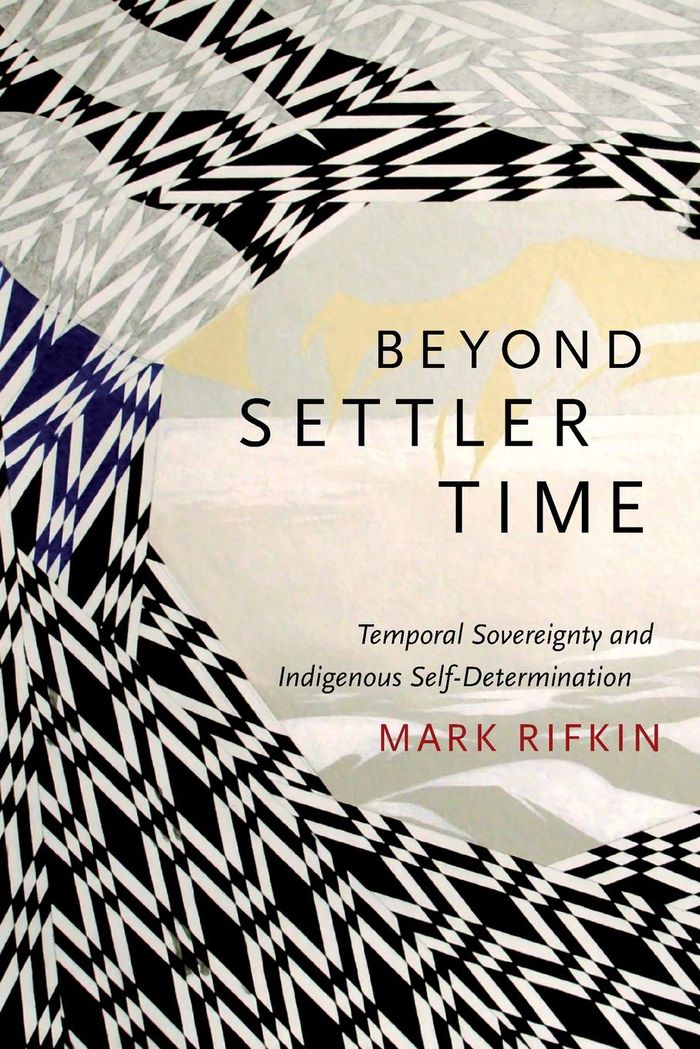
What does it mean to say that Native peoples exist in the present? In ''Beyond settler time'' Mark Rifkin investigates the dangers of seeking to include Indigenous peoples within settler temporal frameworks. Claims that Native peoples should be recognized as coeval with Euro-Americans, Rifkin argues, implicitly treat dominant non-native ideologies and institutions as the(...)
$36.95
(disponible sur commande)
Résumé:
What does it mean to say that Native peoples exist in the present? In ''Beyond settler time'' Mark Rifkin investigates the dangers of seeking to include Indigenous peoples within settler temporal frameworks. Claims that Native peoples should be recognized as coeval with Euro-Americans, Rifkin argues, implicitly treat dominant non-native ideologies and institutions as the(...)
Titre:
Beyond settler time: temporal sovereignty and indigenous self-determination
Actions:
Prix:
$36.95
(disponible sur commande)
Résumé:
What does it mean to say that Native peoples exist in the present? In ''Beyond settler time'' Mark Rifkin investigates the dangers of seeking to include Indigenous peoples within settler temporal frameworks. Claims that Native peoples should be recognized as coeval with Euro-Americans, Rifkin argues, implicitly treat dominant non-native ideologies and institutions as the basis for defining time itself. How, though, can Native peoples be understood as dynamic and changing while also not assuming that they belong to a present inherently shared with non-natives? Drawing on physics, phenomenology, queer studies, and postcolonial theory, Rifkin develops the concept of "settler time" to address how Native peoples are both consigned to the past and inserted into the present in ways that normalize non-native histories, geographies, and expectations. Through analysis of various kinds of texts, including government documents, film, fiction, and autobiography, he explores how Native experiences of time exceed and defy such settler impositions. In underscoring the existence of multiple temporalities, Rifkin illustrates how time plays a crucial role in Indigenous peoples' expressions of sovereignty and struggles for self-determination.
Beyond settler time: temporal sovereignty and indigenous self-determination
Actions:
Prix:
$36.95
(disponible sur commande)
Résumé:
What does it mean to say that Native peoples exist in the present? In ''Beyond settler time'' Mark Rifkin investigates the dangers of seeking to include Indigenous peoples within settler temporal frameworks. Claims that Native peoples should be recognized as coeval with Euro-Americans, Rifkin argues, implicitly treat dominant non-native ideologies and institutions as the basis for defining time itself. How, though, can Native peoples be understood as dynamic and changing while also not assuming that they belong to a present inherently shared with non-natives? Drawing on physics, phenomenology, queer studies, and postcolonial theory, Rifkin develops the concept of "settler time" to address how Native peoples are both consigned to the past and inserted into the present in ways that normalize non-native histories, geographies, and expectations. Through analysis of various kinds of texts, including government documents, film, fiction, and autobiography, he explores how Native experiences of time exceed and defy such settler impositions. In underscoring the existence of multiple temporalities, Rifkin illustrates how time plays a crucial role in Indigenous peoples' expressions of sovereignty and struggles for self-determination.
Classification:
livres
livres
Publication:
février 2017
février 2017


