


63 Résultats
Classification:
livres
livres
Prix:
$137.00
(disponible en magasin)
Résumé:
The 18th Venice Architecture Biennale, titled "The laboratory of the future," is conceived as a kind of workshop at which architects present examples from their practices reflecting on themes of decolonization and decarbonization. The biennale also shines a spotlight on Africa and the African Diaspora, with 89 participants, over half of whom are of African descent. Volume(...)
$137.00
(disponible en magasin)
Résumé:
The 18th Venice Architecture Biennale, titled "The laboratory of the future," is conceived as a kind of workshop at which architects present examples from their practices reflecting on themes of decolonization and decarbonization. The biennale also shines a spotlight on Africa and the African Diaspora, with 89 participants, over half of whom are of African descent. Volume(...)
Titre:
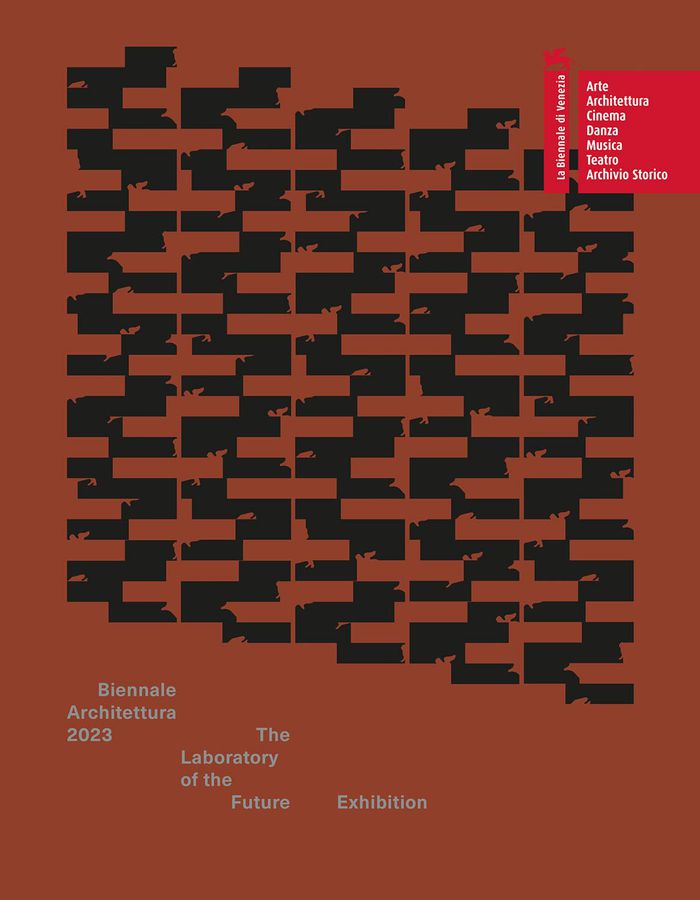
Biennale Architettura 2023: The laboratory of the future
Actions:
Prix:
$137.00
(disponible en magasin)
Résumé:
The 18th Venice Architecture Biennale, titled "The laboratory of the future," is conceived as a kind of workshop at which architects present examples from their practices reflecting on themes of decolonization and decarbonization. The biennale also shines a spotlight on Africa and the African Diaspora, with 89 participants, over half of whom are of African descent. Volume I of its catalog is dedicated to the International Exhibition, curated by Ghanaian Scottish architect Lesley Lokko. Projects by each participant are accompanied by a critical text and biographical notes and a rich plate section. Volume II presents the National Participations and the Collateral Events, with illustrated texts that delve into the projects presented in the Pavilions and the Collateral Exhibitions on display in the Giardini, the Arsenale and various locations throughout Venice.
Biennale Architettura 2023: The laboratory of the future
Actions:
Prix:
$137.00
(disponible en magasin)
Résumé:
The 18th Venice Architecture Biennale, titled "The laboratory of the future," is conceived as a kind of workshop at which architects present examples from their practices reflecting on themes of decolonization and decarbonization. The biennale also shines a spotlight on Africa and the African Diaspora, with 89 participants, over half of whom are of African descent. Volume I of its catalog is dedicated to the International Exhibition, curated by Ghanaian Scottish architect Lesley Lokko. Projects by each participant are accompanied by a critical text and biographical notes and a rich plate section. Volume II presents the National Participations and the Collateral Events, with illustrated texts that delve into the projects presented in the Pavilions and the Collateral Exhibitions on display in the Giardini, the Arsenale and various locations throughout Venice.
Classification:
livres
livres
Publication:
novembre 2023
novembre 2023
Sujet:
Biennale
Biennale
Classification:
livres
livres
Actions:
Prix:
$58.00
(disponible sur commande)
Résumé:
The official catalog for the United Arabic Emirates' National Pavilion at the Venice Architecture Biennale, ''In Plain Sigh''t was conceived as a collection of travels through aridity. Contributors were asked to explore the relationship between travel, travel writing and the built environment. What emerged was a diverse set of positions and attitudes towards travel(...)
$58.00
(disponible sur commande)
Résumé:
The official catalog for the United Arabic Emirates' National Pavilion at the Venice Architecture Biennale, ''In Plain Sigh''t was conceived as a collection of travels through aridity. Contributors were asked to explore the relationship between travel, travel writing and the built environment. What emerged was a diverse set of positions and attitudes towards travel(...)
Titre:
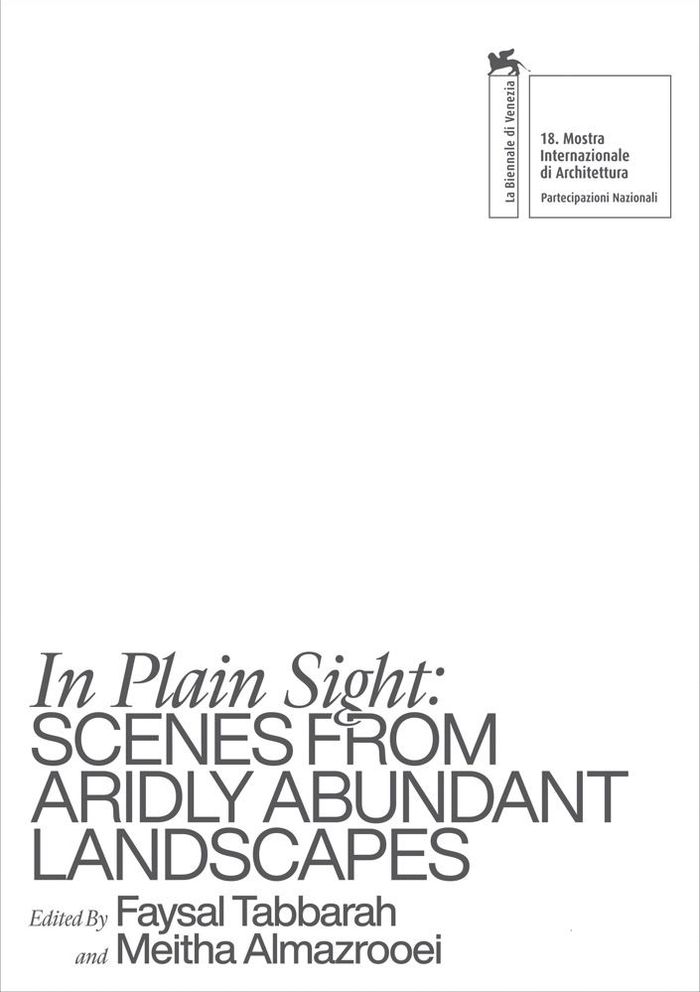
In plain sight: Scenes from aridly abundant landscapes. 18th Venice Architecture Biennale
Actions:
Prix:
$58.00
(disponible sur commande)
Résumé:
The official catalog for the United Arabic Emirates' National Pavilion at the Venice Architecture Biennale, ''In Plain Sigh''t was conceived as a collection of travels through aridity. Contributors were asked to explore the relationship between travel, travel writing and the built environment. What emerged was a diverse set of positions and attitudes towards travel writing that ranged from documenting journeys through historical texts and images in search of lost relationships with aridity and the practices it engenders, to authors who traveled to contemporary arid spaces in search of nuance and abundance, and essays that explore the blurry and conceptual edges of aridity. Alongside the travel-based contributions, the book presents a series of field notes, ostensibly framed as research findings. In the field notes, curator Faysal Tabbarah attempts to narrate the places, materials and tactics that he encountered on numerous trips. Buttressing these field notes are photographic series depicting the range of tactics used in constructing Al Hajar’s built environment. Addressing aridity across time, space and ideas, In Plain Sight recasts the genre of travel literature, challenging the ways in which arid environments have historically been depicted.
In plain sight: Scenes from aridly abundant landscapes. 18th Venice Architecture Biennale
Actions:
Prix:
$58.00
(disponible sur commande)
Résumé:
The official catalog for the United Arabic Emirates' National Pavilion at the Venice Architecture Biennale, ''In Plain Sigh''t was conceived as a collection of travels through aridity. Contributors were asked to explore the relationship between travel, travel writing and the built environment. What emerged was a diverse set of positions and attitudes towards travel writing that ranged from documenting journeys through historical texts and images in search of lost relationships with aridity and the practices it engenders, to authors who traveled to contemporary arid spaces in search of nuance and abundance, and essays that explore the blurry and conceptual edges of aridity. Alongside the travel-based contributions, the book presents a series of field notes, ostensibly framed as research findings. In the field notes, curator Faysal Tabbarah attempts to narrate the places, materials and tactics that he encountered on numerous trips. Buttressing these field notes are photographic series depicting the range of tactics used in constructing Al Hajar’s built environment. Addressing aridity across time, space and ideas, In Plain Sight recasts the genre of travel literature, challenging the ways in which arid environments have historically been depicted.
Classification:
livres
livres
Publication:
août 2023
août 2023
Sujet:
Biennale
Biennale
Classification:
livres
livres
Actions:
Prix:
$35.00
(disponible en magasin)
Résumé:
Avec Demeurer en mycelium, Vinciane Despret, Christine Aventin et Juliette Salme nous projettent dans un avenir où l’homme aurait enfin renoué avec les matériaux vivants. Le point de départ historique de cette nouvelle ère, appelée par les auteures « mycélocène », est « In Vivo », la proposition construite pour le Pavillon de la Belgique par les architectes de Bento(...)
$35.00
(disponible en magasin)
Résumé:
Avec Demeurer en mycelium, Vinciane Despret, Christine Aventin et Juliette Salme nous projettent dans un avenir où l’homme aurait enfin renoué avec les matériaux vivants. Le point de départ historique de cette nouvelle ère, appelée par les auteures « mycélocène », est « In Vivo », la proposition construite pour le Pavillon de la Belgique par les architectes de Bento(...)
Titre:
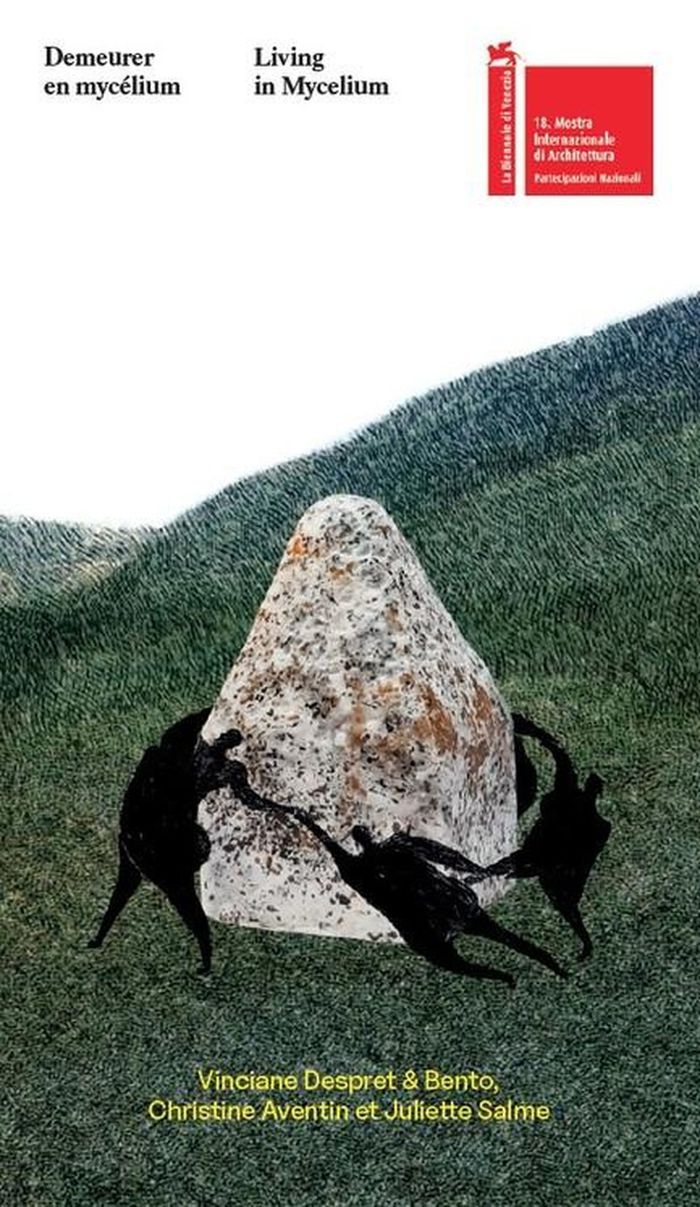
Demeurer en mycélium / Living in mycelium : Biennale d'architecture de Venise
Actions:
Prix:
$35.00
(disponible en magasin)
Résumé:
Avec Demeurer en mycelium, Vinciane Despret, Christine Aventin et Juliette Salme nous projettent dans un avenir où l’homme aurait enfin renoué avec les matériaux vivants. Le point de départ historique de cette nouvelle ère, appelée par les auteures « mycélocène », est « In Vivo », la proposition construite pour le Pavillon de la Belgique par les architectes de Bento (Florian Mahieu, Corentin Dalon et Charles Palliez) et leur équipe multidisciplinaire de Wallonie et de Bruxelles, à l’occasion de la 18e Biennale internationale d’architecture de Venise. « In Vivo » interroge notre système de production extractiviste vorace en donnant à voir et à ressentir, à vivre, à un moment M, un univers constructif alternatif composé de matériaux vivants. Mycélium, bois et terre sont tous issus du territoire urbain bruxellois, dans une perspective durable d’approvisionnement ultra local. La publication met en perspective et prolonge, tout au long du siècle en cours, la réalité concrète de cette installation temporaire par une fiction inspirante prenant la forme d’une enquête menée dans les années 2050.
Demeurer en mycélium / Living in mycelium : Biennale d'architecture de Venise
Actions:
Prix:
$35.00
(disponible en magasin)
Résumé:
Avec Demeurer en mycelium, Vinciane Despret, Christine Aventin et Juliette Salme nous projettent dans un avenir où l’homme aurait enfin renoué avec les matériaux vivants. Le point de départ historique de cette nouvelle ère, appelée par les auteures « mycélocène », est « In Vivo », la proposition construite pour le Pavillon de la Belgique par les architectes de Bento (Florian Mahieu, Corentin Dalon et Charles Palliez) et leur équipe multidisciplinaire de Wallonie et de Bruxelles, à l’occasion de la 18e Biennale internationale d’architecture de Venise. « In Vivo » interroge notre système de production extractiviste vorace en donnant à voir et à ressentir, à vivre, à un moment M, un univers constructif alternatif composé de matériaux vivants. Mycélium, bois et terre sont tous issus du territoire urbain bruxellois, dans une perspective durable d’approvisionnement ultra local. La publication met en perspective et prolonge, tout au long du siècle en cours, la réalité concrète de cette installation temporaire par une fiction inspirante prenant la forme d’une enquête menée dans les années 2050.
Classification:
livres
livres
Publication:
juin 2023
juin 2023
Sujet:
Biennale
Biennale
Classification:
livres
livres
Titre:
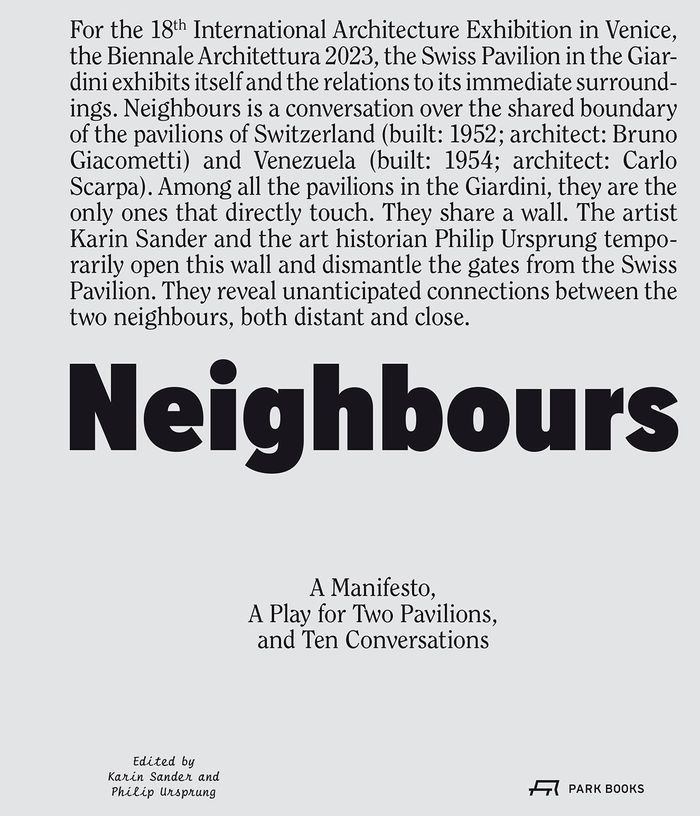
Neighbors: A manifesto. A play for two pavillions and ten conversations. Venice Architecture Biennal
Neighbors: A manifesto. A play for two pavillions and ten conversations. Venice Architecture Biennal
Actions:
Prix:
$49.95
(disponible sur commande)
Résumé:
The Swiss Pavilion at the 18th International Architecture Exhibition of the Venice Biennale exhibits itself and the relations to its immediate surroundings. The exhibition is a conversation over the shared boundary of the pavilions of Switzerland (1952, designed by Bruno Giacometti) and Venezuela (1954, designed by Carlo Scarpa), the only two in the Giardini not fully(...)
$49.95
(disponible sur commande)
Résumé:
The Swiss Pavilion at the 18th International Architecture Exhibition of the Venice Biennale exhibits itself and the relations to its immediate surroundings. The exhibition is a conversation over the shared boundary of the pavilions of Switzerland (1952, designed by Bruno Giacometti) and Venezuela (1954, designed by Carlo Scarpa), the only two in the Giardini not fully(...)
Titre:
Neighbors: A manifesto. A play for two pavillions and ten conversations. Venice Architecture Biennal
Actions:
Prix:
$49.95
(disponible sur commande)
Résumé:
The Swiss Pavilion at the 18th International Architecture Exhibition of the Venice Biennale exhibits itself and the relations to its immediate surroundings. The exhibition is a conversation over the shared boundary of the pavilions of Switzerland (1952, designed by Bruno Giacometti) and Venezuela (1954, designed by Carlo Scarpa), the only two in the Giardini not fully detached: they share one wall. Artist Karin Sander and art historian Philip Ursprung temporarily open this wall and dismantle the gates from the Swiss Pavilion, thus revealing unanticipated connections between the two neighbors, both distant and close. The complementing book offers a manifesto, a play with the two buildings as dramatis personae, and three brief topical essays. Ten conversations with architectural historian Kurt W. Forster, photographers Paolo Gasparini and Guido Giudi, and Venezuelan architects Elisa Silva and Margarita López-Maya round off this volume.
Neighbors: A manifesto. A play for two pavillions and ten conversations. Venice Architecture Biennal
Actions:
Prix:
$49.95
(disponible sur commande)
Résumé:
The Swiss Pavilion at the 18th International Architecture Exhibition of the Venice Biennale exhibits itself and the relations to its immediate surroundings. The exhibition is a conversation over the shared boundary of the pavilions of Switzerland (1952, designed by Bruno Giacometti) and Venezuela (1954, designed by Carlo Scarpa), the only two in the Giardini not fully detached: they share one wall. Artist Karin Sander and art historian Philip Ursprung temporarily open this wall and dismantle the gates from the Swiss Pavilion, thus revealing unanticipated connections between the two neighbors, both distant and close. The complementing book offers a manifesto, a play with the two buildings as dramatis personae, and three brief topical essays. Ten conversations with architectural historian Kurt W. Forster, photographers Paolo Gasparini and Guido Giudi, and Venezuelan architects Elisa Silva and Margarita López-Maya round off this volume.
Classification:
livres
livres
Publication:
octobre 2023
octobre 2023
Sujet:
Biennale
Biennale
Classification:
livres
livres
Prix:
$49.95
(disponible sur commande)
Résumé:
''Cloud-to-ground'' is the scientific term for lightning that strikes directly into the ground. Cloud-to-ground, published in conjunction with the Israeli pavilion at the 18th International Architecture Exhibition of the Venice Biennale, investigates the shifts in political power structure that result from the wide-spread use of cloud technology: the storage, processing,(...)
$49.95
(disponible sur commande)
Résumé:
''Cloud-to-ground'' is the scientific term for lightning that strikes directly into the ground. Cloud-to-ground, published in conjunction with the Israeli pavilion at the 18th International Architecture Exhibition of the Venice Biennale, investigates the shifts in political power structure that result from the wide-spread use of cloud technology: the storage, processing,(...)
Titre:
Cloud-to-ground.Israel pavillion, Venice Architecture Biennale
Actions:
Prix:
$49.95
(disponible sur commande)
Résumé:
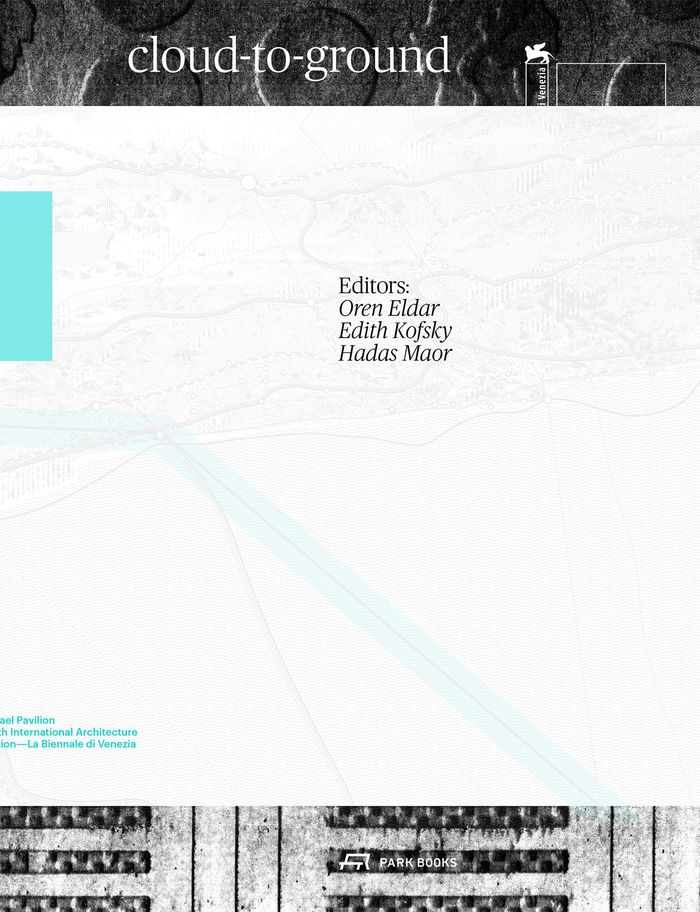
''Cloud-to-ground'' is the scientific term for lightning that strikes directly into the ground. Cloud-to-ground, published in conjunction with the Israeli pavilion at the 18th International Architecture Exhibition of the Venice Biennale, investigates the shifts in political power structure that result from the wide-spread use of cloud technology: the storage, processing, and analysis of inconceivable amounts of data in computer “clouds.” The focus is on major infrastructure projects currently underway in Israel and the Middle East region. These include Nimbus, a major cloud project pursued by the Israeli government for which Google and Amazon are building new powerful data centers, and the Blue Raman fiber-optic cable across the Negev Desert, also laid by Google, which will bypass Egypt on its way from India to Europe and at the same time revive the ancient trade routes that passed through this country. ''Cloud-to-ground'' also documents the decommissioning and demolition of countless telephone exchanges in Israel’s cities that have become obsolete. It thus brings to attention the physical nature of these largely ignored “black box” structures and connects them to the history of the Middle East and recent developments in global communication technology. Essays by prominent Israeli scholars are complemented by numerous photographs, sketches, and archival documents, as well as a newly compiled index of 140 telephone exchanges in Israel.
Cloud-to-ground.Israel pavillion, Venice Architecture Biennale
Actions:
Prix:
$49.95
(disponible sur commande)
Résumé:
''Cloud-to-ground'' is the scientific term for lightning that strikes directly into the ground. Cloud-to-ground, published in conjunction with the Israeli pavilion at the 18th International Architecture Exhibition of the Venice Biennale, investigates the shifts in political power structure that result from the wide-spread use of cloud technology: the storage, processing, and analysis of inconceivable amounts of data in computer “clouds.” The focus is on major infrastructure projects currently underway in Israel and the Middle East region. These include Nimbus, a major cloud project pursued by the Israeli government for which Google and Amazon are building new powerful data centers, and the Blue Raman fiber-optic cable across the Negev Desert, also laid by Google, which will bypass Egypt on its way from India to Europe and at the same time revive the ancient trade routes that passed through this country. ''Cloud-to-ground'' also documents the decommissioning and demolition of countless telephone exchanges in Israel’s cities that have become obsolete. It thus brings to attention the physical nature of these largely ignored “black box” structures and connects them to the history of the Middle East and recent developments in global communication technology. Essays by prominent Israeli scholars are complemented by numerous photographs, sketches, and archival documents, as well as a newly compiled index of 140 telephone exchanges in Israel.
Classification:
livres
livres
Publication:
septembre 2023
septembre 2023
Sujet:
Biennale
Biennale
Classification:
livres
livres
Titre:
Staging the moon: Resource extraction beyond earth. Luxembourg Pavilion, Biennale Venizia 2023
Staging the moon: Resource extraction beyond earth. Luxembourg Pavilion, Biennale Venizia 2023
Actions:
Prix:
$58.00
(disponible en magasin)
Résumé:
"Staging the Moon: Resource extraction beyond Earth" is a publication of the Luxembourg Pavilion at the 18th International Architecture Exhibition of La Biennale di Venezia 2023. It critically unpacks Luxembourg’s role in space-mining developments from the perspective of resources. Curators Francelle Cane and Marija Mari? transform the pavilion into a "lunar laboratory":(...)
$58.00
(disponible en magasin)
Résumé:
"Staging the Moon: Resource extraction beyond Earth" is a publication of the Luxembourg Pavilion at the 18th International Architecture Exhibition of La Biennale di Venezia 2023. It critically unpacks Luxembourg’s role in space-mining developments from the perspective of resources. Curators Francelle Cane and Marija Mari? transform the pavilion into a "lunar laboratory":(...)
Titre:
Staging the moon: Resource extraction beyond earth. Luxembourg Pavilion, Biennale Venizia 2023
Actions:
Prix:
$58.00
(disponible en magasin)
Résumé:
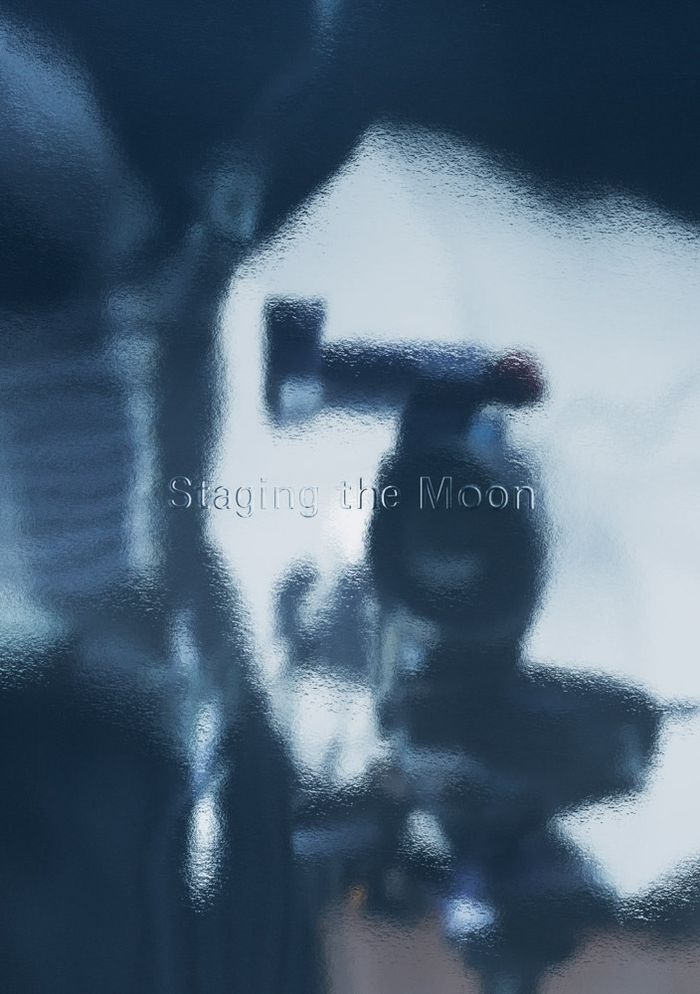
"Staging the Moon: Resource extraction beyond Earth" is a publication of the Luxembourg Pavilion at the 18th International Architecture Exhibition of La Biennale di Venezia 2023. It critically unpacks Luxembourg’s role in space-mining developments from the perspective of resources. Curators Francelle Cane and Marija Mari? transform the pavilion into a "lunar laboratory": a space for testing human technologies on the Moon that also doubles as a media studio "staging" corporate narratives of positive change. From the development of human settlements on the Moon to the mining of asteroids for rare minerals and metals, the wild imaginaries of extraction-driven growth have, quite literally, transcended the boundaries of Earth. This volume collects essays and fragments of research on the shifting of resource exploitation from the exhausted Earth to its celestial hinterland, and begins an urgent debate on the impact this shift will have on our understanding of land, resources and commons.
Staging the moon: Resource extraction beyond earth. Luxembourg Pavilion, Biennale Venizia 2023
Actions:
Prix:
$58.00
(disponible en magasin)
Résumé:
"Staging the Moon: Resource extraction beyond Earth" is a publication of the Luxembourg Pavilion at the 18th International Architecture Exhibition of La Biennale di Venezia 2023. It critically unpacks Luxembourg’s role in space-mining developments from the perspective of resources. Curators Francelle Cane and Marija Mari? transform the pavilion into a "lunar laboratory": a space for testing human technologies on the Moon that also doubles as a media studio "staging" corporate narratives of positive change. From the development of human settlements on the Moon to the mining of asteroids for rare minerals and metals, the wild imaginaries of extraction-driven growth have, quite literally, transcended the boundaries of Earth. This volume collects essays and fragments of research on the shifting of resource exploitation from the exhausted Earth to its celestial hinterland, and begins an urgent debate on the impact this shift will have on our understanding of land, resources and commons.
Classification:
livres
livres
Publication:
mars 2024
mars 2024
Sujet:
Biennale
Biennale
Classification:
livres
livres
Actions:
Prix:
$43.95
(disponible en magasin)
Résumé:
Qorri-Dragaj (born 1985) and Qorri (born 1959) explore how the return of migrants after the Kosovar War has affected Kosovar urban space. This book opens a discussion on how urban planning can respond to these specific conditions to create urban resilience and livable cities.
$43.95
(disponible en magasin)
Résumé:
Qorri-Dragaj (born 1985) and Qorri (born 1959) explore how the return of migrants after the Kosovar War has affected Kosovar urban space. This book opens a discussion on how urban planning can respond to these specific conditions to create urban resilience and livable cities.
Titre:
Poliksen Qorri-Dragaj & Hamdi Qorri: RKS² Transcendent Locality. Venice Biennale
Actions:
Prix:
$43.95
(disponible en magasin)
Résumé:
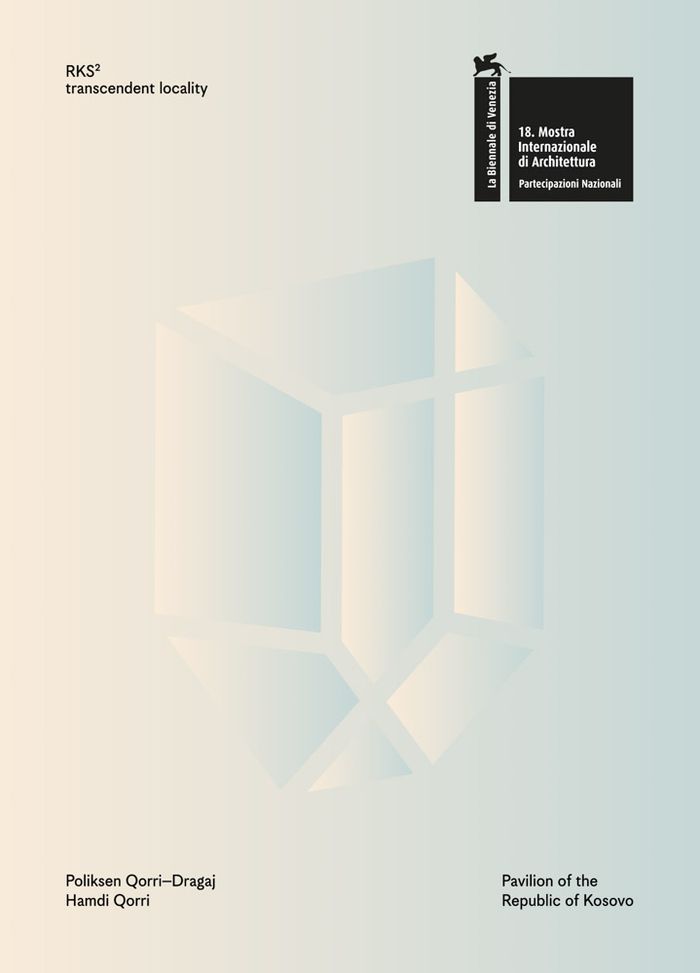
Qorri-Dragaj (born 1985) and Qorri (born 1959) explore how the return of migrants after the Kosovar War has affected Kosovar urban space. This book opens a discussion on how urban planning can respond to these specific conditions to create urban resilience and livable cities.
Poliksen Qorri-Dragaj & Hamdi Qorri: RKS² Transcendent Locality. Venice Biennale
Actions:
Prix:
$43.95
(disponible en magasin)
Résumé:
Qorri-Dragaj (born 1985) and Qorri (born 1959) explore how the return of migrants after the Kosovar War has affected Kosovar urban space. This book opens a discussion on how urban planning can respond to these specific conditions to create urban resilience and livable cities.
Classification:
livres
livres
Publication:
décembre 2023
décembre 2023
Sujet:
Biennale
Biennale
Classification:
livres
livres
Titre:
2086: Together how?
2086: Together how?
Actions:
Prix:
$44.00
(disponible en magasin)
Résumé:
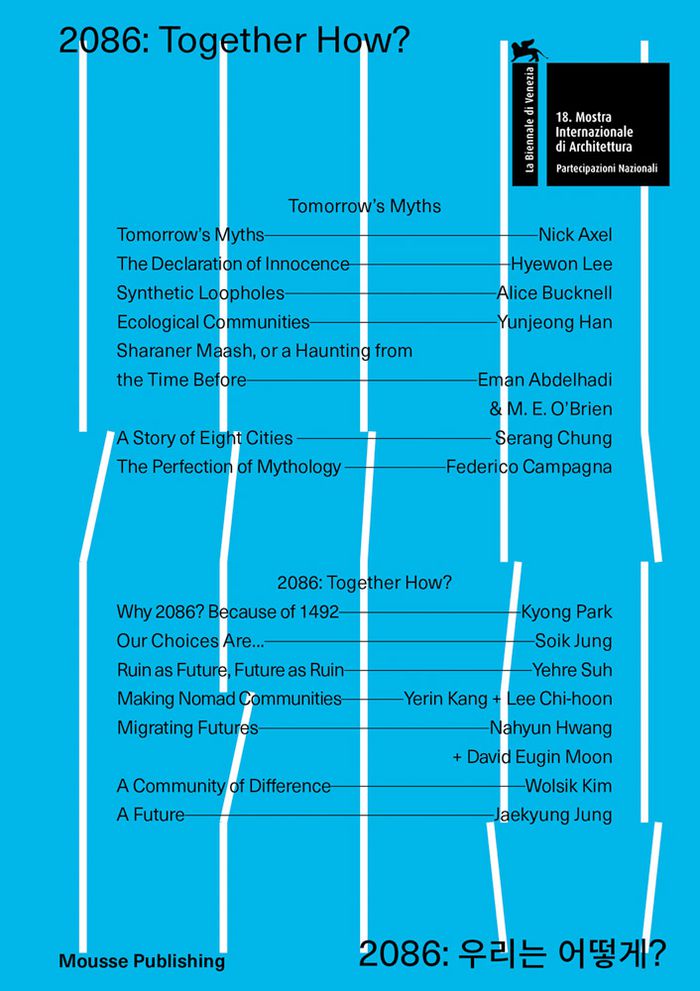
This reader is published alongside the Korean Pavilion project at the Venice Architecture Biennale, which presents visions of eco-conscious urban and rural landscapes, as developed among South Korean architects and community activists. The book comprises six essays, a quiz show–style game and ample installation shots.
$44.00
(disponible en magasin)
Résumé:
This reader is published alongside the Korean Pavilion project at the Venice Architecture Biennale, which presents visions of eco-conscious urban and rural landscapes, as developed among South Korean architects and community activists. The book comprises six essays, a quiz show–style game and ample installation shots.
Titre:
2086: Together how?
Actions:
Prix:
$44.00
(disponible en magasin)
Résumé:
This reader is published alongside the Korean Pavilion project at the Venice Architecture Biennale, which presents visions of eco-conscious urban and rural landscapes, as developed among South Korean architects and community activists. The book comprises six essays, a quiz show–style game and ample installation shots.
2086: Together how?
Actions:
Prix:
$44.00
(disponible en magasin)
Résumé:
This reader is published alongside the Korean Pavilion project at the Venice Architecture Biennale, which presents visions of eco-conscious urban and rural landscapes, as developed among South Korean architects and community activists. The book comprises six essays, a quiz show–style game and ample installation shots.
Classification:
livres
livres
Publication:
décembre 2023
décembre 2023
Sujet:
Biennale
Biennale
Classification:
livres
livres
Prix:
$43.95
(disponible sur commande)
Résumé:
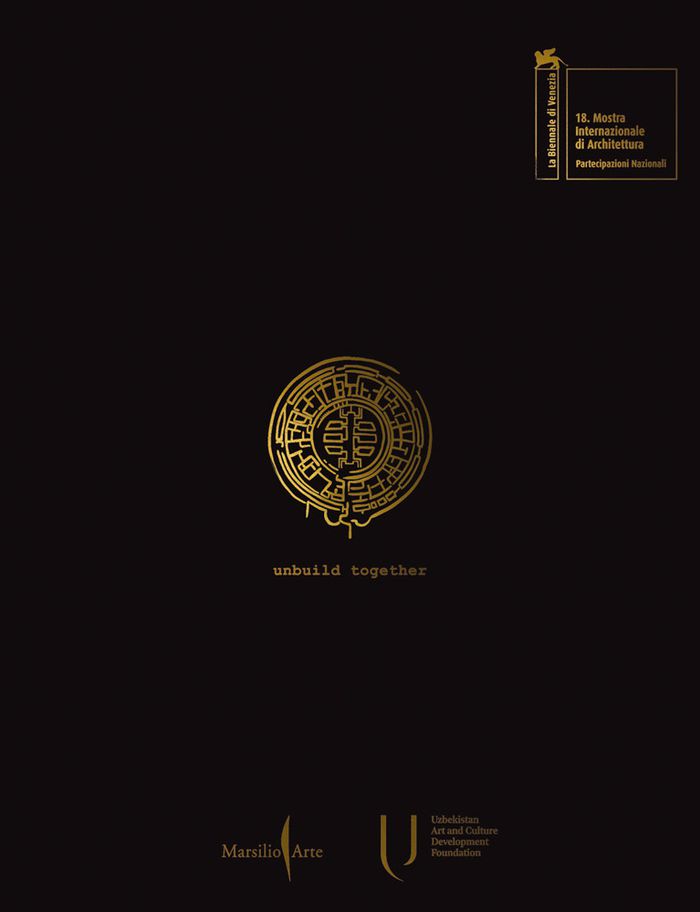
From the ruins of the ancient qalas to the mythical figure of the labyrinth: the amply illustrated ''Unbuild Together'' addresses different horizons of Uzbekistan’s architectural heritage as potential tools for envisioning the future and key elements in challenging the concept of modernity.
$43.95
(disponible sur commande)
Résumé:
From the ruins of the ancient qalas to the mythical figure of the labyrinth: the amply illustrated ''Unbuild Together'' addresses different horizons of Uzbekistan’s architectural heritage as potential tools for envisioning the future and key elements in challenging the concept of modernity.
Titre:
Unbuild together: archaism vs modernity. Venice Biennale
Actions:
Prix:
$43.95
(disponible sur commande)
Résumé:
From the ruins of the ancient qalas to the mythical figure of the labyrinth: the amply illustrated ''Unbuild Together'' addresses different horizons of Uzbekistan’s architectural heritage as potential tools for envisioning the future and key elements in challenging the concept of modernity.
Unbuild together: archaism vs modernity. Venice Biennale
Actions:
Prix:
$43.95
(disponible sur commande)
Résumé:
From the ruins of the ancient qalas to the mythical figure of the labyrinth: the amply illustrated ''Unbuild Together'' addresses different horizons of Uzbekistan’s architectural heritage as potential tools for envisioning the future and key elements in challenging the concept of modernity.
Classification:
livres
livres
Publication:
juin 2025
juin 2025
Sujet:
Biennale
Biennale
Classification:
livres
livres
Titre:
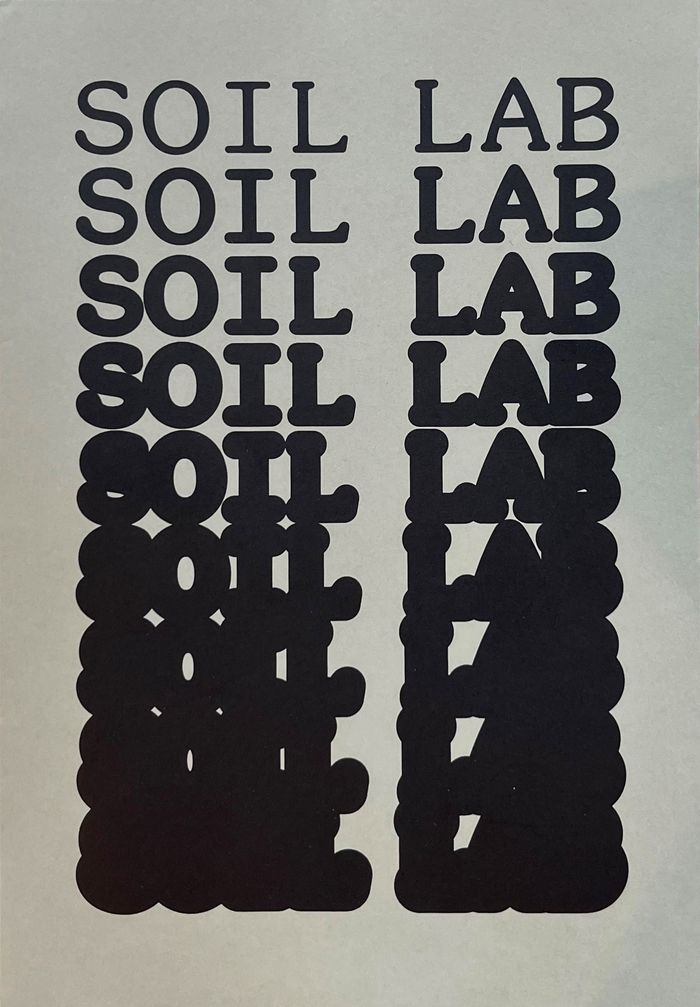
Soil lab: A built experiment
Soil lab: A built experiment
Actions:
Prix:
$52.95
(disponible en magasin)
Résumé:
This anthology is a critical reflection on the making of Soil Lab, a project built with a community in North Lawndale, Chicago, and hosted by the Danish Arts Foundation at the 2021 edition of the Chicago Architecture Biennial. The pages give space to a conversation that stretches far outside both the confines of the Soil Lab’s site in North Lawndale and the short duration(...)
$52.95
(disponible en magasin)
Résumé:
This anthology is a critical reflection on the making of Soil Lab, a project built with a community in North Lawndale, Chicago, and hosted by the Danish Arts Foundation at the 2021 edition of the Chicago Architecture Biennial. The pages give space to a conversation that stretches far outside both the confines of the Soil Lab’s site in North Lawndale and the short duration(...)
Titre:
Soil lab: A built experiment
Actions:
Prix:
$52.95
(disponible en magasin)
Résumé:
This anthology is a critical reflection on the making of Soil Lab, a project built with a community in North Lawndale, Chicago, and hosted by the Danish Arts Foundation at the 2021 edition of the Chicago Architecture Biennial. The pages give space to a conversation that stretches far outside both the confines of the Soil Lab’s site in North Lawndale and the short duration of the biennial. The book is a meeting place for the voices which contributed to the Soil Lab project, and maps their constellation of disciplines—across architecture, art, anthropology, ecology, craft and community work—and global geographies, including the US, Denmark, Ireland, Puerto Rico and Austria. The story of the project, and the many lives and threads that it brushed up against, is told through histories, criticism, photographic essays, instruction manuals, soil recipes and interviews.
Soil lab: A built experiment
Actions:
Prix:
$52.95
(disponible en magasin)
Résumé:
This anthology is a critical reflection on the making of Soil Lab, a project built with a community in North Lawndale, Chicago, and hosted by the Danish Arts Foundation at the 2021 edition of the Chicago Architecture Biennial. The pages give space to a conversation that stretches far outside both the confines of the Soil Lab’s site in North Lawndale and the short duration of the biennial. The book is a meeting place for the voices which contributed to the Soil Lab project, and maps their constellation of disciplines—across architecture, art, anthropology, ecology, craft and community work—and global geographies, including the US, Denmark, Ireland, Puerto Rico and Austria. The story of the project, and the many lives and threads that it brushed up against, is told through histories, criticism, photographic essays, instruction manuals, soil recipes and interviews.
Classification:
livres
livres
Publication:
novembre 2023
novembre 2023
Sujet:
Biennale
Biennale


