


109 Résultats
Classification:
livres
livres
Actions:
Prix:
$111.00
(disponible en magasin)
Résumé:
The Colour Journal is not simply another publication about the meaning of colour. Colours have not been approached in a literal way but as a starting point, a pretext to tell bigger stories, a means of revealing the story within the story: we all know Henri Matisse's Blue Nudes, but who can say the same about Biskra, the forgotten Algerian oasis that inspired him? We may(...)
$111.00
(disponible en magasin)
Résumé:
The Colour Journal is not simply another publication about the meaning of colour. Colours have not been approached in a literal way but as a starting point, a pretext to tell bigger stories, a means of revealing the story within the story: we all know Henri Matisse's Blue Nudes, but who can say the same about Biskra, the forgotten Algerian oasis that inspired him? We may(...)
Titre:
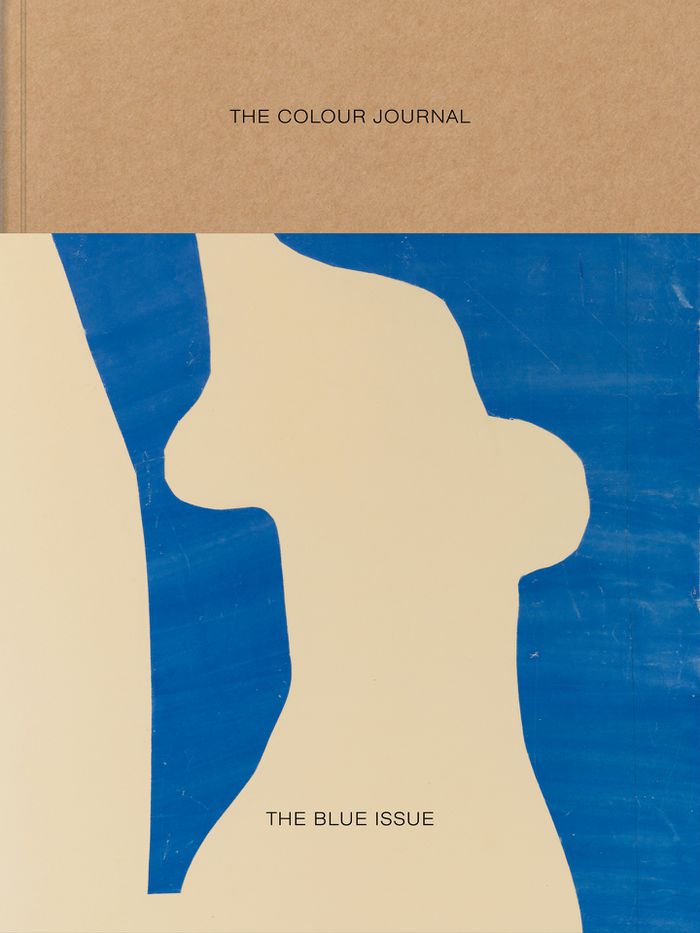
The Colour Journal: The blue issue, Vol. 1
Actions:
Prix:
$111.00
(disponible en magasin)
Résumé:
The Colour Journal is not simply another publication about the meaning of colour. Colours have not been approached in a literal way but as a starting point, a pretext to tell bigger stories, a means of revealing the story within the story: we all know Henri Matisse's Blue Nudes, but who can say the same about Biskra, the forgotten Algerian oasis that inspired him? We may also know about the ultramarine pigment that Yves Klein patented, but who has heard of Edouard Adam, a merchant in Montparnasse who discovered its formula? The Colour Journal intends to fight against the dictatorship of immediacy, to give depth to the pretty images of fashion magazines and Instagram feeds, to delve into familiar moments of art history and discover what lies beneath, to dig into museum libraries and reveal unseen treasures. To bring this enterprise to life, The Colour Journal travelled from Idaho to Guangxi, from antiquity to the present day, to bring you a dialogue between forgotten archives and contemporary photography: follow a denim hunter in the American West, visit one of China's last cultural minorities, peek into Helmut Newton's private collection of Polaroids and dive into David Hockney's chlorinated swimming pools.
The Colour Journal: The blue issue, Vol. 1
Actions:
Prix:
$111.00
(disponible en magasin)
Résumé:
The Colour Journal is not simply another publication about the meaning of colour. Colours have not been approached in a literal way but as a starting point, a pretext to tell bigger stories, a means of revealing the story within the story: we all know Henri Matisse's Blue Nudes, but who can say the same about Biskra, the forgotten Algerian oasis that inspired him? We may also know about the ultramarine pigment that Yves Klein patented, but who has heard of Edouard Adam, a merchant in Montparnasse who discovered its formula? The Colour Journal intends to fight against the dictatorship of immediacy, to give depth to the pretty images of fashion magazines and Instagram feeds, to delve into familiar moments of art history and discover what lies beneath, to dig into museum libraries and reveal unseen treasures. To bring this enterprise to life, The Colour Journal travelled from Idaho to Guangxi, from antiquity to the present day, to bring you a dialogue between forgotten archives and contemporary photography: follow a denim hunter in the American West, visit one of China's last cultural minorities, peek into Helmut Newton's private collection of Polaroids and dive into David Hockney's chlorinated swimming pools.
Classification:
livres
livres
Publication:
mars 2023
mars 2023
Classification:
livres
livres
Actions:
Prix:
$54.00
(disponible sur commande)
Résumé:
In this new approach to the history of colour, Kelly Grovier takes readers on a search for the intriguing and unusual. In Grovier’s telling, a colour’s connotations are never fixed but are endlessly evolving. Knowledge of a pigment and its history can unlock meaning in the works that feature it. Grovier employs the term ''artymology'' to suggest that colour is a(...)
$54.00
(disponible sur commande)
Résumé:
In this new approach to the history of colour, Kelly Grovier takes readers on a search for the intriguing and unusual. In Grovier’s telling, a colour’s connotations are never fixed but are endlessly evolving. Knowledge of a pigment and its history can unlock meaning in the works that feature it. Grovier employs the term ''artymology'' to suggest that colour is a(...)
Titre:
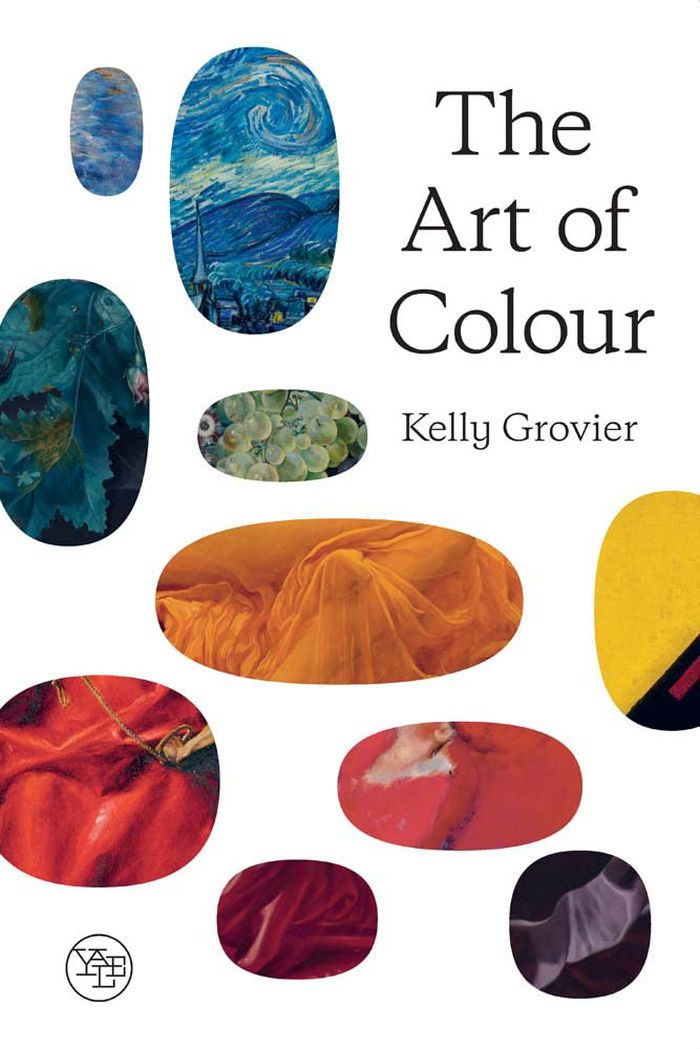
The art of colour: a history in 39 pigments
Actions:
Prix:
$54.00
(disponible sur commande)
Résumé:
In this new approach to the history of colour, Kelly Grovier takes readers on a search for the intriguing and unusual. In Grovier’s telling, a colour’s connotations are never fixed but are endlessly evolving. Knowledge of a pigment and its history can unlock meaning in the works that feature it. Grovier employs the term ''artymology'' to suggest that colour is a linguistic device, where pigments stand in for syllables in art’s language. Colour is the site of invigorating conflict—a battleground where past and present, influence and originality, and superstition and science merge into meanings that complicate and intensify our appreciation of a given work. How might it change our understanding of a well-known masterpiece like Vincent van Gogh’s ''Starry Night'' to know that the intense yellow moon in that painting was sculpted from clumps of dehydrated urine from cows that were fed nothing but mango leaves? Or that the cobalt blue pigment in Van Gogh’s sky shares a material bloodline with the glaze of Ming Dynasty porcelain? Consisting of ten chapters, each presenting a biography of a family of colours, this volume mines a rich vein of pigmentation from prehistoric cave painting to art of the present day. The book also includes features exploring important milestones in the history of colour theory from the Enlightenment to the twentieth century.
The art of colour: a history in 39 pigments
Actions:
Prix:
$54.00
(disponible sur commande)
Résumé:
In this new approach to the history of colour, Kelly Grovier takes readers on a search for the intriguing and unusual. In Grovier’s telling, a colour’s connotations are never fixed but are endlessly evolving. Knowledge of a pigment and its history can unlock meaning in the works that feature it. Grovier employs the term ''artymology'' to suggest that colour is a linguistic device, where pigments stand in for syllables in art’s language. Colour is the site of invigorating conflict—a battleground where past and present, influence and originality, and superstition and science merge into meanings that complicate and intensify our appreciation of a given work. How might it change our understanding of a well-known masterpiece like Vincent van Gogh’s ''Starry Night'' to know that the intense yellow moon in that painting was sculpted from clumps of dehydrated urine from cows that were fed nothing but mango leaves? Or that the cobalt blue pigment in Van Gogh’s sky shares a material bloodline with the glaze of Ming Dynasty porcelain? Consisting of ten chapters, each presenting a biography of a family of colours, this volume mines a rich vein of pigmentation from prehistoric cave painting to art of the present day. The book also includes features exploring important milestones in the history of colour theory from the Enlightenment to the twentieth century.
Classification:
livres
livres
Publication:
mai 2023
mai 2023
Classification:
livres
livres
Titre:
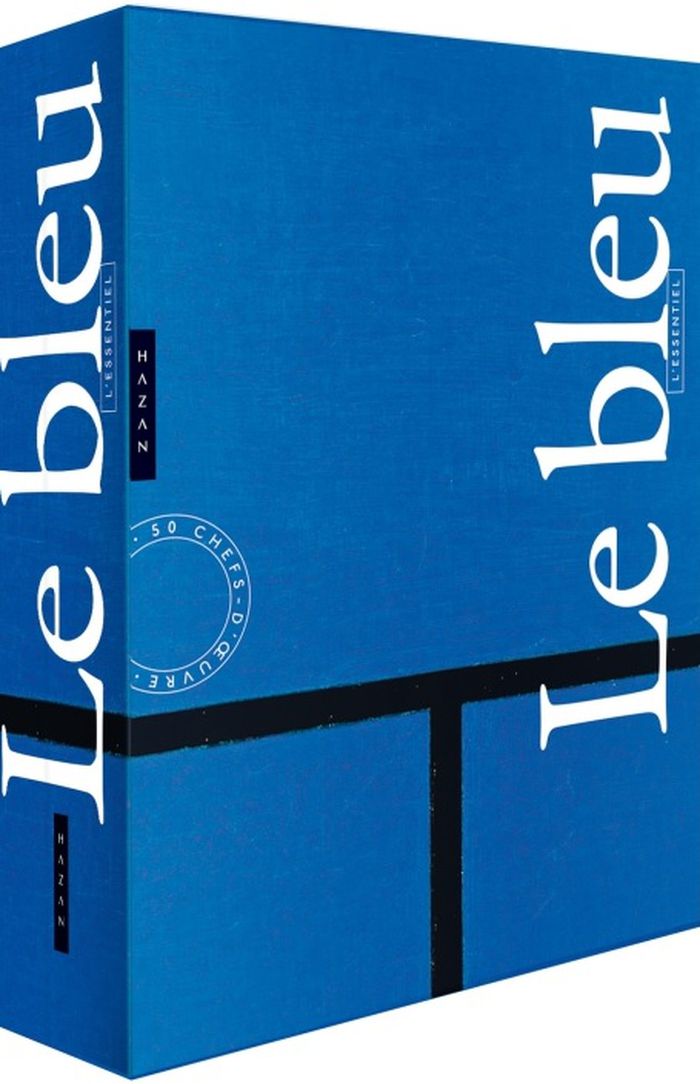
Le bleu : L'essentiel
Le bleu : L'essentiel
Actions:
Prix:
$44.95
(disponible sur commande)
Résumé:
Sous forme de leporello, une histoire de l'art occidental se focalisant sur la couleur bleu à travers une cinquantaine de tableaux, de Giotto à Yves Klein en passant par Vermeer, Léonard de Vinci, Van Gogh ou encore Bosch.
$44.95
(disponible sur commande)
Résumé:
Sous forme de leporello, une histoire de l'art occidental se focalisant sur la couleur bleu à travers une cinquantaine de tableaux, de Giotto à Yves Klein en passant par Vermeer, Léonard de Vinci, Van Gogh ou encore Bosch.
Titre:
Le bleu : L'essentiel
Actions:
Prix:
$44.95
(disponible sur commande)
Résumé:
Sous forme de leporello, une histoire de l'art occidental se focalisant sur la couleur bleu à travers une cinquantaine de tableaux, de Giotto à Yves Klein en passant par Vermeer, Léonard de Vinci, Van Gogh ou encore Bosch.
Le bleu : L'essentiel
Actions:
Prix:
$44.95
(disponible sur commande)
Résumé:
Sous forme de leporello, une histoire de l'art occidental se focalisant sur la couleur bleu à travers une cinquantaine de tableaux, de Giotto à Yves Klein en passant par Vermeer, Léonard de Vinci, Van Gogh ou encore Bosch.
Classification:
livres
livres
Publication:
juin 2023
juin 2023
Classification:
livres
livres
Titre:
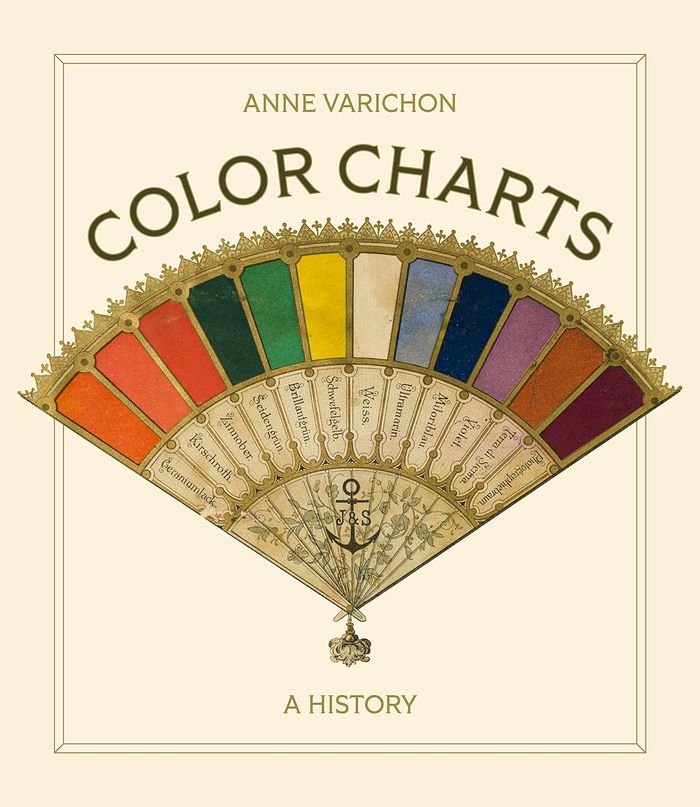
Color charts: A history
Color charts: A history
Actions:
Prix:
$74.00
(disponible sur commande)
Résumé:
Anne Varichon traces the emergence of modern color charts from a set of processes developed over the centuries in various contexts. She presents illuminating examples that bring this remarkable story to life, from ancient writings revealing attention to precise shade to contemporary designers’ color charts, dyers’ notebooks, and Werner’s famous color nomenclature.(...)
$74.00
(disponible sur commande)
Résumé:
Anne Varichon traces the emergence of modern color charts from a set of processes developed over the centuries in various contexts. She presents illuminating examples that bring this remarkable story to life, from ancient writings revealing attention to precise shade to contemporary designers’ color charts, dyers’ notebooks, and Werner’s famous color nomenclature.(...)
Titre:
Color charts: A history
Actions:
Prix:
$74.00
(disponible sur commande)
Résumé:
Anne Varichon traces the emergence of modern color charts from a set of processes developed over the centuries in various contexts. She presents illuminating examples that bring this remarkable story to life, from ancient writings revealing attention to precise shade to contemporary designers’ color charts, dyers’ notebooks, and Werner’s famous color nomenclature. Varichon argues that color charts have linked generations of artists, artisans, scientists, industrialists, and merchants, and have played an essential and enduring role in the way societies think about color. Drawing on nearly two hundred documents from public and private collections, almost all of them previously unpublished, this wonderfully illustrated book shows how the color chart, in its many distinct forms and expressions, is a practical tool that has transcended its original purpose to become an educational aid and subject of contemplation worthy of being studied and admired.
Color charts: A history
Actions:
Prix:
$74.00
(disponible sur commande)
Résumé:
Anne Varichon traces the emergence of modern color charts from a set of processes developed over the centuries in various contexts. She presents illuminating examples that bring this remarkable story to life, from ancient writings revealing attention to precise shade to contemporary designers’ color charts, dyers’ notebooks, and Werner’s famous color nomenclature. Varichon argues that color charts have linked generations of artists, artisans, scientists, industrialists, and merchants, and have played an essential and enduring role in the way societies think about color. Drawing on nearly two hundred documents from public and private collections, almost all of them previously unpublished, this wonderfully illustrated book shows how the color chart, in its many distinct forms and expressions, is a practical tool that has transcended its original purpose to become an educational aid and subject of contemplation worthy of being studied and admired.
Classification:
livres
livres
Publication:
janvier 2024
janvier 2024
Classification:
livres
livres
Actions:
Prix:
$18.95
(disponible sur commande)
Résumé:
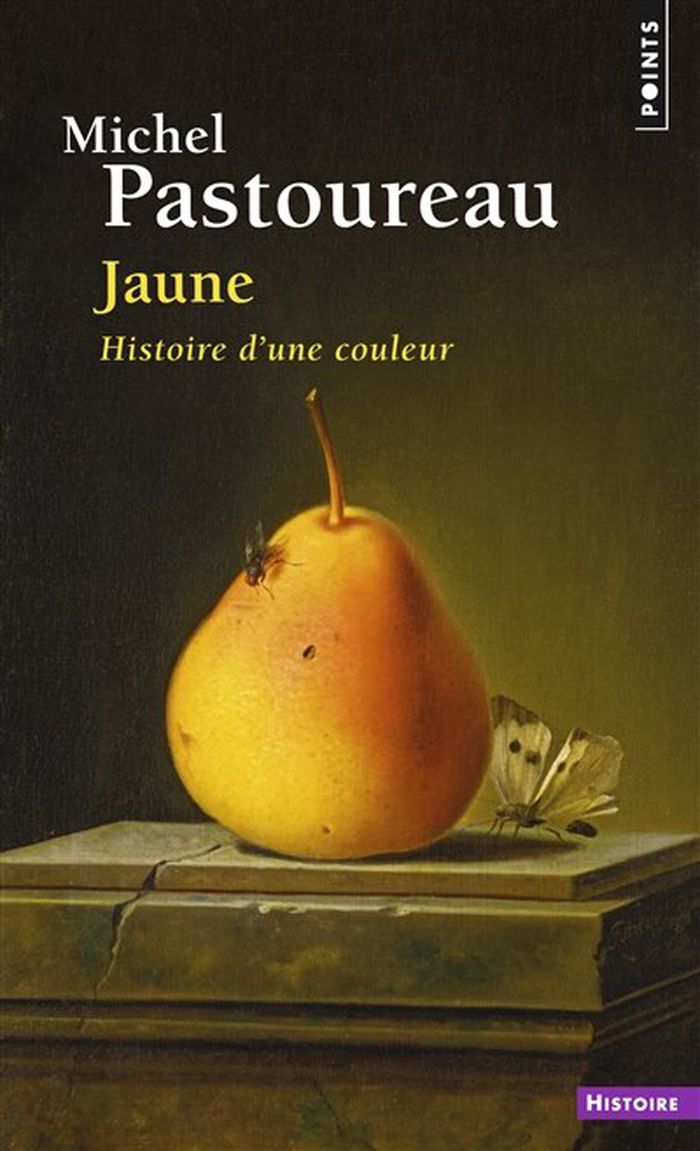
Une histoire du jaune dans les sociétés européennes, de la place importante que lui accordaient les Grecs et les Romains dans les rituels religieux à sa discrétion actuelle. La couleur est ambivalente, notamment au Moyen Age, époque à laquelle elle est à la fois signe de mensonge ou d'avarice, liée à Judas ou aux hypocrites, mais aussi de pouvoir ou d'abondance.
$18.95
(disponible sur commande)
Résumé:
Une histoire du jaune dans les sociétés européennes, de la place importante que lui accordaient les Grecs et les Romains dans les rituels religieux à sa discrétion actuelle. La couleur est ambivalente, notamment au Moyen Age, époque à laquelle elle est à la fois signe de mensonge ou d'avarice, liée à Judas ou aux hypocrites, mais aussi de pouvoir ou d'abondance.
Titre:
Jaune : Histoire d'une couleur
Actions:
Prix:
$18.95
(disponible sur commande)
Résumé:
Une histoire du jaune dans les sociétés européennes, de la place importante que lui accordaient les Grecs et les Romains dans les rituels religieux à sa discrétion actuelle. La couleur est ambivalente, notamment au Moyen Age, époque à laquelle elle est à la fois signe de mensonge ou d'avarice, liée à Judas ou aux hypocrites, mais aussi de pouvoir ou d'abondance.
Jaune : Histoire d'une couleur
Actions:
Prix:
$18.95
(disponible sur commande)
Résumé:
Une histoire du jaune dans les sociétés européennes, de la place importante que lui accordaient les Grecs et les Romains dans les rituels religieux à sa discrétion actuelle. La couleur est ambivalente, notamment au Moyen Age, époque à laquelle elle est à la fois signe de mensonge ou d'avarice, liée à Judas ou aux hypocrites, mais aussi de pouvoir ou d'abondance.
Classification:
livres
livres
Publication:
octobre 2023
octobre 2023
Classification:
livres
livres
Titre:
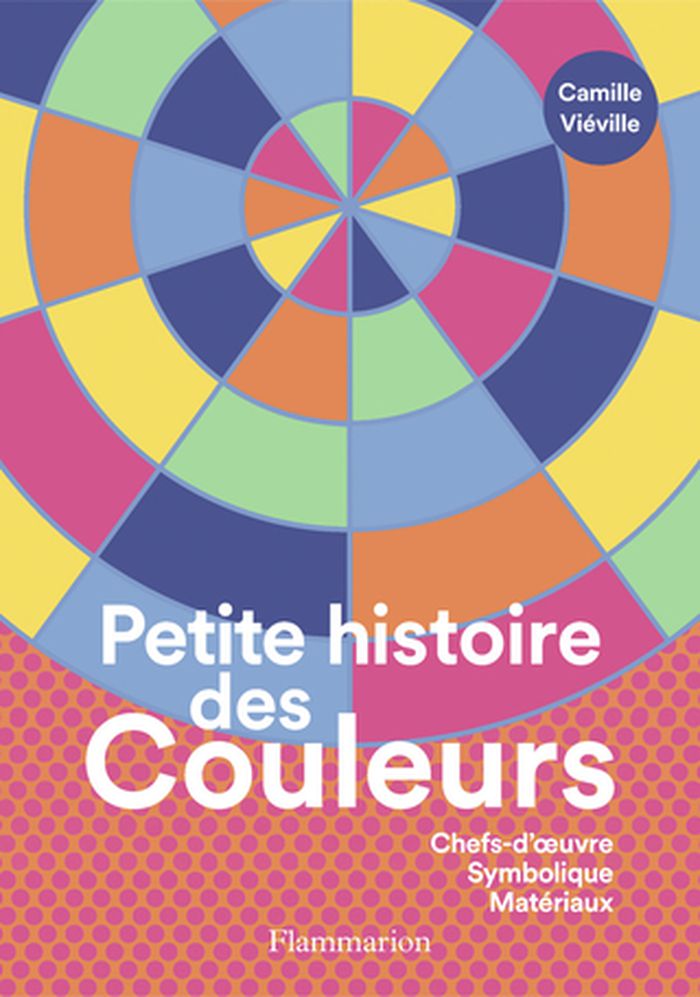
Petite histoire des couleurs
Petite histoire des couleurs
Actions:
Prix:
$42.95
(disponible sur commande)
Résumé:
Des pigments ornant les grottes préhistoriques aux néons lumineux de Dan Flavin en passant par les monochromes d’Yves Klein et les créations de Véronèse, Van Gogh, Delaunay, Warhol et Rothko, cet ouvrage explore à travers 60 chefs-d’œuvre, l’histoire, les matériaux et la symbolique des couleurs à travers les siècles et les cultures. Accessible, concis et richement(...)
$42.95
(disponible sur commande)
Résumé:
Des pigments ornant les grottes préhistoriques aux néons lumineux de Dan Flavin en passant par les monochromes d’Yves Klein et les créations de Véronèse, Van Gogh, Delaunay, Warhol et Rothko, cet ouvrage explore à travers 60 chefs-d’œuvre, l’histoire, les matériaux et la symbolique des couleurs à travers les siècles et les cultures. Accessible, concis et richement(...)
Titre:
Petite histoire des couleurs
Actions:
Prix:
$42.95
(disponible sur commande)
Résumé:
Des pigments ornant les grottes préhistoriques aux néons lumineux de Dan Flavin en passant par les monochromes d’Yves Klein et les créations de Véronèse, Van Gogh, Delaunay, Warhol et Rothko, cet ouvrage explore à travers 60 chefs-d’œuvre, l’histoire, les matériaux et la symbolique des couleurs à travers les siècles et les cultures. Accessible, concis et richement illustré, le livre nous explique les quand, comment et pourquoi de l’évolution des couleurs.
Petite histoire des couleurs
Actions:
Prix:
$42.95
(disponible sur commande)
Résumé:
Des pigments ornant les grottes préhistoriques aux néons lumineux de Dan Flavin en passant par les monochromes d’Yves Klein et les créations de Véronèse, Van Gogh, Delaunay, Warhol et Rothko, cet ouvrage explore à travers 60 chefs-d’œuvre, l’histoire, les matériaux et la symbolique des couleurs à travers les siècles et les cultures. Accessible, concis et richement illustré, le livre nous explique les quand, comment et pourquoi de l’évolution des couleurs.
Classification:
livres
livres
Publication:
octobre 2023
octobre 2023
Classification:
livres
livres
Titre:
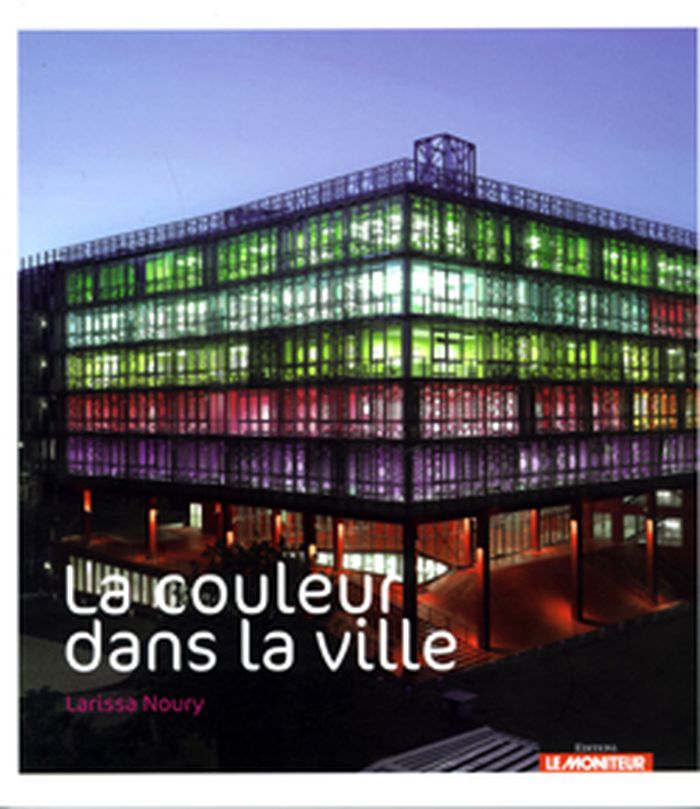
La couleur dans la ville
La couleur dans la ville
Actions:
Prix:
$59.95
(disponible sur commande)
Résumé:
Dans les décennies d'après-guerre, la couleur semblait avoir déserté la ville. Aujourd'hui, elle retrouve pleinement son droit de cité et investit aussi bien les immeubles de logement que les bureaux, les équipements, et même les infrastructures de transport. Les architectes et les urbanistes la considèrent comme indispensable à la compréhension de l'espace urbain et à la(...)
$59.95
(disponible sur commande)
Résumé:
Dans les décennies d'après-guerre, la couleur semblait avoir déserté la ville. Aujourd'hui, elle retrouve pleinement son droit de cité et investit aussi bien les immeubles de logement que les bureaux, les équipements, et même les infrastructures de transport. Les architectes et les urbanistes la considèrent comme indispensable à la compréhension de l'espace urbain et à la(...)
Titre:
La couleur dans la ville
Actions:
Prix:
$59.95
(disponible sur commande)
Résumé:
Dans les décennies d'après-guerre, la couleur semblait avoir déserté la ville. Aujourd'hui, elle retrouve pleinement son droit de cité et investit aussi bien les immeubles de logement que les bureaux, les équipements, et même les infrastructures de transport. Les architectes et les urbanistes la considèrent comme indispensable à la compréhension de l'espace urbain et à la qualité de vie des habitants, susceptible d'enrichir l'environnement en lui apportant lisibilité, rythme et perspective. Cet ouvrage dresse un panorama historique de la couleur dans Le milieu urbain au cours du XXe siècle, avec des éclairages sur certains mouvements emblématiques tels que l'Art nouveau, l'avant-garde russe, le modernisme ou L'art cinétique. Il décrit ensuite les outils et les méthodes - gammes, palettes, nuanciers - qui permettent d'intervenir dans le paysage urbain avec rigueur et subtilité. Un certain nombre d'expériences, menées dans les domaines de La restauration chromatique du patrimoine urbain et de l'architecture contemporaine, retracent les démarches exemplaires de certains concepteurs. Depuis Jean-Philippe Lenclos, qui parcourt le monde pour constituer des " atlas de la couleur ", au Centre de la couleur de Moscou, qui œuvre à l'échelle de la métropole tout entière, et jusqu'aux architectes comme Jean Nouvel ou Christian de Portzamparc, qui utilisent la couleur (et de plus en plus la couleur-lumière) comme un matériau à part entière, nombreux sont les acteurs qui montrent que la question de la couleur dans nos villes, loin d'être marginale, est aujourd'hui devenue centrale.
La couleur dans la ville
Actions:
Prix:
$59.95
(disponible sur commande)
Résumé:
Dans les décennies d'après-guerre, la couleur semblait avoir déserté la ville. Aujourd'hui, elle retrouve pleinement son droit de cité et investit aussi bien les immeubles de logement que les bureaux, les équipements, et même les infrastructures de transport. Les architectes et les urbanistes la considèrent comme indispensable à la compréhension de l'espace urbain et à la qualité de vie des habitants, susceptible d'enrichir l'environnement en lui apportant lisibilité, rythme et perspective. Cet ouvrage dresse un panorama historique de la couleur dans Le milieu urbain au cours du XXe siècle, avec des éclairages sur certains mouvements emblématiques tels que l'Art nouveau, l'avant-garde russe, le modernisme ou L'art cinétique. Il décrit ensuite les outils et les méthodes - gammes, palettes, nuanciers - qui permettent d'intervenir dans le paysage urbain avec rigueur et subtilité. Un certain nombre d'expériences, menées dans les domaines de La restauration chromatique du patrimoine urbain et de l'architecture contemporaine, retracent les démarches exemplaires de certains concepteurs. Depuis Jean-Philippe Lenclos, qui parcourt le monde pour constituer des " atlas de la couleur ", au Centre de la couleur de Moscou, qui œuvre à l'échelle de la métropole tout entière, et jusqu'aux architectes comme Jean Nouvel ou Christian de Portzamparc, qui utilisent la couleur (et de plus en plus la couleur-lumière) comme un matériau à part entière, nombreux sont les acteurs qui montrent que la question de la couleur dans nos villes, loin d'être marginale, est aujourd'hui devenue centrale.
Classification:
livres
livres
Publication:
janvier 2008, Paris
janvier 2008, Paris
Classification:
livres
livres
Actions:
Prix:
$63.00
(disponible en magasin)
Résumé:
Au cours du XXe siècle, l'architecture a largement ignoré la couleur, et si ce mépris n'est plus à l'ordre du jour, loin de là, il subsiste à son égard une méconnaissance de ses possibilités et des conditions pour optimiser son utilisation. En effet, la couleur n'est pas anodine, elle est matière à part entière : elle peut transformer l'espace architecturé et le valoriser(...)
$63.00
(disponible en magasin)
Résumé:
Au cours du XXe siècle, l'architecture a largement ignoré la couleur, et si ce mépris n'est plus à l'ordre du jour, loin de là, il subsiste à son égard une méconnaissance de ses possibilités et des conditions pour optimiser son utilisation. En effet, la couleur n'est pas anodine, elle est matière à part entière : elle peut transformer l'espace architecturé et le valoriser(...)
Titre:
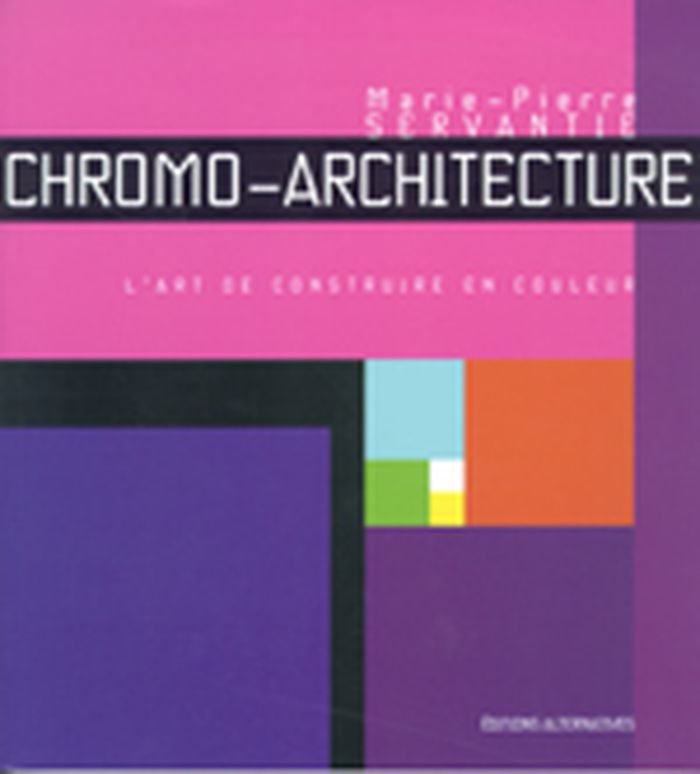
Chromo-architecture : l'art de construire en couleur
Actions:
Prix:
$63.00
(disponible en magasin)
Résumé:
Au cours du XXe siècle, l'architecture a largement ignoré la couleur, et si ce mépris n'est plus à l'ordre du jour, loin de là, il subsiste à son égard une méconnaissance de ses possibilités et des conditions pour optimiser son utilisation. En effet, la couleur n'est pas anodine, elle est matière à part entière : elle peut transformer l'espace architecturé et le valoriser si elle répond à une réelle prise en compte du milieu naturel et construit dans lequel elle s'exerce, et des enjeux auxquels elle est confrontée. Largement illustré par des exemples tirés de projets, de références de chantier, de réalisations concrètes, «Chromo-architecture» propose une réflexion à la fois théorique et pratique sur l'application de la couleur dans l'environnement, l'urbanisme et l'architecture.
Chromo-architecture : l'art de construire en couleur
Actions:
Prix:
$63.00
(disponible en magasin)
Résumé:
Au cours du XXe siècle, l'architecture a largement ignoré la couleur, et si ce mépris n'est plus à l'ordre du jour, loin de là, il subsiste à son égard une méconnaissance de ses possibilités et des conditions pour optimiser son utilisation. En effet, la couleur n'est pas anodine, elle est matière à part entière : elle peut transformer l'espace architecturé et le valoriser si elle répond à une réelle prise en compte du milieu naturel et construit dans lequel elle s'exerce, et des enjeux auxquels elle est confrontée. Largement illustré par des exemples tirés de projets, de références de chantier, de réalisations concrètes, «Chromo-architecture» propose une réflexion à la fois théorique et pratique sur l'application de la couleur dans l'environnement, l'urbanisme et l'architecture.
Classification:
livres
livres
Publication:
mai 2007, Paris
mai 2007, Paris
Classification:
livres
livres
Titre:
Le répertoire des couleurs
Le répertoire des couleurs
Actions:
Prix:
$59.95
(disponible en magasin)
Résumé:
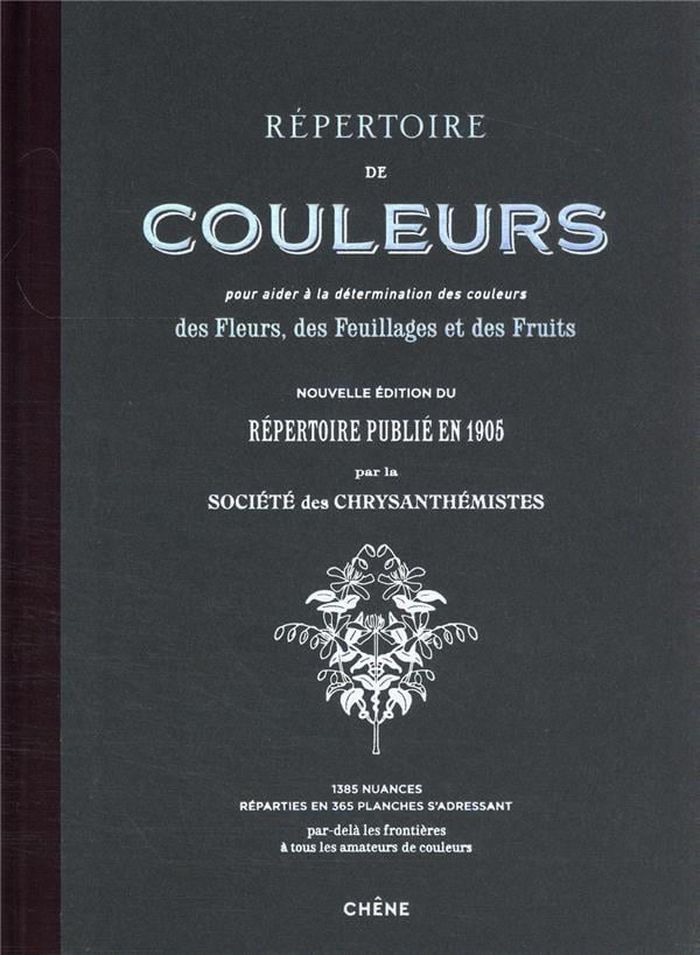
Nouvelle édition du répertoire publié en 1905 par la Société des chrysanthémistes. 1385 nuances réparties en 365 planches s'adressant par-delà les frontières à tous les amateurs de couleurs. Imaginez, en 1905, les membres de Société des chrysanthémistes en sévères habits noirs consacrant une énergie patiente et méticuleuse à la réalisation d'un répertoire complet(...)
$59.95
(disponible en magasin)
Résumé:
Nouvelle édition du répertoire publié en 1905 par la Société des chrysanthémistes. 1385 nuances réparties en 365 planches s'adressant par-delà les frontières à tous les amateurs de couleurs. Imaginez, en 1905, les membres de Société des chrysanthémistes en sévères habits noirs consacrant une énergie patiente et méticuleuse à la réalisation d'un répertoire complet(...)
Publication:
décembre 2025
décembre 2025
Titre:
Le répertoire des couleurs
Actions:
Prix:
$59.95
(disponible en magasin)
Résumé:
Nouvelle édition du répertoire publié en 1905 par la Société des chrysanthémistes. 1385 nuances réparties en 365 planches s'adressant par-delà les frontières à tous les amateurs de couleurs. Imaginez, en 1905, les membres de Société des chrysanthémistes en sévères habits noirs consacrant une énergie patiente et méticuleuse à la réalisation d'un répertoire complet des teintes que peuvent aborder les pétales des fleurs et les feuillages des arbres.Au-delà de la prouesse technique, l'objet réalisé est d'une modernité déconcertante. Ses 1385 nuances réparties en 365 planches s'adressent, par-delà les frontières à tous les amateurs de couleurs.
Le répertoire des couleurs
Actions:
Prix:
$59.95
(disponible en magasin)
Résumé:
Nouvelle édition du répertoire publié en 1905 par la Société des chrysanthémistes. 1385 nuances réparties en 365 planches s'adressant par-delà les frontières à tous les amateurs de couleurs. Imaginez, en 1905, les membres de Société des chrysanthémistes en sévères habits noirs consacrant une énergie patiente et méticuleuse à la réalisation d'un répertoire complet des teintes que peuvent aborder les pétales des fleurs et les feuillages des arbres.Au-delà de la prouesse technique, l'objet réalisé est d'une modernité déconcertante. Ses 1385 nuances réparties en 365 planches s'adressent, par-delà les frontières à tous les amateurs de couleurs.
Classification:
livres
livres
Publication:
décembre 2025
décembre 2025
Classification:
livres
livres
Actions:
Prix:
$56.00
(disponible en magasin)
Résumé:
Flowering currant, ivy, Portuguese laurel, and woad might all have grown in a medieval garden, but it would have taken special expertise to extract and create rich blue and purple pigments from them. Humans have been extracting dyes and inks from natural materials for millennia, and the practice was firmly established during the medieval era, recorded in manuscripts that(...)
$56.00
(disponible en magasin)
Résumé:
Flowering currant, ivy, Portuguese laurel, and woad might all have grown in a medieval garden, but it would have taken special expertise to extract and create rich blue and purple pigments from them. Humans have been extracting dyes and inks from natural materials for millennia, and the practice was firmly established during the medieval era, recorded in manuscripts that(...)
Titre:
Gold from Newton's Apple Tree: Historical recipes for natural inks, paints, and dyes
Actions:
Prix:
$56.00
(disponible en magasin)
Résumé:
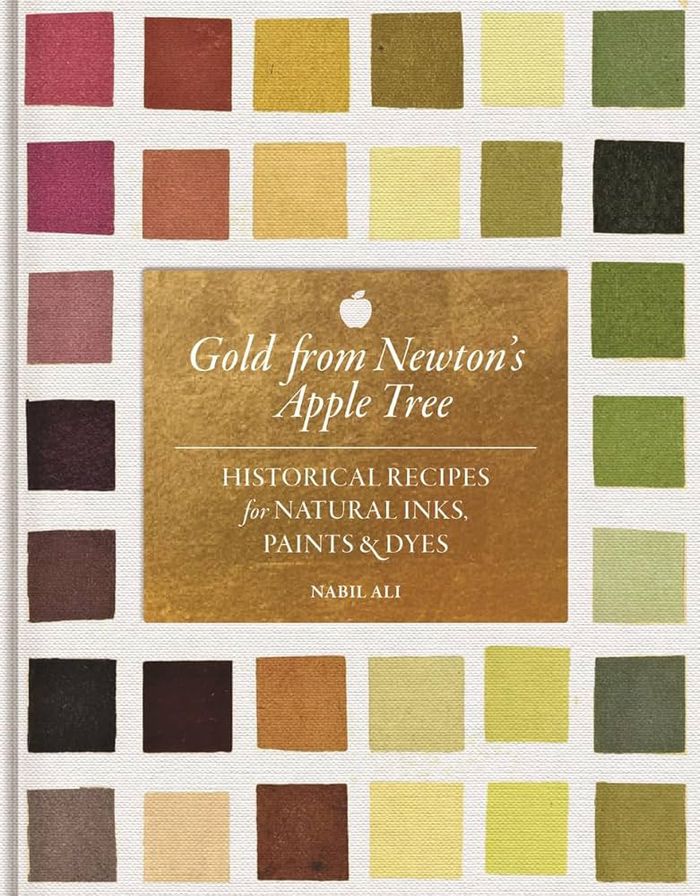
Flowering currant, ivy, Portuguese laurel, and woad might all have grown in a medieval garden, but it would have taken special expertise to extract and create rich blue and purple pigments from them. Humans have been extracting dyes and inks from natural materials for millennia, and the practice was firmly established during the medieval era, recorded in manuscripts that survive today. "Gold from Newton’s Apple Tree" brings together recipes for making natural colors according to season, method, and ingredients. This unique book takes its title from an ink recipe derived from a descendant of Sir Isaac Newton’s apple tree, in which ingredients extracted from the bark are transformed, seemingly by magic, from brown to a yellow gold. But gold pigments can also be extracted from cornflower, crocus, greater celandine, myrrh, and turmeric. Nabil Ali shares his own accessible adaptations for preparing these and other recipes rooted in medieval craft traditions. Along the way, he provides an engaging and informative natural history of the plants used, alongside the broad spectrum of marvelous colors they produce.
Gold from Newton's Apple Tree: Historical recipes for natural inks, paints, and dyes
Actions:
Prix:
$56.00
(disponible en magasin)
Résumé:
Flowering currant, ivy, Portuguese laurel, and woad might all have grown in a medieval garden, but it would have taken special expertise to extract and create rich blue and purple pigments from them. Humans have been extracting dyes and inks from natural materials for millennia, and the practice was firmly established during the medieval era, recorded in manuscripts that survive today. "Gold from Newton’s Apple Tree" brings together recipes for making natural colors according to season, method, and ingredients. This unique book takes its title from an ink recipe derived from a descendant of Sir Isaac Newton’s apple tree, in which ingredients extracted from the bark are transformed, seemingly by magic, from brown to a yellow gold. But gold pigments can also be extracted from cornflower, crocus, greater celandine, myrrh, and turmeric. Nabil Ali shares his own accessible adaptations for preparing these and other recipes rooted in medieval craft traditions. Along the way, he provides an engaging and informative natural history of the plants used, alongside the broad spectrum of marvelous colors they produce.
Classification:
livres
livres
Publication:
mars 2026
mars 2026


