


115 Résultats
Classification:
livres
livres
Actions:
Prix:
$65.00
(disponible sur commande)
Résumé:
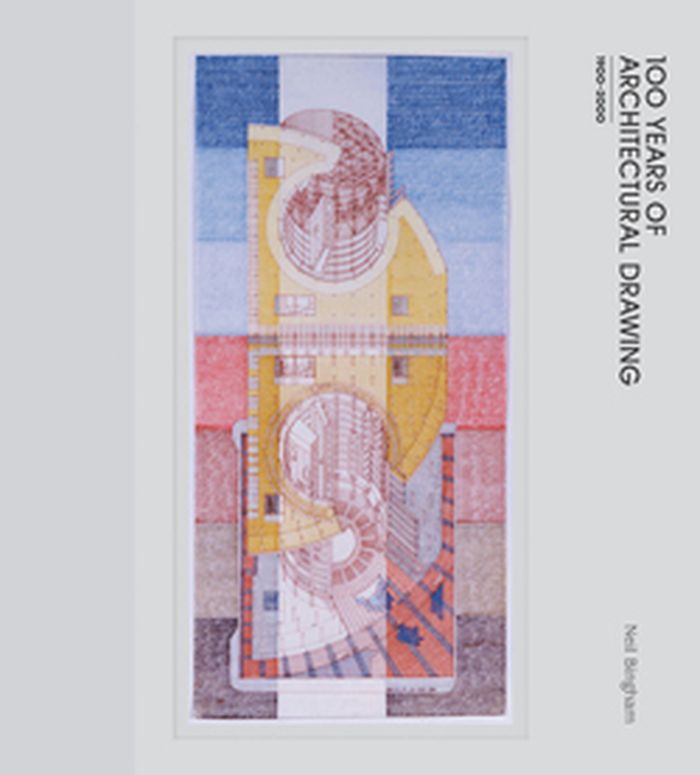
This book brings together 300 of the best architectural drawings from the last century by leading architects, creating both a history of the genre and a survey of twentieth-century architecture.
$65.00
(disponible sur commande)
Résumé:
This book brings together 300 of the best architectural drawings from the last century by leading architects, creating both a history of the genre and a survey of twentieth-century architecture.
Titre:
100 years of architectural drawing, 1900-2000
Actions:
Prix:
$65.00
(disponible sur commande)
Résumé:
This book brings together 300 of the best architectural drawings from the last century by leading architects, creating both a history of the genre and a survey of twentieth-century architecture.
100 years of architectural drawing, 1900-2000
Actions:
Prix:
$65.00
(disponible sur commande)
Résumé:
This book brings together 300 of the best architectural drawings from the last century by leading architects, creating both a history of the genre and a survey of twentieth-century architecture.
Classification:
livres
livres
Publication:
octobre 2013
octobre 2013
Sujet:
Dessin d’architecture
Dessin d’architecture
Classification:
livres
livres
Actions:
Prix:
$34.99
(disponible sur commande)
Résumé:
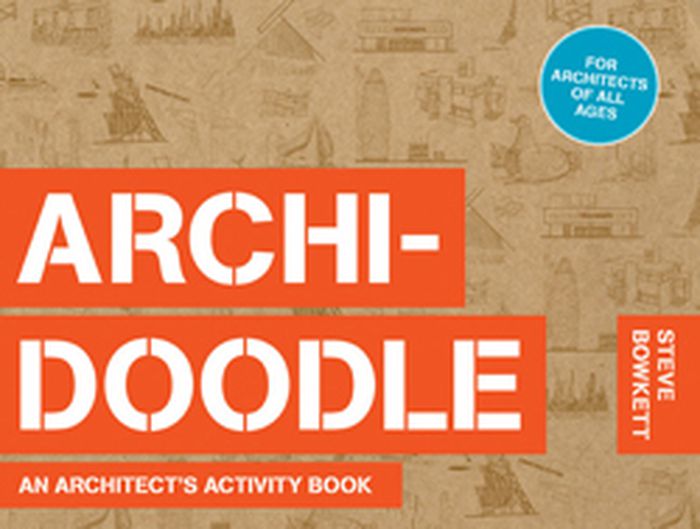
This book provides a fun, interactive way to learn about architecture. Filled with an array of drawings, it poses all manner of architectural challenges for the user: from designing your own skyscraper to drawing an island house or creating a Constructivist monument, plus many more.
$34.99
(disponible sur commande)
Résumé:
This book provides a fun, interactive way to learn about architecture. Filled with an array of drawings, it poses all manner of architectural challenges for the user: from designing your own skyscraper to drawing an island house or creating a Constructivist monument, plus many more.
Titre:
Archi-doodle : an architect's activity book
Actions:
Prix:
$34.99
(disponible sur commande)
Résumé:
This book provides a fun, interactive way to learn about architecture. Filled with an array of drawings, it poses all manner of architectural challenges for the user: from designing your own skyscraper to drawing an island house or creating a Constructivist monument, plus many more.
Archi-doodle : an architect's activity book
Actions:
Prix:
$34.99
(disponible sur commande)
Résumé:
This book provides a fun, interactive way to learn about architecture. Filled with an array of drawings, it poses all manner of architectural challenges for the user: from designing your own skyscraper to drawing an island house or creating a Constructivist monument, plus many more.
Classification:
livres
livres
Publication:
octobre 2013
octobre 2013
Sujet:
Dessin d’architecture
Dessin d’architecture
Classification:
livres
livres
Actions:
Prix:
$64.95
(disponible sur commande)
Résumé:
Cet ouvrage propose 300 des plus beaux dessins d'architecture des XXe et XXIe siècles, sortis de la main des grands créateurs ou, sous leur direction des bureaux de leur agence, tels Mackintosh, Loos, Frank Lloyd Wright, Mies van der Rohe, Le Corbusier, Norman Foster, Richard Meier, Oscar Niemeyer, Mario Botta ou Zaha Hadid. Cette sélection sur un siècle constitue à la(...)
$64.95
(disponible sur commande)
Résumé:
Cet ouvrage propose 300 des plus beaux dessins d'architecture des XXe et XXIe siècles, sortis de la main des grands créateurs ou, sous leur direction des bureaux de leur agence, tels Mackintosh, Loos, Frank Lloyd Wright, Mies van der Rohe, Le Corbusier, Norman Foster, Richard Meier, Oscar Niemeyer, Mario Botta ou Zaha Hadid. Cette sélection sur un siècle constitue à la(...)
Titre:
Un siècle de dessins d'architecture : 1900 - 2000
Actions:
Prix:
$64.95
(disponible sur commande)
Résumé:
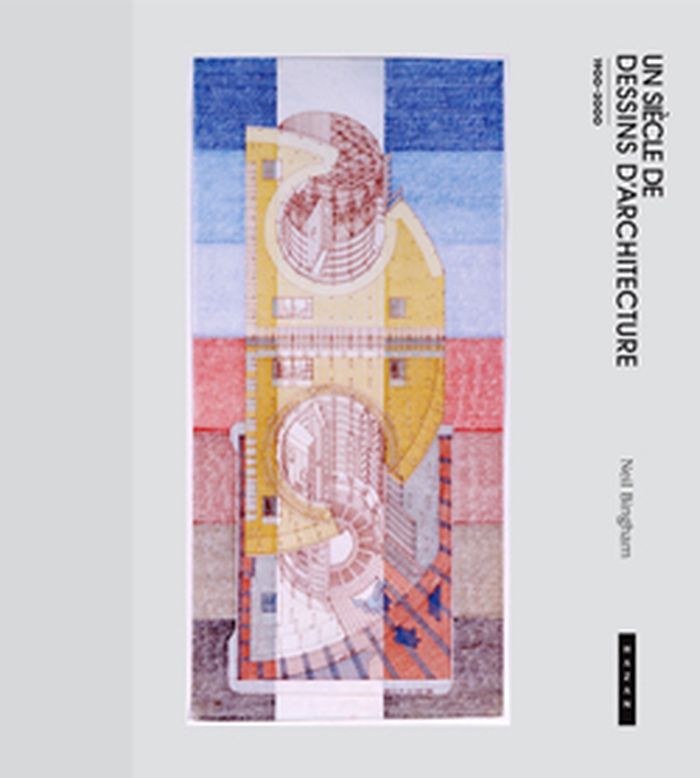
Cet ouvrage propose 300 des plus beaux dessins d'architecture des XXe et XXIe siècles, sortis de la main des grands créateurs ou, sous leur direction des bureaux de leur agence, tels Mackintosh, Loos, Frank Lloyd Wright, Mies van der Rohe, Le Corbusier, Norman Foster, Richard Meier, Oscar Niemeyer, Mario Botta ou Zaha Hadid. Cette sélection sur un siècle constitue à la fois une histoire du genre et une approche de la création architecturale de notre époque qui a connu en cent ans une effervescence inégalée depuis les origines de la discipline, grâce notamment aux mutations de la technique et de l'urbanisme. L'ouvrage est divisé en 5 sections chronologiques précédées chacune d'un essai qui identifie les tendances et les innovations particulières à l'époque. Chaque dessin fait l'objet d'un commentaire sur l'architecte, le projet représenté et la qualité graphique de la feuille.
Un siècle de dessins d'architecture : 1900 - 2000
Actions:
Prix:
$64.95
(disponible sur commande)
Résumé:
Cet ouvrage propose 300 des plus beaux dessins d'architecture des XXe et XXIe siècles, sortis de la main des grands créateurs ou, sous leur direction des bureaux de leur agence, tels Mackintosh, Loos, Frank Lloyd Wright, Mies van der Rohe, Le Corbusier, Norman Foster, Richard Meier, Oscar Niemeyer, Mario Botta ou Zaha Hadid. Cette sélection sur un siècle constitue à la fois une histoire du genre et une approche de la création architecturale de notre époque qui a connu en cent ans une effervescence inégalée depuis les origines de la discipline, grâce notamment aux mutations de la technique et de l'urbanisme. L'ouvrage est divisé en 5 sections chronologiques précédées chacune d'un essai qui identifie les tendances et les innovations particulières à l'époque. Chaque dessin fait l'objet d'un commentaire sur l'architecte, le projet représenté et la qualité graphique de la feuille.
Classification:
livres
livres
Publication:
novembre 2013
novembre 2013
Sujet:
Dessin d’architecture
Dessin d’architecture
Classification:
livres
livres
Actions:
Prix:
$150.00
(disponible sur commande)
Résumé:
Large-size working drawings are the foundation of any architectural process and 'key' to practical construction of a building, yet very little has been written and published about the architect's quintessential tool. This new book bridges this gap, as it draws on a vast collection of working drawings from many centuries, held by the Department of Architecture at ETH(...)
$150.00
(disponible sur commande)
Résumé:
Large-size working drawings are the foundation of any architectural process and 'key' to practical construction of a building, yet very little has been written and published about the architect's quintessential tool. This new book bridges this gap, as it draws on a vast collection of working drawings from many centuries, held by the Department of Architecture at ETH(...)
Titre:
The working drawing: the architect's tool
Actions:
Prix:
$150.00
(disponible sur commande)
Résumé:
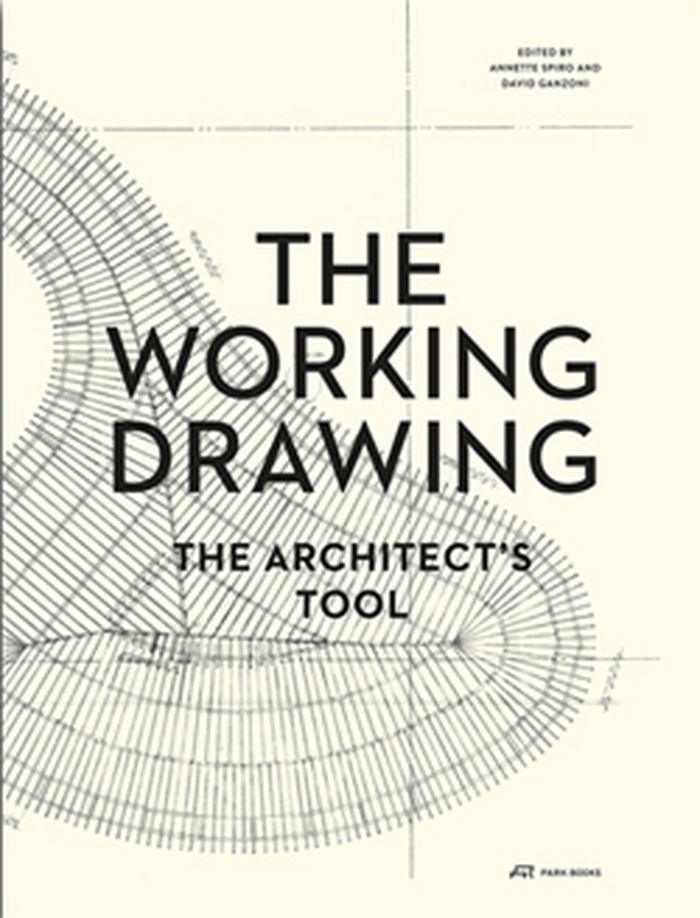
Large-size working drawings are the foundation of any architectural process and 'key' to practical construction of a building, yet very little has been written and published about the architect's quintessential tool. This new book bridges this gap, as it draws on a vast collection of working drawings from many centuries, held by the Department of Architecture at ETH Zurich. This is a collection of plans for a wide range of architectural projects and features many representational techniques. Providing a comprehensive record, around a hundred of the collection's highlights through five centuries, are arranged by category allowing for direct comparison. All plans are depicted entirely in colour on large-size spreads and fold-outs. Full catalogue details are provided for each drawing. Various topics are covered in essays by expert authors, which compliment the images. Featured architects include respected names such as Francesco Borromini, Gottfried Semper, Ludwig Mies van der Rohe, Le Corbusier, Eero Saarinen, Jorn Utzon, Alvaro Siza, Rafael Moneo, Herzog & de Meuron, Peter Zumthor, Diller Scofidio or Caruso St. John.
The working drawing: the architect's tool
Actions:
Prix:
$150.00
(disponible sur commande)
Résumé:
Large-size working drawings are the foundation of any architectural process and 'key' to practical construction of a building, yet very little has been written and published about the architect's quintessential tool. This new book bridges this gap, as it draws on a vast collection of working drawings from many centuries, held by the Department of Architecture at ETH Zurich. This is a collection of plans for a wide range of architectural projects and features many representational techniques. Providing a comprehensive record, around a hundred of the collection's highlights through five centuries, are arranged by category allowing for direct comparison. All plans are depicted entirely in colour on large-size spreads and fold-outs. Full catalogue details are provided for each drawing. Various topics are covered in essays by expert authors, which compliment the images. Featured architects include respected names such as Francesco Borromini, Gottfried Semper, Ludwig Mies van der Rohe, Le Corbusier, Eero Saarinen, Jorn Utzon, Alvaro Siza, Rafael Moneo, Herzog & de Meuron, Peter Zumthor, Diller Scofidio or Caruso St. John.
Classification:
livres
livres
Publication:
février 2014
février 2014
Sujet:
Dessin d’architecture
Dessin d’architecture
Classification:
livres
livres
Prix:
$19.99
(disponible sur commande)
Résumé:
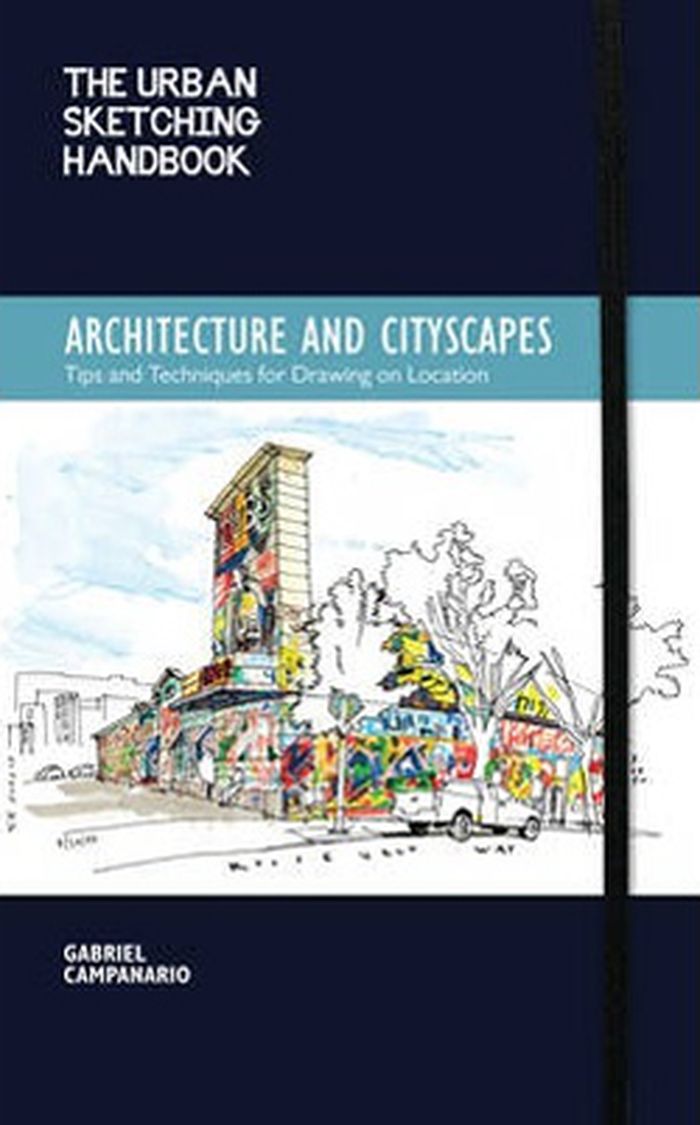
Illustrator Gabriel Campanario first introduced his approach to drawing in The Art of Urban Sketching, a showcase of more than 500 sketches and drawing tips shared by more than 100 urban sketchers around the world. Now, he drills down into specific challenges of making sketches on location, rain or shine, quickly or slowly, and the most suitable techniques for every(...)
$19.99
(disponible sur commande)
Résumé:
Illustrator Gabriel Campanario first introduced his approach to drawing in The Art of Urban Sketching, a showcase of more than 500 sketches and drawing tips shared by more than 100 urban sketchers around the world. Now, he drills down into specific challenges of making sketches on location, rain or shine, quickly or slowly, and the most suitable techniques for every(...)
Titre:
The urban sketching handbook: architecture and cityscapes
Actions:
Prix:
$19.99
(disponible sur commande)
Résumé:
Illustrator Gabriel Campanario first introduced his approach to drawing in The Art of Urban Sketching, a showcase of more than 500 sketches and drawing tips shared by more than 100 urban sketchers around the world. Now, he drills down into specific challenges of making sketches on location, rain or shine, quickly or slowly, and the most suitable techniques for every situation, in The Urban Sketching Handbook series.
The urban sketching handbook: architecture and cityscapes
Actions:
Prix:
$19.99
(disponible sur commande)
Résumé:
Illustrator Gabriel Campanario first introduced his approach to drawing in The Art of Urban Sketching, a showcase of more than 500 sketches and drawing tips shared by more than 100 urban sketchers around the world. Now, he drills down into specific challenges of making sketches on location, rain or shine, quickly or slowly, and the most suitable techniques for every situation, in The Urban Sketching Handbook series.
Classification:
livres
livres
Publication:
août 2014
août 2014
Sujet:
Dessin d’architecture
Dessin d’architecture
Classification:
livres
livres
Actions:
Prix:
$19.99
(disponible sur commande)
Résumé:
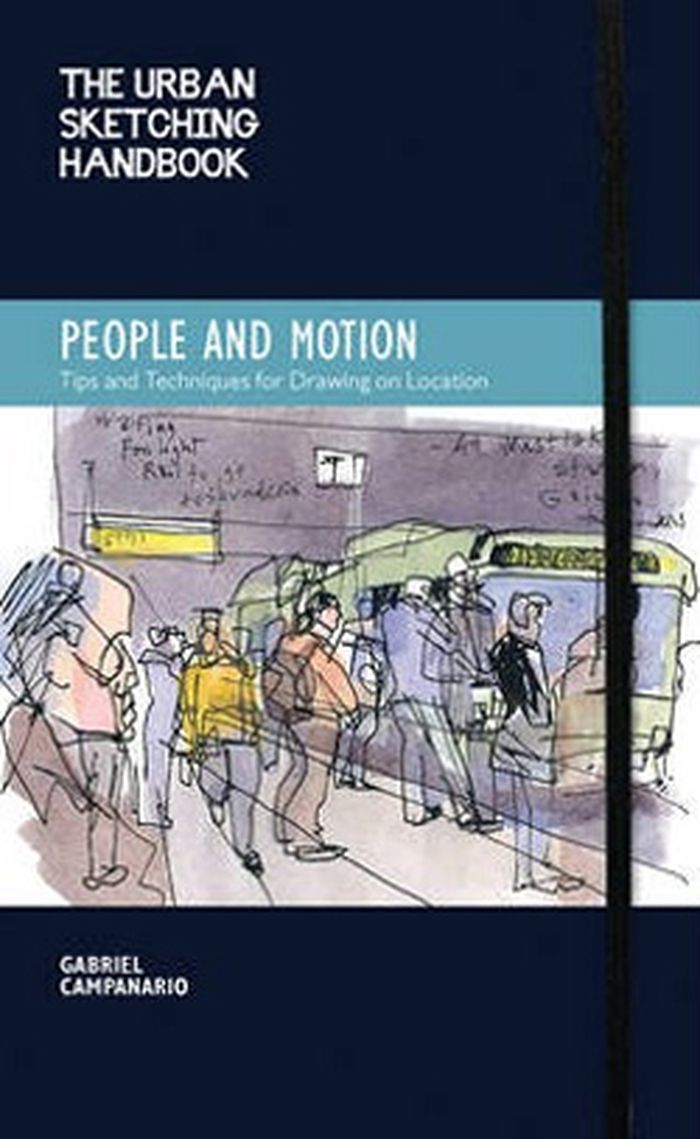
In The Urban Sketching Handbook: People and Motion Gabriel lays out keys to help make the experience of drawing humans and movements fun and rewarding. Using composition, depth, scale, contrast, line and creativity, sketching out citizens and the way they move has never been more inspirational and entertaining. This guide will help you to develop your own creative(...)
$19.99
(disponible sur commande)
Résumé:
In The Urban Sketching Handbook: People and Motion Gabriel lays out keys to help make the experience of drawing humans and movements fun and rewarding. Using composition, depth, scale, contrast, line and creativity, sketching out citizens and the way they move has never been more inspirational and entertaining. This guide will help you to develop your own creative(...)
Titre:
The urban sketching handbook:people and motion
Actions:
Prix:
$19.99
(disponible sur commande)
Résumé:
In The Urban Sketching Handbook: People and Motion Gabriel lays out keys to help make the experience of drawing humans and movements fun and rewarding. Using composition, depth, scale, contrast, line and creativity, sketching out citizens and the way they move has never been more inspirational and entertaining. This guide will help you to develop your own creative approach, no matter what your skill level may be today.
The urban sketching handbook:people and motion
Actions:
Prix:
$19.99
(disponible sur commande)
Résumé:
In The Urban Sketching Handbook: People and Motion Gabriel lays out keys to help make the experience of drawing humans and movements fun and rewarding. Using composition, depth, scale, contrast, line and creativity, sketching out citizens and the way they move has never been more inspirational and entertaining. This guide will help you to develop your own creative approach, no matter what your skill level may be today.
Classification:
livres
livres
Publication:
novembre 2014
novembre 2014
Sujet:
Dessin d’architecture
Dessin d’architecture
Classification:
livres
livres
Actions:
Prix:
$44.00
(disponible sur commande)
Résumé:
Immediate and constructive, the physicality of hand drawing, upon which representation formats are based, is a necessary skill needed to communicate ideas in the field of architectural design. Drawing for Architects provides a technique-based, progression of drawing types and instructions teaching core drawing principles needed to connect drawing with architectural(...)
$44.00
(disponible sur commande)
Résumé:
Immediate and constructive, the physicality of hand drawing, upon which representation formats are based, is a necessary skill needed to communicate ideas in the field of architectural design. Drawing for Architects provides a technique-based, progression of drawing types and instructions teaching core drawing principles needed to connect drawing with architectural(...)
Titre:
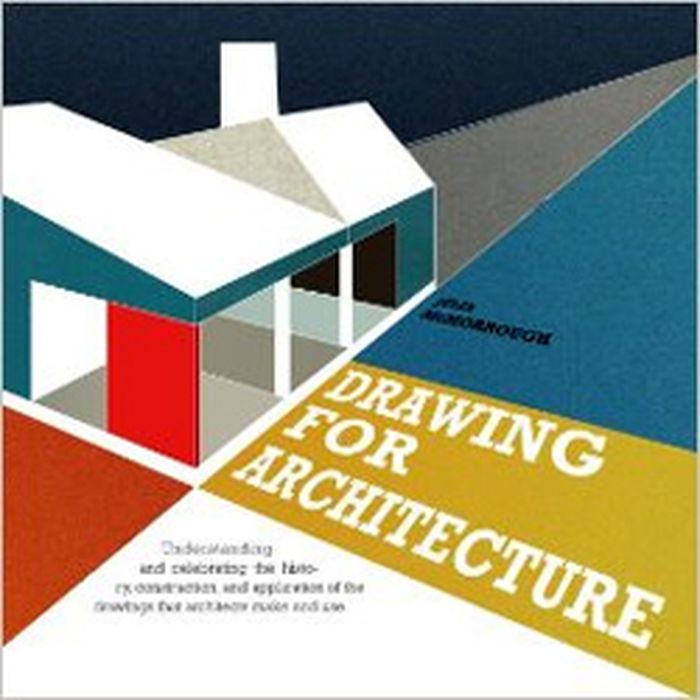
Drawing for architects : how to explore concepts, define elements, and create effectuve built design through illustration
Actions:
Prix:
$44.00
(disponible sur commande)
Résumé:
Immediate and constructive, the physicality of hand drawing, upon which representation formats are based, is a necessary skill needed to communicate ideas in the field of architectural design. Drawing for Architects provides a technique-based, progression of drawing types and instructions teaching core drawing principles needed to connect drawing with architectural design. Architect and author Julia McMorrough outlines issues around each of the types of drawing, showing that the conversations of plan, section, elevation, axonometric, and perspective each have a relation to the kind of design information that drawing makes possible to express. Drawing for Architects explains both the technical and disciplinary importance of drawing and how to enable design creativity and application through its practiced use.
Drawing for architects : how to explore concepts, define elements, and create effectuve built design through illustration
Actions:
Prix:
$44.00
(disponible sur commande)
Résumé:
Immediate and constructive, the physicality of hand drawing, upon which representation formats are based, is a necessary skill needed to communicate ideas in the field of architectural design. Drawing for Architects provides a technique-based, progression of drawing types and instructions teaching core drawing principles needed to connect drawing with architectural design. Architect and author Julia McMorrough outlines issues around each of the types of drawing, showing that the conversations of plan, section, elevation, axonometric, and perspective each have a relation to the kind of design information that drawing makes possible to express. Drawing for Architects explains both the technical and disciplinary importance of drawing and how to enable design creativity and application through its practiced use.
Classification:
livres
livres
Publication:
octobre 2014
octobre 2014
Sujet:
Dessin d’architecture
Dessin d’architecture
Classification:
livres
livres
Titre:
Drawings that count
Drawings that count
Actions:
Prix:
$34.95
(disponible sur commande)
Résumé:
No architectural category is more fickle or more artificial than 'context'. This collection of 60 large drawings produced over five years by AA Diploma 15 addresses the construction of context by architecture for its own very particular purposes. A self-declared 'render-free zone', the unit's interrogations of architecture's seminal sites (antiquity, technology, the(...)
$34.95
(disponible sur commande)
Résumé:
No architectural category is more fickle or more artificial than 'context'. This collection of 60 large drawings produced over five years by AA Diploma 15 addresses the construction of context by architecture for its own very particular purposes. A self-declared 'render-free zone', the unit's interrogations of architecture's seminal sites (antiquity, technology, the(...)
Titre:
Drawings that count
Actions:
Prix:
$34.95
(disponible sur commande)
Résumé:
No architectural category is more fickle or more artificial than 'context'. This collection of 60 large drawings produced over five years by AA Diploma 15 addresses the construction of context by architecture for its own very particular purposes. A self-declared 'render-free zone', the unit's interrogations of architecture's seminal sites (antiquity, technology, the future and its proxies) examine the role of figuration and the exclusion of indeterminacy in the always already mediated question of context. Through the quiet business of counting, these line drawings - against the double ascendancy of parametricisation and the glossy rendered perspective - question architecture's ambivalent relations to the artifice it installs between itself and the outside world.
Drawings that count
Actions:
Prix:
$34.95
(disponible sur commande)
Résumé:
No architectural category is more fickle or more artificial than 'context'. This collection of 60 large drawings produced over five years by AA Diploma 15 addresses the construction of context by architecture for its own very particular purposes. A self-declared 'render-free zone', the unit's interrogations of architecture's seminal sites (antiquity, technology, the future and its proxies) examine the role of figuration and the exclusion of indeterminacy in the always already mediated question of context. Through the quiet business of counting, these line drawings - against the double ascendancy of parametricisation and the glossy rendered perspective - question architecture's ambivalent relations to the artifice it installs between itself and the outside world.
Classification:
livres
livres
Publication:
mars 2013
mars 2013
Sujet:
Dessin d’architecture
Dessin d’architecture
Classification:
livres
livres

Titre:
La perspective inversée
La perspective inversée
Actions:
Prix:
$15.95
(disponible en magasin)
Résumé:
Florenski critique ici les fondements de la perspective et, avec eux, la conception classique de l’histoire de l’art, qui voit dans la Renaissance un acmé jamais égalé. Il analyse avec une grande finesse les icônes, qui génèrent une multitude de points de vue, au diapason avec la pensée qu’elles véhiculent. Daté de 1919, cet exposé est contemporain des recherches(...)
$15.95
(disponible en magasin)
Résumé:
Florenski critique ici les fondements de la perspective et, avec eux, la conception classique de l’histoire de l’art, qui voit dans la Renaissance un acmé jamais égalé. Il analyse avec une grande finesse les icônes, qui génèrent une multitude de points de vue, au diapason avec la pensée qu’elles véhiculent. Daté de 1919, cet exposé est contemporain des recherches(...)
Titre:
La perspective inversée
Actions:
Prix:
$15.95
(disponible en magasin)
Résumé:
Florenski critique ici les fondements de la perspective et, avec eux, la conception classique de l’histoire de l’art, qui voit dans la Renaissance un acmé jamais égalé. Il analyse avec une grande finesse les icônes, qui génèrent une multitude de points de vue, au diapason avec la pensée qu’elles véhiculent. Daté de 1919, cet exposé est contemporain des recherches plastiques de Malevitch. L’on tient là non seulement un texte précurseur de maintes recherches théoriques mais aussi un plaidoyer éminemment pédagogique en faveur d’un art ouvert à la vision subjective du spectateur.
La perspective inversée
Actions:
Prix:
$15.95
(disponible en magasin)
Résumé:
Florenski critique ici les fondements de la perspective et, avec eux, la conception classique de l’histoire de l’art, qui voit dans la Renaissance un acmé jamais égalé. Il analyse avec une grande finesse les icônes, qui génèrent une multitude de points de vue, au diapason avec la pensée qu’elles véhiculent. Daté de 1919, cet exposé est contemporain des recherches plastiques de Malevitch. L’on tient là non seulement un texte précurseur de maintes recherches théoriques mais aussi un plaidoyer éminemment pédagogique en faveur d’un art ouvert à la vision subjective du spectateur.
Classification:
livres
livres
Publication:
mai 2013
mai 2013
Sujet:
Dessin d’architecture
Dessin d’architecture
Classification:
livres
livres
Actions:
Prix:
$80.00
(disponible sur commande)
Résumé:
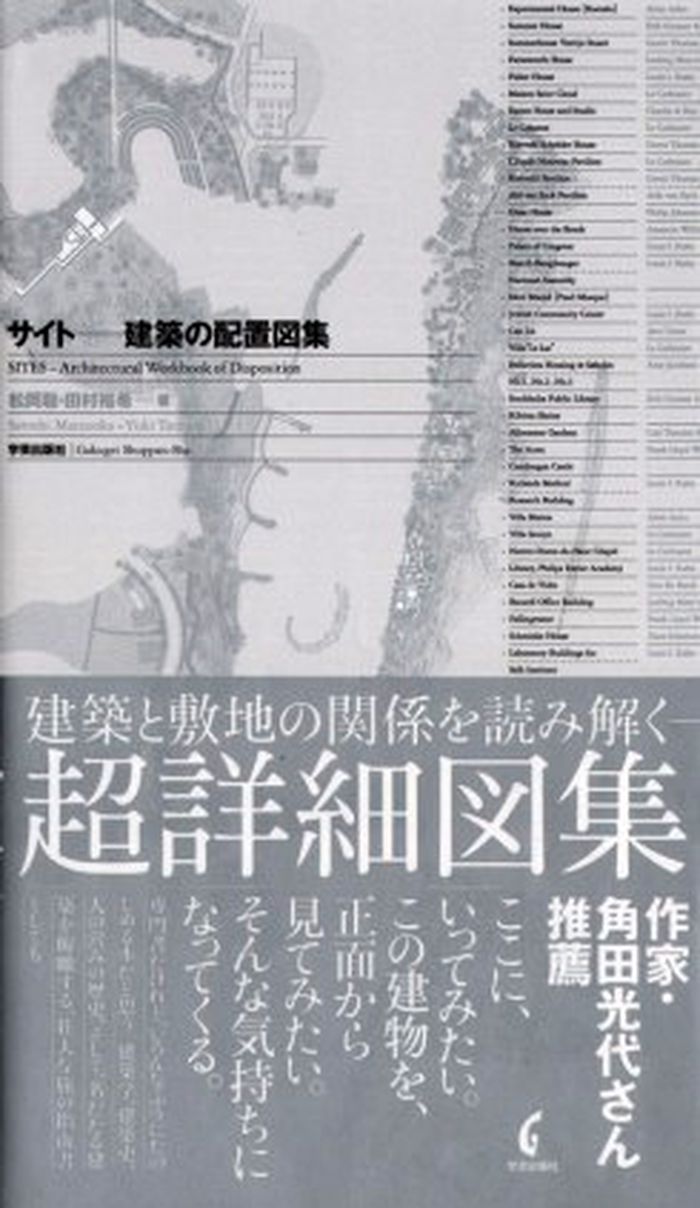
With page after page of situation drawings rendered in meticulous and comprehensive detail, this book presents a mix of famous contemporary and historic buildings located around the world and realised by a wide range of notable architects. Works by Frank Lloyd Wright, Antonio Gaudí, Le Corbusier, Arne Jacobsen, Louis I. Kahn, Johannes Duiker, Alvar Aalto, Charles and Ray(...)
$80.00
(disponible sur commande)
Résumé:
With page after page of situation drawings rendered in meticulous and comprehensive detail, this book presents a mix of famous contemporary and historic buildings located around the world and realised by a wide range of notable architects. Works by Frank Lloyd Wright, Antonio Gaudí, Le Corbusier, Arne Jacobsen, Louis I. Kahn, Johannes Duiker, Alvar Aalto, Charles and Ray(...)
Titre:
Sites: architectural workbook of disposition
Actions:
Prix:
$80.00
(disponible sur commande)
Résumé:
With page after page of situation drawings rendered in meticulous and comprehensive detail, this book presents a mix of famous contemporary and historic buildings located around the world and realised by a wide range of notable architects. Works by Frank Lloyd Wright, Antonio Gaudí, Le Corbusier, Arne Jacobsen, Louis I. Kahn, Johannes Duiker, Alvar Aalto, Charles and Ray Eames, Lina Bo Bardi and Jørn Utzon make up just a handful of the projects. Following the keyword of disposition, each is given special meaning according to its placement or arrangement in context, emphasising why they are enduring great works of architecture.
Sites: architectural workbook of disposition
Actions:
Prix:
$80.00
(disponible sur commande)
Résumé:
With page after page of situation drawings rendered in meticulous and comprehensive detail, this book presents a mix of famous contemporary and historic buildings located around the world and realised by a wide range of notable architects. Works by Frank Lloyd Wright, Antonio Gaudí, Le Corbusier, Arne Jacobsen, Louis I. Kahn, Johannes Duiker, Alvar Aalto, Charles and Ray Eames, Lina Bo Bardi and Jørn Utzon make up just a handful of the projects. Following the keyword of disposition, each is given special meaning according to its placement or arrangement in context, emphasising why they are enduring great works of architecture.
Classification:
livres
livres
Publication:
juin 2013
juin 2013
Sujet:
Dessin d’architecture
Dessin d’architecture


