


331 Résultats
Classification:
livres
livres
Actions:
Prix:
$38.00
(disponible sur commande)
Résumé:
In the autumn of 1620, King James I (1566-1625) stayed at Wilton with the Earl of Pembroke. During his stay, he sent his court architect Inigo Jones (1573-1652) to the nearby prehistoric ruins of Stonehenge, with the aim of demonstrating that these were the remains of a temple built by the Romans during their occupation of England. His visit resulted in a description,(...)
$38.00
(disponible sur commande)
Résumé:
In the autumn of 1620, King James I (1566-1625) stayed at Wilton with the Earl of Pembroke. During his stay, he sent his court architect Inigo Jones (1573-1652) to the nearby prehistoric ruins of Stonehenge, with the aim of demonstrating that these were the remains of a temple built by the Romans during their occupation of England. His visit resulted in a description,(...)
Titre:
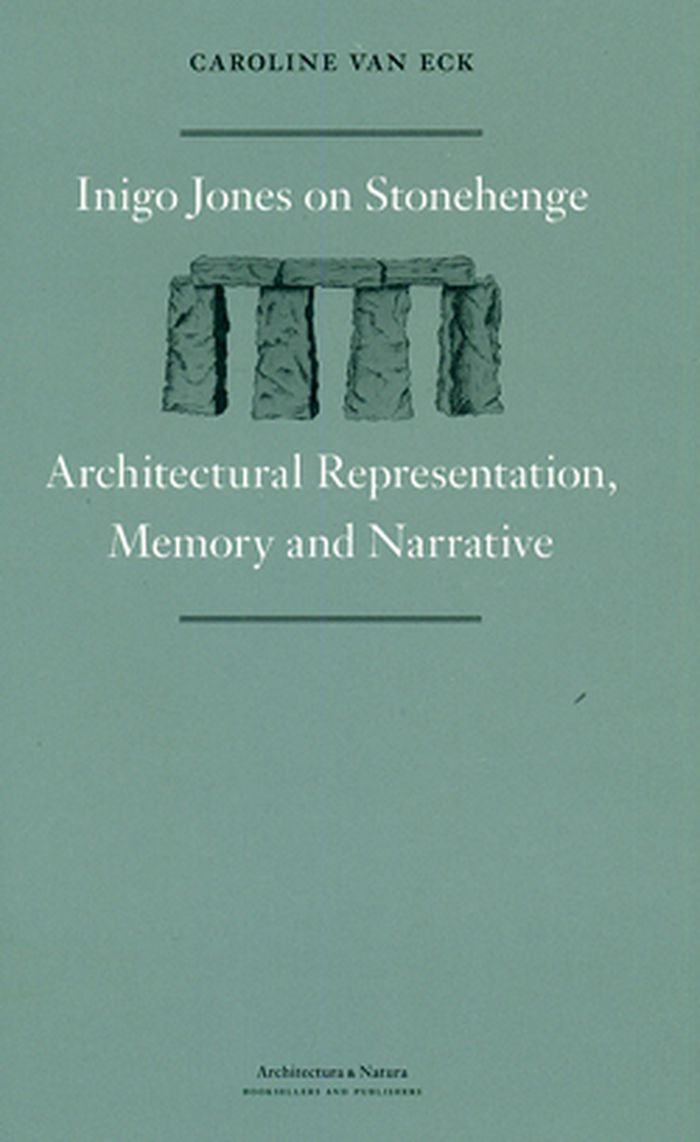
Inigo Jones on Stonehenge, architectural representation, memory and narrative
Actions:
Prix:
$38.00
(disponible sur commande)
Résumé:
In the autumn of 1620, King James I (1566-1625) stayed at Wilton with the Earl of Pembroke. During his stay, he sent his court architect Inigo Jones (1573-1652) to the nearby prehistoric ruins of Stonehenge, with the aim of demonstrating that these were the remains of a temple built by the Romans during their occupation of England. His visit resulted in a description, measurements and drawings of Stonehenge as Jones had found it, and a reconstruction on paper.
Inigo Jones on Stonehenge, architectural representation, memory and narrative
Actions:
Prix:
$38.00
(disponible sur commande)
Résumé:
In the autumn of 1620, King James I (1566-1625) stayed at Wilton with the Earl of Pembroke. During his stay, he sent his court architect Inigo Jones (1573-1652) to the nearby prehistoric ruins of Stonehenge, with the aim of demonstrating that these were the remains of a temple built by the Romans during their occupation of England. His visit resulted in a description, measurements and drawings of Stonehenge as Jones had found it, and a reconstruction on paper.
Classification:
livres
livres
Publication:
septembre 2009
septembre 2009
Sujet:
Histoire jusqu’à 1900
Histoire jusqu’à 1900
Classification:
livres
livres
Prix:
$52.95
(disponible sur commande)
Résumé:
Harry Mallgrave's comprehensive survey of architectural theory, primarily in Europe and the United States, contextualizes architectural discourse within its social and political atmosphere over three centuries of development. He explores the philosophical and conceptual evolution of its ideas, the relation of theory to the practice of building, and, most importantly, the(...)
$52.95
(disponible sur commande)
Résumé:
Harry Mallgrave's comprehensive survey of architectural theory, primarily in Europe and the United States, contextualizes architectural discourse within its social and political atmosphere over three centuries of development. He explores the philosophical and conceptual evolution of its ideas, the relation of theory to the practice of building, and, most importantly, the(...)
Titre:
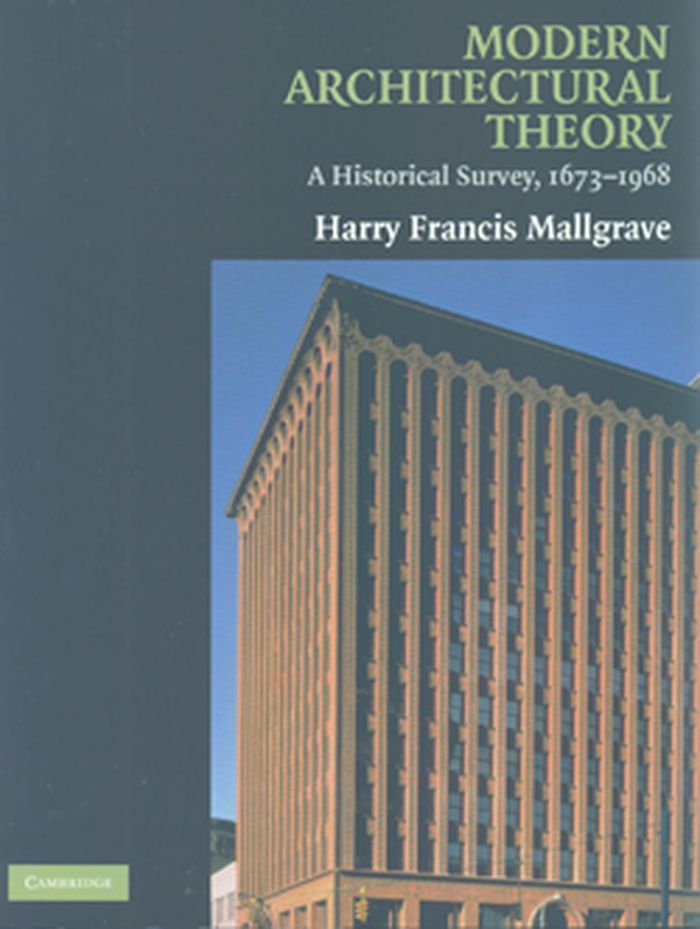
Modern architectural theory: a historical survey, 1673-1968
Actions:
Prix:
$52.95
(disponible sur commande)
Résumé:
Harry Mallgrave's comprehensive survey of architectural theory, primarily in Europe and the United States, contextualizes architectural discourse within its social and political atmosphere over three centuries of development. He explores the philosophical and conceptual evolution of its ideas, the relation of theory to the practice of building, and, most importantly, the words of the architects themselves as they contentiously shaped their particular niche of Western civilization over time.
Modern architectural theory: a historical survey, 1673-1968
Actions:
Prix:
$52.95
(disponible sur commande)
Résumé:
Harry Mallgrave's comprehensive survey of architectural theory, primarily in Europe and the United States, contextualizes architectural discourse within its social and political atmosphere over three centuries of development. He explores the philosophical and conceptual evolution of its ideas, the relation of theory to the practice of building, and, most importantly, the words of the architects themselves as they contentiously shaped their particular niche of Western civilization over time.
Classification:
livres
livres
Publication:
août 2009
août 2009
Sujet:
Histoire jusqu’à 1900
Histoire jusqu’à 1900
Classification:
livres
livres
Prix:
$49.95
(disponible sur commande)
Résumé:
Plus de trente ans après son adoption et sa ratification par 180 nations, l'Inventaire du Patrimoine Mondial est un corpus extraordinaire de lieux et d'oeuvres qui rassemble environ 800 sites dans 135 pays et englobe simultanément l'histoire de l'humanité et celle de la Terre, offrant ainsi un instrument précieux pour " déchiffrer " la nature et la culture, ainsi que le(...)
$49.95
(disponible sur commande)
Résumé:
Plus de trente ans après son adoption et sa ratification par 180 nations, l'Inventaire du Patrimoine Mondial est un corpus extraordinaire de lieux et d'oeuvres qui rassemble environ 800 sites dans 135 pays et englobe simultanément l'histoire de l'humanité et celle de la Terre, offrant ainsi un instrument précieux pour " déchiffrer " la nature et la culture, ainsi que le(...)
Titre:
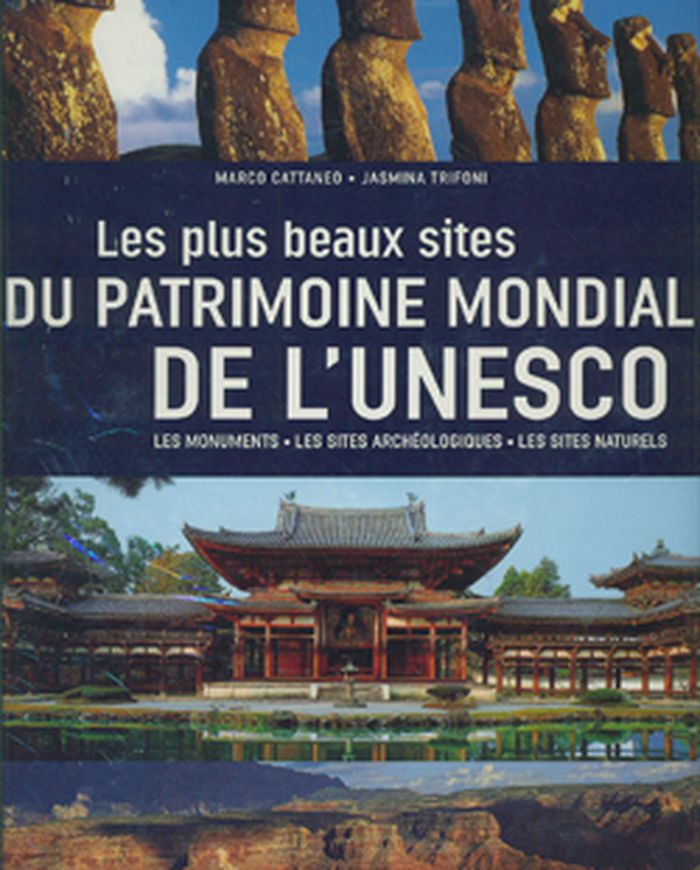
Le plus beaux sites du patrimoine mondial de l'Unesco
Actions:
Prix:
$49.95
(disponible sur commande)
Résumé:
Plus de trente ans après son adoption et sa ratification par 180 nations, l'Inventaire du Patrimoine Mondial est un corpus extraordinaire de lieux et d'oeuvres qui rassemble environ 800 sites dans 135 pays et englobe simultanément l'histoire de l'humanité et celle de la Terre, offrant ainsi un instrument précieux pour " déchiffrer " la nature et la culture, ainsi que le lien profond qui les unit.
Le plus beaux sites du patrimoine mondial de l'Unesco
Actions:
Prix:
$49.95
(disponible sur commande)
Résumé:
Plus de trente ans après son adoption et sa ratification par 180 nations, l'Inventaire du Patrimoine Mondial est un corpus extraordinaire de lieux et d'oeuvres qui rassemble environ 800 sites dans 135 pays et englobe simultanément l'histoire de l'humanité et celle de la Terre, offrant ainsi un instrument précieux pour " déchiffrer " la nature et la culture, ainsi que le lien profond qui les unit.
Classification:
livres
livres
Publication:
septembre 2009
septembre 2009
Sujet:
Histoire jusqu’à 1900
Histoire jusqu’à 1900
Classification:
livres
livres
Actions:
Prix:
$19.95
(disponible sur commande)
Résumé:
For over sixty years Sir Nikolaus Pevsner's study of European architecture has been regarded as a seminal work which has inspired countless students of architecture. In this updated large format edition an extra dimension is provided through the integration of over 200 colour photographs and new plans. Pevsner's claim that 'the good architect requires the sculptor's and(...)
$19.95
(disponible sur commande)
Résumé:
For over sixty years Sir Nikolaus Pevsner's study of European architecture has been regarded as a seminal work which has inspired countless students of architecture. In this updated large format edition an extra dimension is provided through the integration of over 200 colour photographs and new plans. Pevsner's claim that 'the good architect requires the sculptor's and(...)
Titre:
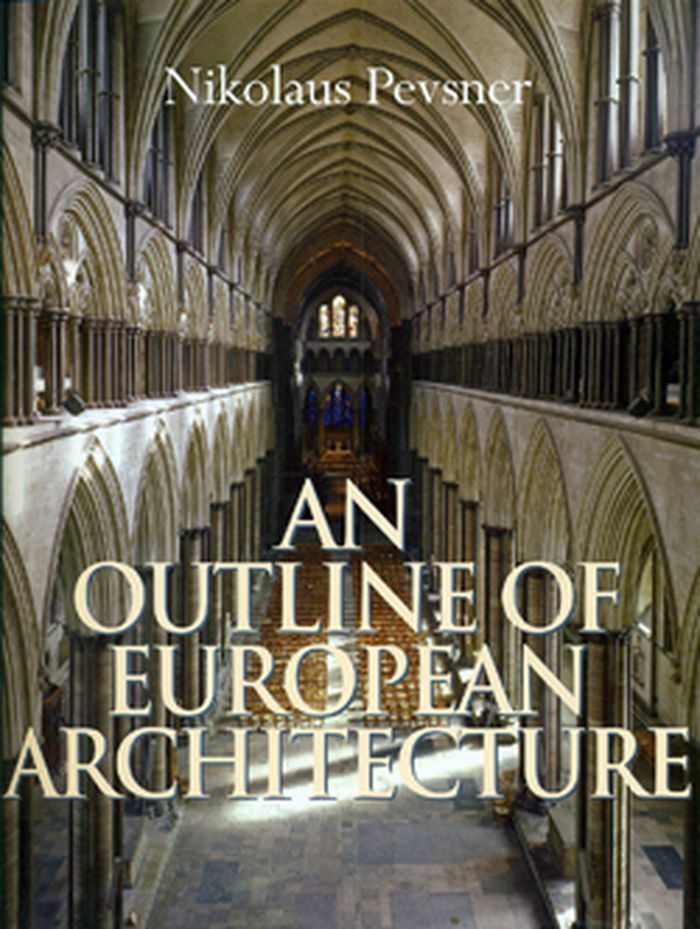
An outline of European architecture
Actions:
Prix:
$19.95
(disponible sur commande)
Résumé:
For over sixty years Sir Nikolaus Pevsner's study of European architecture has been regarded as a seminal work which has inspired countless students of architecture. In this updated large format edition an extra dimension is provided through the integration of over 200 colour photographs and new plans. Pevsner's claim that 'the good architect requires the sculptor's and the painter's modes of vision' is fully substantiated in this volume.
An outline of European architecture
Actions:
Prix:
$19.95
(disponible sur commande)
Résumé:
For over sixty years Sir Nikolaus Pevsner's study of European architecture has been regarded as a seminal work which has inspired countless students of architecture. In this updated large format edition an extra dimension is provided through the integration of over 200 colour photographs and new plans. Pevsner's claim that 'the good architect requires the sculptor's and the painter's modes of vision' is fully substantiated in this volume.
Classification:
livres
livres
Publication:
octobre 2009
octobre 2009
Classification:
livres
livres
Actions:
Prix:
$62.00
(disponible sur commande)
Résumé:
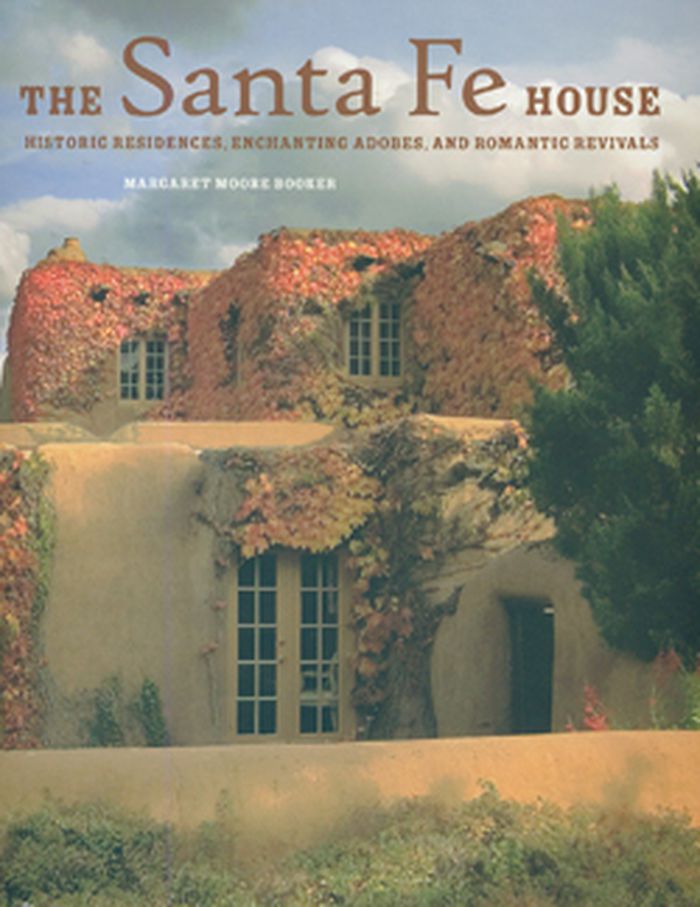
This book presents in detail forty architecturally rich and picturesque houses, ranging from the earliest one-story adobe structures, with flat roofs and an emphasis on utility and simplicity, to today’s "Santa Fe style," showing deep roots in Pueblo Indian, Spanish, Mexican, and Anglo traditions. It includes the best of the "Territorial style," introduced by newcomers(...)
$62.00
(disponible sur commande)
Résumé:
This book presents in detail forty architecturally rich and picturesque houses, ranging from the earliest one-story adobe structures, with flat roofs and an emphasis on utility and simplicity, to today’s "Santa Fe style," showing deep roots in Pueblo Indian, Spanish, Mexican, and Anglo traditions. It includes the best of the "Territorial style," introduced by newcomers(...)
Titre:
The Santa Fe: historic residences, enchanting adobes, and romantic revivals
Actions:
Prix:
$62.00
(disponible sur commande)
Résumé:
This book presents in detail forty architecturally rich and picturesque houses, ranging from the earliest one-story adobe structures, with flat roofs and an emphasis on utility and simplicity, to today’s "Santa Fe style," showing deep roots in Pueblo Indian, Spanish, Mexican, and Anglo traditions. It includes the best of the "Territorial style," introduced by newcomers from the East after 1846, as well as a variety of ornate Victorian architectural styles.
The Santa Fe: historic residences, enchanting adobes, and romantic revivals
Actions:
Prix:
$62.00
(disponible sur commande)
Résumé:
This book presents in detail forty architecturally rich and picturesque houses, ranging from the earliest one-story adobe structures, with flat roofs and an emphasis on utility and simplicity, to today’s "Santa Fe style," showing deep roots in Pueblo Indian, Spanish, Mexican, and Anglo traditions. It includes the best of the "Territorial style," introduced by newcomers from the East after 1846, as well as a variety of ornate Victorian architectural styles.
Classification:
livres
livres
Publication:
septembre 2009
septembre 2009
Sujet:
Histoire jusqu’à 1900
Histoire jusqu’à 1900
Classification:
livres
livres
Actions:
Prix:
$49.50
(disponible sur commande)
Résumé:
Parce qu'on la croit inscrite dans la ville et qu'elle semble apparaître comme une conséquence évidente de ses tracés mêmes (trottoirs, jardins, passages protégés, etc.), la promenade est aujourd'hui conçue comme une pratique ordinaire, normale et convenue. Le promeneur arpente le pavé de Paris. Il trouve plaisir et santé à user ses semelles sur ces dalles qui, dit-on, ne(...)
$49.50
(disponible sur commande)
Résumé:
Parce qu'on la croit inscrite dans la ville et qu'elle semble apparaître comme une conséquence évidente de ses tracés mêmes (trottoirs, jardins, passages protégés, etc.), la promenade est aujourd'hui conçue comme une pratique ordinaire, normale et convenue. Le promeneur arpente le pavé de Paris. Il trouve plaisir et santé à user ses semelles sur ces dalles qui, dit-on, ne(...)
Titre:
Le promeneur à Paris au XVIIIe siècle
Actions:
Prix:
$49.50
(disponible sur commande)
Résumé:
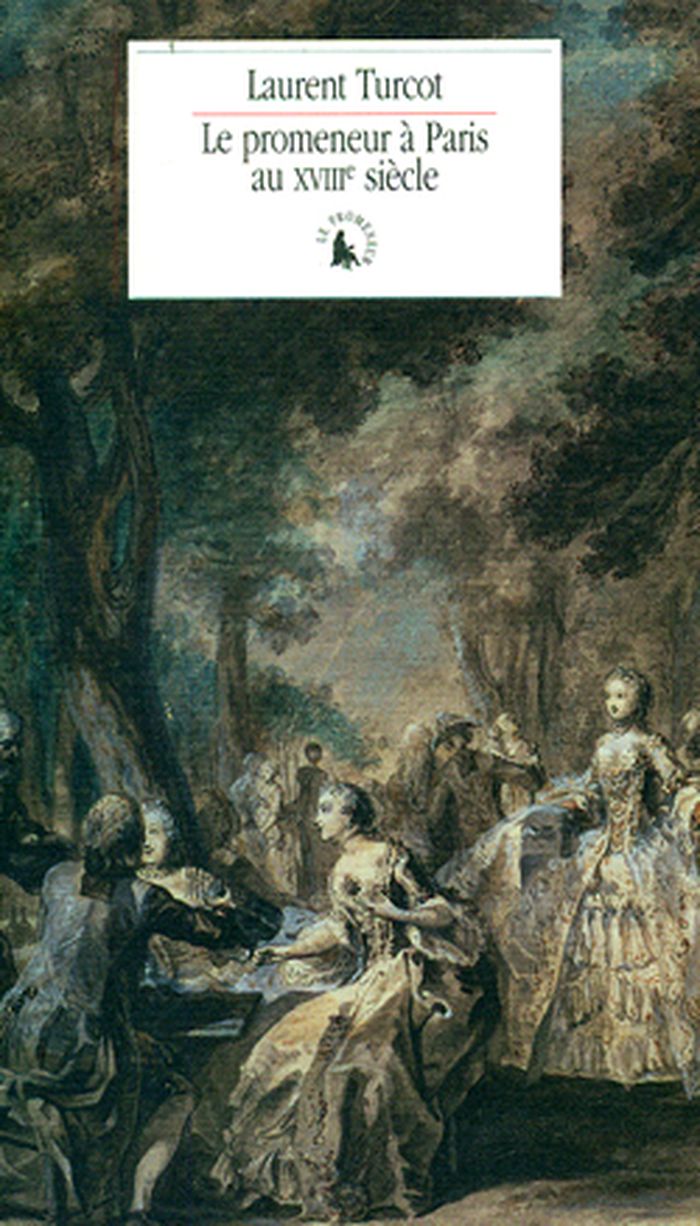
Parce qu'on la croit inscrite dans la ville et qu'elle semble apparaître comme une conséquence évidente de ses tracés mêmes (trottoirs, jardins, passages protégés, etc.), la promenade est aujourd'hui conçue comme une pratique ordinaire, normale et convenue. Le promeneur arpente le pavé de Paris. Il trouve plaisir et santé à user ses semelles sur ces dalles qui, dit-on, ne sont faites que pour marcher. Pourtant, se promener dans la ville est un comportement historiquement construit, la cité ne s'est pas toujours offerte au flâneur. Il importe de comprendre comment, chez l'être urbain, ce sentiment a pu se constituer et comment la ville a permis de maintenir cette habitude par des promenades publiques et des espaces protégés pour le piéton. Se dessine alors une habitude qui encourage l'individu à déambuler, à se mettre en marche, parfois en scène, à entrer dans le grand bal des sociabilités parisiennes. Une identité se construit, avec ses comportements, ses manières d'être, ses regards et sa gestuelle. Le promeneur s'avance, il prend place dans le Paris du XVIIIe siècle, précédant la figure emblématique du siècle suivant, chère à Walter Benjamin : il devient une figure qui définit la capitale française à l'époque moderne.
Le promeneur à Paris au XVIIIe siècle
Actions:
Prix:
$49.50
(disponible sur commande)
Résumé:
Parce qu'on la croit inscrite dans la ville et qu'elle semble apparaître comme une conséquence évidente de ses tracés mêmes (trottoirs, jardins, passages protégés, etc.), la promenade est aujourd'hui conçue comme une pratique ordinaire, normale et convenue. Le promeneur arpente le pavé de Paris. Il trouve plaisir et santé à user ses semelles sur ces dalles qui, dit-on, ne sont faites que pour marcher. Pourtant, se promener dans la ville est un comportement historiquement construit, la cité ne s'est pas toujours offerte au flâneur. Il importe de comprendre comment, chez l'être urbain, ce sentiment a pu se constituer et comment la ville a permis de maintenir cette habitude par des promenades publiques et des espaces protégés pour le piéton. Se dessine alors une habitude qui encourage l'individu à déambuler, à se mettre en marche, parfois en scène, à entrer dans le grand bal des sociabilités parisiennes. Une identité se construit, avec ses comportements, ses manières d'être, ses regards et sa gestuelle. Le promeneur s'avance, il prend place dans le Paris du XVIIIe siècle, précédant la figure emblématique du siècle suivant, chère à Walter Benjamin : il devient une figure qui définit la capitale française à l'époque moderne.
Classification:
livres
livres
Publication:
décembre 2009
décembre 2009
Sujet:
Histoire jusqu’à 1900
Histoire jusqu’à 1900
Classification:
livres
livres
Titre:
L'art roman
L'art roman
Actions:
Prix:
$30.95
(disponible sur commande)
Résumé:
Après l'an Mil, l'Europe entre dans un cycle de transformations dont l'art roman est le reflet dans le domaine artistique. Ce mouvement va durer 15o ans et connaître un rayonnement considérable, avec le développement des ordres monastiques. Un style nouveau apparaît, simple et somptueux, nourri par la foi chrétienne, qui va produire d'innombrables chefs-d'oeuvre en(...)
$30.95
(disponible sur commande)
Résumé:
Après l'an Mil, l'Europe entre dans un cycle de transformations dont l'art roman est le reflet dans le domaine artistique. Ce mouvement va durer 15o ans et connaître un rayonnement considérable, avec le développement des ordres monastiques. Un style nouveau apparaît, simple et somptueux, nourri par la foi chrétienne, qui va produire d'innombrables chefs-d'oeuvre en(...)
Titre:
L'art roman
Actions:
Prix:
$30.95
(disponible sur commande)
Résumé:
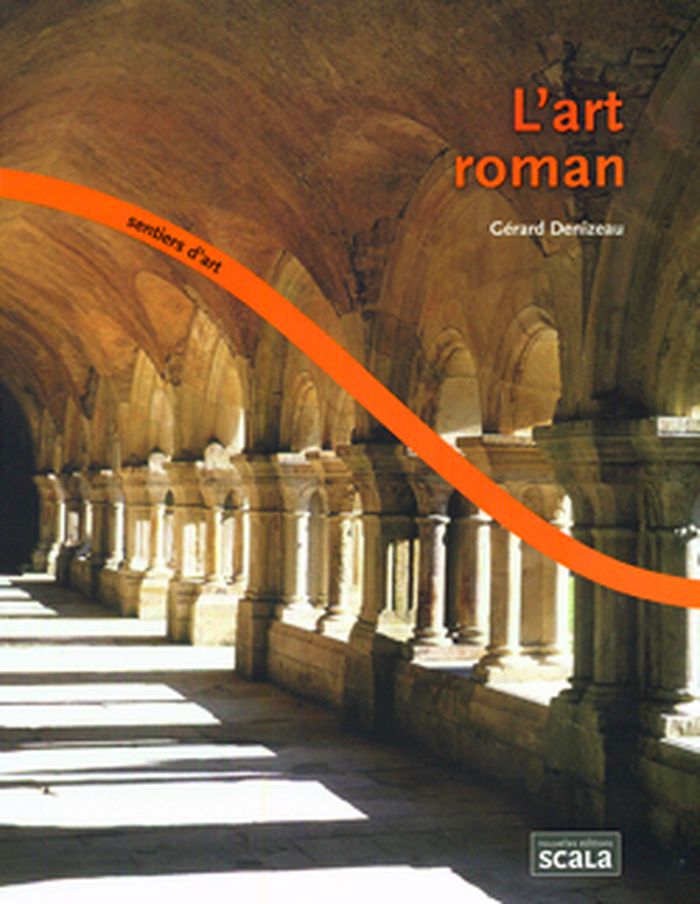
Après l'an Mil, l'Europe entre dans un cycle de transformations dont l'art roman est le reflet dans le domaine artistique. Ce mouvement va durer 15o ans et connaître un rayonnement considérable, avec le développement des ordres monastiques. Un style nouveau apparaît, simple et somptueux, nourri par la foi chrétienne, qui va produire d'innombrables chefs-d'oeuvre en France, puis s'étendre à toute l'Europe. Cet essor et ces transformations vont toucher tout autant l'architecture religieuse et civile que la sculpture, la peinture, le vitrail, l'orfèvrerie, la musique, la littérature...tous ces arts réunis au sein de l'église, image mystique de l'univers. Ce livre propose une synthèse de la période romane, replace dans leur contexte historique ses enjeux artistiques, politiques et religieux ainsi que ses principales tendances et évolutions. Il donne les clés de compréhension qui permettent d'identifier les caractéristiques de ce style, à travers la présentation et l'analyse de réalisations majeures.
L'art roman
Actions:
Prix:
$30.95
(disponible sur commande)
Résumé:
Après l'an Mil, l'Europe entre dans un cycle de transformations dont l'art roman est le reflet dans le domaine artistique. Ce mouvement va durer 15o ans et connaître un rayonnement considérable, avec le développement des ordres monastiques. Un style nouveau apparaît, simple et somptueux, nourri par la foi chrétienne, qui va produire d'innombrables chefs-d'oeuvre en France, puis s'étendre à toute l'Europe. Cet essor et ces transformations vont toucher tout autant l'architecture religieuse et civile que la sculpture, la peinture, le vitrail, l'orfèvrerie, la musique, la littérature...tous ces arts réunis au sein de l'église, image mystique de l'univers. Ce livre propose une synthèse de la période romane, replace dans leur contexte historique ses enjeux artistiques, politiques et religieux ainsi que ses principales tendances et évolutions. Il donne les clés de compréhension qui permettent d'identifier les caractéristiques de ce style, à travers la présentation et l'analyse de réalisations majeures.
Classification:
livres
livres
Publication:
mars 2010
mars 2010
Sujet:
Histoire jusqu’à 1900
Histoire jusqu’à 1900
Classification:
livres
livres
Titre:
Qu'est-ce qu'une église?
Qu'est-ce qu'une église?
Actions:
Prix:
$55.00
(disponible sur commande)
Résumé:
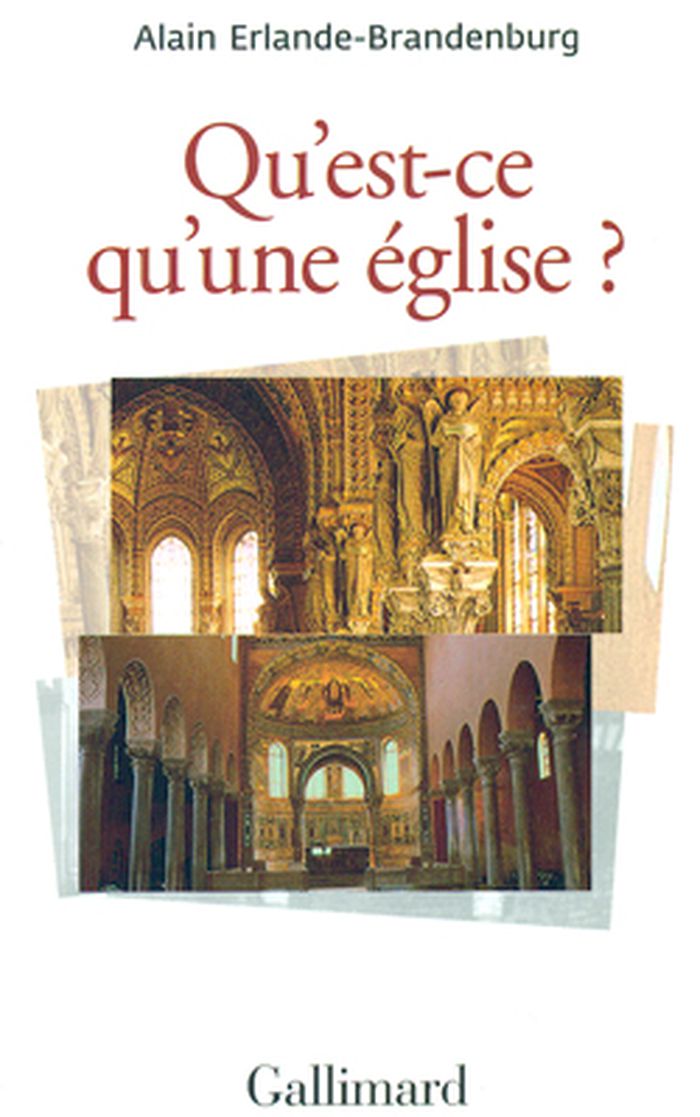
En Occident, les églises cathédrales et paroissiales ont façonné le paysage urbain et rural. Ce livre retrace l'histoire de l'église et de son décor, montrant comment elle est tributaire de deux évolutions qui s'interpénètrent, celle de l'Eglise et celle des formes artistiques. Qu'est-ce qu'une église? s'étend sur vingt siècles d'histoire, de Constantin à nos jours.
$55.00
(disponible sur commande)
Résumé:
En Occident, les églises cathédrales et paroissiales ont façonné le paysage urbain et rural. Ce livre retrace l'histoire de l'église et de son décor, montrant comment elle est tributaire de deux évolutions qui s'interpénètrent, celle de l'Eglise et celle des formes artistiques. Qu'est-ce qu'une église? s'étend sur vingt siècles d'histoire, de Constantin à nos jours.
Titre:
Qu'est-ce qu'une église?
Actions:
Prix:
$55.00
(disponible sur commande)
Résumé:
En Occident, les églises cathédrales et paroissiales ont façonné le paysage urbain et rural. Ce livre retrace l'histoire de l'église et de son décor, montrant comment elle est tributaire de deux évolutions qui s'interpénètrent, celle de l'Eglise et celle des formes artistiques. Qu'est-ce qu'une église? s'étend sur vingt siècles d'histoire, de Constantin à nos jours.
Qu'est-ce qu'une église?
Actions:
Prix:
$55.00
(disponible sur commande)
Résumé:
En Occident, les églises cathédrales et paroissiales ont façonné le paysage urbain et rural. Ce livre retrace l'histoire de l'église et de son décor, montrant comment elle est tributaire de deux évolutions qui s'interpénètrent, celle de l'Eglise et celle des formes artistiques. Qu'est-ce qu'une église? s'étend sur vingt siècles d'histoire, de Constantin à nos jours.
Classification:
livres
livres
Publication:
juin 2010
juin 2010
Sujet:
Histoire jusqu’à 1900
Histoire jusqu’à 1900
Classification:
livres
livres
Titre:
Le Caire
Le Caire
Actions:
Prix:
$56.95
(disponible sur commande)
Résumé:
Ayant grandi dans l'ombre envahissante des pyramides, elle tire sa surprenante beauté des vestiges de toutes époques qui, de rue en rue, se côtoient. Depuis une quinzaine d'années, les quartiers anciens et leurs monuments sont au cœur d'importants travaux de restauration. Une façon pour Le Caire de se réconcilier peu à peu avec son passé glorieux. Ce livre se propose de(...)
$56.95
(disponible sur commande)
Résumé:
Ayant grandi dans l'ombre envahissante des pyramides, elle tire sa surprenante beauté des vestiges de toutes époques qui, de rue en rue, se côtoient. Depuis une quinzaine d'années, les quartiers anciens et leurs monuments sont au cœur d'importants travaux de restauration. Une façon pour Le Caire de se réconcilier peu à peu avec son passé glorieux. Ce livre se propose de(...)
Titre:
Le Caire
Actions:
Prix:
$56.95
(disponible sur commande)
Résumé:
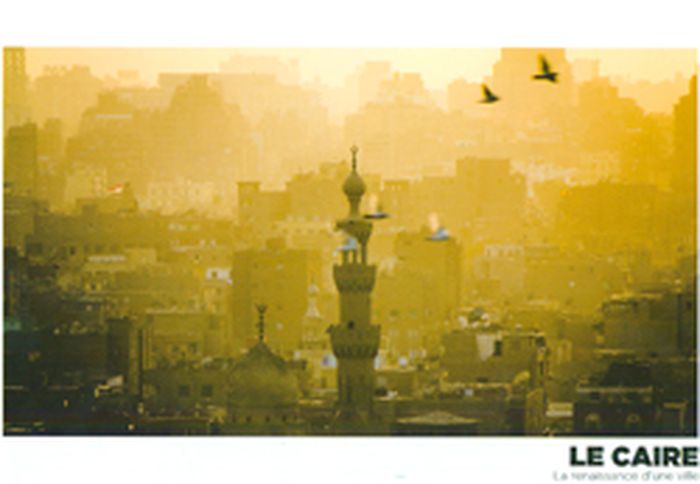
Ayant grandi dans l'ombre envahissante des pyramides, elle tire sa surprenante beauté des vestiges de toutes époques qui, de rue en rue, se côtoient. Depuis une quinzaine d'années, les quartiers anciens et leurs monuments sont au cœur d'importants travaux de restauration. Une façon pour Le Caire de se réconcilier peu à peu avec son passé glorieux. Ce livre se propose de vous emmener en images à la découverte des richesses préservées du vieux Caire, à travers ses remparts, ses rues, ses places, ses mosquées...
Le Caire
Actions:
Prix:
$56.95
(disponible sur commande)
Résumé:
Ayant grandi dans l'ombre envahissante des pyramides, elle tire sa surprenante beauté des vestiges de toutes époques qui, de rue en rue, se côtoient. Depuis une quinzaine d'années, les quartiers anciens et leurs monuments sont au cœur d'importants travaux de restauration. Une façon pour Le Caire de se réconcilier peu à peu avec son passé glorieux. Ce livre se propose de vous emmener en images à la découverte des richesses préservées du vieux Caire, à travers ses remparts, ses rues, ses places, ses mosquées...
Classification:
livres
livres
Publication:
juin 2010
juin 2010
Sujet:
Histoire jusqu’à 1900
Histoire jusqu’à 1900
Classification:
livres
livres
Actions:
Prix:
$49.95
(disponible sur commande)
Résumé:
Comprendre l'Art nouveau à Bruxelles dans sa dimension géniale et éphémère, en décoder les façades éclatantes et les intérieurs cachés, en apprécier la diversité des formes, des couleurs et des matières. Découvrir les personnalités fondatrices de ce mouvement - architectes, artisans, commanditaires -, suivre leur évolution, leurs questionnements, leurs doutes et leur langage.
$49.95
(disponible sur commande)
Résumé:
Comprendre l'Art nouveau à Bruxelles dans sa dimension géniale et éphémère, en décoder les façades éclatantes et les intérieurs cachés, en apprécier la diversité des formes, des couleurs et des matières. Découvrir les personnalités fondatrices de ce mouvement - architectes, artisans, commanditaires -, suivre leur évolution, leurs questionnements, leurs doutes et leur langage.
Titre:
Chefs-d'oeuvre de l'Art Nouveau à Bruxelles
Actions:
Prix:
$49.95
(disponible sur commande)
Résumé:
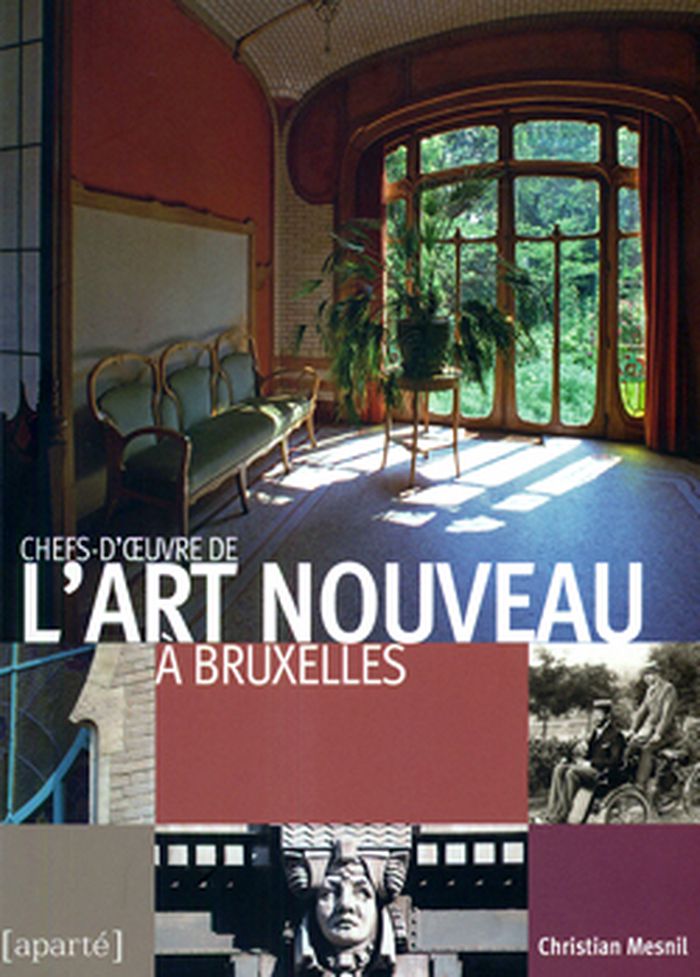
Comprendre l'Art nouveau à Bruxelles dans sa dimension géniale et éphémère, en décoder les façades éclatantes et les intérieurs cachés, en apprécier la diversité des formes, des couleurs et des matières. Découvrir les personnalités fondatrices de ce mouvement - architectes, artisans, commanditaires -, suivre leur évolution, leurs questionnements, leurs doutes et leur langage.
Chefs-d'oeuvre de l'Art Nouveau à Bruxelles
Actions:
Prix:
$49.95
(disponible sur commande)
Résumé:
Comprendre l'Art nouveau à Bruxelles dans sa dimension géniale et éphémère, en décoder les façades éclatantes et les intérieurs cachés, en apprécier la diversité des formes, des couleurs et des matières. Découvrir les personnalités fondatrices de ce mouvement - architectes, artisans, commanditaires -, suivre leur évolution, leurs questionnements, leurs doutes et leur langage.
Classification:
livres
livres
Publication:
juin 2010
juin 2010
Sujet:
Histoire jusqu’à 1900
Histoire jusqu’à 1900


