


331 Résultats
Classification:
livres
livres
Actions:
Prix:
$14.95
(disponible sur commande)
Résumé:
Dressé au bord du Rhône, le château de Tarascon défendait l'accès des possessions des comtes de Provence. La construction de l'édifice actuel a débuté en 1400, sous Louis II d'Anjou, et fut achevée un demi-siècle après par le Roi René. Le château tient autant du palais que de la forteresse, avec ses hauts murs nus et presque aveugles, dissimulant le décor raffiné du(...)
$14.95
(disponible sur commande)
Résumé:
Dressé au bord du Rhône, le château de Tarascon défendait l'accès des possessions des comtes de Provence. La construction de l'édifice actuel a débuté en 1400, sous Louis II d'Anjou, et fut achevée un demi-siècle après par le Roi René. Le château tient autant du palais que de la forteresse, avec ses hauts murs nus et presque aveugles, dissimulant le décor raffiné du(...)
Titre:
Le château du roi René à Tarascon
Actions:
Prix:
$14.95
(disponible sur commande)
Résumé:
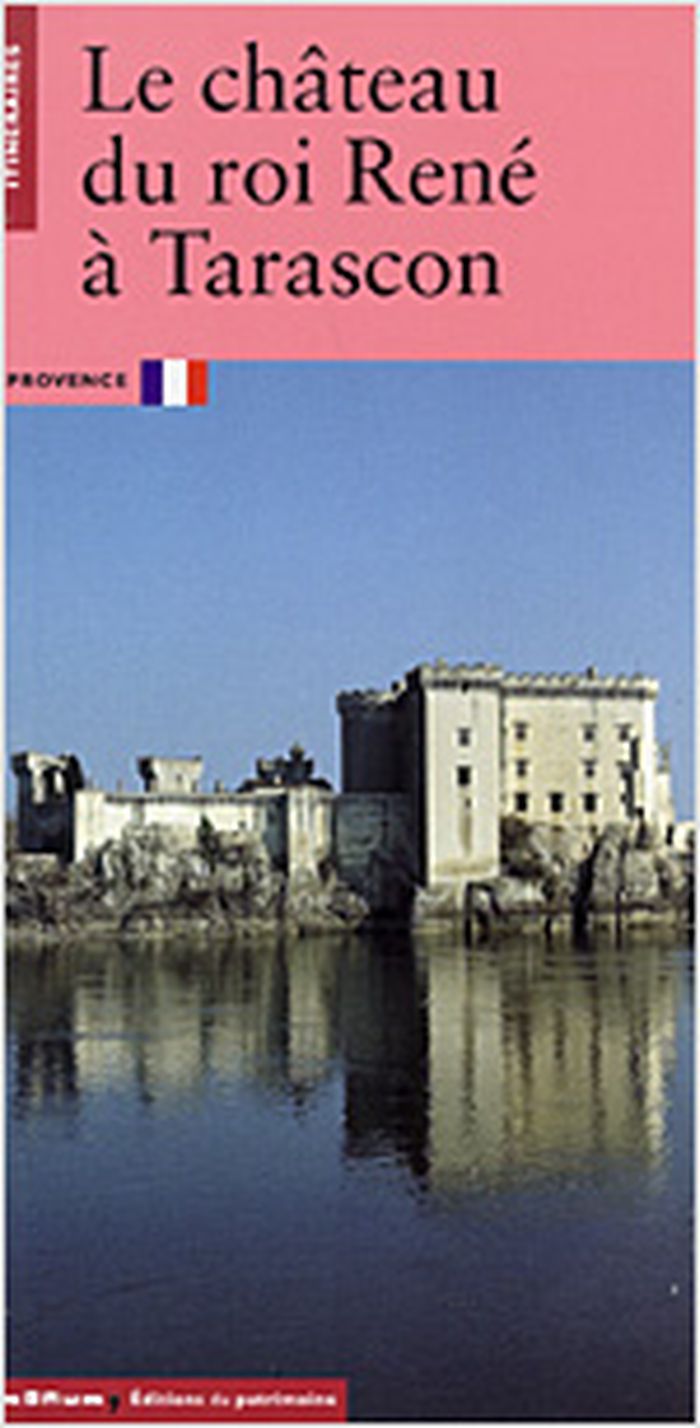
Dressé au bord du Rhône, le château de Tarascon défendait l'accès des possessions des comtes de Provence. La construction de l'édifice actuel a débuté en 1400, sous Louis II d'Anjou, et fut achevée un demi-siècle après par le Roi René. Le château tient autant du palais que de la forteresse, avec ses hauts murs nus et presque aveugles, dissimulant le décor raffiné du logis seigneurial et de la cour centrale. Devenu une prison au 17e siècle, il le demeura jusqu'en 1926. Il abrite une suite exceptionnelle de tapisseries du 17e siècle représentant "l'histoire de Scipion", qui a été acquise par la Caisse nationale des monuments historiques et des sites.
Le château du roi René à Tarascon
Actions:
Prix:
$14.95
(disponible sur commande)
Résumé:
Dressé au bord du Rhône, le château de Tarascon défendait l'accès des possessions des comtes de Provence. La construction de l'édifice actuel a débuté en 1400, sous Louis II d'Anjou, et fut achevée un demi-siècle après par le Roi René. Le château tient autant du palais que de la forteresse, avec ses hauts murs nus et presque aveugles, dissimulant le décor raffiné du logis seigneurial et de la cour centrale. Devenu une prison au 17e siècle, il le demeura jusqu'en 1926. Il abrite une suite exceptionnelle de tapisseries du 17e siècle représentant "l'histoire de Scipion", qui a été acquise par la Caisse nationale des monuments historiques et des sites.
Classification:
livres
livres
Publication:
août 2005, Paris
août 2005, Paris
Sujet:
Histoire jusqu’à 1900
Histoire jusqu’à 1900
Classification:
livres
livres
Titre:
Chenonceau
Chenonceau
Actions:
Prix:
$27.95
(disponible sur commande)
Résumé:
Dans la précieuse guirlande des châteaux de la Loire, où l'art de la Renaissance a trouvé sa plus belle expression française, servie par des paysages chantés par tous les poètes, Chenonceau est probablement le joyau le plus admiré, le plus apprécié.
$27.95
(disponible sur commande)
Résumé:
Dans la précieuse guirlande des châteaux de la Loire, où l'art de la Renaissance a trouvé sa plus belle expression française, servie par des paysages chantés par tous les poètes, Chenonceau est probablement le joyau le plus admiré, le plus apprécié.
Titre:
Chenonceau
Actions:
Prix:
$27.95
(disponible sur commande)
Résumé:
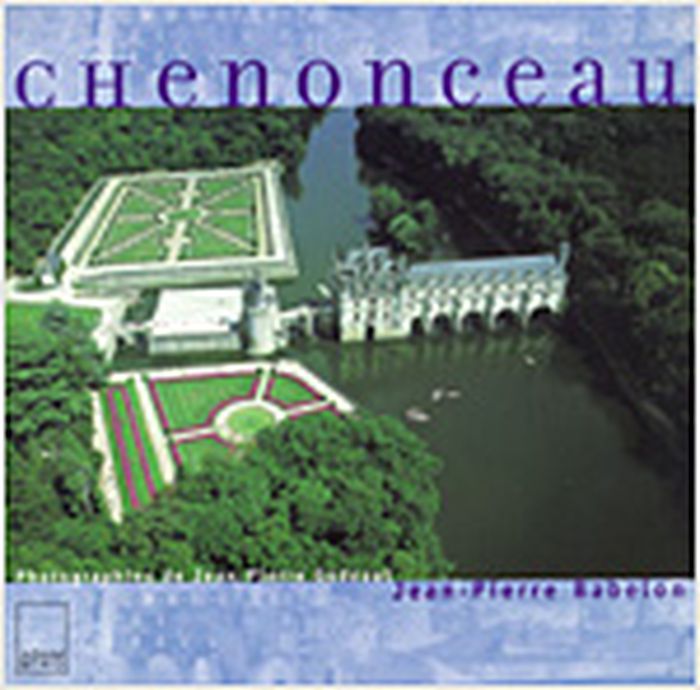
Dans la précieuse guirlande des châteaux de la Loire, où l'art de la Renaissance a trouvé sa plus belle expression française, servie par des paysages chantés par tous les poètes, Chenonceau est probablement le joyau le plus admiré, le plus apprécié.
Chenonceau
Actions:
Prix:
$27.95
(disponible sur commande)
Résumé:
Dans la précieuse guirlande des châteaux de la Loire, où l'art de la Renaissance a trouvé sa plus belle expression française, servie par des paysages chantés par tous les poètes, Chenonceau est probablement le joyau le plus admiré, le plus apprécié.
Classification:
livres
livres
Publication:
juin 2002, Paris
juin 2002, Paris
Sujet:
Histoire jusqu’à 1900
Histoire jusqu’à 1900
Classification:
livres
livres
Actions:
Prix:
$20.95
(disponible sur commande)
Résumé:
The great Gothic cathedrals of Europe are among the most astonishing achievements of Western culture. Evoking feelings of awe and humility, they make us want to understand what inspired the people who had the audacity to build them. This engrossing book surveys an era that has fired the historical imagination for centuries. In it Robert A. Scott explores why medieval(...)
$20.95
(disponible sur commande)
Résumé:
The great Gothic cathedrals of Europe are among the most astonishing achievements of Western culture. Evoking feelings of awe and humility, they make us want to understand what inspired the people who had the audacity to build them. This engrossing book surveys an era that has fired the historical imagination for centuries. In it Robert A. Scott explores why medieval(...)
Titre:
The Gothic enterprise : a guide to understanding the medieval cathedral
Actions:
Prix:
$20.95
(disponible sur commande)
Résumé:
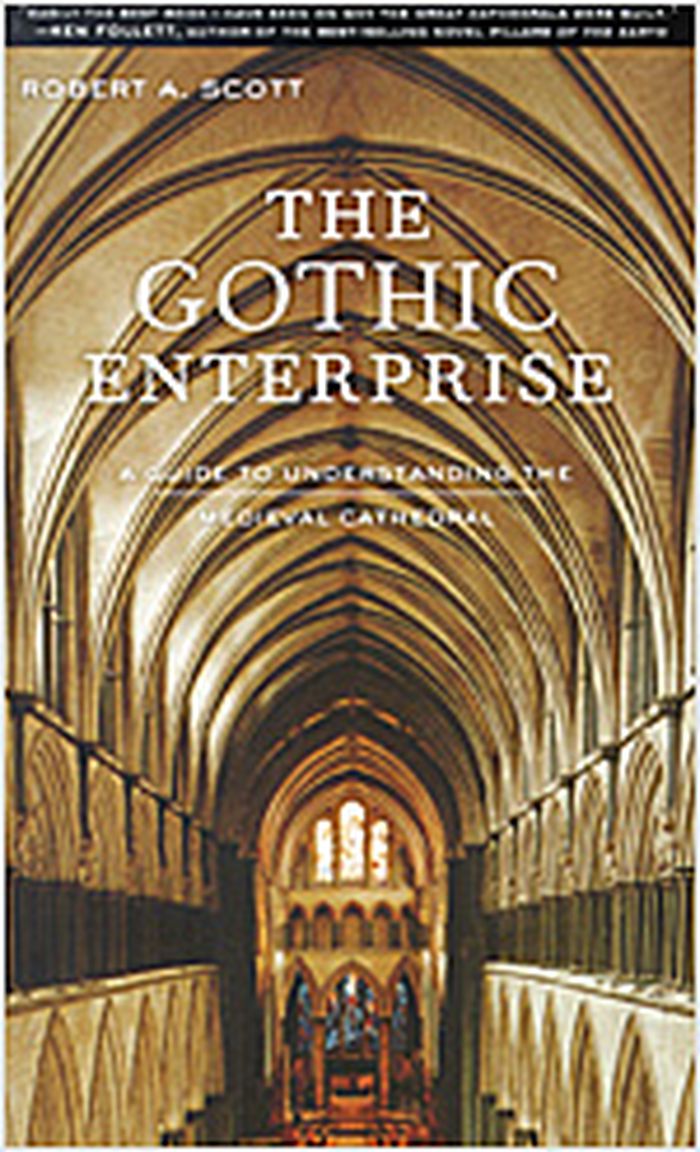
The great Gothic cathedrals of Europe are among the most astonishing achievements of Western culture. Evoking feelings of awe and humility, they make us want to understand what inspired the people who had the audacity to build them. This engrossing book surveys an era that has fired the historical imagination for centuries. In it Robert A. Scott explores why medieval people built Gothic cathedrals, how they built them, what conception of the divine lay behind their creation, and how religious and secular leaders used cathedrals for social and political purposes. While most books about Gothic cathedrals focus on a particular building or on the cathedrals of a specific region, 'The Gothic Enterprise' considers the idea of the cathedral as a humanly created space. Scott discusses why an impoverished people would commit so many social and personal resources to building something so physically stupendous and what this says about their ideas of the sacred, especially the vital role they ascribed to the divine as a protector against the dangers of everyday life. Scott's narrative offers a wealth of fascinating details concerning daily life during medieval times.
The Gothic enterprise : a guide to understanding the medieval cathedral
Actions:
Prix:
$20.95
(disponible sur commande)
Résumé:
The great Gothic cathedrals of Europe are among the most astonishing achievements of Western culture. Evoking feelings of awe and humility, they make us want to understand what inspired the people who had the audacity to build them. This engrossing book surveys an era that has fired the historical imagination for centuries. In it Robert A. Scott explores why medieval people built Gothic cathedrals, how they built them, what conception of the divine lay behind their creation, and how religious and secular leaders used cathedrals for social and political purposes. While most books about Gothic cathedrals focus on a particular building or on the cathedrals of a specific region, 'The Gothic Enterprise' considers the idea of the cathedral as a humanly created space. Scott discusses why an impoverished people would commit so many social and personal resources to building something so physically stupendous and what this says about their ideas of the sacred, especially the vital role they ascribed to the divine as a protector against the dangers of everyday life. Scott's narrative offers a wealth of fascinating details concerning daily life during medieval times.
Classification:
livres
livres
Publication:
janvier 2006, Berkeley
janvier 2006, Berkeley
Sujet:
Histoire jusqu’à 1900
Histoire jusqu’à 1900
Classification:
livres
livres
Titre:
The colosseum
The colosseum
Actions:
Prix:
$24.95
(disponible sur commande)
Résumé:
Byron and Hitler were equally entranced by Rome's most famous monument, the Colosseum. Mid-Victorians admired the hundreds of varieties of flowers in its crannies and occasionally shuddered at its reputation for contagion, danger, and sexual temptation. Today it is the highlight of a tour of Italy for more than three million visitors a year, a concert arena for the likes(...)
$24.95
(disponible sur commande)
Résumé:
Byron and Hitler were equally entranced by Rome's most famous monument, the Colosseum. Mid-Victorians admired the hundreds of varieties of flowers in its crannies and occasionally shuddered at its reputation for contagion, danger, and sexual temptation. Today it is the highlight of a tour of Italy for more than three million visitors a year, a concert arena for the likes(...)
Titre:
The colosseum
Actions:
Prix:
$24.95
(disponible sur commande)
Résumé:
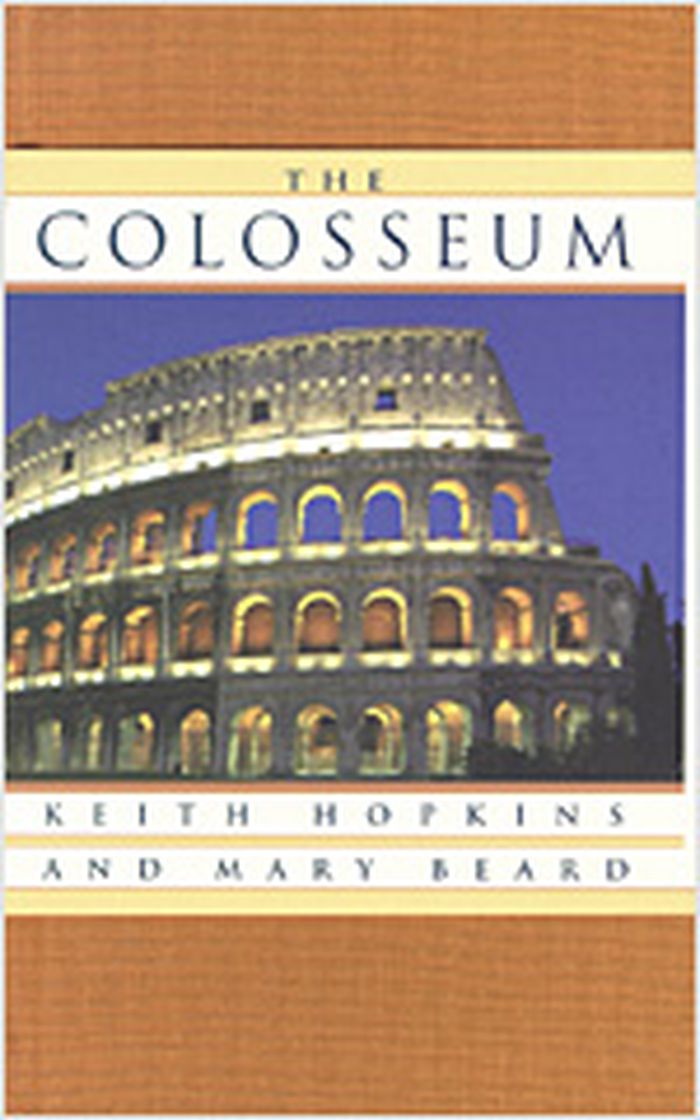
Byron and Hitler were equally entranced by Rome's most famous monument, the Colosseum. Mid-Victorians admired the hundreds of varieties of flowers in its crannies and occasionally shuddered at its reputation for contagion, danger, and sexual temptation. Today it is the highlight of a tour of Italy for more than three million visitors a year, a concert arena for the likes of Paul McCartney, and a national symbol of opposition to the death penalty. Its ancient history is chockfull of romantic but erroneous myths. There is no evidence that any gladiator ever said "Hail Caesar, those about to die..." and we know of not one single Christian martyr who met his finish here. Yet the reality is much stranger than the legend as the authors, two prominent classical historians, explain in this absorbing account. We learn the details of how the arena was built and at what cost; we are introduced to the emperors who sometimes fought in gladiatorial games staged at the Colosseum; and we take measure of the audience who reveled in, or opposed, these games. The authors also trace the strange afterlife of the monument--as fortress, shrine of martyrs, church, and glue factory. Why are we so fascinated with this arena of death?
The colosseum
Actions:
Prix:
$24.95
(disponible sur commande)
Résumé:
Byron and Hitler were equally entranced by Rome's most famous monument, the Colosseum. Mid-Victorians admired the hundreds of varieties of flowers in its crannies and occasionally shuddered at its reputation for contagion, danger, and sexual temptation. Today it is the highlight of a tour of Italy for more than three million visitors a year, a concert arena for the likes of Paul McCartney, and a national symbol of opposition to the death penalty. Its ancient history is chockfull of romantic but erroneous myths. There is no evidence that any gladiator ever said "Hail Caesar, those about to die..." and we know of not one single Christian martyr who met his finish here. Yet the reality is much stranger than the legend as the authors, two prominent classical historians, explain in this absorbing account. We learn the details of how the arena was built and at what cost; we are introduced to the emperors who sometimes fought in gladiatorial games staged at the Colosseum; and we take measure of the audience who reveled in, or opposed, these games. The authors also trace the strange afterlife of the monument--as fortress, shrine of martyrs, church, and glue factory. Why are we so fascinated with this arena of death?
Classification:
livres
livres
Publication:
novembre 2005, Cambridge
novembre 2005, Cambridge
Sujet:
Histoire jusqu’à 1900
Histoire jusqu’à 1900
Classification:
livres
livres
Actions:
Prix:
$45.00
(disponible sur commande)
Résumé:
Barcelona's brand of Art Nouveau was characterized by organic shapes and patterns integrated by all aspects of art and design. The movement, along with its high craftsmanship, was interpreted to be a spontaneous reaction to the Industrial Revolution’s trend of mass production. Besides being a survey of the most significant buildings by Domenech i Montaner, Antoni Gaudí,(...)
$45.00
(disponible sur commande)
Résumé:
Barcelona's brand of Art Nouveau was characterized by organic shapes and patterns integrated by all aspects of art and design. The movement, along with its high craftsmanship, was interpreted to be a spontaneous reaction to the Industrial Revolution’s trend of mass production. Besides being a survey of the most significant buildings by Domenech i Montaner, Antoni Gaudí,(...)
Titre:
In detail : Barcelona art nouveau
Actions:
Prix:
$45.00
(disponible sur commande)
Résumé:
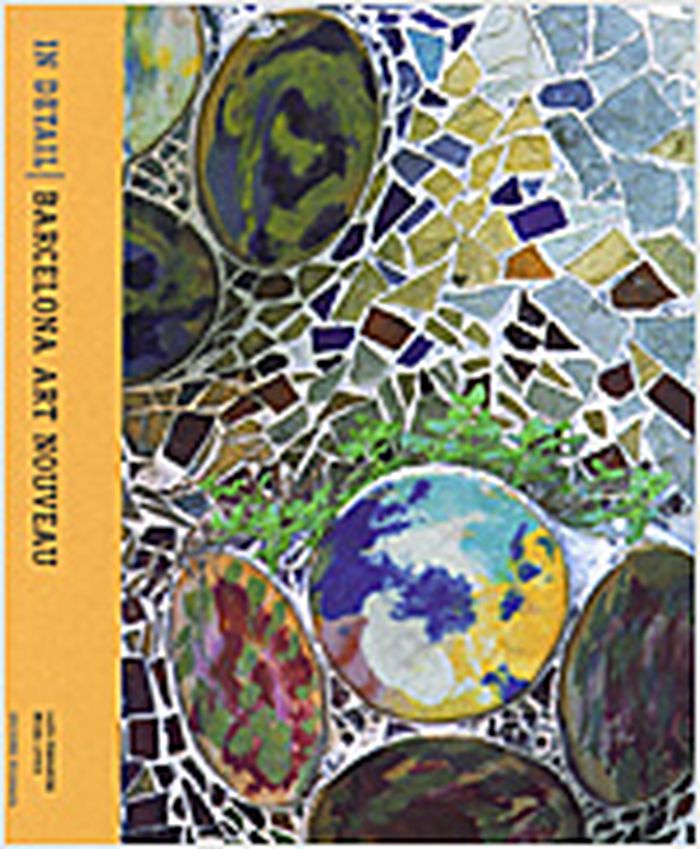
Barcelona's brand of Art Nouveau was characterized by organic shapes and patterns integrated by all aspects of art and design. The movement, along with its high craftsmanship, was interpreted to be a spontaneous reaction to the Industrial Revolution’s trend of mass production. Besides being a survey of the most significant buildings by Domenech i Montaner, Antoni Gaudí, Josep Maria Jujol, and Puig i Cadafalch, this book also provides a detailed analysis of the forms created by the most important craftsmen of the period, many of whom have been relegated to anonymity for decades.
In detail : Barcelona art nouveau
Actions:
Prix:
$45.00
(disponible sur commande)
Résumé:
Barcelona's brand of Art Nouveau was characterized by organic shapes and patterns integrated by all aspects of art and design. The movement, along with its high craftsmanship, was interpreted to be a spontaneous reaction to the Industrial Revolution’s trend of mass production. Besides being a survey of the most significant buildings by Domenech i Montaner, Antoni Gaudí, Josep Maria Jujol, and Puig i Cadafalch, this book also provides a detailed analysis of the forms created by the most important craftsmen of the period, many of whom have been relegated to anonymity for decades.
Classification:
livres
livres
Publication:
août 2005, Barcelona
août 2005, Barcelona
Sujet:
Histoire jusqu’à 1900
Histoire jusqu’à 1900
Classification:
livres
livres
Actions:
Prix:
$79.95
(disponible sur commande)
Résumé:
Les Grands Appartements constituent, avec la galerie des Glaces, l'espace d'apparat du château de Versailles. La réalisation des décors demanda dix années, entre 1671 et 1681. Dès son achèvement, le Grand Appartement de Louis XIV ne servait plus à loger le souverain, mais il était le cadre des cérémonies de la cour : soirs d' "Appartement", avec buffets, musique, jeu et(...)
$79.95
(disponible sur commande)
Résumé:
Les Grands Appartements constituent, avec la galerie des Glaces, l'espace d'apparat du château de Versailles. La réalisation des décors demanda dix années, entre 1671 et 1681. Dès son achèvement, le Grand Appartement de Louis XIV ne servait plus à loger le souverain, mais il était le cadre des cérémonies de la cour : soirs d' "Appartement", avec buffets, musique, jeu et(...)
Titre:
Les Grands Appartements de Versailles sous Louis XIV
Actions:
Prix:
$79.95
(disponible sur commande)
Résumé:
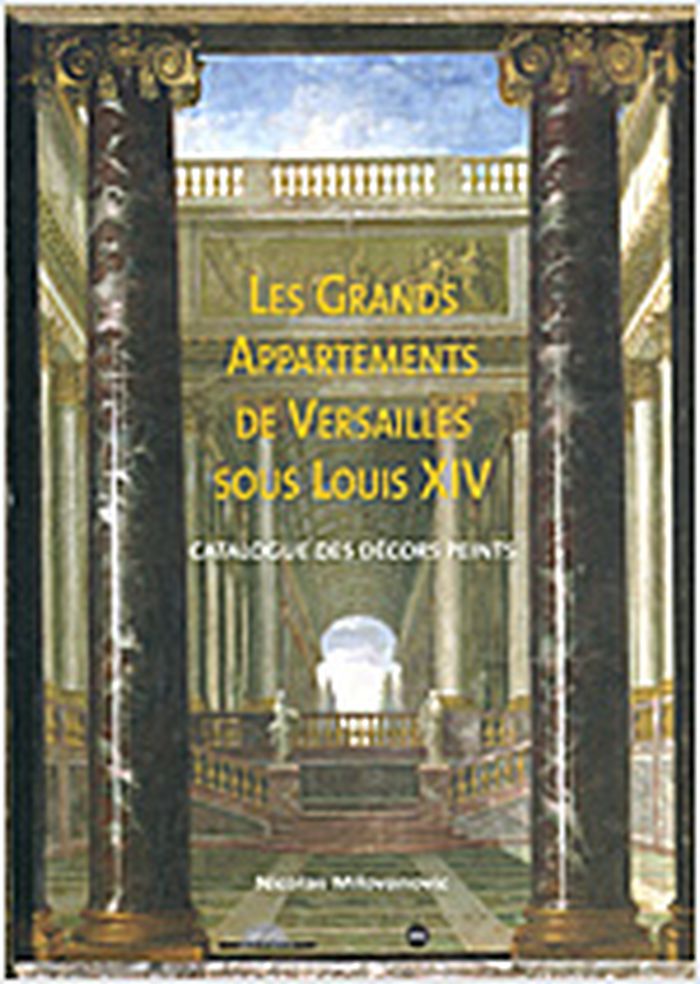
Les Grands Appartements constituent, avec la galerie des Glaces, l'espace d'apparat du château de Versailles. La réalisation des décors demanda dix années, entre 1671 et 1681. Dès son achèvement, le Grand Appartement de Louis XIV ne servait plus à loger le souverain, mais il était le cadre des cérémonies de la cour : soirs d' "Appartement", avec buffets, musique, jeu et danse, trois fois par semaine, mais aussi parcours des grandes ambassades reçues par le roi. Les décors comprennent des lambris de marbres, des portes et dessus de porte en bois sculpté et doré, mais surtout des plafonds cintrés, ornés de stucs et de peintures réalisés par les meilleurs artistes de l'Académie royale (Charles de La Fosse, Jean Jouvenet, Jean-Baptiste de Champaigne, Noël Coypel...). Charles Le Brun, le Premier peintre de Louis XIV, assurait l'unité décorative en donnant aux artistes et aux artisans les dessins de la structure des plafonds, des éléments sculptés et même de certains sujets peints. Chaque salle était dédiée à l'une des sept " planètes " connues au XVIIe siècle, et à la divinité correspondante : Vénus, Diane (la Lune), Mars, Mercure, Apollon (le Soleil), Jupiter, Saturne. Cette iconographie, soigneusement élaborée par la Petite Académie (future Académie des inscriptions et belles-lettres), comprenait également un message politique, qui en constituait le " sens caché ". La complexité de l'iconographie répondait ainsi à la richesse des décors. Les Grands Appartements n'avaient pourtant bénéficié d'aucune étude monographique. L'objet de cet ouvrage est de combler cette lacune, en proposant pour la première fois une étude d'ensemble des décors, une couverture photographique complète ainsi que le catalogue raisonné des décors peints.
Les Grands Appartements de Versailles sous Louis XIV
Actions:
Prix:
$79.95
(disponible sur commande)
Résumé:
Les Grands Appartements constituent, avec la galerie des Glaces, l'espace d'apparat du château de Versailles. La réalisation des décors demanda dix années, entre 1671 et 1681. Dès son achèvement, le Grand Appartement de Louis XIV ne servait plus à loger le souverain, mais il était le cadre des cérémonies de la cour : soirs d' "Appartement", avec buffets, musique, jeu et danse, trois fois par semaine, mais aussi parcours des grandes ambassades reçues par le roi. Les décors comprennent des lambris de marbres, des portes et dessus de porte en bois sculpté et doré, mais surtout des plafonds cintrés, ornés de stucs et de peintures réalisés par les meilleurs artistes de l'Académie royale (Charles de La Fosse, Jean Jouvenet, Jean-Baptiste de Champaigne, Noël Coypel...). Charles Le Brun, le Premier peintre de Louis XIV, assurait l'unité décorative en donnant aux artistes et aux artisans les dessins de la structure des plafonds, des éléments sculptés et même de certains sujets peints. Chaque salle était dédiée à l'une des sept " planètes " connues au XVIIe siècle, et à la divinité correspondante : Vénus, Diane (la Lune), Mars, Mercure, Apollon (le Soleil), Jupiter, Saturne. Cette iconographie, soigneusement élaborée par la Petite Académie (future Académie des inscriptions et belles-lettres), comprenait également un message politique, qui en constituait le " sens caché ". La complexité de l'iconographie répondait ainsi à la richesse des décors. Les Grands Appartements n'avaient pourtant bénéficié d'aucune étude monographique. L'objet de cet ouvrage est de combler cette lacune, en proposant pour la première fois une étude d'ensemble des décors, une couverture photographique complète ainsi que le catalogue raisonné des décors peints.
Classification:
livres
livres
Publication:
juin 2005, Paris
juin 2005, Paris
Sujet:
Histoire jusqu’à 1900
Histoire jusqu’à 1900
Classification:
livres
livres
Actions:
Prix:
$99.95
(disponible sur commande)
Résumé:
Cette première étude de l'Ecole de cavalerie donne à comprendre l'élaboration d'une équitation militaire, retrace les grandes phases de construction, suit l'évolution diachronique des différents bâtiments et analyse l'interaction entre la ville et l'Ecole.
$99.95
(disponible sur commande)
Résumé:
Cette première étude de l'Ecole de cavalerie donne à comprendre l'élaboration d'une équitation militaire, retrace les grandes phases de construction, suit l'évolution diachronique des différents bâtiments et analyse l'interaction entre la ville et l'Ecole.
Titre:
Saumur : l'École de cavalerie
Actions:
Prix:
$99.95
(disponible sur commande)
Résumé:
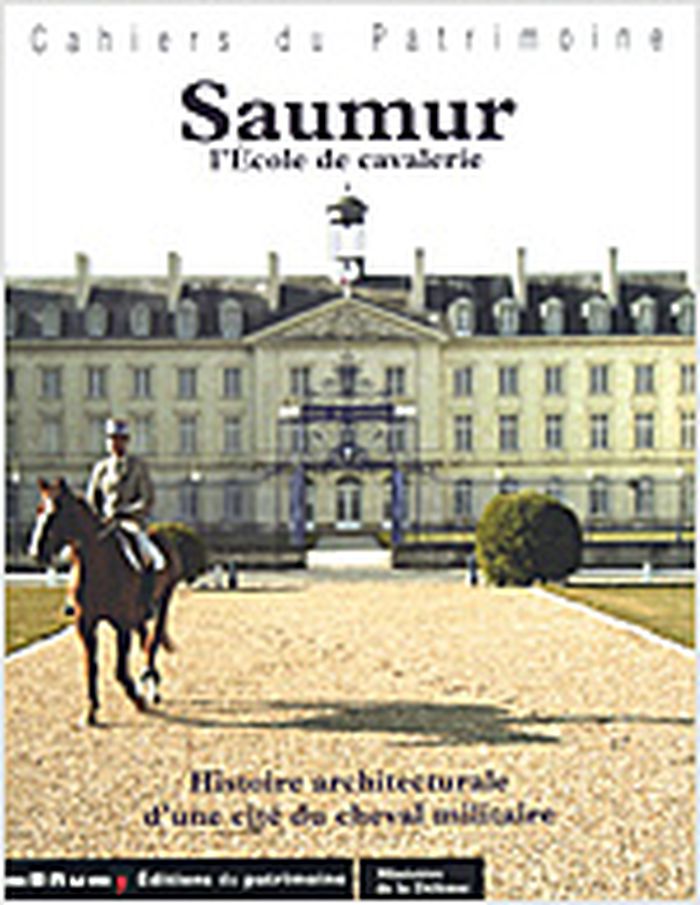
Cette première étude de l'Ecole de cavalerie donne à comprendre l'élaboration d'une équitation militaire, retrace les grandes phases de construction, suit l'évolution diachronique des différents bâtiments et analyse l'interaction entre la ville et l'Ecole.
Saumur : l'École de cavalerie
Actions:
Prix:
$99.95
(disponible sur commande)
Résumé:
Cette première étude de l'Ecole de cavalerie donne à comprendre l'élaboration d'une équitation militaire, retrace les grandes phases de construction, suit l'évolution diachronique des différents bâtiments et analyse l'interaction entre la ville et l'Ecole.
Classification:
livres
livres
Publication:
juin 2005, Paris
juin 2005, Paris
Sujet:
Histoire jusqu’à 1900
Histoire jusqu’à 1900
Classification:
livres
livres
Actions:
Prix:
$118.95
(disponible sur commande)
Résumé:
The Bank of England symbolizes the economic strength, influence, and potency of Britain. Founded in 1694, its world-famous buildings were built and rebuilt four times by different architects, most notably Sir John Soane. The Bank’s three-and-a-quarter-acre complex has included elegant public banking halls and private offices, courtyards and gardens, warehouses and vaults,(...)
$118.95
(disponible sur commande)
Résumé:
The Bank of England symbolizes the economic strength, influence, and potency of Britain. Founded in 1694, its world-famous buildings were built and rebuilt four times by different architects, most notably Sir John Soane. The Bank’s three-and-a-quarter-acre complex has included elegant public banking halls and private offices, courtyards and gardens, warehouses and vaults,(...)
Sujet:
Histoire jusqu’à 1900
Histoire jusqu’à 1900
Publication:
janvier 1900, New Haven and London
janvier 1900, New Haven and London
Titre:
Building the bank of England : money, architecture, society 1694-1942
Actions:
Prix:
$118.95
(disponible sur commande)
Résumé:
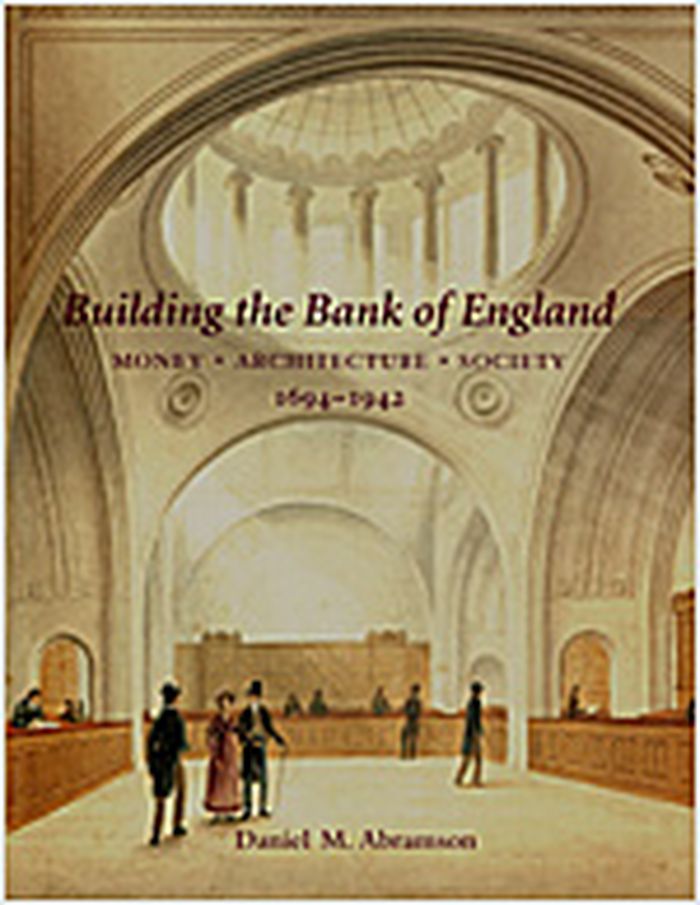
The Bank of England symbolizes the economic strength, influence, and potency of Britain. Founded in 1694, its world-famous buildings were built and rebuilt four times by different architects, most notably Sir John Soane. The Bank’s three-and-a-quarter-acre complex has included elegant public banking halls and private offices, courtyards and gardens, warehouses and vaults, residential apartments and guards’ barracks. This illustrated book examines for the first time the entire architectural history of the Bank from the seventeenth through the twentieth centuries. Drawing on a variety of perspectives, the book relates the history of the Bank of England to current debates on English economic, social, and urban history, including issues of national identity, mercantile politics, and the commercialization of culture. The book also shows how the building itself has expressed various historical tensions among the Bank’s inhabitants and publics: its directors and detractors, its clerks and clientele, its tourists, and even its mob attackers.
Building the bank of England : money, architecture, society 1694-1942
Actions:
Prix:
$118.95
(disponible sur commande)
Résumé:
The Bank of England symbolizes the economic strength, influence, and potency of Britain. Founded in 1694, its world-famous buildings were built and rebuilt four times by different architects, most notably Sir John Soane. The Bank’s three-and-a-quarter-acre complex has included elegant public banking halls and private offices, courtyards and gardens, warehouses and vaults, residential apartments and guards’ barracks. This illustrated book examines for the first time the entire architectural history of the Bank from the seventeenth through the twentieth centuries. Drawing on a variety of perspectives, the book relates the history of the Bank of England to current debates on English economic, social, and urban history, including issues of national identity, mercantile politics, and the commercialization of culture. The book also shows how the building itself has expressed various historical tensions among the Bank’s inhabitants and publics: its directors and detractors, its clerks and clientele, its tourists, and even its mob attackers.
Classification:
livres
livres
Publication:
janvier 1900, New Haven and London
janvier 1900, New Haven and London
Sujet:
Histoire jusqu’à 1900
Histoire jusqu’à 1900
Classification:
livres
livres
Prix:
$80.00
(disponible sur commande)
Résumé:
There's an ethereal magic to standing beneath a dome, neck craned, looking up at a vision of the heavens created by some long-ago figure of genius. From the Pantheon to the Hagia Sophia, the power of the dome seems transcen-dent. Photographer David Stephenson's magnificently kaleidoscopic images of dome interiors capture this evanescent drama, and make Visions of Heaven(...)
$80.00
(disponible sur commande)
Résumé:
There's an ethereal magic to standing beneath a dome, neck craned, looking up at a vision of the heavens created by some long-ago figure of genius. From the Pantheon to the Hagia Sophia, the power of the dome seems transcen-dent. Photographer David Stephenson's magnificently kaleidoscopic images of dome interiors capture this evanescent drama, and make Visions of Heaven(...)
Titre:
Visions of heaven : the dome in European architecture
Actions:
Prix:
$80.00
(disponible sur commande)
Résumé:
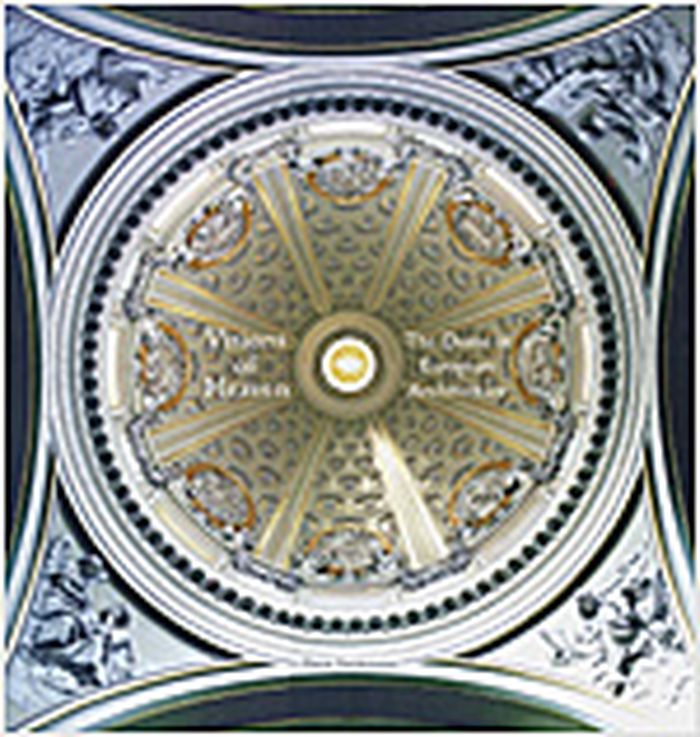
There's an ethereal magic to standing beneath a dome, neck craned, looking up at a vision of the heavens created by some long-ago figure of genius. From the Pantheon to the Hagia Sophia, the power of the dome seems transcen-dent. Photographer David Stephenson's magnificently kaleidoscopic images of dome interiors capture this evanescent drama, and make Visions of Heaven one of the most spectacularly beautiful books we've ever produced. Traveling from Italy to Spain, Turkey, England, Germany, and Russia, among other countries, and photographing churches, palaces, mosques, and synagogues from the second to the early twentieth century, Stephenson's work amounts to a veritable typology of the cupola. His images present complex geometrical structures, rich stucco decorations, and elaborate paintings as they have never been seen before. Brilliantly calibrated exposures reveal details and colors that would otherwise remain hidden in these dimly lit spaces.
Visions of heaven : the dome in European architecture
Actions:
Prix:
$80.00
(disponible sur commande)
Résumé:
There's an ethereal magic to standing beneath a dome, neck craned, looking up at a vision of the heavens created by some long-ago figure of genius. From the Pantheon to the Hagia Sophia, the power of the dome seems transcen-dent. Photographer David Stephenson's magnificently kaleidoscopic images of dome interiors capture this evanescent drama, and make Visions of Heaven one of the most spectacularly beautiful books we've ever produced. Traveling from Italy to Spain, Turkey, England, Germany, and Russia, among other countries, and photographing churches, palaces, mosques, and synagogues from the second to the early twentieth century, Stephenson's work amounts to a veritable typology of the cupola. His images present complex geometrical structures, rich stucco decorations, and elaborate paintings as they have never been seen before. Brilliantly calibrated exposures reveal details and colors that would otherwise remain hidden in these dimly lit spaces.
Classification:
livres
livres
Publication:
novembre 2005, New York
novembre 2005, New York
Sujet:
Histoire jusqu’à 1900
Histoire jusqu’à 1900
Classification:
livres
livres

Actions:
Prix:
$54.95
(disponible sur commande)
Résumé:
Le XIXe siècle a vu se multiplier les monuments civiques et décoratifs sur les places publiques au point que l'on a pu parler de " statuomanie ". agrandissement des villes, création de nouvelles places, en même temps que développement de la conscience nationale et volonté de rendre hommage aux " grands hommes " de la patrie sont les ferments d'un tel phénomène,(...)
$54.95
(disponible sur commande)
Résumé:
Le XIXe siècle a vu se multiplier les monuments civiques et décoratifs sur les places publiques au point que l'on a pu parler de " statuomanie ". agrandissement des villes, création de nouvelles places, en même temps que développement de la conscience nationale et volonté de rendre hommage aux " grands hommes " de la patrie sont les ferments d'un tel phénomène,(...)
Titre:
La statuaire publique au XIXe siècle
Actions:
Prix:
$54.95
(disponible sur commande)
Résumé:
Le XIXe siècle a vu se multiplier les monuments civiques et décoratifs sur les places publiques au point que l'on a pu parler de " statuomanie ". agrandissement des villes, création de nouvelles places, en même temps que développement de la conscience nationale et volonté de rendre hommage aux " grands hommes " de la patrie sont les ferments d'un tel phénomène, particulièrement intense dans la seconde moitié du siècle. Fortement symboliques, ces œuvres procèdent de l'esthétique naturaliste de la IIIe République et suscitent de vifs débats. La " mobilisation " des monuments et des statues pour la récupération des métaux non ferreux décrétée par le maréchal Pétain va en éliminer une très grande partie. Quel rôle ont joué ces statues en France au XIXe siècle ? quelle idéologie ont-elles exprimée ? comment ont-elles été perçues au XXe siècle ? quelle réponse leur apportent les artistes contemporains ? a travers l'analyse de guides de voyage, de manuels scolaires, de carte postales, dont la fameuse collection Debuisson qui compte 20 000 cartes représentant des monuments, ou encore l'analyse de cas précis, ces questions et bien autres ont été ont été traité par des historiens, historiens de l'art, par le centre louis et Charles Blanc de l'université de Paris - X-Nanterre, en collaboration avec l'inventaire général et avec la participation du musée d'Orsay et de l'INHA. Cet ouvrage, qui en reprend les communications, constitue, par un état des lieux le plus complet possible, un outil unique pour tous ceux qui s'intéressent à la question.
La statuaire publique au XIXe siècle
Actions:
Prix:
$54.95
(disponible sur commande)
Résumé:
Le XIXe siècle a vu se multiplier les monuments civiques et décoratifs sur les places publiques au point que l'on a pu parler de " statuomanie ". agrandissement des villes, création de nouvelles places, en même temps que développement de la conscience nationale et volonté de rendre hommage aux " grands hommes " de la patrie sont les ferments d'un tel phénomène, particulièrement intense dans la seconde moitié du siècle. Fortement symboliques, ces œuvres procèdent de l'esthétique naturaliste de la IIIe République et suscitent de vifs débats. La " mobilisation " des monuments et des statues pour la récupération des métaux non ferreux décrétée par le maréchal Pétain va en éliminer une très grande partie. Quel rôle ont joué ces statues en France au XIXe siècle ? quelle idéologie ont-elles exprimée ? comment ont-elles été perçues au XXe siècle ? quelle réponse leur apportent les artistes contemporains ? a travers l'analyse de guides de voyage, de manuels scolaires, de carte postales, dont la fameuse collection Debuisson qui compte 20 000 cartes représentant des monuments, ou encore l'analyse de cas précis, ces questions et bien autres ont été ont été traité par des historiens, historiens de l'art, par le centre louis et Charles Blanc de l'université de Paris - X-Nanterre, en collaboration avec l'inventaire général et avec la participation du musée d'Orsay et de l'INHA. Cet ouvrage, qui en reprend les communications, constitue, par un état des lieux le plus complet possible, un outil unique pour tous ceux qui s'intéressent à la question.
Classification:
livres
livres
Publication:
mai 2005, Paris
mai 2005, Paris
Sujet:
Histoire jusqu’à 1900
Histoire jusqu’à 1900


