


64 Résultats
Classification:
livres
livres
Prix:
$32.95
(disponible sur commande)
Résumé:
This publication is a book of stories, depictions of vanished ways of life told from the point of view of a contemporary observer. The stories tell how people lived in Japan some two hundred years ago, during the late Edo Period, when traditional technology and culture were at the peak of development and realization, just before the country opened itself to the West and(...)
$32.95
(disponible sur commande)
Résumé:
This publication is a book of stories, depictions of vanished ways of life told from the point of view of a contemporary observer. The stories tell how people lived in Japan some two hundred years ago, during the late Edo Period, when traditional technology and culture were at the peak of development and realization, just before the country opened itself to the West and(...)
Titre:
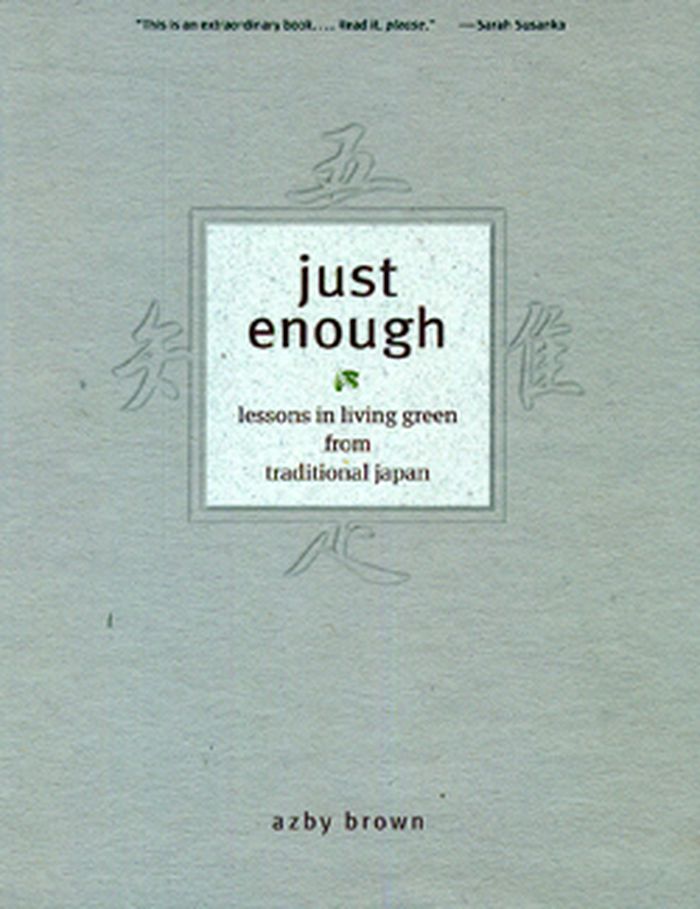
Just enough: lessons in living green from traditional Japan
Actions:
Prix:
$32.95
(disponible sur commande)
Résumé:
This publication is a book of stories, depictions of vanished ways of life told from the point of view of a contemporary observer. The stories tell how people lived in Japan some two hundred years ago, during the late Edo Period, when traditional technology and culture were at the peak of development and realization, just before the country opened itself to the West and joined the ranks of the industrialized nations. They tell of people overcoming many of the identical problems that confront us today--issues of energy, water, materials, food and population--and forging a society that was conservation-minded, waste-free, well-housed, well-fed and economically robust.
Just enough: lessons in living green from traditional Japan
Actions:
Prix:
$32.95
(disponible sur commande)
Résumé:
This publication is a book of stories, depictions of vanished ways of life told from the point of view of a contemporary observer. The stories tell how people lived in Japan some two hundred years ago, during the late Edo Period, when traditional technology and culture were at the peak of development and realization, just before the country opened itself to the West and joined the ranks of the industrialized nations. They tell of people overcoming many of the identical problems that confront us today--issues of energy, water, materials, food and population--and forging a society that was conservation-minded, waste-free, well-housed, well-fed and economically robust.
Classification:
livres
livres
Publication:
février 2010
février 2010
Sujet:
Histoire jusqu'à 1900, Asie
Histoire jusqu'à 1900, Asie
Classification:
livres
livres
Titre:
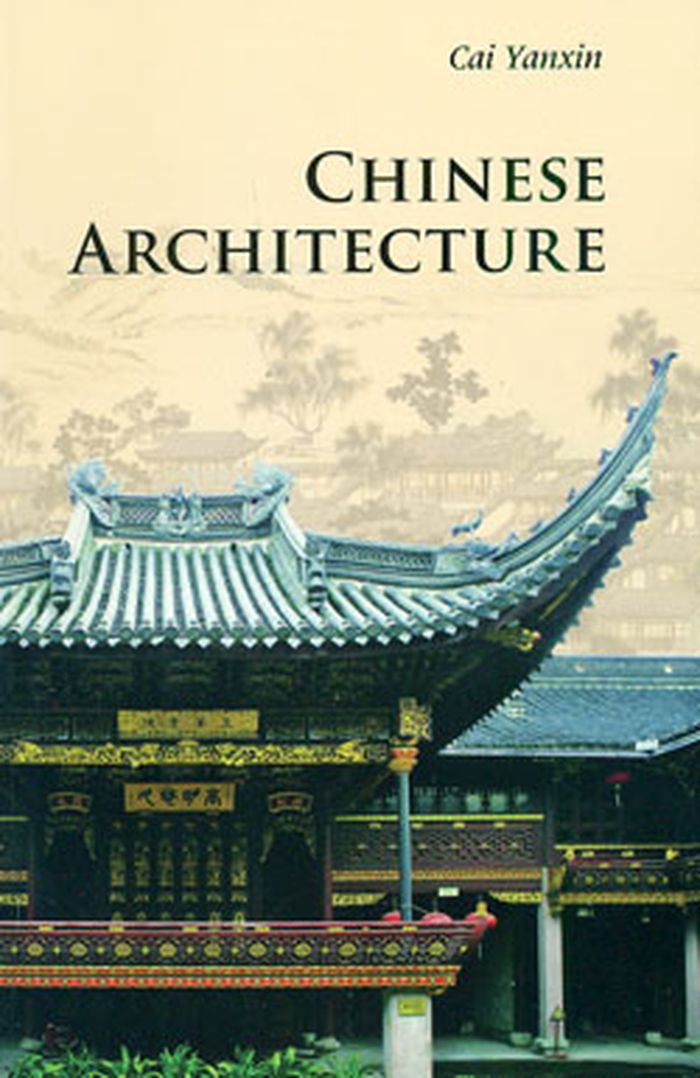
Chinese architecture
Chinese architecture
Actions:
Prix:
$19.95
(disponible sur commande)
Résumé:
Ancient Chinese architecture is not only a source of reference for modern Chinese design, it has also had an international influence and attracted global attention. Moreover, architectural remains in China reveal much about the history of this ancient civilisation. The palaces, gardens, temples, tombs and dwellings of the Chinese people reflect, for example, the military(...)
$19.95
(disponible sur commande)
Résumé:
Ancient Chinese architecture is not only a source of reference for modern Chinese design, it has also had an international influence and attracted global attention. Moreover, architectural remains in China reveal much about the history of this ancient civilisation. The palaces, gardens, temples, tombs and dwellings of the Chinese people reflect, for example, the military(...)
Titre:
Chinese architecture
Actions:
Prix:
$19.95
(disponible sur commande)
Résumé:
Ancient Chinese architecture is not only a source of reference for modern Chinese design, it has also had an international influence and attracted global attention. Moreover, architectural remains in China reveal much about the history of this ancient civilisation. The palaces, gardens, temples, tombs and dwellings of the Chinese people reflect, for example, the military achievements of the Qin emperor, the spirit of the Tang Dynasty, the palace intrigues of the Ming Dynasty, the diversity of Chinese culture through the ages and the skill of countless generations of craftsmen and labourers. This publication provides an accessible, illustrated introduction to this essential part of China's cultural heritage.
Chinese architecture
Actions:
Prix:
$19.95
(disponible sur commande)
Résumé:
Ancient Chinese architecture is not only a source of reference for modern Chinese design, it has also had an international influence and attracted global attention. Moreover, architectural remains in China reveal much about the history of this ancient civilisation. The palaces, gardens, temples, tombs and dwellings of the Chinese people reflect, for example, the military achievements of the Qin emperor, the spirit of the Tang Dynasty, the palace intrigues of the Ming Dynasty, the diversity of Chinese culture through the ages and the skill of countless generations of craftsmen and labourers. This publication provides an accessible, illustrated introduction to this essential part of China's cultural heritage.
Classification:
livres
livres
Publication:
avril 2011
avril 2011
Sujet:
Histoire jusqu'à 1900, Asie
Histoire jusqu'à 1900, Asie
Classification:
livres
livres
Actions:
Prix:
$72.95
(disponible sur commande)
Résumé:
A la faveur des échanges renoués, les Occidentaux redécouvrent ce pays secoué par trente ans de guerre. Les apports architecturaux de la période coloniale demeurent visibles et contribuent toujours à façonner le visage des cités actuelles. Léonard de Selva, photographe, et Arnauld Le Brusq, historien de l''art, proposent un itinéraire du sud au nord du Viêtnam, de Hô Chi(...)
$72.95
(disponible sur commande)
Résumé:
A la faveur des échanges renoués, les Occidentaux redécouvrent ce pays secoué par trente ans de guerre. Les apports architecturaux de la période coloniale demeurent visibles et contribuent toujours à façonner le visage des cités actuelles. Léonard de Selva, photographe, et Arnauld Le Brusq, historien de l''art, proposent un itinéraire du sud au nord du Viêtnam, de Hô Chi(...)
Titre:
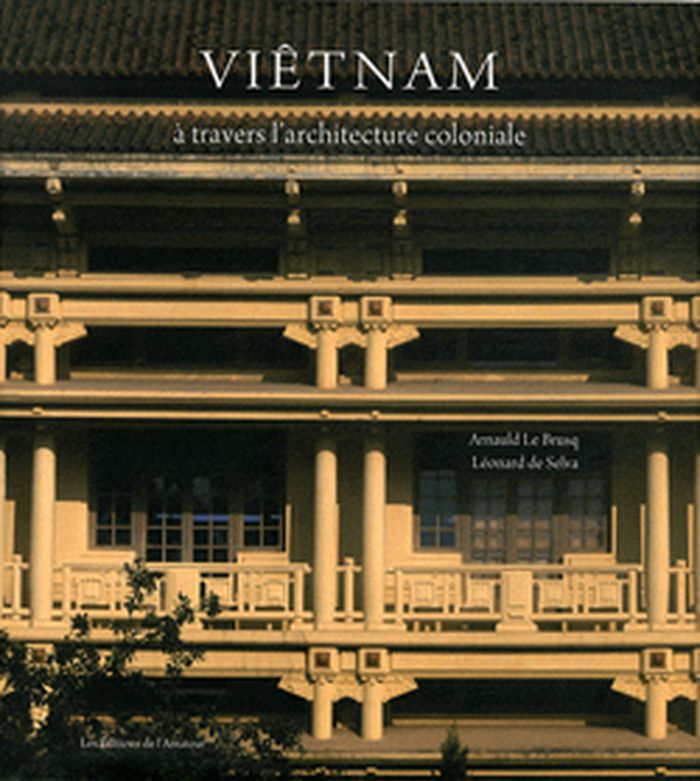
Viêtnam : à travers l'architecture coloniale
Actions:
Prix:
$72.95
(disponible sur commande)
Résumé:
A la faveur des échanges renoués, les Occidentaux redécouvrent ce pays secoué par trente ans de guerre. Les apports architecturaux de la période coloniale demeurent visibles et contribuent toujours à façonner le visage des cités actuelles. Léonard de Selva, photographe, et Arnauld Le Brusq, historien de l''art, proposent un itinéraire du sud au nord du Viêtnam, de Hô Chi Minh-Ville - l''ancien Saigon - à Hanoi, en passant par Dalat, Nha Trang, Danang - anciennement Tourane - et Huê, autant de villes abordées de manière vivante sous l''angle de l'histoire urbaine et architecturale.
Viêtnam : à travers l'architecture coloniale
Actions:
Prix:
$72.95
(disponible sur commande)
Résumé:
A la faveur des échanges renoués, les Occidentaux redécouvrent ce pays secoué par trente ans de guerre. Les apports architecturaux de la période coloniale demeurent visibles et contribuent toujours à façonner le visage des cités actuelles. Léonard de Selva, photographe, et Arnauld Le Brusq, historien de l''art, proposent un itinéraire du sud au nord du Viêtnam, de Hô Chi Minh-Ville - l''ancien Saigon - à Hanoi, en passant par Dalat, Nha Trang, Danang - anciennement Tourane - et Huê, autant de villes abordées de manière vivante sous l''angle de l'histoire urbaine et architecturale.
Classification:
livres
livres
Publication:
août 2011
août 2011
Sujet:
Histoire jusqu'à 1900, Asie
Histoire jusqu'à 1900, Asie
Classification:
livres
livres
Actions:
Prix:
$84.95
(disponible sur commande)
Résumé:
Throughout history, China has maintained one of the world’s richest built civilizations. The nation’s architectural achievements range from its earliest walled cities and the First Emperor’s vision of city and empire, to bridges, pagodas, and the twentieth-century constructions of the Socialist state. In this book, Nancy Shatzman Steinhardt presents a fully comprehensive(...)
$84.95
(disponible sur commande)
Résumé:
Throughout history, China has maintained one of the world’s richest built civilizations. The nation’s architectural achievements range from its earliest walled cities and the First Emperor’s vision of city and empire, to bridges, pagodas, and the twentieth-century constructions of the Socialist state. In this book, Nancy Shatzman Steinhardt presents a fully comprehensive(...)
Titre:
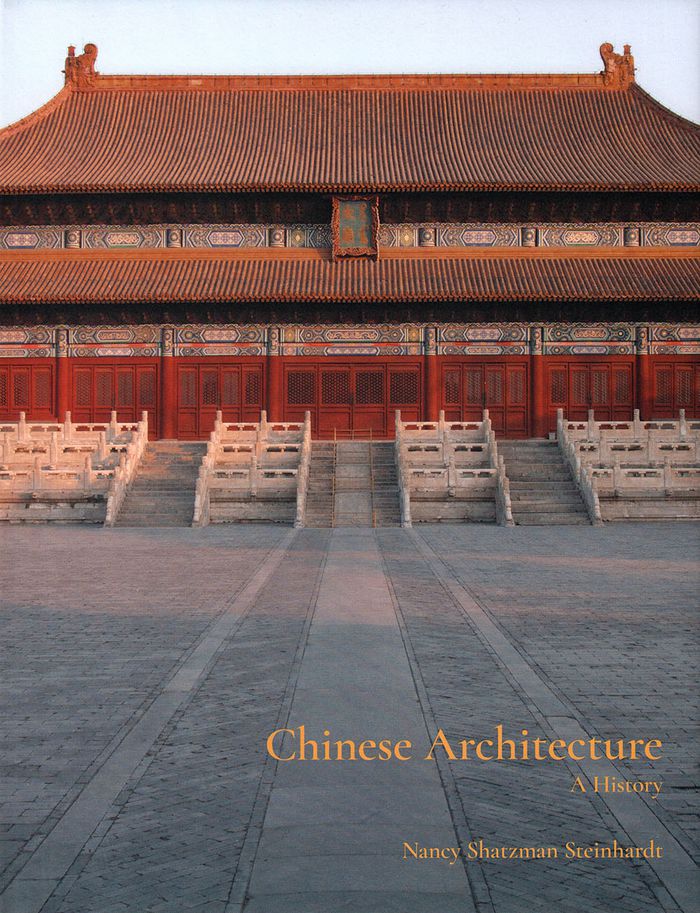
Chinese architecture: a history
Actions:
Prix:
$84.95
(disponible sur commande)
Résumé:
Throughout history, China has maintained one of the world’s richest built civilizations. The nation’s architectural achievements range from its earliest walled cities and the First Emperor’s vision of city and empire, to bridges, pagodas, and the twentieth-century constructions of the Socialist state. In this book, Nancy Shatzman Steinhardt presents a fully comprehensive survey of Chinese architecture in any language. With rich political and historical context, Steinhardt covers forty centuries of architecture, from the genesis of Chinese building through to the twenty-first century and the challenges of urban expansion and globalism.
Chinese architecture: a history
Actions:
Prix:
$84.95
(disponible sur commande)
Résumé:
Throughout history, China has maintained one of the world’s richest built civilizations. The nation’s architectural achievements range from its earliest walled cities and the First Emperor’s vision of city and empire, to bridges, pagodas, and the twentieth-century constructions of the Socialist state. In this book, Nancy Shatzman Steinhardt presents a fully comprehensive survey of Chinese architecture in any language. With rich political and historical context, Steinhardt covers forty centuries of architecture, from the genesis of Chinese building through to the twenty-first century and the challenges of urban expansion and globalism.
Classification:
livres
livres
Publication:
mai 2019
mai 2019
Sujet:
Histoire jusqu'à 1900, Asie
Histoire jusqu'à 1900, Asie
Classification:
livres
livres
Actions:
Prix:
$79.00
(disponible sur commande)
Résumé:
The cultural capital of Pakistan, and one of the world’s most historically fascinating cities–Lahore–has retained much of its historic heritage despite centuries of turbulence. Today it remains a vibrant epicenter of commercial and cultural activity. Since 2007 the Aga Khan Trust for Culture has been working to preserve the walled city of Lahore. This book explores every(...)
$79.00
(disponible sur commande)
Résumé:
The cultural capital of Pakistan, and one of the world’s most historically fascinating cities–Lahore–has retained much of its historic heritage despite centuries of turbulence. Today it remains a vibrant epicenter of commercial and cultural activity. Since 2007 the Aga Khan Trust for Culture has been working to preserve the walled city of Lahore. This book explores every(...)
Titre:
Lahore: a framework for urban consevation
Actions:
Prix:
$79.00
(disponible sur commande)
Résumé:
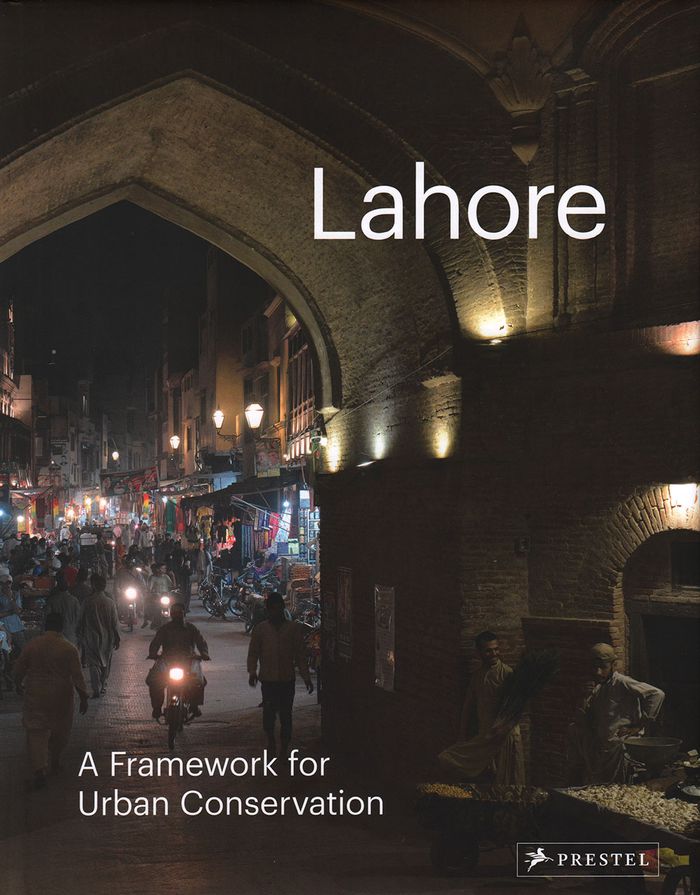
The cultural capital of Pakistan, and one of the world’s most historically fascinating cities–Lahore–has retained much of its historic heritage despite centuries of turbulence. Today it remains a vibrant epicenter of commercial and cultural activity. Since 2007 the Aga Khan Trust for Culture has been working to preserve the walled city of Lahore. This book explores every aspect of that effort, including drafting a strategic master plan, mapping strategies for conserving monuments, gardens, and temples, renovating neighborhoods and landscapes, and developing environmental solutions. It focuses on specific sites, such as the Shahi Hammam, or Royal Bath; the Shahi Guzargah heritage trail; the fabled Imperial Kitchen; Lahore Fort–a World Heritage site–and the Badshahi and Wazir Khan mosques.
Lahore: a framework for urban consevation
Actions:
Prix:
$79.00
(disponible sur commande)
Résumé:
The cultural capital of Pakistan, and one of the world’s most historically fascinating cities–Lahore–has retained much of its historic heritage despite centuries of turbulence. Today it remains a vibrant epicenter of commercial and cultural activity. Since 2007 the Aga Khan Trust for Culture has been working to preserve the walled city of Lahore. This book explores every aspect of that effort, including drafting a strategic master plan, mapping strategies for conserving monuments, gardens, and temples, renovating neighborhoods and landscapes, and developing environmental solutions. It focuses on specific sites, such as the Shahi Hammam, or Royal Bath; the Shahi Guzargah heritage trail; the fabled Imperial Kitchen; Lahore Fort–a World Heritage site–and the Badshahi and Wazir Khan mosques.
Classification:
livres
livres
Publication:
novembre 2019
novembre 2019
Sujet:
Histoire jusqu'à 1900, Asie
Histoire jusqu'à 1900, Asie
Classification:
livres
livres
Titre:
Jerusalem: city of longing
Jerusalem: city of longing
Actions:
Prix:
$21.99
(disponible sur commande)
Résumé:
Goldhill, professor of Greek at Cambridge, provides an illuminating archeological, architectural and historical guide to Jerusalem's most holy and secular sites from biblical times to the present. As Goldhill explores Jerusalem during the Victorian period, which he claims laid the groundwork for much of the modern city, the impact of British mandatory rule, and the city(...)
$21.99
(disponible sur commande)
Résumé:
Goldhill, professor of Greek at Cambridge, provides an illuminating archeological, architectural and historical guide to Jerusalem's most holy and secular sites from biblical times to the present. As Goldhill explores Jerusalem during the Victorian period, which he claims laid the groundwork for much of the modern city, the impact of British mandatory rule, and the city(...)
Titre:
Jerusalem: city of longing
Actions:
Prix:
$21.99
(disponible sur commande)
Résumé:
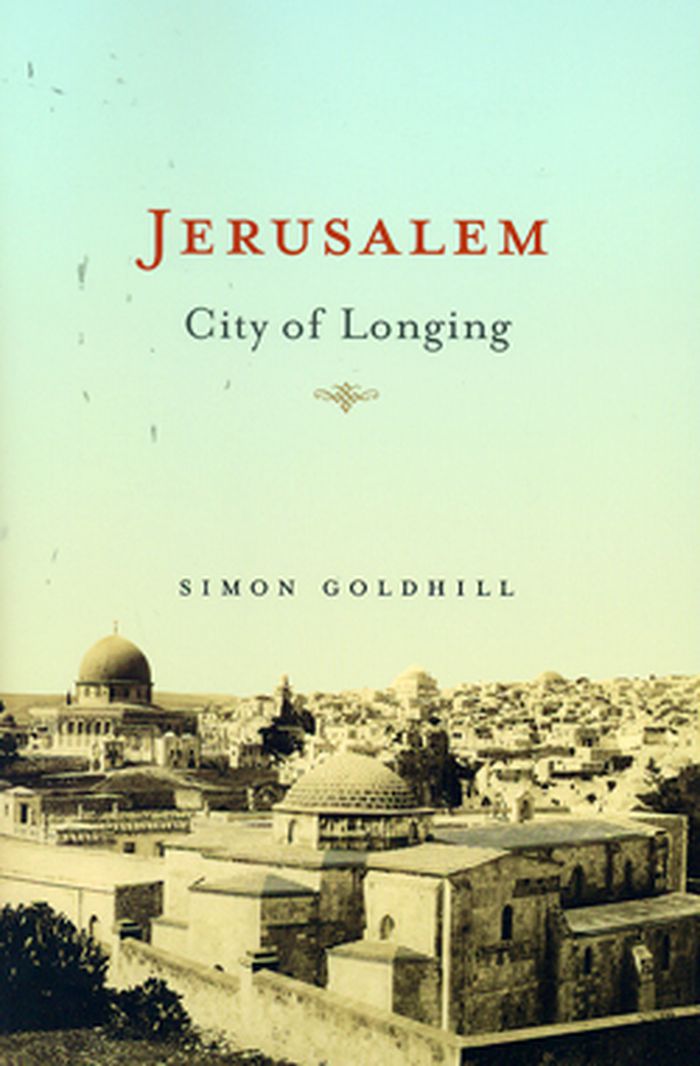
Goldhill, professor of Greek at Cambridge, provides an illuminating archeological, architectural and historical guide to Jerusalem's most holy and secular sites from biblical times to the present. As Goldhill explores Jerusalem during the Victorian period, which he claims laid the groundwork for much of the modern city, the impact of British mandatory rule, and the city today, he faces head-on the difficulty of telling the history of a place where every fact is contested by conflicting nationalist narratives.
Jerusalem: city of longing
Actions:
Prix:
$21.99
(disponible sur commande)
Résumé:
Goldhill, professor of Greek at Cambridge, provides an illuminating archeological, architectural and historical guide to Jerusalem's most holy and secular sites from biblical times to the present. As Goldhill explores Jerusalem during the Victorian period, which he claims laid the groundwork for much of the modern city, the impact of British mandatory rule, and the city today, he faces head-on the difficulty of telling the history of a place where every fact is contested by conflicting nationalist narratives.
Classification:
livres
livres
Publication:
octobre 2009
octobre 2009
Sujet:
Histoire jusqu'à 1900, Asie
Histoire jusqu'à 1900, Asie
Classification:
livres
livres
Actions:
Prix:
$48.00
(disponible sur commande)
Résumé:
M8 in China showcases a range of work by eight private Chinese architectural offices whose energetic output reveals some fascinating new connections between Eastern tradition and the Western avant garde. Whether it is a museum with a facade made of bamboo-clad concrete or a tea-house sited at the foot of a mountain, all 24 selected projects in this book are impressive(...)
$48.00
(disponible sur commande)
Résumé:
M8 in China showcases a range of work by eight private Chinese architectural offices whose energetic output reveals some fascinating new connections between Eastern tradition and the Western avant garde. Whether it is a museum with a facade made of bamboo-clad concrete or a tea-house sited at the foot of a mountain, all 24 selected projects in this book are impressive(...)
Publication:
avril 2010
avril 2010
Titre:
M8 in China: contemporary chinese architects
Actions:
Prix:
$48.00
(disponible sur commande)
Résumé:
M8 in China showcases a range of work by eight private Chinese architectural offices whose energetic output reveals some fascinating new connections between Eastern tradition and the Western avant garde. Whether it is a museum with a facade made of bamboo-clad concrete or a tea-house sited at the foot of a mountain, all 24 selected projects in this book are impressive evidence of the high quality of current architectural practice in China.
M8 in China: contemporary chinese architects
Actions:
Prix:
$48.00
(disponible sur commande)
Résumé:
M8 in China showcases a range of work by eight private Chinese architectural offices whose energetic output reveals some fascinating new connections between Eastern tradition and the Western avant garde. Whether it is a museum with a facade made of bamboo-clad concrete or a tea-house sited at the foot of a mountain, all 24 selected projects in this book are impressive evidence of the high quality of current architectural practice in China.
Classification:
livres
livres
Publication:
avril 2010
avril 2010
Classification:
livres
livres
Actions:
Prix:
$29.95
(disponible sur commande)
Résumé:
In this publication, the Indonesian architectural and urban historian Abidin Kusno explores the connections between the built environment and political consciousness in Indonesia during the colonial and postcolonial eras. Focusing primarily on Jakarta, he describes how perceptions of the past, anxieties about the rapid pace of change in the present, and hopes for the(...)
$29.95
(disponible sur commande)
Résumé:
In this publication, the Indonesian architectural and urban historian Abidin Kusno explores the connections between the built environment and political consciousness in Indonesia during the colonial and postcolonial eras. Focusing primarily on Jakarta, he describes how perceptions of the past, anxieties about the rapid pace of change in the present, and hopes for the(...)
Titre:
The appearances of memory : mnemonic practices of architecture and urban form in Indonesia
Actions:
Prix:
$29.95
(disponible sur commande)
Résumé:
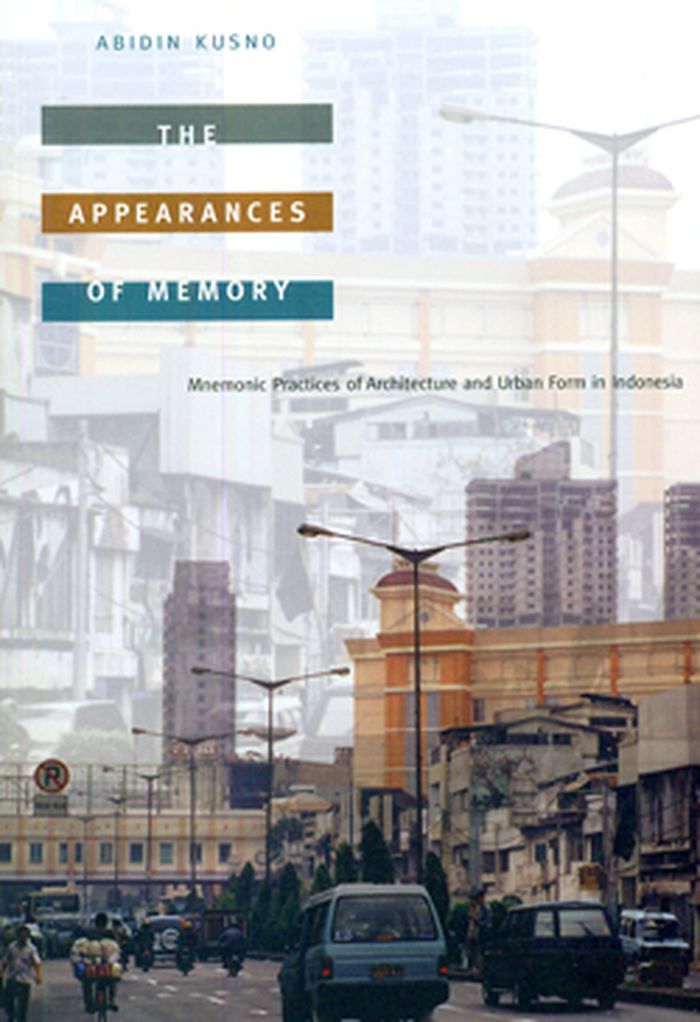
In this publication, the Indonesian architectural and urban historian Abidin Kusno explores the connections between the built environment and political consciousness in Indonesia during the colonial and postcolonial eras. Focusing primarily on Jakarta, he describes how perceptions of the past, anxieties about the rapid pace of change in the present, and hopes for the future have been embodied in architecture and urban space at different historical moments. He argues that the built environment serves as a reminder of the practices of the past and an instantiation of the desire to remake oneself within, as well as beyond, one’s particular time and place. Addressing developments in Indonesia since the fall of President Suharto’s regime in 1998, Kusno delves into such topics as the domestication of traumatic violence and the restoration of order in the urban space, the intense interest in urban history in contemporary Indonesia, and the implications of "superblocks", large urban complexes consisting of residences, offices, shops, and entertainment venues. Moving farther back in time, he examines how Indonesian architects reinvented colonial architectural styles to challenge the political culture of the state, how colonial structures such as railway and commercial buildings created a new, politically charged cognitive map of cities in Java in the early twentieth century, and how the Dutch, in attempting to quell dissent, imposed a distinctive urban visual order in the 1930s. Finally, the present and the past meet in his long-term considerations of how Java has responded to the global flow of Islamic architecture, and how the meanings of Indonesian gatehouses have changed and persisted over time.
The appearances of memory : mnemonic practices of architecture and urban form in Indonesia
Actions:
Prix:
$29.95
(disponible sur commande)
Résumé:
In this publication, the Indonesian architectural and urban historian Abidin Kusno explores the connections between the built environment and political consciousness in Indonesia during the colonial and postcolonial eras. Focusing primarily on Jakarta, he describes how perceptions of the past, anxieties about the rapid pace of change in the present, and hopes for the future have been embodied in architecture and urban space at different historical moments. He argues that the built environment serves as a reminder of the practices of the past and an instantiation of the desire to remake oneself within, as well as beyond, one’s particular time and place. Addressing developments in Indonesia since the fall of President Suharto’s regime in 1998, Kusno delves into such topics as the domestication of traumatic violence and the restoration of order in the urban space, the intense interest in urban history in contemporary Indonesia, and the implications of "superblocks", large urban complexes consisting of residences, offices, shops, and entertainment venues. Moving farther back in time, he examines how Indonesian architects reinvented colonial architectural styles to challenge the political culture of the state, how colonial structures such as railway and commercial buildings created a new, politically charged cognitive map of cities in Java in the early twentieth century, and how the Dutch, in attempting to quell dissent, imposed a distinctive urban visual order in the 1930s. Finally, the present and the past meet in his long-term considerations of how Java has responded to the global flow of Islamic architecture, and how the meanings of Indonesian gatehouses have changed and persisted over time.
Classification:
livres
livres
Publication:
avril 2010
avril 2010
Sujet:
Histoire jusqu'à 1900, Asie
Histoire jusqu'à 1900, Asie
Classification:
livres
livres
Actions:
Prix:
$46.95
(disponible sur commande)
Résumé:
In Traditional Japanese Architecture, author Mira Locher explores the development, construction, function and symbolism inherent in historic architectural elements. From roofs, walls and floors to door pulls and kettle hangers, this book situates these elements firmly within the natural environment and traditional culture of Japan.
$46.95
(disponible sur commande)
Résumé:
In Traditional Japanese Architecture, author Mira Locher explores the development, construction, function and symbolism inherent in historic architectural elements. From roofs, walls and floors to door pulls and kettle hangers, this book situates these elements firmly within the natural environment and traditional culture of Japan.
Titre:
Traditional Japanese architecture: An exploration of elements and forms
Actions:
Prix:
$46.95
(disponible sur commande)
Résumé:
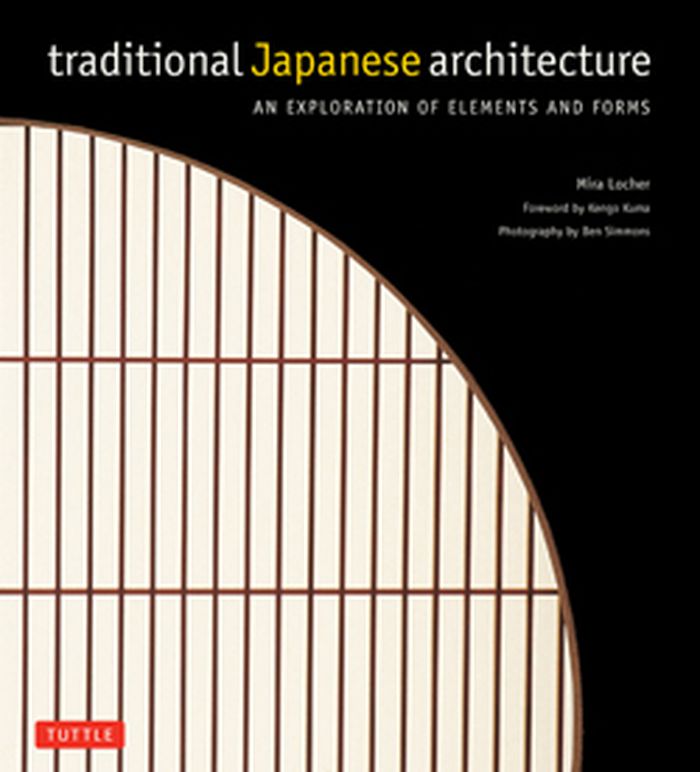
In Traditional Japanese Architecture, author Mira Locher explores the development, construction, function and symbolism inherent in historic architectural elements. From roofs, walls and floors to door pulls and kettle hangers, this book situates these elements firmly within the natural environment and traditional culture of Japan.
Traditional Japanese architecture: An exploration of elements and forms
Actions:
Prix:
$46.95
(disponible sur commande)
Résumé:
In Traditional Japanese Architecture, author Mira Locher explores the development, construction, function and symbolism inherent in historic architectural elements. From roofs, walls and floors to door pulls and kettle hangers, this book situates these elements firmly within the natural environment and traditional culture of Japan.
Classification:
livres
livres
Publication:
août 2010
août 2010
Sujet:
Histoire jusqu'à 1900, Asie
Histoire jusqu'à 1900, Asie
Classification:
livres
livres
Titre:
Histoire du japon
Histoire du japon
Actions:
Prix:
$16.95
(disponible sur commande)
Résumé:
Quand on s’intéresse à l’histoire du Japon, on ne peut éviter de rencontrer de prime abord la conscience historique des Japonais. Cet imaginaire est des plus simples, se bornant à affirmer comme traits spécifiques de ce pays la continuité (un temps linéaire, sans vrai début ni fin), l’homogénéité (une sorte de totalité synchronique), et logeant dans cette association(...)
$16.95
(disponible sur commande)
Résumé:
Quand on s’intéresse à l’histoire du Japon, on ne peut éviter de rencontrer de prime abord la conscience historique des Japonais. Cet imaginaire est des plus simples, se bornant à affirmer comme traits spécifiques de ce pays la continuité (un temps linéaire, sans vrai début ni fin), l’homogénéité (une sorte de totalité synchronique), et logeant dans cette association(...)
Titre:
Histoire du japon
Actions:
Prix:
$16.95
(disponible sur commande)
Résumé:
Quand on s’intéresse à l’histoire du Japon, on ne peut éviter de rencontrer de prime abord la conscience historique des Japonais. Cet imaginaire est des plus simples, se bornant à affirmer comme traits spécifiques de ce pays la continuité (un temps linéaire, sans vrai début ni fin), l’homogénéité (une sorte de totalité synchronique), et logeant dans cette association aussi bien l’État, la dynastie impériale, la population, le territoire. De fait, l’originalité du Japon tient à ce que les changements s’y inscrivent, comme naturellement, dans un cadre immobile. Quelle est pourtant la dynamique interne de ce pays qui, depuis sa préhistoire et jusqu’à la rénovation de Meiji, a su garder son unité ?
Histoire du japon
Actions:
Prix:
$16.95
(disponible sur commande)
Résumé:
Quand on s’intéresse à l’histoire du Japon, on ne peut éviter de rencontrer de prime abord la conscience historique des Japonais. Cet imaginaire est des plus simples, se bornant à affirmer comme traits spécifiques de ce pays la continuité (un temps linéaire, sans vrai début ni fin), l’homogénéité (une sorte de totalité synchronique), et logeant dans cette association aussi bien l’État, la dynastie impériale, la population, le territoire. De fait, l’originalité du Japon tient à ce que les changements s’y inscrivent, comme naturellement, dans un cadre immobile. Quelle est pourtant la dynamique interne de ce pays qui, depuis sa préhistoire et jusqu’à la rénovation de Meiji, a su garder son unité ?
Classification:
livres
livres
Publication:
décembre 2014
décembre 2014
Sujet:
Histoire jusqu'à 1900, Asie
Histoire jusqu'à 1900, Asie


