


49 Résultats
Classification:
livres
livres
Actions:
Prix:
$54.99
(disponible en magasin)
Résumé:
There is almost nothing new left to say about the urgent need to reduce our devastating impact on the biosphere that supports us. In architectural terms, we have been told since the 1960s that mainstream architecture is not engaged enough with the environmental consequences of what it produces and how it produces it. The usual approach is to propose new ways of designing(...)
$54.99
(disponible en magasin)
Résumé:
There is almost nothing new left to say about the urgent need to reduce our devastating impact on the biosphere that supports us. In architectural terms, we have been told since the 1960s that mainstream architecture is not engaged enough with the environmental consequences of what it produces and how it produces it. The usual approach is to propose new ways of designing(...)
Titre:
Revolution? Architecture and the antropocene
Actions:
Prix:
$54.99
(disponible en magasin)
Résumé:
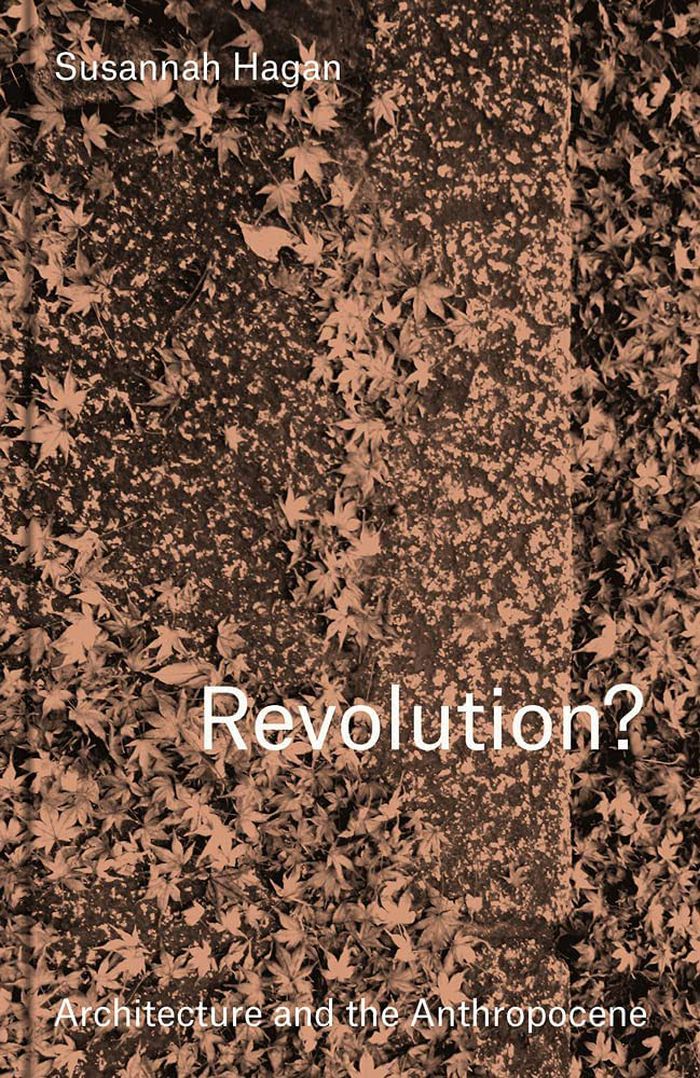
There is almost nothing new left to say about the urgent need to reduce our devastating impact on the biosphere that supports us. In architectural terms, we have been told since the 1960s that mainstream architecture is not engaged enough with the environmental consequences of what it produces and how it produces it. The usual approach is to propose new ways of designing and building to persuade the reader of the centrality of environmental concerns. But too many readers have remained resolutely unpersuaded over decades. In four sharp, interlocking essays, this book asks why the majority of the architectural profession and its clients still only pay lip service to the importance of the environmental. In each essay, therefore, are examples of innovative and determined people pursuing other ways of practicing architecture and other ways of training architects for this critical century, who are pulling the model of a nature-centric practice out of the margins and into the centre.
Revolution? Architecture and the antropocene
Actions:
Prix:
$54.99
(disponible en magasin)
Résumé:
There is almost nothing new left to say about the urgent need to reduce our devastating impact on the biosphere that supports us. In architectural terms, we have been told since the 1960s that mainstream architecture is not engaged enough with the environmental consequences of what it produces and how it produces it. The usual approach is to propose new ways of designing and building to persuade the reader of the centrality of environmental concerns. But too many readers have remained resolutely unpersuaded over decades. In four sharp, interlocking essays, this book asks why the majority of the architectural profession and its clients still only pay lip service to the importance of the environmental. In each essay, therefore, are examples of innovative and determined people pursuing other ways of practicing architecture and other ways of training architects for this critical century, who are pulling the model of a nature-centric practice out of the margins and into the centre.
Classification:
livres
livres
Publication:
avril 2022
avril 2022
Sujet:
L'écologie de l'architecure
L'écologie de l'architecure
Classification:
livres
livres

Actions:
Prix:
$65.00
(disponible en magasin)
Résumé:
In the 1960s the French colonial regime detonated four atmospheric atomic bombs, thirteen underground nuclear bombs, and conducted other nuclear experiments in the Algerian Sahara. This secret, still-classified programme occurred during and after the Algerian War (1954–1962). Meticulously culled together from numerous sources by architectural historian Samia Henni, this(...)
$65.00
(disponible en magasin)
Résumé:
In the 1960s the French colonial regime detonated four atmospheric atomic bombs, thirteen underground nuclear bombs, and conducted other nuclear experiments in the Algerian Sahara. This secret, still-classified programme occurred during and after the Algerian War (1954–1962). Meticulously culled together from numerous sources by architectural historian Samia Henni, this(...)
Titre:
Colonial toxicity: Rehearsing French radioactive architecture and landscape in the Sahara
Actions:
Prix:
$65.00
(disponible en magasin)
Résumé:
In the 1960s the French colonial regime detonated four atmospheric atomic bombs, thirteen underground nuclear bombs, and conducted other nuclear experiments in the Algerian Sahara. This secret, still-classified programme occurred during and after the Algerian War (1954–1962). Meticulously culled together from numerous sources by architectural historian Samia Henni, this publication’s wealth of materials documenting the violent history of France’s activities in the Algerian desert offers a rich repository for all those concerned with histories of nuclear weapons and engaged at the intersections of spatial, social, and environmental justice, as well as anticolonial archival practices.
Colonial toxicity: Rehearsing French radioactive architecture and landscape in the Sahara
Actions:
Prix:
$65.00
(disponible en magasin)
Résumé:
In the 1960s the French colonial regime detonated four atmospheric atomic bombs, thirteen underground nuclear bombs, and conducted other nuclear experiments in the Algerian Sahara. This secret, still-classified programme occurred during and after the Algerian War (1954–1962). Meticulously culled together from numerous sources by architectural historian Samia Henni, this publication’s wealth of materials documenting the violent history of France’s activities in the Algerian desert offers a rich repository for all those concerned with histories of nuclear weapons and engaged at the intersections of spatial, social, and environmental justice, as well as anticolonial archival practices.
Classification:
livres
livres
Publication:
décembre 2023
décembre 2023
Sujet:
L'écologie de l'architecure
L'écologie de l'architecure
Classification:
livres
livres
Actions:
Prix:
$35.00
(disponible sur commande)
Résumé:
With its reliance on extracted materials and an intense use of resources, the process of construction begs the question whether real sustainability in architecture and planning is possible. For some, a short-term solution is "greenwashing": adopting strategies of simulated commitment instead of investing in actual change toward fewer emissions. NGOs have called out large(...)
$35.00
(disponible sur commande)
Résumé:
With its reliance on extracted materials and an intense use of resources, the process of construction begs the question whether real sustainability in architecture and planning is possible. For some, a short-term solution is "greenwashing": adopting strategies of simulated commitment instead of investing in actual change toward fewer emissions. NGOs have called out large(...)
Titre:
On architecture and greenwashing: The political economy of space vol. 1
Actions:
Prix:
$35.00
(disponible sur commande)
Résumé:
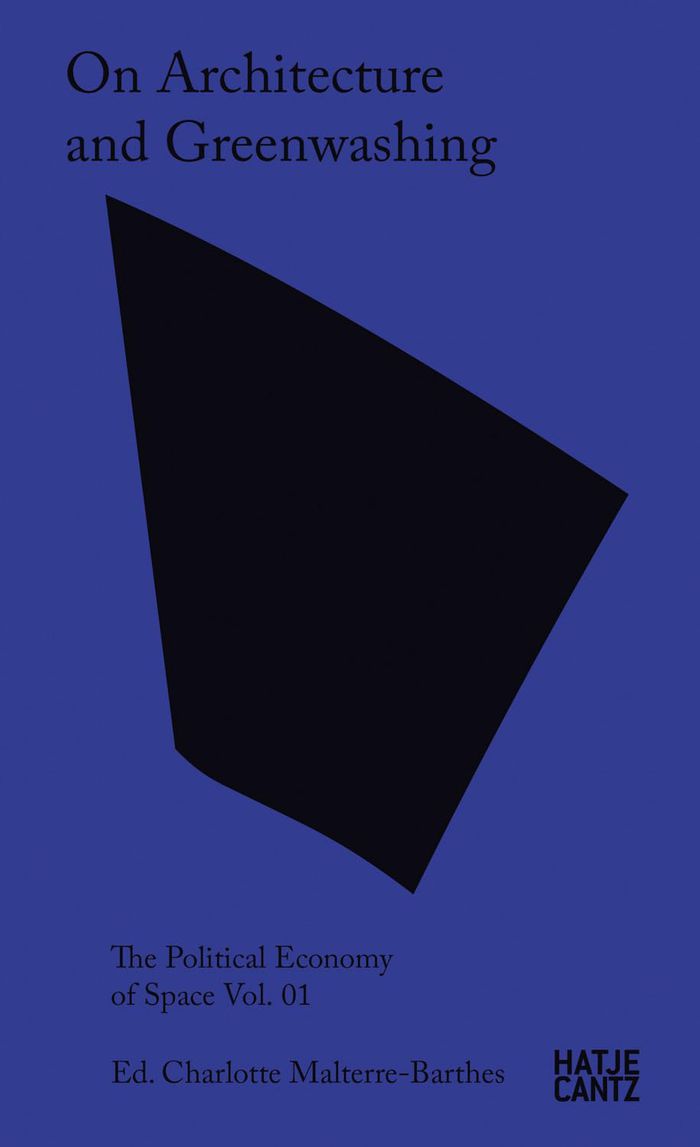
With its reliance on extracted materials and an intense use of resources, the process of construction begs the question whether real sustainability in architecture and planning is possible. For some, a short-term solution is "greenwashing": adopting strategies of simulated commitment instead of investing in actual change toward fewer emissions. NGOs have called out large companies for "low integrity" pledges, pointing out the systemic ecological injustice that the built environment creates through material, wealth and labor extractivism. As institutionalized and commodified greenwashing hollows out the term, how do architects and designers position their work beyond a flattening universalistic understanding of sustainability? The first volume of a forthcoming series, "On architecture and greenwashing" is a collection of essays that presents a cross section of positions on architecture and its political economies, and explores ways to correct course in the face of the climate crisis.
On architecture and greenwashing: The political economy of space vol. 1
Actions:
Prix:
$35.00
(disponible sur commande)
Résumé:
With its reliance on extracted materials and an intense use of resources, the process of construction begs the question whether real sustainability in architecture and planning is possible. For some, a short-term solution is "greenwashing": adopting strategies of simulated commitment instead of investing in actual change toward fewer emissions. NGOs have called out large companies for "low integrity" pledges, pointing out the systemic ecological injustice that the built environment creates through material, wealth and labor extractivism. As institutionalized and commodified greenwashing hollows out the term, how do architects and designers position their work beyond a flattening universalistic understanding of sustainability? The first volume of a forthcoming series, "On architecture and greenwashing" is a collection of essays that presents a cross section of positions on architecture and its political economies, and explores ways to correct course in the face of the climate crisis.
Classification:
livres
livres
Publication:
juin 2024
juin 2024
Sujet:
L'écologie de l'architecure
L'écologie de l'architecure
Classification:
livres
livres
Actions:
Prix:
$28.95
(disponible sur commande)
Résumé:
Ce livre ouvre une discussion à propos des motifs visuels les plus reproduits pour figurer l'espace de Los Angeles dans les productions audiovisuelles, à la télévision et sur les écrans. Que l'on soit immobilisé à la maison à cause d'une jambe dans le plâtre comme Jeff Jefferies dans Fenêtre sur cour, ou que l'on soit enfermé chez soi et contraint d'observer sur un écran(...)
$28.95
(disponible sur commande)
Résumé:
Ce livre ouvre une discussion à propos des motifs visuels les plus reproduits pour figurer l'espace de Los Angeles dans les productions audiovisuelles, à la télévision et sur les écrans. Que l'on soit immobilisé à la maison à cause d'une jambe dans le plâtre comme Jeff Jefferies dans Fenêtre sur cour, ou que l'on soit enfermé chez soi et contraint d'observer sur un écran(...)
Titre:
Écologies visuelles de Los Angeles
Actions:
Prix:
$28.95
(disponible sur commande)
Résumé:
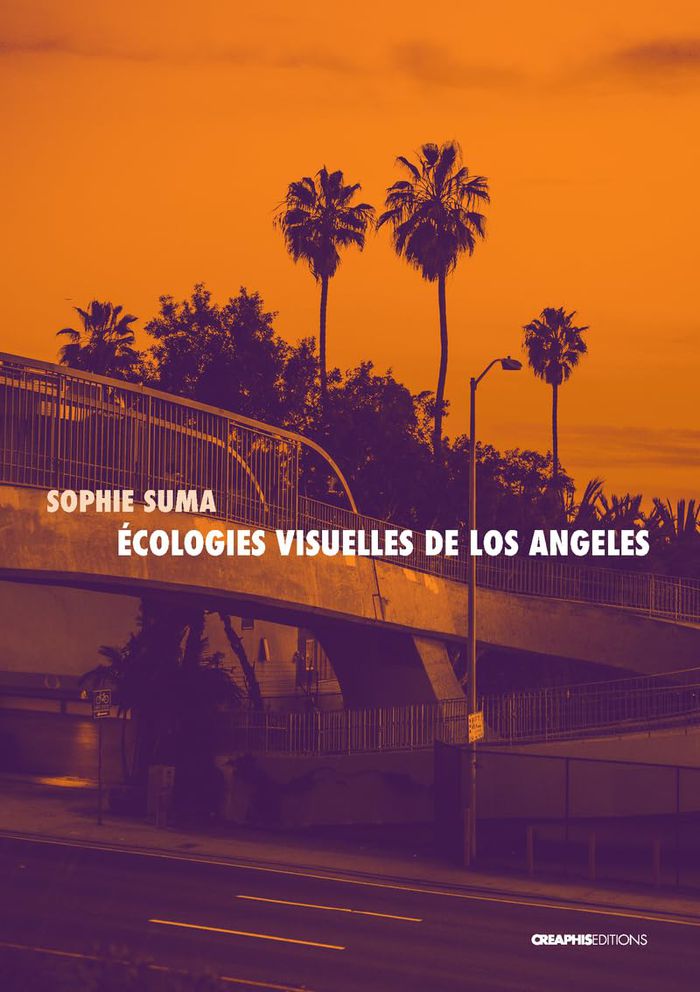
Ce livre ouvre une discussion à propos des motifs visuels les plus reproduits pour figurer l'espace de Los Angeles dans les productions audiovisuelles, à la télévision et sur les écrans. Que l'on soit immobilisé à la maison à cause d'une jambe dans le plâtre comme Jeff Jefferies dans Fenêtre sur cour, ou que l'on soit enfermé chez soi et contraint d'observer sur un écran son pays frappé par une pandémie, voir le monde à travers une fenêtre n'a jamais pris autant de sens qu'aujourd'hui. Mais si nous pouvons « voir à distance » pouvons-nous réellement « prendre de la distance » sur les images que nous voyons ? Par exemple, que nous disent les séries dont elle est l'héroïne de Los Angeles et de ses habitants ? Existe-t-il une culture visuelle angeline ? Les multiples images dont elle est l'objet depuis plusieurs décennies font circuler des motifs récurrents. Ces derniers participent d'un certain regard porté sur la ville qui n'est pas sans poser quelques conflits idéologiques. Diffusées en masse, certains d'entre-eux renforcent les stéréotypes urbains, mais aussi sociaux. Transmédiatiques, ces motifs se comportent comme des organismes autonomes qui forment des écologies visuelles. En s'appuyant sur l'approches écologiques de l'historien anglais Reyner Banham, ce livre ouvre une discussion à propos des motifs visuels qui dominent pour figurer les espaces physiques et sociaux de Los Angeles à la télévision et sur les écrans. Et vise à identifier quelles sont les contre-visions imaginées comme des alternatives aux lieux communs, comme des fictions émancipatrices de Los Angeles.
Écologies visuelles de Los Angeles
Actions:
Prix:
$28.95
(disponible sur commande)
Résumé:
Ce livre ouvre une discussion à propos des motifs visuels les plus reproduits pour figurer l'espace de Los Angeles dans les productions audiovisuelles, à la télévision et sur les écrans. Que l'on soit immobilisé à la maison à cause d'une jambe dans le plâtre comme Jeff Jefferies dans Fenêtre sur cour, ou que l'on soit enfermé chez soi et contraint d'observer sur un écran son pays frappé par une pandémie, voir le monde à travers une fenêtre n'a jamais pris autant de sens qu'aujourd'hui. Mais si nous pouvons « voir à distance » pouvons-nous réellement « prendre de la distance » sur les images que nous voyons ? Par exemple, que nous disent les séries dont elle est l'héroïne de Los Angeles et de ses habitants ? Existe-t-il une culture visuelle angeline ? Les multiples images dont elle est l'objet depuis plusieurs décennies font circuler des motifs récurrents. Ces derniers participent d'un certain regard porté sur la ville qui n'est pas sans poser quelques conflits idéologiques. Diffusées en masse, certains d'entre-eux renforcent les stéréotypes urbains, mais aussi sociaux. Transmédiatiques, ces motifs se comportent comme des organismes autonomes qui forment des écologies visuelles. En s'appuyant sur l'approches écologiques de l'historien anglais Reyner Banham, ce livre ouvre une discussion à propos des motifs visuels qui dominent pour figurer les espaces physiques et sociaux de Los Angeles à la télévision et sur les écrans. Et vise à identifier quelles sont les contre-visions imaginées comme des alternatives aux lieux communs, comme des fictions émancipatrices de Los Angeles.
Classification:
livres
livres
Publication:
janvier 2024
janvier 2024
Sujet:
L'écologie de l'architecure
L'écologie de l'architecure
Classification:
livres
livres
Actions:
Prix:
$35.00
(disponible en magasin)
Résumé:
Throughout their history, architecture exhibitions have embraced different approaches and constructed other modes of action within the discipline, playing a pivotal role in disseminating, diffusing, and experimenting with architectural culture. This volume looks at curatorial practice in architecture and how ecological issues are addressed in the context of curatorial(...)
$35.00
(disponible en magasin)
Résumé:
Throughout their history, architecture exhibitions have embraced different approaches and constructed other modes of action within the discipline, playing a pivotal role in disseminating, diffusing, and experimenting with architectural culture. This volume looks at curatorial practice in architecture and how ecological issues are addressed in the context of curatorial(...)
Titre:
Curating ecologies on architecture
Actions:
Prix:
$35.00
(disponible en magasin)
Résumé:
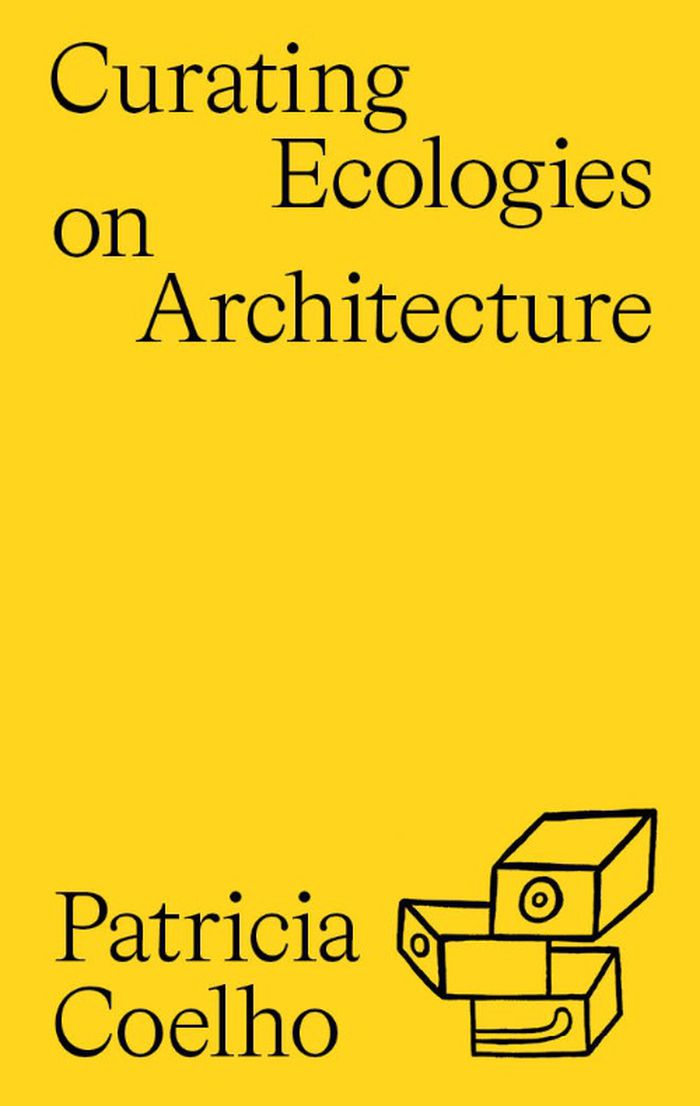
Throughout their history, architecture exhibitions have embraced different approaches and constructed other modes of action within the discipline, playing a pivotal role in disseminating, diffusing, and experimenting with architectural culture. This volume looks at curatorial practice in architecture and how ecological issues are addressed in the context of curatorial thinking and exhibition-making. Five architects with a curatorial practice are interviewed (Paola Antonelli, Pedro Gadanho, Paula Nascimento, Maria Otero Verzier, and Paulo Tavares), all of whom contribute to current debates in architecture while exploring how to perceive the main challenges of our world.
Curating ecologies on architecture
Actions:
Prix:
$35.00
(disponible en magasin)
Résumé:
Throughout their history, architecture exhibitions have embraced different approaches and constructed other modes of action within the discipline, playing a pivotal role in disseminating, diffusing, and experimenting with architectural culture. This volume looks at curatorial practice in architecture and how ecological issues are addressed in the context of curatorial thinking and exhibition-making. Five architects with a curatorial practice are interviewed (Paola Antonelli, Pedro Gadanho, Paula Nascimento, Maria Otero Verzier, and Paulo Tavares), all of whom contribute to current debates in architecture while exploring how to perceive the main challenges of our world.
Classification:
livres
livres
Publication:
juillet 2024
juillet 2024
Sujet:
L'écologie de l'architecure
L'écologie de l'architecure
Classification:
livres
livres
Actions:
Prix:
$66.00
(disponible en magasin)
Résumé:
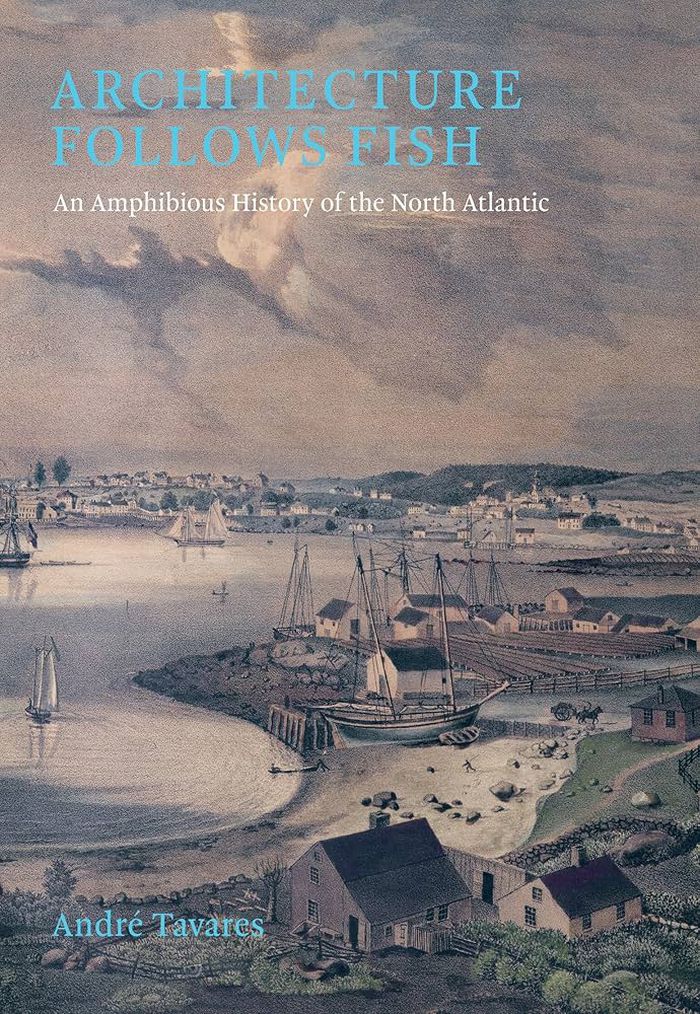
"Architecture follows fish" is set in the North Atlantic, and its protagonist is fish. In this book author and architect André Tavares explores the notion of fishing architecture, a concept coined to describe architectural practices that are spawned by fisheries. To encompass the scope of fishing architecture, and to establish the connections between marine ecology and(...)
$66.00
(disponible en magasin)
Résumé:
"Architecture follows fish" is set in the North Atlantic, and its protagonist is fish. In this book author and architect André Tavares explores the notion of fishing architecture, a concept coined to describe architectural practices that are spawned by fisheries. To encompass the scope of fishing architecture, and to establish the connections between marine ecology and(...)
Titre:
Architecture follows fish: An amphibious history of the North Atlantic
Actions:
Prix:
$66.00
(disponible en magasin)
Résumé:
"Architecture follows fish" is set in the North Atlantic, and its protagonist is fish. In this book author and architect André Tavares explores the notion of fishing architecture, a concept coined to describe architectural practices that are spawned by fisheries. To encompass the scope of fishing architecture, and to establish the connections between marine ecology and architectural practice, the book oscillates between different continents, centuries, and species. Fisheries are unique, and this book sheds light on that uniqueness through an articulated narrative and a wealth of iconography. Up until now there has been no history of architecture from the perspective of fish, although there are counterparts for meat, timber, oil, and many other industries. Tavares provides a counternarrative to the traditional history of marine environments, which tends to focus on water ecosystems, and instead forms a bridge between what happens at sea and what happens on land. The hope is that, after reading this book, readers will better understand life in the sea in relation to urban growth and terrestrial landscapes.
Architecture follows fish: An amphibious history of the North Atlantic
Actions:
Prix:
$66.00
(disponible en magasin)
Résumé:
"Architecture follows fish" is set in the North Atlantic, and its protagonist is fish. In this book author and architect André Tavares explores the notion of fishing architecture, a concept coined to describe architectural practices that are spawned by fisheries. To encompass the scope of fishing architecture, and to establish the connections between marine ecology and architectural practice, the book oscillates between different continents, centuries, and species. Fisheries are unique, and this book sheds light on that uniqueness through an articulated narrative and a wealth of iconography. Up until now there has been no history of architecture from the perspective of fish, although there are counterparts for meat, timber, oil, and many other industries. Tavares provides a counternarrative to the traditional history of marine environments, which tends to focus on water ecosystems, and instead forms a bridge between what happens at sea and what happens on land. The hope is that, after reading this book, readers will better understand life in the sea in relation to urban growth and terrestrial landscapes.
Classification:
livres
livres
Publication:
octobre 2024
octobre 2024
Sujet:
L'écologie de l'architecure
L'écologie de l'architecure
Classification:
livres
livres
Prix:
$25.00
(disponible en magasin)
Résumé:
This essay-led book project by Izabella Scott and Skye Arundhati Thomas examines ongoing land disputes, military occupation, and communication blackouts. Through an extended text and a selection of photo essays made in collaboration with photographers, the project gathers together records produced under daily surveillance and confrontation. It seeks a new register of(...)
$25.00
(disponible en magasin)
Résumé:
This essay-led book project by Izabella Scott and Skye Arundhati Thomas examines ongoing land disputes, military occupation, and communication blackouts. Through an extended text and a selection of photo essays made in collaboration with photographers, the project gathers together records produced under daily surveillance and confrontation. It seeks a new register of(...)
Sujet:
L'écologie de l'architecure
L'écologie de l'architecure
Publication:
mai 2024
mai 2024
Titre:
Pleasure gardens: Blackouts and the logic of crisis in Kashmir
Actions:
Prix:
$25.00
(disponible en magasin)
Résumé:
This essay-led book project by Izabella Scott and Skye Arundhati Thomas examines ongoing land disputes, military occupation, and communication blackouts. Through an extended text and a selection of photo essays made in collaboration with photographers, the project gathers together records produced under daily surveillance and confrontation. It seeks a new register of writing and image to make visible the conditions of military occupation and the protracted violence of the blackout.
Pleasure gardens: Blackouts and the logic of crisis in Kashmir
Actions:
Prix:
$25.00
(disponible en magasin)
Résumé:
This essay-led book project by Izabella Scott and Skye Arundhati Thomas examines ongoing land disputes, military occupation, and communication blackouts. Through an extended text and a selection of photo essays made in collaboration with photographers, the project gathers together records produced under daily surveillance and confrontation. It seeks a new register of writing and image to make visible the conditions of military occupation and the protracted violence of the blackout.
Classification:
livres
livres
Publication:
mai 2024
mai 2024
Sujet:
L'écologie de l'architecure
L'écologie de l'architecure
Classification:
livres
livres
Titre:
Eco-operations
Eco-operations
Actions:
Prix:
$88.00
(disponible sur commande)
Résumé:
The climate change crisis has become part of aesthetic discourse and critical research in culture and the arts. Future-oriented, ecologically conceived possibilities for action are being explored by artists, curators, and scholars alike. eco-operations addresses these emerging aesthetic ecologies and new technologies of cooperation that both challenge and shape a(...)
$88.00
(disponible sur commande)
Résumé:
The climate change crisis has become part of aesthetic discourse and critical research in culture and the arts. Future-oriented, ecologically conceived possibilities for action are being explored by artists, curators, and scholars alike. eco-operations addresses these emerging aesthetic ecologies and new technologies of cooperation that both challenge and shape a(...)
Titre:
Eco-operations
Actions:
Prix:
$88.00
(disponible sur commande)
Résumé:
The climate change crisis has become part of aesthetic discourse and critical research in culture and the arts. Future-oriented, ecologically conceived possibilities for action are being explored by artists, curators, and scholars alike. eco-operations addresses these emerging aesthetic ecologies and new technologies of cooperation that both challenge and shape a sustainable future, foregrounding interruptions, ruptures, disconnections, dissonances, exclusions, and allochronism. Moving beyond the concepts of “flow” and “network” as a single, coherent (ecological or technological) system, "eco-operations" instead emphasizes the frictions within asynchronously running systems. The infrastructures and formats of artistic production and exhibition play a central role here, as they themselves constitute ecosystems that invite and regulate processes of sharing and exchange. Artists and activists are embedded in these ecosystems, in which they simultaneously intervene when searching for alternative ways of creating collaborative practice. Bringing together scholars, artists, writers, and curators, and working across a range of disciplines, "eco-operations" explores this field of tension between global and local ecologies and aims to speculate on where dissonances imply both creative potential and political challenges.
Eco-operations
Actions:
Prix:
$88.00
(disponible sur commande)
Résumé:
The climate change crisis has become part of aesthetic discourse and critical research in culture and the arts. Future-oriented, ecologically conceived possibilities for action are being explored by artists, curators, and scholars alike. eco-operations addresses these emerging aesthetic ecologies and new technologies of cooperation that both challenge and shape a sustainable future, foregrounding interruptions, ruptures, disconnections, dissonances, exclusions, and allochronism. Moving beyond the concepts of “flow” and “network” as a single, coherent (ecological or technological) system, "eco-operations" instead emphasizes the frictions within asynchronously running systems. The infrastructures and formats of artistic production and exhibition play a central role here, as they themselves constitute ecosystems that invite and regulate processes of sharing and exchange. Artists and activists are embedded in these ecosystems, in which they simultaneously intervene when searching for alternative ways of creating collaborative practice. Bringing together scholars, artists, writers, and curators, and working across a range of disciplines, "eco-operations" explores this field of tension between global and local ecologies and aims to speculate on where dissonances imply both creative potential and political challenges.
Classification:
livres
livres
Publication:
mars 2025
mars 2025
Sujet:
L'écologie de l'architecure
L'écologie de l'architecure
Classification:
livres
livres
Titre:
Héritage architectural et mutations environnementales: typologies, représentations, transitions
Héritage architectural et mutations environnementales: typologies, représentations, transitions
Actions:
Prix:
$22.50
(disponible en magasin)
Résumé:
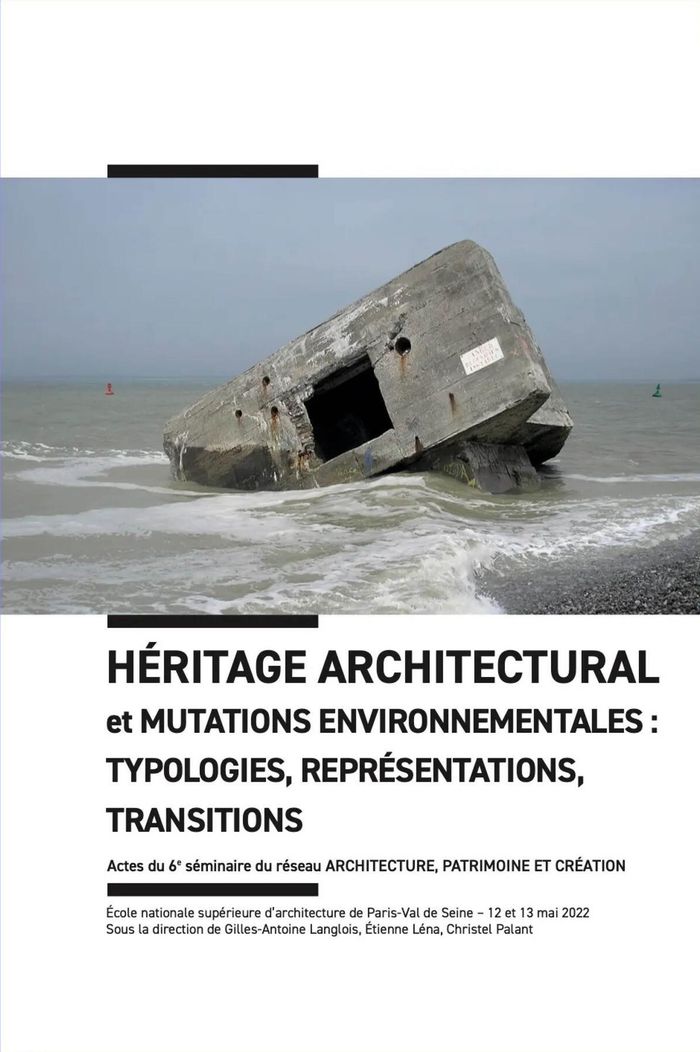
Actes du 6e séminaire du réseau pédagogique et scientifique « Architecture, Patrimoine et Création. » Le séminaire s'est déroulé à l'ENSA de Paris-Val de Seine, du 12 et 13 mai 2022. Malgré de nombreux travaux et discussions autour de la question d’une architecture « écologique », peu d’entre eux évoquent le patrimoine architectural existant et ancien. De ce fait, le(...)
$22.50
(disponible en magasin)
Résumé:
Actes du 6e séminaire du réseau pédagogique et scientifique « Architecture, Patrimoine et Création. » Le séminaire s'est déroulé à l'ENSA de Paris-Val de Seine, du 12 et 13 mai 2022. Malgré de nombreux travaux et discussions autour de la question d’une architecture « écologique », peu d’entre eux évoquent le patrimoine architectural existant et ancien. De ce fait, le(...)
Titre:
Héritage architectural et mutations environnementales: typologies, représentations, transitions
Actions:
Prix:
$22.50
(disponible en magasin)
Résumé:
Actes du 6e séminaire du réseau pédagogique et scientifique « Architecture, Patrimoine et Création. » Le séminaire s'est déroulé à l'ENSA de Paris-Val de Seine, du 12 et 13 mai 2022. Malgré de nombreux travaux et discussions autour de la question d’une architecture « écologique », peu d’entre eux évoquent le patrimoine architectural existant et ancien. De ce fait, le réseau pédagogique et scientifique « Architecture, patrimoine et création », souhaite élargir cette préoccupation à d’autres périodes mais aussi, aux architectures ordinaires et vernaculaires. Les travaux du colloque s’inscrivent dans une histoire environnementale de l’architecture, de l’urbain et du paysage. En effet, cette préoccupation pousse l’architecte, l’urbaniste et le paysagiste à faire face à de nombreux questionnements et redéfinir le périmètre de la notion de patrimoine.
Héritage architectural et mutations environnementales: typologies, représentations, transitions
Actions:
Prix:
$22.50
(disponible en magasin)
Résumé:
Actes du 6e séminaire du réseau pédagogique et scientifique « Architecture, Patrimoine et Création. » Le séminaire s'est déroulé à l'ENSA de Paris-Val de Seine, du 12 et 13 mai 2022. Malgré de nombreux travaux et discussions autour de la question d’une architecture « écologique », peu d’entre eux évoquent le patrimoine architectural existant et ancien. De ce fait, le réseau pédagogique et scientifique « Architecture, patrimoine et création », souhaite élargir cette préoccupation à d’autres périodes mais aussi, aux architectures ordinaires et vernaculaires. Les travaux du colloque s’inscrivent dans une histoire environnementale de l’architecture, de l’urbain et du paysage. En effet, cette préoccupation pousse l’architecte, l’urbaniste et le paysagiste à faire face à de nombreux questionnements et redéfinir le périmètre de la notion de patrimoine.
Classification:
livres
livres
Publication:
décembre 2023
décembre 2023
Sujet:
L'écologie de l'architecure
L'écologie de l'architecure
Classification:
livres
livres
Actions:
Prix:
$35.00
(disponible en magasin)
Résumé:
« Avoir un abri n'est pas encore habiter. Habiter, comme on le dit à juste titre, c'est s'installer. C'est précisément un nouveau front ; des actions vastes et complexes seront nécessaires pour rendre la vie sur la planète plus supportable. Ce sont ces nouvelles tâches auxquelles nous devons nous atteler. » Tomás Maldonado. Les essais réunis pour la première fois en(...)
$35.00
(disponible en magasin)
Résumé:
« Avoir un abri n'est pas encore habiter. Habiter, comme on le dit à juste titre, c'est s'installer. C'est précisément un nouveau front ; des actions vastes et complexes seront nécessaires pour rendre la vie sur la planète plus supportable. Ce sont ces nouvelles tâches auxquelles nous devons nous atteler. » Tomás Maldonado. Les essais réunis pour la première fois en(...)
Titre:
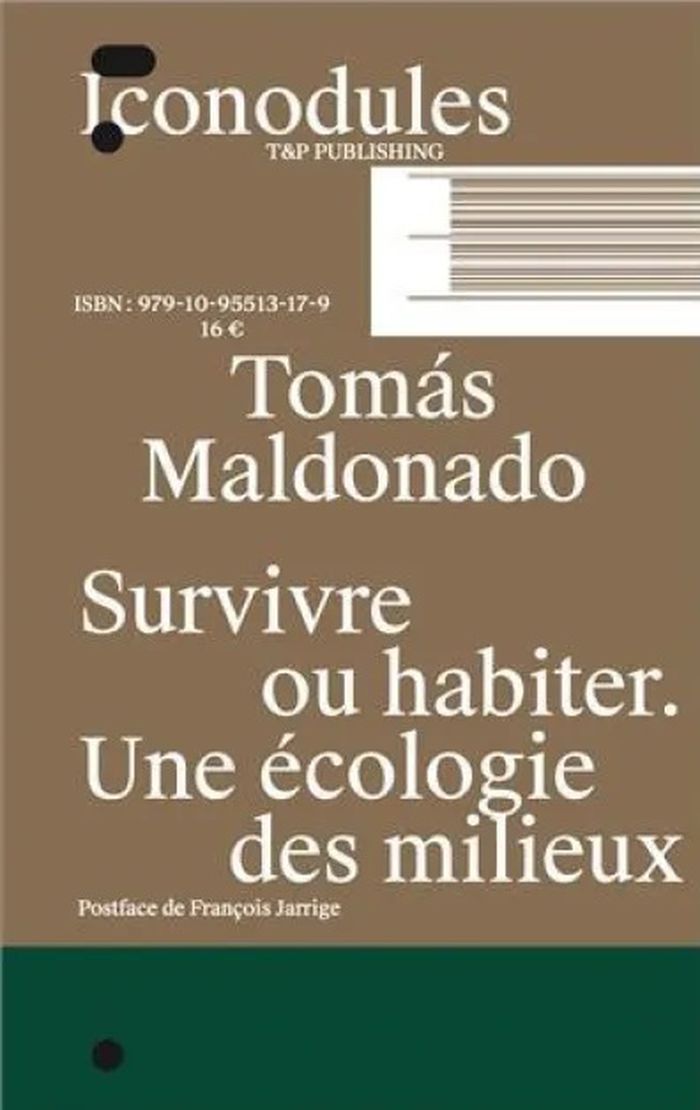
Survivre ou habiter : Une écologie des milieux
Actions:
Prix:
$35.00
(disponible en magasin)
Résumé:
« Avoir un abri n'est pas encore habiter. Habiter, comme on le dit à juste titre, c'est s'installer. C'est précisément un nouveau front ; des actions vastes et complexes seront nécessaires pour rendre la vie sur la planète plus supportable. Ce sont ces nouvelles tâches auxquelles nous devons nous atteler. » Tomás Maldonado. Les essais réunis pour la première fois en français dans cet ouvrage rendent compte des préoccupations environnementales de Tomás Maldonado (1922-2018). Figure intellectuelle totale et reconnue en Italie, Maldonado était aussi designer, théoricien et sémioticien, scrutant l'implication et les responsabilités des designers et des architectes. En abordant les questions de la reconstruction de la nature, de la relation au monde animal ou encore de la qualité des modes de vie, il tente d'éveiller une conscience écologique critique.
Survivre ou habiter : Une écologie des milieux
Actions:
Prix:
$35.00
(disponible en magasin)
Résumé:
« Avoir un abri n'est pas encore habiter. Habiter, comme on le dit à juste titre, c'est s'installer. C'est précisément un nouveau front ; des actions vastes et complexes seront nécessaires pour rendre la vie sur la planète plus supportable. Ce sont ces nouvelles tâches auxquelles nous devons nous atteler. » Tomás Maldonado. Les essais réunis pour la première fois en français dans cet ouvrage rendent compte des préoccupations environnementales de Tomás Maldonado (1922-2018). Figure intellectuelle totale et reconnue en Italie, Maldonado était aussi designer, théoricien et sémioticien, scrutant l'implication et les responsabilités des designers et des architectes. En abordant les questions de la reconstruction de la nature, de la relation au monde animal ou encore de la qualité des modes de vie, il tente d'éveiller une conscience écologique critique.
Classification:
livres
livres
Publication:
août 2024
août 2024
Sujet:
L'écologie de l'architecure
L'écologie de l'architecure


