


223 Résultats
Classification:
livres
livres
Titre:
Modernism in late-Mao China
Modernism in late-Mao China
Actions:
Prix:
$81.50
(disponible en magasin)
Résumé:
This book investigates the architectural history of China in the Mao era (1949–1976), focusing on the rise of modernism in the last seven years of the Cultural Revolution from 1969 to 1976. It highlights the new architecture of this period, exemplified by three clusters of buildings for foreign affairs, namely buildings for foreign diplomacy in Beijing, buildings for(...)
$81.50
(disponible en magasin)
Résumé:
This book investigates the architectural history of China in the Mao era (1949–1976), focusing on the rise of modernism in the last seven years of the Cultural Revolution from 1969 to 1976. It highlights the new architecture of this period, exemplified by three clusters of buildings for foreign affairs, namely buildings for foreign diplomacy in Beijing, buildings for(...)
Titre:
Modernism in late-Mao China
Actions:
Prix:
$81.50
(disponible en magasin)
Résumé:
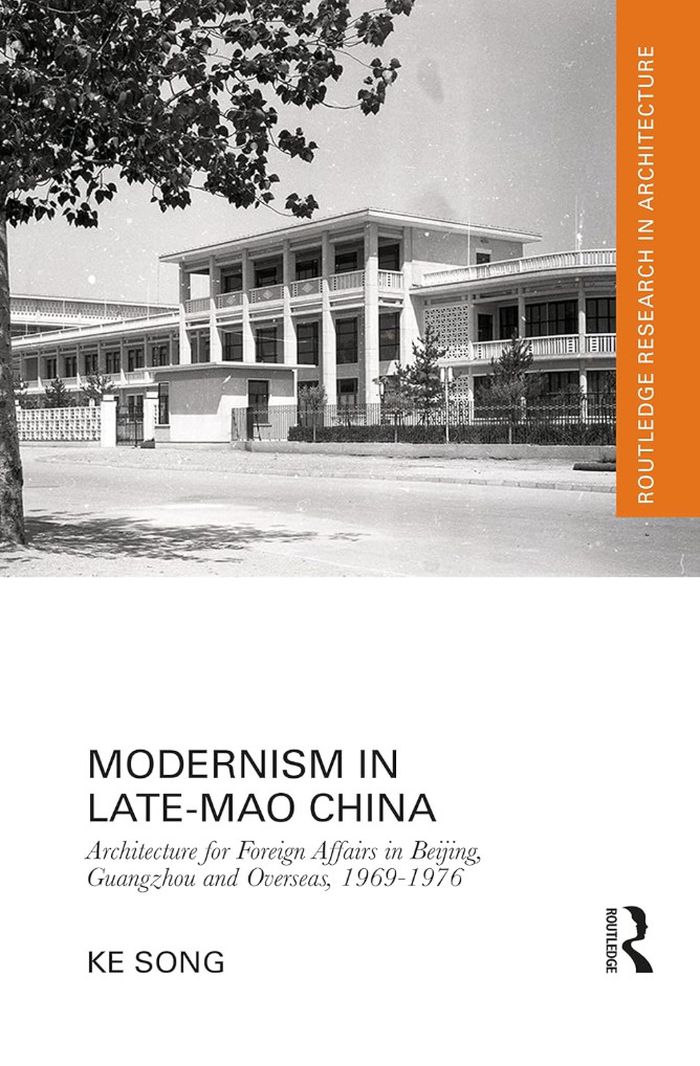
This book investigates the architectural history of China in the Mao era (1949–1976), focusing on the rise of modernism in the last seven years of the Cultural Revolution from 1969 to 1976. It highlights the new architecture of this period, exemplified by three clusters of buildings for foreign affairs, namely buildings for foreign diplomacy in Beijing, buildings for foreign trade in Guangzhou and China’s foreign aid projects overseas. The emergence of new architecture in the early 1970s is closely associated with China’s political and diplomatic shift of the time, from a radical emphasis on ideological struggle to a dynamic balance between leftist ideology and pragmatic concerns. In this context, China’s relations with the West quickly improved, culminating with American president Richard Nixon’s visit to China in 1972. The increasing foreign affairs brought new opportunities to Chinese architects who referenced both Western modernism and Chinese architectural traditions to create a new version of Chinese modernism. The book brings dimensions of form, politics and knowledge to the analysis of architecture, to construct an understanding of architectural design as an aesthetic, political and intellectual practice.
Modernism in late-Mao China
Actions:
Prix:
$81.50
(disponible en magasin)
Résumé:
This book investigates the architectural history of China in the Mao era (1949–1976), focusing on the rise of modernism in the last seven years of the Cultural Revolution from 1969 to 1976. It highlights the new architecture of this period, exemplified by three clusters of buildings for foreign affairs, namely buildings for foreign diplomacy in Beijing, buildings for foreign trade in Guangzhou and China’s foreign aid projects overseas. The emergence of new architecture in the early 1970s is closely associated with China’s political and diplomatic shift of the time, from a radical emphasis on ideological struggle to a dynamic balance between leftist ideology and pragmatic concerns. In this context, China’s relations with the West quickly improved, culminating with American president Richard Nixon’s visit to China in 1972. The increasing foreign affairs brought new opportunities to Chinese architects who referenced both Western modernism and Chinese architectural traditions to create a new version of Chinese modernism. The book brings dimensions of form, politics and knowledge to the analysis of architecture, to construct an understanding of architectural design as an aesthetic, political and intellectual practice.
Classification:
livres
livres
Publication:
décembre 2025
décembre 2025
Classification:
livres
livres
Actions:
Prix:
$80.00
(disponible en magasin)
Résumé:
Modernism, characterized by geometric shapes and flat roofs, is one of the defining architectural styles of the twentieth century throughout the world. And nowhere is it more in abundance than in Faro, capital of Portugal’s Algarve region. There are over 500 Modernist buildings in Faro, the highest concentration of these types of buildings in Southern Europe. The city now(...)
$80.00
(disponible en magasin)
Résumé:
Modernism, characterized by geometric shapes and flat roofs, is one of the defining architectural styles of the twentieth century throughout the world. And nowhere is it more in abundance than in Faro, capital of Portugal’s Algarve region. There are over 500 Modernist buildings in Faro, the highest concentration of these types of buildings in Southern Europe. The city now(...)
Titre:
Faro Modernism: Buildings, heritage, culture
Actions:
Prix:
$80.00
(disponible en magasin)
Résumé:
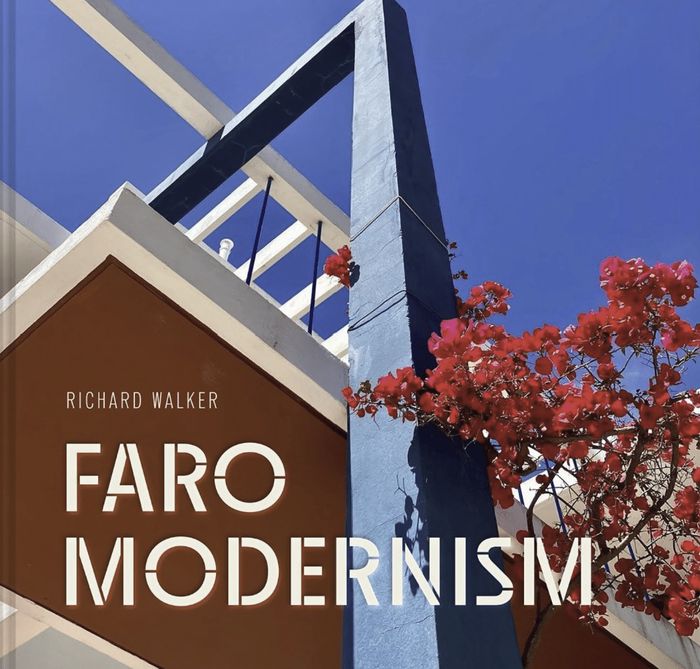
Modernism, characterized by geometric shapes and flat roofs, is one of the defining architectural styles of the twentieth century throughout the world. And nowhere is it more in abundance than in Faro, capital of Portugal’s Algarve region. There are over 500 Modernist buildings in Faro, the highest concentration of these types of buildings in Southern Europe. The city now has a specific Modernist buildings area, through which guided tours show the full range of detached and semidetached grand houses, large-scale apartment blocks, and little roads of terraced houses that are in fact cleverly disguised maisonettes. The architectural ringleader was Manuel Gomes da Costa, an Algarvian by birth, who had gone to South America in search of work but came back in the 1950s to transform the city. Inspired by the work of earlier architects, including Le Corbusier and Oscar Niemeyer, Costa and his colleagues set about creating a Modernist paradise in the southern sun. This book will give fans of inspirational architecture the first real opportunity to delve deep into Southern Europe’s "Palm Springs."
Faro Modernism: Buildings, heritage, culture
Actions:
Prix:
$80.00
(disponible en magasin)
Résumé:
Modernism, characterized by geometric shapes and flat roofs, is one of the defining architectural styles of the twentieth century throughout the world. And nowhere is it more in abundance than in Faro, capital of Portugal’s Algarve region. There are over 500 Modernist buildings in Faro, the highest concentration of these types of buildings in Southern Europe. The city now has a specific Modernist buildings area, through which guided tours show the full range of detached and semidetached grand houses, large-scale apartment blocks, and little roads of terraced houses that are in fact cleverly disguised maisonettes. The architectural ringleader was Manuel Gomes da Costa, an Algarvian by birth, who had gone to South America in search of work but came back in the 1950s to transform the city. Inspired by the work of earlier architects, including Le Corbusier and Oscar Niemeyer, Costa and his colleagues set about creating a Modernist paradise in the southern sun. This book will give fans of inspirational architecture the first real opportunity to delve deep into Southern Europe’s "Palm Springs."
Classification:
livres
livres
Publication:
mai 2026
mai 2026
Sujet:
Modernisme
Modernisme
Classification:
livres
livres
Actions:
Prix:
$24.95
(disponible sur commande)
Résumé:
The German architect Konrad Wachsmann (1901–80) played a major role in the development of industrialized building production, notably through his collaboration with Walter Gropius on a "Packaged House System" for prefabricated homes that could be assembled in under nine hours (Wachsmann was also known for the summer house he designed for Albert Einstein). This catalog(...)
$24.95
(disponible sur commande)
Résumé:
The German architect Konrad Wachsmann (1901–80) played a major role in the development of industrialized building production, notably through his collaboration with Walter Gropius on a "Packaged House System" for prefabricated homes that could be assembled in under nine hours (Wachsmann was also known for the summer house he designed for Albert Einstein). This catalog(...)
Titre:
The art of joining: designing the universal connector. Bauhaus Taschenbuch 23
Actions:
Prix:
$24.95
(disponible sur commande)
Résumé:
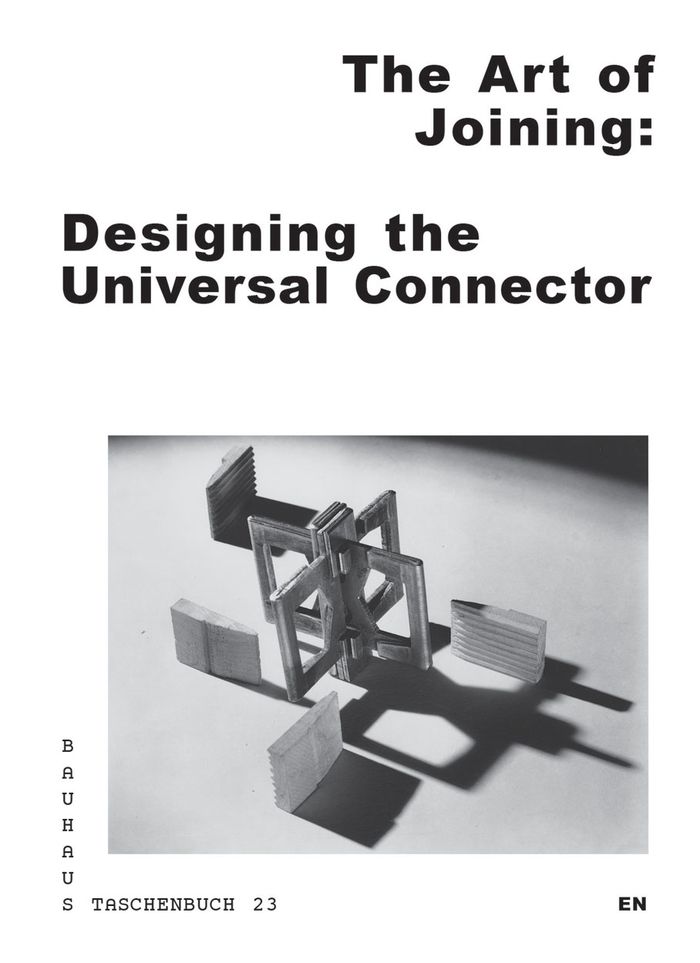
The German architect Konrad Wachsmann (1901–80) played a major role in the development of industrialized building production, notably through his collaboration with Walter Gropius on a "Packaged House System" for prefabricated homes that could be assembled in under nine hours (Wachsmann was also known for the summer house he designed for Albert Einstein). This catalog collects research conducted at the Bauhaus in 2018 focusing on the decisive and historic importance of the universal wedge connector, one of Wachsmann’s key contributions that radically expanded the capacity for industrialized home production in its deceptively simple design, saving considerable time and cost. The collected texts by scientists and designers position the connector as "the cornerstone of an industrialized building system," and elaborately trace the historical contexts of postwar modernism and industrial design that led to the development of this decisive piece of technology.
The art of joining: designing the universal connector. Bauhaus Taschenbuch 23
Actions:
Prix:
$24.95
(disponible sur commande)
Résumé:
The German architect Konrad Wachsmann (1901–80) played a major role in the development of industrialized building production, notably through his collaboration with Walter Gropius on a "Packaged House System" for prefabricated homes that could be assembled in under nine hours (Wachsmann was also known for the summer house he designed for Albert Einstein). This catalog collects research conducted at the Bauhaus in 2018 focusing on the decisive and historic importance of the universal wedge connector, one of Wachsmann’s key contributions that radically expanded the capacity for industrialized home production in its deceptively simple design, saving considerable time and cost. The collected texts by scientists and designers position the connector as "the cornerstone of an industrialized building system," and elaborately trace the historical contexts of postwar modernism and industrial design that led to the development of this decisive piece of technology.
Classification:
livres
livres
Publication:
septembre 2019
septembre 2019
Sujet:
Modernisme
Modernisme
Classification:
livres
livres
Prix:
$82.00
(disponible en magasin)
Résumé:
Tashkent, the southernmost metropolis of millions in the Soviet Union, is a city redolent with architectural contrasts and paradoxes. Home to the world’s most beautiful prefabricated buildings, it features a prominent urban duality predicated upon the oriental Old City and the Russian New City. Never was this contrast brought into sharper focus than during the severe(...)
$82.00
(disponible en magasin)
Résumé:
Tashkent, the southernmost metropolis of millions in the Soviet Union, is a city redolent with architectural contrasts and paradoxes. Home to the world’s most beautiful prefabricated buildings, it features a prominent urban duality predicated upon the oriental Old City and the Russian New City. Never was this contrast brought into sharper focus than during the severe(...)
Titre:
Seismic modernism: Architecture and housing in Soviet Tashkent
Actions:
Prix:
$82.00
(disponible en magasin)
Résumé:
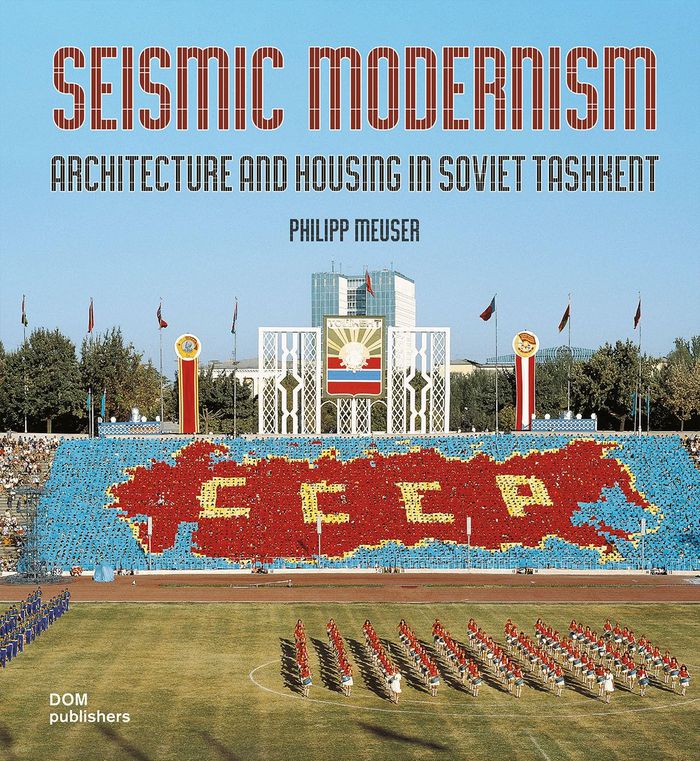
Tashkent, the southernmost metropolis of millions in the Soviet Union, is a city redolent with architectural contrasts and paradoxes. Home to the world’s most beautiful prefabricated buildings, it features a prominent urban duality predicated upon the oriental Old City and the Russian New City. Never was this contrast brought into sharper focus than during the severe earthquake of 1966 which left the New City relatively unscathed but the Old City in ruins. Yet one respite was offered: a rebuilding effort which triggered an upsurge of innovation. The city thus became the face of Seismic Modernism – unprecedented in history, the earthquake stimulated the modernization of urban development in Tashkent. Architects incorporated regional building traditions in their socialist modern designs, including the visually intriguing façade mosaics attributed to the little-known Jarsky brothers.
Seismic modernism: Architecture and housing in Soviet Tashkent
Actions:
Prix:
$82.00
(disponible en magasin)
Résumé:
Tashkent, the southernmost metropolis of millions in the Soviet Union, is a city redolent with architectural contrasts and paradoxes. Home to the world’s most beautiful prefabricated buildings, it features a prominent urban duality predicated upon the oriental Old City and the Russian New City. Never was this contrast brought into sharper focus than during the severe earthquake of 1966 which left the New City relatively unscathed but the Old City in ruins. Yet one respite was offered: a rebuilding effort which triggered an upsurge of innovation. The city thus became the face of Seismic Modernism – unprecedented in history, the earthquake stimulated the modernization of urban development in Tashkent. Architects incorporated regional building traditions in their socialist modern designs, including the visually intriguing façade mosaics attributed to the little-known Jarsky brothers.
Classification:
livres
livres
Publication:
avril 2026
avril 2026
Sujet:
Modernisme
Modernisme
Classification:
livres
livres
Titre:
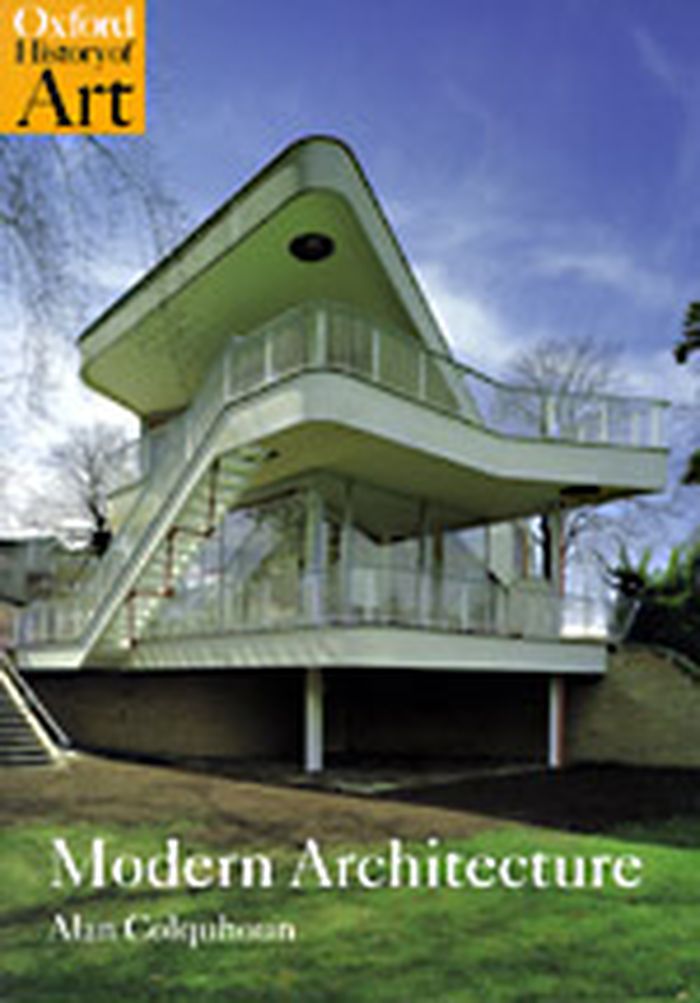
Modern architecture
Modern architecture
Actions:
Prix:
$29.50
(disponible sur commande)
Résumé:
This new account of international modernism explores the complex motivations behind this revolutionary movement and assesses its triumphs and failures. The work of the main architects of the movement such as Frank Lloyd Wright, Adolf Loos, Le Corbusier, and Mies van der Rohe is re-examined shedding new light on their roles as acknowledged masters. Alan Colquhoun(...)
$29.50
(disponible sur commande)
Résumé:
This new account of international modernism explores the complex motivations behind this revolutionary movement and assesses its triumphs and failures. The work of the main architects of the movement such as Frank Lloyd Wright, Adolf Loos, Le Corbusier, and Mies van der Rohe is re-examined shedding new light on their roles as acknowledged masters. Alan Colquhoun(...)
Titre:
Modern architecture
Actions:
Prix:
$29.50
(disponible sur commande)
Résumé:
This new account of international modernism explores the complex motivations behind this revolutionary movement and assesses its triumphs and failures. The work of the main architects of the movement such as Frank Lloyd Wright, Adolf Loos, Le Corbusier, and Mies van der Rohe is re-examined shedding new light on their roles as acknowledged masters. Alan Colquhoun explores the evolution of the movement from Art Nouveau in the 1890s to the megastructures of the 1960s, revealing the often contradictory demands of form, function, social engagement, modernity and tradition.
Modern architecture
Actions:
Prix:
$29.50
(disponible sur commande)
Résumé:
This new account of international modernism explores the complex motivations behind this revolutionary movement and assesses its triumphs and failures. The work of the main architects of the movement such as Frank Lloyd Wright, Adolf Loos, Le Corbusier, and Mies van der Rohe is re-examined shedding new light on their roles as acknowledged masters. Alan Colquhoun explores the evolution of the movement from Art Nouveau in the 1890s to the megastructures of the 1960s, revealing the often contradictory demands of form, function, social engagement, modernity and tradition.
Classification:
livres
livres
Publication:
juin 2002, Oxford
juin 2002, Oxford
Sujet:
Modernisme
Modernisme
Classification:
livres
livres
Actions:
Prix:
$47.95
(disponible sur commande)
Résumé:
Although a number of books have told the story of modern and contemporary art in Eastern and Central Europe, missing from these accounts have been the sources themselves. This book, the result of years of research by an international team of artists, curators, editors, translators, and scholars working with the Museum of Modern Art, presents primary documents drawn from(...)
$47.95
(disponible sur commande)
Résumé:
Although a number of books have told the story of modern and contemporary art in Eastern and Central Europe, missing from these accounts have been the sources themselves. This book, the result of years of research by an international team of artists, curators, editors, translators, and scholars working with the Museum of Modern Art, presents primary documents drawn from(...)
Sujet:
Modernisme
Modernisme
Publication:
décembre 2002, Cambridge, Mass.
décembre 2002, Cambridge, Mass.
Titre:
Primary documents : a sourcebook for Eastern and Central European art since the 1950s
Actions:
Prix:
$47.95
(disponible sur commande)
Résumé:
Although a number of books have told the story of modern and contemporary art in Eastern and Central Europe, missing from these accounts have been the sources themselves. This book, the result of years of research by an international team of artists, curators, editors, translators, and scholars working with the Museum of Modern Art, presents primary documents drawn from the artistic archives of Eastern and Central Europe during the second half of the twentieth century. Because the practice of criticism in this region was for many years almost completely suppressed, the writings of the artists themselves often fulfill a critical as well as an aesthetic and ideological function. The manifestoes, photo essays, proposals, scripts, and other writings assembled here comprise the first anthology of this material in any language. The source materials presented--almost all of them previously untranslated into English--are from Bulgaria, Croatia, Czech Republic, Estonia, Hungary, Latvia, Macedonia, Poland, Romania, Russia, Serbia, Slovakia, and Slovenia. The book is introduced by Ilya Kabakov. Each chapter is preceded by a brief introduction and is followed by a case study that chronicles an event or the creation or reception of an artwork, illustrating the issues raised in that chapter.
Primary documents : a sourcebook for Eastern and Central European art since the 1950s
Actions:
Prix:
$47.95
(disponible sur commande)
Résumé:
Although a number of books have told the story of modern and contemporary art in Eastern and Central Europe, missing from these accounts have been the sources themselves. This book, the result of years of research by an international team of artists, curators, editors, translators, and scholars working with the Museum of Modern Art, presents primary documents drawn from the artistic archives of Eastern and Central Europe during the second half of the twentieth century. Because the practice of criticism in this region was for many years almost completely suppressed, the writings of the artists themselves often fulfill a critical as well as an aesthetic and ideological function. The manifestoes, photo essays, proposals, scripts, and other writings assembled here comprise the first anthology of this material in any language. The source materials presented--almost all of them previously untranslated into English--are from Bulgaria, Croatia, Czech Republic, Estonia, Hungary, Latvia, Macedonia, Poland, Romania, Russia, Serbia, Slovakia, and Slovenia. The book is introduced by Ilya Kabakov. Each chapter is preceded by a brief introduction and is followed by a case study that chronicles an event or the creation or reception of an artwork, illustrating the issues raised in that chapter.
Classification:
livres
livres
Publication:
décembre 2002, Cambridge, Mass.
décembre 2002, Cambridge, Mass.
Sujet:
Modernisme
Modernisme
Classification:
livres
livres
Actions:
Prix:
$80.00
(disponible en magasin)
Résumé:
Peter Blundell Jones details the inadequacy of the first histories of the Modern Movement by revealing the existence of suppressed alternative traditions within the movement and shows their great diversity through the use of case studies. Each case is analysed in detail then used as a springboard to explore different theoretical approaches.
$80.00
(disponible en magasin)
Résumé:
Peter Blundell Jones details the inadequacy of the first histories of the Modern Movement by revealing the existence of suppressed alternative traditions within the movement and shows their great diversity through the use of case studies. Each case is analysed in detail then used as a springboard to explore different theoretical approaches.
Titre:
Modern architecture through case studies
Actions:
Prix:
$80.00
(disponible en magasin)
Résumé:
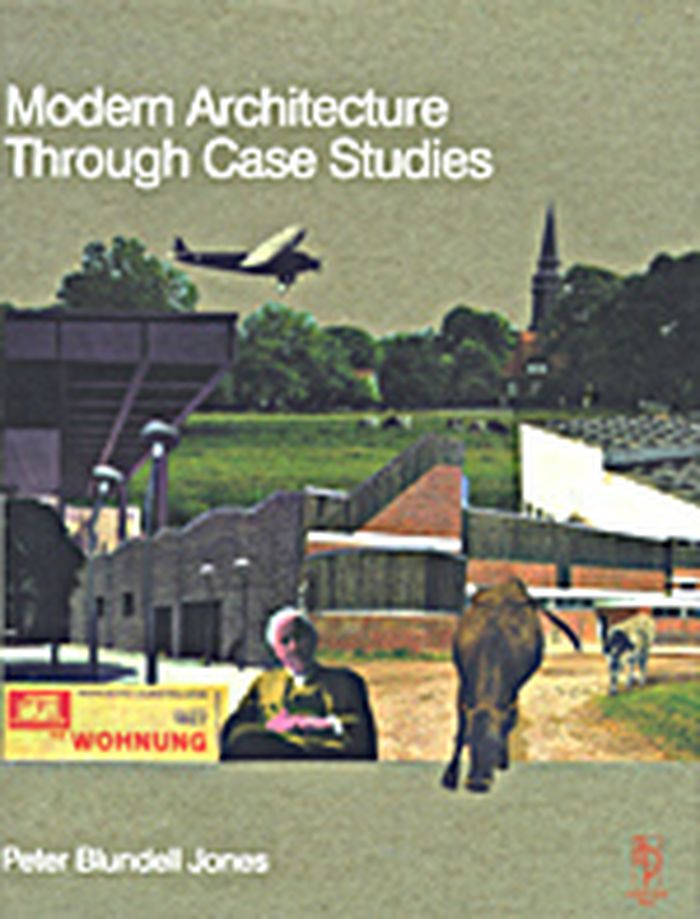
Peter Blundell Jones details the inadequacy of the first histories of the Modern Movement by revealing the existence of suppressed alternative traditions within the movement and shows their great diversity through the use of case studies. Each case is analysed in detail then used as a springboard to explore different theoretical approaches.
Modern architecture through case studies
Actions:
Prix:
$80.00
(disponible en magasin)
Résumé:
Peter Blundell Jones details the inadequacy of the first histories of the Modern Movement by revealing the existence of suppressed alternative traditions within the movement and shows their great diversity through the use of case studies. Each case is analysed in detail then used as a springboard to explore different theoretical approaches.
Classification:
livres
livres
Publication:
septembre 2002, Oxford
septembre 2002, Oxford
Sujet:
Modernisme
Modernisme
Classification:
livres
livres
Actions:
Prix:
$95.95
(disponible sur commande)
Résumé:
"Central European Avant-Gardes" presents the first interpretive overview of the complex webs of interaction among the artists and intellectuals of early twentieth-century Central Europe. The key stylistic transformation of the period was from Expressionism to Constructivism, as artists and writers, against a volatile background of war and revolution, saw the opportunity(...)
$95.95
(disponible sur commande)
Résumé:
"Central European Avant-Gardes" presents the first interpretive overview of the complex webs of interaction among the artists and intellectuals of early twentieth-century Central Europe. The key stylistic transformation of the period was from Expressionism to Constructivism, as artists and writers, against a volatile background of war and revolution, saw the opportunity(...)
Titre:
Central European avant-gardes : exchange and transformation, 1910-1930
Actions:
Prix:
$95.95
(disponible sur commande)
Résumé:
"Central European Avant-Gardes" presents the first interpretive overview of the complex webs of interaction among the artists and intellectuals of early twentieth-century Central Europe. The key stylistic transformation of the period was from Expressionism to Constructivism, as artists and writers, against a volatile background of war and revolution, saw the opportunity literally to construct a new world through their work. The borders between the visual arts, photography, film, architecture, poetry, and typography were obliterated, as artists sought to transcend the forces of traditionalism to forge an elemental visual language that would overcome national and linguistic boundaries. Yet at the same time that these artists advocated pluralism and unity, their work engaged issues such as nationalism and tradition that still resonate in artistic circles today. The book, which accompanies a major exhibition organized by the Los Angeles County Museum of Art and curated by Timothy Benson, assisted by Monika Krol, is arranged around events and situations rather than by linear, art historical categories. It features hundreds of color plates and reproductions of documents; discussions of movements from Artificialism to Zenitism; essays on figures, publications, and exhibitions; and shorter "city views" of Belgrade, Berlin, Bucharest, Budapest, Cracow, Dessau, Ljubljana, £ódz, Poznañ, Prague, Vienna, Warsaw, Weimar, and Zagreb.
Central European avant-gardes : exchange and transformation, 1910-1930
Actions:
Prix:
$95.95
(disponible sur commande)
Résumé:
"Central European Avant-Gardes" presents the first interpretive overview of the complex webs of interaction among the artists and intellectuals of early twentieth-century Central Europe. The key stylistic transformation of the period was from Expressionism to Constructivism, as artists and writers, against a volatile background of war and revolution, saw the opportunity literally to construct a new world through their work. The borders between the visual arts, photography, film, architecture, poetry, and typography were obliterated, as artists sought to transcend the forces of traditionalism to forge an elemental visual language that would overcome national and linguistic boundaries. Yet at the same time that these artists advocated pluralism and unity, their work engaged issues such as nationalism and tradition that still resonate in artistic circles today. The book, which accompanies a major exhibition organized by the Los Angeles County Museum of Art and curated by Timothy Benson, assisted by Monika Krol, is arranged around events and situations rather than by linear, art historical categories. It features hundreds of color plates and reproductions of documents; discussions of movements from Artificialism to Zenitism; essays on figures, publications, and exhibitions; and shorter "city views" of Belgrade, Berlin, Bucharest, Budapest, Cracow, Dessau, Ljubljana, £ódz, Poznañ, Prague, Vienna, Warsaw, Weimar, and Zagreb.
Classification:
livres
livres
Publication:
mai 2002, Cambridge, Mass.
mai 2002, Cambridge, Mass.
Sujet:
Modernisme
Modernisme
Classification:
livres
livres
Prix:
$49.95
(disponible sur commande)
Résumé:
Publié en 1930 à Moscou, et inédit en français, "Sotsgorod" est longtemps resté un livre mythique. Ce manifeste utopique russe récuse les modèles des villes traditionnelles pour développer l'hypothèse de la ville linéaire avancée par l'Espagnol Arturo Soria y Mata peu avant 1900 et les solutions pratiques des agglomérations industrielles d'Henry Ford. Le principe(...)
$49.95
(disponible sur commande)
Résumé:
Publié en 1930 à Moscou, et inédit en français, "Sotsgorod" est longtemps resté un livre mythique. Ce manifeste utopique russe récuse les modèles des villes traditionnelles pour développer l'hypothèse de la ville linéaire avancée par l'Espagnol Arturo Soria y Mata peu avant 1900 et les solutions pratiques des agglomérations industrielles d'Henry Ford. Le principe(...)
Titre:
Sotsgorod : le problème de la construction des villes socialistes
Actions:
Prix:
$49.95
(disponible sur commande)
Résumé:
Publié en 1930 à Moscou, et inédit en français, "Sotsgorod" est longtemps resté un livre mythique. Ce manifeste utopique russe récuse les modèles des villes traditionnelles pour développer l'hypothèse de la ville linéaire avancée par l'Espagnol Arturo Soria y Mata peu avant 1900 et les solutions pratiques des agglomérations industrielles d'Henry Ford. Le principe théorique élaboré par Milioutine, dans le cadre d'un intense débat sur la structure des villes soviétiques, est appliqué à des plans pour Nijni Novgorod, Stalingrad et Magnitogorsk, accompagné par les propositions architecturales dans l'esprit de l'avant-garde russe. Les propositions radicales de "Sotsgorod" auront un impact considérable sur la réflexion des architectes modernes allemands et conduiront Le COrbusier à imaginer sa «cité linéaire industrielle». Le format original longitudinal et la mise en pages constructiviste de l'édition originale sont rigoureusement reproduits. Présenté par Jean-Louis Cohen. Traduit du russe par Elisabeth Essaïan.
Sotsgorod : le problème de la construction des villes socialistes
Actions:
Prix:
$49.95
(disponible sur commande)
Résumé:
Publié en 1930 à Moscou, et inédit en français, "Sotsgorod" est longtemps resté un livre mythique. Ce manifeste utopique russe récuse les modèles des villes traditionnelles pour développer l'hypothèse de la ville linéaire avancée par l'Espagnol Arturo Soria y Mata peu avant 1900 et les solutions pratiques des agglomérations industrielles d'Henry Ford. Le principe théorique élaboré par Milioutine, dans le cadre d'un intense débat sur la structure des villes soviétiques, est appliqué à des plans pour Nijni Novgorod, Stalingrad et Magnitogorsk, accompagné par les propositions architecturales dans l'esprit de l'avant-garde russe. Les propositions radicales de "Sotsgorod" auront un impact considérable sur la réflexion des architectes modernes allemands et conduiront Le COrbusier à imaginer sa «cité linéaire industrielle». Le format original longitudinal et la mise en pages constructiviste de l'édition originale sont rigoureusement reproduits. Présenté par Jean-Louis Cohen. Traduit du russe par Elisabeth Essaïan.
Classification:
livres
livres
Publication:
mai 2002, Besançon
mai 2002, Besançon
Sujet:
Modernisme
Modernisme
Classification:
livres
livres
Actions:
Prix:
$56.95
(disponible en magasin)
Résumé:
From 1958 to 1964 Structure was a major platform for artists reconsidering the design tenets and underlying principles of the Bauhaus, Constructivism and De Stijl. In this journal familiar and less familiar artists, amongst whom Joost Baljeu, Charles Biederman, Max Bill, Eli Bornstein, Ad Dekkers, John Ernest, Karl Gerstner, Stephen Gilbert, Jean Gorin, Anthony Hill,(...)
$56.95
(disponible en magasin)
Résumé:
From 1958 to 1964 Structure was a major platform for artists reconsidering the design tenets and underlying principles of the Bauhaus, Constructivism and De Stijl. In this journal familiar and less familiar artists, amongst whom Joost Baljeu, Charles Biederman, Max Bill, Eli Bornstein, Ad Dekkers, John Ernest, Karl Gerstner, Stephen Gilbert, Jean Gorin, Anthony Hill,(...)
Titre:
De Stijl continued : the journal Structure (1958-1964) : an artist's debate
Actions:
Prix:
$56.95
(disponible en magasin)
Résumé:
From 1958 to 1964 Structure was a major platform for artists reconsidering the design tenets and underlying principles of the Bauhaus, Constructivism and De Stijl. In this journal familiar and less familiar artists, amongst whom Joost Baljeu, Charles Biederman, Max Bill, Eli Bornstein, Ad Dekkers, John Ernest, Karl Gerstner, Stephen Gilbert, Jean Gorin, Anthony Hill, Richard Paul Lohse, Kenneth and Mary Martin, Georges Vantongerloo and Carel Visser, addressed such issues as whether art should once again proceed from nature; how artists should collaborate with architects; how art should relate to science and philosophy today; and what materials and techniques were to be used. De Stijl continued explores their body of ideas in meticulous detail.
De Stijl continued : the journal Structure (1958-1964) : an artist's debate
Actions:
Prix:
$56.95
(disponible en magasin)
Résumé:
From 1958 to 1964 Structure was a major platform for artists reconsidering the design tenets and underlying principles of the Bauhaus, Constructivism and De Stijl. In this journal familiar and less familiar artists, amongst whom Joost Baljeu, Charles Biederman, Max Bill, Eli Bornstein, Ad Dekkers, John Ernest, Karl Gerstner, Stephen Gilbert, Jean Gorin, Anthony Hill, Richard Paul Lohse, Kenneth and Mary Martin, Georges Vantongerloo and Carel Visser, addressed such issues as whether art should once again proceed from nature; how artists should collaborate with architects; how art should relate to science and philosophy today; and what materials and techniques were to be used. De Stijl continued explores their body of ideas in meticulous detail.
Classification:
livres
livres
Publication:
octobre 2005, Rotterdam
octobre 2005, Rotterdam
Sujet:
Modernisme
Modernisme


