


265 Résultats
Classification:
livres
livres
Titre:
The curator's handbook
The curator's handbook
Actions:
Prix:
$34.95
(disponible sur commande)
Résumé:
The Curators Handbook is the practical handbook for curators and curatorial students, mapping out every stage of the exhibition-making process from initial idea to final installation. In his introduction, Adrian George traces the history of curating back to its origins in the 17th century and outlines the multifarious roles of the curator today, including as custodian,(...)
$34.95
(disponible sur commande)
Résumé:
The Curators Handbook is the practical handbook for curators and curatorial students, mapping out every stage of the exhibition-making process from initial idea to final installation. In his introduction, Adrian George traces the history of curating back to its origins in the 17th century and outlines the multifarious roles of the curator today, including as custodian,(...)
Titre:
The curator's handbook
Actions:
Prix:
$34.95
(disponible sur commande)
Résumé:
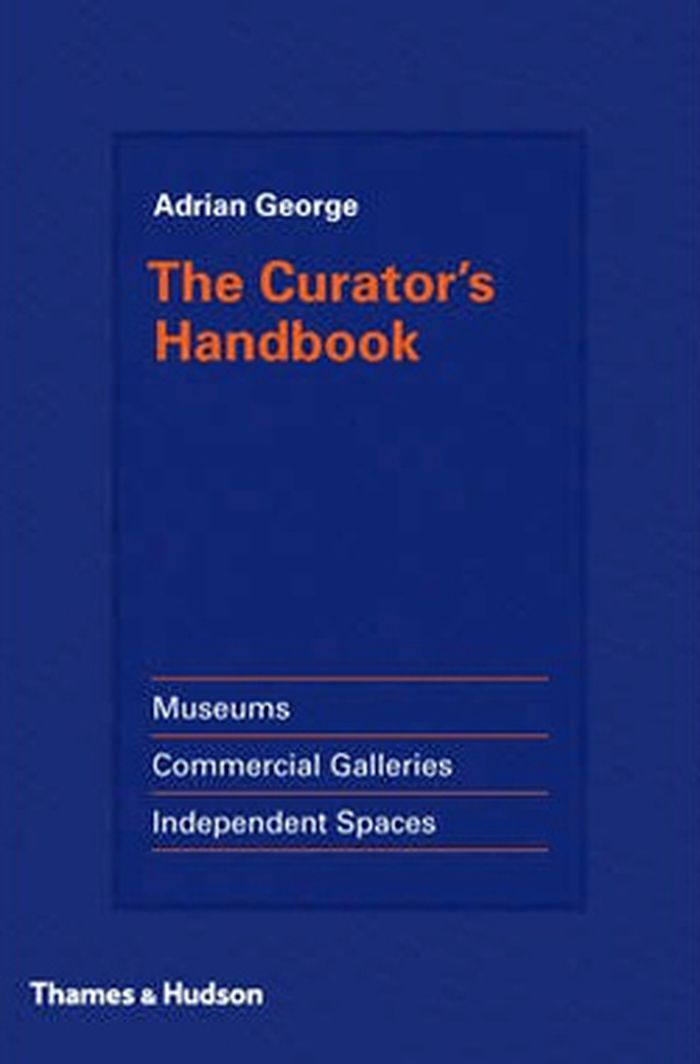
The Curators Handbook is the practical handbook for curators and curatorial students, mapping out every stage of the exhibition-making process from initial idea to final installation. In his introduction, Adrian George traces the history of curating back to its origins in the 17th century and outlines the multifarious roles of the curator today, including as custodian, interpreter, educator, facilitator and organizer. Twelve chapters then chart the various stages of the exhibition process in invaluable detail and clear, informative language from initial concept to writing contracts and loan requests, putting together budgets and schedules, producing exhibition catalogues and interpretation materials, designing gallery spaces, working with artists, lenders and art handlers, organizing private views, and documenting and evaluating a show.
The curator's handbook
Actions:
Prix:
$34.95
(disponible sur commande)
Résumé:
The Curators Handbook is the practical handbook for curators and curatorial students, mapping out every stage of the exhibition-making process from initial idea to final installation. In his introduction, Adrian George traces the history of curating back to its origins in the 17th century and outlines the multifarious roles of the curator today, including as custodian, interpreter, educator, facilitator and organizer. Twelve chapters then chart the various stages of the exhibition process in invaluable detail and clear, informative language from initial concept to writing contracts and loan requests, putting together budgets and schedules, producing exhibition catalogues and interpretation materials, designing gallery spaces, working with artists, lenders and art handlers, organizing private views, and documenting and evaluating a show.
Classification:
livres
livres
Publication:
août 2015
août 2015
Sujet:
Muséologie
Muséologie
Classification:
livres
livres
Titre:
Public collectors
Public collectors
Actions:
Prix:
$35.95
(disponible sur commande)
Résumé:
The Public Collectors project, operated by Marc Fischer since 2007, encourages collectors of material culture — the kind that most museums won’t collect or exhibit — to “open” their collections to the public. Fischer’s perspective is intrinsically linked to his participation in underground punk and metal scenes in the 1980s, a sensibility that also inflects his practice(...)
$35.95
(disponible sur commande)
Résumé:
The Public Collectors project, operated by Marc Fischer since 2007, encourages collectors of material culture — the kind that most museums won’t collect or exhibit — to “open” their collections to the public. Fischer’s perspective is intrinsically linked to his participation in underground punk and metal scenes in the 1980s, a sensibility that also inflects his practice(...)
Titre:
Public collectors
Actions:
Prix:
$35.95
(disponible sur commande)
Résumé:
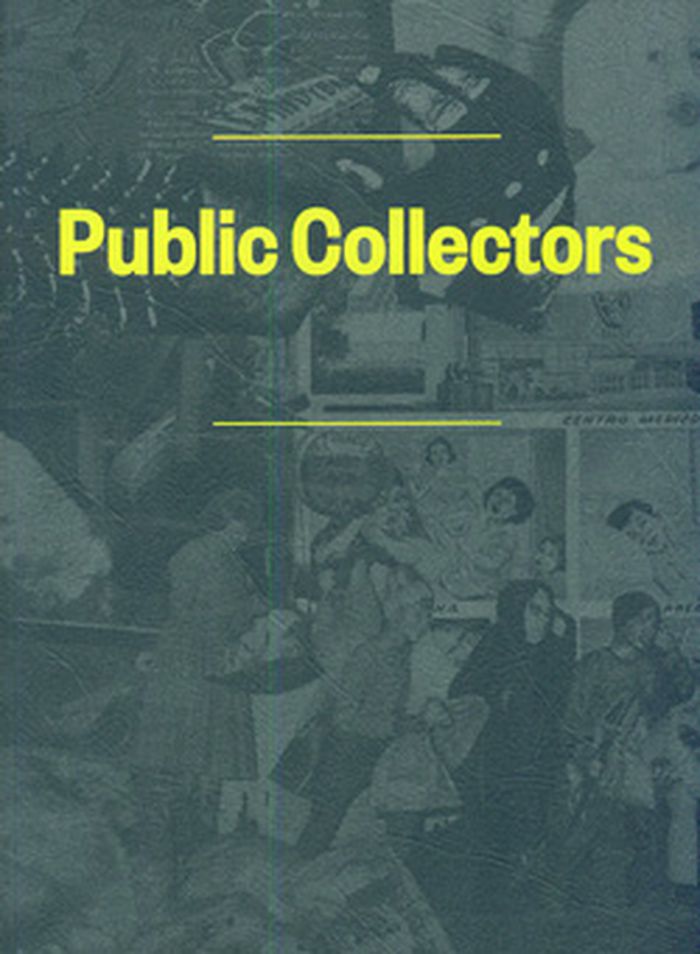
The Public Collectors project, operated by Marc Fischer since 2007, encourages collectors of material culture — the kind that most museums won’t collect or exhibit — to “open” their collections to the public. Fischer’s perspective is intrinsically linked to his participation in underground punk and metal scenes in the 1980s, a sensibility that also inflects his practice as one-third of the celebrated artist collective Temporary Services. This collection meanders from paper ephemera to photography — including a visual tour of Chicago’s famed Swap-O-Rama. The contents also include adult Mexican comic books and postcards from outsider artist John Rininger. This publication is paired with documentation of the artist’s contribution to the 2014 Whitney Biennial plus an interview with punk ephemera collector Stephen Perkins, exploring the politics of collecting materials with little or no conventional cultural value.
Public collectors
Actions:
Prix:
$35.95
(disponible sur commande)
Résumé:
The Public Collectors project, operated by Marc Fischer since 2007, encourages collectors of material culture — the kind that most museums won’t collect or exhibit — to “open” their collections to the public. Fischer’s perspective is intrinsically linked to his participation in underground punk and metal scenes in the 1980s, a sensibility that also inflects his practice as one-third of the celebrated artist collective Temporary Services. This collection meanders from paper ephemera to photography — including a visual tour of Chicago’s famed Swap-O-Rama. The contents also include adult Mexican comic books and postcards from outsider artist John Rininger. This publication is paired with documentation of the artist’s contribution to the 2014 Whitney Biennial plus an interview with punk ephemera collector Stephen Perkins, exploring the politics of collecting materials with little or no conventional cultural value.
Classification:
livres
livres
Publication:
janvier 2015
janvier 2015
Sujet:
Muséologie
Muséologie
Classification:
livres
livres
Actions:
Prix:
$25.00
(disponible sur commande)
Résumé:
Since the publication of Thinking Contemporary Curating in 2012, art historian Terry Smith has continued his travels through the globalizing art world, talking to curators. The dozen searching conversations in this book--with Carolyn Christov-Bakargiev, Claire Bishop, Zdenka Badovinac, Mami Kataoka, Mari Carmen Ramírez, Okwui Enwezor, Germano Celant, Jens Hoffmann, Hans(...)
$25.00
(disponible sur commande)
Résumé:
Since the publication of Thinking Contemporary Curating in 2012, art historian Terry Smith has continued his travels through the globalizing art world, talking to curators. The dozen searching conversations in this book--with Carolyn Christov-Bakargiev, Claire Bishop, Zdenka Badovinac, Mami Kataoka, Mari Carmen Ramírez, Okwui Enwezor, Germano Celant, Jens Hoffmann, Hans(...)
Titre:
Talking contemporary curating
Actions:
Prix:
$25.00
(disponible sur commande)
Résumé:
Since the publication of Thinking Contemporary Curating in 2012, art historian Terry Smith has continued his travels through the globalizing art world, talking to curators. The dozen searching conversations in this book--with Carolyn Christov-Bakargiev, Claire Bishop, Zdenka Badovinac, Mami Kataoka, Mari Carmen Ramírez, Okwui Enwezor, Germano Celant, Jens Hoffmann, Hans Ulrich Obrist, Maria Lind, Zoe Butt and Boris Groys--provide a vivid sense of contemporary curatorial thought at work. They show curators deeply immersed in thinking about the exigencies of practice, the contexts of exhibition-making, the platforms through which art may be made public, and about what their work can contribute toward understanding what it means to be alive today.
Talking contemporary curating
Actions:
Prix:
$25.00
(disponible sur commande)
Résumé:
Since the publication of Thinking Contemporary Curating in 2012, art historian Terry Smith has continued his travels through the globalizing art world, talking to curators. The dozen searching conversations in this book--with Carolyn Christov-Bakargiev, Claire Bishop, Zdenka Badovinac, Mami Kataoka, Mari Carmen Ramírez, Okwui Enwezor, Germano Celant, Jens Hoffmann, Hans Ulrich Obrist, Maria Lind, Zoe Butt and Boris Groys--provide a vivid sense of contemporary curatorial thought at work. They show curators deeply immersed in thinking about the exigencies of practice, the contexts of exhibition-making, the platforms through which art may be made public, and about what their work can contribute toward understanding what it means to be alive today.
Classification:
livres
livres
Publication:
octobre 2015
octobre 2015
Sujet:
Muséologie
Muséologie
Classification:
livres
livres
Actions:
Prix:
$48.95
(disponible en magasin)
Résumé:
Avant-Garde Museology presents essays documenting the wildly encompassing progressivism of late nineteenth and early twentieth-century Russia.
$48.95
(disponible en magasin)
Résumé:
Avant-Garde Museology presents essays documenting the wildly encompassing progressivism of late nineteenth and early twentieth-century Russia.
Titre:
Avant-garde museology. E-Flux classics
Actions:
Prix:
$48.95
(disponible en magasin)
Résumé:
Avant-Garde Museology presents essays documenting the wildly encompassing progressivism of late nineteenth and early twentieth-century Russia.
Avant-garde museology. E-Flux classics
Actions:
Prix:
$48.95
(disponible en magasin)
Résumé:
Avant-Garde Museology presents essays documenting the wildly encompassing progressivism of late nineteenth and early twentieth-century Russia.
Classification:
livres
livres
Publication:
septembre 2015
septembre 2015
Sujet:
Muséologie
Muséologie
Classification:
livres
livres
Actions:
Prix:
$44.95
(disponible sur commande)
Résumé:
“Soft power” emerged as a concept in the late twentieth century to describe international relations based not on military or economic strength, but on influence. While the resources of “hard power” are tangible—force and finance—soft power resources include ideas, knowledge, values, and culture, as well as the ability to persuade. This volume discusses soft power from the(...)
$44.95
(disponible sur commande)
Résumé:
“Soft power” emerged as a concept in the late twentieth century to describe international relations based not on military or economic strength, but on influence. While the resources of “hard power” are tangible—force and finance—soft power resources include ideas, knowledge, values, and culture, as well as the ability to persuade. This volume discusses soft power from the(...)
Titre:
Cities, museums and soft power
Actions:
Prix:
$44.95
(disponible sur commande)
Résumé:
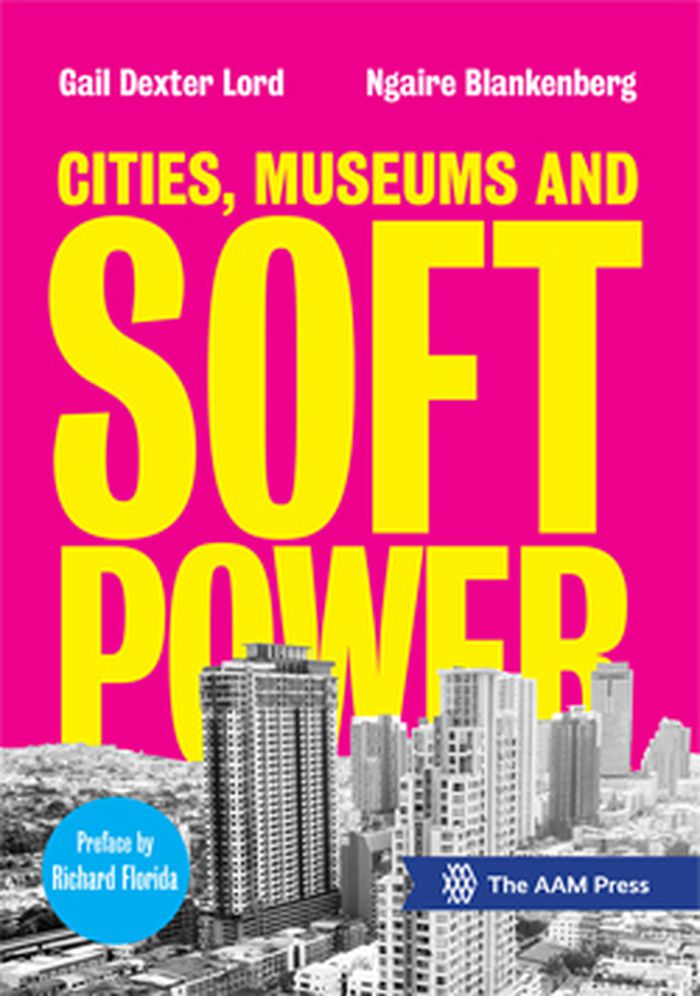
“Soft power” emerged as a concept in the late twentieth century to describe international relations based not on military or economic strength, but on influence. While the resources of “hard power” are tangible—force and finance—soft power resources include ideas, knowledge, values, and culture, as well as the ability to persuade. This volume discusses soft power from the vantage point of museums and demonstrates how they are quietly changing the world. With contributions by thirteen experts from ten countries, Cities, Museums and Soft Power reveals the world’s 80,000 museums to be sleeping giants. Two major characteristics of soft power—the rise of cities and the role of civil society—are pushing museums from the margins toward the center as these institutions serve as education hubs, employers, magnets for creative industries, and engines of economic development. Meanwhile, the growth of technological networks and connectivity has enabled this soft power to spread even farther and deeper across the Internet and groups of people. Whether cozy and local or internationally renowned, museums possess a cultural strength that extends far beyond their walls.
Cities, museums and soft power
Actions:
Prix:
$44.95
(disponible sur commande)
Résumé:
“Soft power” emerged as a concept in the late twentieth century to describe international relations based not on military or economic strength, but on influence. While the resources of “hard power” are tangible—force and finance—soft power resources include ideas, knowledge, values, and culture, as well as the ability to persuade. This volume discusses soft power from the vantage point of museums and demonstrates how they are quietly changing the world. With contributions by thirteen experts from ten countries, Cities, Museums and Soft Power reveals the world’s 80,000 museums to be sleeping giants. Two major characteristics of soft power—the rise of cities and the role of civil society—are pushing museums from the margins toward the center as these institutions serve as education hubs, employers, magnets for creative industries, and engines of economic development. Meanwhile, the growth of technological networks and connectivity has enabled this soft power to spread even farther and deeper across the Internet and groups of people. Whether cozy and local or internationally renowned, museums possess a cultural strength that extends far beyond their walls.
Classification:
livres
livres
Publication:
août 2015
août 2015
Sujet:
Muséologie
Muséologie
Classification:
livres
livres
Titre:
The artist as curator
The artist as curator
Actions:
Prix:
$60.95
(disponible sur commande)
Résumé:
In recent years, the museum and gallery have increasingly become self-reflexive spaces, in which the relationship between art, its display, its creators, and its audience is subverted and democratized. One effect of this has been a growing place for artists as curators, and in The Artist as Curator Celina Jeffery brings together a group of scholars and artists to explore(...)
$60.95
(disponible sur commande)
Résumé:
In recent years, the museum and gallery have increasingly become self-reflexive spaces, in which the relationship between art, its display, its creators, and its audience is subverted and democratized. One effect of this has been a growing place for artists as curators, and in The Artist as Curator Celina Jeffery brings together a group of scholars and artists to explore(...)
Titre:
The artist as curator
Actions:
Prix:
$60.95
(disponible sur commande)
Résumé:
In recent years, the museum and gallery have increasingly become self-reflexive spaces, in which the relationship between art, its display, its creators, and its audience is subverted and democratized. One effect of this has been a growing place for artists as curators, and in The Artist as Curator Celina Jeffery brings together a group of scholars and artists to explore the many ways that artists have introduced new curatorial ways of thinking and talking about artistic culture.
The artist as curator
Actions:
Prix:
$60.95
(disponible sur commande)
Résumé:
In recent years, the museum and gallery have increasingly become self-reflexive spaces, in which the relationship between art, its display, its creators, and its audience is subverted and democratized. One effect of this has been a growing place for artists as curators, and in The Artist as Curator Celina Jeffery brings together a group of scholars and artists to explore the many ways that artists have introduced new curatorial ways of thinking and talking about artistic culture.
Classification:
livres
livres
Publication:
octobre 2015
octobre 2015
Sujet:
Muséologie
Muséologie
Classification:
livres
livres
Actions:
Prix:
$40.00
(disponible sur commande)
Résumé:
Curators of architecture exhibitions are often concerned with the problem of how to present objects that ultimately cannot be brought into the exhibition space. Such shows are often difficult for lay audiences to interpret little focus is placed on communication. However, there are also architecture exhibits that concentrate on communicating an experience, making it(...)
$40.00
(disponible sur commande)
Résumé:
Curators of architecture exhibitions are often concerned with the problem of how to present objects that ultimately cannot be brought into the exhibition space. Such shows are often difficult for lay audiences to interpret little focus is placed on communication. However, there are also architecture exhibits that concentrate on communicating an experience, making it(...)
Titre:
Displayed spaces: new means of architecture presentation through exhibitions
Actions:
Prix:
$40.00
(disponible sur commande)
Résumé:
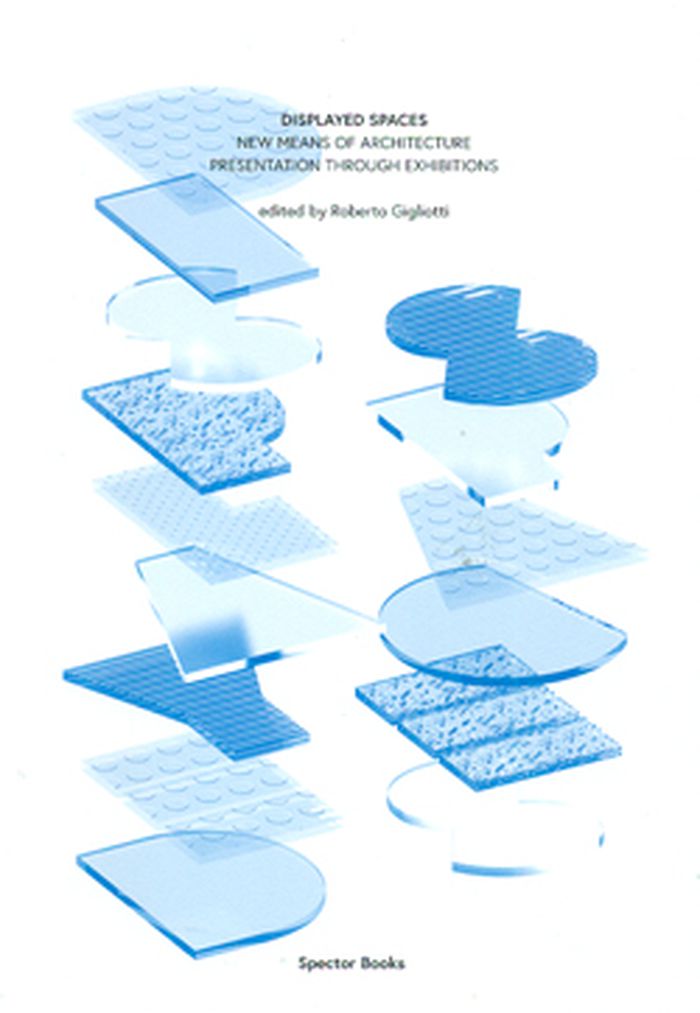
Curators of architecture exhibitions are often concerned with the problem of how to present objects that ultimately cannot be brought into the exhibition space. Such shows are often difficult for lay audiences to interpret little focus is placed on communication. However, there are also architecture exhibits that concentrate on communicating an experience, making it possible to build an intense relationship between the audience and the content on display. The result of a research project organized in 2013 by the faculty of Design and Art of the Free University of Bozen Bolzano, Displayed Spaces focuses on the question of how spaces might communicate architectural ideas in a redevelopment project and its accompanying exhibition proposed for the city of Bolzano, Italy.
Displayed spaces: new means of architecture presentation through exhibitions
Actions:
Prix:
$40.00
(disponible sur commande)
Résumé:
Curators of architecture exhibitions are often concerned with the problem of how to present objects that ultimately cannot be brought into the exhibition space. Such shows are often difficult for lay audiences to interpret little focus is placed on communication. However, there are also architecture exhibits that concentrate on communicating an experience, making it possible to build an intense relationship between the audience and the content on display. The result of a research project organized in 2013 by the faculty of Design and Art of the Free University of Bozen Bolzano, Displayed Spaces focuses on the question of how spaces might communicate architectural ideas in a redevelopment project and its accompanying exhibition proposed for the city of Bolzano, Italy.
Classification:
livres
livres
Publication:
janvier 2015
janvier 2015
Sujet:
Muséologie
Muséologie
Classification:
livres
livres
Titre:
Exhibition design
Exhibition design
Actions:
Prix:
$69.00
(disponible sur commande)
Résumé:
Good exhibition design involves more than the presentation of art, objects and ideas, and also more than the mere transmission of information: A successful and compelling concept must tell a story and contribute to a deeper understanding. It must not only allow but initiate and inspire communication and interaction between the exhibit and the observer. The(...)
$69.00
(disponible sur commande)
Résumé:
Good exhibition design involves more than the presentation of art, objects and ideas, and also more than the mere transmission of information: A successful and compelling concept must tell a story and contribute to a deeper understanding. It must not only allow but initiate and inspire communication and interaction between the exhibit and the observer. The(...)
Titre:
Exhibition design
Actions:
Prix:
$69.00
(disponible sur commande)
Résumé:
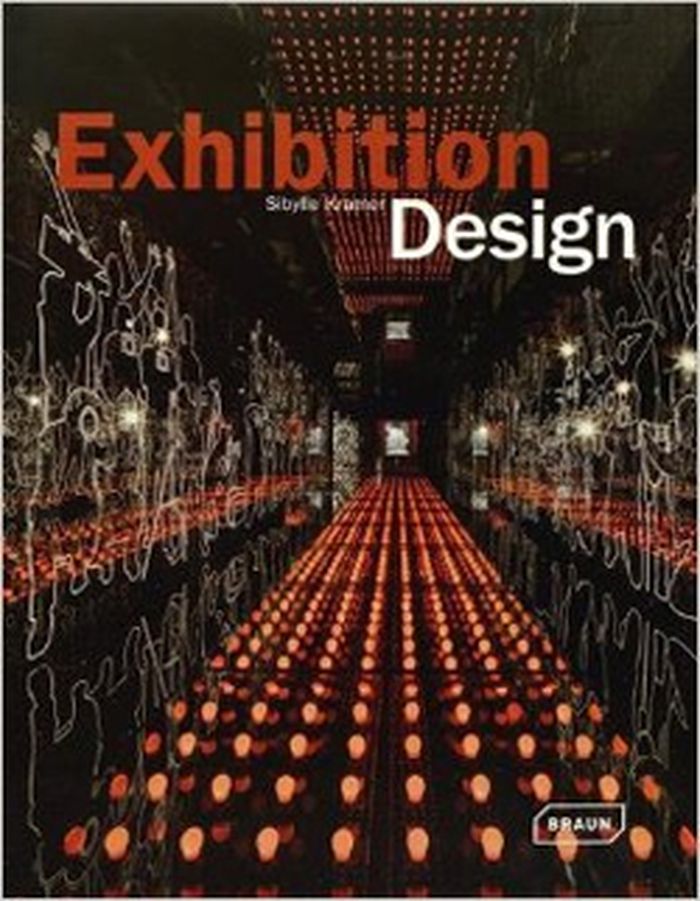
Good exhibition design involves more than the presentation of art, objects and ideas, and also more than the mere transmission of information: A successful and compelling concept must tell a story and contribute to a deeper understanding. It must not only allow but initiate and inspire communication and interaction between the exhibit and the observer. The interdisciplinary fusion of architecture, design, digital media, and scenography enables almost unlimited creativity. The permanent and temporary projects presented in this volume include museums, art exhibitions, and installations as well as the presentation of products at fair booths and showrooms. All concepts behind the projects are distinguished by creative design ideas and their elaboration.
Exhibition design
Actions:
Prix:
$69.00
(disponible sur commande)
Résumé:
Good exhibition design involves more than the presentation of art, objects and ideas, and also more than the mere transmission of information: A successful and compelling concept must tell a story and contribute to a deeper understanding. It must not only allow but initiate and inspire communication and interaction between the exhibit and the observer. The interdisciplinary fusion of architecture, design, digital media, and scenography enables almost unlimited creativity. The permanent and temporary projects presented in this volume include museums, art exhibitions, and installations as well as the presentation of products at fair booths and showrooms. All concepts behind the projects are distinguished by creative design ideas and their elaboration.
Classification:
livres
livres
Publication:
juillet 2014
juillet 2014
Sujet:
Muséologie
Muséologie
Classification:
livres
livres
Actions:
Prix:
$37.95
(disponible sur commande)
Résumé:
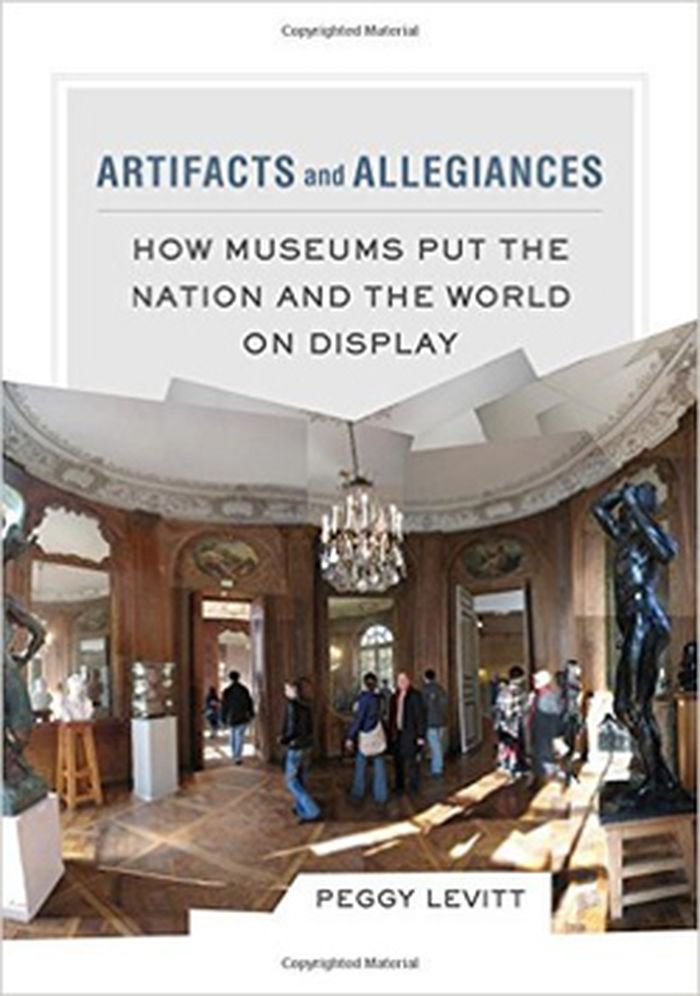
What can we learn about nationalism by looking at a country’s cultural institutions? How do the history and culture of particular cities help explain how museums represent diversity? Artifacts and Allegiances takes us around the world to tell the compelling story of how museums today are making sense of immigration and globalization. Based on firsthand conversations with(...)
$37.95
(disponible sur commande)
Résumé:
What can we learn about nationalism by looking at a country’s cultural institutions? How do the history and culture of particular cities help explain how museums represent diversity? Artifacts and Allegiances takes us around the world to tell the compelling story of how museums today are making sense of immigration and globalization. Based on firsthand conversations with(...)
Titre:
Artifacts and allegiances: how museums put the nation and the world on display
Actions:
Prix:
$37.95
(disponible sur commande)
Résumé:
What can we learn about nationalism by looking at a country’s cultural institutions? How do the history and culture of particular cities help explain how museums represent diversity? Artifacts and Allegiances takes us around the world to tell the compelling story of how museums today are making sense of immigration and globalization. Based on firsthand conversations with museum directors, curators, and policymakers; descriptions of current and future exhibitions; and inside stories about the famous paintings and iconic objects that define collections across the globe, this work provides a close-up view of how different kinds of institutions balance nationalism and cosmopolitanism. By comparing museums in Europe, the United States, Asia, and the Middle East, Peggy Levitt offers a fresh perspective on the role of the museum in shaping citizens. Taken together, these accounts tell the fascinating story of a sea change underway in the museum world at large.
Artifacts and allegiances: how museums put the nation and the world on display
Actions:
Prix:
$37.95
(disponible sur commande)
Résumé:
What can we learn about nationalism by looking at a country’s cultural institutions? How do the history and culture of particular cities help explain how museums represent diversity? Artifacts and Allegiances takes us around the world to tell the compelling story of how museums today are making sense of immigration and globalization. Based on firsthand conversations with museum directors, curators, and policymakers; descriptions of current and future exhibitions; and inside stories about the famous paintings and iconic objects that define collections across the globe, this work provides a close-up view of how different kinds of institutions balance nationalism and cosmopolitanism. By comparing museums in Europe, the United States, Asia, and the Middle East, Peggy Levitt offers a fresh perspective on the role of the museum in shaping citizens. Taken together, these accounts tell the fascinating story of a sea change underway in the museum world at large.
Classification:
livres
livres
Publication:
juillet 2015
juillet 2015
Sujet:
Muséologie
Muséologie
Classification:
livres
livres
Titre:
Theater of exhibitions
Theater of exhibitions
Actions:
Prix:
$32.00
(disponible sur commande)
Résumé:
Curator Jens Hoffman's Theater of Exhibitions considers the plight of art after the end of art and asks whether inherited frameworks of making, theorizing and exhibiting art still apply to contemporary practice. Are exhibitions still an appropriate form of assembly and embodied ritual in our 21st-century global society?
$32.00
(disponible sur commande)
Résumé:
Curator Jens Hoffman's Theater of Exhibitions considers the plight of art after the end of art and asks whether inherited frameworks of making, theorizing and exhibiting art still apply to contemporary practice. Are exhibitions still an appropriate form of assembly and embodied ritual in our 21st-century global society?
Titre:
Theater of exhibitions
Actions:
Prix:
$32.00
(disponible sur commande)
Résumé:
Curator Jens Hoffman's Theater of Exhibitions considers the plight of art after the end of art and asks whether inherited frameworks of making, theorizing and exhibiting art still apply to contemporary practice. Are exhibitions still an appropriate form of assembly and embodied ritual in our 21st-century global society?
Theater of exhibitions
Actions:
Prix:
$32.00
(disponible sur commande)
Résumé:
Curator Jens Hoffman's Theater of Exhibitions considers the plight of art after the end of art and asks whether inherited frameworks of making, theorizing and exhibiting art still apply to contemporary practice. Are exhibitions still an appropriate form of assembly and embodied ritual in our 21st-century global society?
Classification:
livres
livres
Publication:
octobre 2015
octobre 2015
Sujet:
Muséologie
Muséologie


