


265 Résultats
Classification:
livres
livres
Actions:
Prix:
$44.00
(disponible sur commande)
Résumé:
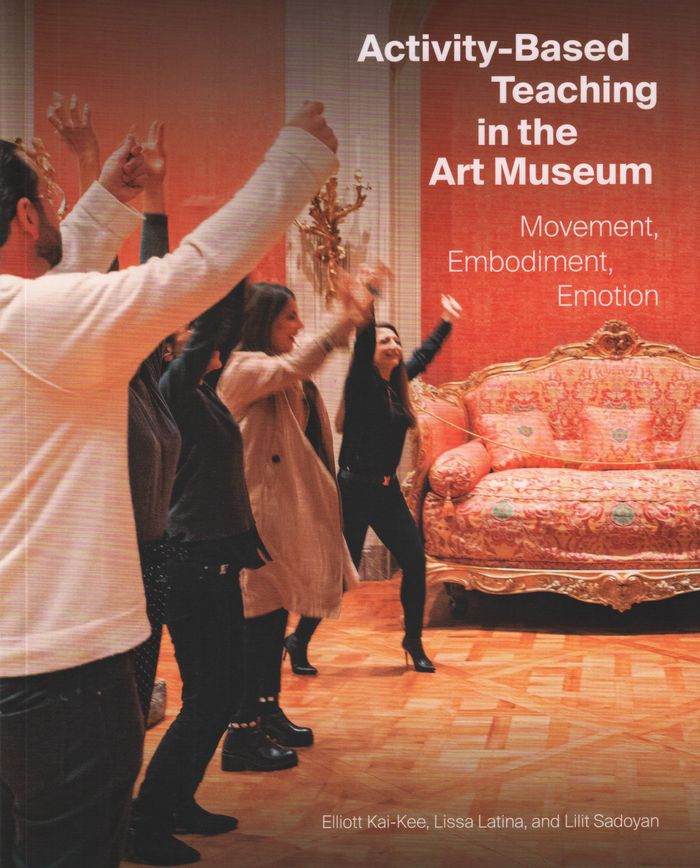
'Activity-Based Teaching in the Art Museum' offers diverse perspectives on embodiment, emotions, empathy, and mindfulness to inspire imaginative, spontaneous interactions that are firmly grounded in history and theory. The authors begin by surveying the emergence of activity-based teaching in the 1960s and 1970s and move on to articulate a theory of play as the(...)
$44.00
(disponible sur commande)
Résumé:
'Activity-Based Teaching in the Art Museum' offers diverse perspectives on embodiment, emotions, empathy, and mindfulness to inspire imaginative, spontaneous interactions that are firmly grounded in history and theory. The authors begin by surveying the emergence of activity-based teaching in the 1960s and 1970s and move on to articulate a theory of play as the(...)
Titre:
Activity-based teaching in the art museum
Actions:
Prix:
$44.00
(disponible sur commande)
Résumé:
'Activity-Based Teaching in the Art Museum' offers diverse perspectives on embodiment, emotions, empathy, and mindfulness to inspire imaginative, spontaneous interactions that are firmly grounded in history and theory. The authors begin by surveying the emergence of activity-based teaching in the 1960s and 1970s and move on to articulate a theory of play as the cornerstone of their methodology.
Activity-based teaching in the art museum
Actions:
Prix:
$44.00
(disponible sur commande)
Résumé:
'Activity-Based Teaching in the Art Museum' offers diverse perspectives on embodiment, emotions, empathy, and mindfulness to inspire imaginative, spontaneous interactions that are firmly grounded in history and theory. The authors begin by surveying the emergence of activity-based teaching in the 1960s and 1970s and move on to articulate a theory of play as the cornerstone of their methodology.
Classification:
livres
livres
Publication:
janvier 2020
janvier 2020
Sujet:
Muséologie
Muséologie
Classification:
livres
livres
Actions:
Prix:
$55.95
(disponible sur commande)
Résumé:
In this volume, an international, interdisciplinary group of writers discuss what it means to be global — or to be local — in the context of artistic, curatorial and theoretical knowledge and practice. Continuing the discussion begun in The Curatorial Conundrum (2016) and How Institutions Think (2017), Curating After the Global considers curating and questions of(...)
$55.95
(disponible sur commande)
Résumé:
In this volume, an international, interdisciplinary group of writers discuss what it means to be global — or to be local — in the context of artistic, curatorial and theoretical knowledge and practice. Continuing the discussion begun in The Curatorial Conundrum (2016) and How Institutions Think (2017), Curating After the Global considers curating and questions of(...)
Titre:
Curating after the global: roadmaps for the present
Actions:
Prix:
$55.95
(disponible sur commande)
Résumé:
In this volume, an international, interdisciplinary group of writers discuss what it means to be global — or to be local — in the context of artistic, curatorial and theoretical knowledge and practice. Continuing the discussion begun in The Curatorial Conundrum (2016) and How Institutions Think (2017), Curating After the Global considers curating and questions of locality, geopolitical change, the reassertion of nation-states, and the violent diminishing of citizen and denizen rights across the globe.
Curating after the global: roadmaps for the present
Actions:
Prix:
$55.95
(disponible sur commande)
Résumé:
In this volume, an international, interdisciplinary group of writers discuss what it means to be global — or to be local — in the context of artistic, curatorial and theoretical knowledge and practice. Continuing the discussion begun in The Curatorial Conundrum (2016) and How Institutions Think (2017), Curating After the Global considers curating and questions of locality, geopolitical change, the reassertion of nation-states, and the violent diminishing of citizen and denizen rights across the globe.
Classification:
livres
livres
Publication:
octobre 2019
octobre 2019
Sujet:
Muséologie
Muséologie
Classification:
livres
livres
Actions:
Prix:
$32.00
(disponible sur commande)
Résumé:
What does it mean to be HUO? What does it mean to be a curator? Is there anything less interesting to me (or you?) than selecting artists for exhibitions? In an era of, let's call it, “boutique” art shows, the issue seems about as relevant as Diet Coke. But if anything, Hans is the Real Thing. Hans is Coca-Cola. In this book you'll find personal, anecdotal remarks on(...)
$32.00
(disponible sur commande)
Résumé:
What does it mean to be HUO? What does it mean to be a curator? Is there anything less interesting to me (or you?) than selecting artists for exhibitions? In an era of, let's call it, “boutique” art shows, the issue seems about as relevant as Diet Coke. But if anything, Hans is the Real Thing. Hans is Coca-Cola. In this book you'll find personal, anecdotal remarks on(...)
Titre:
An exhibition always hides another exhibition: texts on Hans Ulrich Obrist
Actions:
Prix:
$32.00
(disponible sur commande)
Résumé:
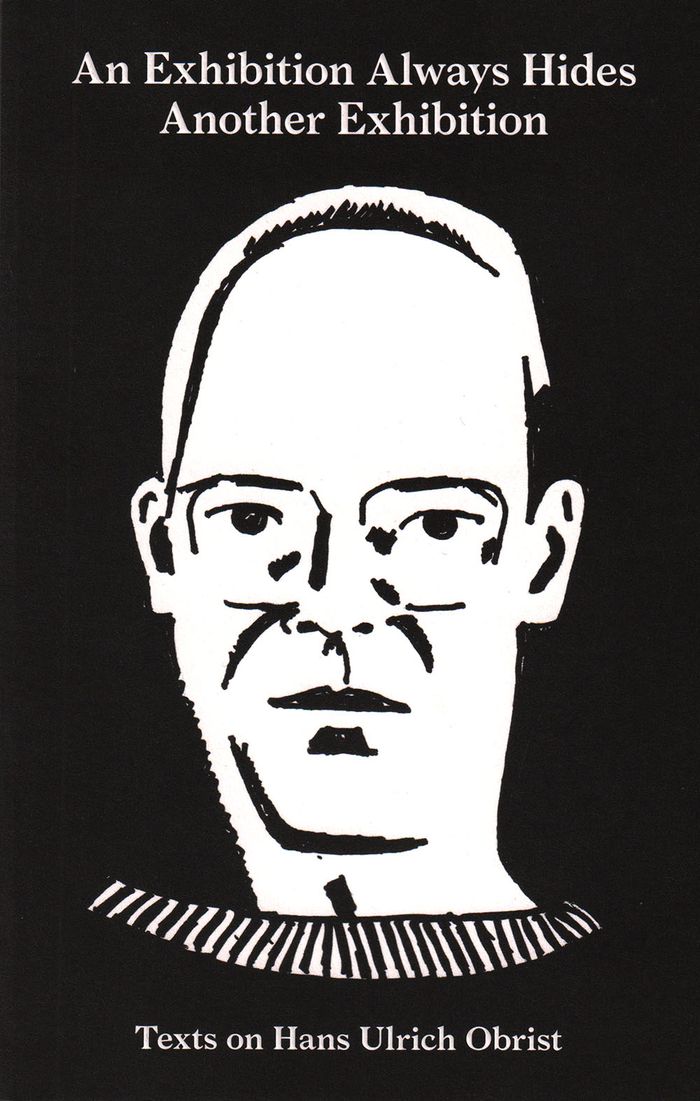
What does it mean to be HUO? What does it mean to be a curator? Is there anything less interesting to me (or you?) than selecting artists for exhibitions? In an era of, let's call it, “boutique” art shows, the issue seems about as relevant as Diet Coke. But if anything, Hans is the Real Thing. Hans is Coca-Cola. In this book you'll find personal, anecdotal remarks on HUO's character, republished texts, and portraits (by artists including Alex Katz) that give context to the questions that frame the book: “Who is HUO?” and “What does HUO do?” More so, “What has he done?” If the art world were to seek out a supreme leader who was benevolent, kind, and fair, HUO would be it.
An exhibition always hides another exhibition: texts on Hans Ulrich Obrist
Actions:
Prix:
$32.00
(disponible sur commande)
Résumé:
What does it mean to be HUO? What does it mean to be a curator? Is there anything less interesting to me (or you?) than selecting artists for exhibitions? In an era of, let's call it, “boutique” art shows, the issue seems about as relevant as Diet Coke. But if anything, Hans is the Real Thing. Hans is Coca-Cola. In this book you'll find personal, anecdotal remarks on HUO's character, republished texts, and portraits (by artists including Alex Katz) that give context to the questions that frame the book: “Who is HUO?” and “What does HUO do?” More so, “What has he done?” If the art world were to seek out a supreme leader who was benevolent, kind, and fair, HUO would be it.
Classification:
livres
livres
Publication:
décembre 2019
décembre 2019
Sujet:
Muséologie
Muséologie
Classification:
livres
livres
Prix:
$46.50
(disponible sur commande)
Résumé:
This volume gathers and expands upon the results of the research project "Theater, Garden, Bestiary: A Materialist History of Exhibitions," held at ECAL/University of Art and Design Lausanne, and proposes a history of exhibitions sourced from a wide corpus reaching beyond the framework of art institutions. It undertakes a transdisciplinary history at the nexus of art(...)
$46.50
(disponible sur commande)
Résumé:
This volume gathers and expands upon the results of the research project "Theater, Garden, Bestiary: A Materialist History of Exhibitions," held at ECAL/University of Art and Design Lausanne, and proposes a history of exhibitions sourced from a wide corpus reaching beyond the framework of art institutions. It undertakes a transdisciplinary history at the nexus of art(...)
Titre:
Theater, garden, bestiary: a materialist history of exhibitions
Actions:
Prix:
$46.50
(disponible sur commande)
Résumé:
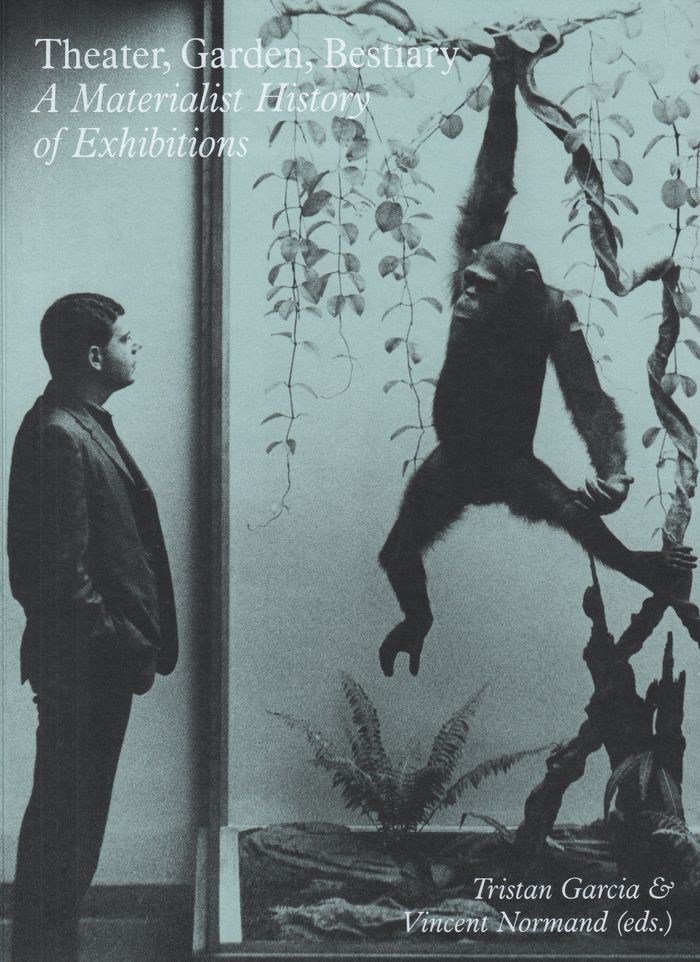
This volume gathers and expands upon the results of the research project "Theater, Garden, Bestiary: A Materialist History of Exhibitions," held at ECAL/University of Art and Design Lausanne, and proposes a history of exhibitions sourced from a wide corpus reaching beyond the framework of art institutions. It undertakes a transdisciplinary history at the nexus of art history, science studies, and philosophy, exploring the role the exhibition played in the construction of the conceptual categories of modernity, and outlines a historiographical model that conceptualizes the exhibition as both an aesthetic and an epistemic site.
Theater, garden, bestiary: a materialist history of exhibitions
Actions:
Prix:
$46.50
(disponible sur commande)
Résumé:
This volume gathers and expands upon the results of the research project "Theater, Garden, Bestiary: A Materialist History of Exhibitions," held at ECAL/University of Art and Design Lausanne, and proposes a history of exhibitions sourced from a wide corpus reaching beyond the framework of art institutions. It undertakes a transdisciplinary history at the nexus of art history, science studies, and philosophy, exploring the role the exhibition played in the construction of the conceptual categories of modernity, and outlines a historiographical model that conceptualizes the exhibition as both an aesthetic and an epistemic site.
Classification:
livres
livres
Publication:
novembre 2019
novembre 2019
Sujet:
Muséologie
Muséologie
Classification:
livres
livres
Titre:
What about activism?
What about activism?
Actions:
Prix:
$35.00
(disponible sur commande)
Résumé:
With the global rise of a politics of shock driven by authoritarian regimes that subvert the rule of law and civil liberties, what paths to resistance, sanctuary, and change can cultural institutions offer? What about activism in curatorial practice? In this book, more than twenty leading curators and thinkers about contemporary art present powerful case studies,(...)
$35.00
(disponible sur commande)
Résumé:
With the global rise of a politics of shock driven by authoritarian regimes that subvert the rule of law and civil liberties, what paths to resistance, sanctuary, and change can cultural institutions offer? What about activism in curatorial practice? In this book, more than twenty leading curators and thinkers about contemporary art present powerful case studies,(...)
Titre:
What about activism?
Actions:
Prix:
$35.00
(disponible sur commande)
Résumé:
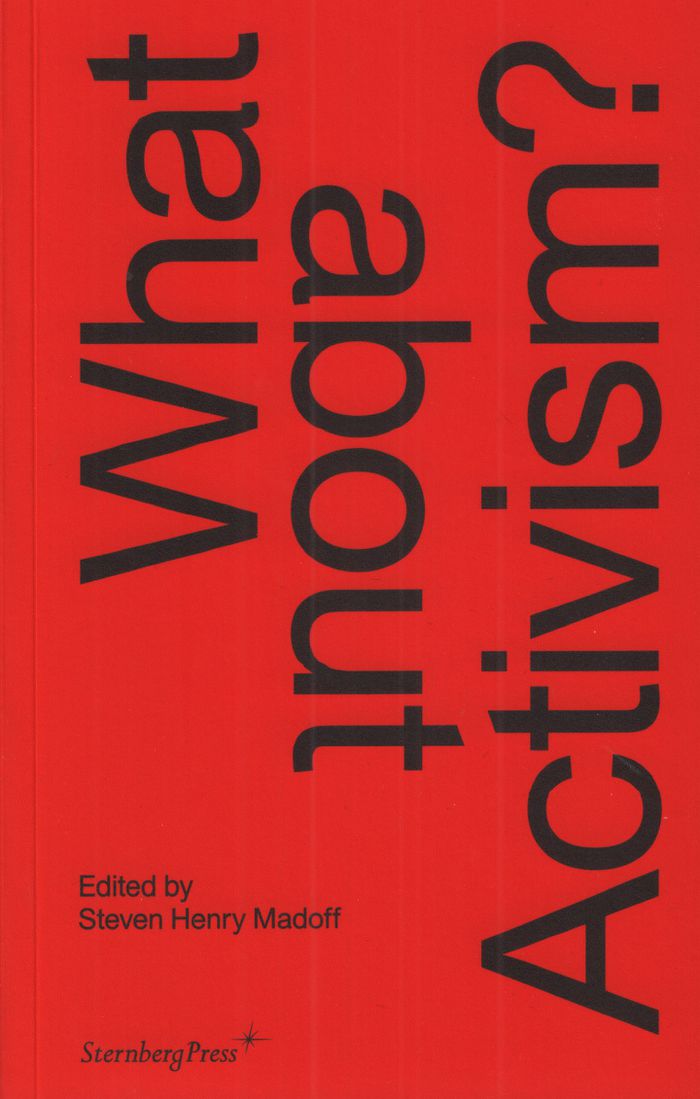
With the global rise of a politics of shock driven by authoritarian regimes that subvert the rule of law and civil liberties, what paths to resistance, sanctuary, and change can cultural institutions offer? What about activism in curatorial practice? In this book, more than twenty leading curators and thinkers about contemporary art present powerful case studies, historical analyses, and theoretical perspectives that address the dynamics of activism, protest, and advocacy.
What about activism?
Actions:
Prix:
$35.00
(disponible sur commande)
Résumé:
With the global rise of a politics of shock driven by authoritarian regimes that subvert the rule of law and civil liberties, what paths to resistance, sanctuary, and change can cultural institutions offer? What about activism in curatorial practice? In this book, more than twenty leading curators and thinkers about contemporary art present powerful case studies, historical analyses, and theoretical perspectives that address the dynamics of activism, protest, and advocacy.
Classification:
livres
livres
Publication:
août 2019
août 2019
Sujet:
Muséologie
Muséologie
Classification:
livres
livres
Actions:
Prix:
$48.00
(disponible sur commande)
Résumé:
Research is of paramount importance as a fundamental basis for everything that museums do. This publication engages with the diverse viewpoints of authors in the vanguard of theoretical discussions and curatorial practices, mapping out the multiplicity of endeavours to reform and transform research in relation to the art museum. From new theoretical models and specific(...)
$48.00
(disponible sur commande)
Résumé:
Research is of paramount importance as a fundamental basis for everything that museums do. This publication engages with the diverse viewpoints of authors in the vanguard of theoretical discussions and curatorial practices, mapping out the multiplicity of endeavours to reform and transform research in relation to the art museum. From new theoretical models and specific(...)
Titre:
The curatorial in Parallax (what museums do 1)
Actions:
Prix:
$48.00
(disponible sur commande)
Résumé:
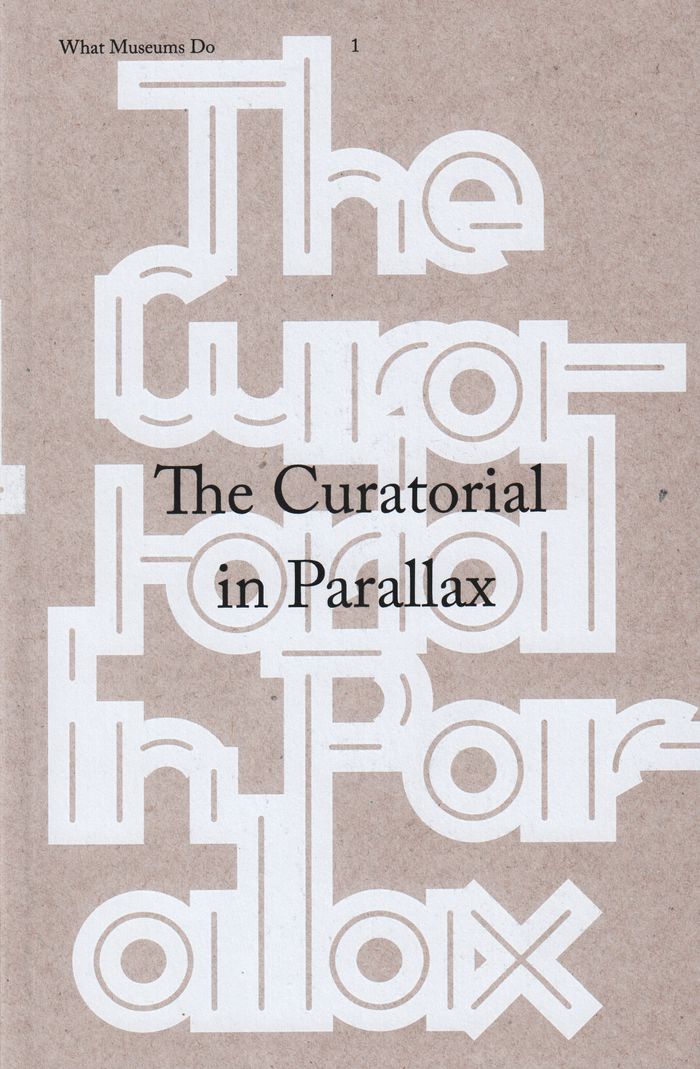
Research is of paramount importance as a fundamental basis for everything that museums do. This publication engages with the diverse viewpoints of authors in the vanguard of theoretical discussions and curatorial practices, mapping out the multiplicity of endeavours to reform and transform research in relation to the art museum. From new theoretical models and specific forms of practice-based investigation and knowledge production, to the potential for change by the very dynamics of research, it shows that the concept of the curatorial is constantly shifting.
The curatorial in Parallax (what museums do 1)
Actions:
Prix:
$48.00
(disponible sur commande)
Résumé:
Research is of paramount importance as a fundamental basis for everything that museums do. This publication engages with the diverse viewpoints of authors in the vanguard of theoretical discussions and curatorial practices, mapping out the multiplicity of endeavours to reform and transform research in relation to the art museum. From new theoretical models and specific forms of practice-based investigation and knowledge production, to the potential for change by the very dynamics of research, it shows that the concept of the curatorial is constantly shifting.
Classification:
livres
livres
Publication:
août 2019
août 2019
Sujet:
Muséologie
Muséologie
Classification:
livres
livres
Actions:
Prix:
$67.50
(disponible en magasin)
Résumé:
When architecture is the subject of an exhibition, there is almost always a dilemma: architecture can only be represented through drawings, models, and photographs; the physicality of architecture per se is missing. The abstraction of architecture for exhibition and the absence of architectural experience in architectural exhibition are in fact two sides of the same coin:(...)
$67.50
(disponible en magasin)
Résumé:
When architecture is the subject of an exhibition, there is almost always a dilemma: architecture can only be represented through drawings, models, and photographs; the physicality of architecture per se is missing. The abstraction of architecture for exhibition and the absence of architectural experience in architectural exhibition are in fact two sides of the same coin:(...)
Titre:
Exhibition as construction experiment
Actions:
Prix:
$67.50
(disponible en magasin)
Résumé:
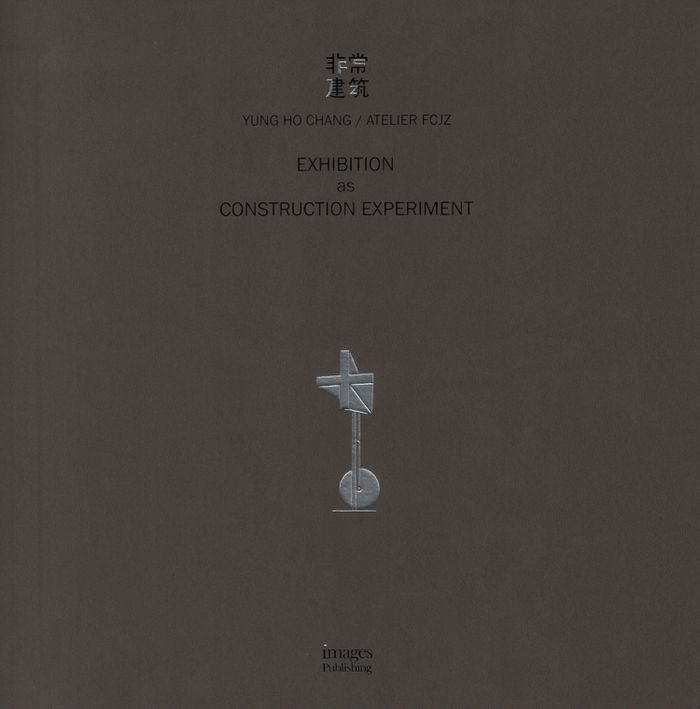
When architecture is the subject of an exhibition, there is almost always a dilemma: architecture can only be represented through drawings, models, and photographs; the physicality of architecture per se is missing. The abstraction of architecture for exhibition and the absence of architectural experience in architectural exhibition are in fact two sides of the same coin: The problem of the lack of an architectural reality. In this book, Yong He Chang traces the history of architectural intervention in exhibitions and answers the above questions through more than forty exhibition designs made by Chang and Atelier FCJZ.
Exhibition as construction experiment
Actions:
Prix:
$67.50
(disponible en magasin)
Résumé:
When architecture is the subject of an exhibition, there is almost always a dilemma: architecture can only be represented through drawings, models, and photographs; the physicality of architecture per se is missing. The abstraction of architecture for exhibition and the absence of architectural experience in architectural exhibition are in fact two sides of the same coin: The problem of the lack of an architectural reality. In this book, Yong He Chang traces the history of architectural intervention in exhibitions and answers the above questions through more than forty exhibition designs made by Chang and Atelier FCJZ.
Classification:
livres
livres
Publication:
août 2019
août 2019
Sujet:
Muséologie
Muséologie
Classification:
livres
livres
Prix:
$64.00
(disponible sur commande)
Résumé:
The growth of the number and scale of Chinese museums in the 21st century, from about 1,400 at the turn of the century to over 5,000 to date, reflects the government’s Museum Development Plan for 2011-2020 to open one museum per 250,000 inhabitants, with the goal of attracting one billion visitors at the end of the decade. What are the motivations for the rapid(...)
$64.00
(disponible sur commande)
Résumé:
The growth of the number and scale of Chinese museums in the 21st century, from about 1,400 at the turn of the century to over 5,000 to date, reflects the government’s Museum Development Plan for 2011-2020 to open one museum per 250,000 inhabitants, with the goal of attracting one billion visitors at the end of the decade. What are the motivations for the rapid(...)
Titre:
Museum development in China: understanding the building boom
Actions:
Prix:
$64.00
(disponible sur commande)
Résumé:
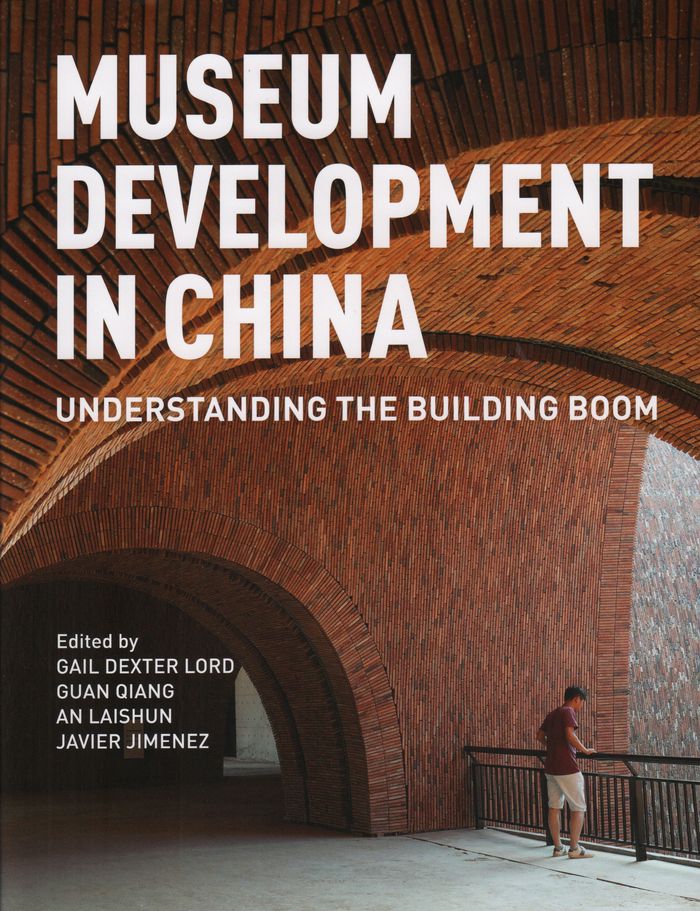
The growth of the number and scale of Chinese museums in the 21st century, from about 1,400 at the turn of the century to over 5,000 to date, reflects the government’s Museum Development Plan for 2011-2020 to open one museum per 250,000 inhabitants, with the goal of attracting one billion visitors at the end of the decade. What are the motivations for the rapid development of museums in China? How is the public responding? Who pays for these museums and how? What has been the impact of china’s urbanization? How do Chinese museums balance education, scientific research, social cohesion, cultural diplomacy and tourism both internal and external? These are issues that continue to be discussed and debated among western museum professionals in the context of our 200 - year history of modern museology. How are these debates evolving in China, which has its own history of museology over that same period from colonialism to communism and from isolation to opening up to the world?
Museum development in China: understanding the building boom
Actions:
Prix:
$64.00
(disponible sur commande)
Résumé:
The growth of the number and scale of Chinese museums in the 21st century, from about 1,400 at the turn of the century to over 5,000 to date, reflects the government’s Museum Development Plan for 2011-2020 to open one museum per 250,000 inhabitants, with the goal of attracting one billion visitors at the end of the decade. What are the motivations for the rapid development of museums in China? How is the public responding? Who pays for these museums and how? What has been the impact of china’s urbanization? How do Chinese museums balance education, scientific research, social cohesion, cultural diplomacy and tourism both internal and external? These are issues that continue to be discussed and debated among western museum professionals in the context of our 200 - year history of modern museology. How are these debates evolving in China, which has its own history of museology over that same period from colonialism to communism and from isolation to opening up to the world?
Classification:
livres
livres
Publication:
juin 2019
juin 2019
Sujet:
Muséologie
Muséologie
Classification:
livres
livres
Actions:
Prix:
$30.00
(disponible sur commande)
Résumé:
The meaning, function, and status of things have changed decisively over the past two decades. This development can be traced back to a growing skepticism since the second half of the twentieth century that culture can be presented through things. The questioning of thingness is an integral part of presentation and has informed and shaped the social relevance of the field(...)
$30.00
(disponible sur commande)
Résumé:
The meaning, function, and status of things have changed decisively over the past two decades. This development can be traced back to a growing skepticism since the second half of the twentieth century that culture can be presented through things. The questioning of thingness is an integral part of presentation and has informed and shaped the social relevance of the field(...)
Titre:
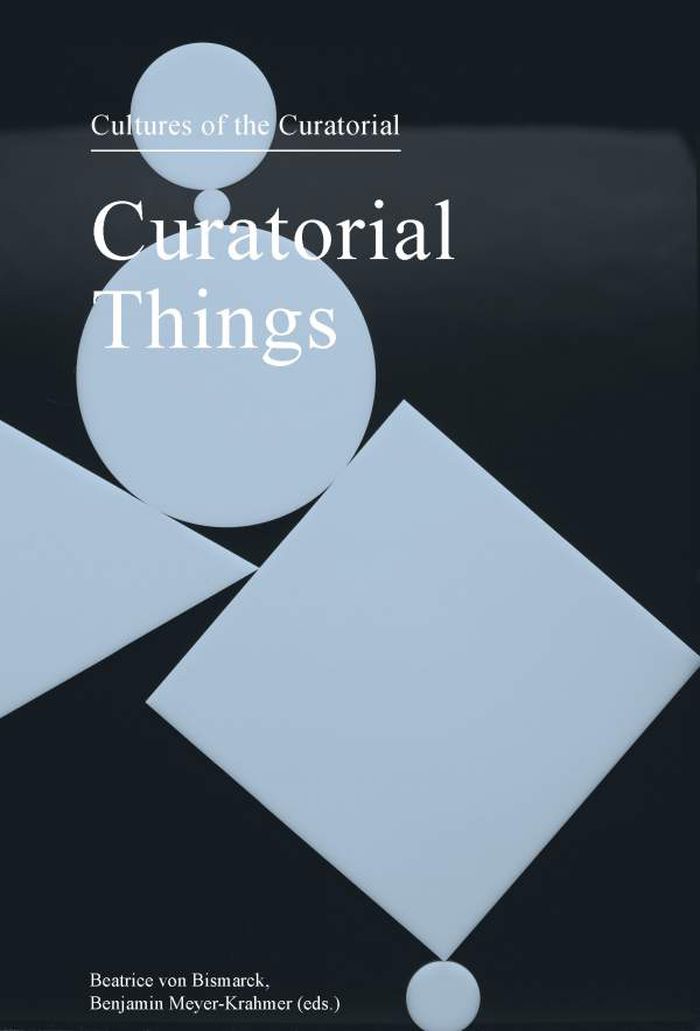
Curatorial things: cultures of the curatorial 4
Actions:
Prix:
$30.00
(disponible sur commande)
Résumé:
The meaning, function, and status of things have changed decisively over the past two decades. This development can be traced back to a growing skepticism since the second half of the twentieth century that culture can be presented through things. The questioning of thingness is an integral part of presentation and has informed and shaped the social relevance of the field of the curatorial. Immanent to presentation as a mode of being (public) in the world, the curatorial has the potential to address, visualize, and question the central effects of the changing status and function of things. The presentational mode has played a generative role, vitally participating in the mobilization of things through its aesthetic, semantic, social, and, not least, economic dimensions. Intertwining transdisciplinary discourses, transcultural perspectives, and methods of practice-theory, the anthology 'Curatorial Things' is a new orientation of the analysis of things.
Curatorial things: cultures of the curatorial 4
Actions:
Prix:
$30.00
(disponible sur commande)
Résumé:
The meaning, function, and status of things have changed decisively over the past two decades. This development can be traced back to a growing skepticism since the second half of the twentieth century that culture can be presented through things. The questioning of thingness is an integral part of presentation and has informed and shaped the social relevance of the field of the curatorial. Immanent to presentation as a mode of being (public) in the world, the curatorial has the potential to address, visualize, and question the central effects of the changing status and function of things. The presentational mode has played a generative role, vitally participating in the mobilization of things through its aesthetic, semantic, social, and, not least, economic dimensions. Intertwining transdisciplinary discourses, transcultural perspectives, and methods of practice-theory, the anthology 'Curatorial Things' is a new orientation of the analysis of things.
Classification:
livres
livres
Publication:
mars 2020
mars 2020
Sujet:
Muséologie
Muséologie
Classification:
livres
livres
Actions:
Prix:
$35.00
(disponible sur commande)
Résumé:
Exhibitions are tightly intertwined with the processes of historiography, creating dynamic and plural relations among and beyond participants both human and nonhuman. They are able to connect different histories while writing history themselves, their reciprocal relationships making them a complex object and transformative agent in historical research. Although it is(...)
$35.00
(disponible sur commande)
Résumé:
Exhibitions are tightly intertwined with the processes of historiography, creating dynamic and plural relations among and beyond participants both human and nonhuman. They are able to connect different histories while writing history themselves, their reciprocal relationships making them a complex object and transformative agent in historical research. Although it is(...)
Titre:
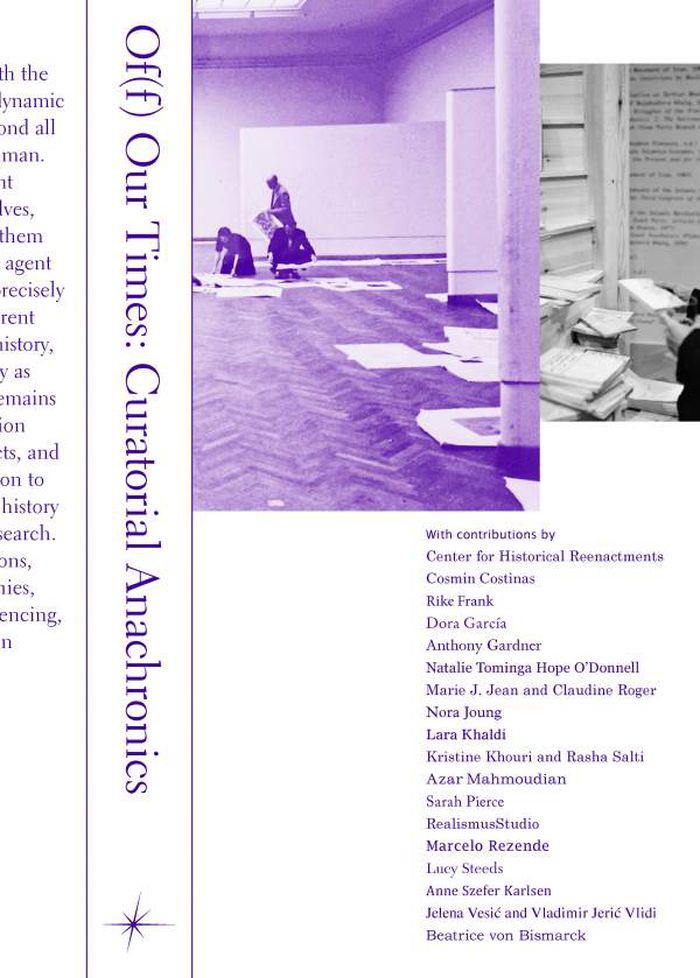
Of(f) our times: curatorial anachronics
Actions:
Prix:
$35.00
(disponible sur commande)
Résumé:
Exhibitions are tightly intertwined with the processes of historiography, creating dynamic and plural relations among and beyond participants both human and nonhuman. They are able to connect different histories while writing history themselves, their reciprocal relationships making them a complex object and transformative agent in historical research. Although it is precisely these abilities that have led to the current intense engagement with exhibition history, the question of what exhibition history as a practice and method entails remains largely under-discussed. As a collection of conversations, essays, artists' projects, and inserts, this book aims to draw attention to the effects of a practice of exhibition history stemming from research and the curatorial. Through methodological considerations, interventions in existing historiographies, and proposals for new modes of referencing, the contributions work with exhibition history—and embody it themselves.
Of(f) our times: curatorial anachronics
Actions:
Prix:
$35.00
(disponible sur commande)
Résumé:
Exhibitions are tightly intertwined with the processes of historiography, creating dynamic and plural relations among and beyond participants both human and nonhuman. They are able to connect different histories while writing history themselves, their reciprocal relationships making them a complex object and transformative agent in historical research. Although it is precisely these abilities that have led to the current intense engagement with exhibition history, the question of what exhibition history as a practice and method entails remains largely under-discussed. As a collection of conversations, essays, artists' projects, and inserts, this book aims to draw attention to the effects of a practice of exhibition history stemming from research and the curatorial. Through methodological considerations, interventions in existing historiographies, and proposals for new modes of referencing, the contributions work with exhibition history—and embody it themselves.
Classification:
livres
livres
Publication:
mars 2020
mars 2020
Sujet:
Muséologie
Muséologie


