


32 Résultats
Classification:
livres
livres
Actions:
Prix:
$35.00
(disponible sur commande)
Résumé:
Since 2011, the Studio Experimentelles Design at the University of Fine Arts in Hamburg has experimented with local design support as a contemporary practice. The student-led program advocates a community-based, cooperative approach to design. In the summer of 2020, the Kunstgewerbemuseum Berlin Design Lab #6 hosted Studio Experimentelles Design's eponymous online(...)
Publication:
mars 2022
mars 2022
Titre:
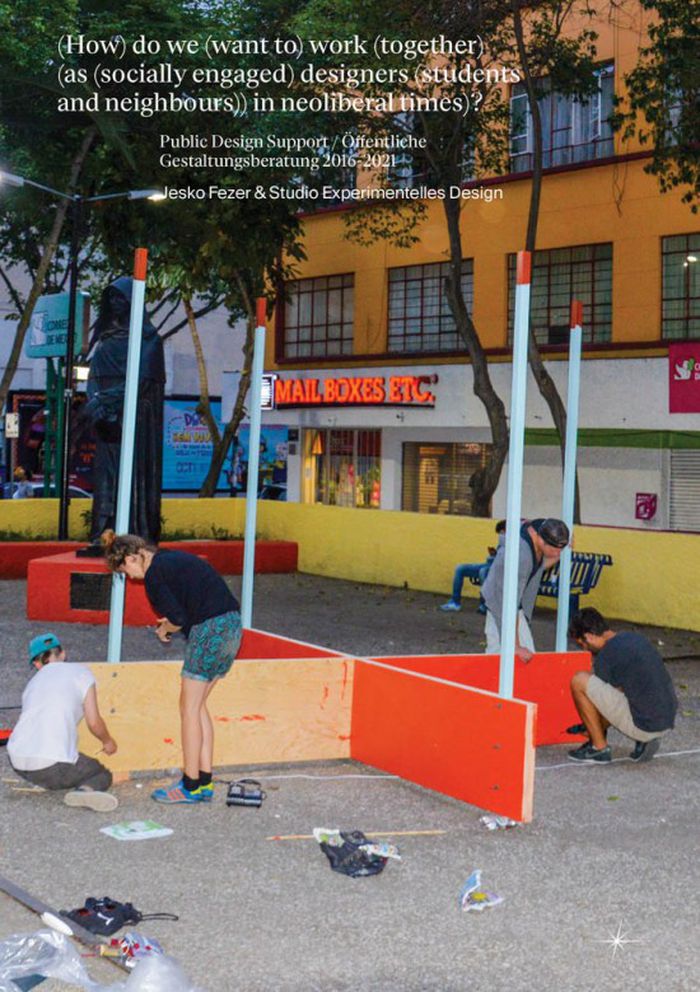
(How) do we (want to) work (together) (as (socially engaged) designers (students and neighbours)) (in neoliberal times)?
Actions:
Prix:
$35.00
(disponible sur commande)
Résumé:
Since 2011, the Studio Experimentelles Design at the University of Fine Arts in Hamburg has experimented with local design support as a contemporary practice. The student-led program advocates a community-based, cooperative approach to design. In the summer of 2020, the Kunstgewerbemuseum Berlin Design Lab #6 hosted Studio Experimentelles Design's eponymous online research festival.” Divided into two parts, this compendium chronicles the studio’s politically and socially committed approach through lectures, research, conversations, and project documentation from the online festival and five years of studio work. Both the festival's debate about working conditions and the studio's practice critically examine the imperative of committed designers today to radically reorient their approach, the content of their work, and their relationship with the actors for whom they design.
Classification:
livres
livres
Publication:
mars 2022
mars 2022
Classification:
livres
livres
Prix:
$58.95
(disponible sur commande)
Résumé:
What does a collective process in architecture entail and how does it influence the planning of our built environment? Although the hierarchically organized office with its claim to individual authorship is still the dominant form of architecture firm, more and more horizontally organized collectives with alternative approaches to architectural planning are emerging. In(...)
Publication:
décembre 2021
décembre 2021
Titre:
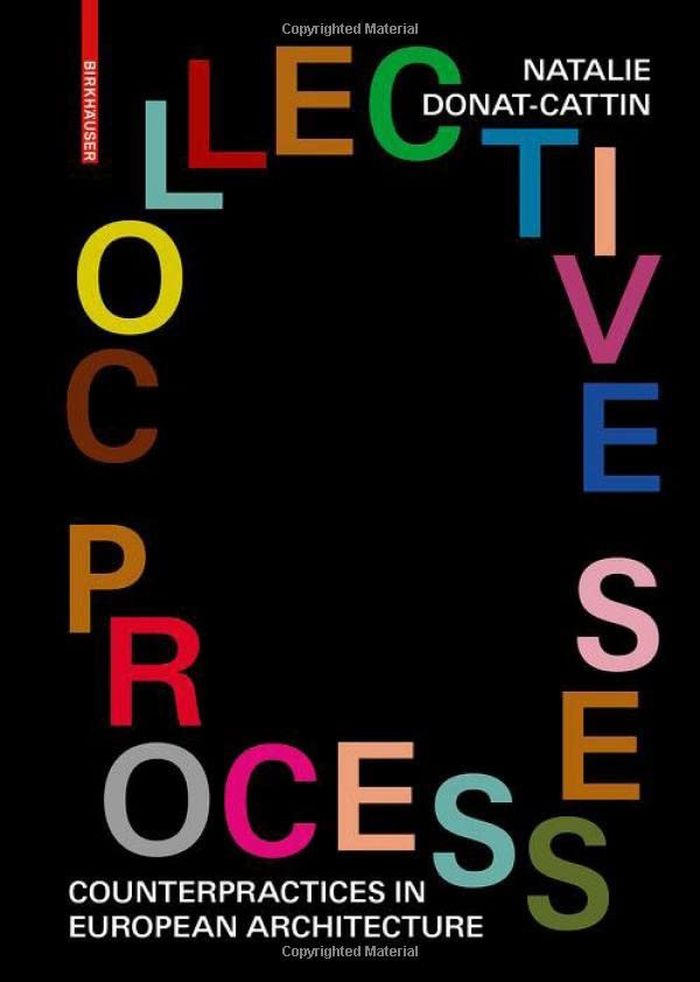
Collective processes: counterpractices in european architecture
Actions:
Prix:
$58.95
(disponible sur commande)
Résumé:
What does a collective process in architecture entail and how does it influence the planning of our built environment? Although the hierarchically organized office with its claim to individual authorship is still the dominant form of architecture firm, more and more horizontally organized collectives with alternative approaches to architectural planning are emerging. In this insightful survey of renowned European collectives, Natalie Donat-Cattin offers an overview of their working methods, organizational forms, goals, and projects. The book includes statements and projects by: A-A Collective, (ab)Normal, Assemble, baukuh, CNCRT, Colectivo Warehouse, Collectif Etc, constructLab, false mirror office, Fosbury Architecture, la–clique, Lacol, n’UNDO, orizzontale, raumlabor, X=(T=E=N), and Zuloark.
Classification:
livres
livres
Publication:
décembre 2021
décembre 2021


