


232 Résultats
Classification:
livres
livres
Titre:
L'invention du béton armé
L'invention du béton armé
Actions:
Prix:
$45.50
(disponible sur commande)
Résumé:
L'histoire de l'architecture a du mal à relater l'énorme dependance matérielle de son objet. Aujourd'hui, en France tout au moins, les statistiques affirment que 80% du poids de la construction produite annuellement est en béton. Or que sait-on de ce qui fonde cette moderne sujétion? Une figure capitalise toutes les valeurs originelle, et en partie originale, du béton(...)
$45.50
(disponible sur commande)
Résumé:
L'histoire de l'architecture a du mal à relater l'énorme dependance matérielle de son objet. Aujourd'hui, en France tout au moins, les statistiques affirment que 80% du poids de la construction produite annuellement est en béton. Or que sait-on de ce qui fonde cette moderne sujétion? Une figure capitalise toutes les valeurs originelle, et en partie originale, du béton(...)
Titre:
L'invention du béton armé
Actions:
Prix:
$45.50
(disponible sur commande)
Résumé:
L'histoire de l'architecture a du mal à relater l'énorme dependance matérielle de son objet. Aujourd'hui, en France tout au moins, les statistiques affirment que 80% du poids de la construction produite annuellement est en béton. Or que sait-on de ce qui fonde cette moderne sujétion? Une figure capitalise toutes les valeurs originelle, et en partie originale, du béton armé: elle a pour nom Hennebique. Il fallait en faire le portrait, il fallait en caractériser l'entreprises, il fallait décrire la sorte de magnétisme qui le positionne comme l'incontournable expérimentateur du matériau de la modernité architecturale. Le récit qu'à élaboré Gwenaël Delhumeau autout de la personnalité de François Hennebique répond à ces attentes: il démonte, pièce par pièce, la gigantesque machine que l'entrepreneur a contruite pour faire du béton armé les parois de nos espaces ou la matière de nos horizons. Le béton armé, «marbre du XXe siècle» selon Tadao Ando, méritait qu'on en restitue la paternité. Avec ce livre, c'est chose faite.
L'invention du béton armé
Actions:
Prix:
$45.50
(disponible sur commande)
Résumé:
L'histoire de l'architecture a du mal à relater l'énorme dependance matérielle de son objet. Aujourd'hui, en France tout au moins, les statistiques affirment que 80% du poids de la construction produite annuellement est en béton. Or que sait-on de ce qui fonde cette moderne sujétion? Une figure capitalise toutes les valeurs originelle, et en partie originale, du béton armé: elle a pour nom Hennebique. Il fallait en faire le portrait, il fallait en caractériser l'entreprises, il fallait décrire la sorte de magnétisme qui le positionne comme l'incontournable expérimentateur du matériau de la modernité architecturale. Le récit qu'à élaboré Gwenaël Delhumeau autout de la personnalité de François Hennebique répond à ces attentes: il démonte, pièce par pièce, la gigantesque machine que l'entrepreneur a contruite pour faire du béton armé les parois de nos espaces ou la matière de nos horizons. Le béton armé, «marbre du XXe siècle» selon Tadao Ando, méritait qu'on en restitue la paternité. Avec ce livre, c'est chose faite.
Classification:
livres
livres
Publication:
juin 1999, Paris
juin 1999, Paris
Sujet:
Structures d’ingénierie
Structures d’ingénierie
Classification:
livres
livres
Prix:
$62.00
(disponible en magasin)
Résumé:
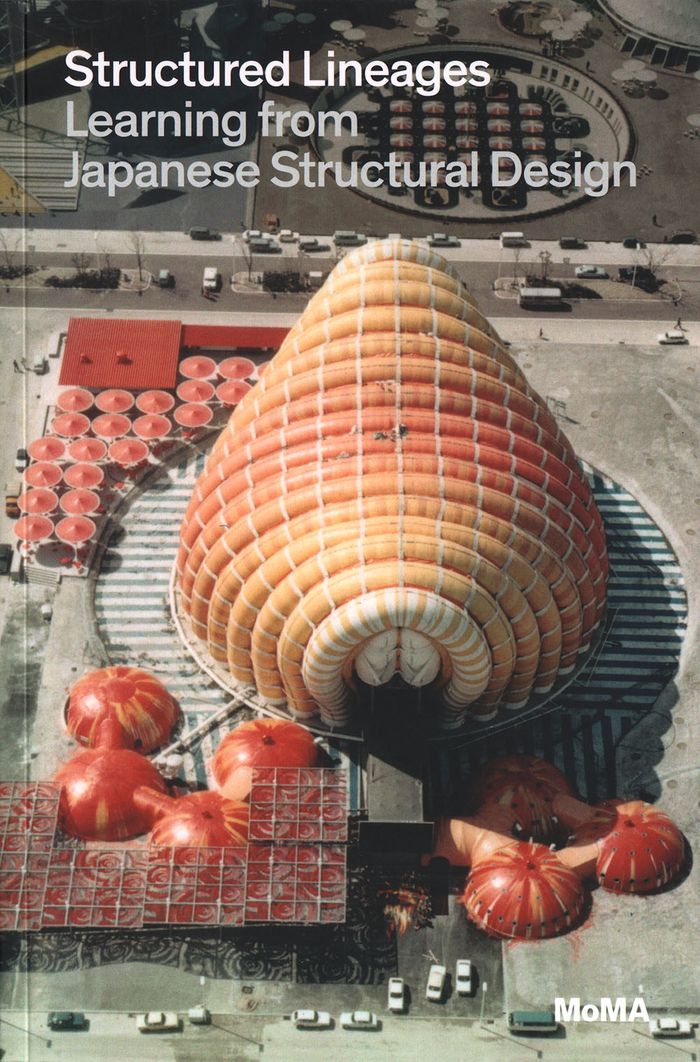
The ten essays gathered in this volume offer insight into the collaborations between architects and structural engineers that engendered many of the most important buildings erected in Japan after 1945, with special focus on the work of Tange Kenzo, Kawaguchi Mamoru, Kimura Toshihiko, Matsui Gengo, Saitoh Masao, Sasaki Mutsuro and Tsuboi Yoshikatsu. At once scholarly and(...)
$62.00
(disponible en magasin)
Résumé:
The ten essays gathered in this volume offer insight into the collaborations between architects and structural engineers that engendered many of the most important buildings erected in Japan after 1945, with special focus on the work of Tange Kenzo, Kawaguchi Mamoru, Kimura Toshihiko, Matsui Gengo, Saitoh Masao, Sasaki Mutsuro and Tsuboi Yoshikatsu. At once scholarly and(...)
Titre:
Structured lineages: learning from Japanese structural design
Actions:
Prix:
$62.00
(disponible en magasin)
Résumé:
The ten essays gathered in this volume offer insight into the collaborations between architects and structural engineers that engendered many of the most important buildings erected in Japan after 1945, with special focus on the work of Tange Kenzo, Kawaguchi Mamoru, Kimura Toshihiko, Matsui Gengo, Saitoh Masao, Sasaki Mutsuro and Tsuboi Yoshikatsu. At once scholarly and accessible, these conversations and essays illustrate how intimately the innovations of this collaborative tradition passed from one generation to the next.
Structured lineages: learning from Japanese structural design
Actions:
Prix:
$62.00
(disponible en magasin)
Résumé:
The ten essays gathered in this volume offer insight into the collaborations between architects and structural engineers that engendered many of the most important buildings erected in Japan after 1945, with special focus on the work of Tange Kenzo, Kawaguchi Mamoru, Kimura Toshihiko, Matsui Gengo, Saitoh Masao, Sasaki Mutsuro and Tsuboi Yoshikatsu. At once scholarly and accessible, these conversations and essays illustrate how intimately the innovations of this collaborative tradition passed from one generation to the next.
Classification:
livres
livres
Publication:
septembre 2019
septembre 2019
Sujet:
Structures d’ingénierie
Structures d’ingénierie
Classification:
livres
livres
Actions:
Prix:
$49.95
(disponible en magasin)
Résumé:
Since the introduction of steel as a building material in the early twentieth century, its superior performance has challenged conventional wisdom about construction, enabling designs of surprising lightness and span. Steel offered the opportunity to significantly expand buildings vertically and thus emerged as a symbol of the conflict between technological progress and(...)
$49.95
(disponible en magasin)
Résumé:
Since the introduction of steel as a building material in the early twentieth century, its superior performance has challenged conventional wisdom about construction, enabling designs of surprising lightness and span. Steel offered the opportunity to significantly expand buildings vertically and thus emerged as a symbol of the conflict between technological progress and(...)
Publication:
novembre 2019
novembre 2019
Titre:
At home in steel: residential construction in steel, thoughts on space and structure
Actions:
Prix:
$49.95
(disponible en magasin)
Résumé:
Since the introduction of steel as a building material in the early twentieth century, its superior performance has challenged conventional wisdom about construction, enabling designs of surprising lightness and span. Steel offered the opportunity to significantly expand buildings vertically and thus emerged as a symbol of the conflict between technological progress and the architectural ideal. More recently, the use of exposed steel elements in modern architecture ushered in a rediscovery of buildings’ metamorphoses. From the Eames House in Los Angeles to the Hôtel Tassel in Brussels and the Maison de Verre in Paris, "At Home in Steel" celebrates the use of steel in residential architecture.
At home in steel: residential construction in steel, thoughts on space and structure
Actions:
Prix:
$49.95
(disponible en magasin)
Résumé:
Since the introduction of steel as a building material in the early twentieth century, its superior performance has challenged conventional wisdom about construction, enabling designs of surprising lightness and span. Steel offered the opportunity to significantly expand buildings vertically and thus emerged as a symbol of the conflict between technological progress and the architectural ideal. More recently, the use of exposed steel elements in modern architecture ushered in a rediscovery of buildings’ metamorphoses. From the Eames House in Los Angeles to the Hôtel Tassel in Brussels and the Maison de Verre in Paris, "At Home in Steel" celebrates the use of steel in residential architecture.
Classification:
livres
livres
Publication:
novembre 2019
novembre 2019
Classification:
livres
livres
Actions:
Prix:
$88.95
(disponible sur commande)
Résumé:
For the sheer quantity and quality of his inventions, scientist and structural engineer Vladimir Shukhov (1853–1939) is sometimes referred to as the “Russian Thomas Edison.” Among his pioneering contributions are a number of innovations related to the oil industry, including the design and construction of the first Russian pipeline and the world’s first industrial plant(...)
$88.95
(disponible sur commande)
Résumé:
For the sheer quantity and quality of his inventions, scientist and structural engineer Vladimir Shukhov (1853–1939) is sometimes referred to as the “Russian Thomas Edison.” Among his pioneering contributions are a number of innovations related to the oil industry, including the design and construction of the first Russian pipeline and the world’s first industrial plant(...)
Publication:
août 2016
août 2016
Titre:
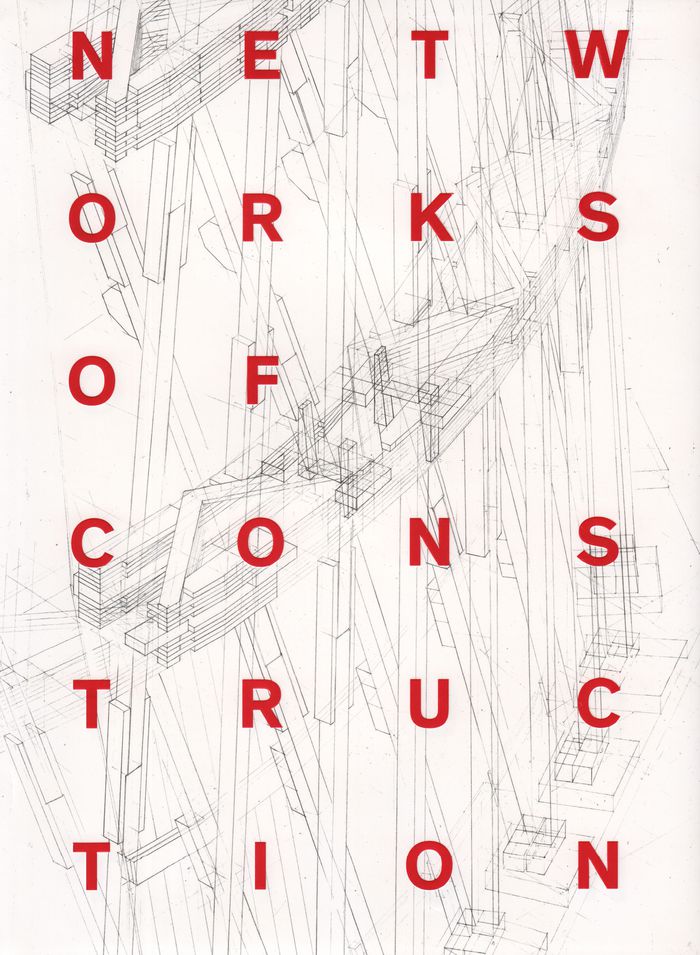
Networks of construction: Vladimir Shukohov
Actions:
Prix:
$88.95
(disponible sur commande)
Résumé:
For the sheer quantity and quality of his inventions, scientist and structural engineer Vladimir Shukhov (1853–1939) is sometimes referred to as the “Russian Thomas Edison.” Among his pioneering contributions are a number of innovations related to the oil industry, including the design and construction of the first Russian pipeline and the world’s first industrial plant for oil cracking. His groundbreaking structural works include the cable-supported hanging roof and the hyperboloid lattice tower epitomized by the Shukhov Tower in Moscow, which bears his name. Networks of Construction collects Shukhov’s trailblazing achievements from the turn of the twentieth century, exploring his career and complicated creative process. Each of Shukhov’s projects, the book shows, was realized through an elaborate process beginning with an intense period of planning to account for the interconnections among a wide range of factors, from the technical background of the construction workers to technology transfer, the nomenclature of steel grades, and the scientification of construction knowledge. Ekaterina Nozhova and Uta Hassler of the Institute of Historic Building Research and Conservation at ETH Zurich have painstakingly reconstructed Shukhov’s process through a wealth of drawings, photographs, and documents.
Networks of construction: Vladimir Shukohov
Actions:
Prix:
$88.95
(disponible sur commande)
Résumé:
For the sheer quantity and quality of his inventions, scientist and structural engineer Vladimir Shukhov (1853–1939) is sometimes referred to as the “Russian Thomas Edison.” Among his pioneering contributions are a number of innovations related to the oil industry, including the design and construction of the first Russian pipeline and the world’s first industrial plant for oil cracking. His groundbreaking structural works include the cable-supported hanging roof and the hyperboloid lattice tower epitomized by the Shukhov Tower in Moscow, which bears his name. Networks of Construction collects Shukhov’s trailblazing achievements from the turn of the twentieth century, exploring his career and complicated creative process. Each of Shukhov’s projects, the book shows, was realized through an elaborate process beginning with an intense period of planning to account for the interconnections among a wide range of factors, from the technical background of the construction workers to technology transfer, the nomenclature of steel grades, and the scientification of construction knowledge. Ekaterina Nozhova and Uta Hassler of the Institute of Historic Building Research and Conservation at ETH Zurich have painstakingly reconstructed Shukhov’s process through a wealth of drawings, photographs, and documents.
Classification:
livres
livres
Publication:
août 2016
août 2016
Classification:
livres
livres
Titre:
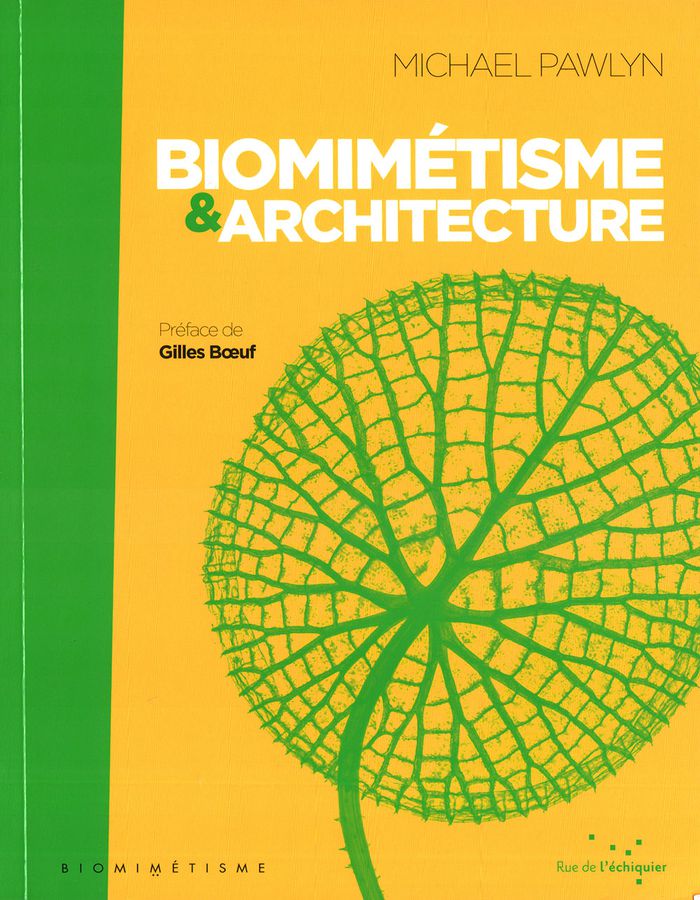
Biomimétisme et architecture
Biomimétisme et architecture
Actions:
Prix:
$49.95
(disponible sur commande)
Résumé:
Le premier essai publié en français sur les rapports entre biomimétisme et architecture. Michael Pawlyn passe en revue les grandes problématiques architecturales vues sous l’angle du biomimétisme : la solidité des structures, les matériaux de construction, la gestion des déchets, la circulation de l’eau, la climatisation, l’énergie. Il détaille les apports du biomimétisme(...)
$49.95
(disponible sur commande)
Résumé:
Le premier essai publié en français sur les rapports entre biomimétisme et architecture. Michael Pawlyn passe en revue les grandes problématiques architecturales vues sous l’angle du biomimétisme : la solidité des structures, les matériaux de construction, la gestion des déchets, la circulation de l’eau, la climatisation, l’énergie. Il détaille les apports du biomimétisme(...)
Titre:
Biomimétisme et architecture
Actions:
Prix:
$49.95
(disponible sur commande)
Résumé:
Le premier essai publié en français sur les rapports entre biomimétisme et architecture. Michael Pawlyn passe en revue les grandes problématiques architecturales vues sous l’angle du biomimétisme : la solidité des structures, les matériaux de construction, la gestion des déchets, la circulation de l’eau, la climatisation, l’énergie. Il détaille les apports du biomimétisme sur le plan de l’innovation et constitue une sorte de recueil de solutions face aux enjeux du développement durable.
Biomimétisme et architecture
Actions:
Prix:
$49.95
(disponible sur commande)
Résumé:
Le premier essai publié en français sur les rapports entre biomimétisme et architecture. Michael Pawlyn passe en revue les grandes problématiques architecturales vues sous l’angle du biomimétisme : la solidité des structures, les matériaux de construction, la gestion des déchets, la circulation de l’eau, la climatisation, l’énergie. Il détaille les apports du biomimétisme sur le plan de l’innovation et constitue une sorte de recueil de solutions face aux enjeux du développement durable.
Classification:
livres
livres
Publication:
novembre 2019
novembre 2019
Sujet:
Structures d’ingénierie
Structures d’ingénierie
Classification:
livres
livres
Actions:
Prix:
$36.95
(disponible sur commande)
Résumé:
Le viaduc sur la Polcevera (Gênes) conçu par l’ingénieur italien Riccardo Morandi fut salué comme un chef-d’œuvre lors de son inauguration. Il fut vilipendé récemment, ainsi que son matériau, le béton armé, pour n’avoir pas su résister à cinquante ans de vibrations continues… Le pont est un objet singulier, à l’identité forte, mais aussi un point d’un système (autoroutier(...)
$36.95
(disponible sur commande)
Résumé:
Le viaduc sur la Polcevera (Gênes) conçu par l’ingénieur italien Riccardo Morandi fut salué comme un chef-d’œuvre lors de son inauguration. Il fut vilipendé récemment, ainsi que son matériau, le béton armé, pour n’avoir pas su résister à cinquante ans de vibrations continues… Le pont est un objet singulier, à l’identité forte, mais aussi un point d’un système (autoroutier(...)
Titre:
Morandi à Gênes : autopsie d'un pont
Actions:
Prix:
$36.95
(disponible sur commande)
Résumé:
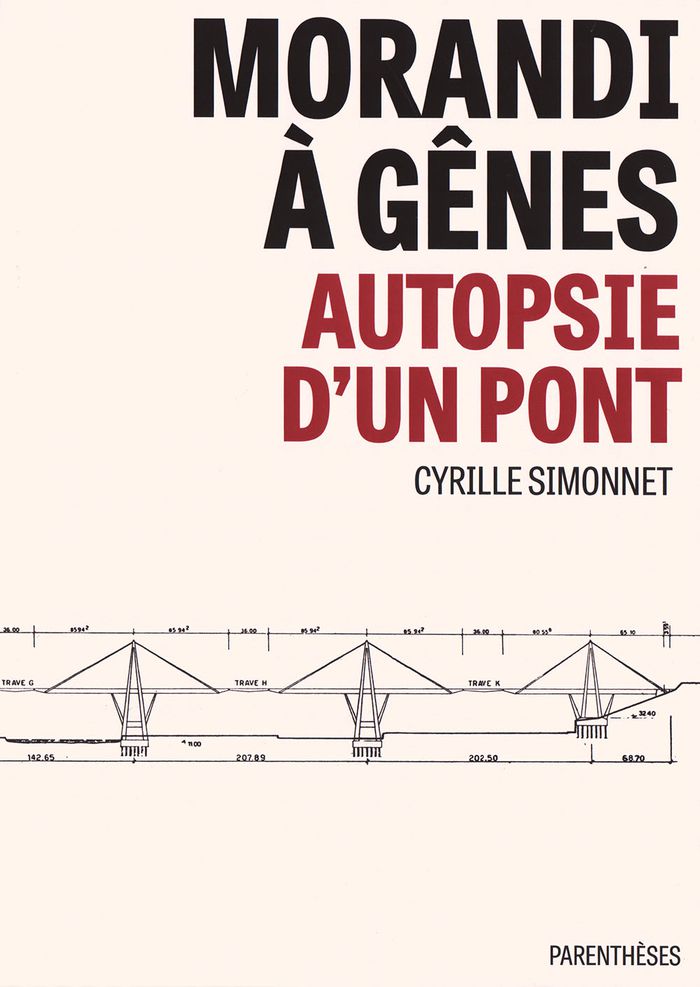
Le viaduc sur la Polcevera (Gênes) conçu par l’ingénieur italien Riccardo Morandi fut salué comme un chef-d’œuvre lors de son inauguration. Il fut vilipendé récemment, ainsi que son matériau, le béton armé, pour n’avoir pas su résister à cinquante ans de vibrations continues… Le pont est un objet singulier, à l’identité forte, mais aussi un point d’un système (autoroutier par exemple) qui le tient, l’active dans ses coordonnées territoriales. Les ponts, ceux de Morandi en particulier, expriment cet attachement finalement paradoxal : d’être à la fois vecteur de flux et performance statique. Il poinçonne le paysage en sautant l’obstacle. Sa soudaine fragilité nous rappelle sa nature essentielle : d’être, au sens propre, un accident de la route.
Morandi à Gênes : autopsie d'un pont
Actions:
Prix:
$36.95
(disponible sur commande)
Résumé:
Le viaduc sur la Polcevera (Gênes) conçu par l’ingénieur italien Riccardo Morandi fut salué comme un chef-d’œuvre lors de son inauguration. Il fut vilipendé récemment, ainsi que son matériau, le béton armé, pour n’avoir pas su résister à cinquante ans de vibrations continues… Le pont est un objet singulier, à l’identité forte, mais aussi un point d’un système (autoroutier par exemple) qui le tient, l’active dans ses coordonnées territoriales. Les ponts, ceux de Morandi en particulier, expriment cet attachement finalement paradoxal : d’être à la fois vecteur de flux et performance statique. Il poinçonne le paysage en sautant l’obstacle. Sa soudaine fragilité nous rappelle sa nature essentielle : d’être, au sens propre, un accident de la route.
Classification:
livres
livres
Publication:
novembre 2019
novembre 2019
Sujet:
Structures d’ingénierie
Structures d’ingénierie
Classification:
livres
livres
Actions:
Prix:
$45.00
(disponible sur commande)
Résumé:
This book presents a terrestrial description of the Seagram Building. It aims to describe how humans and nature interact with the thin crust of the planet. Architecture reorganizes nature and society in particular ways that today demand overt attention and new methods of description. ''The immense material, energy and labor involved in building require a fresh(...)
$45.00
(disponible sur commande)
Résumé:
This book presents a terrestrial description of the Seagram Building. It aims to describe how humans and nature interact with the thin crust of the planet. Architecture reorganizes nature and society in particular ways that today demand overt attention and new methods of description. ''The immense material, energy and labor involved in building require a fresh(...)
Titre:
Unless: the Seagram building construction ecology
Actions:
Prix:
$45.00
(disponible sur commande)
Résumé:
This book presents a terrestrial description of the Seagram Building. It aims to describe how humans and nature interact with the thin crust of the planet. Architecture reorganizes nature and society in particular ways that today demand overt attention and new methods of description. ''The immense material, energy and labor involved in building require a fresh interpretation that better situates the ecological and social potential of design. Architecture and society would benefit from alternative descriptions of building and architecture as terrestrial activities that help imagine how to maximize the impact of architecture on its environment. I argue that the enhancement of a particular building should be inextricable from the enhancement of its world-system and construction ecology. A 'beautiful' building engendered through the vulgarity of uneven exchanges and processes of underdevelopment is no longer a tenable conceit in such a framework. Design can and should evince the inherent solidarity and reciprocity of people, places and politics involved in building architecture.''
Unless: the Seagram building construction ecology
Actions:
Prix:
$45.00
(disponible sur commande)
Résumé:
This book presents a terrestrial description of the Seagram Building. It aims to describe how humans and nature interact with the thin crust of the planet. Architecture reorganizes nature and society in particular ways that today demand overt attention and new methods of description. ''The immense material, energy and labor involved in building require a fresh interpretation that better situates the ecological and social potential of design. Architecture and society would benefit from alternative descriptions of building and architecture as terrestrial activities that help imagine how to maximize the impact of architecture on its environment. I argue that the enhancement of a particular building should be inextricable from the enhancement of its world-system and construction ecology. A 'beautiful' building engendered through the vulgarity of uneven exchanges and processes of underdevelopment is no longer a tenable conceit in such a framework. Design can and should evince the inherent solidarity and reciprocity of people, places and politics involved in building architecture.''
Classification:
livres
livres
Publication:
janvier 2021
janvier 2021
Sujet:
Structures d’ingénierie
Structures d’ingénierie
Classification:
livres
livres
Actions:
Prix:
$60.00
(disponible sur commande)
Résumé:
Les objets qui nous entourent, depuis le simple nid d'une hirondelle jusqu'à la halle d'un marché couvert, ne cessent de nous interroger sur les liens étroits et parfois mystérieux qui unissent formes, forces et matières. Mais la science des structures, indispensable à l'architecte qui les dessine tout comme à l'amateur qui cherche à les comprendre, peut s'avérer d'un(...)
$60.00
(disponible sur commande)
Résumé:
Les objets qui nous entourent, depuis le simple nid d'une hirondelle jusqu'à la halle d'un marché couvert, ne cessent de nous interroger sur les liens étroits et parfois mystérieux qui unissent formes, forces et matières. Mais la science des structures, indispensable à l'architecte qui les dessine tout comme à l'amateur qui cherche à les comprendre, peut s'avérer d'un(...)
Titre:
Faire tenir : structure et architecture
Actions:
Prix:
$60.00
(disponible sur commande)
Résumé:
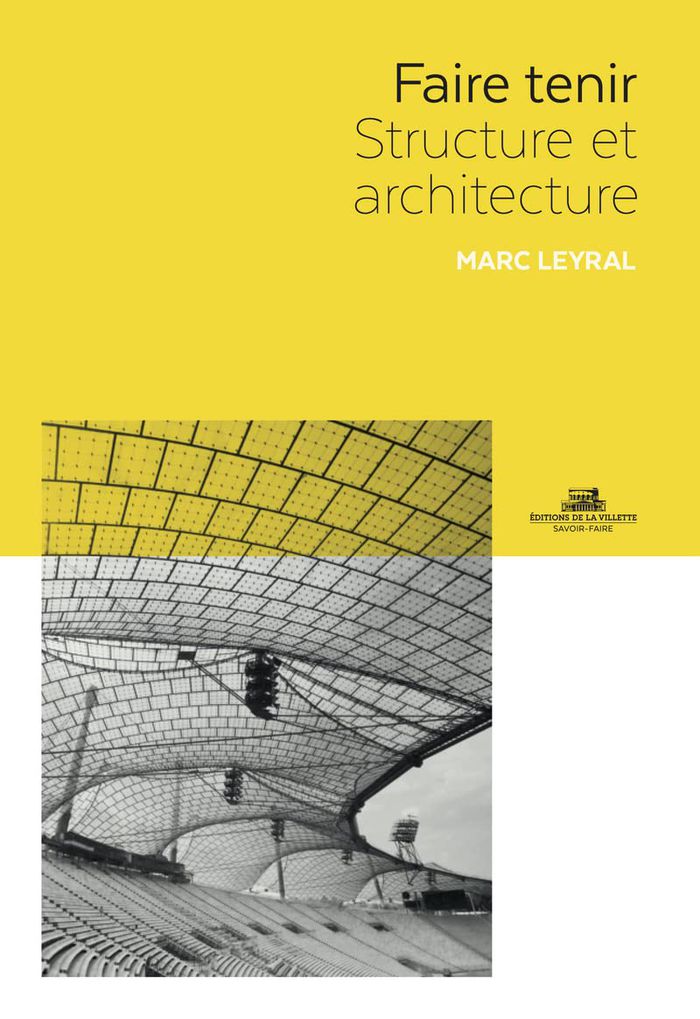
Les objets qui nous entourent, depuis le simple nid d'une hirondelle jusqu'à la halle d'un marché couvert, ne cessent de nous interroger sur les liens étroits et parfois mystérieux qui unissent formes, forces et matières. Mais la science des structures, indispensable à l'architecte qui les dessine tout comme à l'amateur qui cherche à les comprendre, peut s'avérer d'un abord intimidant. Ne requérant aucune connaissance préalable (outre les quatre opérations mathématiques de base), l'ouvrage de l'ingénieur et l'architecte Marc Leyral vise à instruire tout lecteur sur les principes simples qui sous-tendent les structures les plus complexes. Guidé par une volonté didactique affichée, l'ouvrage prend forme d'un dialogue socratique entre un jeune élève et son maître qui l'introduit pas à pas aux notions fondamentales de l'art de bâtir.
Faire tenir : structure et architecture
Actions:
Prix:
$60.00
(disponible sur commande)
Résumé:
Les objets qui nous entourent, depuis le simple nid d'une hirondelle jusqu'à la halle d'un marché couvert, ne cessent de nous interroger sur les liens étroits et parfois mystérieux qui unissent formes, forces et matières. Mais la science des structures, indispensable à l'architecte qui les dessine tout comme à l'amateur qui cherche à les comprendre, peut s'avérer d'un abord intimidant. Ne requérant aucune connaissance préalable (outre les quatre opérations mathématiques de base), l'ouvrage de l'ingénieur et l'architecte Marc Leyral vise à instruire tout lecteur sur les principes simples qui sous-tendent les structures les plus complexes. Guidé par une volonté didactique affichée, l'ouvrage prend forme d'un dialogue socratique entre un jeune élève et son maître qui l'introduit pas à pas aux notions fondamentales de l'art de bâtir.
Classification:
livres
livres
Publication:
novembre 2021
novembre 2021
Sujet:
Structures d’ingénierie
Structures d’ingénierie
Classification:
livres
livres
Actions:
Prix:
$74.00
(disponible en magasin)
Résumé:
is the story of how a structure of unprecedented size and technology was built over the East River, connecting, for the first time, the then independent cities of Brooklyn and New York, two of the most populous cities in America. This awe-inspiring bridge-built between 1869 and 1883 during an age of technological innovation-was not only a modern engineering feat of(...)
$74.00
(disponible en magasin)
Résumé:
is the story of how a structure of unprecedented size and technology was built over the East River, connecting, for the first time, the then independent cities of Brooklyn and New York, two of the most populous cities in America. This awe-inspiring bridge-built between 1869 and 1883 during an age of technological innovation-was not only a modern engineering feat of(...)
Sujet:
Structures d’ingénierie
Structures d’ingénierie
Publication:
octobre 2021
octobre 2021
Titre:
Building the Brooklyn Bridge, 1869-1883: an illustrated history, with images in 3D
Actions:
Prix:
$74.00
(disponible en magasin)
Résumé:
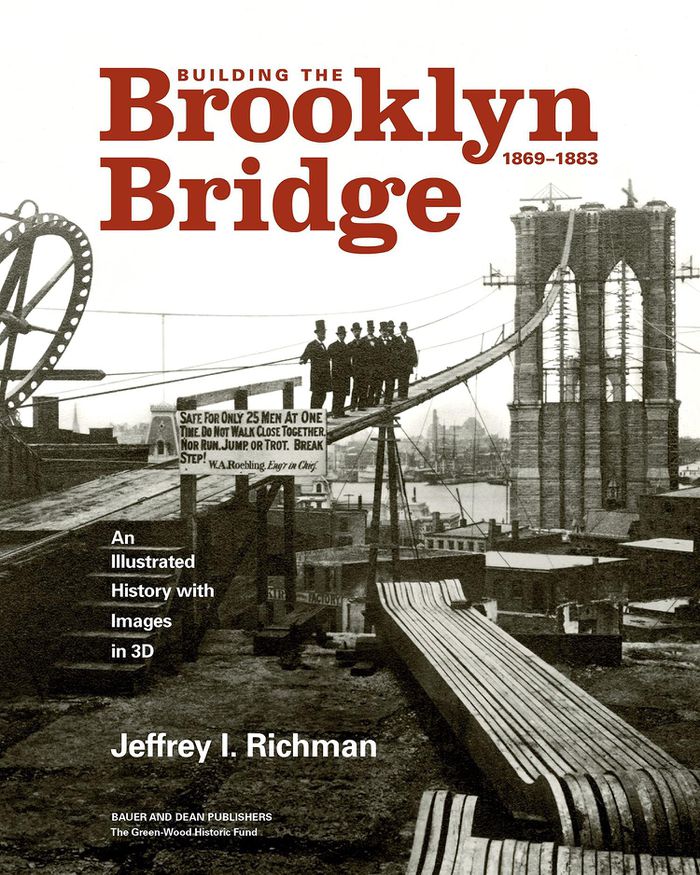
is the story of how a structure of unprecedented size and technology was built over the East River, connecting, for the first time, the then independent cities of Brooklyn and New York, two of the most populous cities in America. This awe-inspiring bridge-built between 1869 and 1883 during an age of technological innovation-was not only a modern engineering feat of extraordinary imagination, fortitude, and skill, it also was a towering beacon of human triumph. Author Jeffrey I. Richman describes in engaging detail how the Brooklyn Bridge was built and explains the function of each of its complex parts, from the anchorages and elegant towers to the massive cables, and the challenges each presented. Richman reminds us how profoundly modern and groundbreaking the bridge was.
Building the Brooklyn Bridge, 1869-1883: an illustrated history, with images in 3D
Actions:
Prix:
$74.00
(disponible en magasin)
Résumé:
is the story of how a structure of unprecedented size and technology was built over the East River, connecting, for the first time, the then independent cities of Brooklyn and New York, two of the most populous cities in America. This awe-inspiring bridge-built between 1869 and 1883 during an age of technological innovation-was not only a modern engineering feat of extraordinary imagination, fortitude, and skill, it also was a towering beacon of human triumph. Author Jeffrey I. Richman describes in engaging detail how the Brooklyn Bridge was built and explains the function of each of its complex parts, from the anchorages and elegant towers to the massive cables, and the challenges each presented. Richman reminds us how profoundly modern and groundbreaking the bridge was.
Classification:
livres
livres
Publication:
octobre 2021
octobre 2021
Sujet:
Structures d’ingénierie
Structures d’ingénierie
Classification:
livres
livres
Prix:
$30.00
(disponible sur commande)
Résumé:
What do structures such as the Eiffel Tower, the Brooklyn Bridge, and the concrete roofs of Pier Luigi Nervi have in common? According to this volume, all are striking examples of structural art, an exciting area distinct from either architecture or machine design. Aided by stunning photographs, David Billington discusses the technical concerns and artistic principles(...)
$30.00
(disponible sur commande)
Résumé:
What do structures such as the Eiffel Tower, the Brooklyn Bridge, and the concrete roofs of Pier Luigi Nervi have in common? According to this volume, all are striking examples of structural art, an exciting area distinct from either architecture or machine design. Aided by stunning photographs, David Billington discusses the technical concerns and artistic principles(...)
Titre:
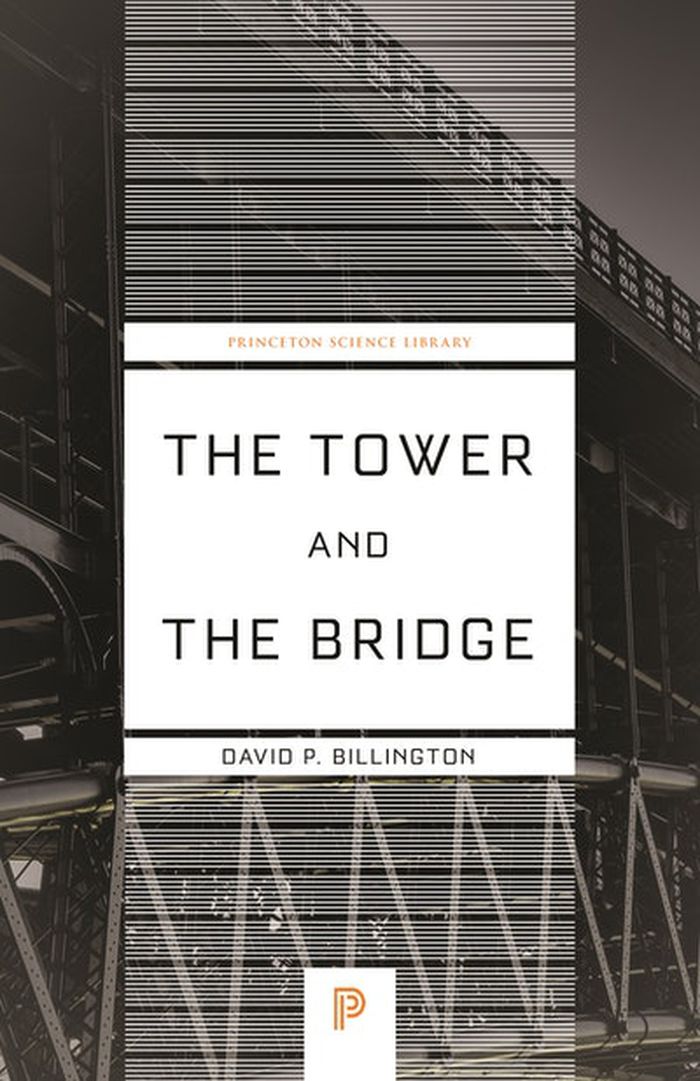
The tower and the bridge: the new art of structural engineering
Actions:
Prix:
$30.00
(disponible sur commande)
Résumé:
What do structures such as the Eiffel Tower, the Brooklyn Bridge, and the concrete roofs of Pier Luigi Nervi have in common? According to this volume, all are striking examples of structural art, an exciting area distinct from either architecture or machine design. Aided by stunning photographs, David Billington discusses the technical concerns and artistic principles underpinning the well-known projects of leading structural engineer-artists, including Othmar Ammann, Félix Candela, Gustave Eiffel, Fazlur Khan, Robert Maillart, John Roebling, and many others.
The tower and the bridge: the new art of structural engineering
Actions:
Prix:
$30.00
(disponible sur commande)
Résumé:
What do structures such as the Eiffel Tower, the Brooklyn Bridge, and the concrete roofs of Pier Luigi Nervi have in common? According to this volume, all are striking examples of structural art, an exciting area distinct from either architecture or machine design. Aided by stunning photographs, David Billington discusses the technical concerns and artistic principles underpinning the well-known projects of leading structural engineer-artists, including Othmar Ammann, Félix Candela, Gustave Eiffel, Fazlur Khan, Robert Maillart, John Roebling, and many others.
Classification:
livres
livres
Publication:
mai 2022
mai 2022
Sujet:
Structures d’ingénierie
Structures d’ingénierie


