


2244 Résultats
Classification:
livres
livres
Prix:
$42.95
(disponible en magasin)
Résumé:
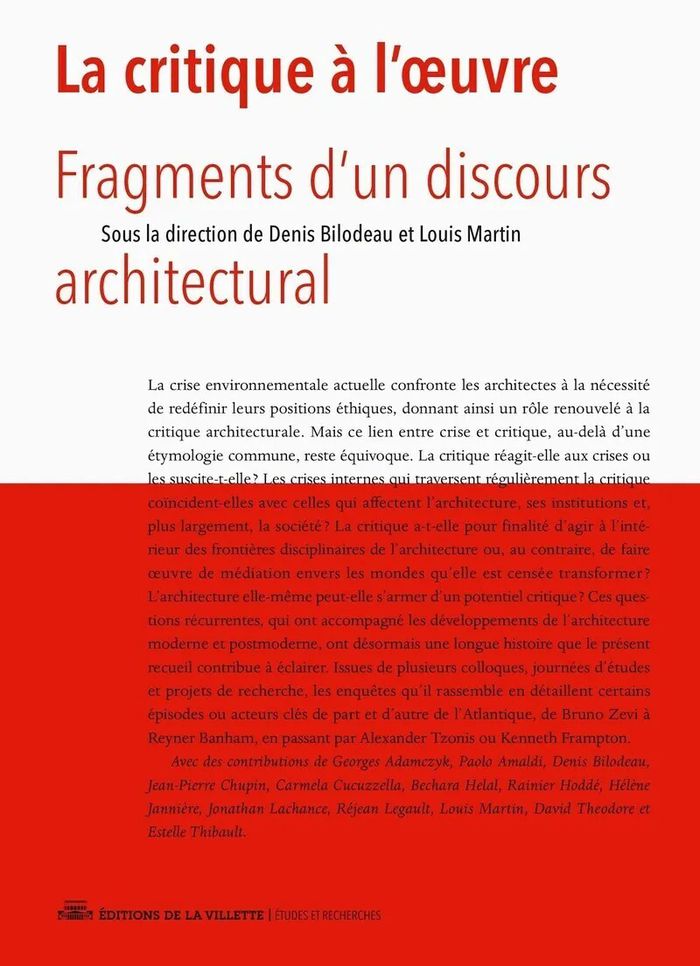
La crise environnementale actuelle confronte les architectes à la nécessité de redéfinir leurs positions éthiques, donnant ainsi un rôle renouvelé à la critique architecturale. Mais ce lien entre crise et critique, au-delà d’une étymologie commune, reste équivoque. La critique réagit-elle aux crises ou les suscite-t-elle ? Les crises internes qui traversent régulièrement(...)
Titre:
La critique à l'oeuvre : Fragments d'un discours architectural
Actions:
Prix:
$42.95
(disponible en magasin)
Résumé:
La crise environnementale actuelle confronte les architectes à la nécessité de redéfinir leurs positions éthiques, donnant ainsi un rôle renouvelé à la critique architecturale. Mais ce lien entre crise et critique, au-delà d’une étymologie commune, reste équivoque. La critique réagit-elle aux crises ou les suscite-t-elle ? Les crises internes qui traversent régulièrement la critique coïncident-elles avec celles qui affectent l’architecture, ses institutions et, plus largement, la société ? La critique a-t-elle pour finalité d’agir à l’intérieur des frontières disciplinaires de l’architecture ou, au contraire, de faire oeuvre de médiation envers les mondes qu’elle est censée transformer ? L’architecture elle-même peut-elle s’armer d’un potentiel critique ? Ces questions récurrentes, qui ont accompagné les développements de l’architecture moderne et postmoderne, ont désormais une longue histoire que le présent recueil contribue à éclairer. Issues de plusieurs colloques, journées d’études et projets de recherche, les enquêtes qu’il rassemble en détaillent certains épisodes ou acteurs clés de part et d’autre de l’Atlantique, de Bruno Zevi à Reyner Banham, en passant par Alexander Tzonis ou Kenneth Frampton.
Classification:
livres
livres
Publication:
mai 2025
mai 2025
Sujet:
Théorie de l’architecture
Théorie de l’architecture
Classification:
livres
livres
Actions:
Prix:
$25.00
(disponible en magasin)
Résumé:
Entre vision et réalisation, le « Tribunal des Utopies » en fait le procès. L’utopie est accusée : les utopies menacent-elles notre bonheur ? Présumons d’abord les architectes, les politiques, les promoteurs, les habitants innocents. Présumons les utopies elles mêmes innocentes. « Utopies. Un nom qu’on voudrait presque verbe. Les utopies donnent à voir, pour demain,(...)
Titre:
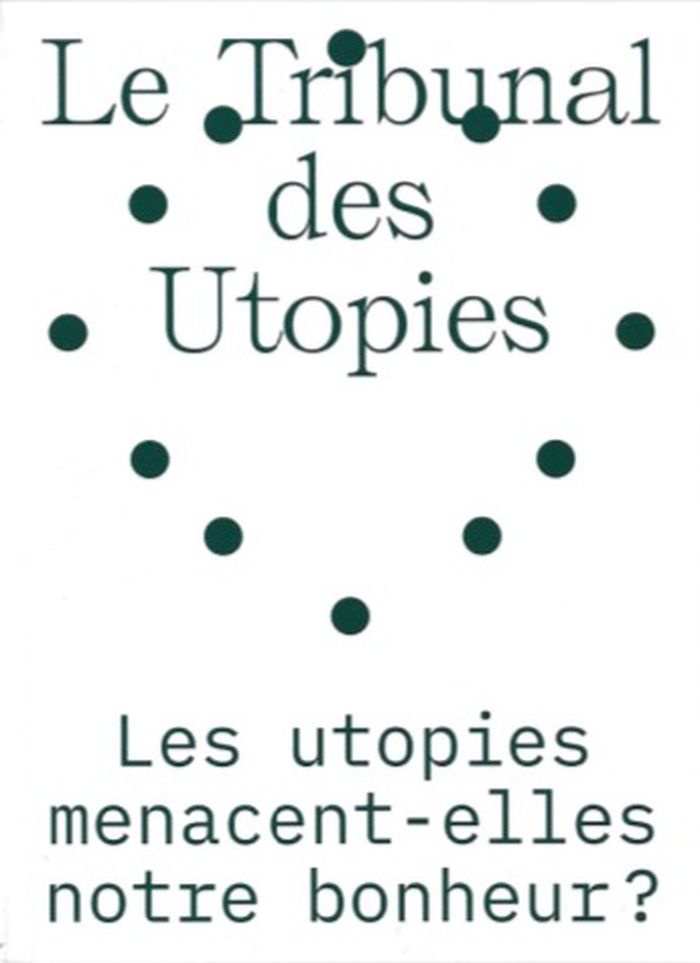
Le Tribunal des Utopies #1 : Les utopies menacent-elles notre bonheur?
Actions:
Prix:
$25.00
(disponible en magasin)
Résumé:
Entre vision et réalisation, le « Tribunal des Utopies » en fait le procès. L’utopie est accusée : les utopies menacent-elles notre bonheur ? Présumons d’abord les architectes, les politiques, les promoteurs, les habitants innocents. Présumons les utopies elles mêmes innocentes. « Utopies. Un nom qu’on voudrait presque verbe. Les utopies donnent à voir, pour demain, ce qui n’est pas là aujourd’hui. Ce sont des tentatives de rééquilibrage. Penser l’utopie, c’est faire le constat aujourd’hui qu’un « mieux » est possible ; ou, à défaut de mieux, qu’un « autre » est possible. L’utopie se pratique. Elle s’expérimente. Elle fait l’épreuve du temps. Elle raconte une histoire, faite d’aspirations communes ou contradictoires. Elle est l’expression concrète d’une succession d’ambitions politiques appliquées sur le territoire. Elle autorise la critique, parfois même elle l’invite, afin d’en tirer des leçons. Si l’utopie nous permet de regarder en arrière, elle est indispensable comme exercice de projet. L’utopie est à la fois un exercice de formulation et un exercice d’analyse du présent. En faire l’exercice, c’est se positionner comme individu capable – empowered – agissant en responsabilité, au sein du monde. L’utopie se réalise parfois. Malgré la bienveillance qu’on lui prête, l’utopie confrontée au réel s’altère, évolue, guidée par l’imprévisible, le temps qui passe, ou de simples changements d’hypothèses.»
Classification:
livres
livres
Publication:
avril 2026
avril 2026
Sujet:
Théorie de l’architecture
Théorie de l’architecture
Classification:
livres
livres
Actions:
Prix:
$25.00
(disponible sur commande)
Résumé:
Un monde à plusieurs peut-il s'imaginer seul ? « Entre vision et réalisation, le Tribunal des Utopies en fait le procès, avec des experts invités à la barre. Pour cette deuxième édition, Antoine Aubinais (architecte), Stéphanie Sense (élue locale), Luc Gwiazdzinski (géographe), Elisa Dumay (urbaniste culturelle), Marc-André Selosse (biologiste) et Simon Laisney(...)
Titre:
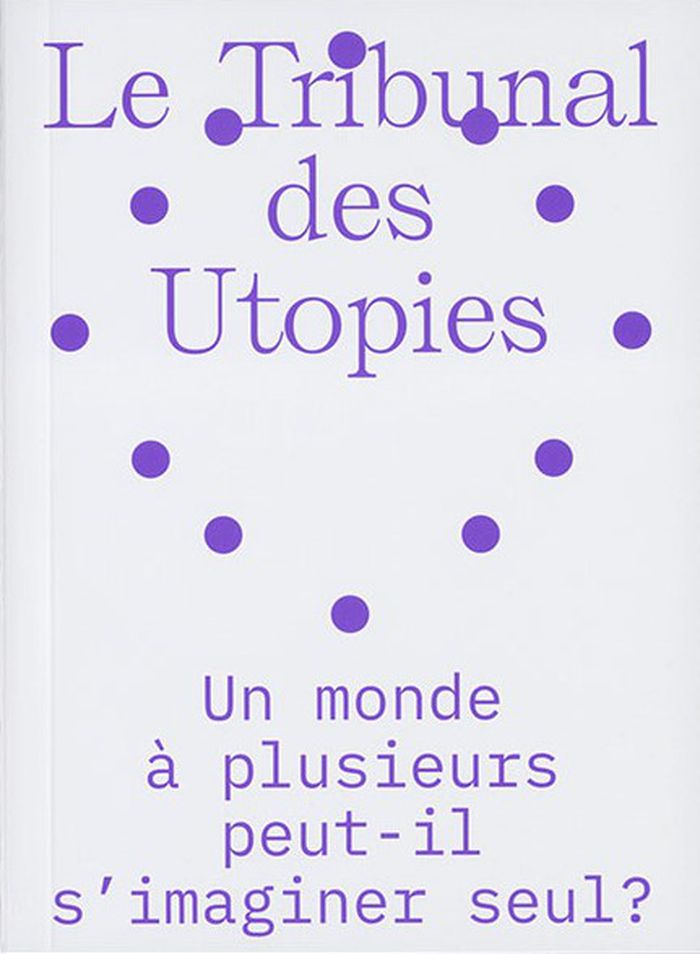
Le Tribunal des Utopies #2 : Un monde à plusieurs peut-il s’imaginer seul?
Actions:
Prix:
$25.00
(disponible sur commande)
Résumé:
Un monde à plusieurs peut-il s'imaginer seul ? « Entre vision et réalisation, le Tribunal des Utopies en fait le procès, avec des experts invités à la barre. Pour cette deuxième édition, Antoine Aubinais (architecte), Stéphanie Sense (élue locale), Luc Gwiazdzinski (géographe), Elisa Dumay (urbaniste culturelle), Marc-André Selosse (biologiste) et Simon Laisney (urbaniste) reviennent sur la nécessité d’une rencontre apaisée et sur les conditions de cette rencontre. Quelles sont les stratégies mises en place pour créer des entre-deux, des territoires communs, des terrains d’entente ? Si « seul on va plus vite, mais qu’ensemble on va plus loin », ne pouvons-nous pas nous prendre alors à rêver d’horizon ? »
Classification:
livres
livres
Publication:
avril 2026
avril 2026
Sujet:
Théorie de l’architecture
Théorie de l’architecture
Classification:
livres
livres
Titre:
The House at Capo d'Orso
The House at Capo d'Orso
Actions:
Prix:
$33.95
(disponible en magasin)
Résumé:
How does a house shape experience? How does architecture establish a practice of living? Architect Sebastiano Brandolini invites readers on a meditative tour of his family’s house on the Sardinian coast, describing everything from the geology of the rocks beneath, to the history of the surrounding villages, to the way the shifting light measures the day. More than the(...)
Titre:
The House at Capo d'Orso
Actions:
Prix:
$33.95
(disponible en magasin)
Résumé:
How does a house shape experience? How does architecture establish a practice of living? Architect Sebastiano Brandolini invites readers on a meditative tour of his family’s house on the Sardinian coast, describing everything from the geology of the rocks beneath, to the history of the surrounding villages, to the way the shifting light measures the day. More than the story of a single summer home written by an accomplished architect, this is a study of how place, the built environment, and daily practice make up our lives, at the most minute level of detail. Recalling the essays of Walter Benjamin, Bill Bryson, Rebecca Solnit, and Lawrence Weschler, Brandolini’s writing weaves literature, art history, and the transformation of Sardinia since the 1960s into a single fabric. "The House at Capo d’Orso" is not only a study of architecture and life in the built environment, but of family life, and the way the Brandolini family adapted themselves to the house they built.
Classification:
livres
livres
Publication:
mai 2023
mai 2023
Sujet:
Théorie de l’architecture
Théorie de l’architecture
Classification:
livres
livres
Actions:
Prix:
$48.00
(disponible en magasin)
Résumé:
Between the nineteenth century and today, colonial officials, collectors, and anthropologists dismembered African buildings and dispersed their parts to museums in Europe and the United States. Most of these artifacts were cataloged as ornamental art objects, which erased their intended functions, and the removal of these objects often had catastrophic consequences for(...)
Titre:
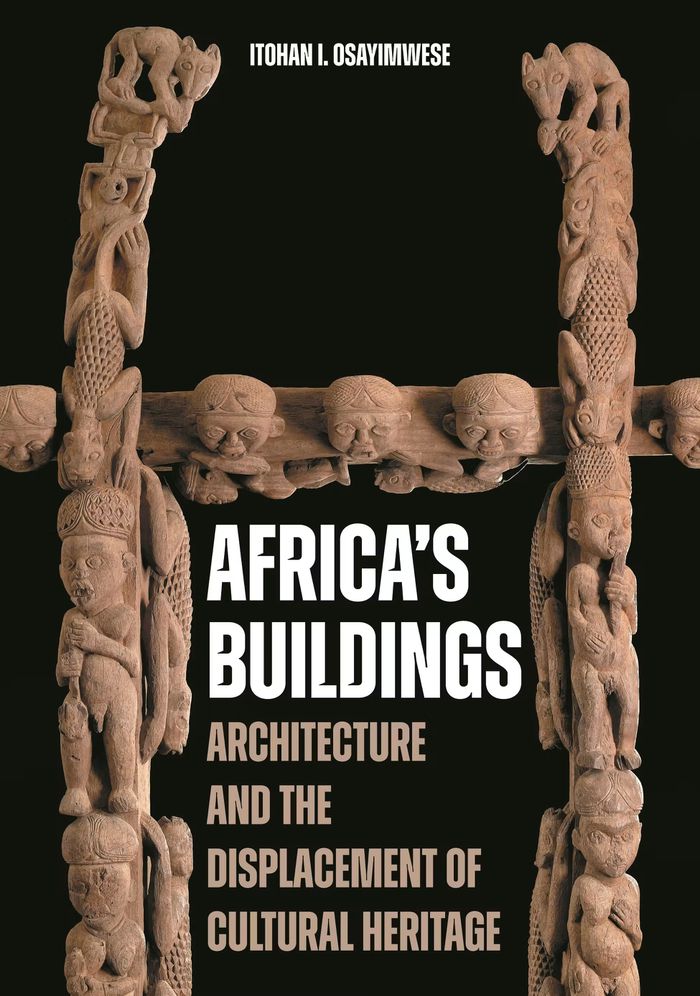
Africa's buildings: Architecture and the displacement of cultural heritage
Actions:
Prix:
$48.00
(disponible en magasin)
Résumé:
Between the nineteenth century and today, colonial officials, collectors, and anthropologists dismembered African buildings and dispersed their parts to museums in Europe and the United States. Most of these artifacts were cataloged as ornamental art objects, which erased their intended functions, and the removal of these objects often had catastrophic consequences for the original structures. "Africa’s Buildings" traces the history of the collection and distribution of African architectural fragments, documenting the brutality of the colonial regimes that looted Africa’s buildings and addressing the ethical questions surrounding the display of these objects.
Classification:
livres
livres
Publication:
octobre 2025
octobre 2025
Sujet:
Théorie de l’architecture
Théorie de l’architecture
Classification:
livres
livres
Actions:
Prix:
$30.00
(disponible en magasin)
Résumé:
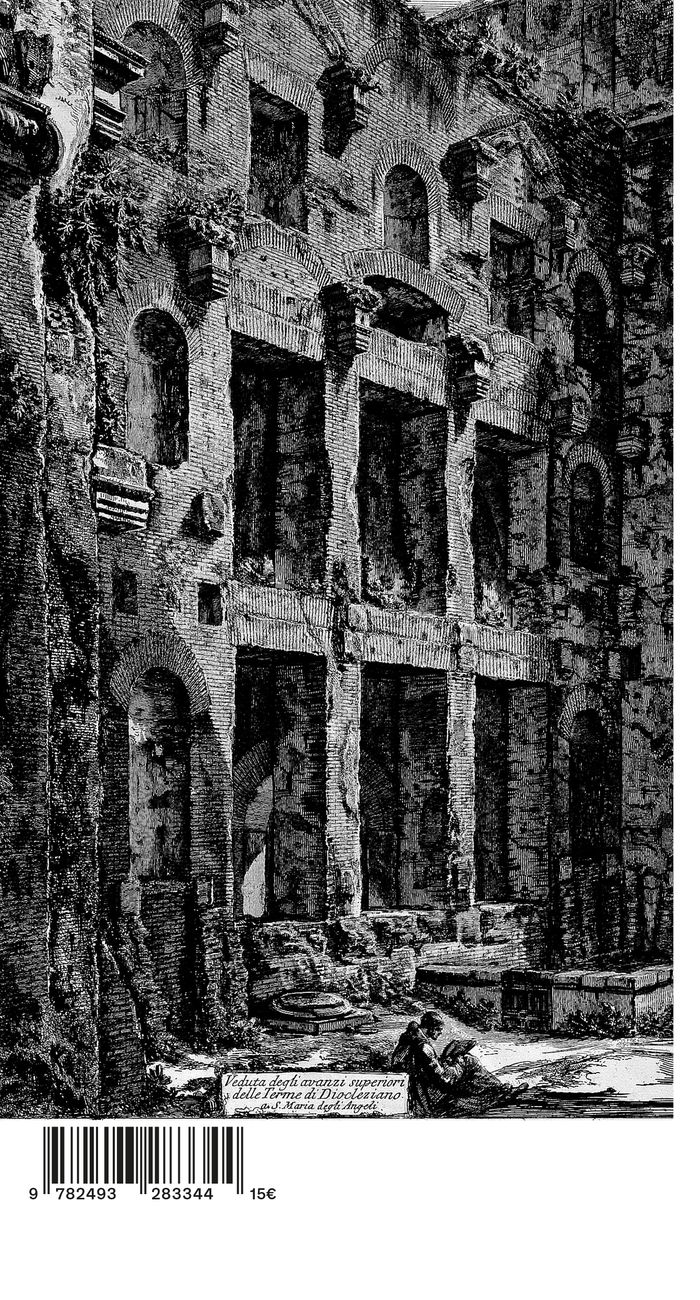
"What is architecture?" Many great architects, from Ludwig Mies van der Rohe to Etienne-Louis Boullée, have grappled with this question. This book has emerged from a process of personal reflection of the author on the practice of architecture and is, in essence, a collection of thoughts on how to understand architecture and architectural design. It does not aim to provide(...)
Titre:
Architecture as a historical discipline
Actions:
Prix:
$30.00
(disponible en magasin)
Résumé:
"What is architecture?" Many great architects, from Ludwig Mies van der Rohe to Etienne-Louis Boullée, have grappled with this question. This book has emerged from a process of personal reflection of the author on the practice of architecture and is, in essence, a collection of thoughts on how to understand architecture and architectural design. It does not aim to provide an exhaustive or systematic treatment. These reflections—shaped through teaching—remain personal, even if they aspire to be shared by others. The crux of the argument made here is that the history of architecture should be recognised as the foundational matrix of architectural identity. Starting from this premise, the inquiry delves into the essence of architecture and design; it asks how this discipline can be taught and learned, what constitutes a theoretical text on design, and what defines architectural research. The book addresses those who, much like an architecture student, wish to "understand better".
Classification:
livres
livres
Publication:
mars 2026
mars 2026
Sujet:
Théorie de l’architecture
Théorie de l’architecture
Classification:
livres
livres
Prix:
$56.95
(disponible en magasin)
Résumé:
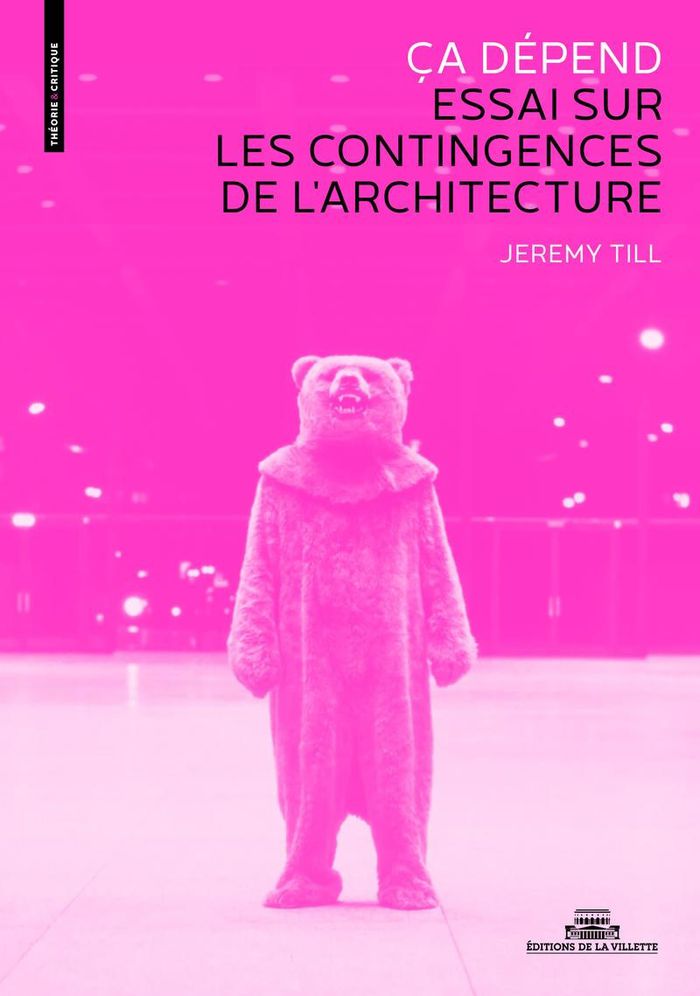
De quoi dépend l'architecture ? Des gens, de l'époque, de la politique, de l'économie, de l'éthique, du désordre... Bref, du réel dans son imprévisible complexité et son irréductible incertitude. Jeremy Till invite les architectes à prendre davantage en considération ces contingences, qui excèdent leur sphère de contrôle mais finissent toujours par s'imposer à leurs(...)
Titre:
Ça dépend : essai sur les contigences de l'architecture
Actions:
Prix:
$56.95
(disponible en magasin)
Résumé:
De quoi dépend l'architecture ? Des gens, de l'époque, de la politique, de l'économie, de l'éthique, du désordre... Bref, du réel dans son imprévisible complexité et son irréductible incertitude. Jeremy Till invite les architectes à prendre davantage en considération ces contingences, qui excèdent leur sphère de contrôle mais finissent toujours par s'imposer à leurs oeuvres. Avec rigueur et ironie, l'auteur déconstruit pas à pas l'autonomie que les architectes confèrent à leur discipline et qui les maintient dans une vision pure et idéale des objets qu'ils conçoivent. Les circonstances contrarient pourtant les plans les mieux tracés, à tout moment du processus, de la conception jusqu'à la construction et à l'utilisation d'un bâtiment. Le « Less is more » de Mies fait invariablement place au « Mess is the law » de Till.
Classification:
livres
livres
Publication:
septembre 2025
septembre 2025
Sujet:
Théorie de l’architecture
Théorie de l’architecture
Classification:
livres
livres
Prix:
$38.00
(disponible en magasin)
Résumé:
''Common Treasures'' is a new series of books about the challenges faced by rural communities, written by people who are working on the ground and in the fields. Each volume gathers the very best essays about climate adaptation, food production and land use, and presents them as alternatives to the prevailing political discourse. This anthology, the second in the(...)
Sujet:
Théorie de l’architecture
Théorie de l’architecture
Publication:
février 2026
février 2026
Titre:
Common treasures. Vol.2: Housing, planning & construction
Actions:
Prix:
$38.00
(disponible en magasin)
Résumé:
''Common Treasures'' is a new series of books about the challenges faced by rural communities, written by people who are working on the ground and in the fields. Each volume gathers the very best essays about climate adaptation, food production and land use, and presents them as alternatives to the prevailing political discourse. This anthology, the second in the ''Common Treasures'' project, developed from a series of conversations between the architecture collective Assemble and the arts organisation Common Ground. It takes as its premise the idea that approaches to housing that are grounded in greater levels of community ownership, management and maintenance have the potential to empower communities, overcome the opposition to local development and create conditions in which skilled rural workers are part of stronger local networks of industry and agriculture. Housing built by, for and with the people who live in it makes characterful neighbourhoods that last well, are able to be maintained by their residents and facilitate investment in local labour, materials and skilled workmanship. The contributors to this anthology share their work to overcome the many obstacles to this way of working, and offer a vision which is grounded, imaginative and hopeful.
Classification:
livres
livres
Publication:
février 2026
février 2026
Sujet:
Théorie de l’architecture
Théorie de l’architecture
Classification:
livres
livres
Actions:
Prix:
$38.00
(disponible en magasin)
Résumé:
''Common Treasures'' is a new series of books about the challenges faced by rural communities, written by people who are working on the ground and in the fields. Each volume gathers the very best essays about climate adaptation, food production and land use, and presents them as alternatives to the prevailing political discourse. Ambitious thinking about the future of(...)
Sujet:
Théorie de l’architecture
Théorie de l’architecture
Publication:
février 2026
février 2026
Titre:
Common treasures. Vol. I: Food, farming & land
Actions:
Prix:
$38.00
(disponible en magasin)
Résumé:
''Common Treasures'' is a new series of books about the challenges faced by rural communities, written by people who are working on the ground and in the fields. Each volume gathers the very best essays about climate adaptation, food production and land use, and presents them as alternatives to the prevailing political discourse. Ambitious thinking about the future of rural places requires connecting traditionally separate disciplines: architecture with agriculture; planning law with land workers’ livelihoods; food systems with local economies; community resilience with land ownership; and housing development with regenerative land use. From essays considering the reintroduction of British wool and flax, more sustainable ways to produce food, to the issues caused by second home ownership and the setting up of community land trusts, these books are a practical and inspirational blueprint created by those whose lives and work is engaged with the countryside every day.
Classification:
livres
livres
Publication:
février 2026
février 2026
Sujet:
Théorie de l’architecture
Théorie de l’architecture
Classification:
livres
livres
Actions:
Prix:
$120.00
(disponible sur commande)
Résumé:
What is architecture when computers redefine it? Two books explore the nature and potential of architecture in the age of artificial intelligence. Inspired by architect Fritz Haller (1924-2012), a virtual persona asks him about the architecture of the future. The first book uses artificial intelligence to network the Internet of Things into a new architecture. The second(...)
Titre:
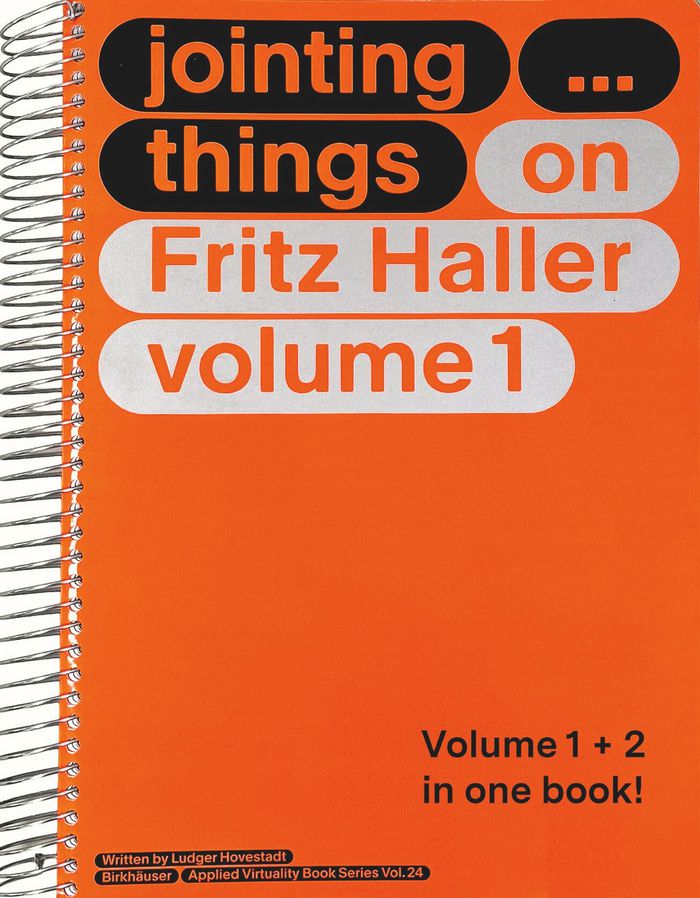
Jointing things... on Fritz Haller volume 1 & 2
Actions:
Prix:
$120.00
(disponible sur commande)
Résumé:
What is architecture when computers redefine it? Two books explore the nature and potential of architecture in the age of artificial intelligence. Inspired by architect Fritz Haller (1924-2012), a virtual persona asks him about the architecture of the future. The first book uses artificial intelligence to network the Internet of Things into a new architecture. The second presents six works by Fritz Haller in the multidisciplinary light of the 2020s and shows them like icons that already contain what was only thought of later. The two volumes are neither historical nor analytical - they are visionary and projective and, in some respects, represent an experiment in themselves. They show an architecture that does rethink and does not evaluate.
Classification:
livres
livres
Publication:
mai 2026
mai 2026
Sujet:
Théorie de l’architecture
Théorie de l’architecture


